Porcelain Veneers
Do I Need Healthy Teeth
and Gums for Veneers?
Yes, and here is why.
Veneers are a cosmetic finish, not a structural fix. Placing them over diseased gums or decayed teeth guarantees early failure. The preparation phase protects your investment for a decade or more.

The short version
- Active gum disease makes precise veneer margins impossible and leads to early failure.
- Cavities must be filled before preparation; veneers bond to healthy enamel only.
- Bite problems and grinding must be addressed to prevent cracking and debonding.
- Pre-treatment adds two to six weeks but protects your result for ten to fifteen years.
- Some patients are veneer-ready immediately; others need a short preparatory phase first.
Why gum health is non-negotiable
Active gum infection changes the landscape of your mouth continuously. Inflamed gum tissue bleeds, swells, and recedes in ways that shift daily, making it impossible to take accurate impressions for veneer fabrication or to seat the veneers at the correct margin depth. The margin, where the veneer edge meets the gum, is a critical seal. Get it wrong and bacteria re-enter, the veneer edge shows, and sensitivity develops.
Many patients are unaware they have gum disease. Bleeding when brushing is often normalised as a sign of brushing too hard rather than recognised as infection. At Picasso Dental we perform periodontal probing at every veneer consultation: a thin probe inserted gently around each tooth measures pocket depth and identifies diseased sites. A reading above 3mm with bleeding signals disease that must be treated before any cosmetic work.
Treatment depends on severity. Early-stage disease responds to professional scaling in one or two visits followed by improved home care. Moderate disease requires scaling and root planing under local anaesthetic, then four to six weeks of healing before we reassess. Only once gum measurements are stable do we proceed with veneers.
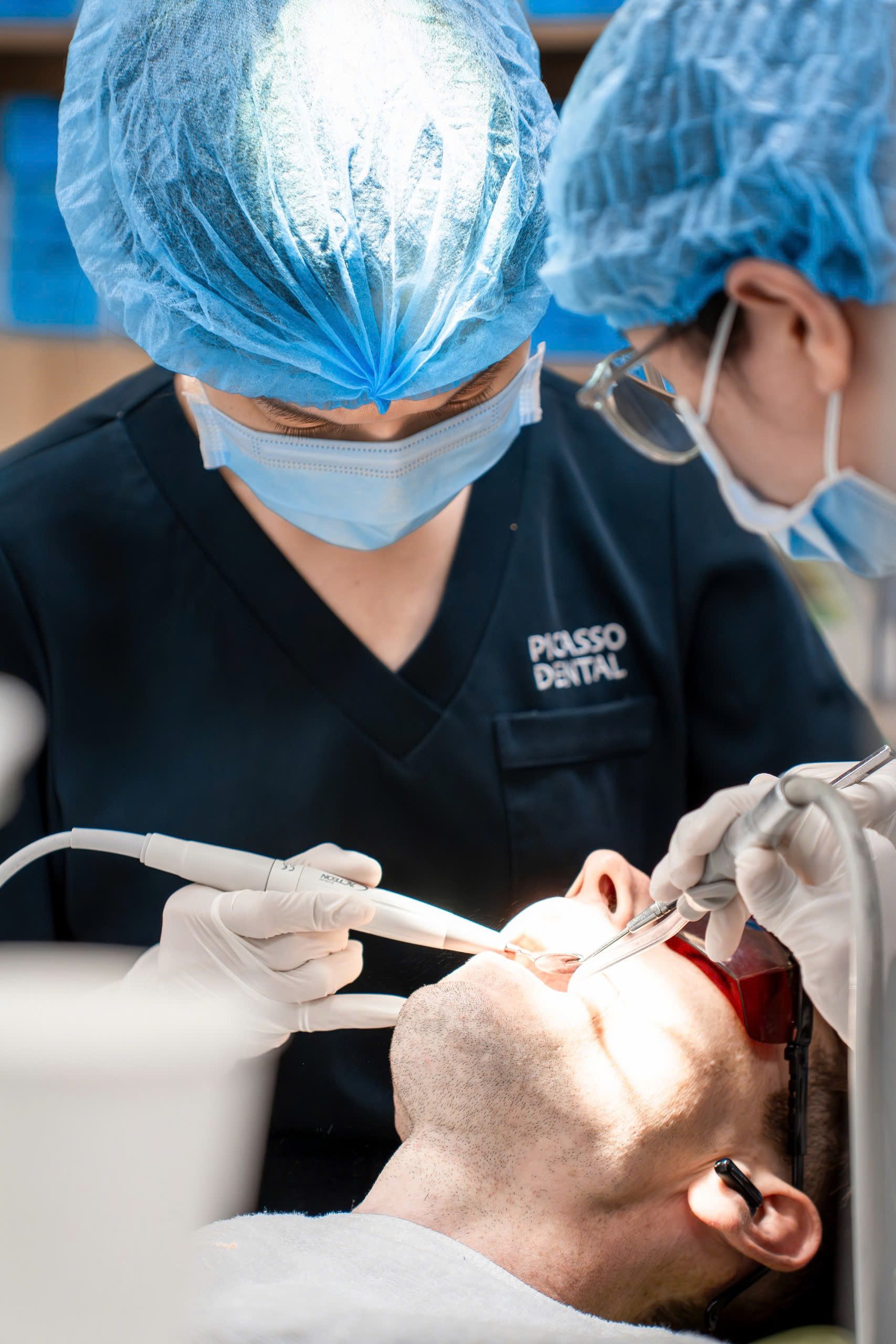
Tooth structure: what veneers actually bond to
Porcelain veneers bond to enamel. The adhesive system used in veneer placement is designed for a strong, lasting bond to the crystalline structure of healthy enamel. When decay is present, the bond attaches to compromised, softened dentine instead: a weaker substrate that flexes differently and does not hold the adhesive with the same long-term reliability.
Small cavities are filled before preparation, often in the same appointment if they are minor. Old, failing fillings are replaced with fresh composite to create a sound substrate for the veneer bond. Teeth with large existing restorations, fractures, or extensive decay are assessed individually. Some are better candidates for crowns, which cover the entire tooth and provide full structural reinforcement where a veneer's partial coverage would not be adequate.
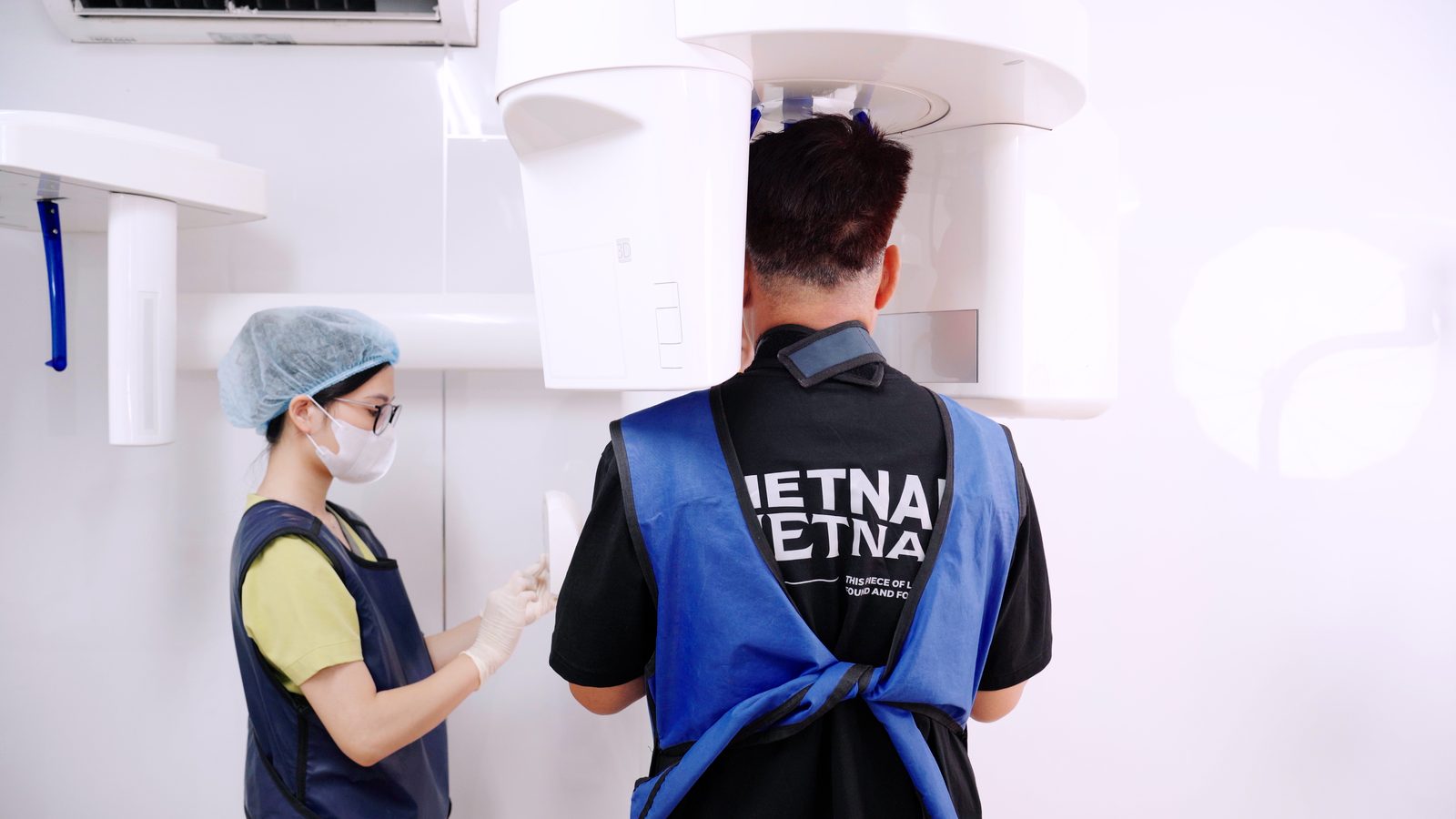
Bite and grinding: the mechanical threat
Veneers cover the front surfaces of teeth. They are not designed to absorb heavy lateral forces from a grinding habit or to compensate for a bite where opposing teeth strike them at a steep angle. Both situations create concentrated stress that leads to chips and fractures.
We assess every patient's bite using articulating paper and clinical examination. Patients who grind need a custom nightguard, fabricated after veneers are placed, to protect the porcelain during sleep. Patients with bite problems may benefit from equilibration: a careful adjustment of the bite so that forces are distributed evenly before veneers are placed.
"Making the decision to go to Hanoi and have the dental treatment done by Picasso was one of the best decisions I have taken for a long time."
Gerald Mair, Hanoi Old Quarter
Root canal treated teeth and veneers
Teeth that have had root canal treatment are structurally more brittle because the pulp, which supplied moisture and nutrients to the dentine, has been removed. This increases fracture risk under stress. We assess each root-treated tooth individually. Heavily restored or significantly discoloured root-treated teeth often do better with crowns, which encase the entire tooth and provide reinforcement along the full circumference. Where the tooth structure is largely intact, conservative veneers can be placed with enhanced bonding protocols.
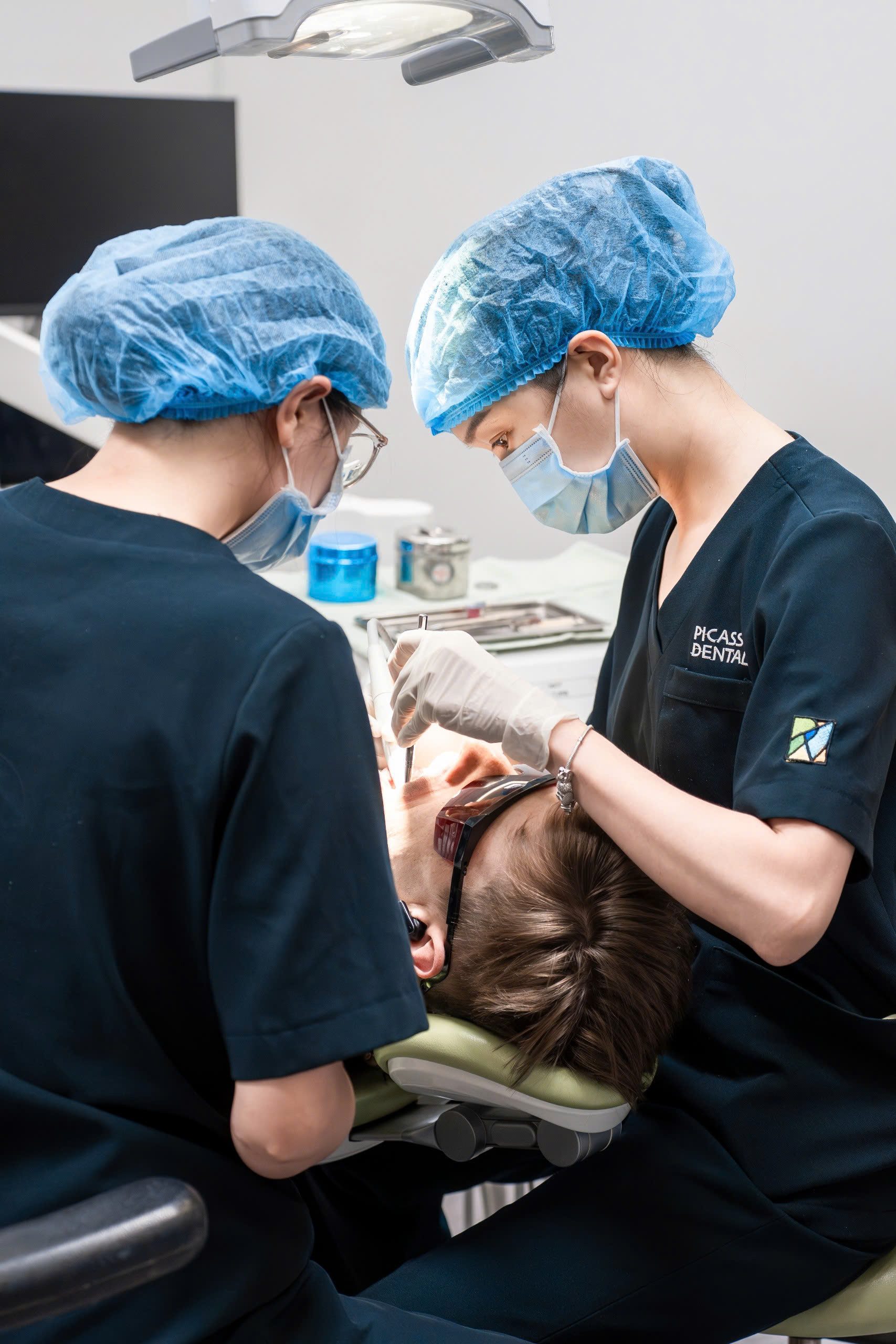
What the evaluation process looks like at Picasso Dental
At every veneer consultation we take full-mouth digital X-rays, perform periodontal probing, assess bite mechanics, and take photos and impressions if needed for planning. Some patients leave the first appointment with a confirmed start date for veneer preparation. Others leave with a short treatment plan addressing gum disease or decay before we can proceed.
The distinction between these two groups does not reflect on the patient. It reflects the reality that a lasting result requires an honest baseline assessment. Veneers placed on healthy teeth and healthy gums consistently perform well for ten to fifteen years or longer. Veneers placed prematurely over untreated problems rarely reach five years before requiring replacement at full cost.
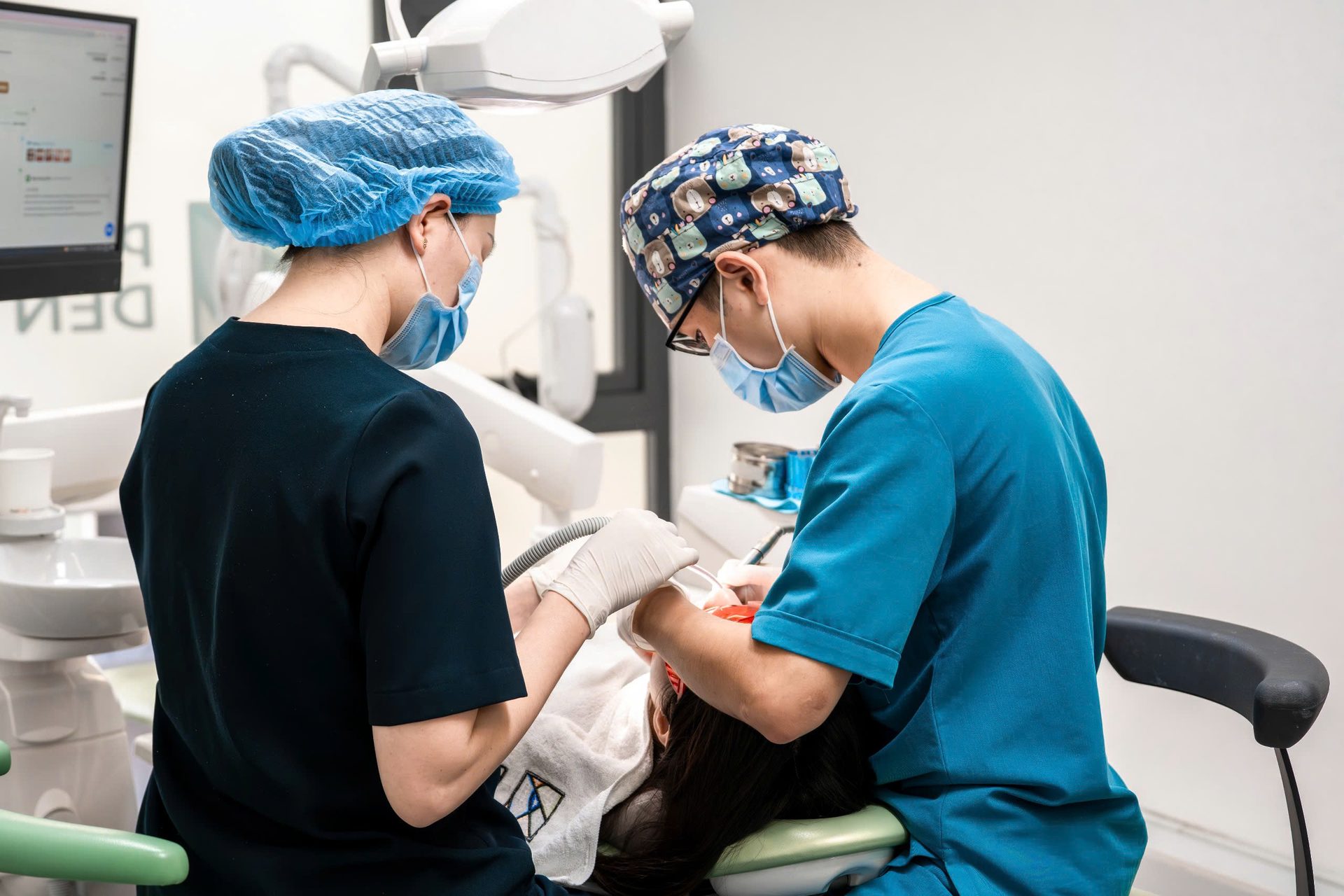
Not sure if you are ready for veneers? Our pre-veneer assessment will tell you exactly where you stand and what, if anything, needs to happen first.
Book an assessment →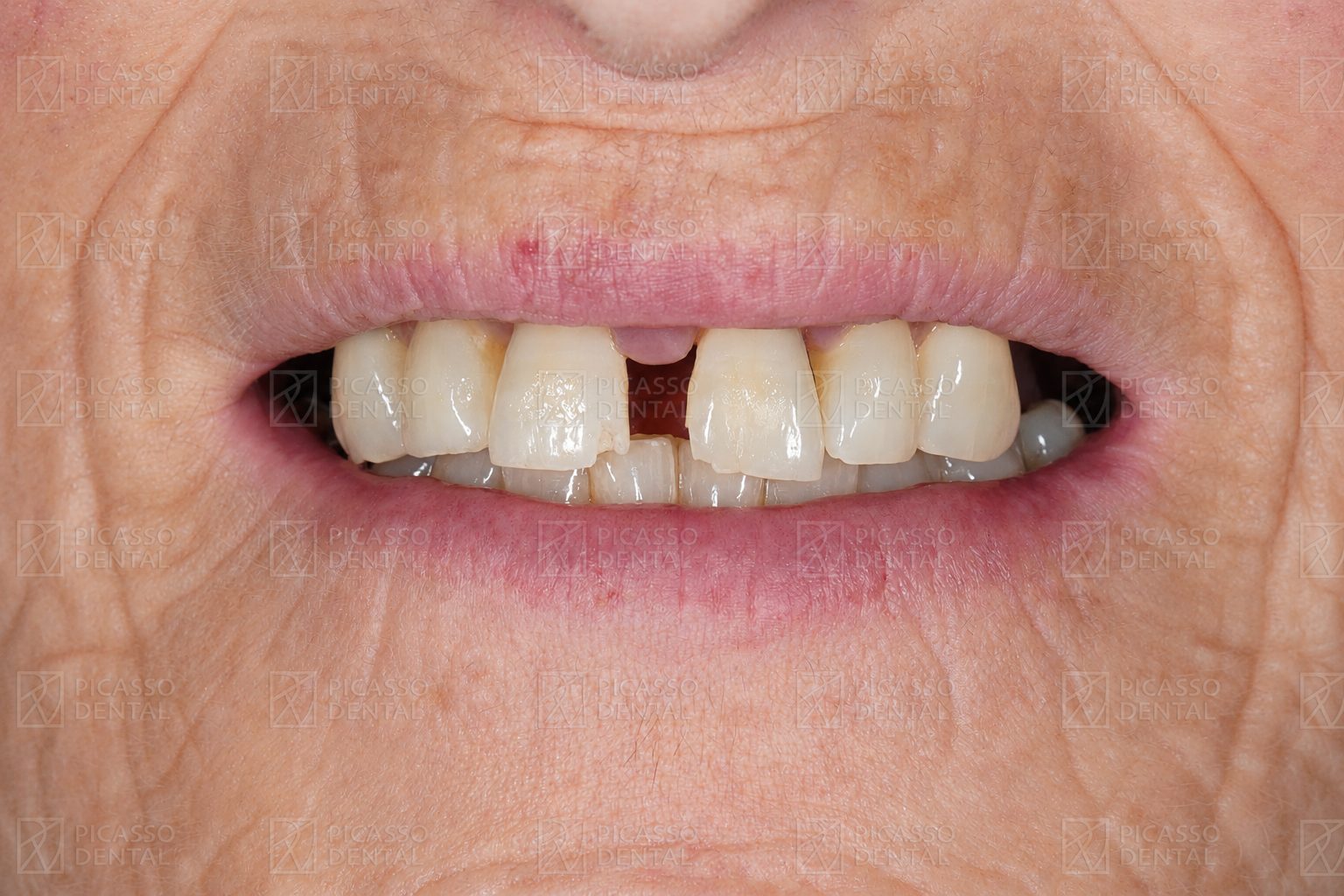 Before
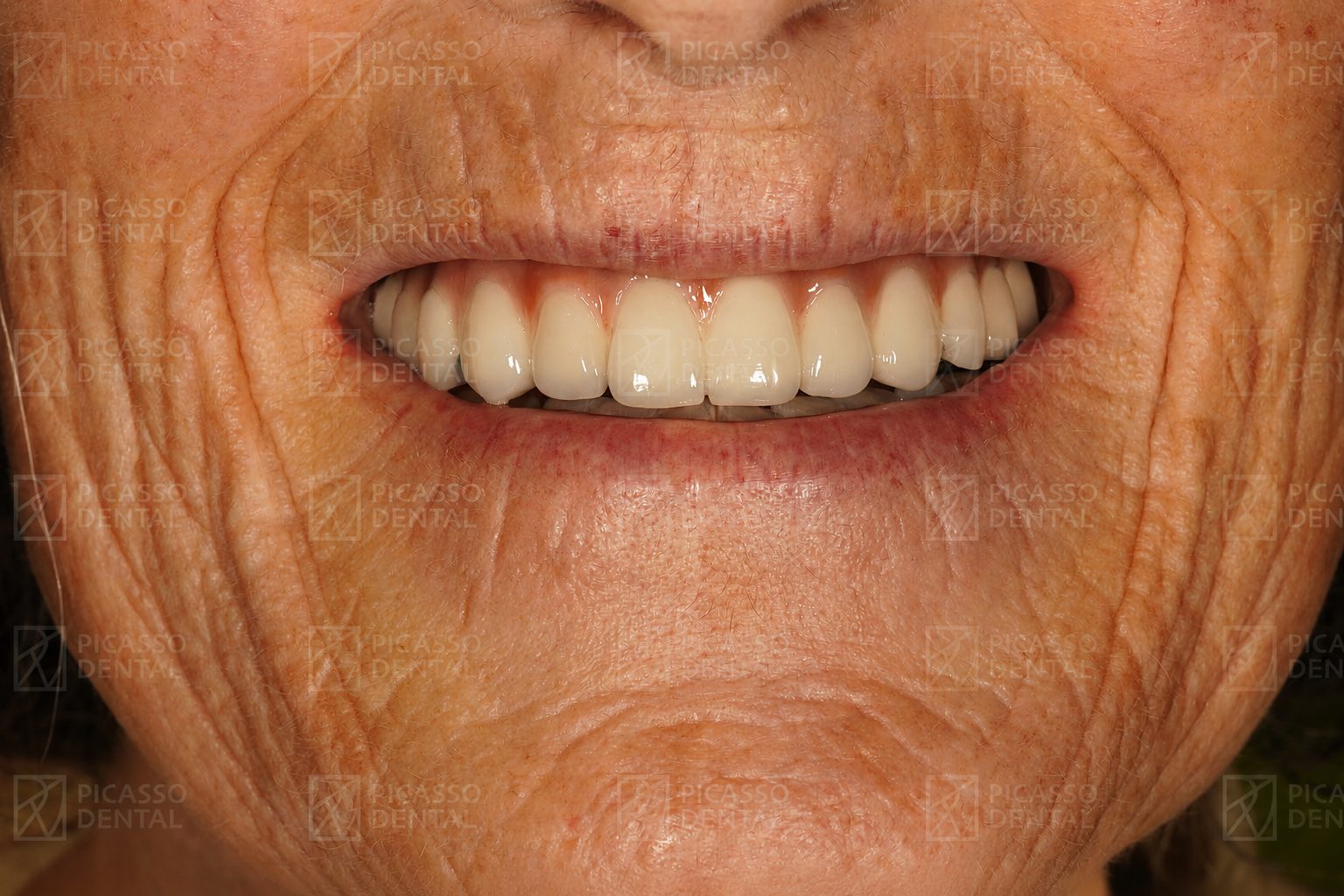 After
AfterFull rehabilitation, Hanoi Old Quarter
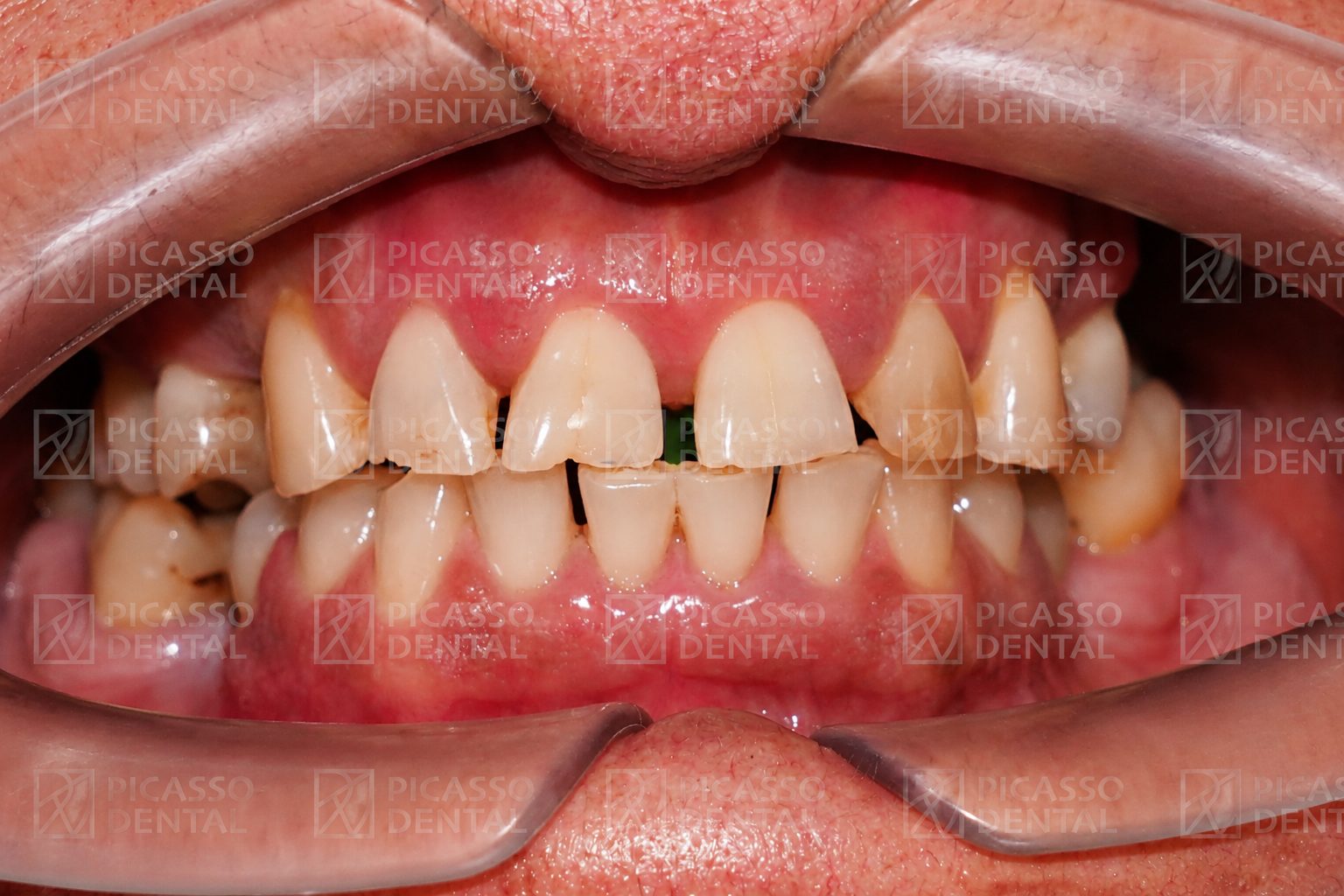 Before
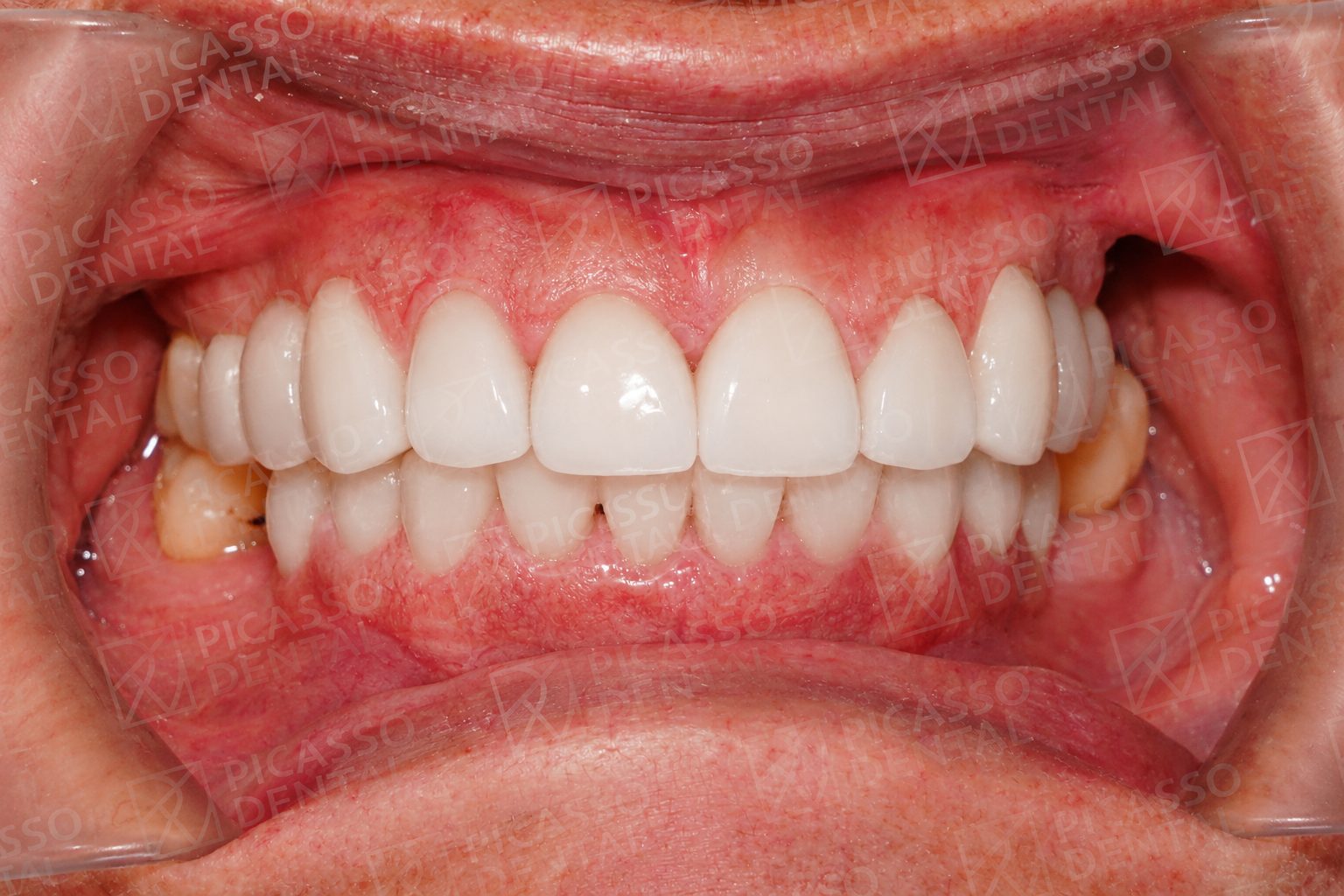 After
AfterPorcelain crowns, Da Nang
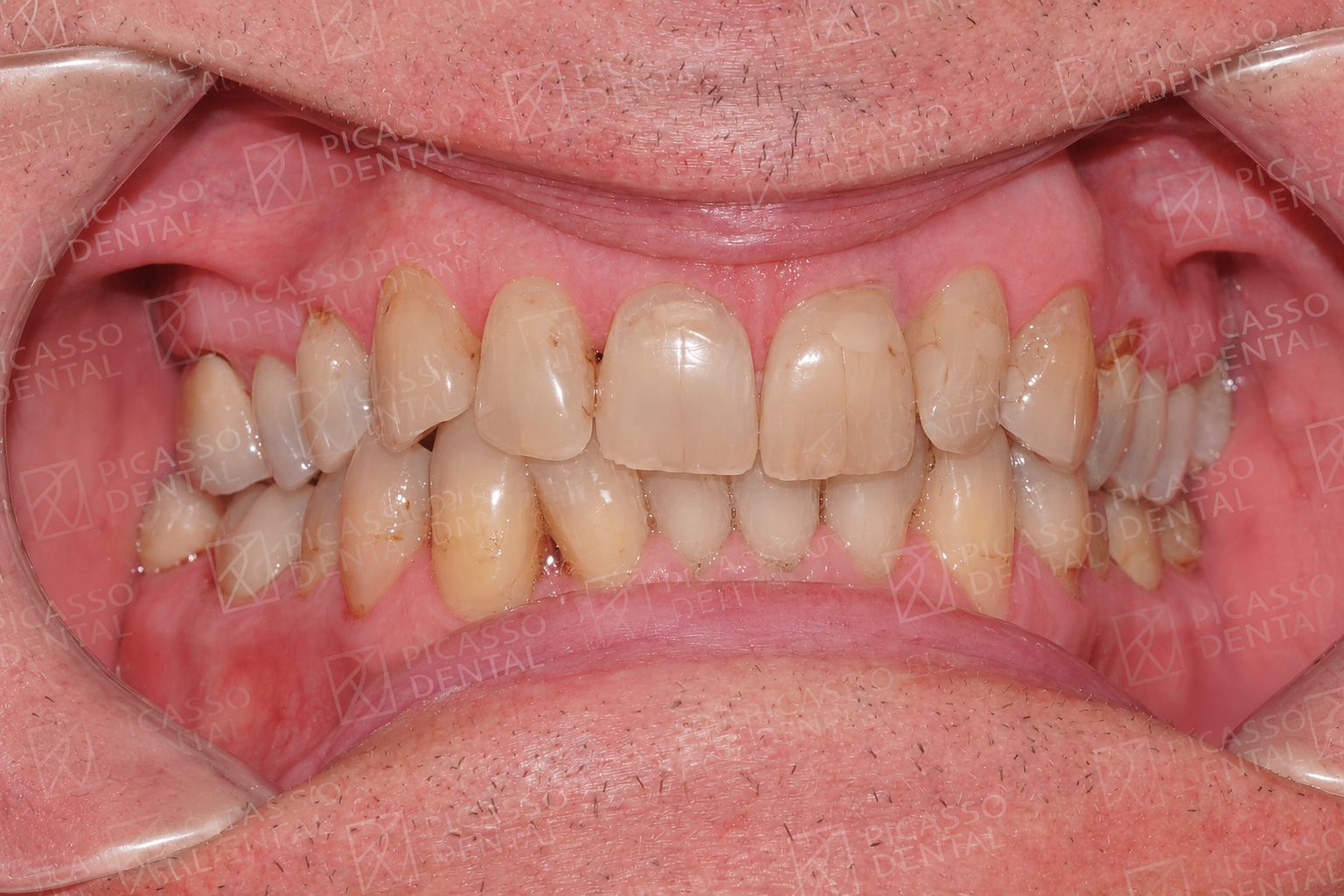 Before
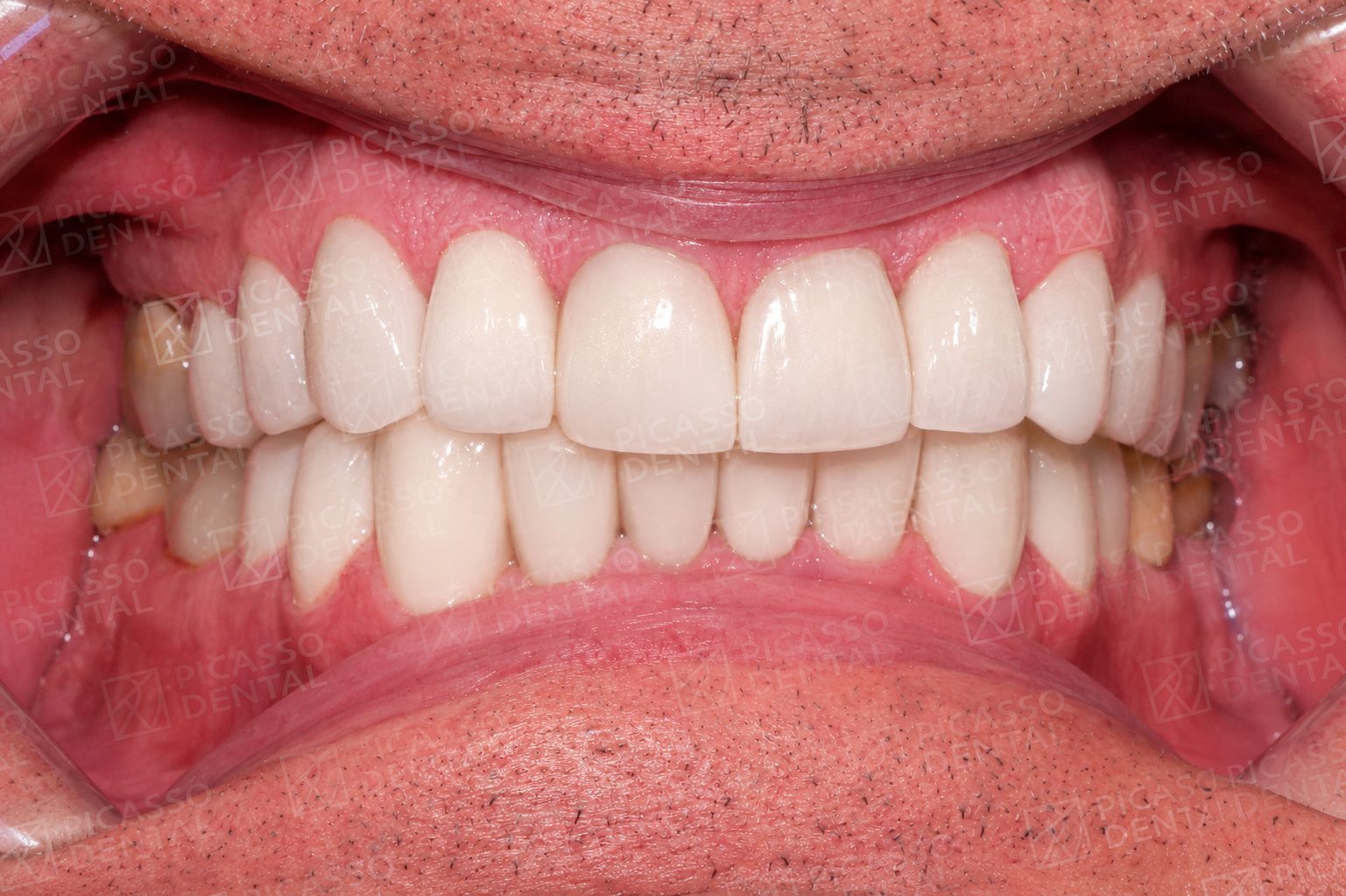 After
AfterCrown and implant, HCMC Thao Dien
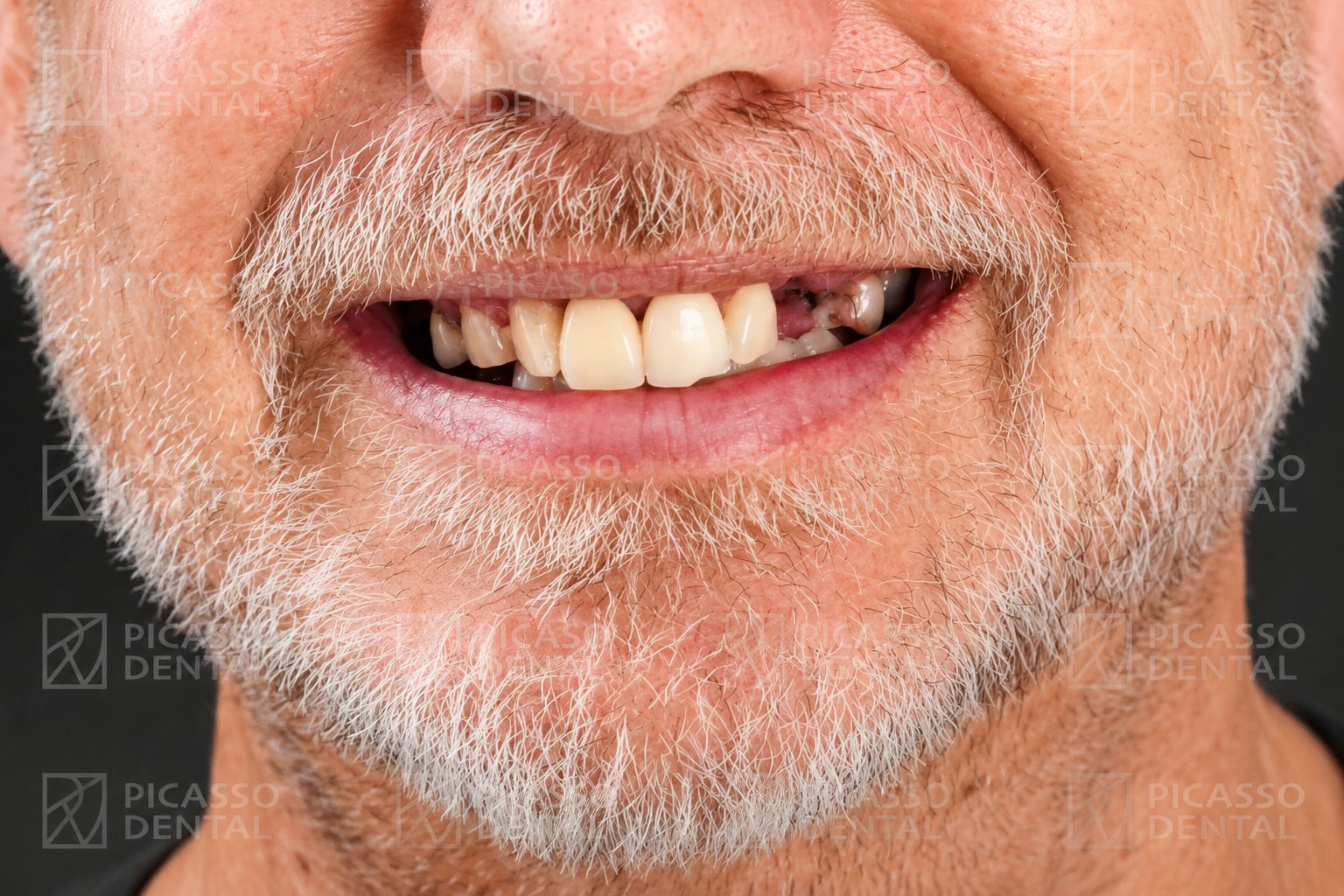 Before
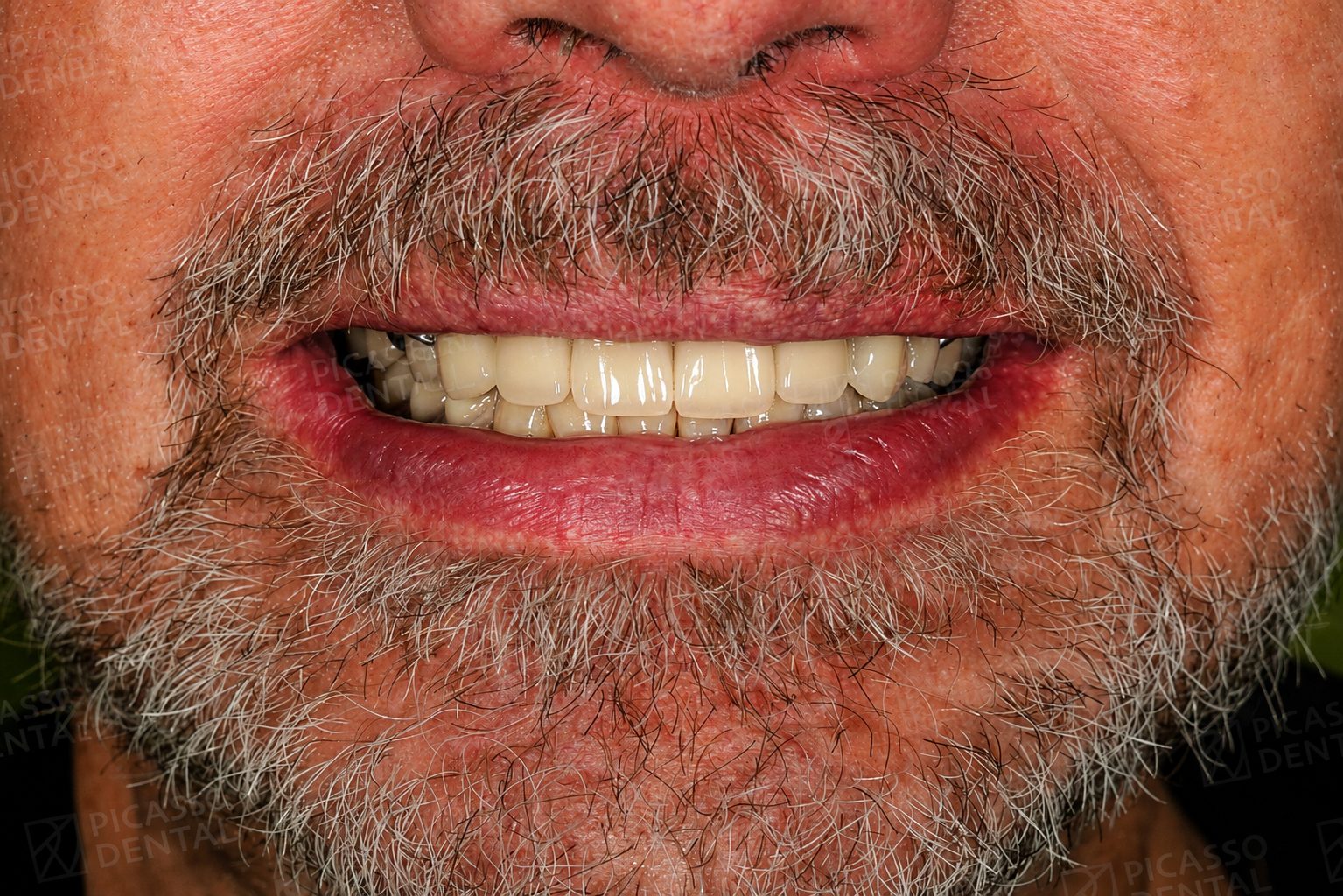 After
AfterCrown restoration, Hanoi Westlake
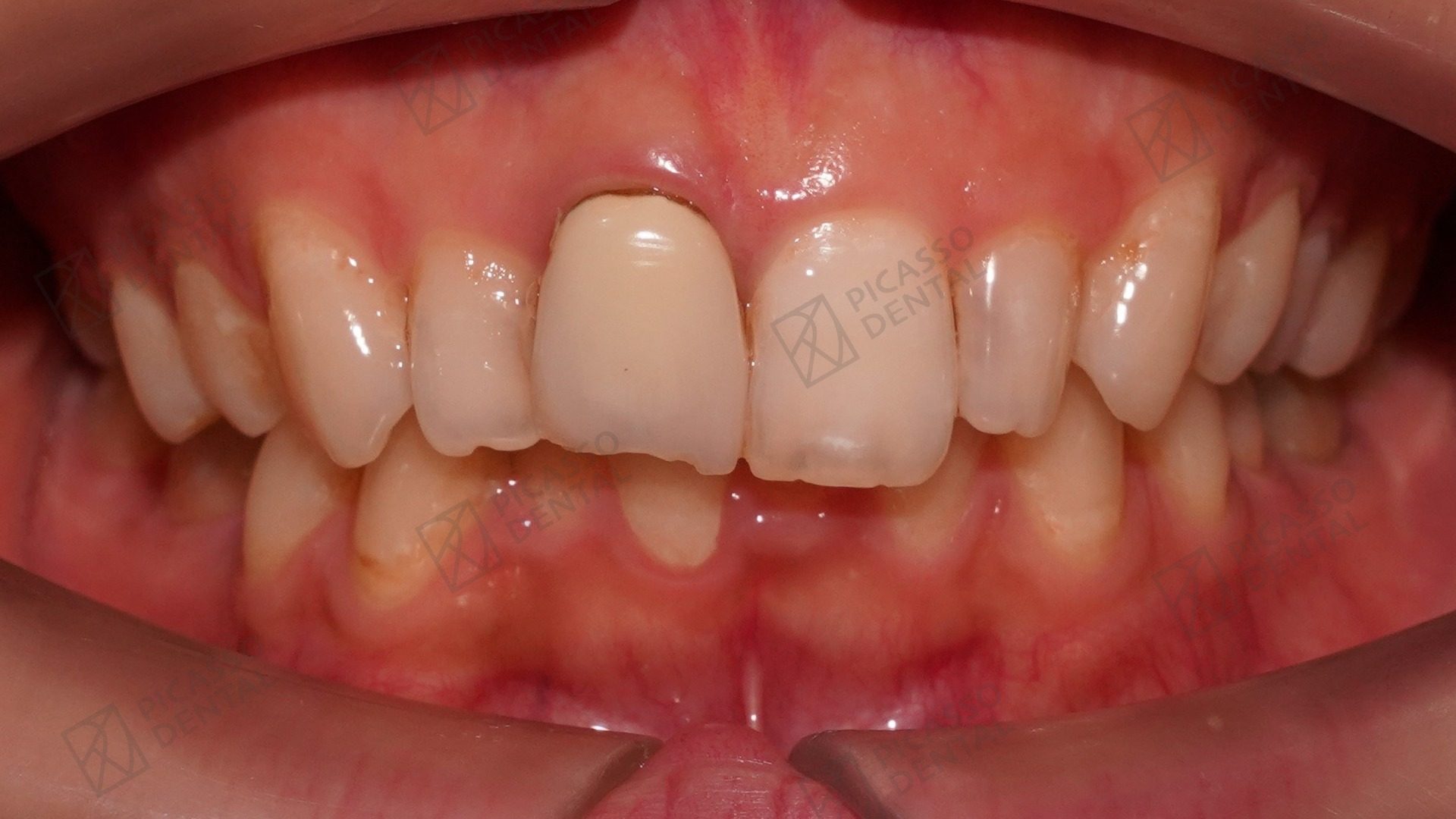 Before
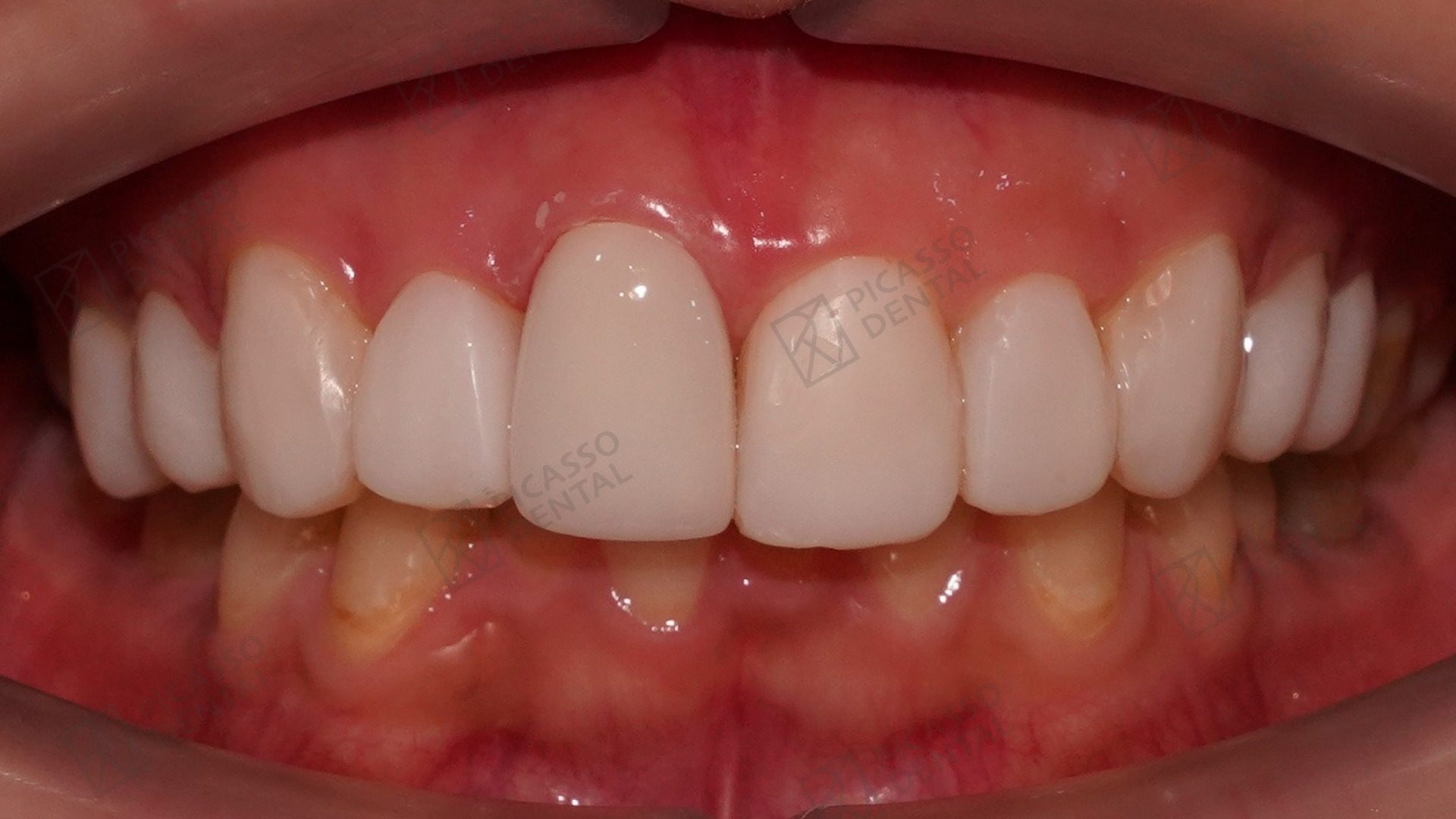 After
AfterSmile restoration, Da Nang Flagship
Frequently asked questions
Do I need healthy gums before getting veneers?
Yes. Active gum disease makes accurate veneer placement impossible. Inflamed gums bleed, swell, and change shape daily, preventing the precise marginal fit that keeps veneers sealed and comfortable. Gum disease treated before veneers typically requires two to six weeks of periodontal therapy followed by healing time. Veneers placed over diseased gums develop exposed margins and sensitivity within months.
Can I get veneers if I have cavities?
Cavities must be treated before veneer placement. Veneers bond to healthy enamel. Decay undermines that bond and continues to progress underneath the veneer after placement. Small fillings are completed first. Teeth with extensive decay may need crowns rather than veneers, as crowns provide full coverage and greater structural support for heavily compromised tooth structure.
What happens if veneers are placed over untreated gum disease?
The infection continues beneath the veneer. Gum recession exposes the margin where the veneer meets the tooth, creating a visible dark line and a pathway for bacteria to re-enter. Sensitivity increases. The veneer may debond as the bone supporting the tooth changes shape due to untreated infection. Failure within months rather than years is common in this scenario.
Do I need orthodontics before veneers?
Not always, but sometimes. Severely crowded or rotated teeth may need orthodontic alignment first because placing veneers on badly misaligned teeth requires removing too much tooth structure to achieve the desired result. Mild crowding or spacing is often corrected by the veneers themselves as part of the smile design. We assess bite and alignment at every pre-veneer consultation.
How long does pre-veneer preparation take?
It depends on what needs treating. Simple cleaning and minor fillings can be completed in one or two visits. Moderate gum disease requires scaling and root planing, then four to six weeks of healing before we re-evaluate. More complex cases requiring bone grafts or tooth extractions take longer. We map out the full timeline at the consultation so you know exactly what to expect.
Can root canal treated teeth have veneers?
Sometimes, but with caution. Root canal treated teeth become more brittle over time and may not support standard veneers long-term. We often recommend crowns for these teeth, which provide full coverage and greater structural reinforcement. Where veneers are placed on root canal treated teeth, we use conservative preparation depths and enhanced bonding protocols to maximise longevity.
How does bite alignment affect veneer candidacy?
A misaligned bite concentrates force unevenly across the teeth. Veneers in a poorly balanced bite experience excessive stress at specific contact points, accelerating wear and increasing fracture risk. We assess bite mechanics carefully before veneers. Patients who grind their teeth need a custom nightguard. Significant bite imbalances may require equilibration or orthodontic treatment before cosmetic work begins.
Patient Video Testimonial

Start Here
Start with a brief.
We will assess your gum health, tooth condition, and bite to tell you exactly what is needed before your veneers. No obligation, 24-hour reply.