
Porcelain Veneers
Do I Need a Nightguard
With Veneers?
The grinding risk explained.
Not every veneer patient needs one, but patients who grind at night absolutely do. Here is how to tell which category you fall into, and what happens to porcelain if you skip the guard.

The short version
- Grinding generates pressure exceeding 250 lb per square inch, enough to crack or debond porcelain.
- Many grinders are unaware: check for jaw soreness, morning headaches, and worn back teeth.
- Custom nightguards spread grinding forces evenly; pharmacy guards can concentrate them.
- The guard is made after veneer placement to match your new tooth contours precisely.
- Consistent nightguard use pushes veneer survival past 95% at fifteen years.
Why grinding is a serious threat to porcelain veneers
Porcelain veneers are thin shells, typically 0.5 to 0.7 mm thick, bonded to the front surfaces of your teeth. This design is deliberate: the less tooth structure removed during preparation, the better. But that thinness means veneers have limited capacity to absorb impact force on their own.
When you grind or clench at night, the bite force is far higher than during normal eating. Chewing generates roughly 70 pounds per square inch. Grinding can generate three to four times that amount, concentrated not downward through the tooth root but laterally across the veneer surface. That is the worst possible load direction for a thin porcelain shell. The result is hairline cracks that spread, corners that chip off, or the veneer debonding from the tooth surface entirely.
How to know if you grind your teeth
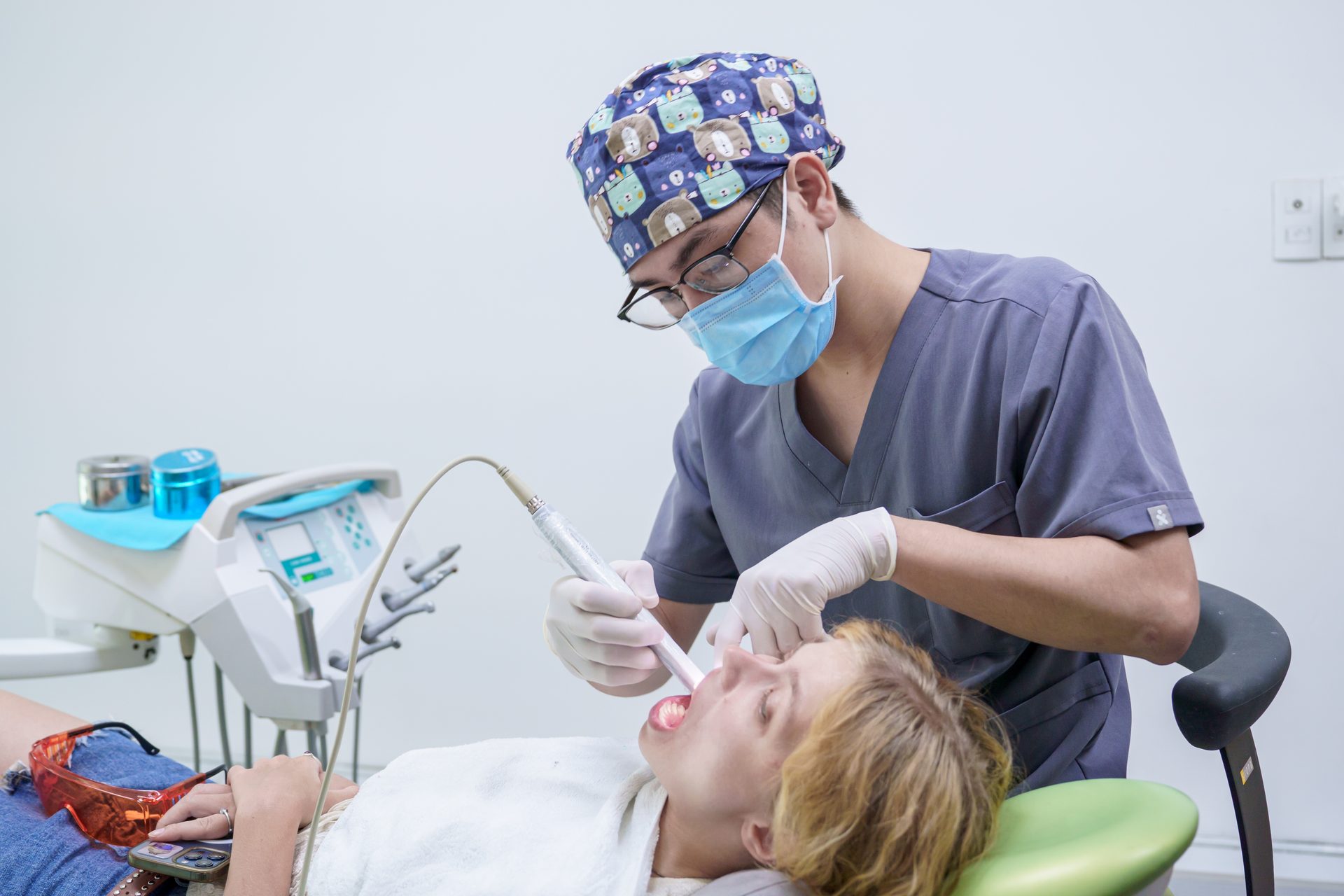
The frustrating reality is that most grinders do not know they grind. The habit occurs during deep sleep, outside conscious awareness. Your partner may hear it. More commonly, the signs are physical rather than auditory.
Look for jaw soreness or stiffness when you wake in the morning. Temple headaches that are worst in the early hours are a classic clenching symptom. Run your tongue along your back teeth: if the biting surfaces feel flat and smooth rather than slightly irregular, wear has occurred. In severe grinders the masseter muscle, the jaw muscle you can feel when you bite down, becomes visibly enlarged from the constant workout.
At Picasso Dental we examine every veneer patient specifically for these signs. Among our patients across six branches in Hanoi, Da Nang, and Ho Chi Minh City, approximately 60 percent show some evidence of grinding or clenching. That figure is consistent with the broader clinical literature on bruxism prevalence.
Why a custom guard is necessary, not a pharmacy alternative
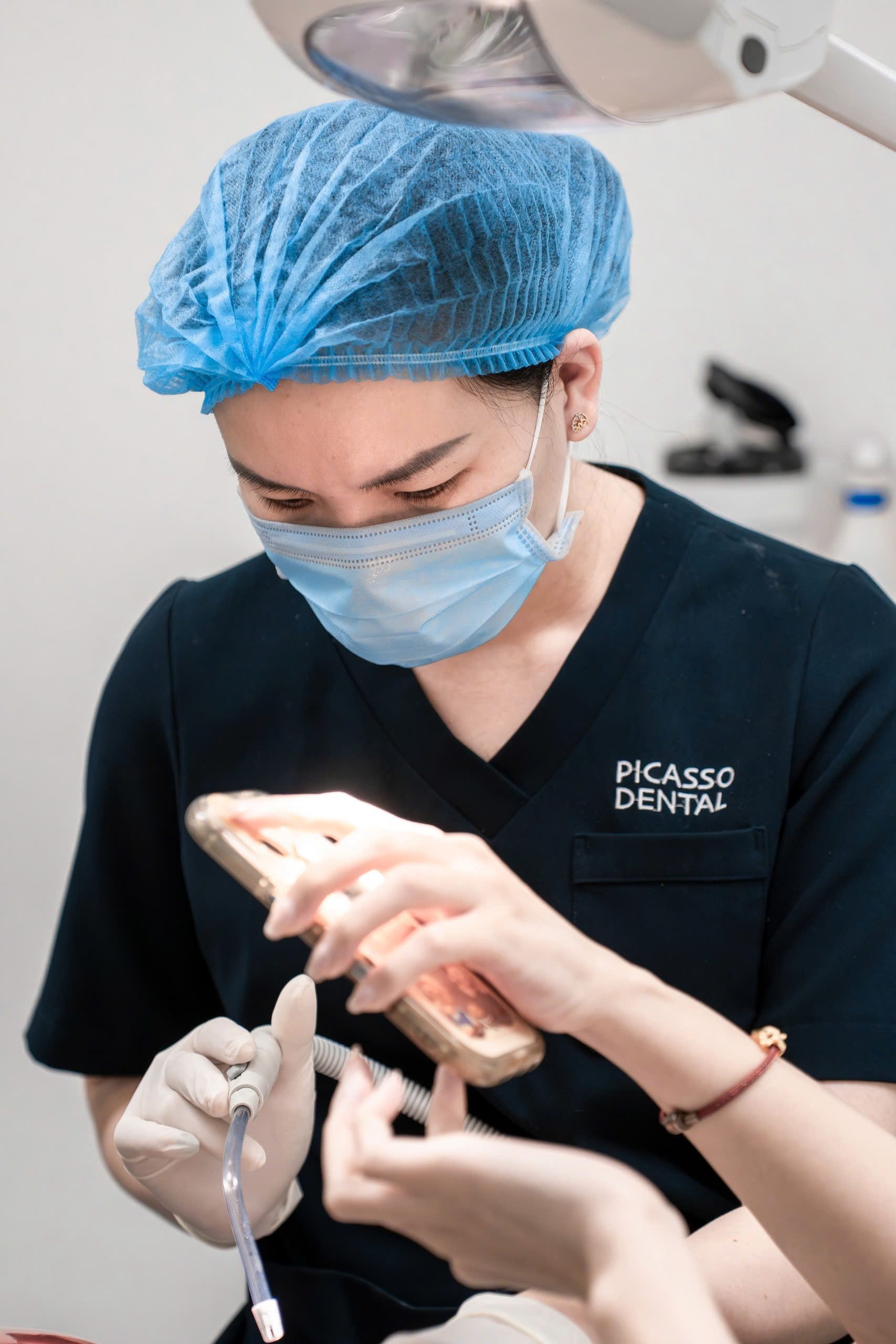
Pharmacy nightguards are soft, pliable trays that fit loosely over the teeth. The softness feels comfortable initially, but soft materials actually trigger more chewing activity in many patients, worsening the clenching cycle. They also rarely seat precisely enough to distribute force evenly across all teeth. The result can be increased pressure on specific veneers rather than spreading the load across the full arch.
A custom nightguard fabricated from impressions of your teeth is a different device entirely. It is made from firm acrylic precisely calibrated to your bite. It seats snugly, covers every tooth, and is designed with a flat occlusal surface so that grinding forces dissipate laterally across the entire guard rather than concentrating at contact points. The slight discomfort of wearing something firm in the mouth passes within three to five nights for most patients.
"My Aussie dentist and the endodontist both commented on the quality of Dr Emily's work, equal to anything they had seen by local specialists."
Lawrie Smith, Hanoi Old Quarter
Timing: when we make the nightguard
We fabricate the nightguard after veneers are placed, not before. This sequencing is deliberate. The veneer preparation changes the shape and contour of your front teeth. A guard made before placement would no longer fit the new tooth geometry. Once the veneers are bonded and we have confirmed the bite is correct, we take impressions for the guard. It is ready within a week to ten days.
How nightguard use affects veneer lifespan
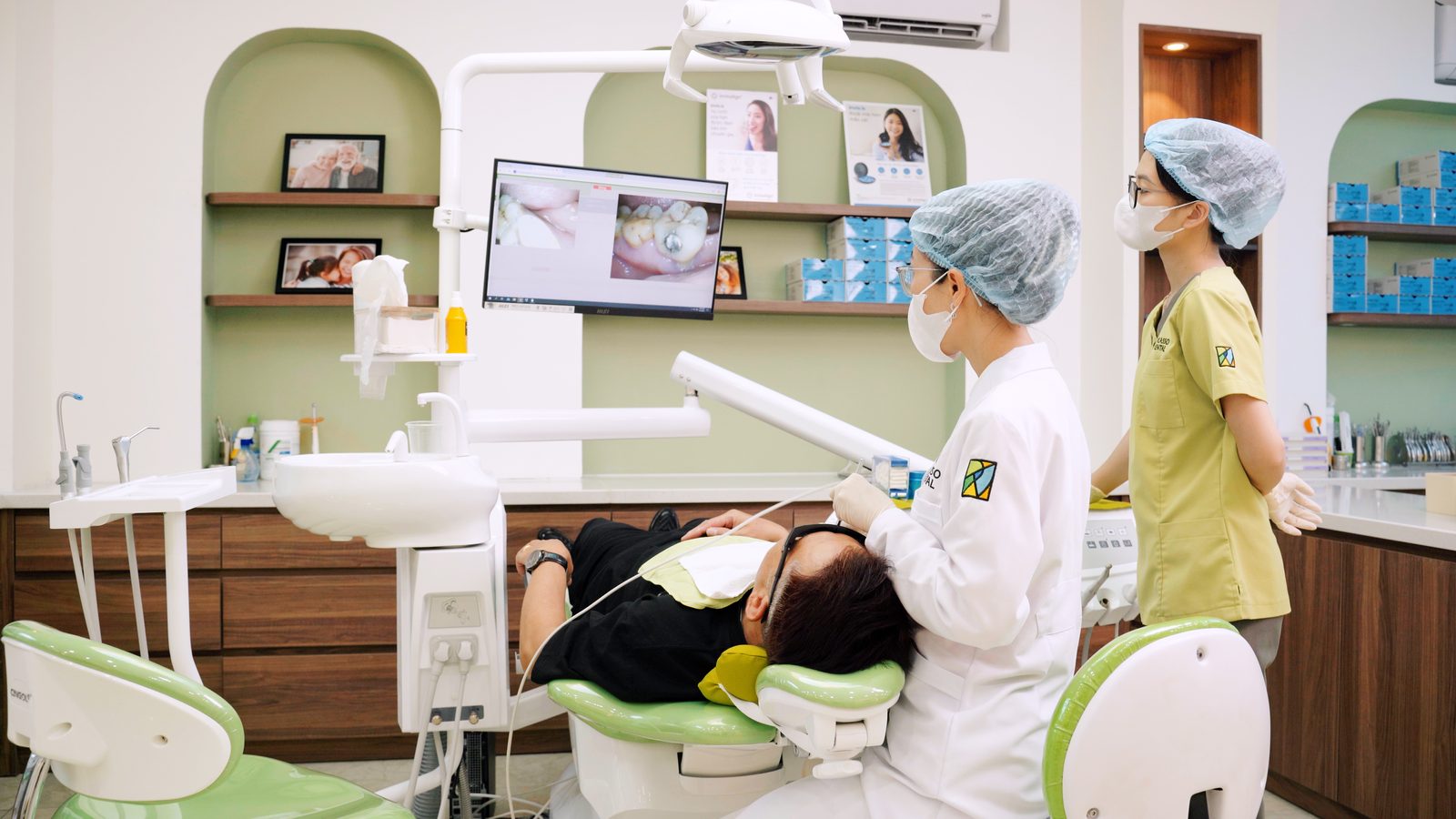
The data from our patient base is clear. Patients who wear their custom nightguard consistently show veneer survival rates above 95 percent at fifteen years. Patients with confirmed bruxism who do not wear a guard, or who wear one inconsistently, experience failure rates three to four times higher. Chips, cracks, and debonding are the most common failures, all requiring veneer replacement at significant cost.
The nightguard itself wears down over time, typically needing replacement every two to four years. That wear is direct evidence it is absorbing energy that would otherwise damage your porcelain. Think of it as a sacrificial layer designed to be replaced. The cost of a new nightguard every three years is a fraction of replacing a set of veneers.

Planning veneers? We assess your grinding risk and discuss nightguard options at the consultation. No obligation.
Book a consultation →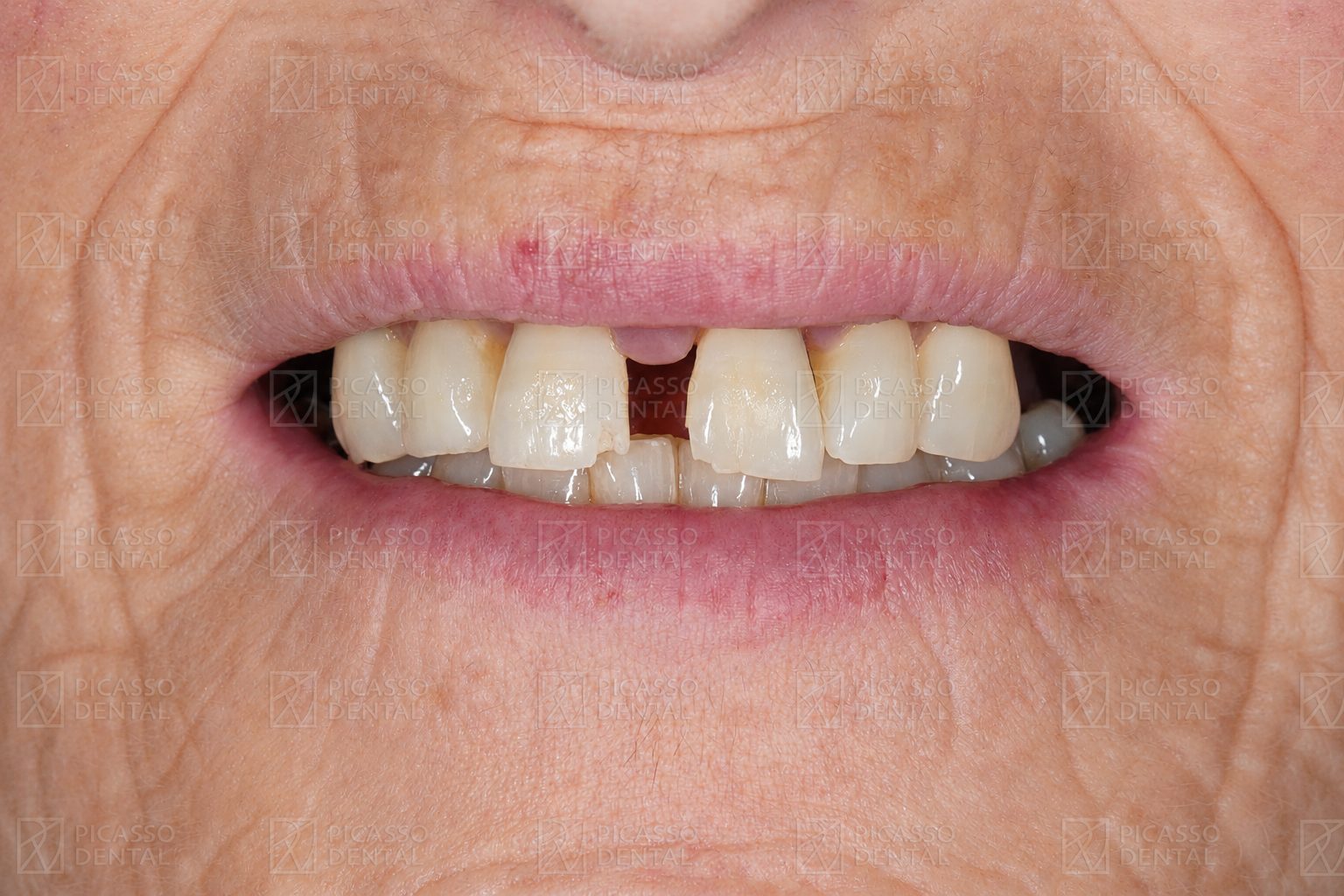 Before
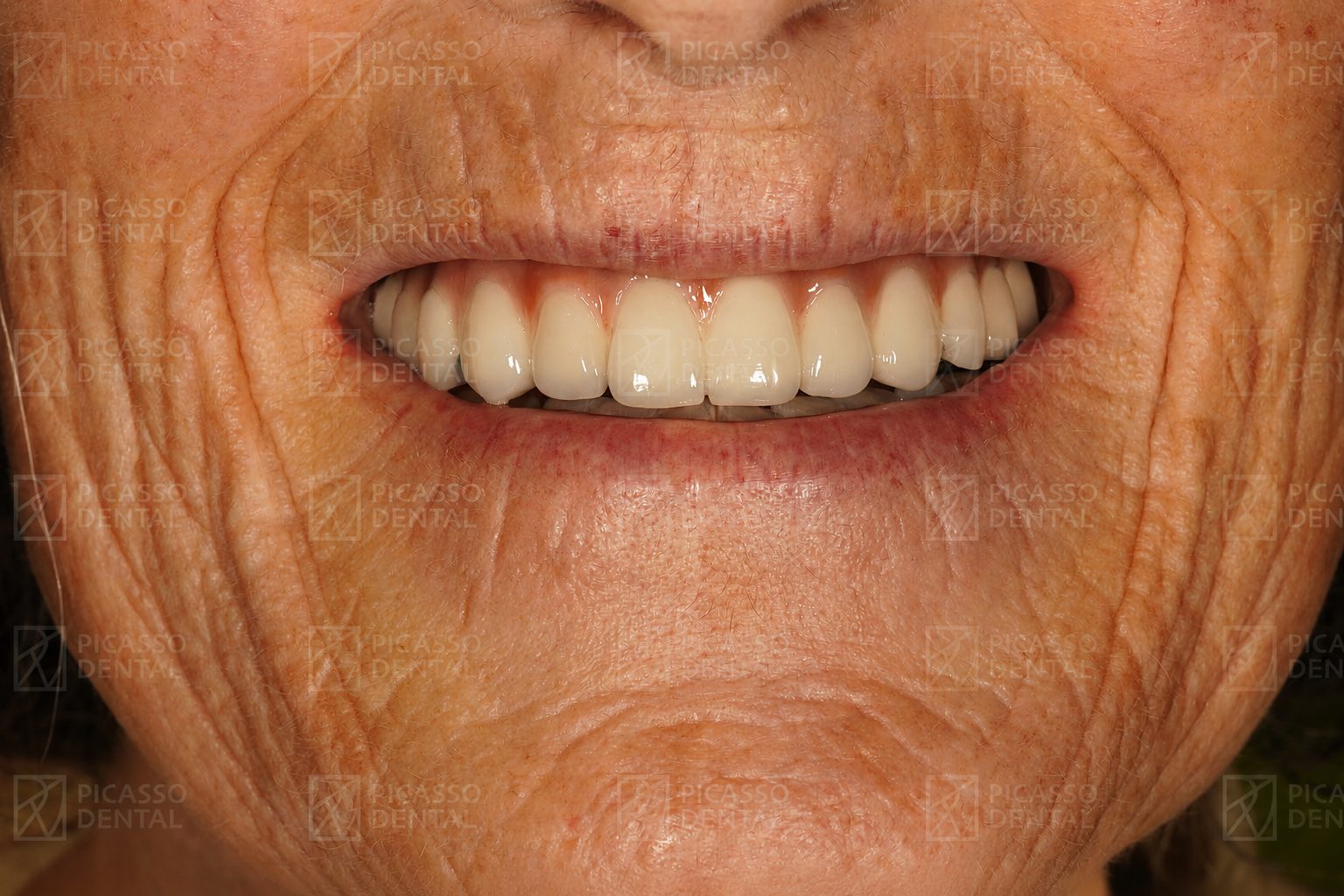 After
AfterFull rehabilitation, Hanoi Old Quarter
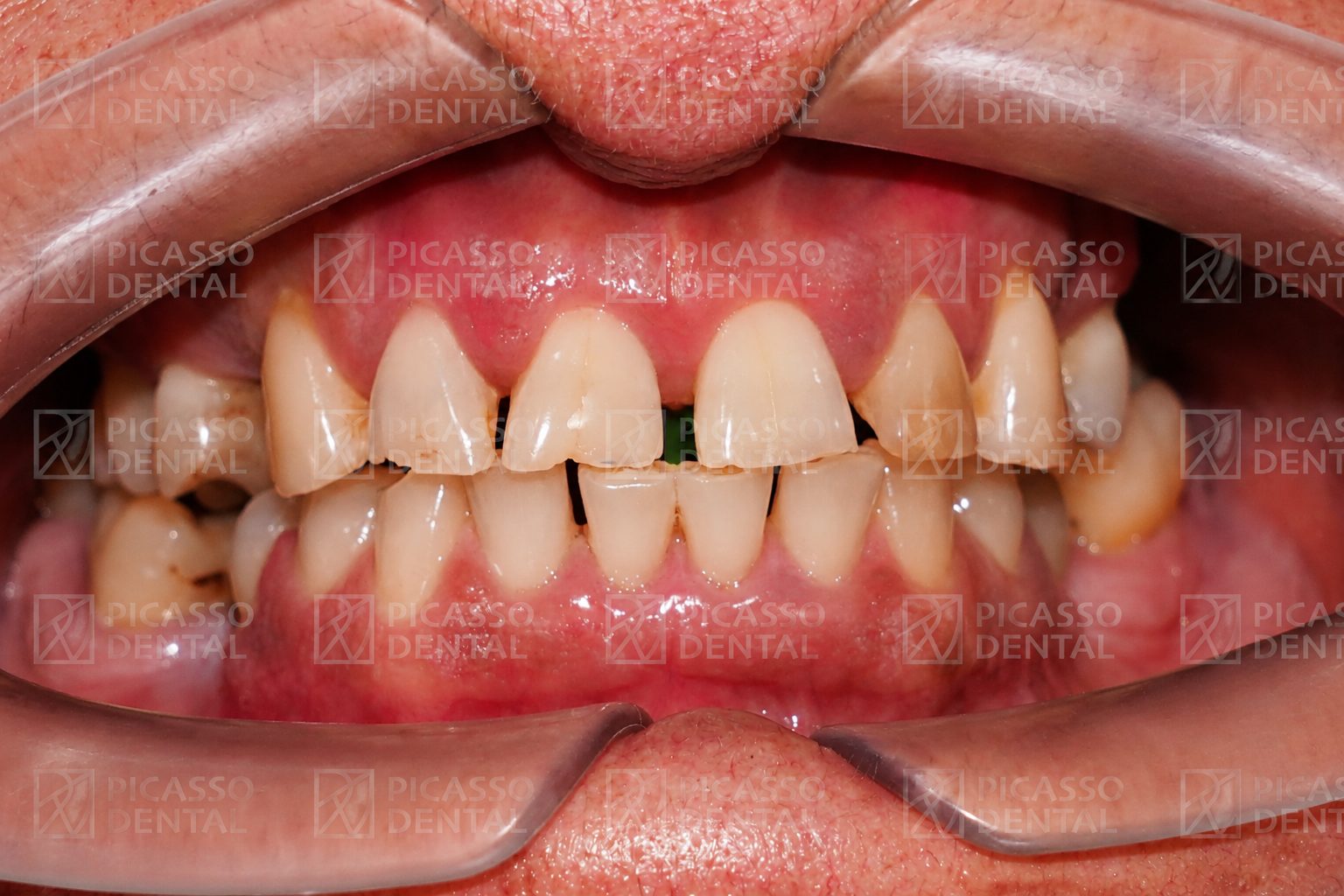 Before
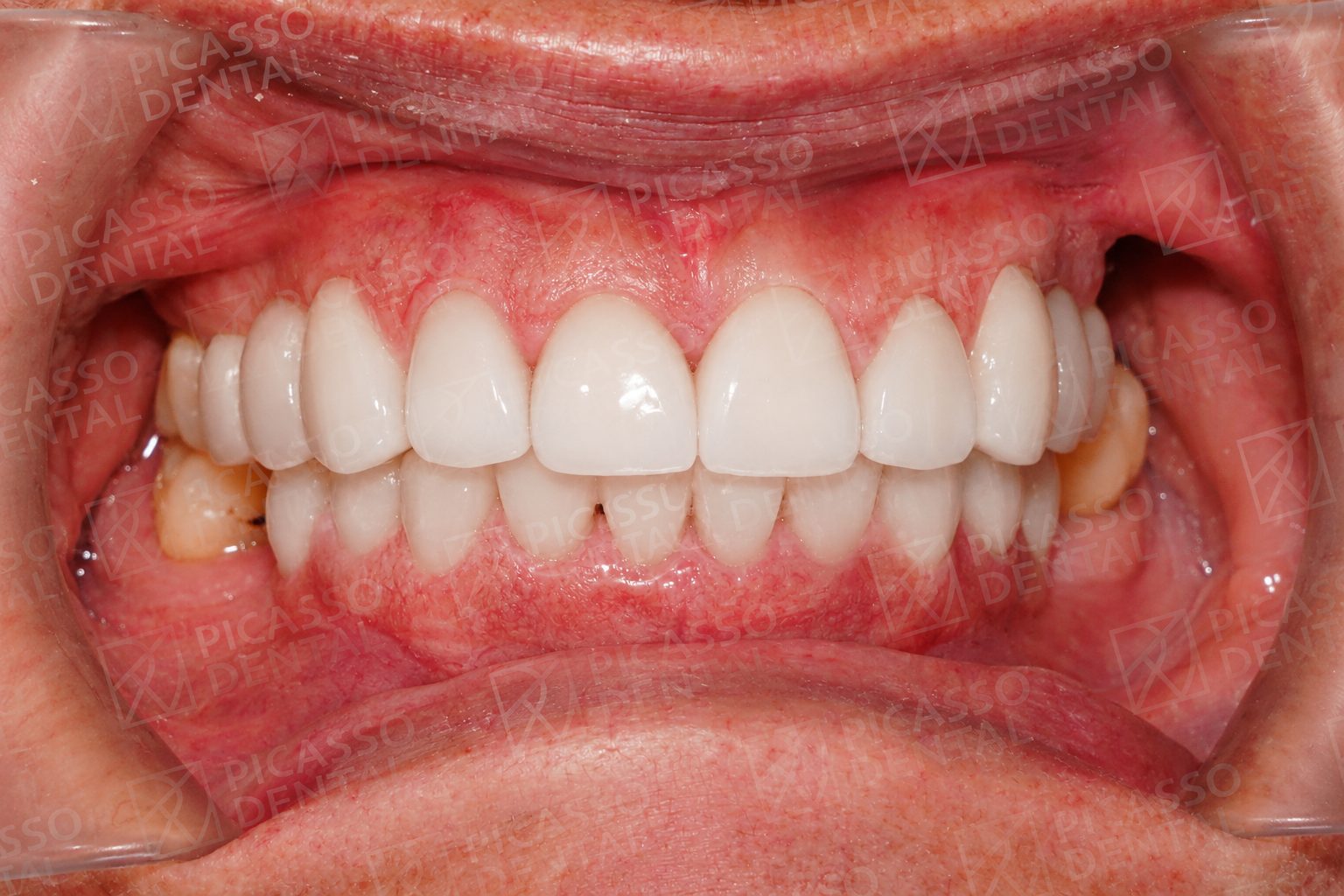 After
AfterPorcelain crowns, Da Nang
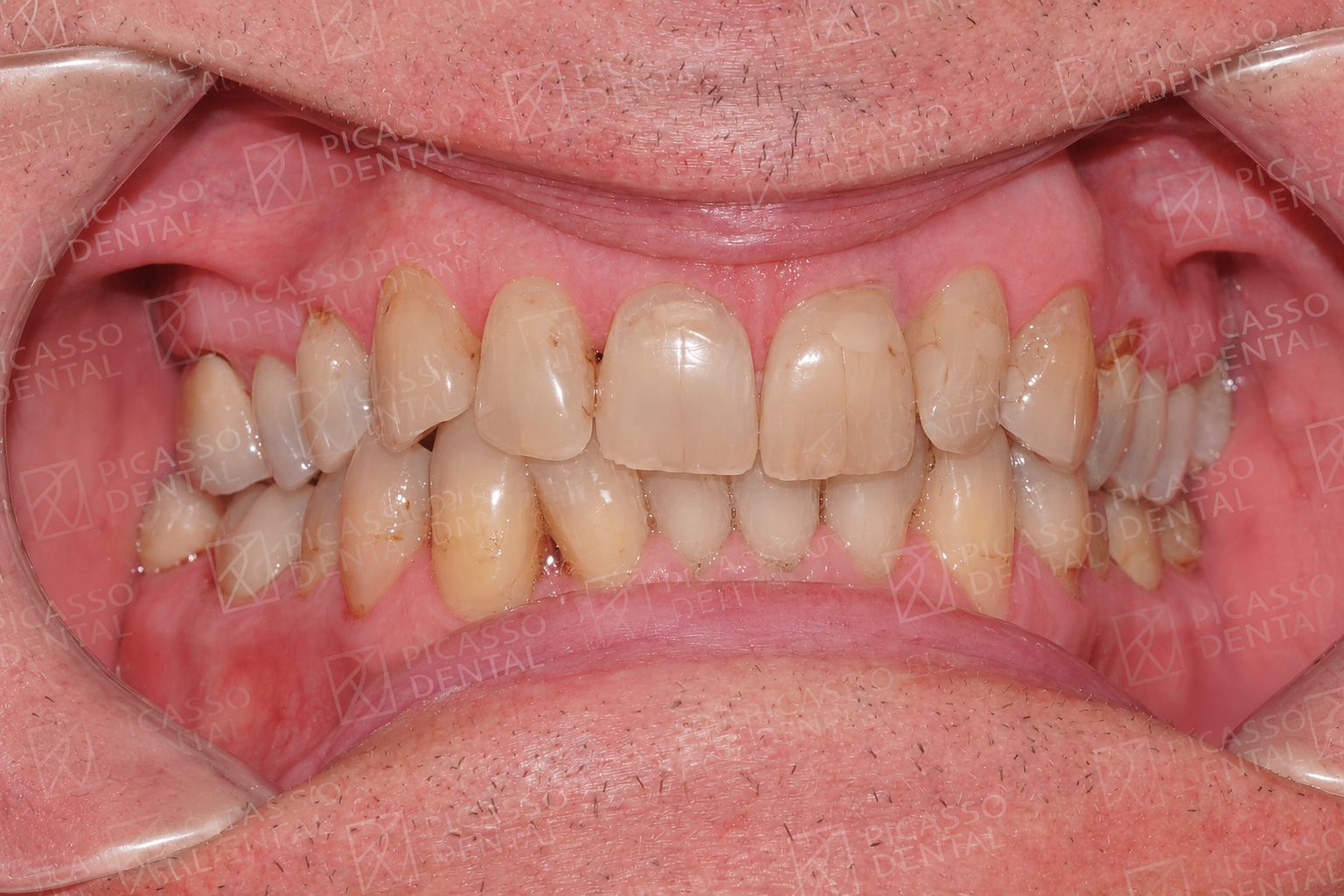 Before
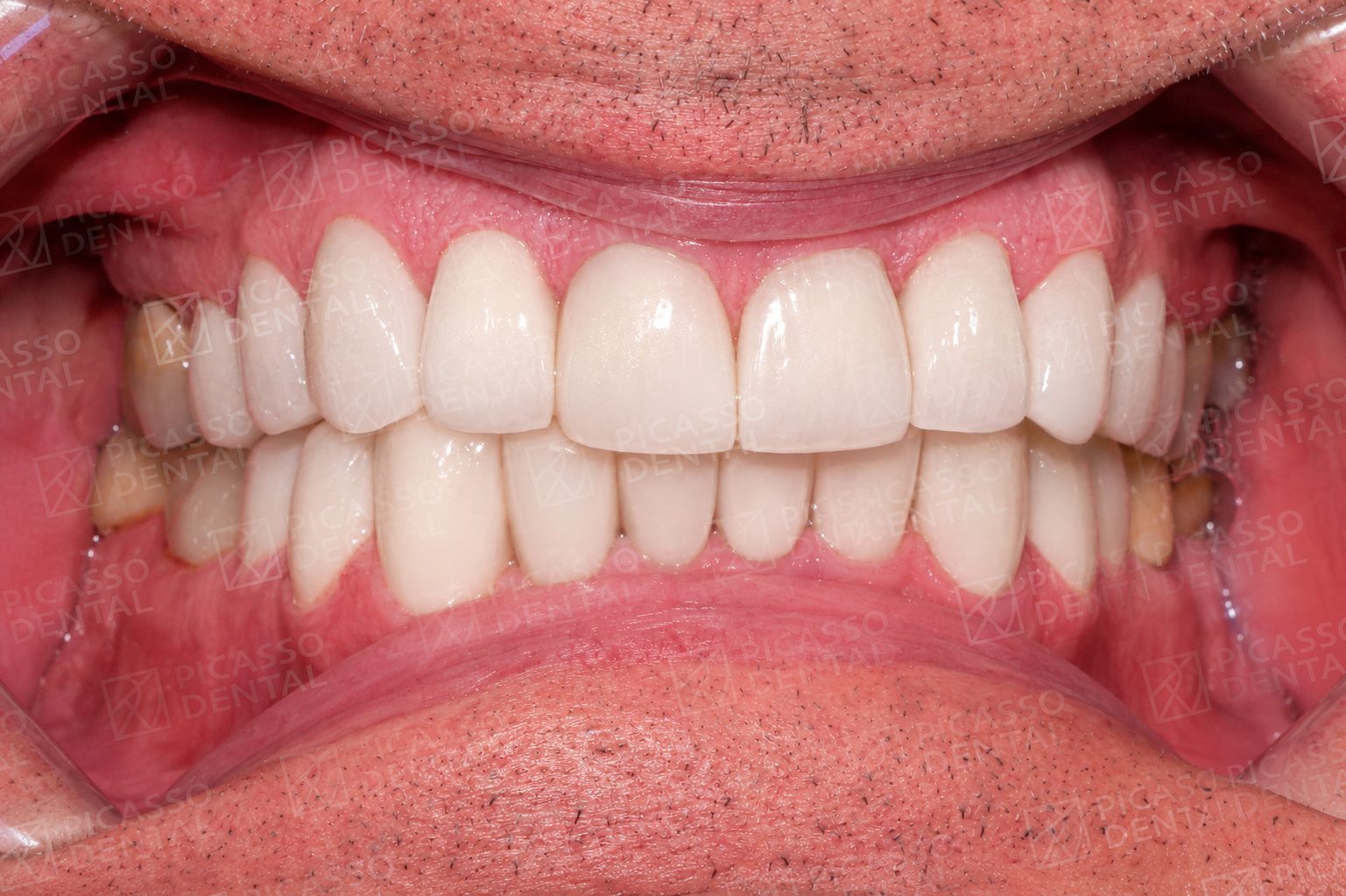 After
AfterCrown and implant, HCMC Thao Dien
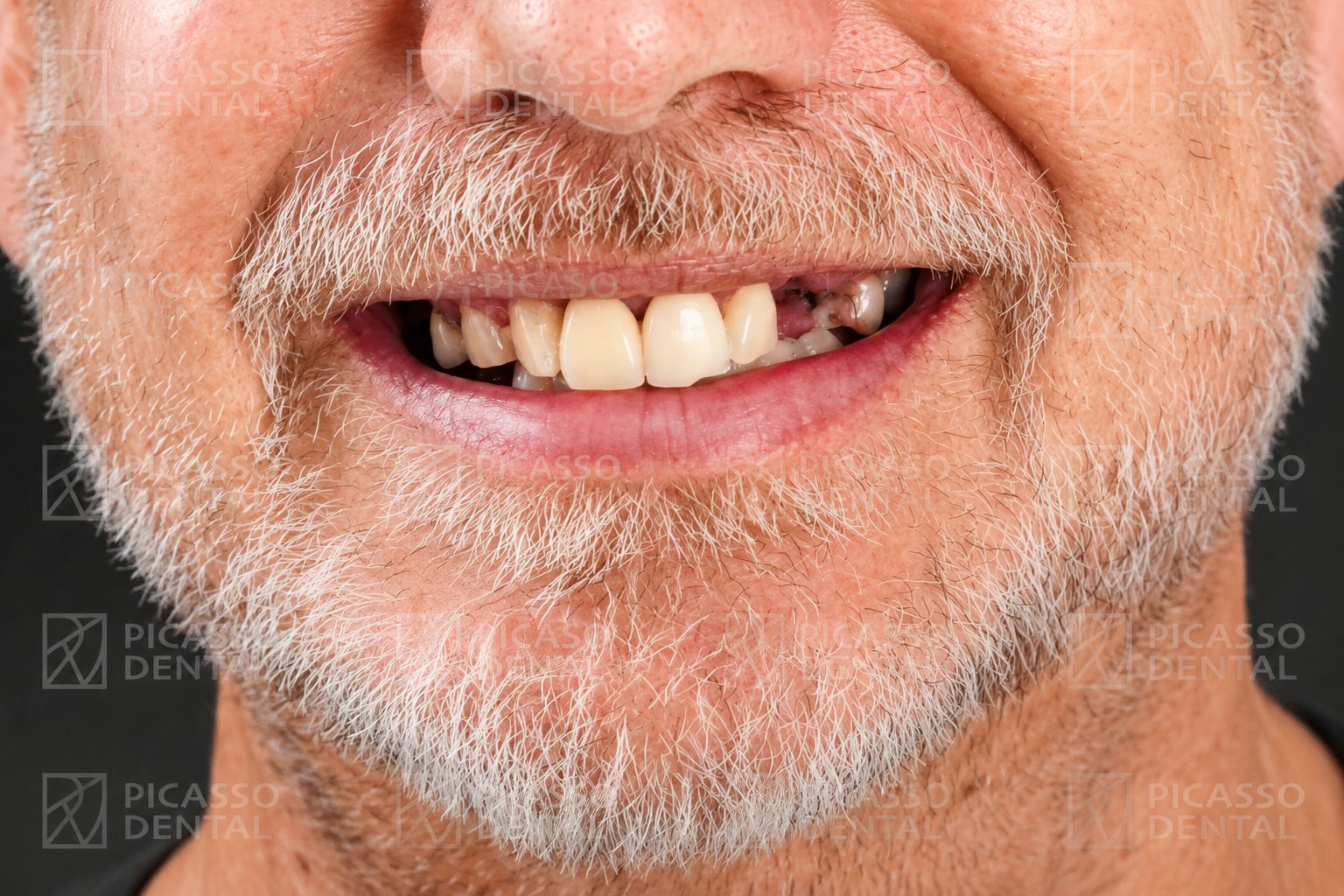 Before
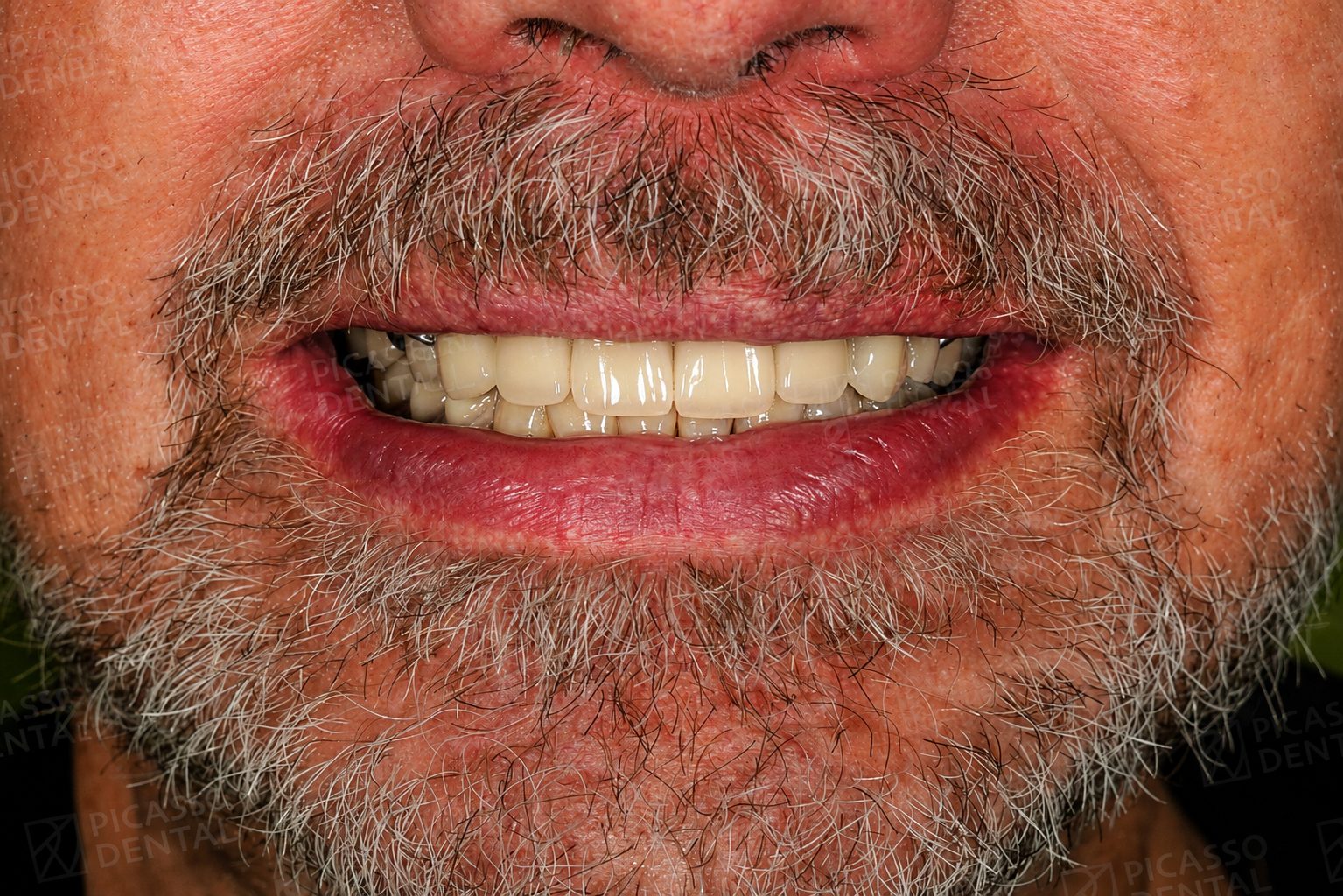 After
AfterCrown restoration, Hanoi Westlake
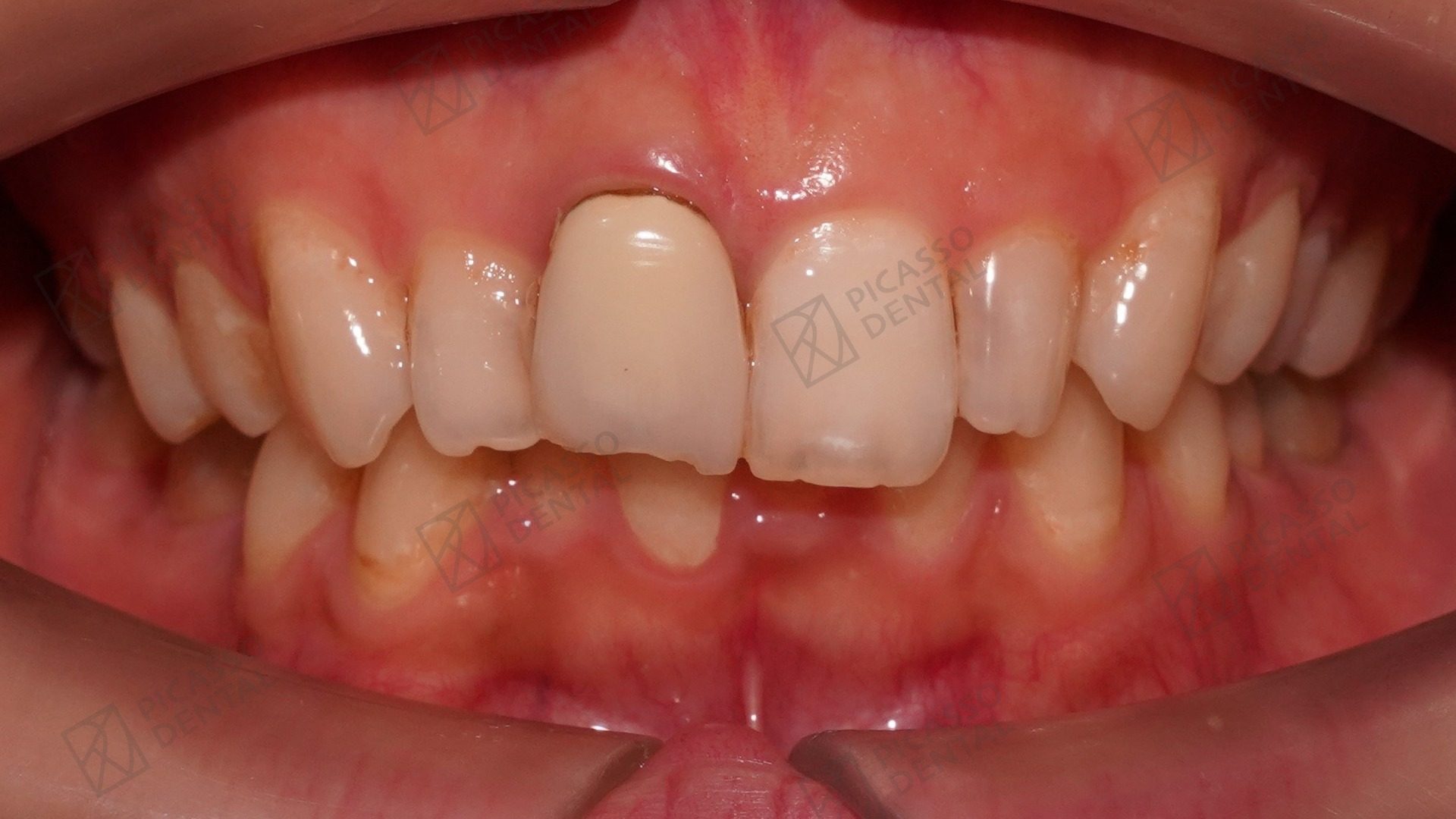 Before
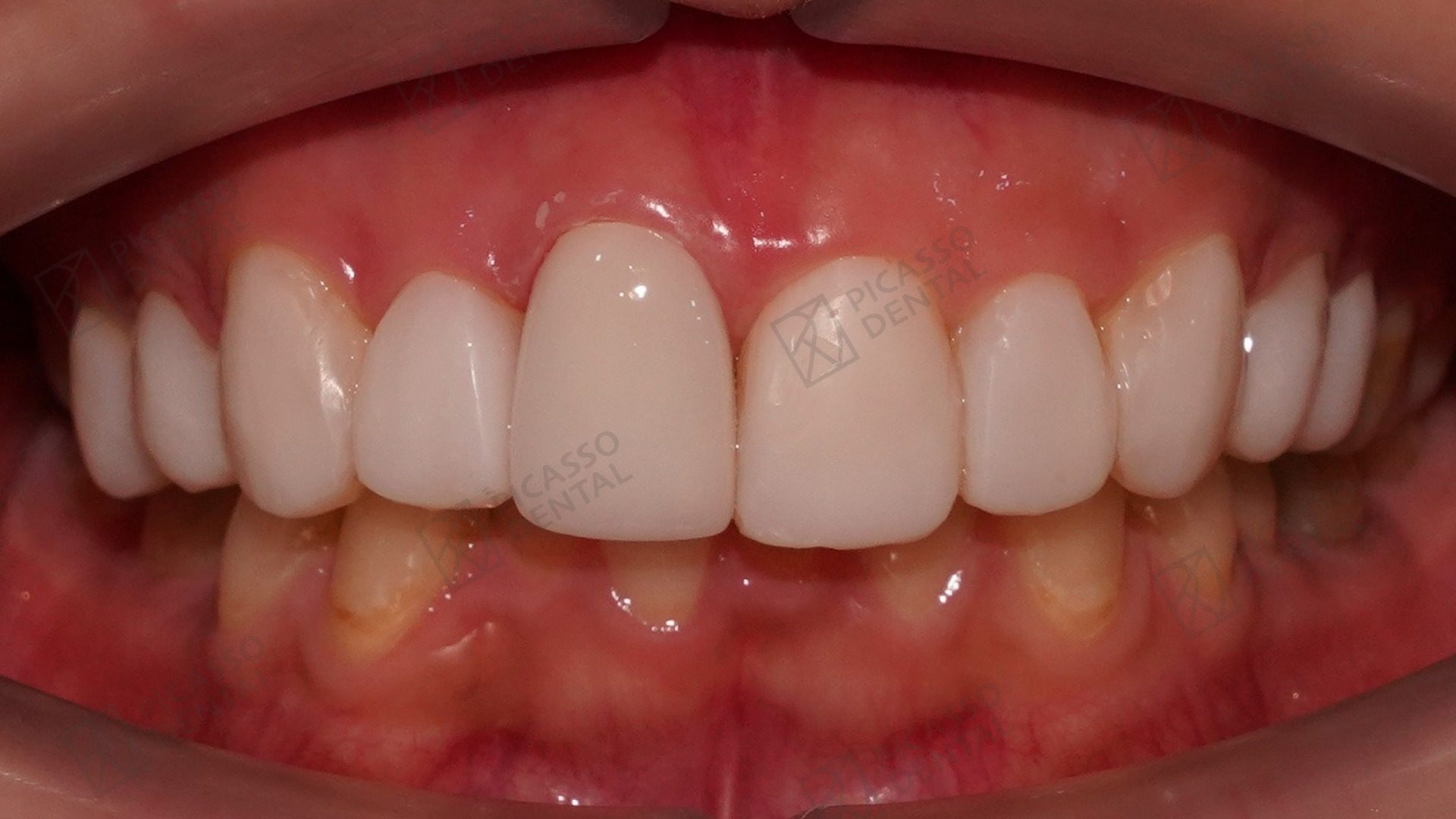 After
AfterSmile restoration, Da Nang Flagship
Frequently asked questions
Do I need a nightguard if I get veneers?
Not every veneer patient needs a nightguard, but patients who grind or clench their teeth definitely do. Grinding generates pressure of 250 pounds per square inch or more, which can crack or debond porcelain veneers. If you wake with jaw soreness, headaches, or have worn enamel on your back teeth, a custom nightguard is essential protection for your investment.
How do I know if I grind my teeth at night?
Many grinders are unaware because it happens during sleep. Signs include jaw soreness or stiffness in the morning, temple headaches, worn flat surfaces on back teeth, and enlarged jaw muscles. Your partner may hear grinding sounds. At Picasso Dental we assess every veneer patient for these clinical signs before treatment begins.
Can a pharmacy nightguard protect my veneers?
Pharmacy nightguards rarely fit well enough to distribute grinding forces evenly. A poorly fitted guard can concentrate pressure on specific veneers rather than spreading it across all teeth, potentially causing more damage than no guard at all. Custom nightguards fabricated from impressions of your teeth provide precise coverage and even force distribution.
When is a nightguard made, before or after veneers?
At Picasso Dental we make the nightguard after veneer placement. This ensures the guard fits the contours of your new veneers exactly. Making it before placement and then placing veneers would change the tooth shape and render the guard an imprecise fit.
How long does a nightguard last?
A custom nightguard typically lasts two to four years depending on grinding severity. Wear on the guard surface is a sign it is doing its job, absorbing force that would otherwise damage your veneers. When the acrylic wears thin enough to compromise protection, we take new impressions and fabricate a replacement.
Does wearing a nightguard affect veneer longevity significantly?
Yes, significantly. Patients at Picasso Dental who consistently wear a nightguard show veneer survival rates above 95 percent at fifteen years. Patients who grind without a guard experience failure rates three to four times higher, with chips, cracks, and debonding being the most common issues. The guard is the single most cost-effective way to protect a veneer investment.
Are there alternatives to a nightguard for grinders getting veneers?
Botulinum toxin injections into the masseter muscles reduce grinding force by relaxing the jaw muscles partially. Some patients use this as a complement to a nightguard or if they find a guard uncomfortable. Stress management and avoiding caffeine late in the day also reduce nighttime clenching, though these lifestyle measures alone are not sufficient protection for porcelain veneers.
Patient Video Testimonial

Start Here
Start with a brief.
Tell us about your smile goals and we will assess your grinding risk, design your veneers, and build a plan that protects your result long-term. No obligation, 24-hour reply.