
General Dentistry · Preventive Care
The Disadvantages of Teeth Cleaning: What Is Real and What Is Not
Patients ask about the downsides of professional cleaning. The honest answer is that there are a few minor, temporary ones — and one very large cost on the other side of the ledger.

Quick Summary
- The real disadvantages are temporary: mild sensitivity for one to three days, minor bleeding in inflamed gums, and brief post-clean tenderness.
- Ultrasonic scaling does not damage enamel when performed correctly.
- Professional cleaning cannot whiten teeth — it removes stain and calculus, not intrinsic discolouration.
- The cost of not cleaning: calculus becomes tartar, tartar causes periodontitis, periodontitis causes tooth loss.
- A standard scale and polish at Picasso Dental costs VND 400,000 to 600,000 — a fraction of what periodontal treatment costs.
What Happens During Professional Cleaning
Professional teeth cleaning (scale and polish) uses two tools: an ultrasonic scaler, which vibrates calculus loose from tooth surfaces with water irrigation, and hand scalers that remove residual deposits from the gum margins and between teeth. A rubber cup and polishing paste then smooth the enamel surfaces and remove surface stain.
The procedure takes 30 to 60 minutes for a patient on a regular recall schedule. For someone who has not been cleaned in several years, or who has significant calculus build-up below the gum line, an extended appointment or multiple visits may be needed.
Understanding this process makes the temporary side effects easy to predict — and easy to contextualise.
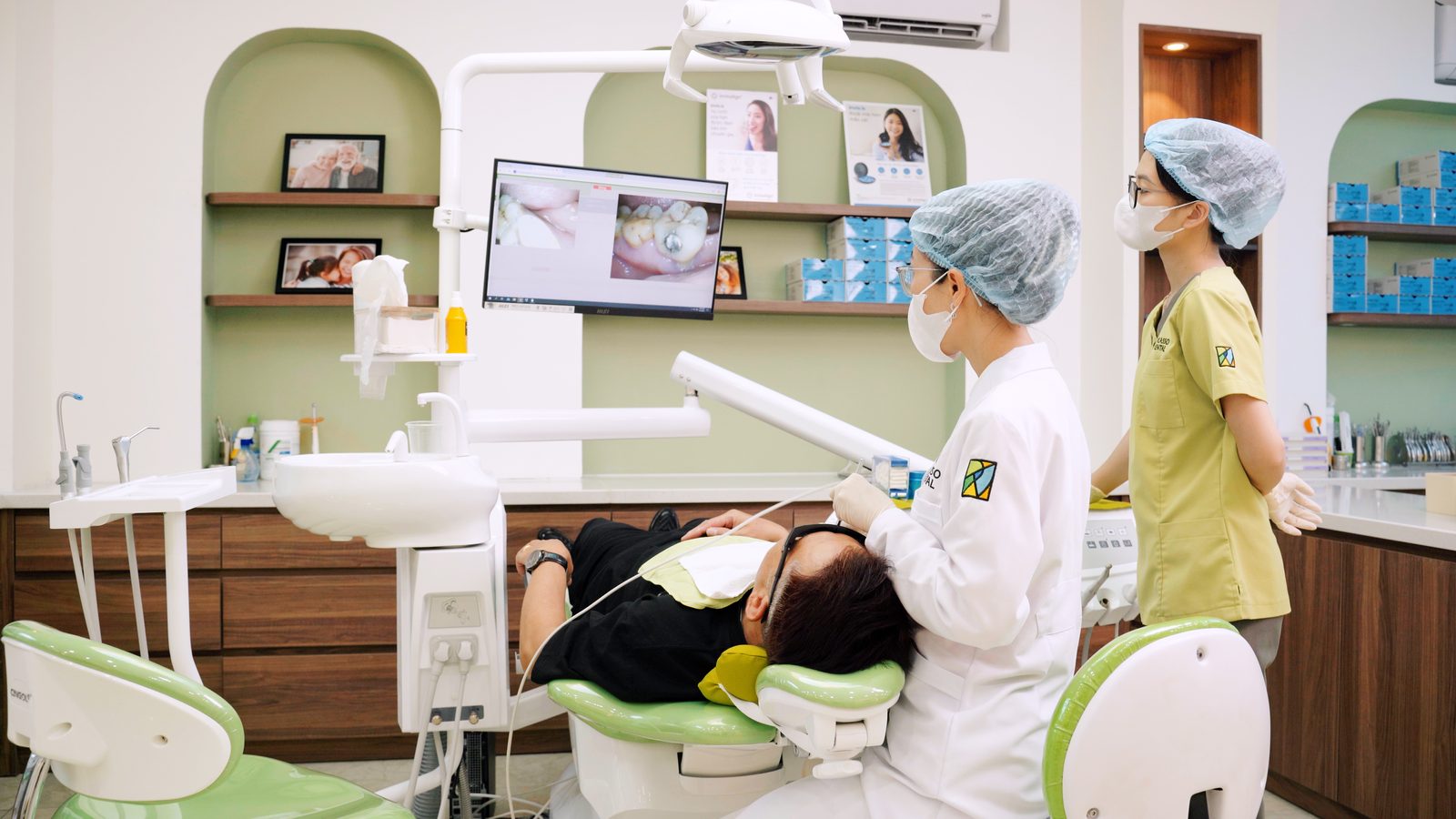
The Real Disadvantages: Temporary and Minor
Let's be direct about the actual downsides, which are real but clinically insignificant:
- Temporary sensitivityRemoving calculus exposes tooth surfaces previously insulated by deposits. For one to three days, cold liquids and cold air may feel sharper than usual. This resolves on its own without treatment.
- Gum bleedingIf your gums are inflamed (gingivitis), they will bleed when disturbed. This is a symptom of the inflammation, not damage caused by the cleaning. Consistent cleaning reduces gingivitis over time and eliminates this bleeding.
- Brief post-clean tendernessGum margins that were scaled may feel tender for a day or two. Over-the-counter analgesics manage this easily. It does not indicate injury.
- Surface stain may returnPolishing removes surface stain; it does not whiten teeth or create a permanent stain barrier. Coffee and tea drinkers will see stain reaccumulate between cleanings. Consistent scheduling is the answer.
"My Aussie dentist and the endodontist both commented on the quality of Dr Emily's work — equal to anything they had seen by local specialists."
Lawrie Smith — Hanoi Old QuarterThe Myth: Cleaning Damages Enamel
This concern appears often in online searches and warrants a direct response. Modern ultrasonic scaling does not damage healthy enamel. The vibration frequency is calibrated to disrupt the calculus-tooth bond without removing tooth structure. Studies consistently show that the enamel wear from a professional cleaning is equivalent to a few weeks of standard toothbrushing — clinically negligible.
The concern likely originates from the sensation of the procedure: the vibration and water spray feel aggressive. They are not. Enamel is the hardest biological tissue in the human body, and a scaler tip is not harder.
The scenario where cleaning genuinely causes a problem is excessive frequency with abrasive instruments on already compromised tooth surfaces — which is not standard professional practice and not something patients need to worry about at a reputable clinic.

The Real Cost: What Happens If You Skip Cleaning
The comparison is not between cleaning and not-cleaning. It is between a VND 400,000 to 600,000 appointment twice a year and a much larger treatment bill later.
Calculus that is not removed mineralises further and accumulates below the gum line. This sub-gingival calculus harbours bacteria that trigger an immune response in the surrounding tissue. Over months and years, this inflammatory response destroys the bone and connective tissue supporting the tooth — a process called periodontitis.
Advanced periodontitis requires scaling and root planing, often performed under local anaesthesia across multiple appointments. Severe cases require surgical intervention. Tooth loss, which periodontitis is the leading cause of in adults, requires implants or bridges costing many times more than years of preventive cleaning combined.
The economics are stark: Two professional cleanings per year costs approximately VND 1,000,000 to 1,200,000 annually. Treating one tooth lost to preventable periodontitis with a dental implant costs USD 1,200 to 1,800. The preventive option is a better investment by a factor of ten or more.
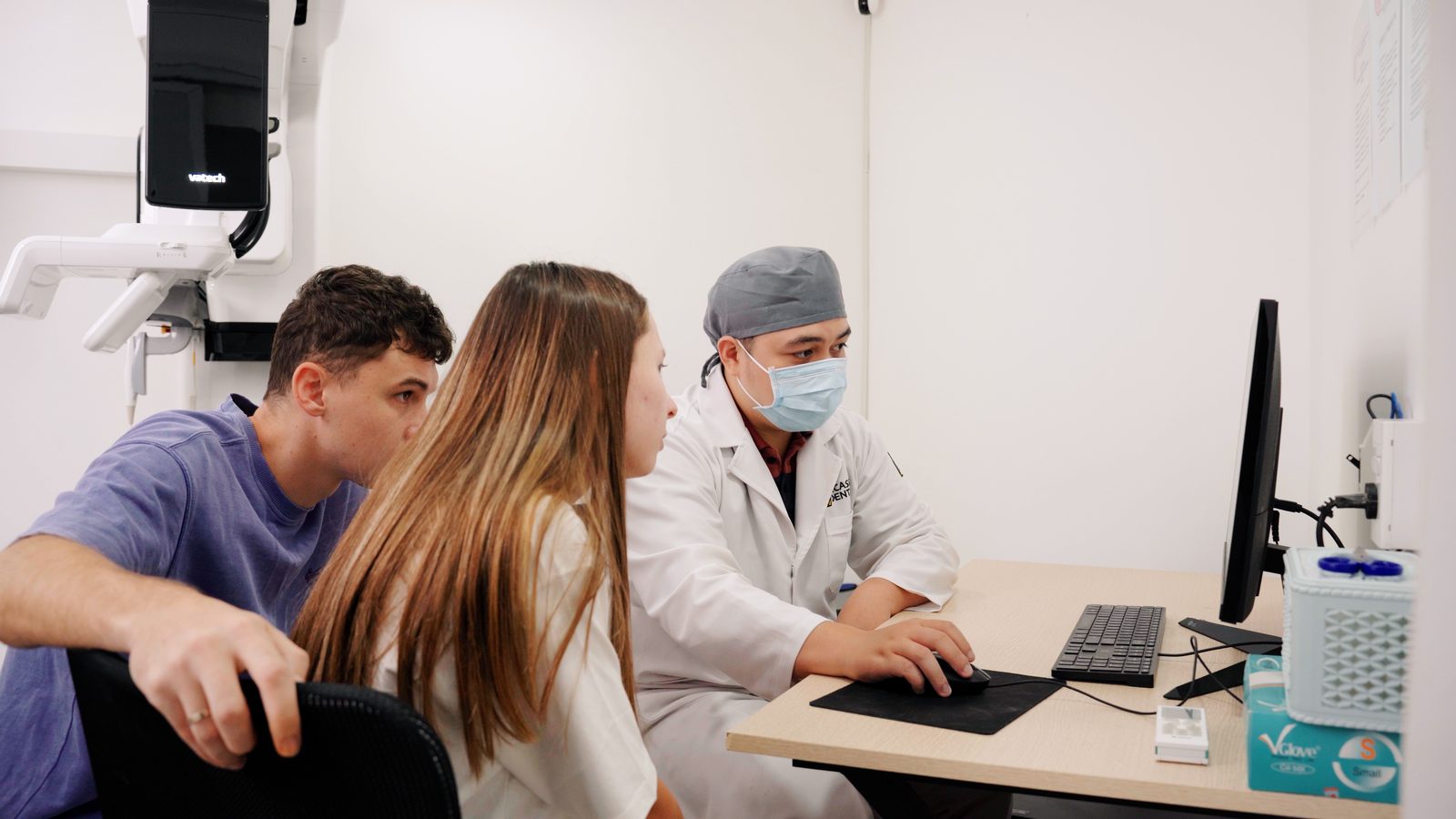
Last cleaning more than a year ago? A scale and polish takes one appointment and costs less than a restaurant dinner.
Book a cleaningNormal vs. Concerning: What to Expect After a Clean
Normal After Cleaning
- Teeth feel smooth and cleaner
- Mild sensitivity to cold for 1 to 3 days
- Slight gum tenderness for 24 to 48 hours
- Minor gum bleeding during first post-clean brushing
- Teeth look cleaner (surface stain removed)
Contact the Clinic If You Have
- Sharp pain that does not resolve after three days
- Swelling around the gums
- A tooth that feels loose or different in bite
- Persistent bleeding beyond two days
- Visible damage to a filling or restoration
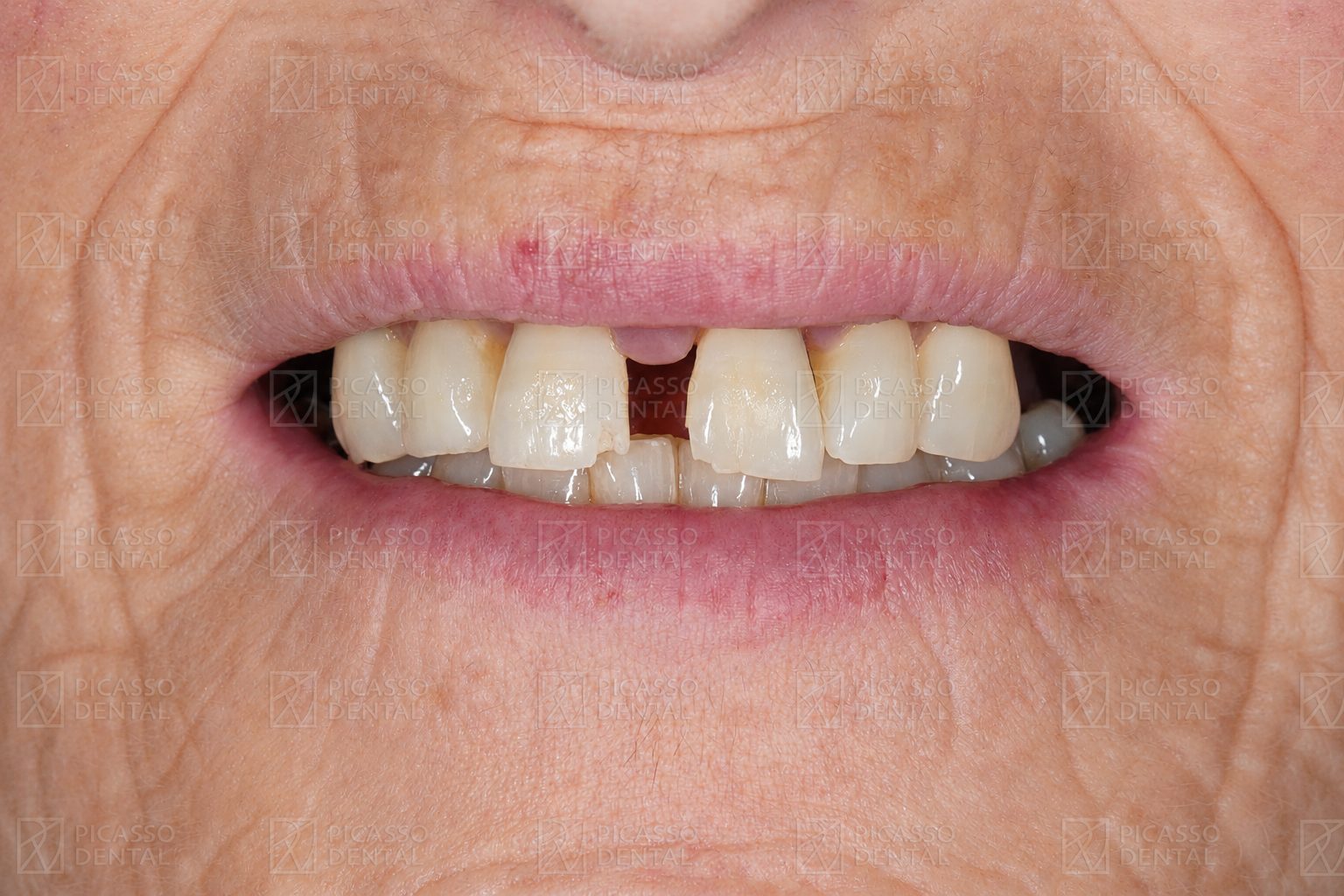 Before
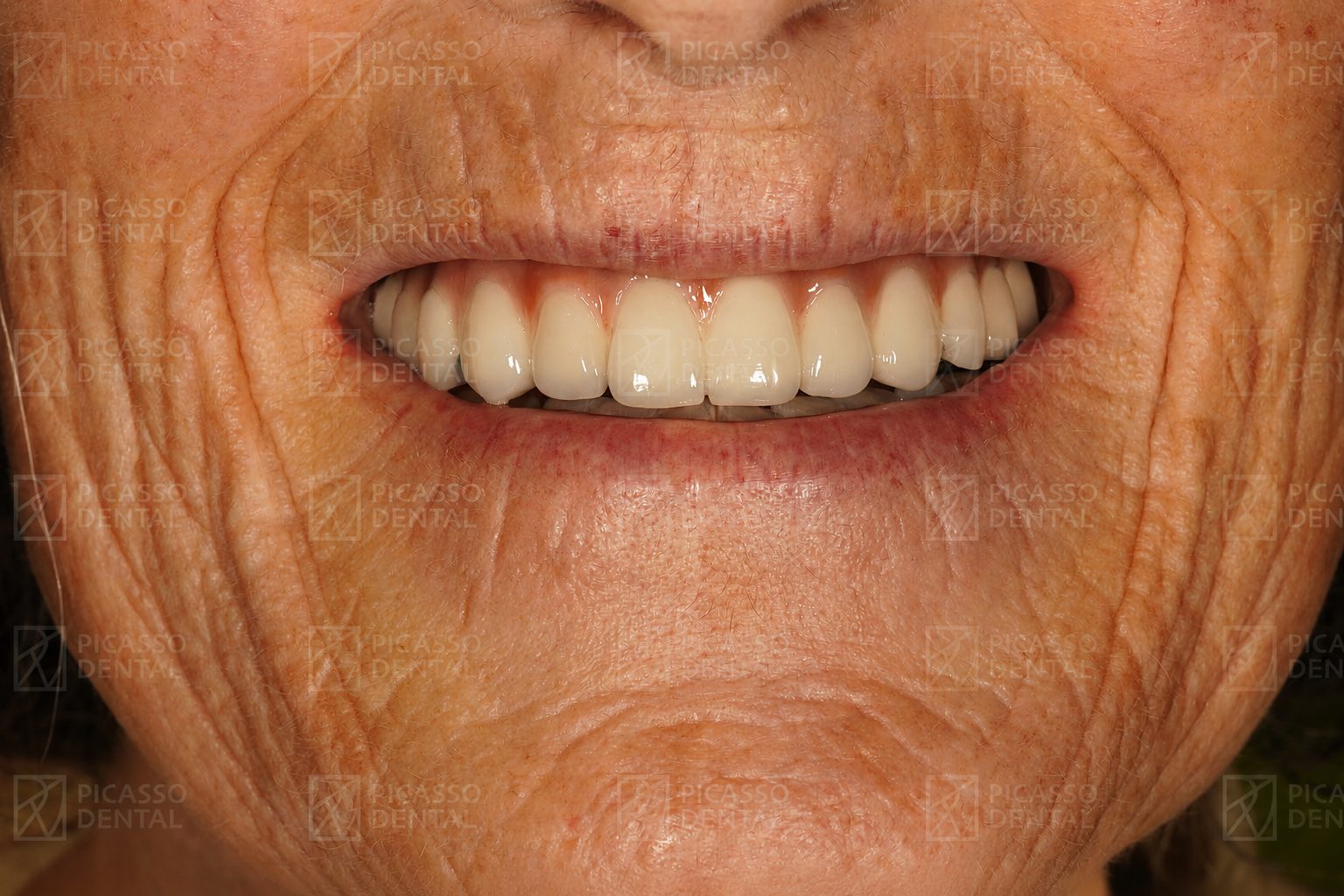 After
AfterFull rehabilitation, Hanoi Old Quarter
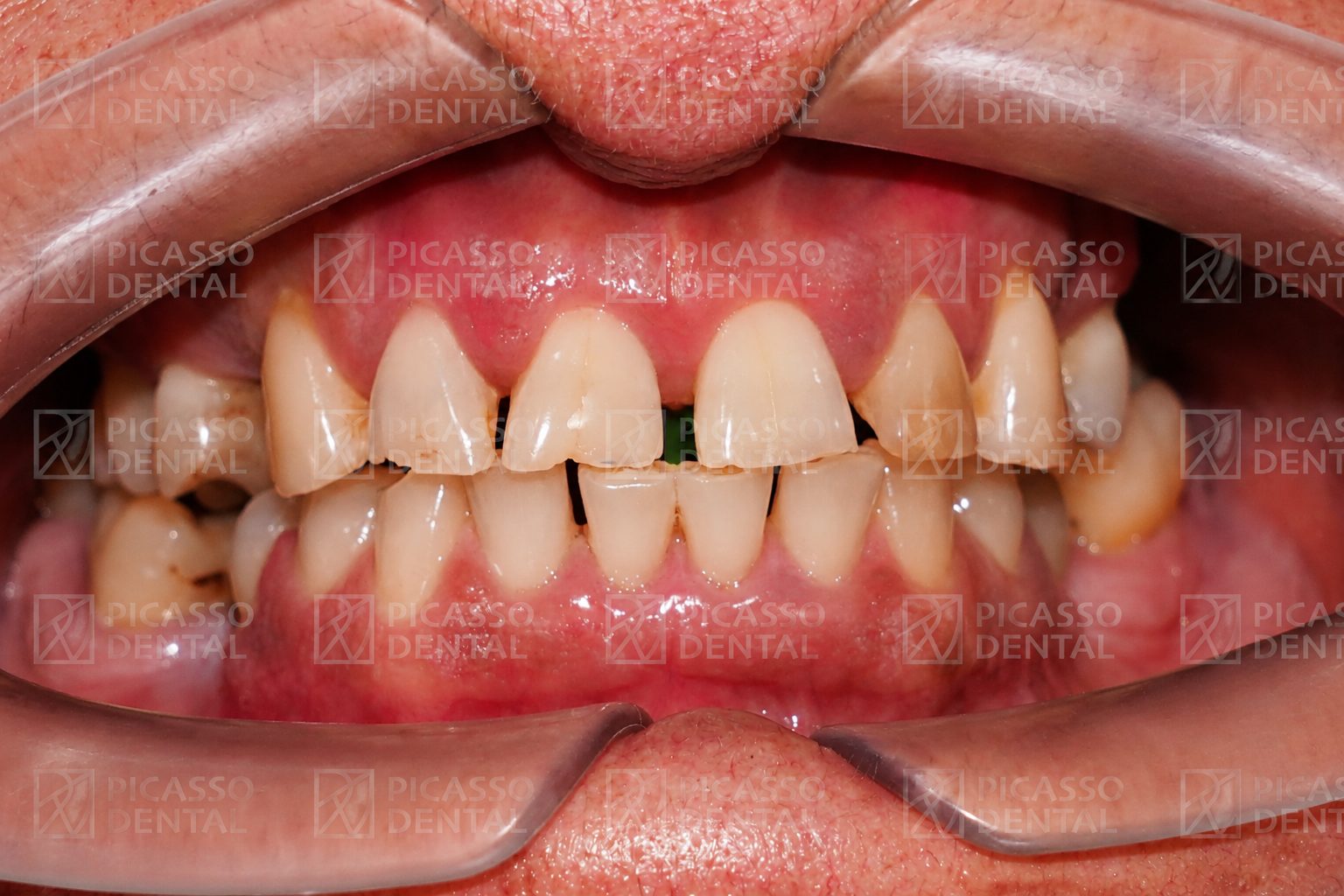 Before
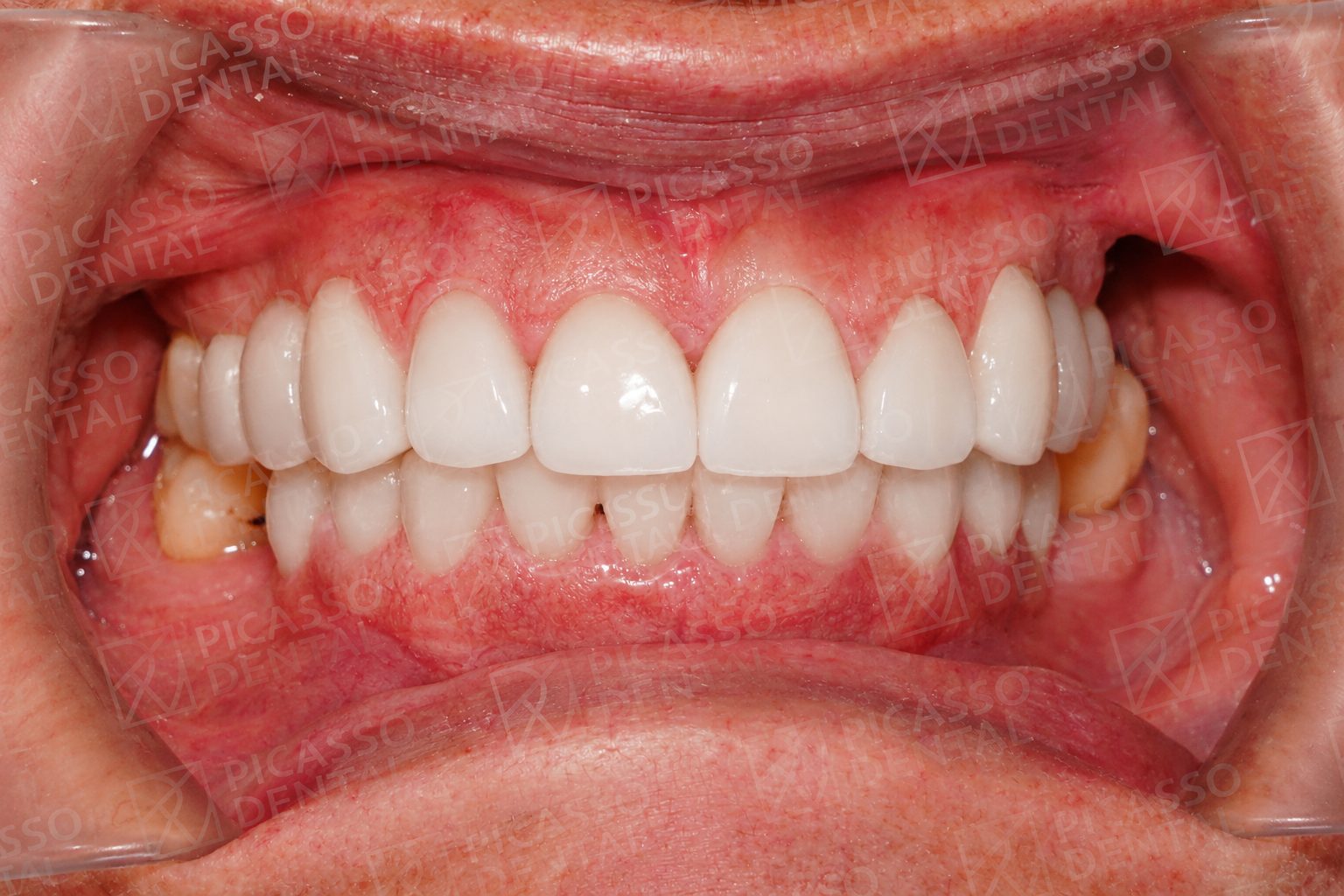 After
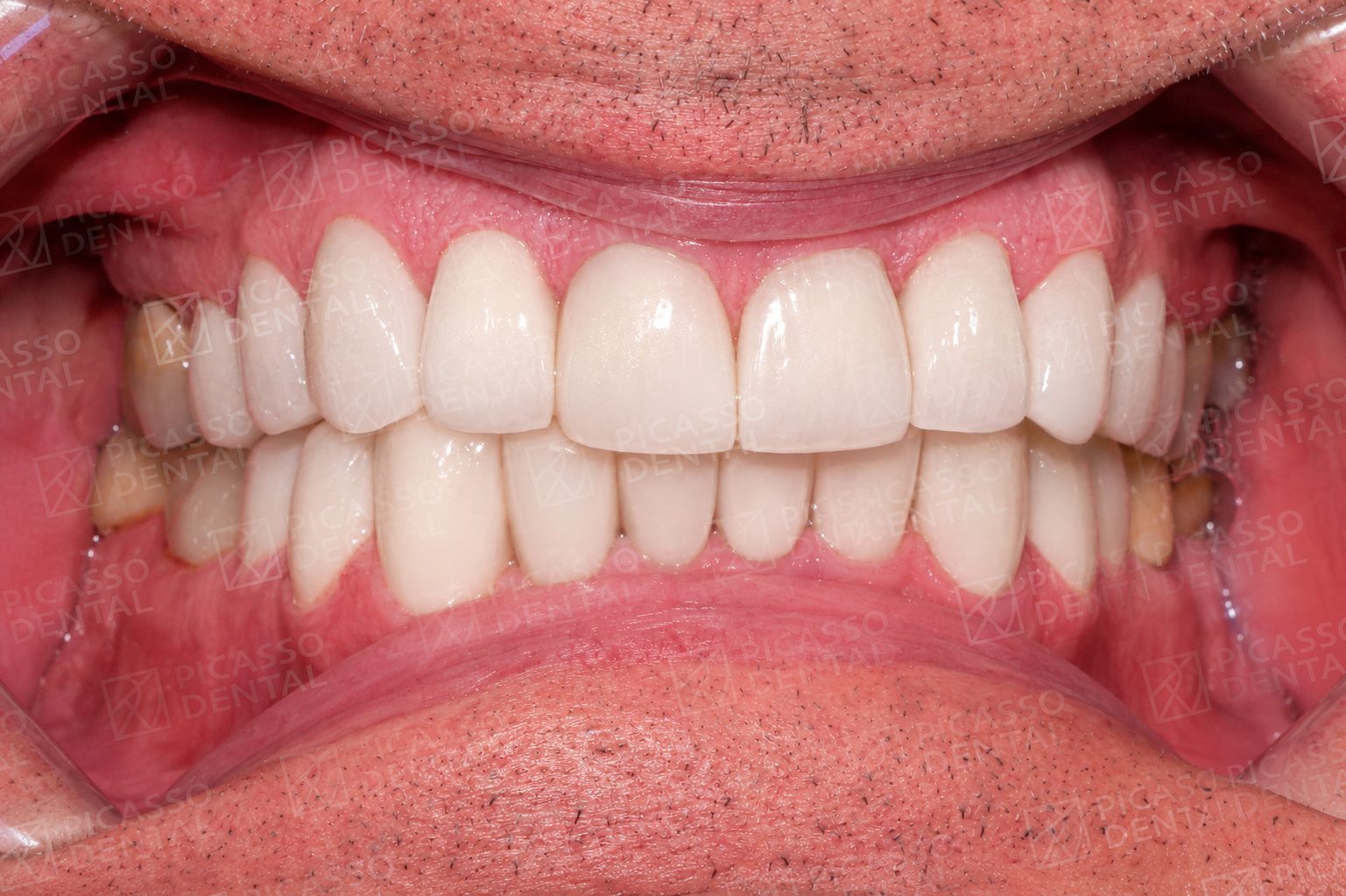
AfterPorcelain crowns, Da Nang
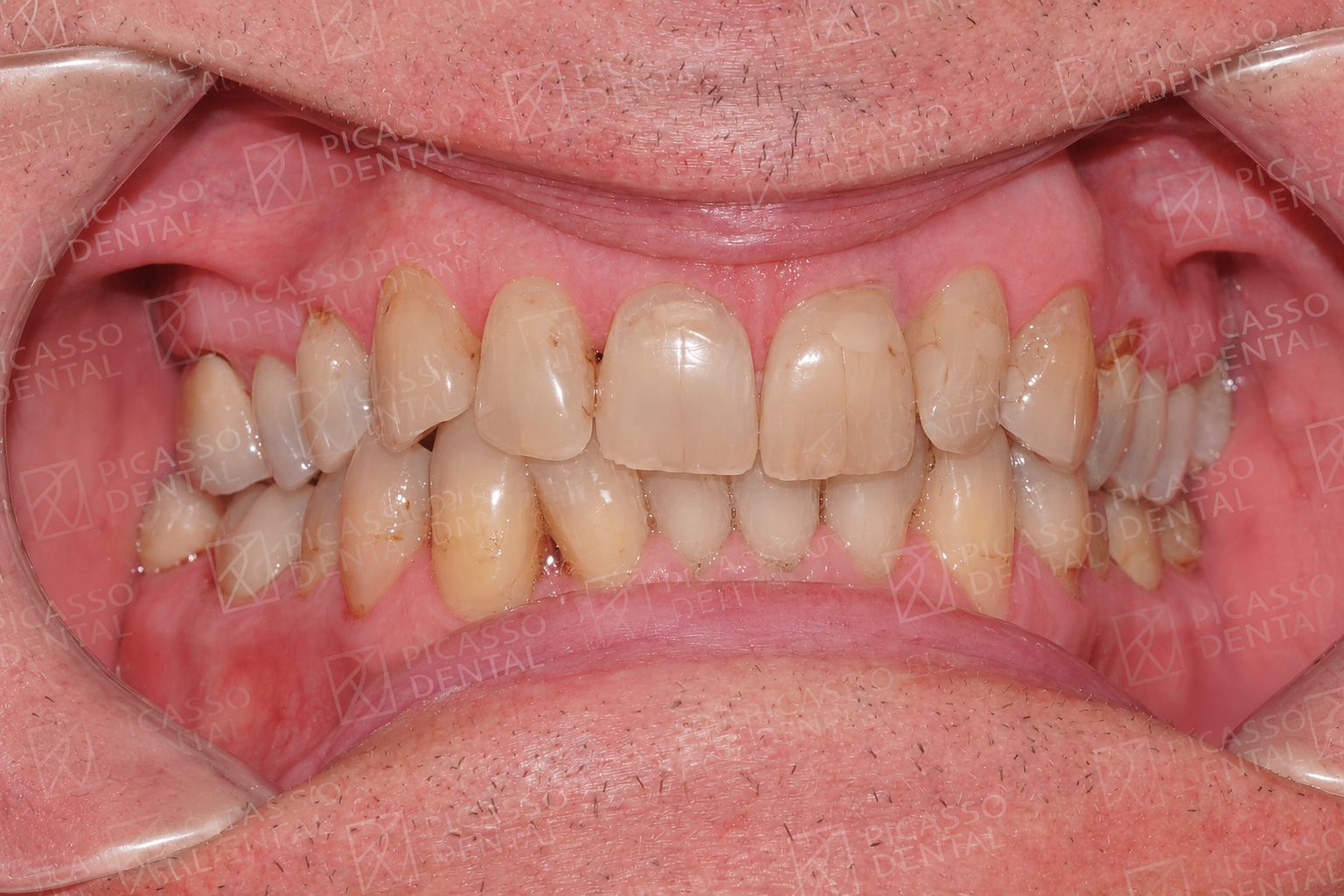 Before
 After
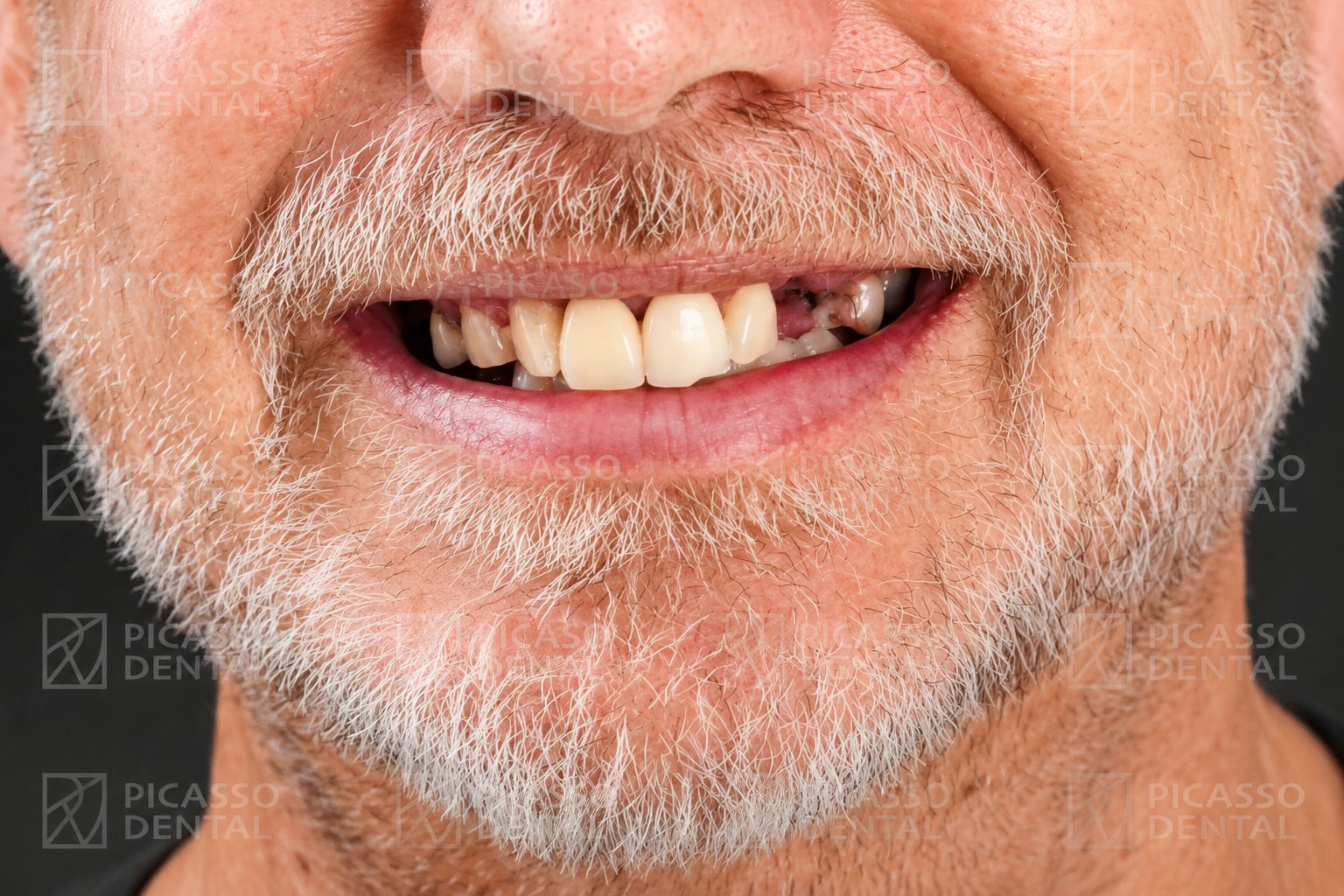
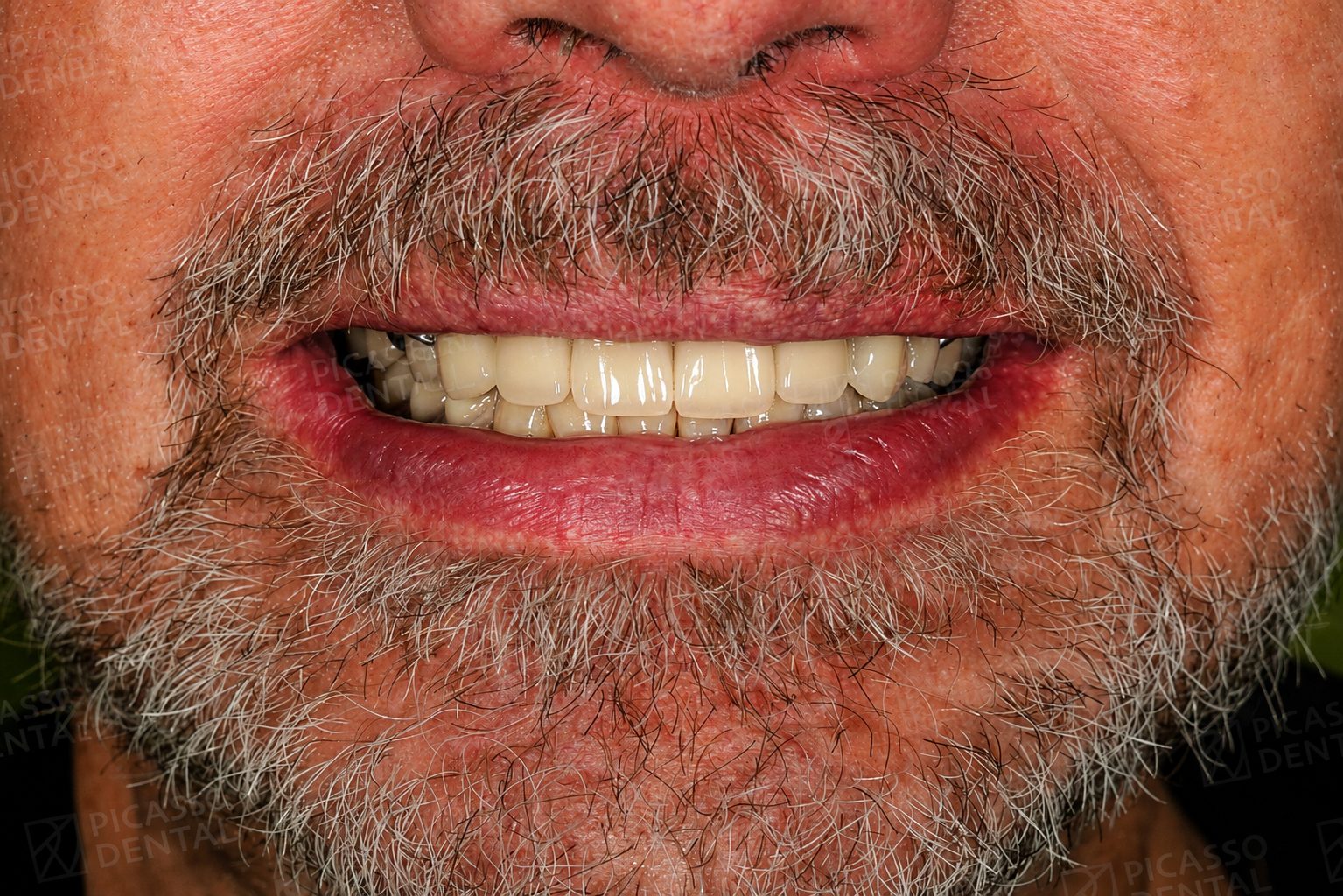
AfterCrown and implant, HCMC Thao Dien
 Before
 After
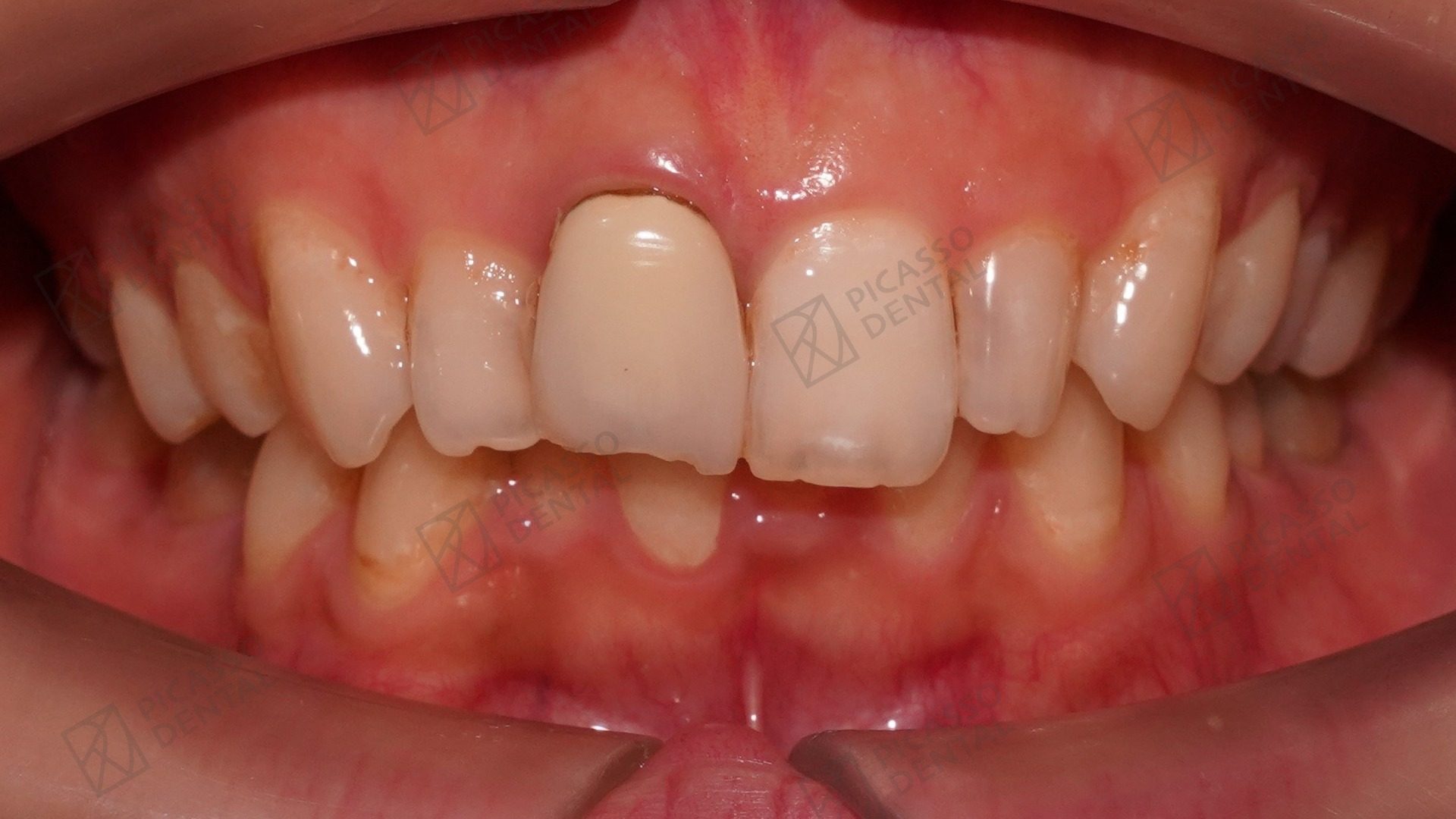
AfterCrown restoration, Hanoi Westlake
 Before
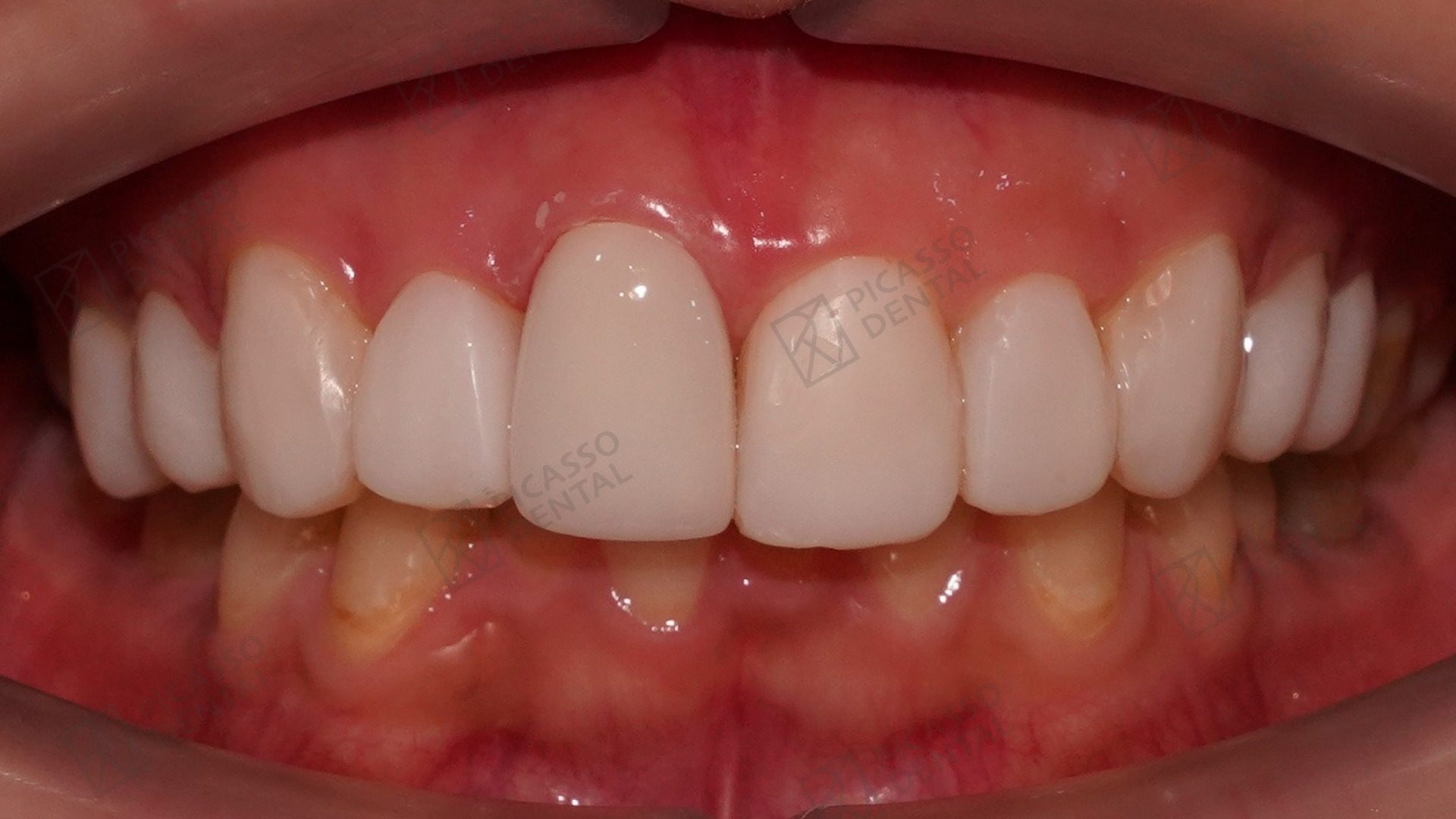 After
AfterSmile restoration, Da Nang Flagship
Frequently Asked Questions
Does professional teeth cleaning damage enamel?
No. Ultrasonic scaling removes calculus from the surface and proximal areas without abrading healthy enamel. Polishing paste causes minimal enamel wear equivalent to a few weeks of normal toothbrushing.
Why do my teeth feel sensitive after cleaning?
Removing calculus exposes tooth surfaces that were previously insulated by deposits. The sensitivity is real but temporary — it typically resolves within one to three days and is not a sign of damage.
How much does professional teeth cleaning cost in Vietnam?
At Picasso Dental, a standard scale and polish costs approximately VND 400,000 to 600,000 (around USD 16 to 24). Deep cleaning (scaling and root planing) for periodontitis is priced per quadrant and discussed at consultation.
How often should I have my teeth professionally cleaned?
Twice yearly for most adults with healthy gums. Patients with a history of periodontitis or who smoke benefit from three to four appointments per year.
Is it normal to bleed during teeth cleaning?
Mild bleeding during cleaning is common in patients who have not had a recent clean or who have mild gingivitis. It is a sign of gum inflammation, not damage. Regular cleaning reduces gum bleeding over time.
Can I eat normally after teeth cleaning?
Yes, immediately. Avoid staining foods and drinks (coffee, tea, red wine) for two hours if your cleaning included polishing, to allow any minor abrasive residue to clear. There are no restrictions on eating after standard scaling.
What is the cost of NOT getting teeth cleaned?
Calculus that is not removed leads to gingivitis and, over months to years, periodontitis. Treating advanced periodontitis costs 10 to 20 times the price of preventive cleaning. Tooth loss from untreated gum disease requires implants or bridges costing far more.
Start Here
Start with a brief.
Book a cleaning or ask a question about your gum health — a dentist will respond within 24 hours. No obligation.