General Dentistry
Dental Implants vs. Bridges: Which Is Right for You?
Both options replace a missing tooth. The right choice depends on your adjacent teeth, bone health, timeline, and budget — not a single answer that applies to everyone.

Quick Summary
- An implant is a standalone titanium root; a bridge is a false tooth suspended between two crowned natural teeth.
- Implants preserve jawbone and do not involve adjacent teeth; bridges are faster and cost less upfront.
- Over a 20-year horizon, implants are typically the more economical choice.
- Bridges remain the better option when adjacent teeth already need crowns or when bone volume is insufficient.
- A CBCT scan and consultation will identify which option suits your specific anatomy.
How Each Option Works
Understanding the structural difference between an implant and a bridge makes the clinical trade-offs much clearer.
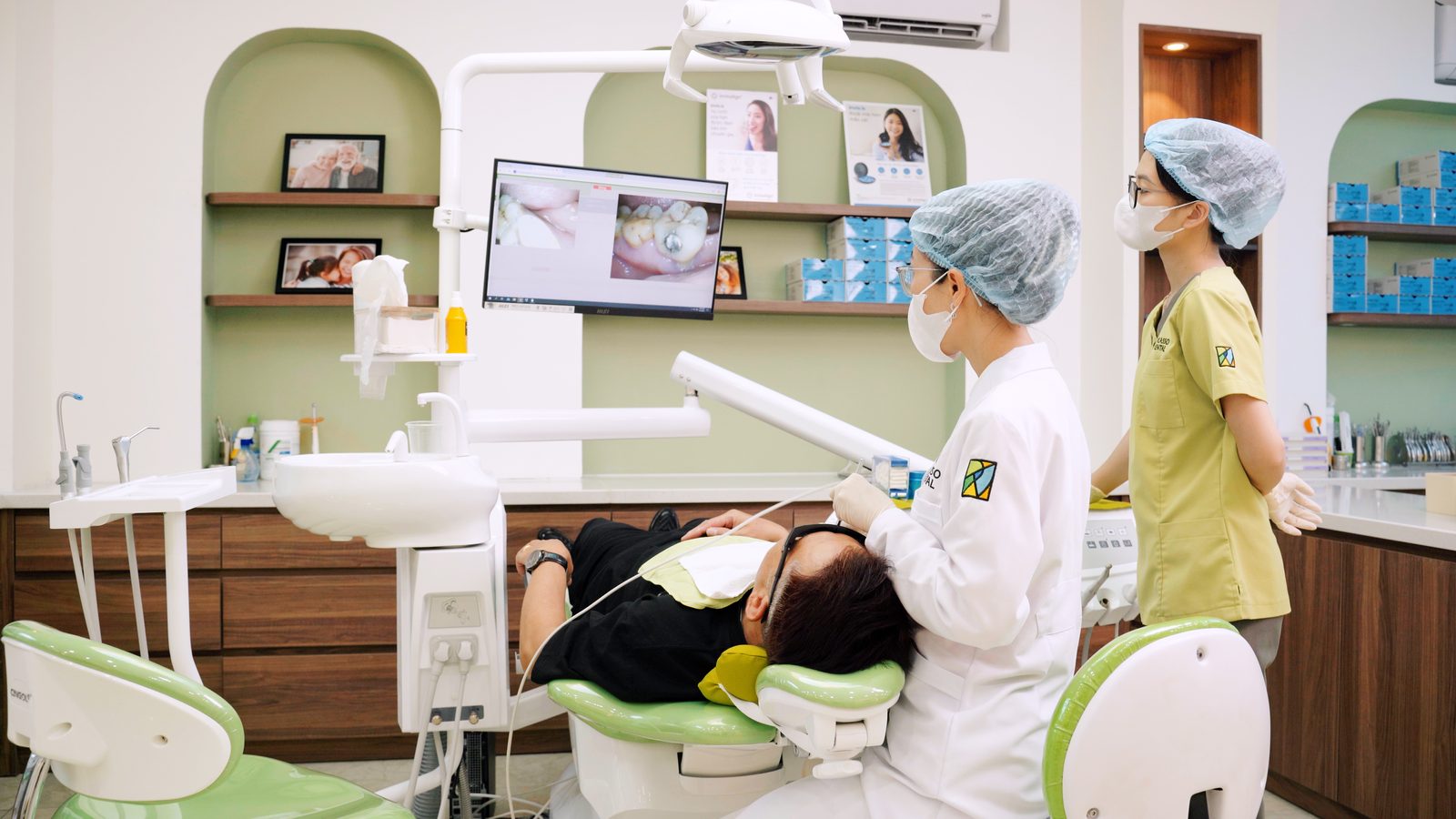
A dental implant is a titanium screw inserted into the jawbone where the tooth root used to be. After three to six months of osseointegration (the process by which bone fuses to titanium), a ceramic crown is attached via an abutment. The implant functions as a complete artificial tooth from root to crown, entirely independent of adjacent teeth.
A dental bridge spans the gap left by a missing tooth by anchoring to the two teeth on either side (the abutment teeth). These abutment teeth must be significantly prepared — ground down to receive crowns — and the bridge is permanently cemented across all three positions. The false tooth in the middle (the pontic) is supported by the two crowns rather than by the jawbone.
The Bone Health Argument for Implants
When a tooth root is lost, the jawbone at that site receives no stimulation. Without regular loading from chewing forces, the bone gradually resorbs. After ten years, a missing tooth site typically shows 25 to 40% reduction in bone volume, and the surrounding gum tissue also recedes, changing the facial profile over time.
An implant transmits chewing forces to the bone just as a natural root does, preventing this resorption. This is not a minor cosmetic consideration — it affects the stability of adjacent teeth and the long-term support structure of your face.
A bridge does not address this issue. The false tooth sits above the gum without making contact with the bone below. Bone resorption continues beneath the pontic regardless of how well the bridge is maintained.
"During my total 4 to 5 hours of treatment on the 2 days of visit, I feel completely relaxed and do not feel any slightest pain during the treatment whosoever."
Wilfred Koh — HCMC Thao DienThe Cost Comparison Over Time
The upfront cost of a single implant (implant body, abutment, and crown) is higher than a three-unit bridge. At Picasso Dental in Vietnam, an implant with a zirconia crown is USD 1,200 to 1,800. A three-unit zirconia bridge for the same gap is typically USD 800 to 1,200.
The long-term picture reverses. A bridge typically needs replacement after ten to fifteen years. Each replacement involves re-preparing the abutment teeth, which are already structurally compromised by the first preparation. Eventually, one or both abutment teeth may fail and require extraction, creating a larger gap and a more complex (and expensive) treatment challenge.
An implant crown may need replacing after fifteen to twenty-five years, but the implant body itself is designed to last a lifetime. The structural investment is made once.
When a Bridge Is the Better Choice
Implants are not always the superior option for every patient in every situation. A bridge is the more appropriate recommendation when:
- Adjacent teeth already need crownsIf the teeth on either side of the gap require crowns for other reasons (large decay, existing failing restorations), a bridge uses those crowns productively rather than leaving them as standalone structures.
- Insufficient bone for an implantIf bone volume is too low and the patient declines bone grafting, a bridge is a well-established and durable alternative.
- Limited treatment timelineA bridge can be completed in two to three weeks. An implant requires three to six months. When time is a critical constraint, a bridge may be the practical choice.
- Medical contraindicationsCertain medications, systemic conditions, or radiation history may make implant surgery inadvisable. A bridge carries none of the surgical risks associated with implant placement.
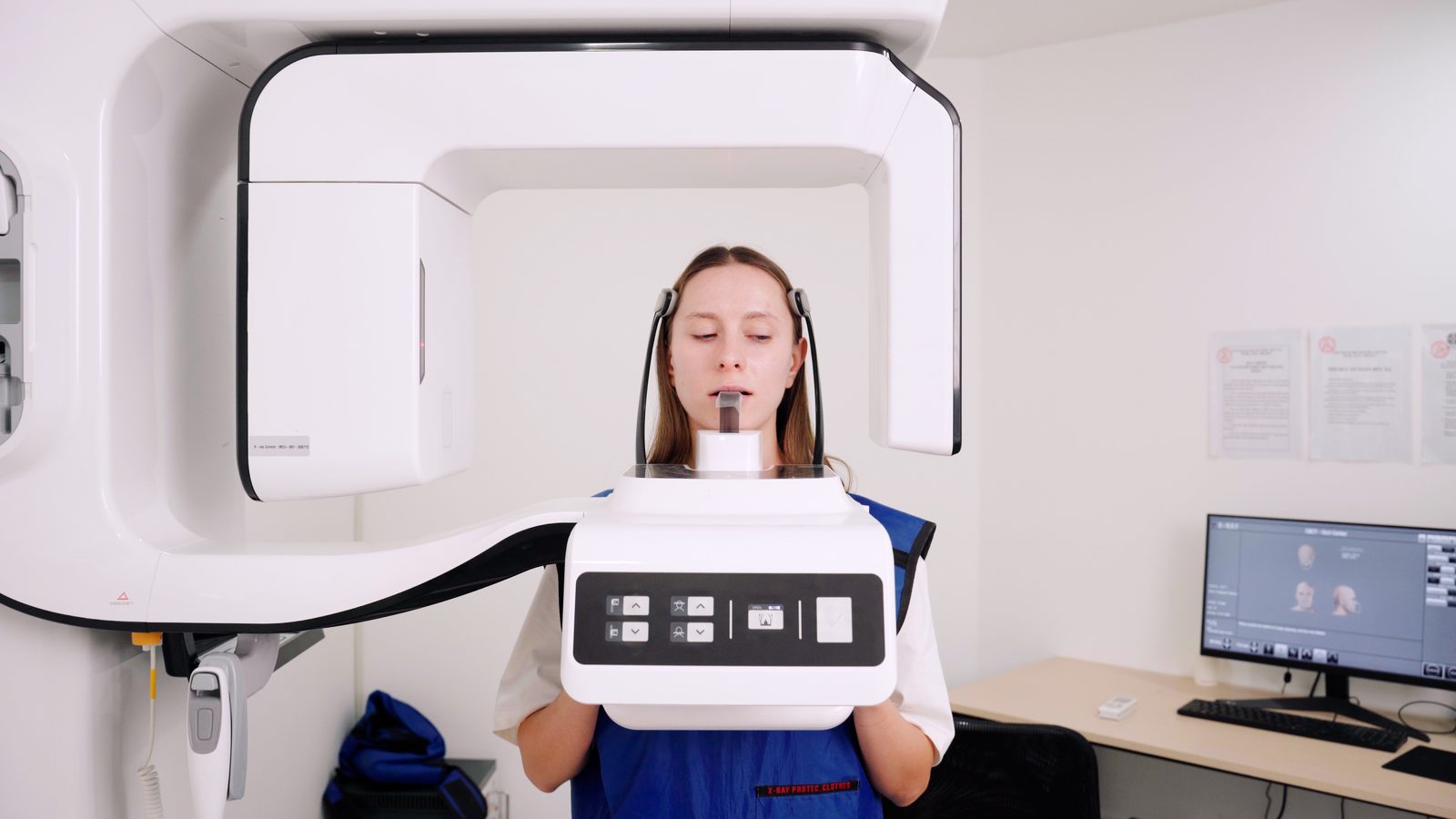
Not sure which is right for you? A consultation and CBCT scan will give you a definitive recommendation based on your anatomy and goals.
Book a consultationImplants vs. Bridges: A Direct Comparison
Implant Advantages
- Preserves jawbone and facial structure
- Does not involve adjacent healthy teeth
- Easier to clean (no floss threader needed)
- Crown only needs replacement, not the root
- 20-plus year lifespan for the implant body
Bridge Considerations
- Bone loss continues beneath the pontic
- Adjacent teeth ground down permanently
- Harder to clean under the pontic
- Requires full replacement every 10 to 15 years
- Abutment teeth may eventually need extraction

Making the Right Decision
Most patients who come in with a missing tooth and ask "implant or bridge?" leave with a clear recommendation after their CBCT scan and consultation. The answer depends on bone volume, the condition of adjacent teeth, overall oral health, timeline, and budget.
In the majority of cases where bone is adequate and adjacent teeth are healthy, the clinical evidence favours the implant over a 15-year horizon. In cases where adjacent teeth already need crowns or time is short, a bridge is a rational and lasting solution.
The worst outcome is doing nothing. An untreated gap leads to tooth drift, over-eruption of the opposing tooth, bone loss, and a progressively more complex and expensive treatment in the future. Both implants and bridges prevent these problems. One consultation is all it takes to identify the right path.
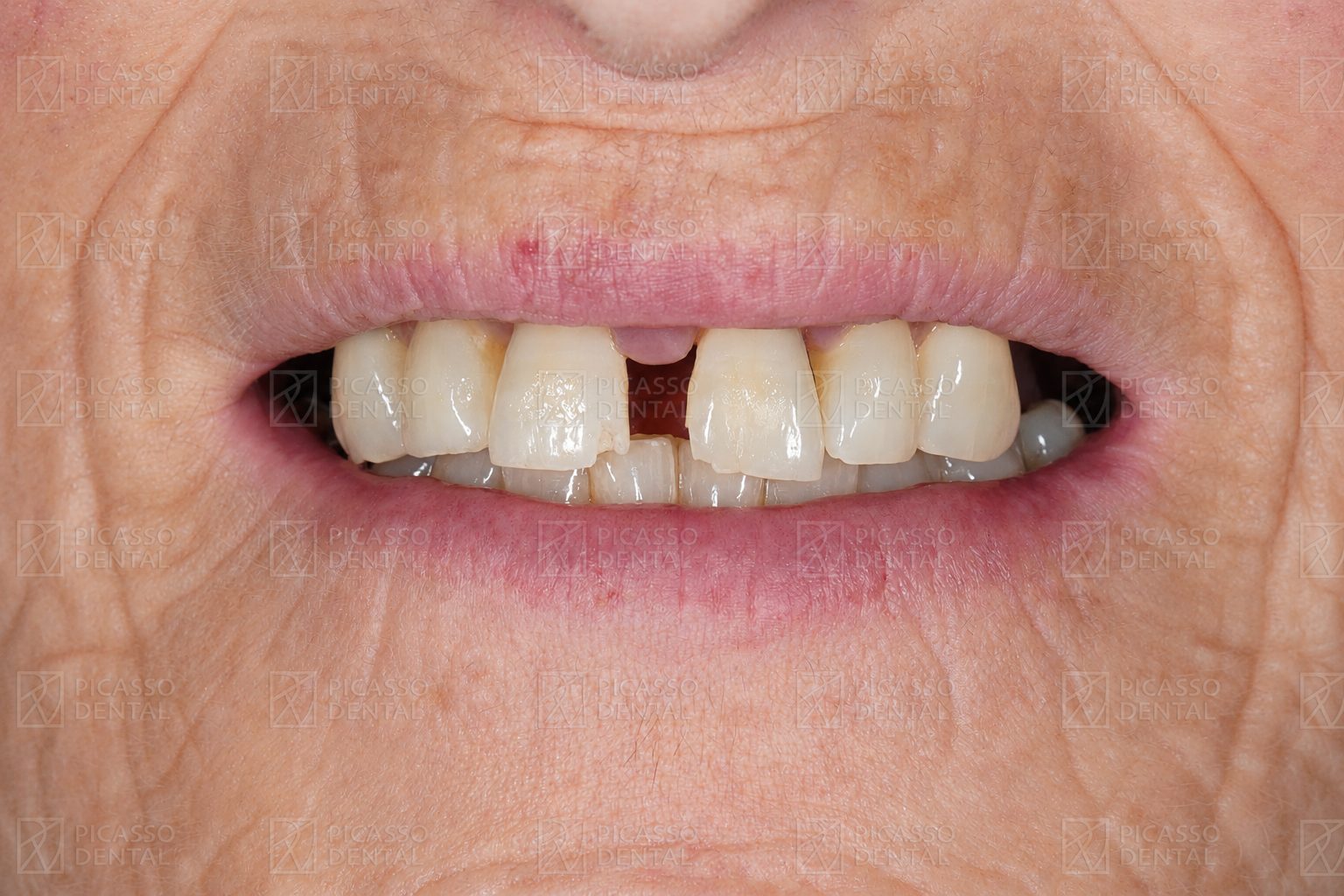 Before
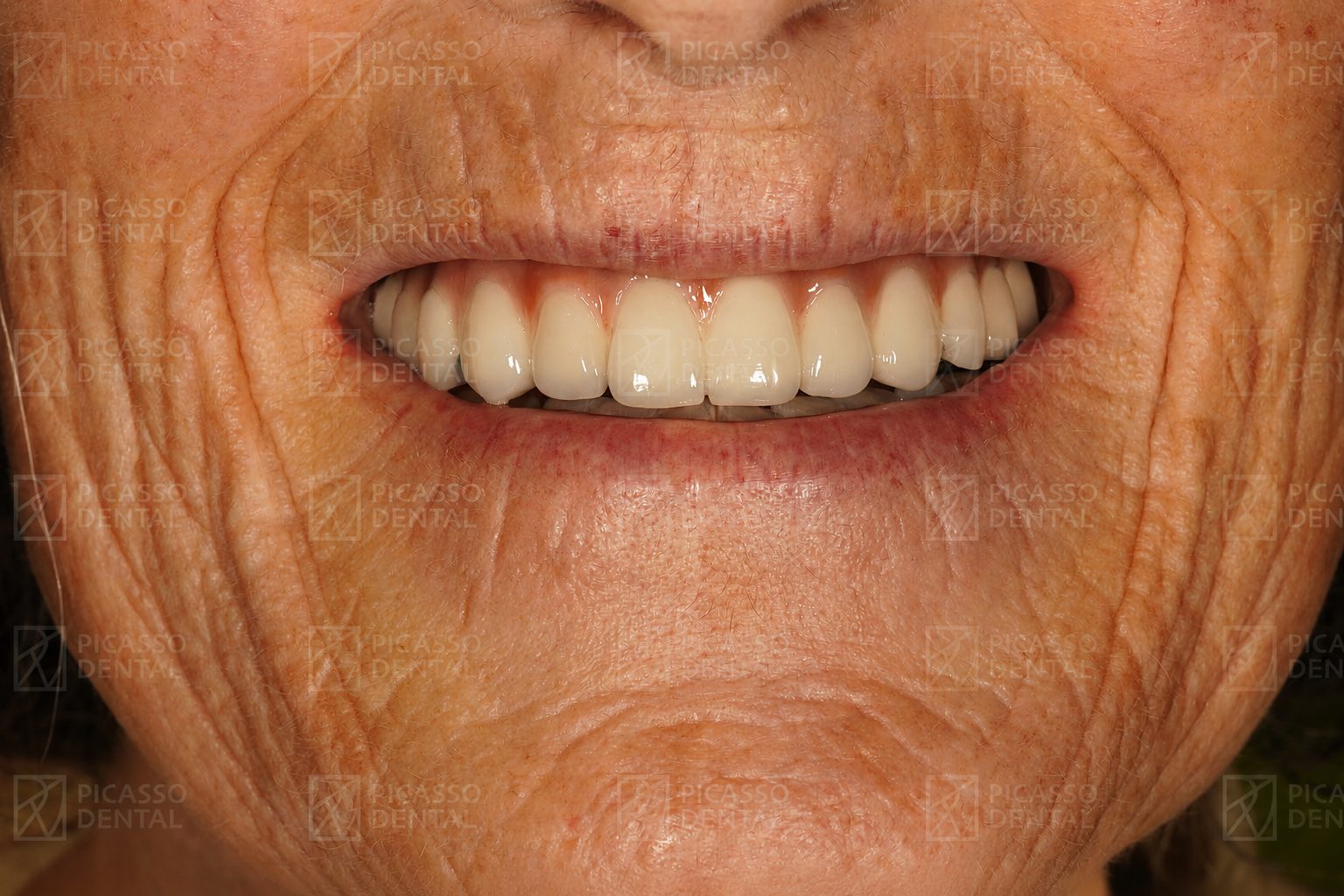 After
AfterFull rehabilitation, Hanoi Old Quarter
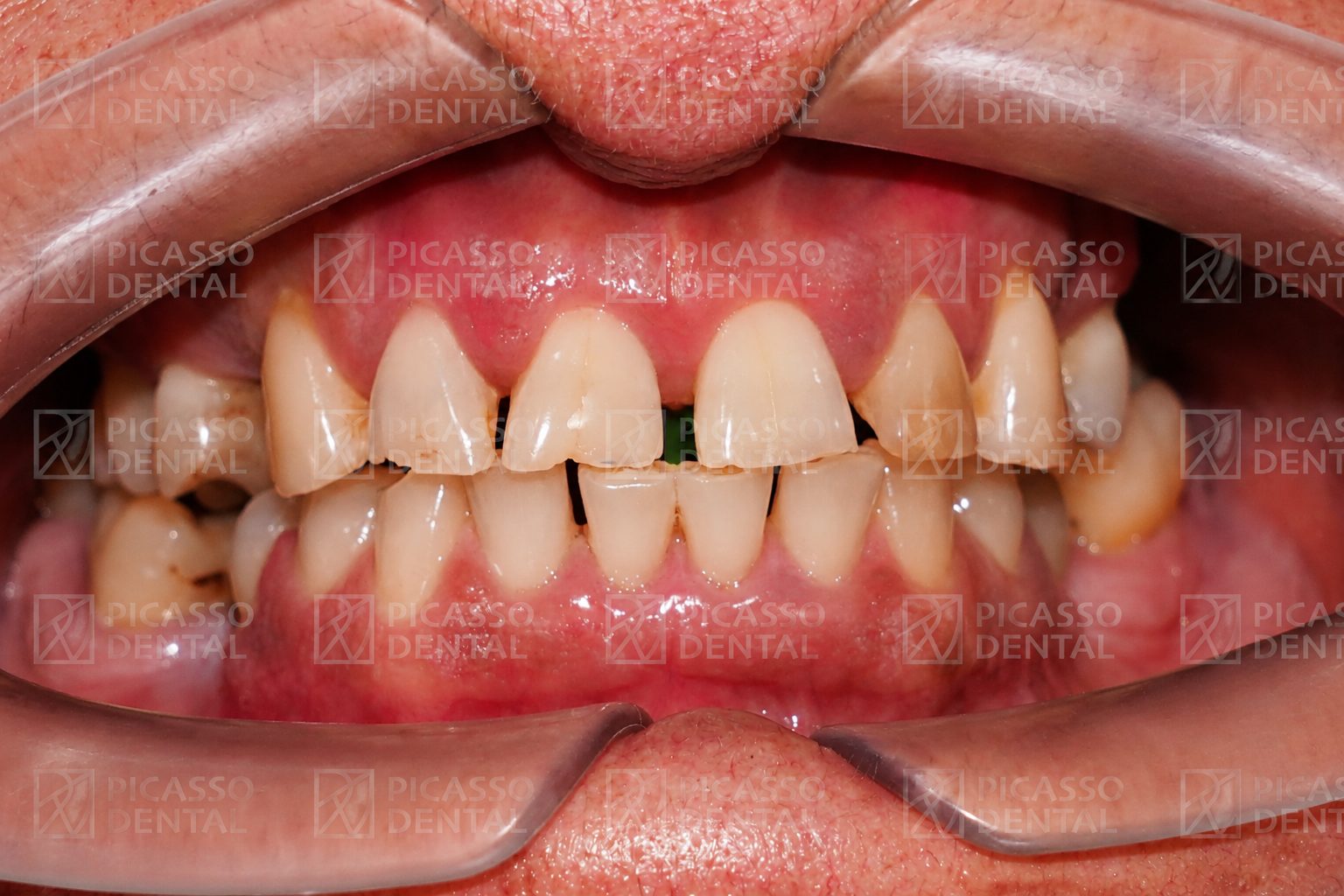 Before
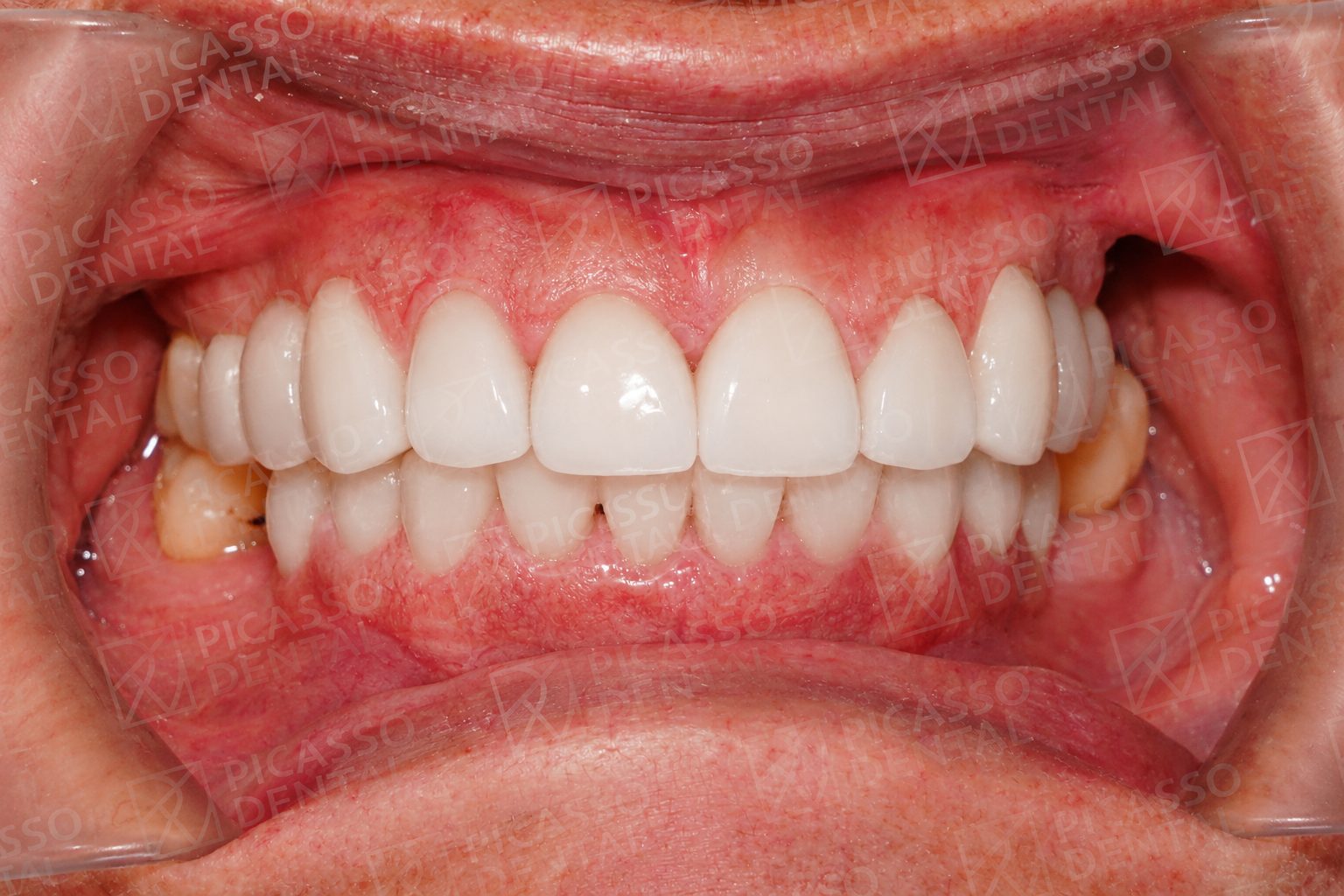 After
AfterPorcelain crowns, Da Nang
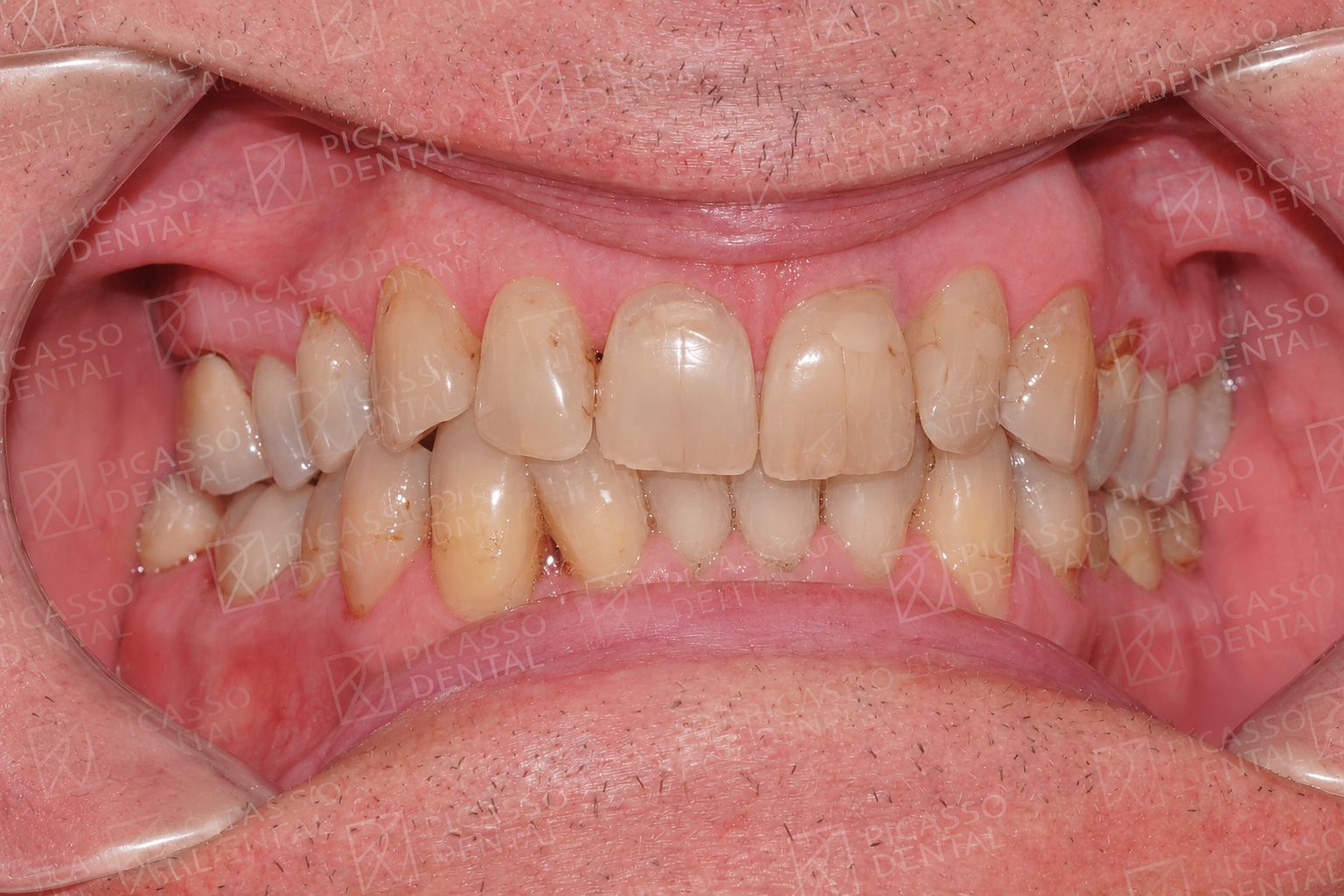 Before
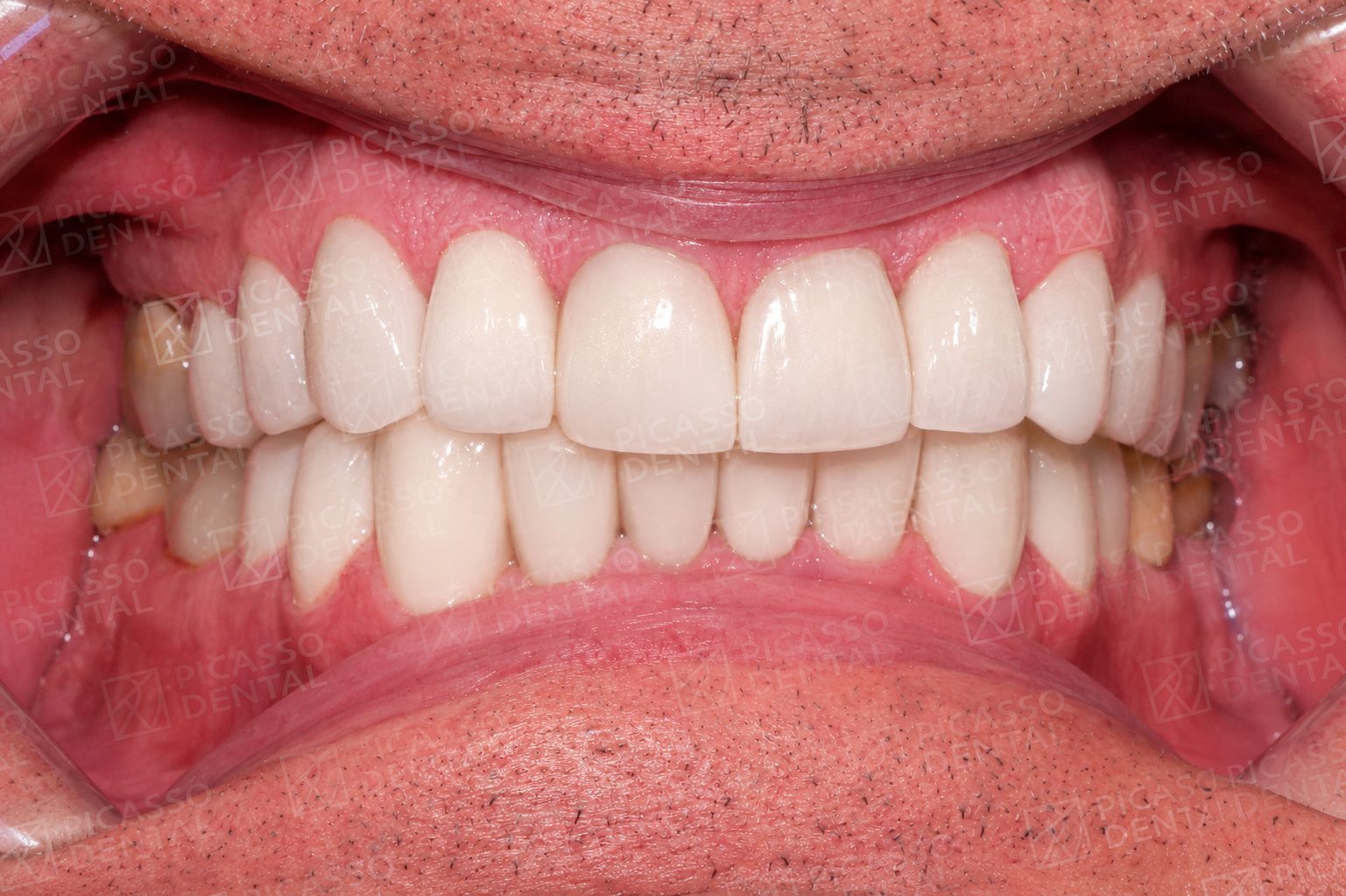 After
AfterCrown and implant, HCMC Thao Dien
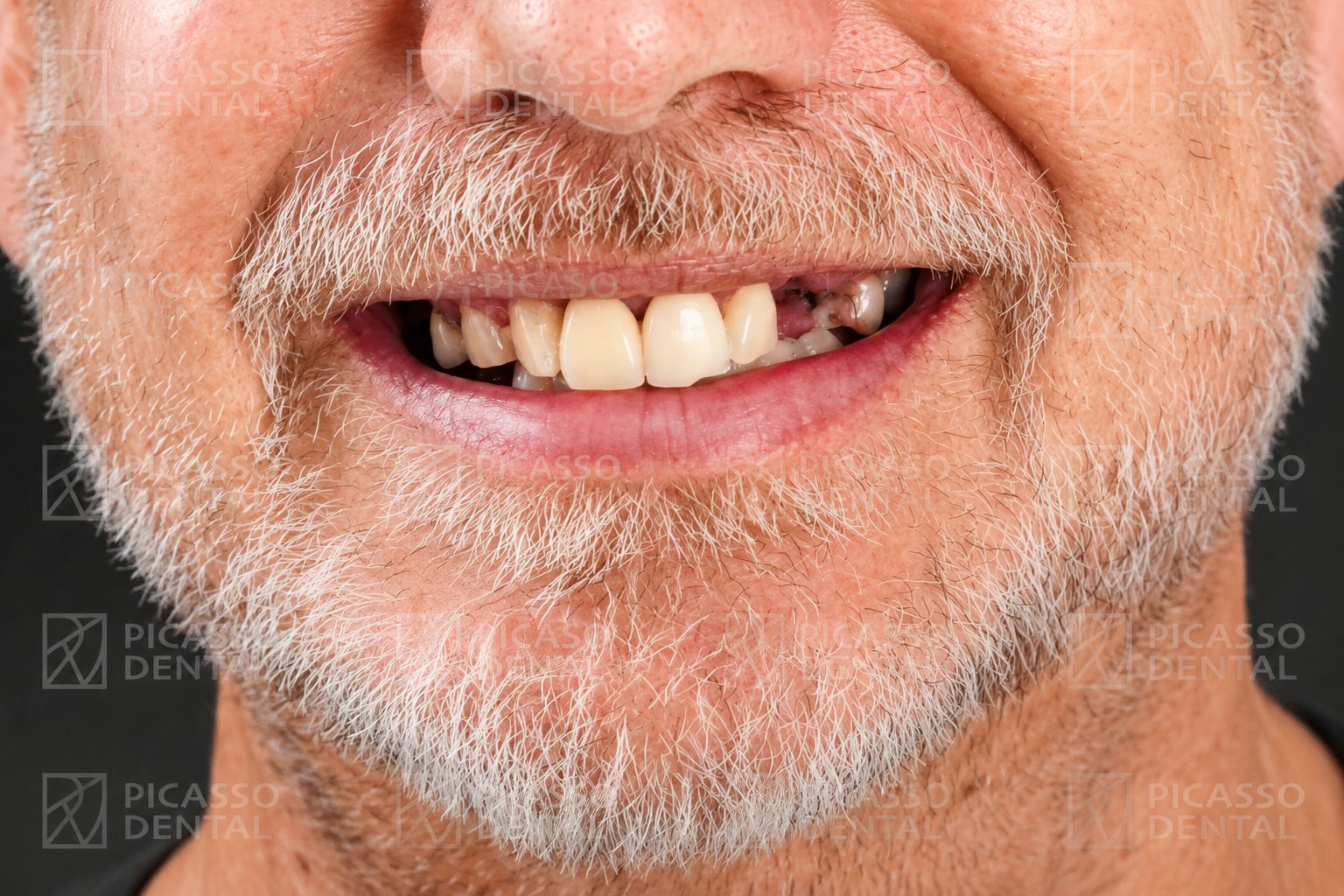 Before
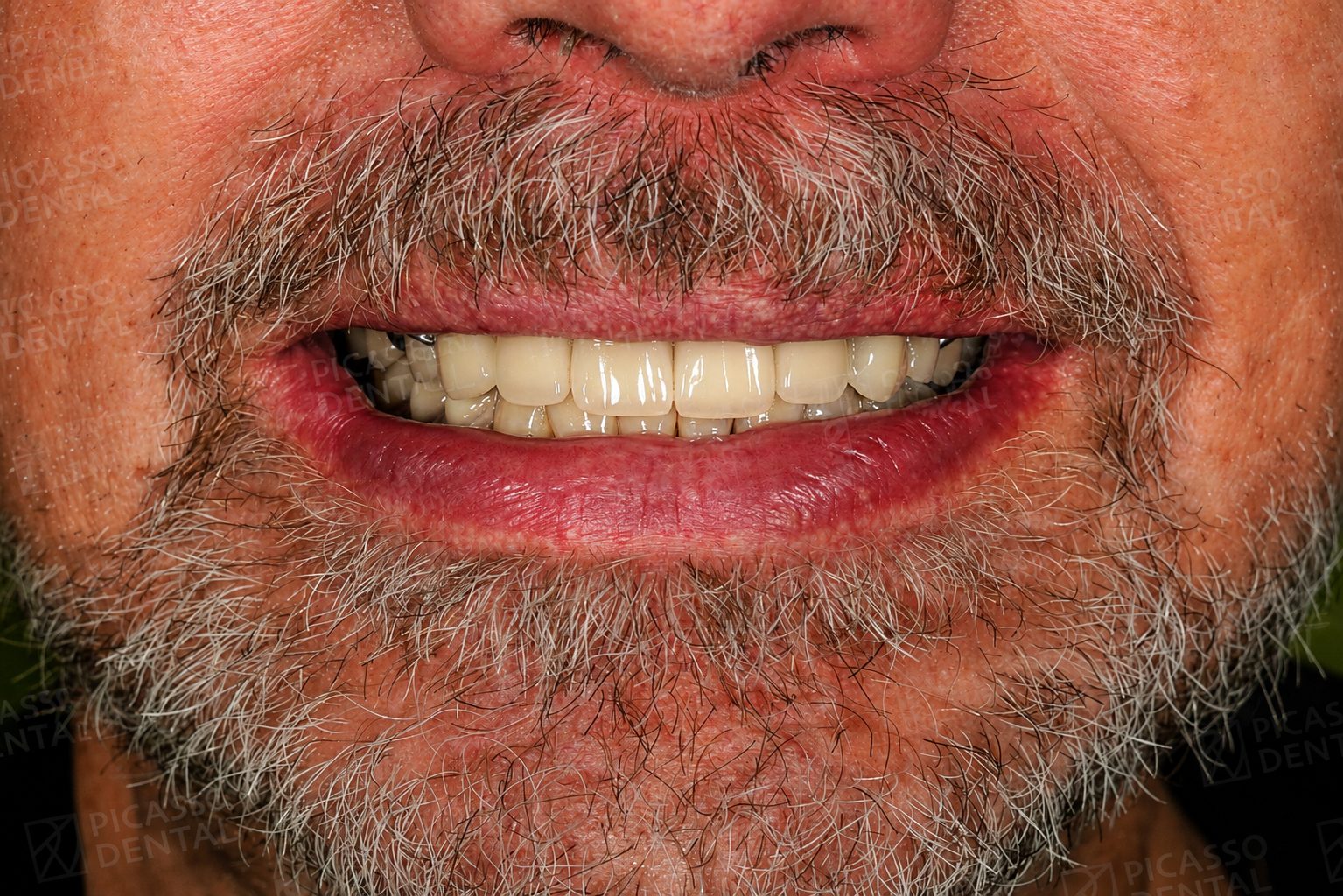 After
AfterCrown restoration, Hanoi Westlake
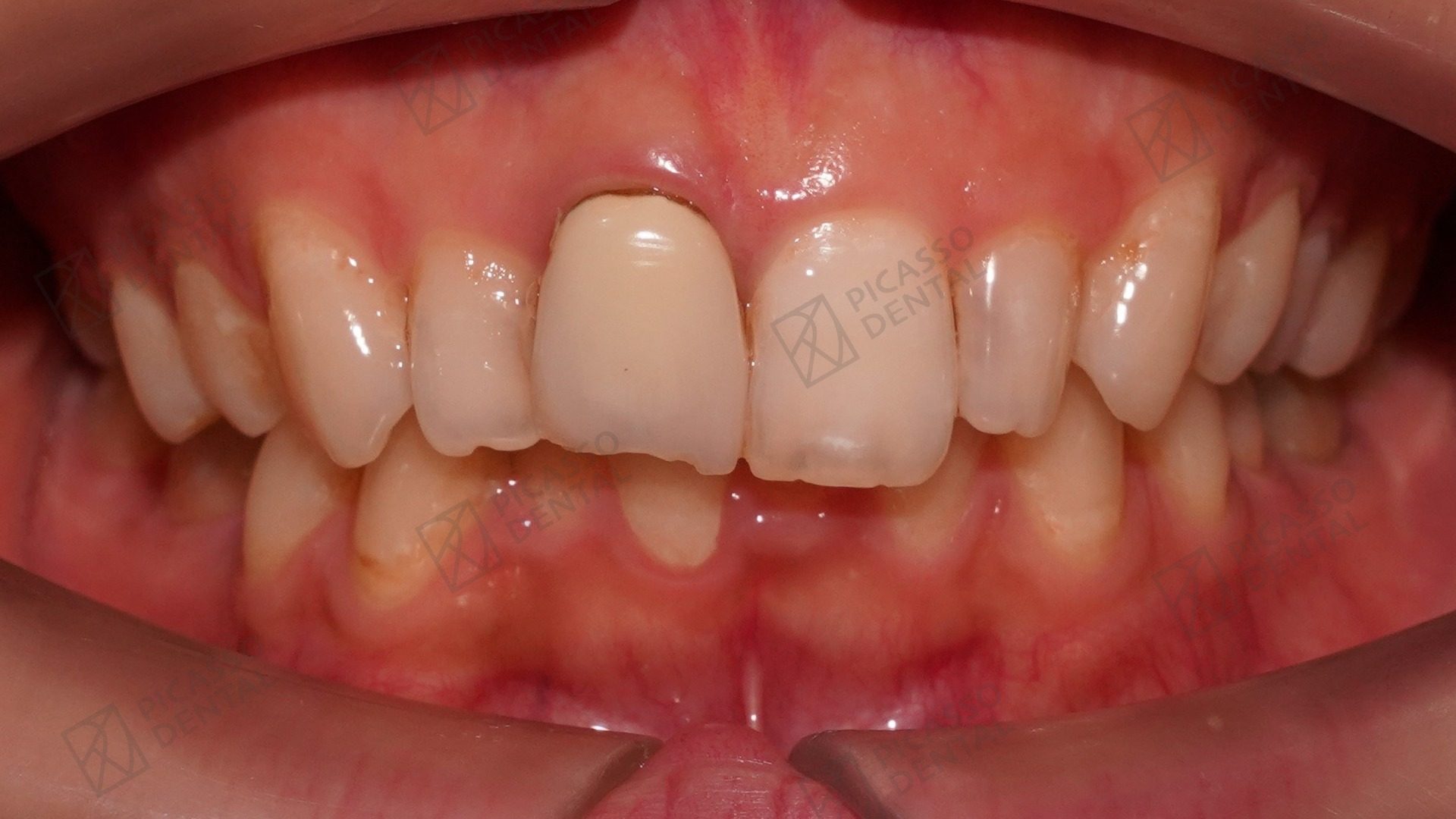 Before
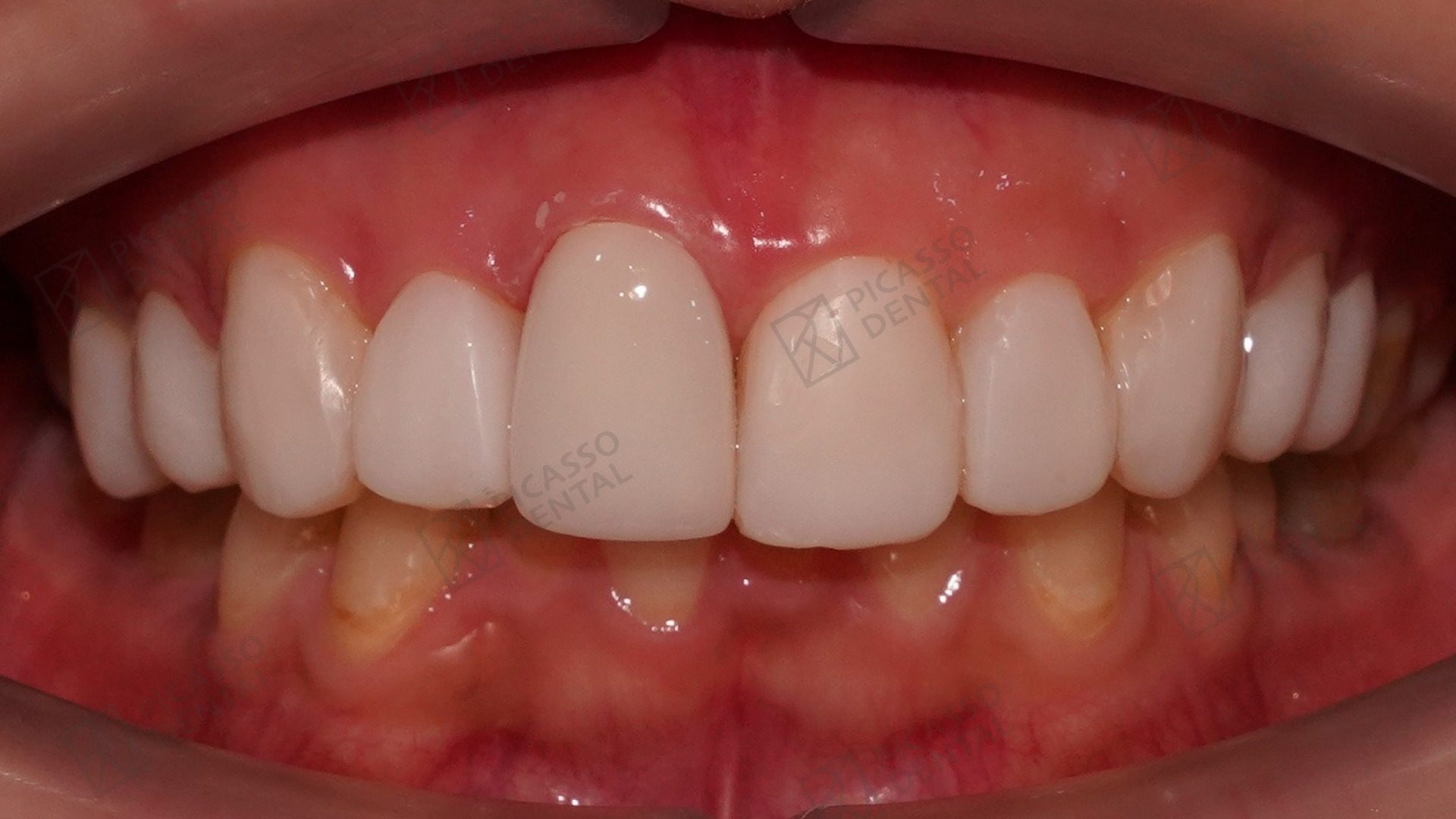 After
AfterSmile restoration, Da Nang Flagship
Frequently Asked Questions
How long does a dental implant last compared to a bridge?
A dental implant, properly maintained, can last a lifetime. The crown component may need replacement after 15 to 25 years. A traditional bridge typically lasts 10 to 15 years before requiring replacement.
Is a dental implant more expensive than a bridge?
The upfront cost of a single implant is higher than a bridge. Over a 20-year horizon, however, implants are often cheaper because bridges require replacement and the supported teeth may eventually need treatment or extraction.
What happens to bone if I choose a bridge instead of an implant?
A bridge does not replace the tooth root, so the jawbone beneath the gap receives no stimulation and gradually resorbs. After ten years, measurable bone loss in that area is common. An implant preserves bone volume by transmitting chewing forces to the jaw.
Can I get a bridge if I cannot get an implant?
Yes. If you have insufficient bone for an implant and do not wish to pursue bone grafting, a bridge is a well-established alternative — provided the adjacent teeth are healthy enough to serve as abutments.
How long does it take to get a bridge vs an implant?
A bridge can typically be completed in two to three appointments over two to three weeks. An implant requires three to six months from surgery to final crown due to the osseointegration healing phase.
Are bridges or implants better for back teeth?
Implants are generally preferred for posterior (back) teeth because they handle chewing forces independently without stressing adjacent teeth. Long-span bridges in the posterior region carry a higher failure rate over time.
What if the adjacent teeth for a bridge already have large fillings or crowns?
If the adjacent teeth already require crowns for other reasons, a bridge can be a practical option since crowning those teeth is necessary regardless. If they are healthy and unrestored, an implant avoids unnecessarily cutting down virgin tooth structure.
Start Here
Start with a brief.
Tell us about your missing tooth and a specialist will recommend implant or bridge — and why — within 24 hours. No obligation.