Dental Implants
Dental Implant Procedure: What to Expect and How to Prepare
The implant journey spans several months. Knowing what happens at each stage makes the process feel far less daunting and helps you prepare for the best possible outcome.

Quick Summary
- A single implant typically takes three to six months from first consultation to final crown.
- The surgical appointment itself lasts one to two hours; most of the timeline is healing.
- Bone grafting, if required, adds four to six months and is done before implant placement.
- You can have a temporary tooth throughout the healing phase — you will not be left without.
- Post-operative discomfort is typically mild and resolves within a week.
Stage 1: Consultation and Treatment Planning
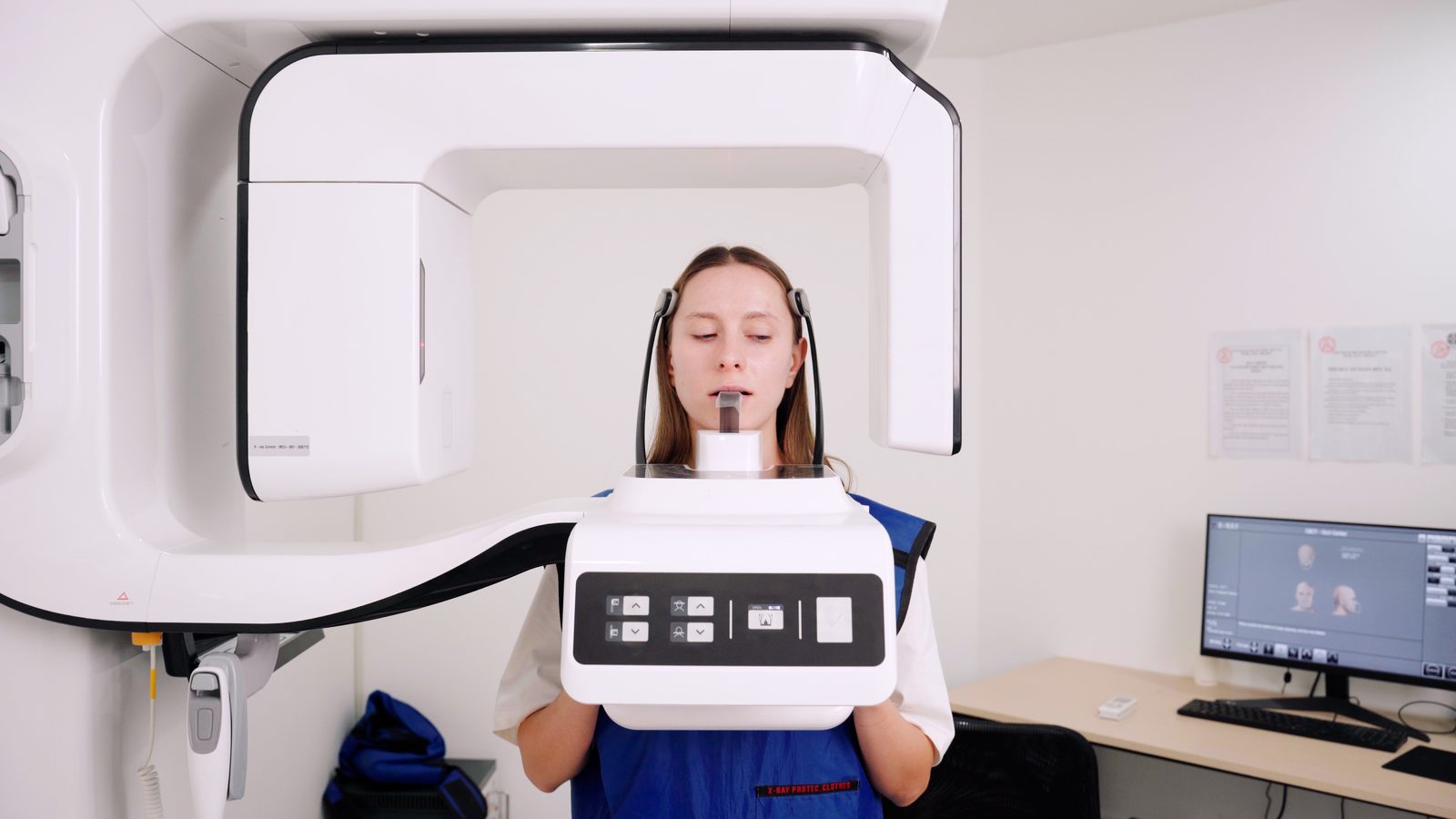
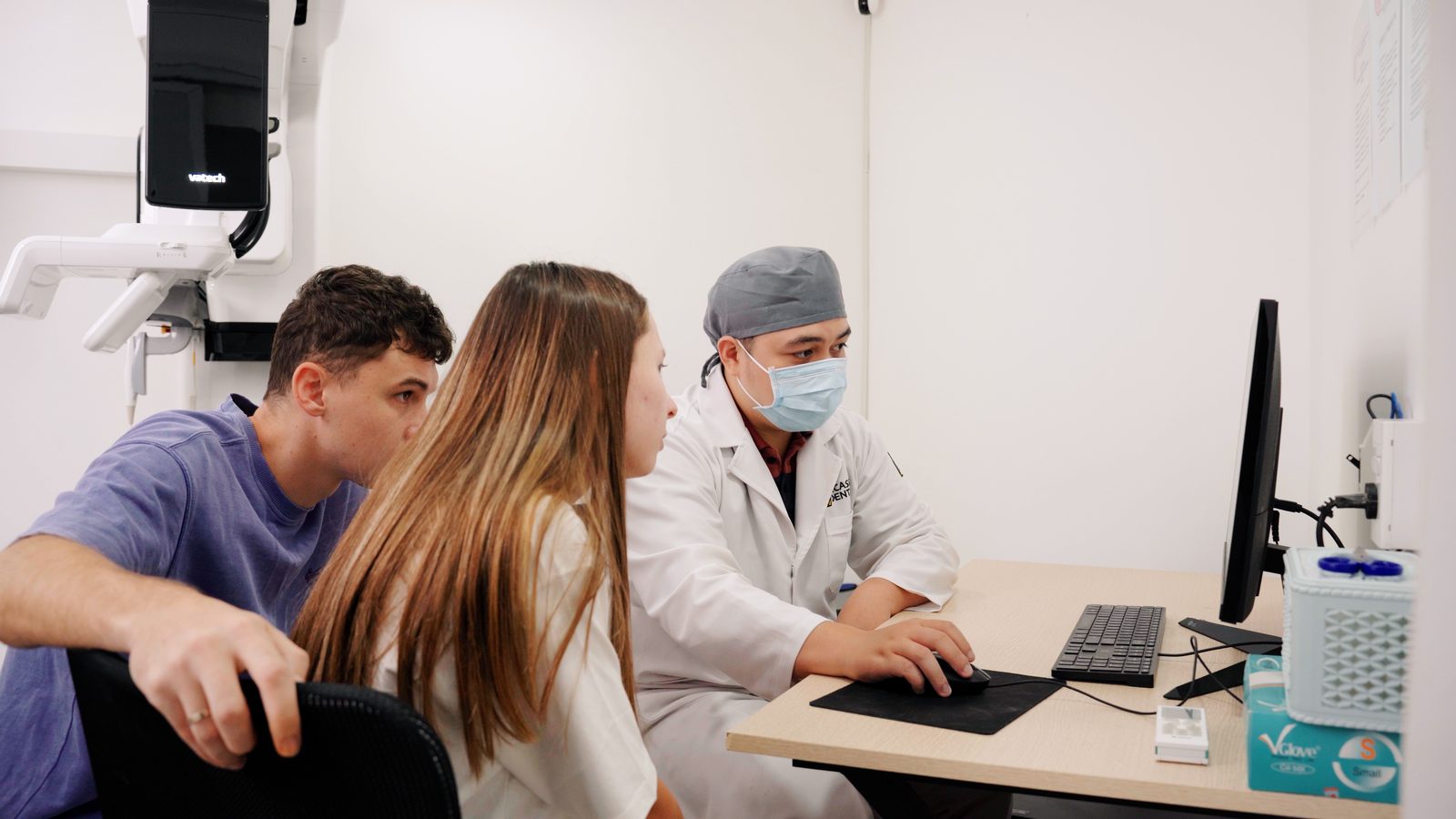
Every implant case at Picasso Dental begins with a CBCT scan and a clinical examination. The three-dimensional scan reveals the exact width, height, and bone density at the implant site, identifies the positions of the inferior alveolar nerve and sinus floors, and flags any pathology that must be addressed before surgery.
The consultation appointment covers your medical history (medications, systemic conditions, smoking status), your aesthetic goals, and a full review of the CBCT findings. From this, a treatment plan is produced showing implant position, any bone augmentation requirements, and the provisional and final restoration design.
Patients travelling from abroad often have their CBCT scans taken locally and share the DICOM files by email. Our team reviews the images and returns a detailed treatment plan and cost estimate within 48 hours.
Stage 2: Preparatory Work (If Required)
Not every patient needs preparatory procedures, but when the existing bone volume is insufficient, augmentation must precede implant placement.
- Tooth extractionIf the failing tooth has not yet been removed, extraction is typically performed four to eight weeks before implant surgery to allow initial soft tissue healing. A socket preservation graft is often placed at the same appointment.
- Bone graftingParticulate or block grafts restore lost volume. A membrane placed over the graft prevents soft tissue ingrowth. Healing time: four to six months before re-evaluation.
- Sinus liftRequired for implants in the upper posterior region when the sinus floor is too low. A lateral window or crestal approach elevates the sinus membrane and grafts the space created.
- Periodontal treatmentActive gum disease must be controlled before implant surgery. Implants placed in a mouth with uncontrolled periodontitis face substantially elevated failure risk.
Stage 3: Implant Surgery
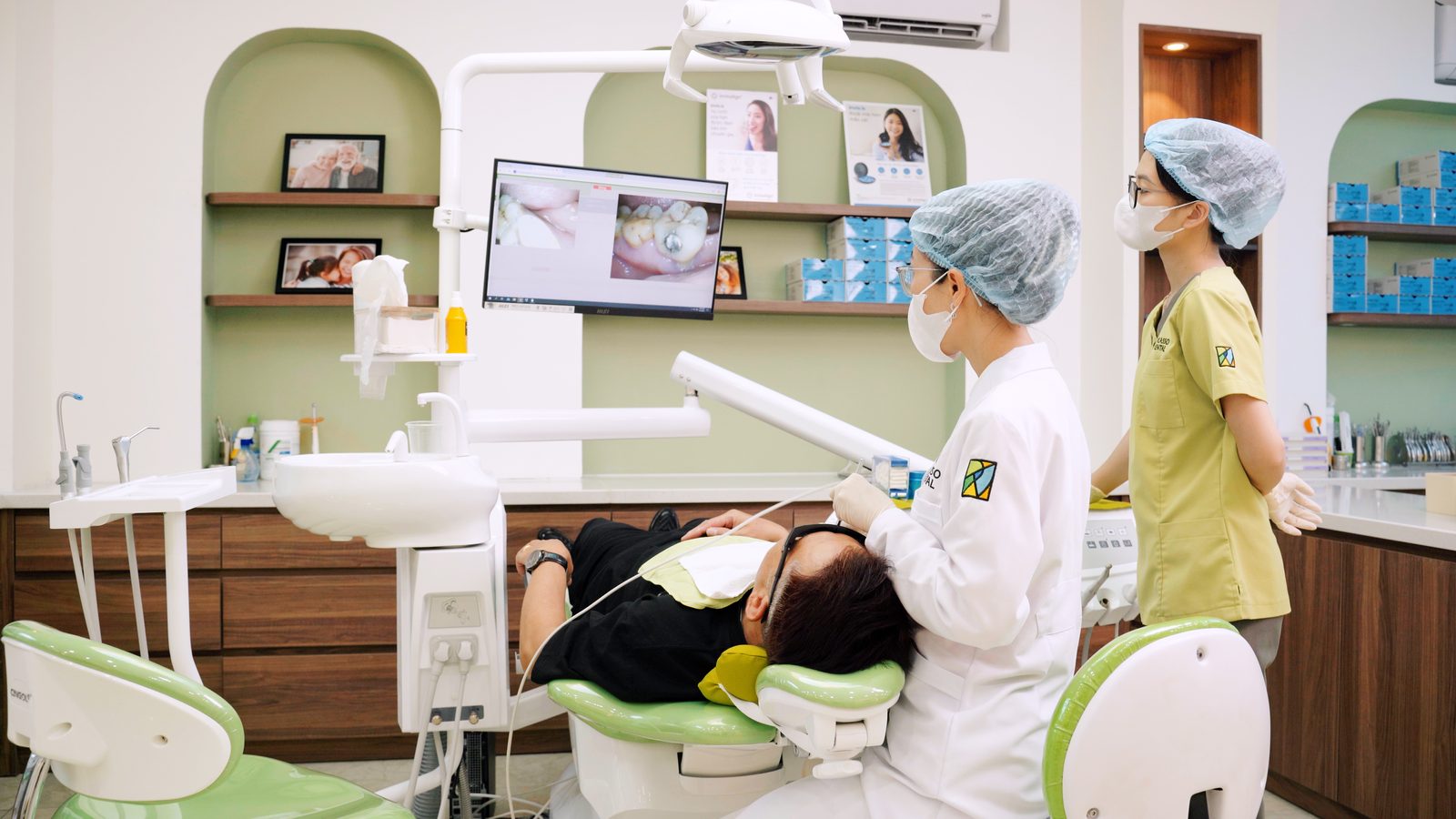
On the day of surgery, local anaesthesia is administered to the implant site. IV sedation is available for anxious patients or complex multi-implant cases. Once the area is fully numb, a small incision is made in the gum and a series of precision drills create the implant socket at the planned angle and depth.
The titanium implant is then inserted and the gum is sutured closed. A healing cap or temporary restoration may be placed at the same appointment, depending on primary stability and the treatment plan.
The entire surgical appointment for a single standard implant takes approximately 60 to 90 minutes. For full-arch cases, allow four to six hours.
"I had four crowns, two cavities, and a root canal and it was as gentle and pain free as it could possibly be. More so than any dentist back in the states in my sixty years of seeing the dentist."
Kevin McCarthy — Hanoi Old QuarterWhat to Expect Immediately After Surgery
Swelling peaks at 48 hours and subsides over the following three to four days. Bruising may develop along the jaw or cheek — this is normal and resolves within a week. Mild to moderate pain is managed with paracetamol or ibuprofen; most patients find that prescription-strength analgesics are unnecessary.
Eat soft foods for the first two weeks. Avoid the implant site when chewing. Do not use a straw — suction pressure can disturb the clot. Do not smoke. Take the prescribed antibiotics for the full course. Rinse gently with the provided chlorhexidine mouthwash twice daily.
Travelling to Vietnam for implants? We can coordinate your consultation, surgery, and aftercare across a single trip or two shorter visits for staged treatment.
Plan your tripStage 4: Osseointegration (The Healing Phase)
Osseointegration is the biological process by which the jawbone grows into and around the titanium implant surface, creating a stable biological anchor. It cannot be rushed. For standard implants in healthy bone, the process takes eight to twelve weeks. For implants placed in grafted bone, allow four to six months.
During this period, you wear a temporary crown, bridge, or removable partial denture so you always have something in place for aesthetics and function. The temporary restoration is designed to avoid placing heavy biting forces on the healing implant.
A follow-up appointment at six weeks checks healing progress. If the implant has integrated well, the abutment stage can proceed.
Stage 5: Abutment Placement and Final Crown
Once integration is confirmed, a small second procedure places the abutment — the connector piece between the implant body and the crown. For tissue-level implants, this step is minimal; the gum collar simply needs to heal for two to four weeks before impressions are taken.
Impressions (or digital scans) capture the exact position of the implant and the shape of the surrounding teeth. The data is sent to the ceramic laboratory, where a custom crown is fabricated to match your adjacent teeth in colour, shape, and translucency.
The final crown is fitted and adjusted at the last appointment. The bite is checked carefully. Once confirmed, the crown is either screwed or cemented into place.

Before and After Surgery: What to Do
Do Before Surgery
- Eat a full meal two hours beforehand (local anaesthesia only)
- Stop smoking at least two weeks prior
- Fill prescriptions for antibiotics and pain relief in advance
- Arrange a driver home
- Wear comfortable, loose clothing
- Tell us about all medications you take
Avoid After Surgery
- Smoking for at least eight weeks
- Hard, crunchy, or chewy foods near the site
- Strenuous exercise for 48 hours
- Touching or probing the wound
- Using a straw
- Alcohol while on antibiotics
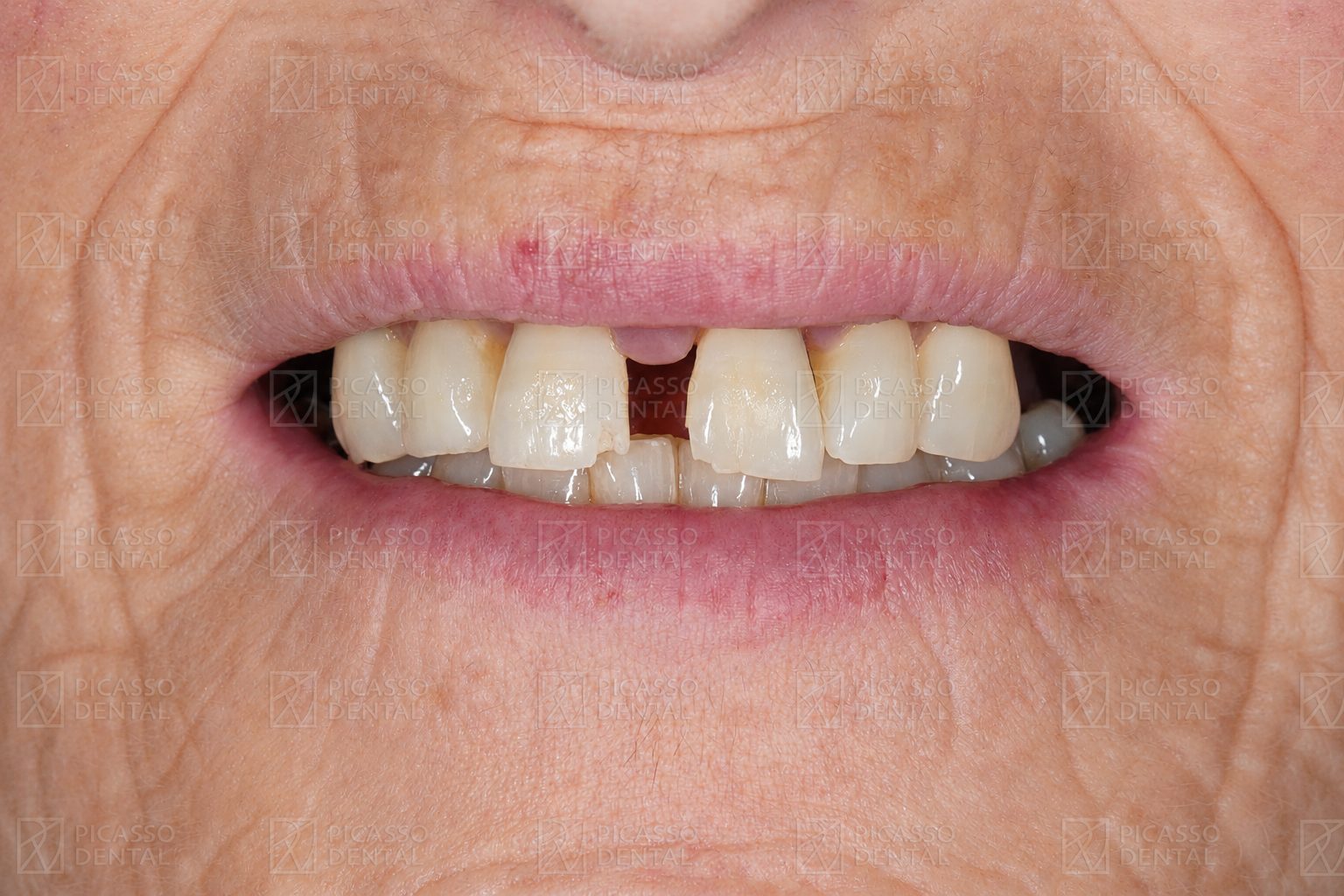 Before
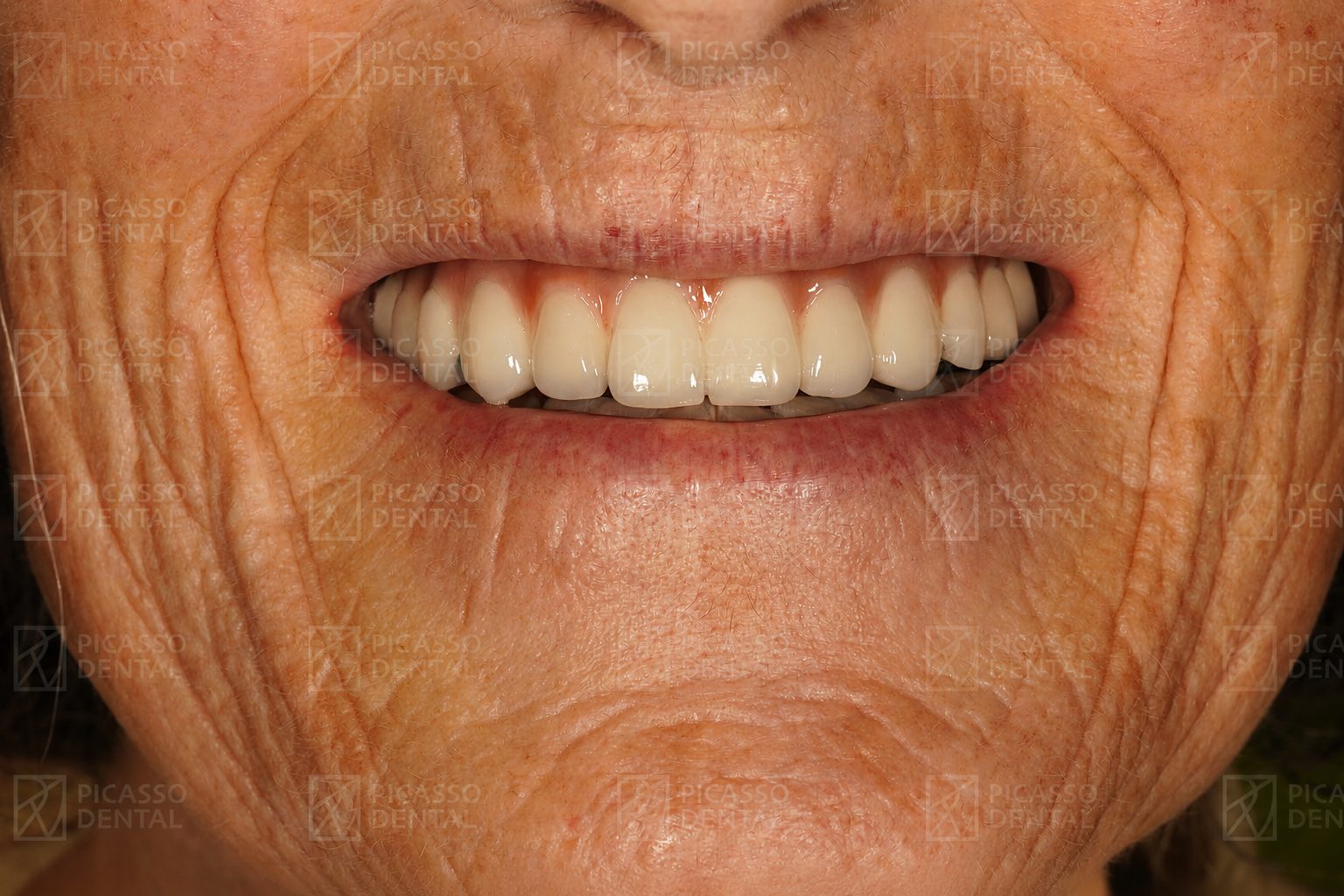 After
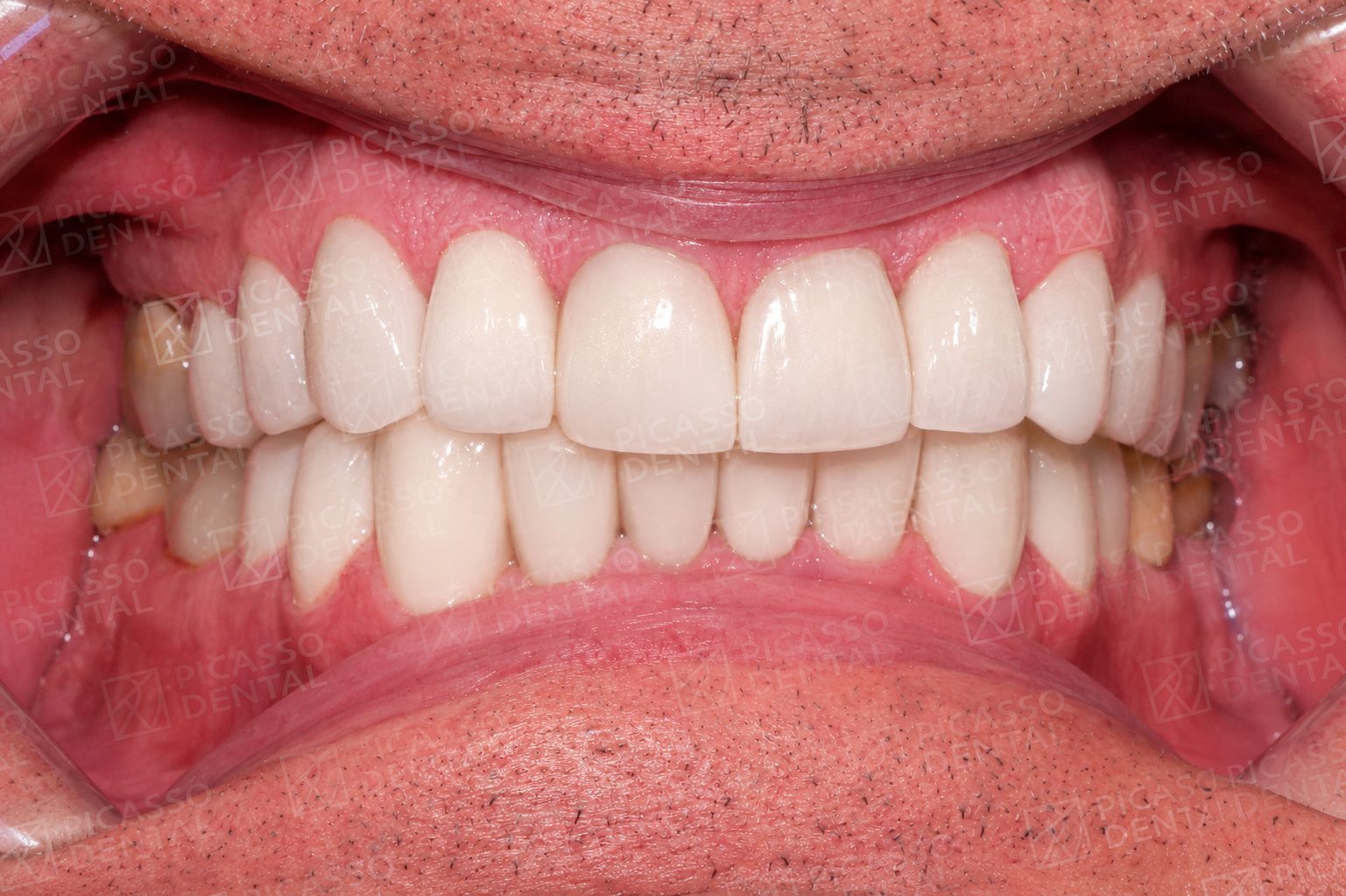
AfterFull rehabilitation, Hanoi Old Quarter
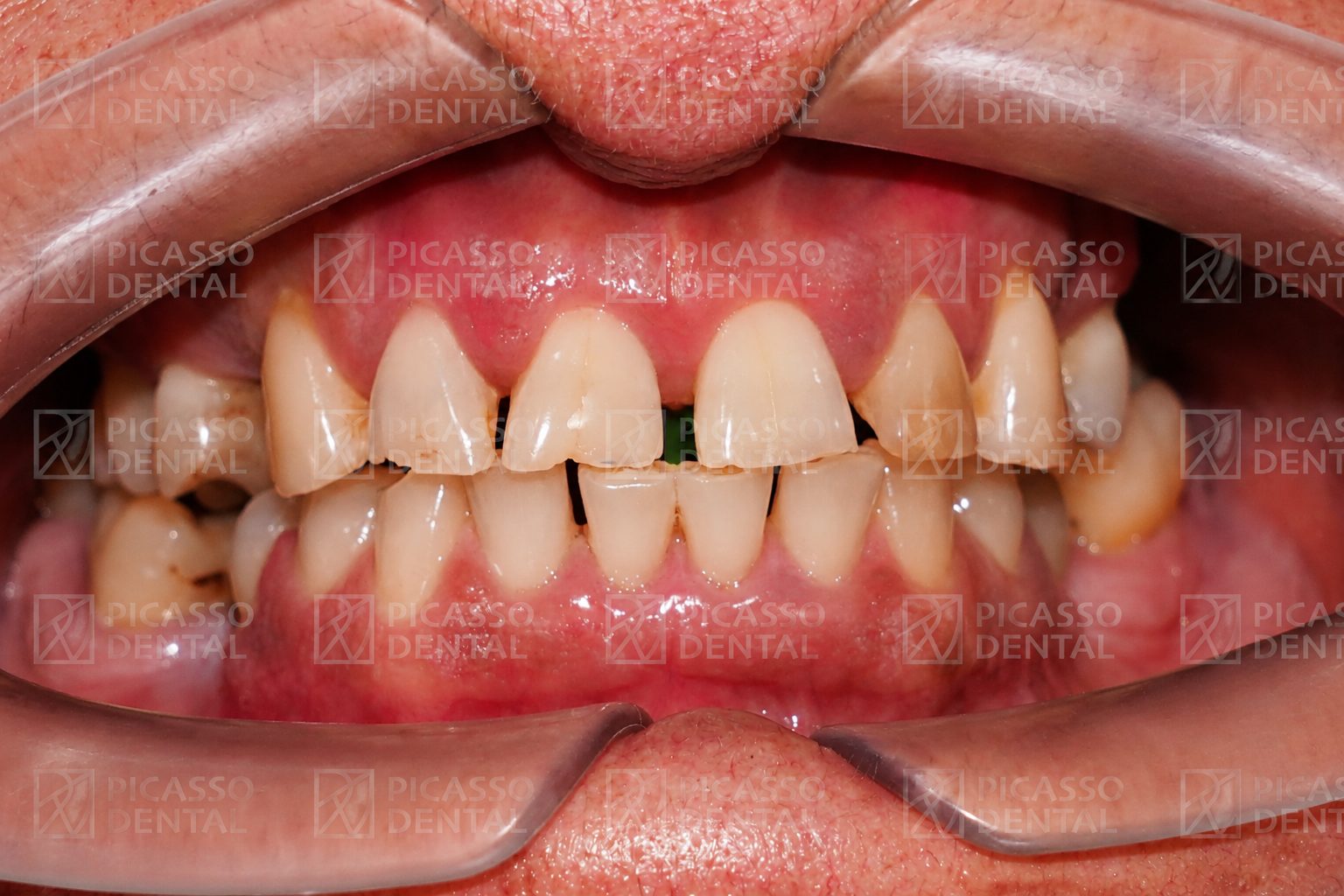 Before
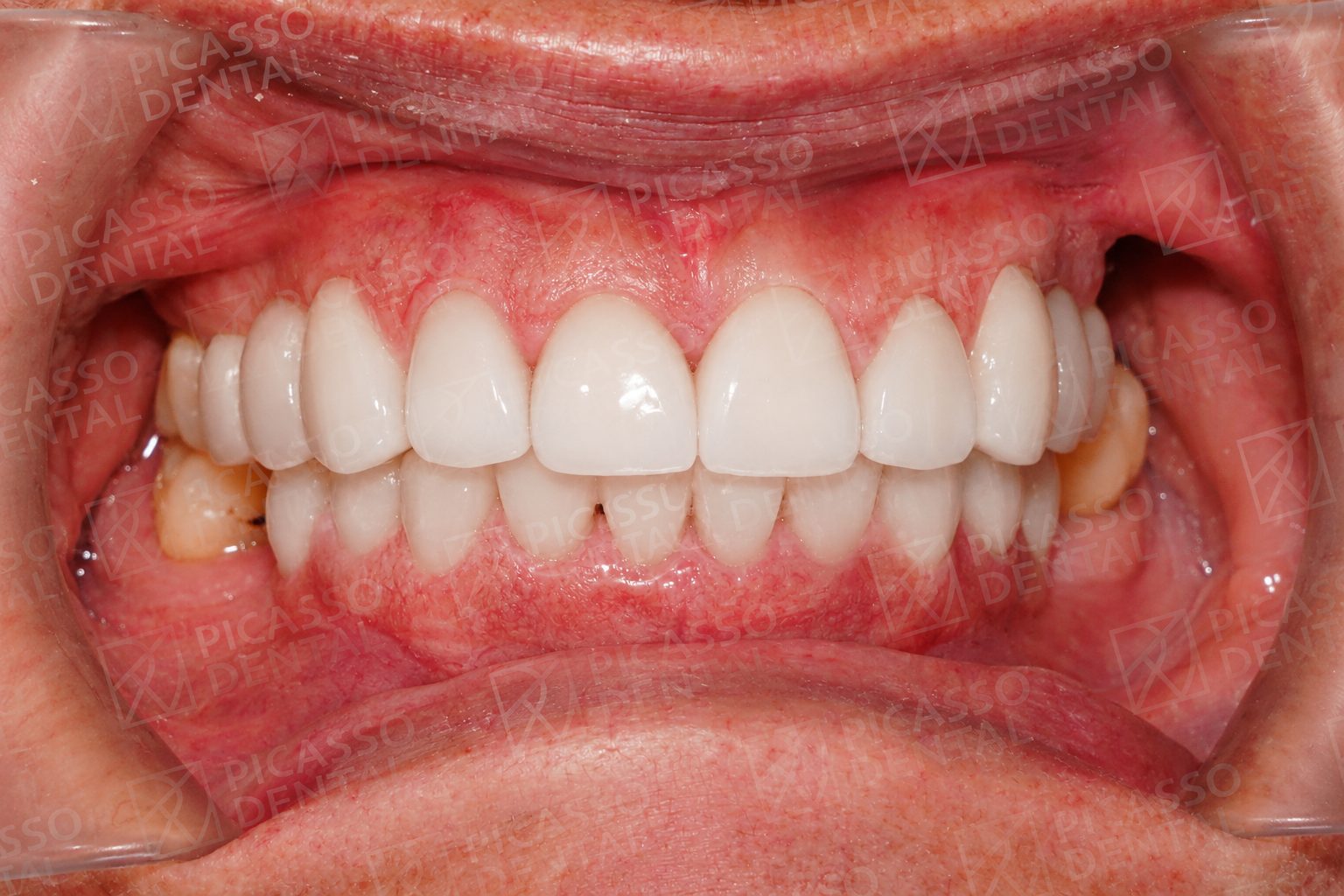 After
AfterPorcelain crowns, Da Nang
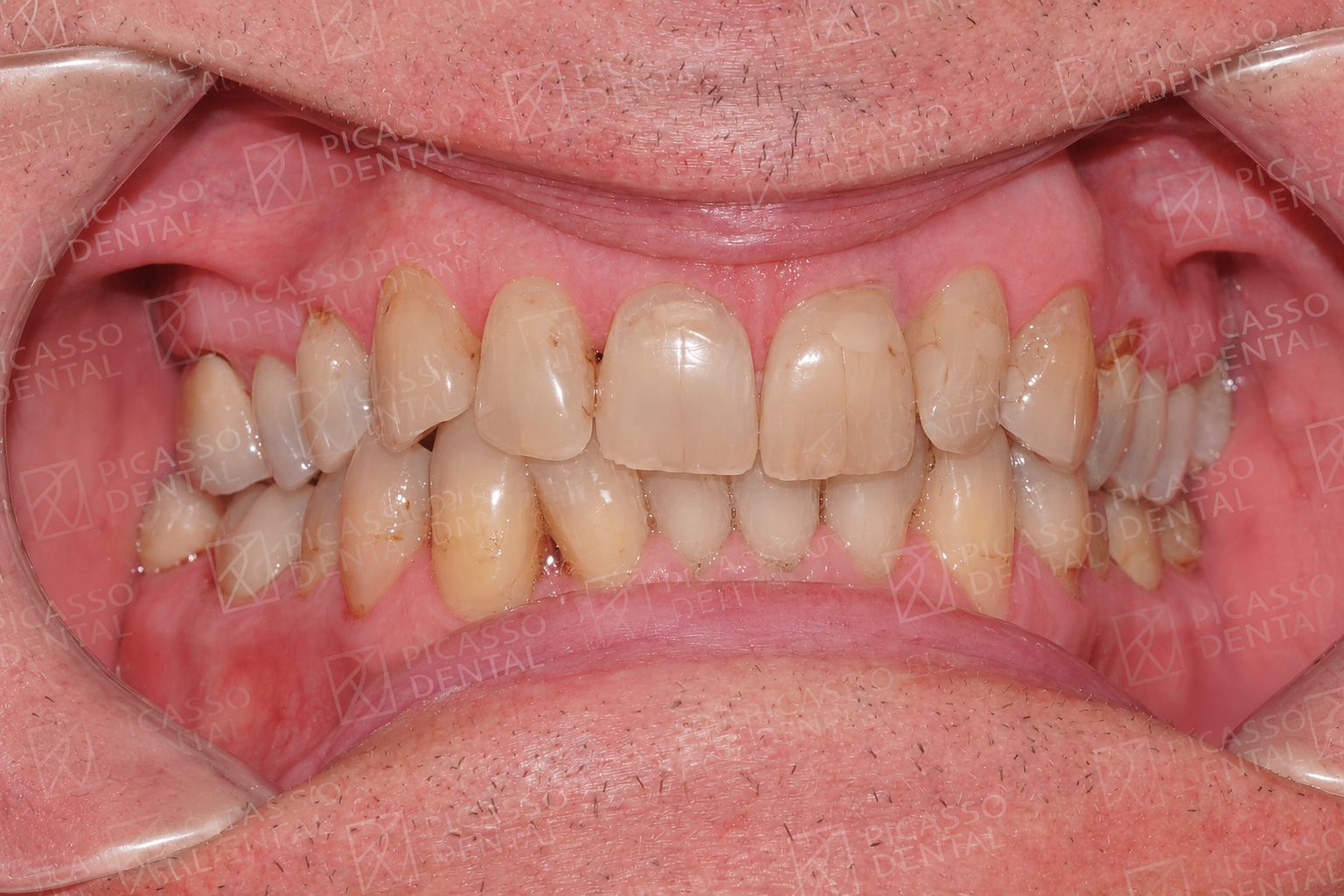 Before
 After
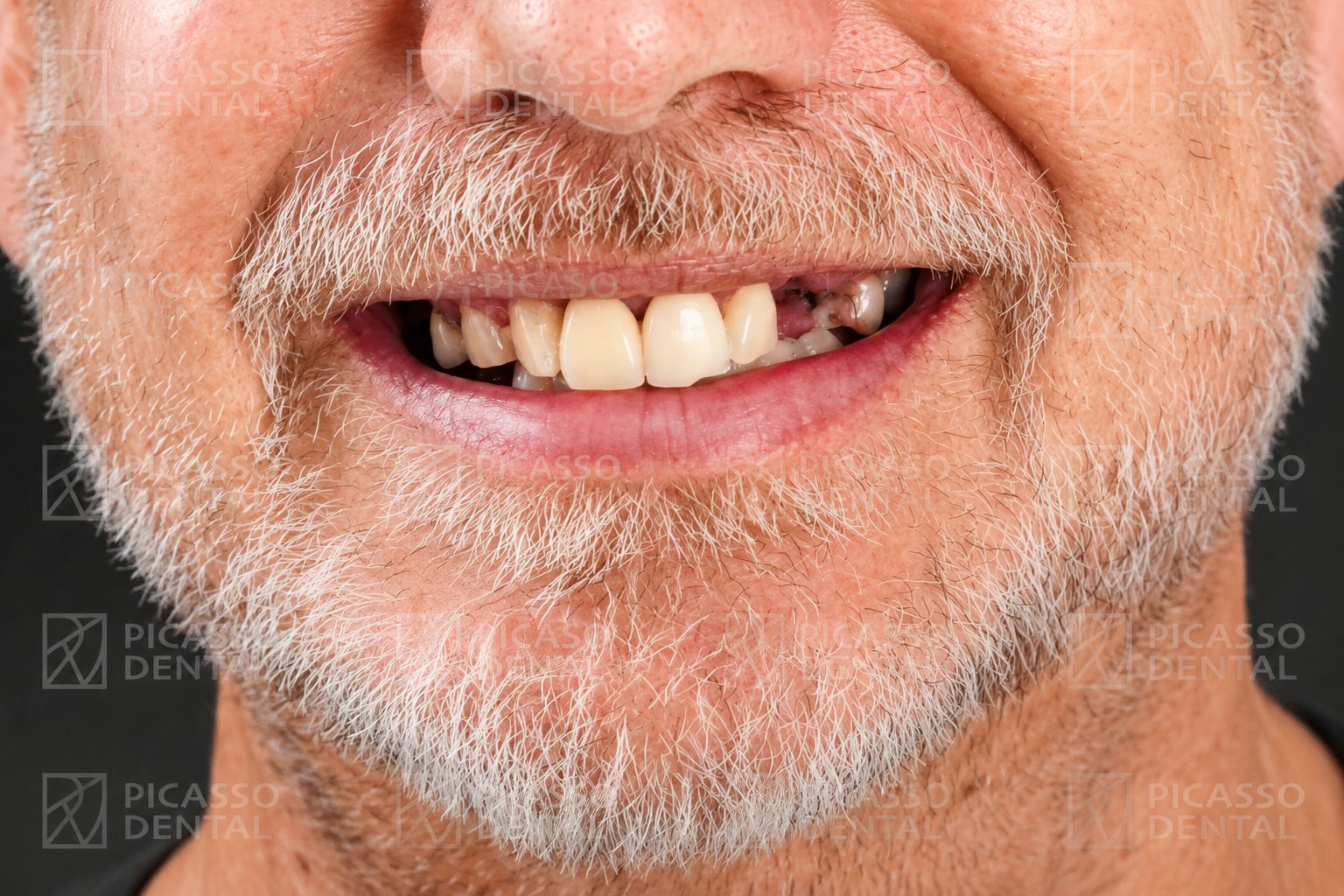
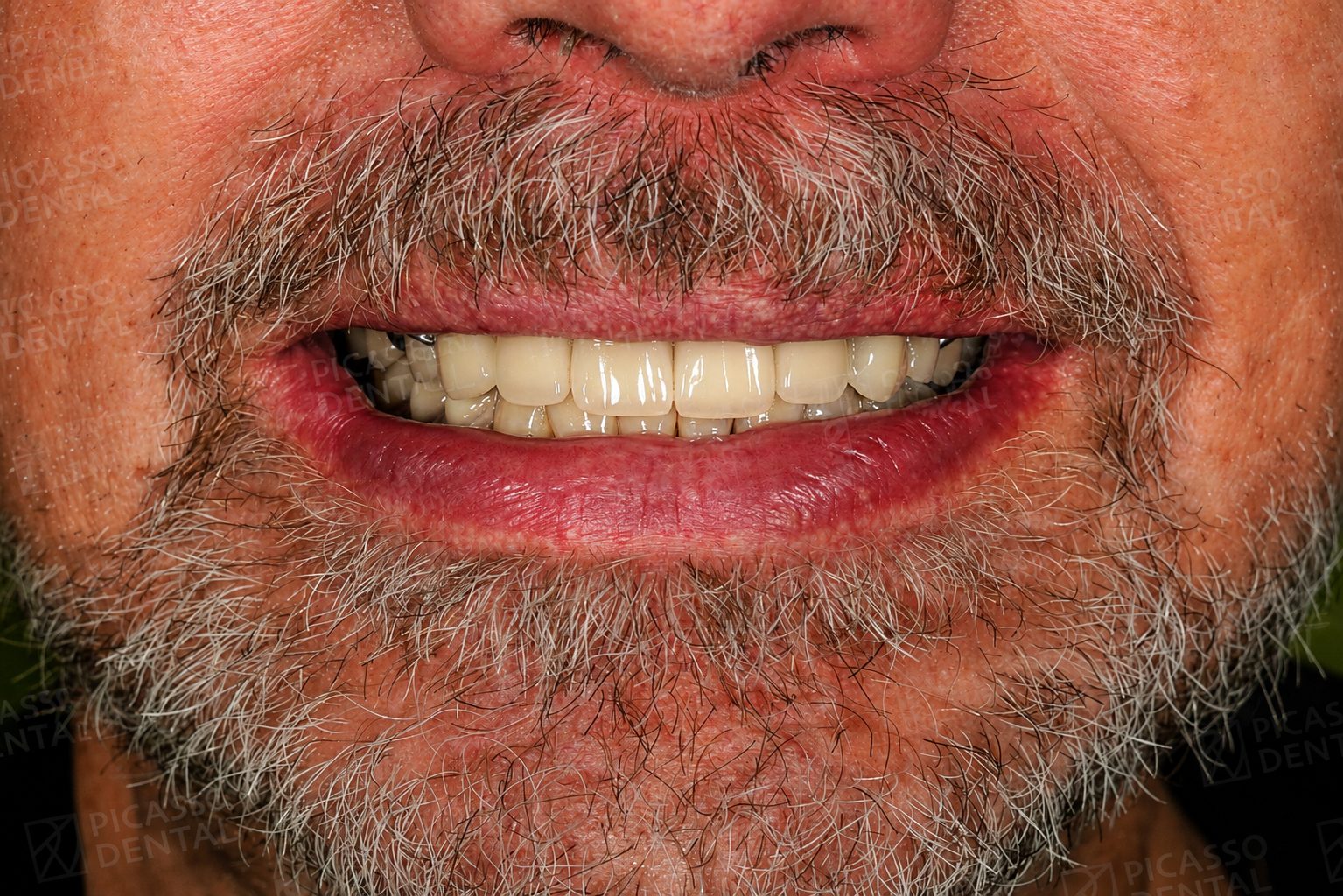
AfterCrown and implant, HCMC Thao Dien
 Before
 After
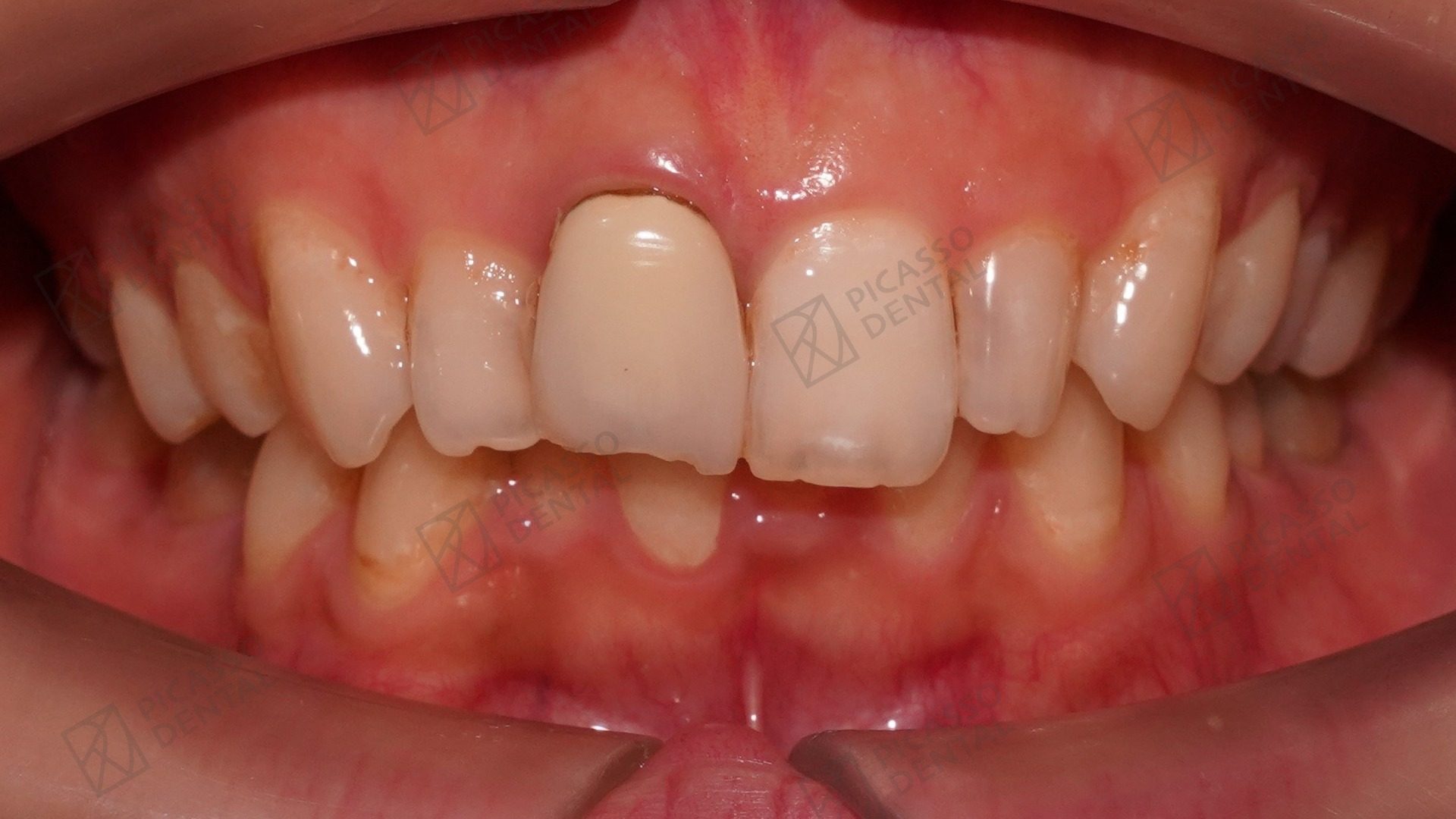
AfterCrown restoration, Hanoi Westlake
 Before
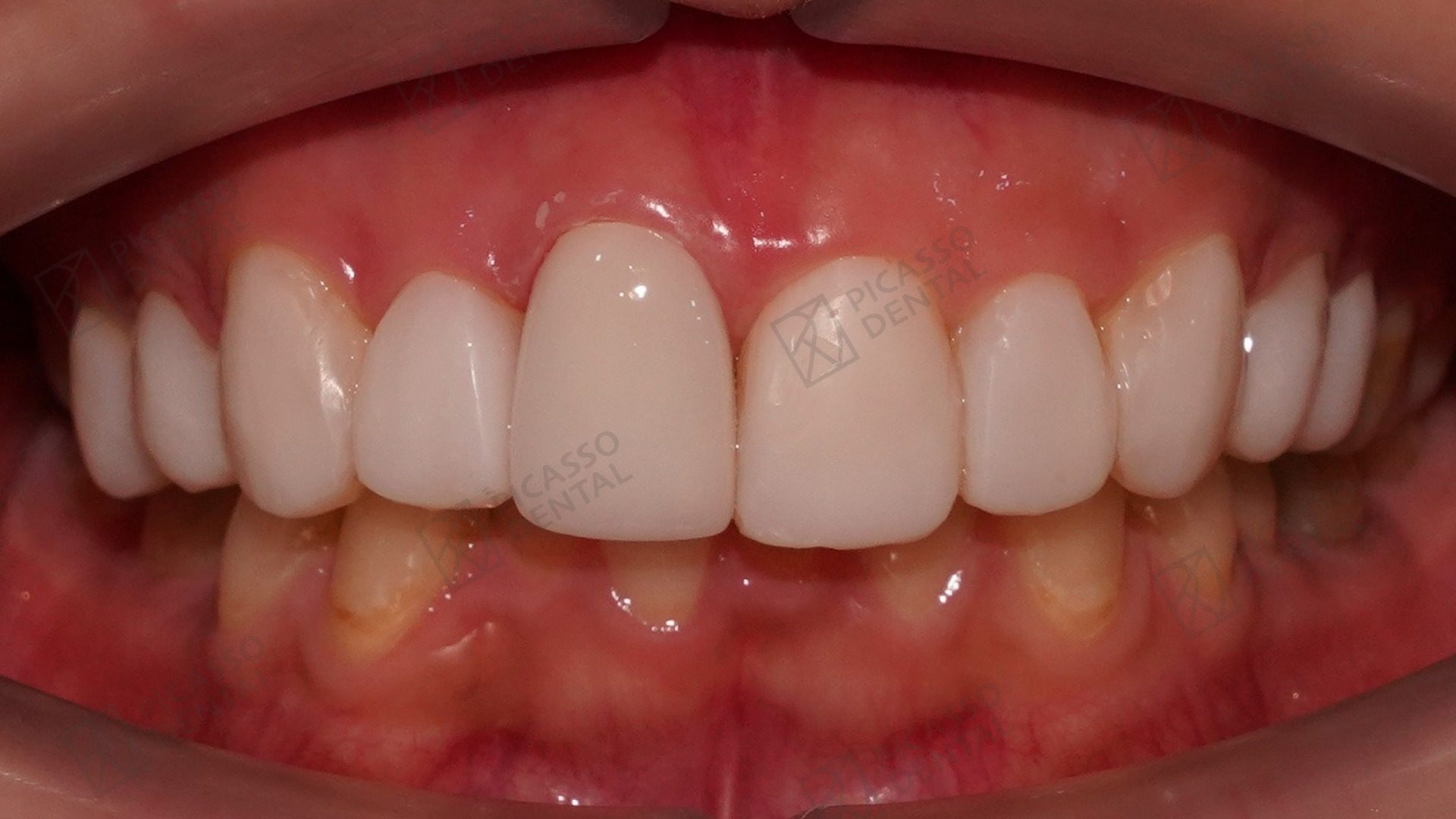 After
AfterSmile restoration, Da Nang Flagship
Frequently Asked Questions
How long does the dental implant procedure take from start to finish?
For a single standard implant without bone grafting, the process from consultation to final crown typically takes three to six months. The surgical appointment itself lasts one to two hours; the majority of the timeline is the osseointegration healing phase.
Is dental implant surgery painful?
The surgery is performed under local anaesthesia, so you feel pressure but not pain during the procedure. Most patients report that post-operative discomfort is milder than they anticipated and is well managed with standard analgesics.
What can I eat after implant surgery?
Soft foods for the first two weeks: yoghurt, mashed potato, scrambled eggs, soup. Avoid hard, crunchy, or chewy foods near the implant site for at least six weeks. Gradually reintroduce normal foods as healing progresses.
Do I need bone grafting before an implant?
Not always. Your CBCT scan will determine whether your bone volume is sufficient. If a graft is needed, it adds four to six months to the timeline but does not compromise the final outcome.
Can I get a temporary tooth while waiting for the implant to heal?
Yes. A temporary crown, bridge, or removable partial denture can be provided so you are never without a tooth in a visible position during the healing phase.
How do I prepare for implant surgery?
Eat a full meal two hours before if you are having local anaesthesia only. Stop smoking two weeks prior. Arrange transport home. Fill your prescription for antibiotics and pain relief beforehand. Wear comfortable clothing and avoid strenuous exercise for 48 hours after surgery.
What aftercare is required long-term?
Daily brushing and interdental cleaning around the implant crown, twice-yearly professional check-ups, and avoiding habits that stress the implant such as ice-chewing or using teeth as tools.
Start Here
Start with a brief.
Tell us about your missing tooth and a specialist will outline your implant options within 24 hours. No obligation.