Dental Implants
Dental Implant Failure: Common Causes and How to Avoid Them
Most implant failures are preventable. Understanding the risk factors before treatment gives you and your surgeon the best chance of a lasting result.

Quick Summary
- Implant failure divides into early (first three months) and late (after loading) categories with different causes.
- Smoking, uncontrolled diabetes, and bone-metabolism medications are the leading controllable risk factors.
- Peri-implantitis, a bacterial infection around the implant, drives most late failures.
- Insufficient bone volume and suboptimal surgical technique account for most early failures.
- CBCT imaging, ISO-certified implant systems, and a strict maintenance schedule reduce failure risk substantially.
Early Failure vs. Late Failure
Implant failure is not a single event. Clinicians separate failures into two windows because the causes, and the remedies, differ significantly.
Early failure occurs before osseointegration is complete, typically within the first three months. The implant simply does not fuse to the surrounding bone. Pain that worsens after the first two weeks, visible mobility, or a radiograph showing a widening gap around the implant body are all warning signs.
Late failure occurs after the implant has successfully integrated and been loaded with a crown. It usually develops slowly, driven by progressive bone loss around the implant neck. By the time a patient notices symptoms, significant damage may already have occurred.
Smoking: The Single Biggest Modifiable Risk
Nicotine causes vasoconstriction, reducing blood flow to the alveolar bone. Without adequate circulation, the healing cells that drive osseointegration cannot do their work. Studies consistently show implant failure rates two to three times higher in active smokers compared with non-smokers.
The advice is straightforward: stop smoking at least two weeks before surgery and continue abstaining for at least eight weeks after the implant is placed. Patients who follow this guidance bring their risk profile close to that of a non-smoker for the critical healing window.
If complete cessation is not immediately possible, nicotine replacement therapy (patches or gum rather than smoking) is the next-best option. This is discussed openly during the consultation because honesty here protects your investment and your health.
Diabetes and Systemic Health
Uncontrolled diabetes impairs wound healing on multiple fronts: reduced immune response, impaired collagen synthesis, and compromised microvascular circulation all slow the bone-to-implant bonding process. Patients with poorly managed blood glucose are at considerably higher risk of both early failure and peri-implantitis.
The key measure is HbA1c. Patients with an HbA1c below 7% generally achieve implant success rates comparable to non-diabetic patients. Those above 9% face substantially elevated risk, and elective implant surgery is usually deferred until control improves.
Other systemic conditions that merit discussion include autoimmune disorders, osteoporosis, and a history of radiation therapy to the jaw. None of these is an absolute contraindication, but each requires a tailored risk assessment before proceeding.
"During my total 4 to 5 hours of treatment on the 2 days of visit, I feel completely relaxed and do not feel any slightest pain during the treatment whosoever."
Wilfred Koh — HCMC Thao DienMedications That Interfere with Bone Metabolism
Bisphosphonates (used for osteoporosis and some cancers) are the most well-known implant risk medications. They suppress bone remodelling, which is essential for osseointegration. The risk varies by route and duration: oral bisphosphonates taken short-term carry modest risk; intravenous bisphosphonates taken for years carry substantial risk of osteonecrosis of the jaw.
Corticosteroids taken long-term suppress immune function and slow healing. Anticoagulants require surgical planning adjustments. Immunosuppressants following organ transplants increase infection susceptibility.
A complete medication review is part of every consultation at Picasso Dental. Bring your full medication list, including supplements. Some medications require a brief pause before surgery; others simply require closer post-operative monitoring.
Bone Density and Volume
An implant needs bone to anchor into. If the alveolar ridge is too narrow, too short, or too soft, the implant cannot achieve primary stability — the mechanical grip that holds it in place while biological integration develops. Without primary stability, micro-movement during healing prevents osseointegration.
CBCT imaging produces a three-dimensional map of the jaw, allowing measurement of bone width, height, and density at the precise implant site. If available bone is insufficient, augmentation procedures are performed first:
- Socket preservationBone graft placed immediately at extraction to prevent ridge collapse — the simplest way to avoid a bone deficit before it develops.
- Lateral ridge augmentationA block or particulate graft widens a narrow ridge. Healing time of four to six months is needed before implant placement.
- Sinus liftElevates the sinus floor to create vertical bone volume in the posterior upper jaw, where bone is typically thinnest after tooth loss.
- Vertical bone augmentationUsed when the ridge is severely resorbed vertically. Adds the most treatment time but avoids shorter, less stable implants.
Not sure if you have enough bone? A CBCT scan and consultation will give you a definitive answer within one appointment.
Book a CBCT scanPeri-Implantitis: The Primary Cause of Late Failure
Peri-implantitis is an inflammatory disease affecting the soft and hard tissues surrounding an integrated implant. It is the implant equivalent of periodontal disease and, like its natural-tooth counterpart, is driven by bacterial biofilm accumulation.
Left untreated, peri-implantitis causes progressive bone loss around the implant neck. Once more than 30% of the supporting bone is lost, the implant is typically unrestorable and must be removed.
Prevention is straightforward: meticulous daily cleaning with interdental brushes, twice-yearly professional maintenance, and not smoking. Patients with a history of periodontitis are at higher risk and should schedule more frequent check-ups.

Surgical Technique and Implant Quality
Even a patient with ideal bone and no systemic risk factors can experience failure if surgical technique is suboptimal. Overheating bone during drilling (exceeding 47 degrees Celsius), contaminating the implant surface, placing an implant in an anatomically compromised position, or applying premature loading force before integration are all avoidable errors.
Implant system quality also matters. ISO-certified implants from established manufacturers have decades of peer-reviewed outcome data. Inferior implants may cut costs in the short term but carry higher failure rates and limited manufacturer support if problems arise.
Picasso Dental uses Nobel Biocare and Straumann systems exclusively for standard cases. Both carry 15-year warranty coverage on premium packages. The surgeon, the protocol, and the materials all form part of the risk equation.
Warning Signs After Surgery
Normal post-operative discomfort resolves quickly. The warning signs that require prompt contact with the clinic are different:
Normal Recovery
- Swelling peaks at 48 hours, then subsides
- Mild aching controlled with paracetamol
- Minor bleeding in the first 24 hours
- Slight sensitivity to pressure in the first two weeks
- Gradual improvement week on week
Contact the Clinic
- Pain that worsens after day five
- Persistent swelling beyond two weeks
- Discharge or pus from the implant site
- Any movement or looseness of the implant
- Numbness that does not resolve within a week
 Before
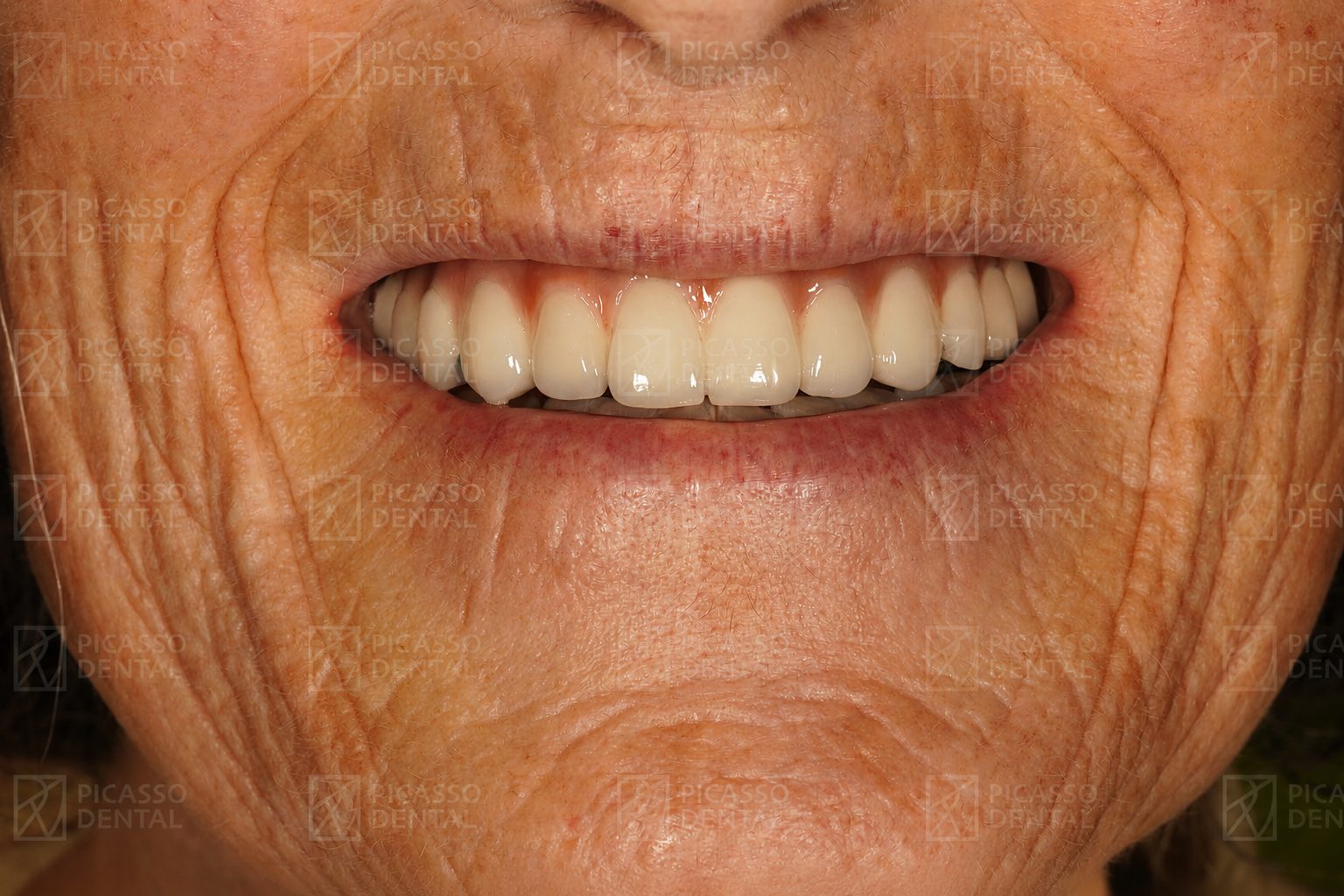 After
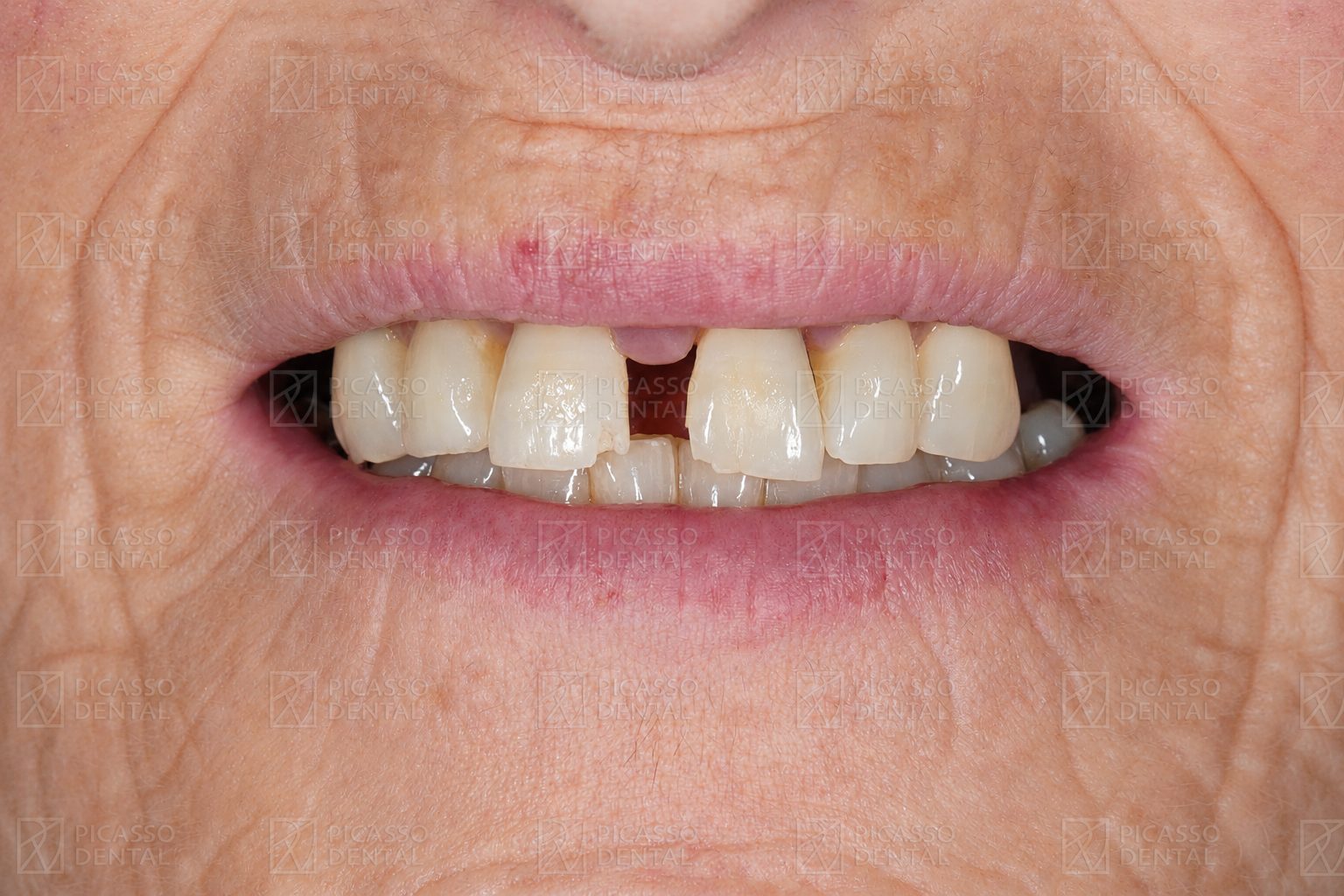
AfterFull rehabilitation, Hanoi Old Quarter
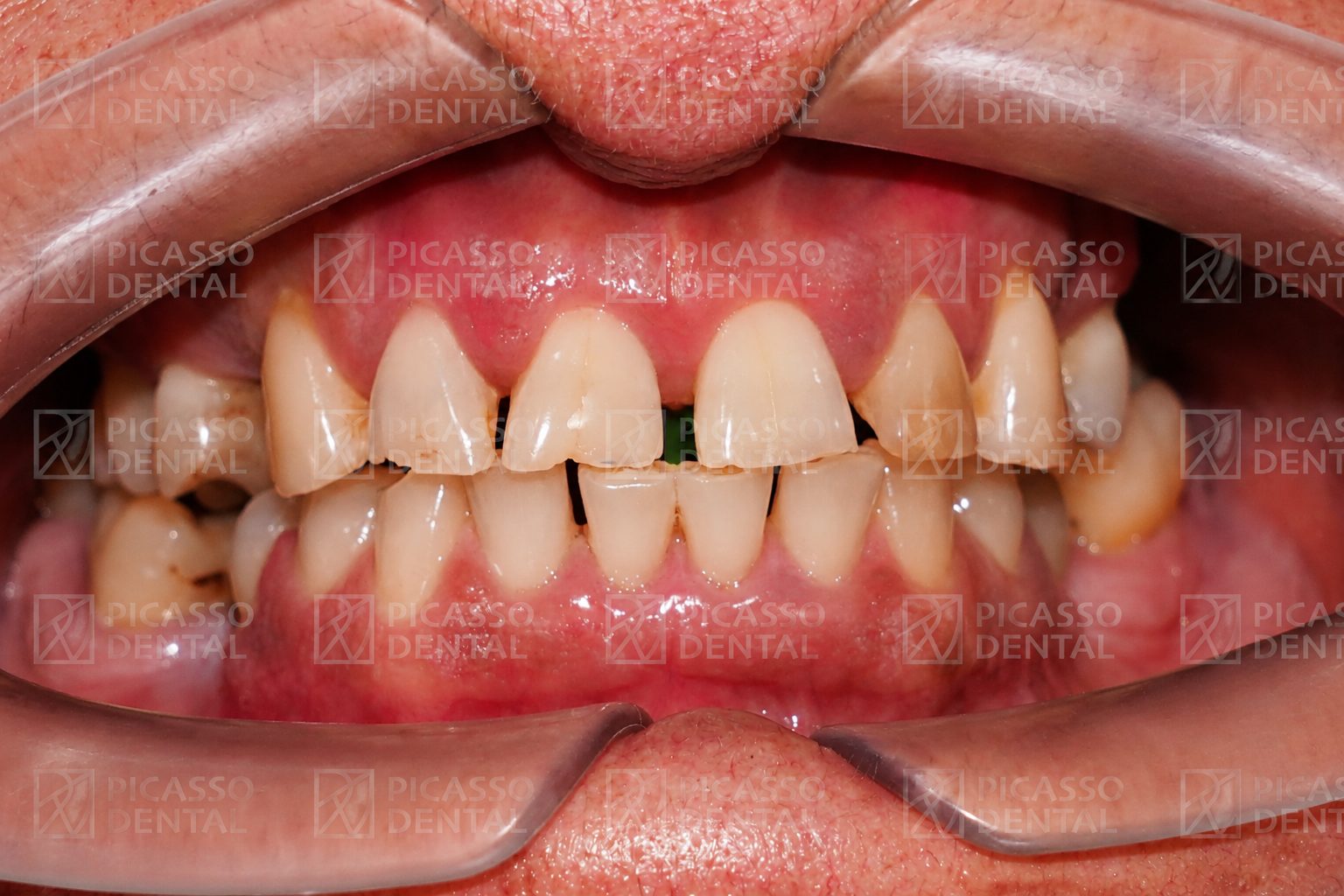 Before
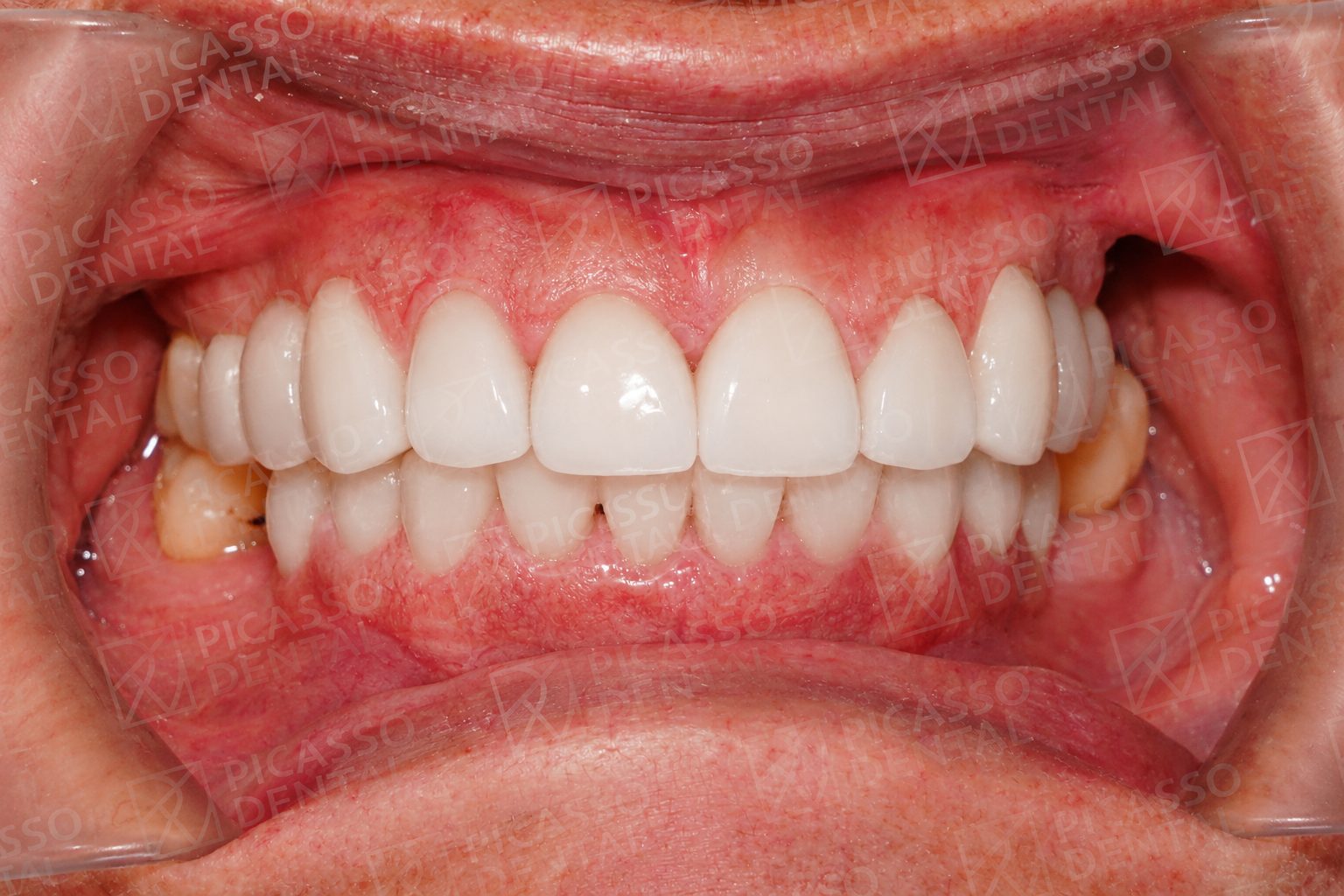 After
AfterPorcelain crowns, Da Nang
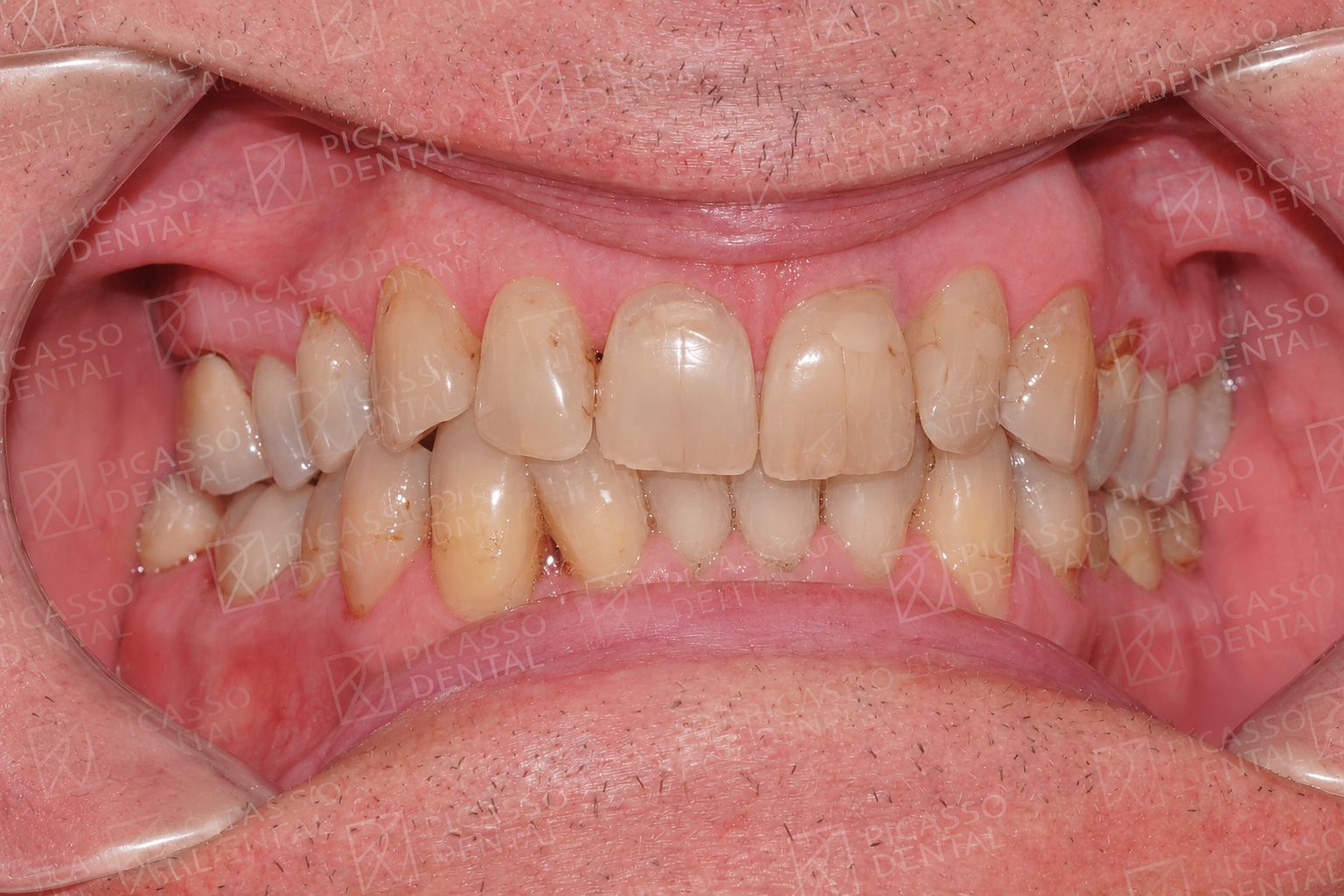 Before
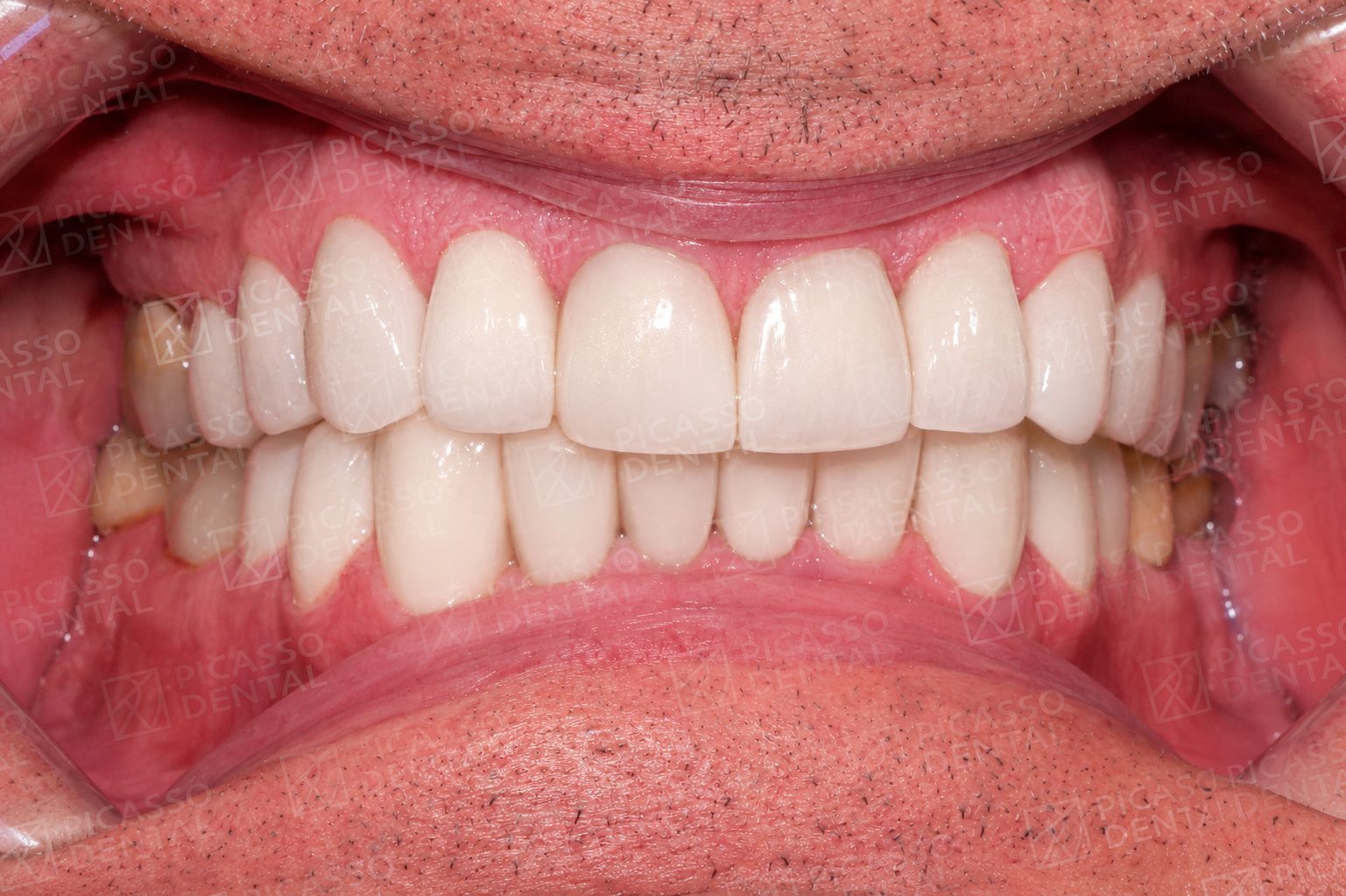 After
AfterCrown and implant, HCMC Thao Dien
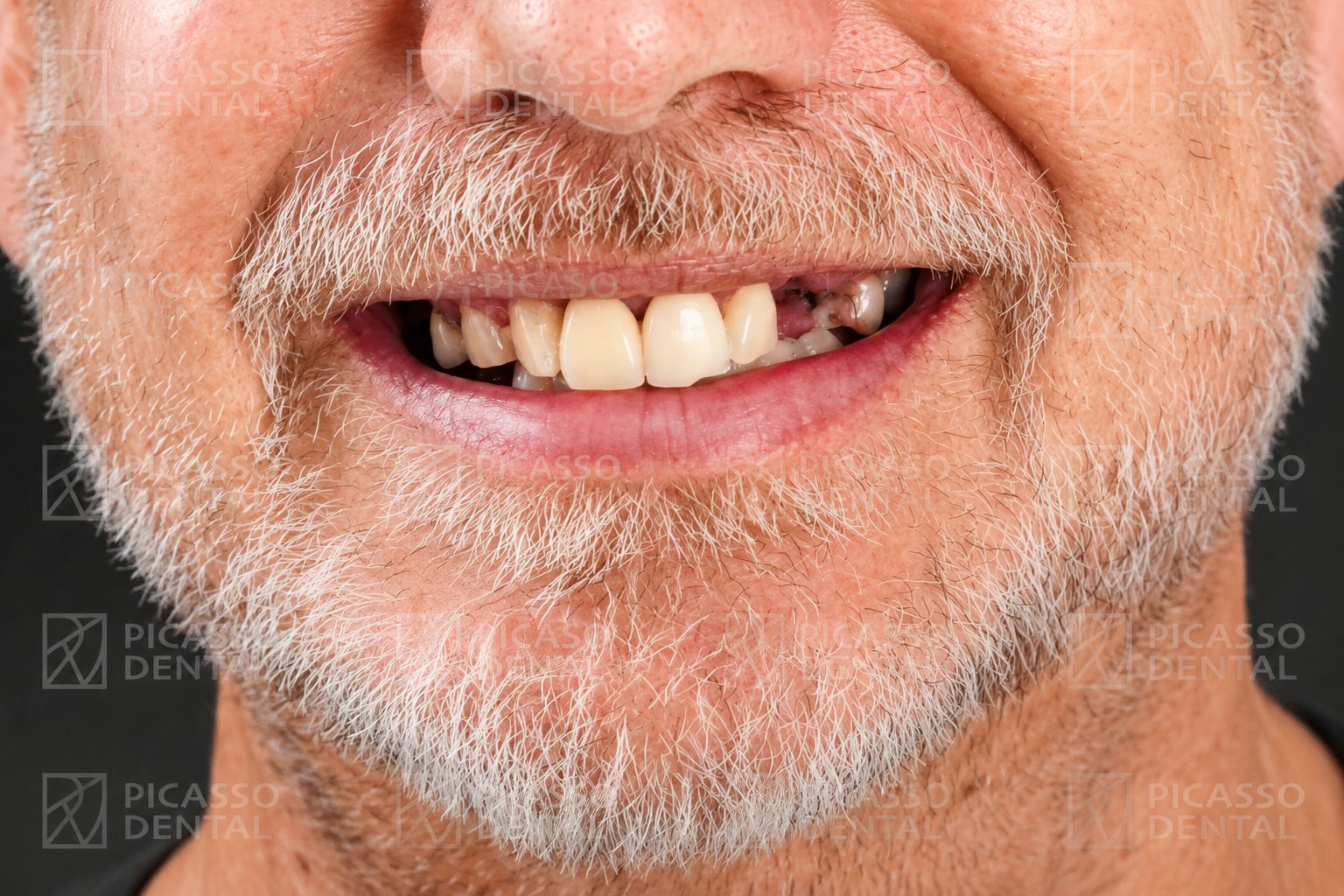 Before
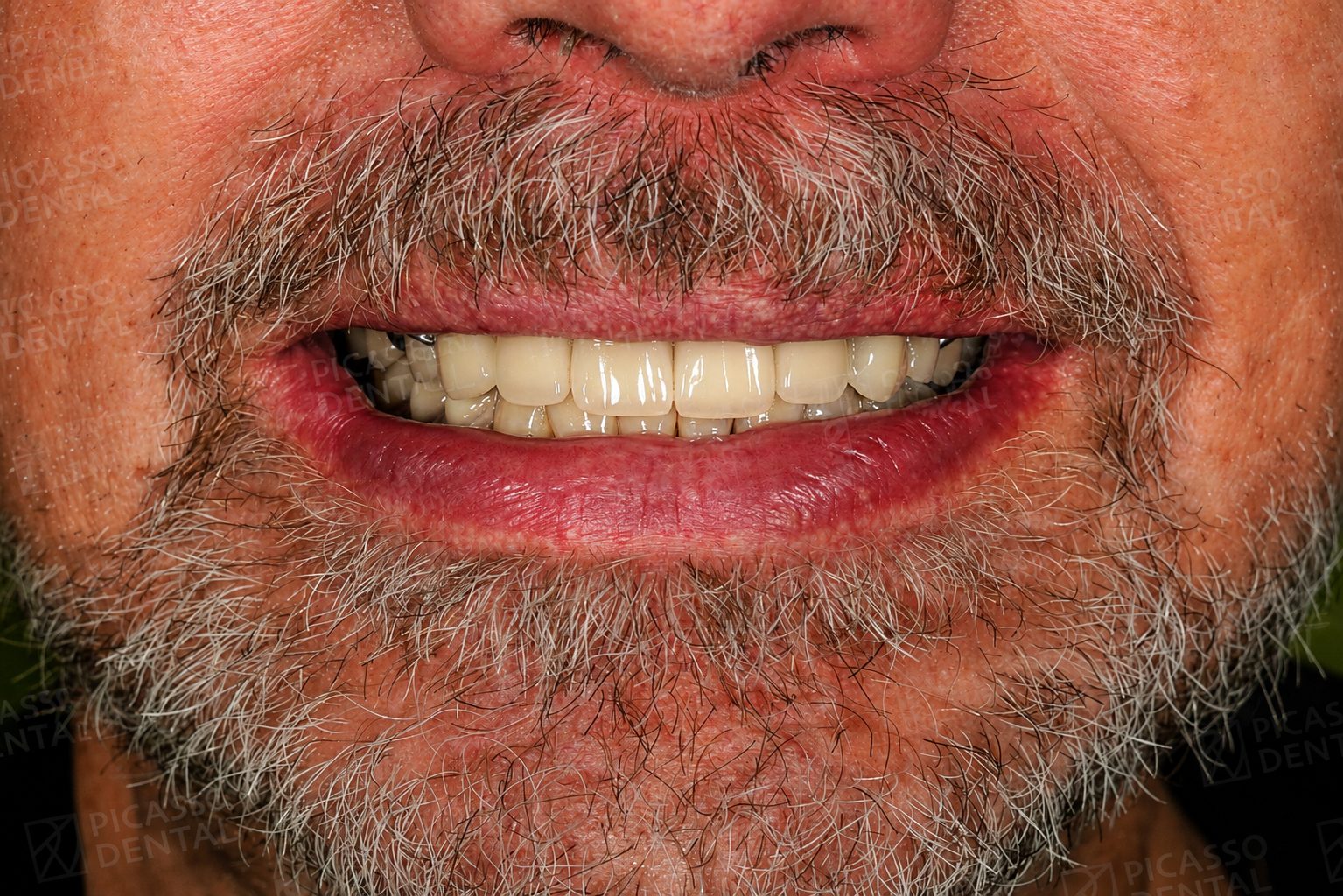 After
AfterCrown restoration, Hanoi Westlake
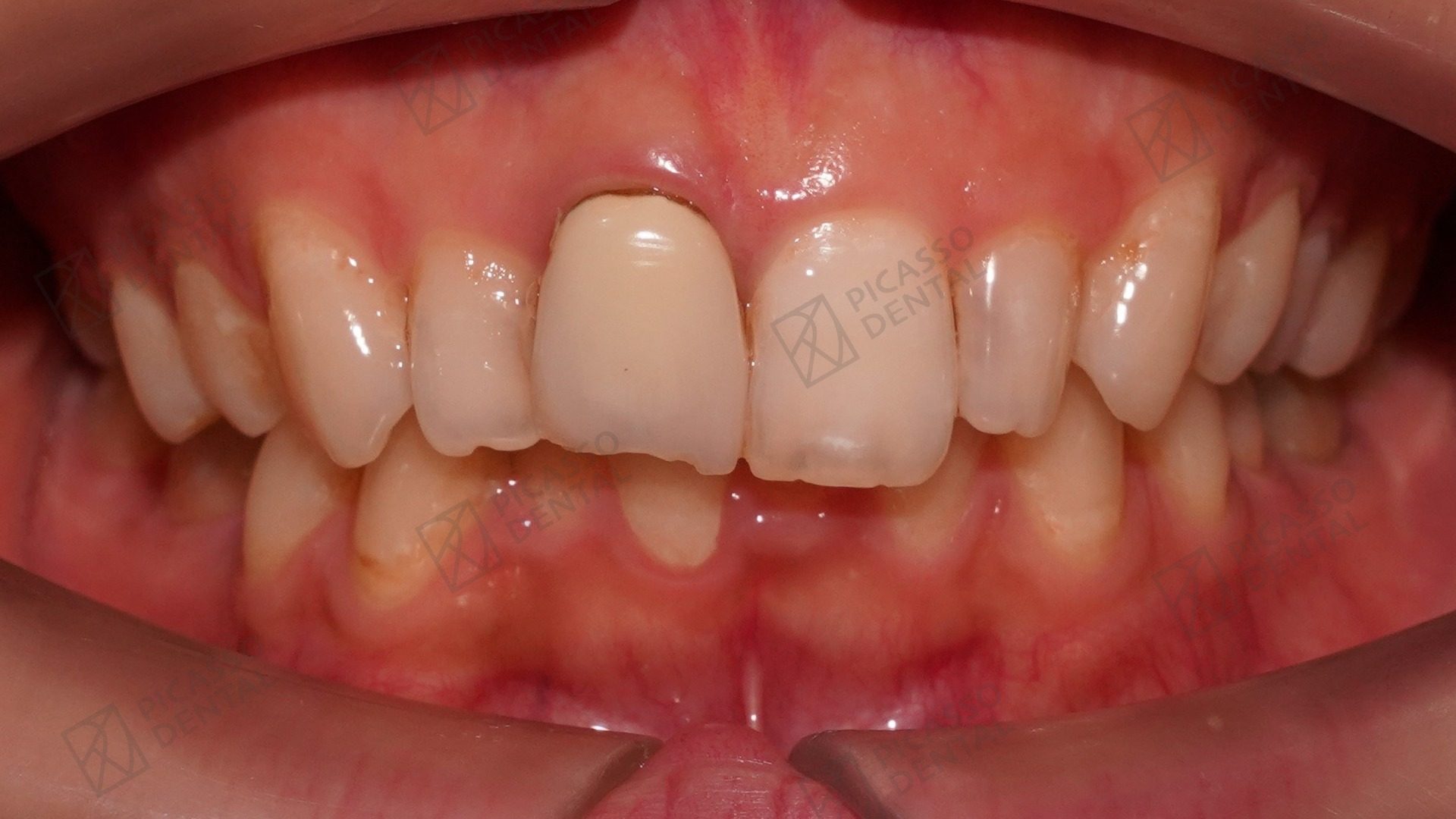 Before
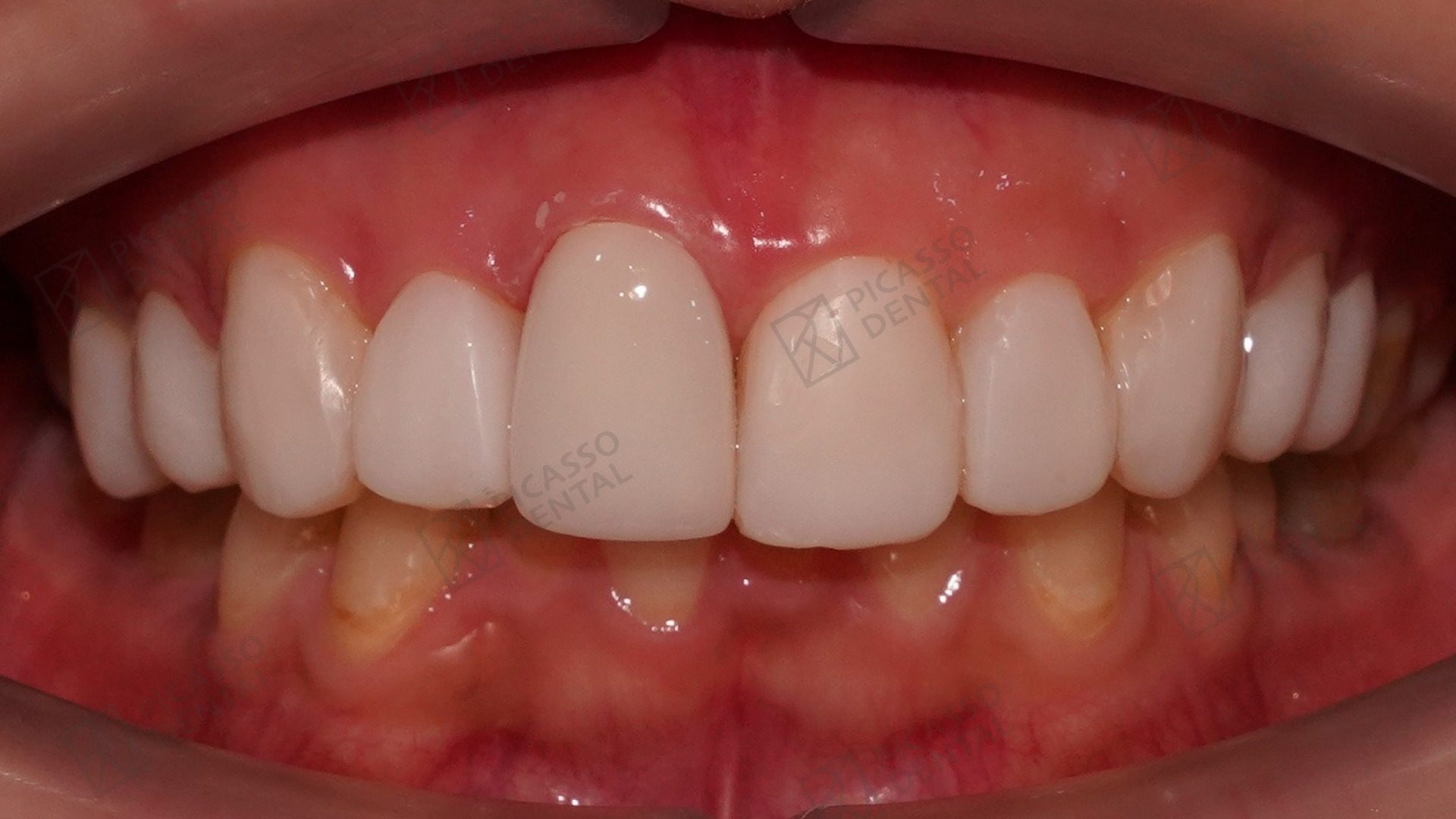 After
AfterSmile restoration, Da Nang Flagship
Frequently Asked Questions
What is the most common cause of dental implant failure?
Peri-implantitis — bacterial infection around the implant — is the leading cause of late implant failure. It is largely preventable with good oral hygiene and regular professional cleaning.
Can smokers get dental implants?
Yes, but success rates are lower. Smoking impairs blood circulation and healing. Patients who quit smoking at least two weeks before and eight weeks after surgery see significantly better outcomes.
How does diabetes affect implant success?
Uncontrolled diabetes slows healing and raises infection risk. Patients with well-managed HbA1c below 7% generally achieve implant success rates comparable to non-diabetic patients.
What happens if there is not enough bone for an implant?
A bone graft is performed first. After four to six months of healing, the site is reassessed. Most patients can proceed to implant placement once adequate bone volume is confirmed.
How long do dental implants last at Picasso Dental?
Premium implant packages at Picasso Dental carry a 15-year warranty. With proper care, implants routinely last 20 years or more.
What is the implant failure rate at Picasso Dental?
Picasso Dental reports a clinical failure rate well below the 2 to 5% global average. CBCT imaging, ISO-certified implant systems, and strict sterilisation protocols all contribute to this outcome.
Is implant failure painful?
Early failure often presents as persistent pain, swelling, or mobility of the implant. If you notice any of these signs beyond the first two weeks, contact the clinic immediately for an assessment.
Start Here
Start with a brief.
Share your implant concerns and a specialist will respond within 24 hours. No obligation.