Dental Crowns
Dental Crown Allergy Symptoms:
Allergy, Poor Fit, or Cement?
True allergic reactions to crown materials affect fewer than 1 percent of patients. Most persistent post-crown symptoms trace to mechanical causes. Here is how to tell the difference and what to do about each.

The short version
- True allergic reactions to crown materials are rare: confirmed cases represent fewer than 1 percent of post-crown complaints.
- Nickel in metal alloys is the most common trigger; pure zirconia and all-ceramic crowns carry virtually zero allergy risk.
- Most persistent post-crown symptoms trace to poor fit, residual cement, gum disease, or galvanic reactions, not allergy.
- True allergy symptoms develop weeks to months after placement and persist despite good oral hygiene.
- Diagnosis requires patch testing by a dermatologist. A dentist assessment alone is not sufficient to confirm allergy.
How crown allergies happen
An allergic reaction occurs when your immune system identifies a material in the crown as a foreign threat and mounts a response. The most common allergen in dental crowns is nickel, which is found in the metal alloys used in porcelain fused to metal (PFM) and base metal crowns. Cobalt, chromium, and palladium can also trigger reactions in predisposed individuals.
Pure porcelain and zirconia crowns rarely cause allergic reactions because these materials are chemically inert and highly biocompatible. The risk is specific to metal-containing restorations, and particularly to nickel-heavy base metal alloys used in lower-cost crowns.
Symptoms of a true allergic reaction
Allergy symptoms differ from ordinary post-placement sensitivity in two key ways: they are persistent, and they are localised to the soft tissue near the crown rather than to the tooth itself. Classic signs include:
- Persistent gum inflammation at the crown marginDoes not improve over weeks despite good oral hygiene. Distinguishable from early post-placement soreness, which fades within days.
- Burning sensation in the gum or adjacent soft tissueOften described as a constant low-level discomfort rather than sharp pain. Different from sensitivity on biting.
- Mouth ulcers near the crown that will not healRecurring or non-healing ulcers in close proximity to the crown margin, not explained by trauma.
- Persistent metallic tasteExtends well beyond the initial post-placement period of a few days. A metallic taste that returns weeks after placement is more significant.
- Facial rash or skin reactionOccurs in patients with significant nickel sensitivity. A broader skin reaction accompanying oral symptoms strengthens the case for allergy investigation.
What distinguishes a true allergy from other post-crown problems is timing. Allergy symptoms typically develop weeks to months after placement, not immediately. They continue despite good oral hygiene and adequate healing time. If symptoms are fading gradually, allergy is unlikely.
Allergy versus more likely explanations
Possible allergy
- Persistent gum inflammation lasting weeks
- Burning sensation at the margin
- Non-healing mouth ulcers
- Persistent metallic taste months post-placement
- Skin rash in nickel-sensitive patients
More likely explanation
- Normal post-placement sensitivity (fades within days)
- Poor crown fit causing gum irritation at the margin
- Residual cement left under the gumline
- Gum disease around the crowned tooth
- Galvanic reaction between dissimilar metals
Before assuming allergy, consider these more common causes. A crown that does not fit precisely at the margin creates chronic gum irritation that looks similar to an allergic reaction but resolves once the fit is corrected. Residual cement left at the margin during placement causes localised inflammation. Pre-existing gum disease around a crowned tooth continues to cause symptoms regardless of the crown material.
Galvanic reactions occur when two different metals in the mouth produce a small electrical current, causing a metallic taste and mild oral sensitivity. This is a physical phenomenon, not an immune response, and resolves when one of the metals is replaced with ceramic.
"My Aussie dentist and the endodontist both commented on the quality of Dr Emily's work, equal to anything they had seen by local specialists."
Lawrie Smith, Hanoi Old Quarter, Google review
Diagnosis: the correct sequence
If you suspect a crown allergy, a proper diagnosis requires patch testing through a dermatologist or allergist to identify specific material sensitivities. A dentist can then assess whether the crown material matches the confirmed allergen. The correct sequence is:
- Document symptoms carefullyOnset date, location, character (burning, itching, soreness), and whether they are constant or intermittent.
- Rule out fit and cement firstAsk your dentist to check crown margins and take a periapical X-ray to look for retained cement. This resolves the majority of cases.
- Rule out periodontal diseaseA basic periodontal examination at the crown site should precede any allergy referral.
- Request patch testingA dermatologist applies metal salt panels and reads results at 48 and 96 hours. This is the only way to confirm a true metal allergy.
- Return to your dentist with resultsIf a specific metal is confirmed, identify whether it is present in your crown alloy and plan replacement if needed.
Known metal allergy or persistent crown symptoms? Contact us to discuss metal-free crown options at any Picasso Dental branch.
Discuss crown materials →
Metal-free crown options at Picasso Dental
For confirmed metal allergies, treatment is straightforward: replace the crown with an all-ceramic zirconia or lithium disilicate (emax) crown. Both are metal-free, biocompatible, and well tolerated even by patients with documented allergy histories.
Full zirconia offers exceptional durability and is preferred for posterior teeth and patients with bruxism. Lithium disilicate (emax) offers superior translucency and is preferred for anterior teeth where aesthetics are the priority. Both are available at all six Picasso Dental branches. If allergy is not confirmed, treatment targets the actual cause, whether that is crown fit, cement, or periodontal disease.
The most effective prevention is disclosure. Tell your dentist about any known metal allergies or sensitivities, including reactions to jewellery or watchbands, before your crown treatment begins. This allows the appropriate material to be selected from the start, rather than requiring crown replacement later.
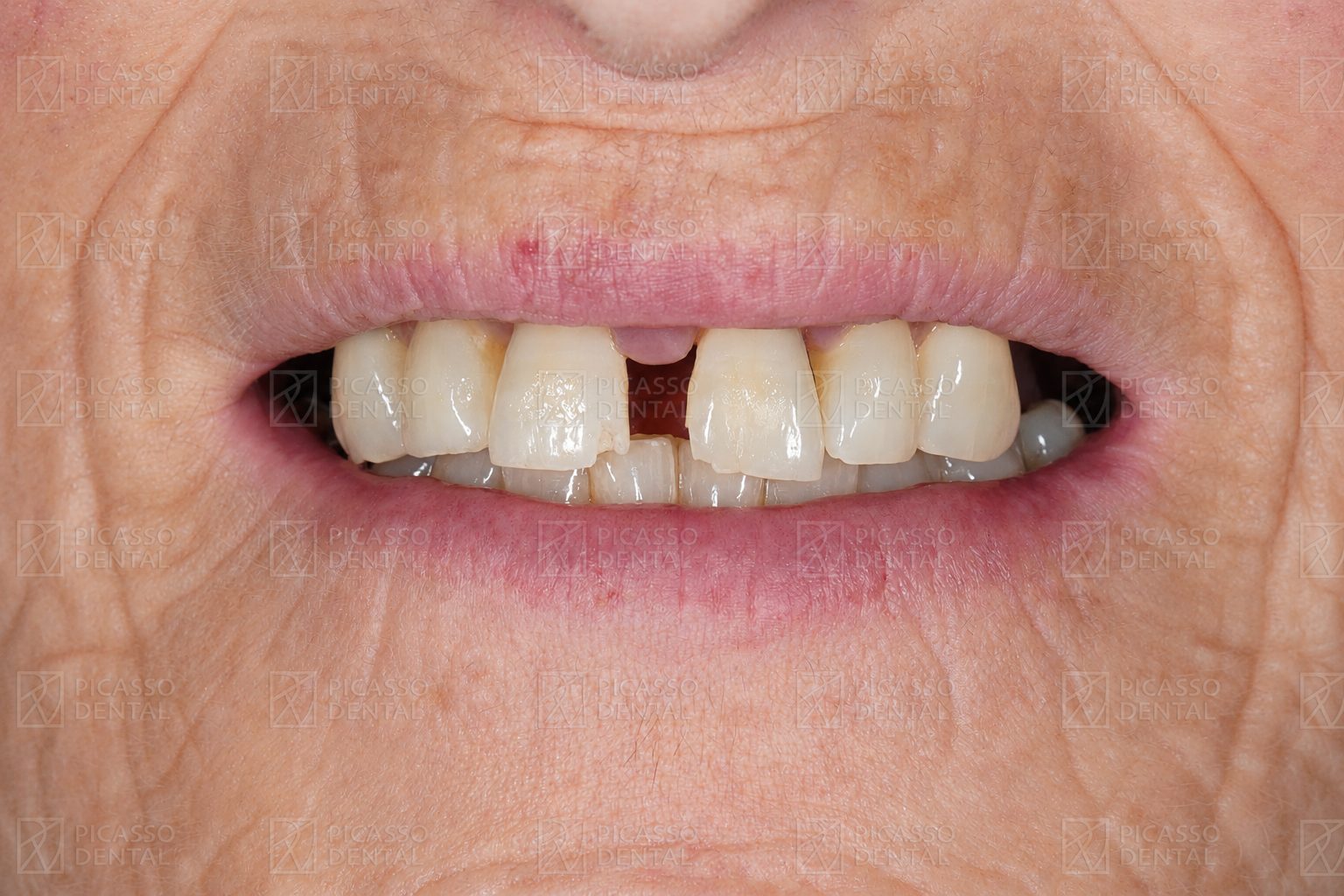 Before
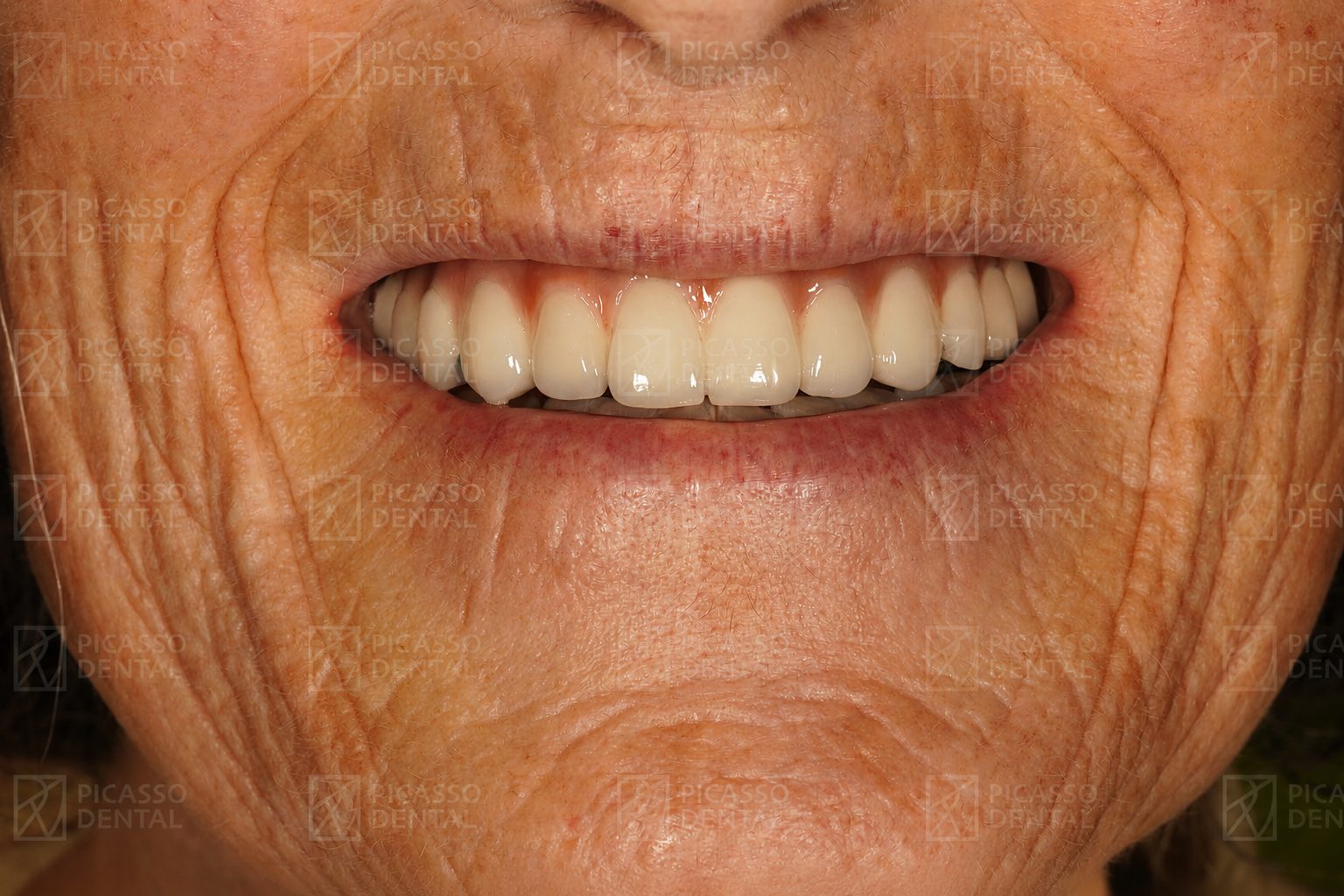 After
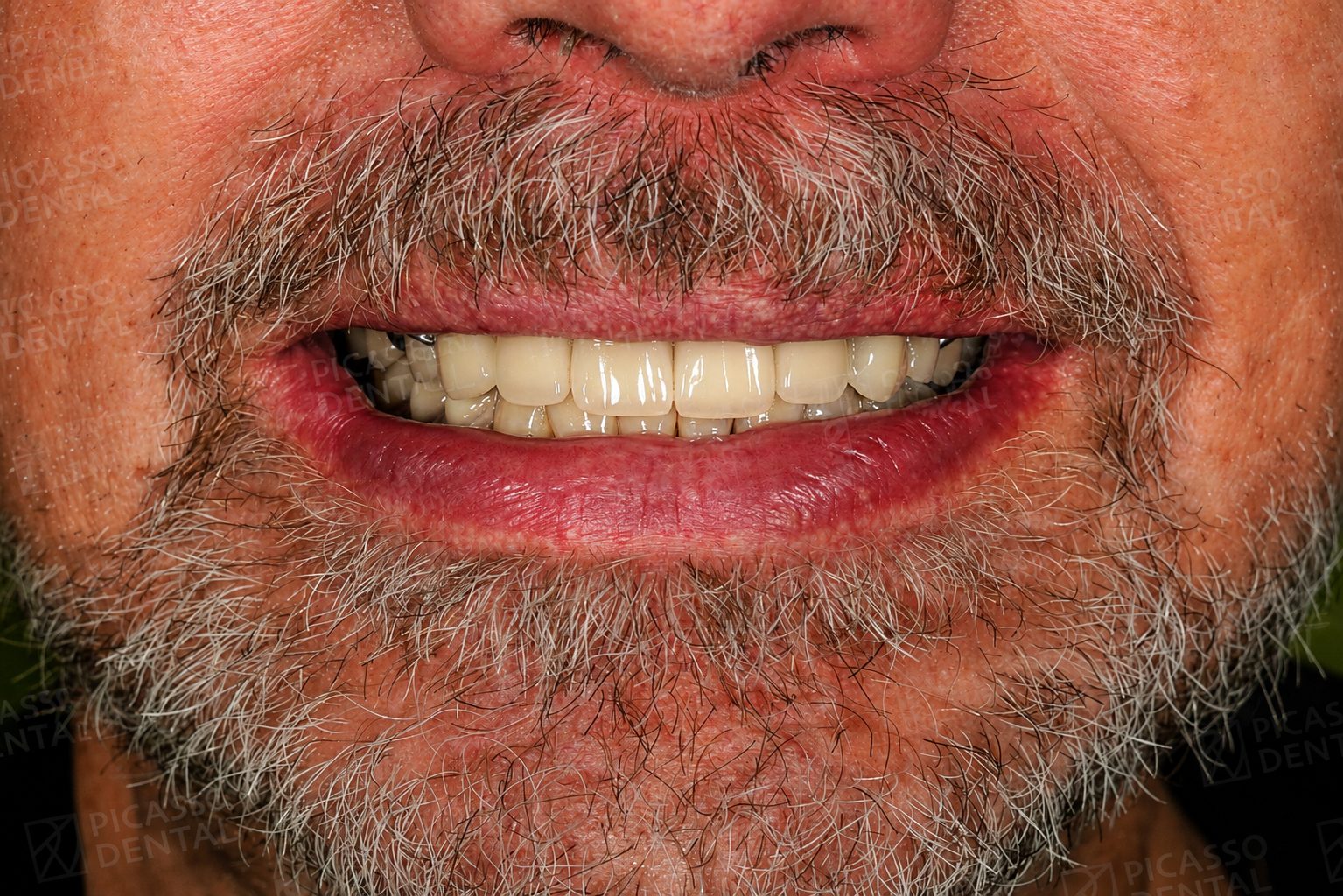
AfterFull rehabilitation, Hanoi Old Quarter
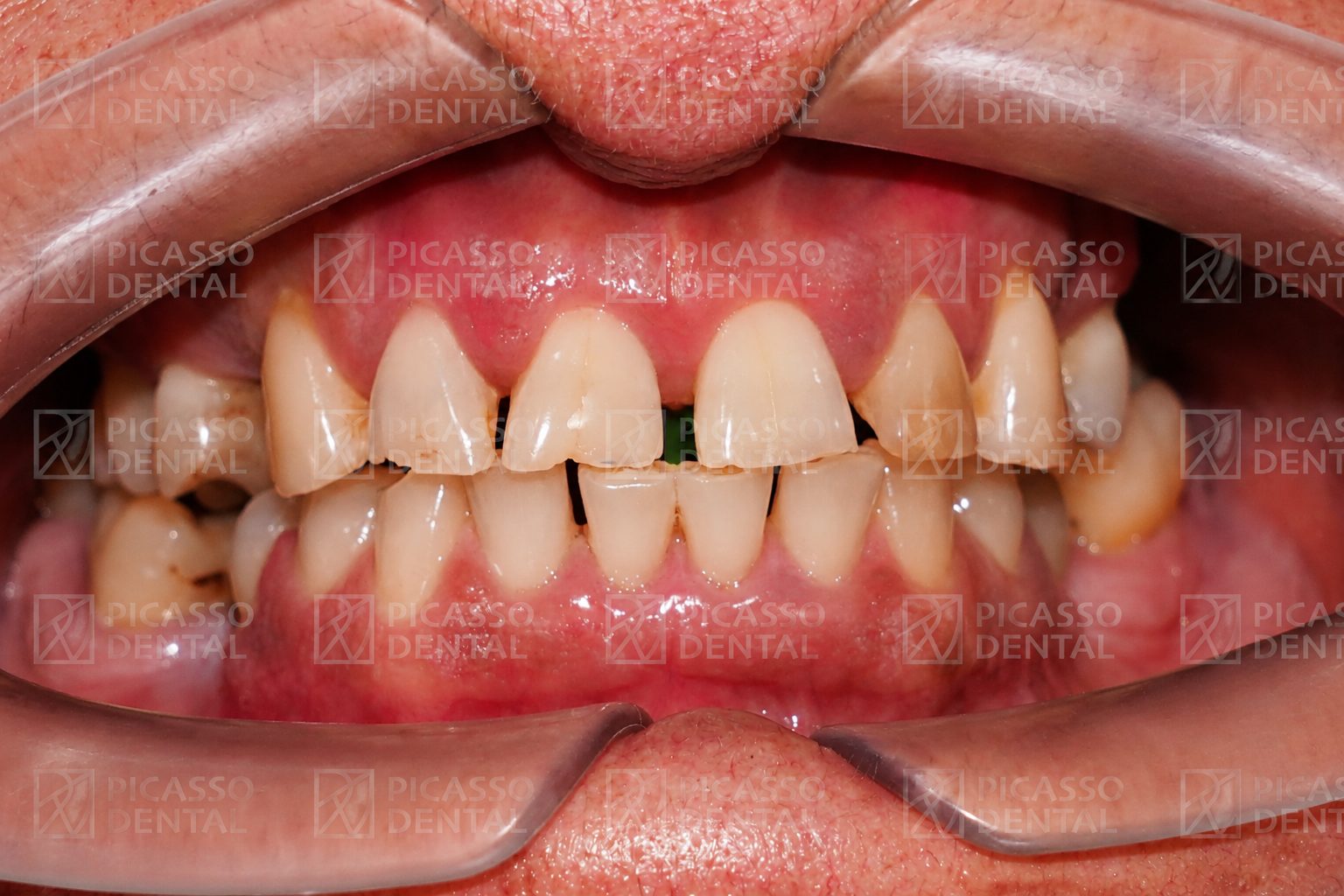 Before
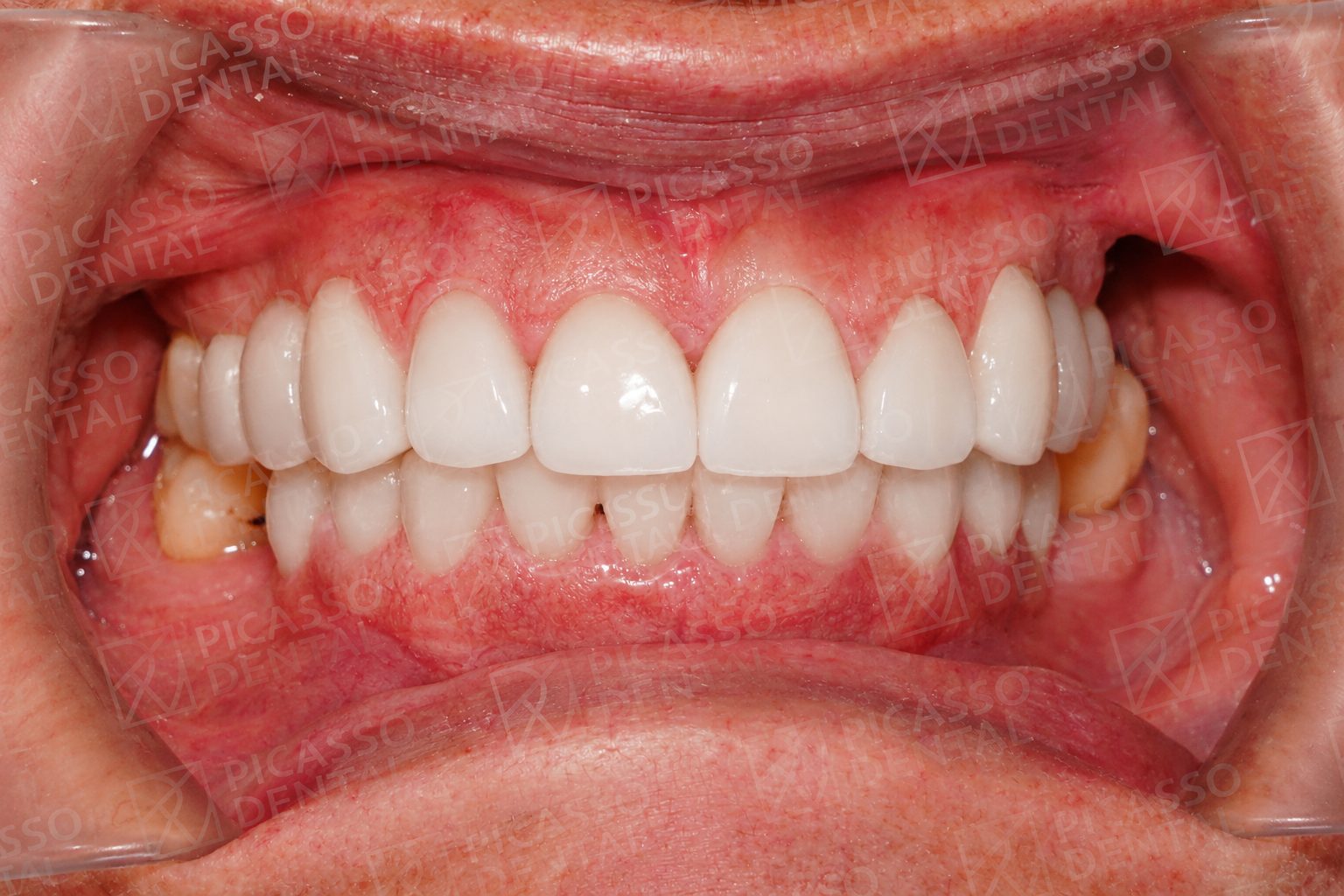 After
AfterPorcelain crowns, Da Nang
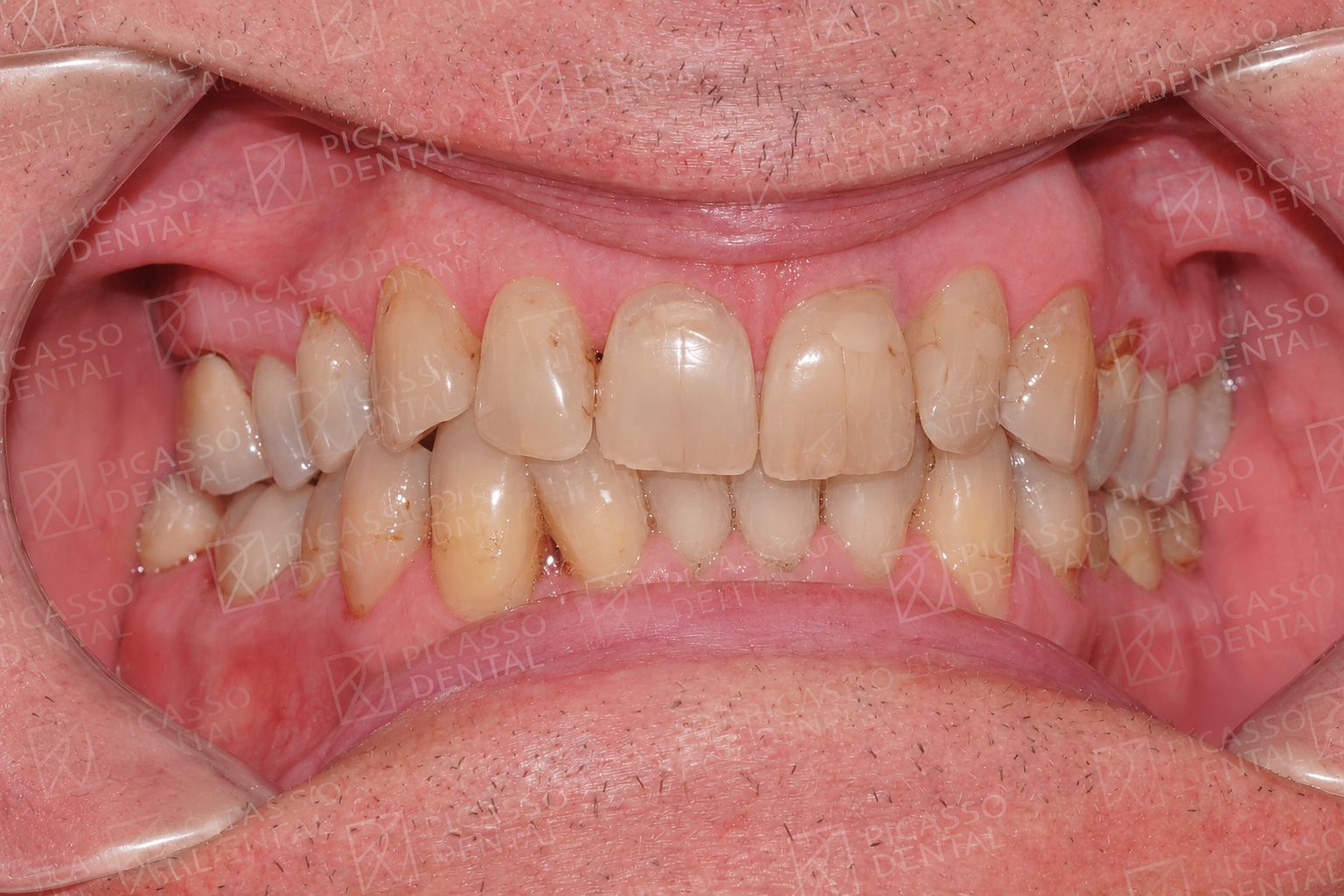 Before
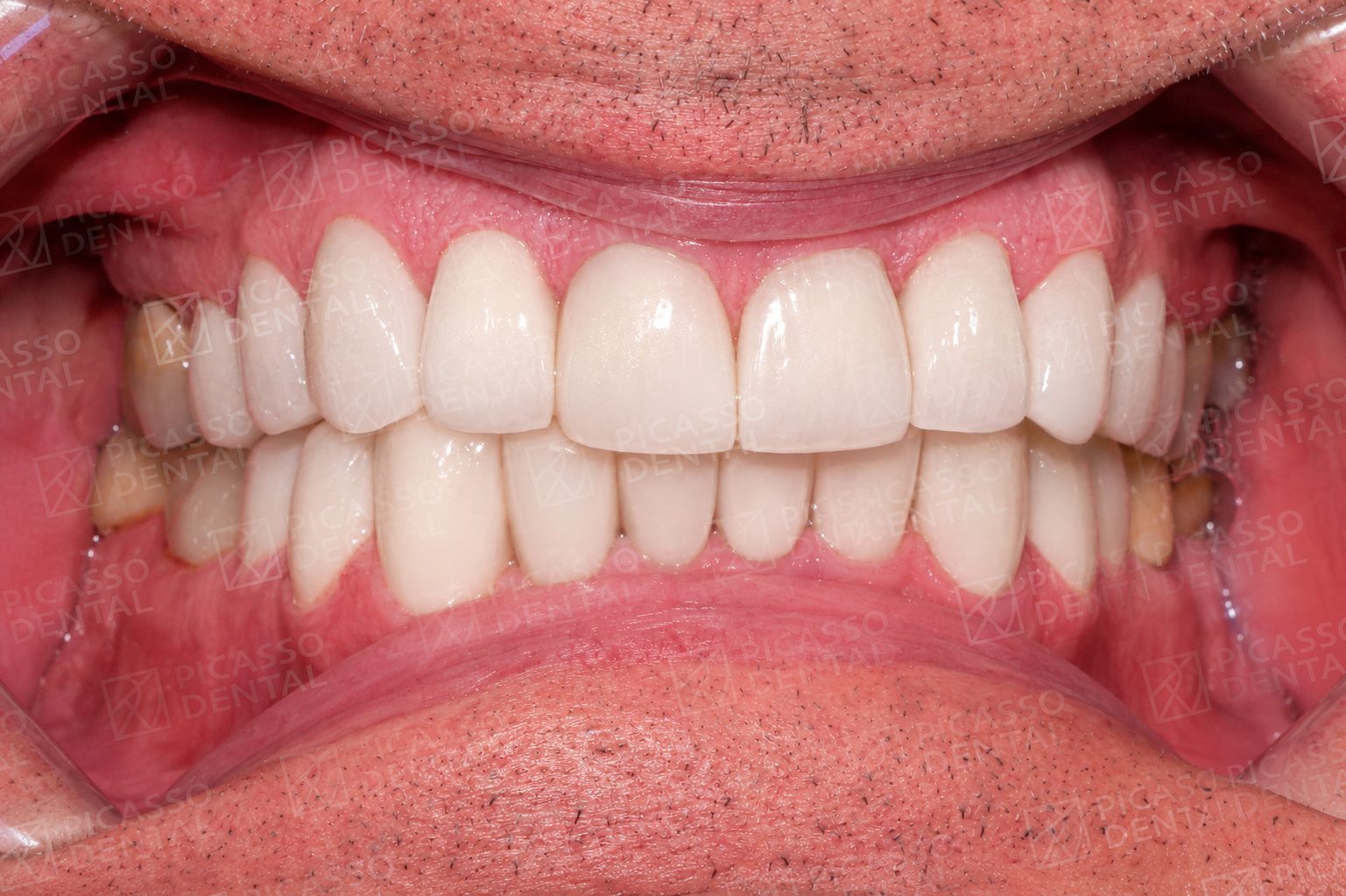 After
AfterCrown and implant, HCMC Thao Dien
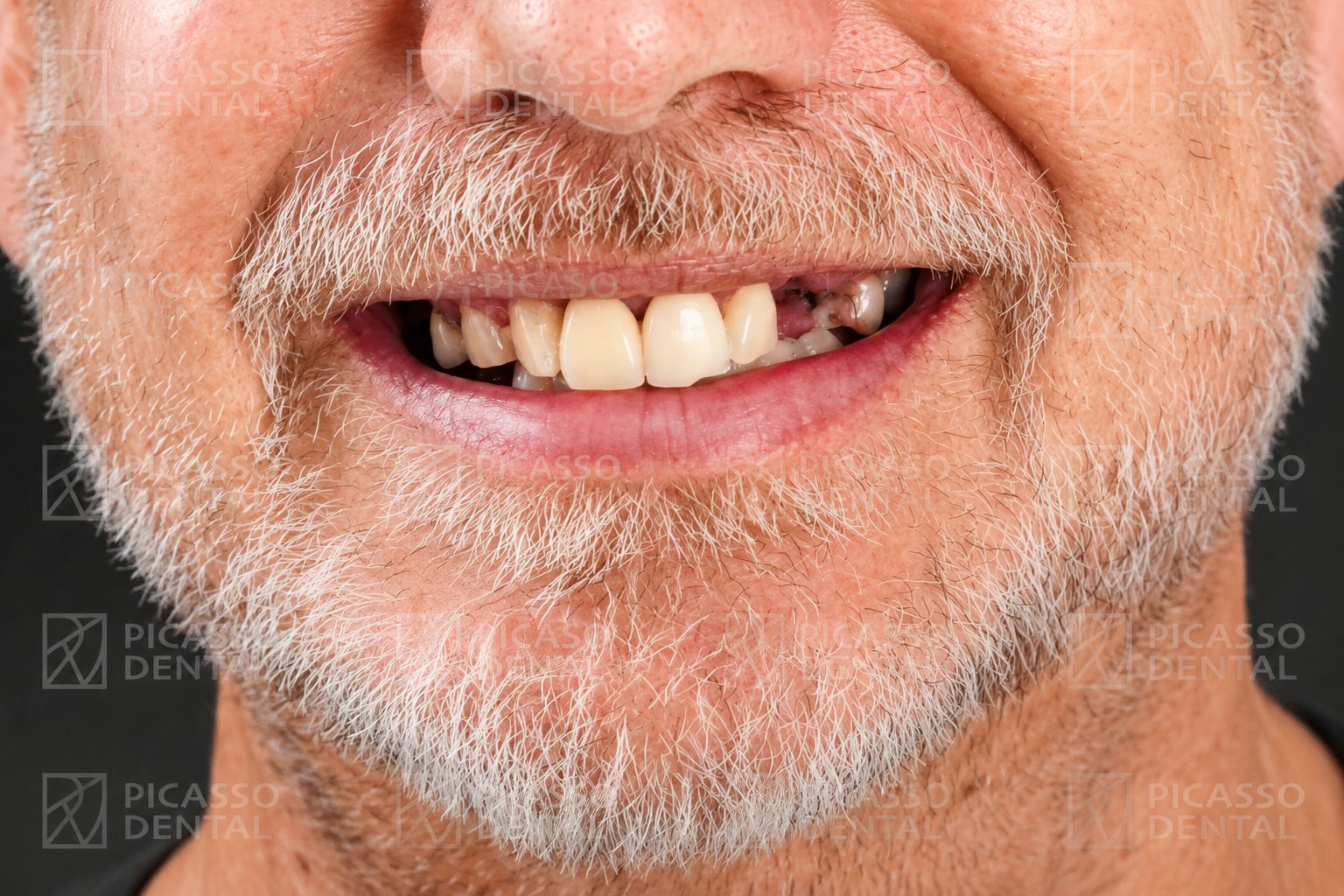 Before
 After
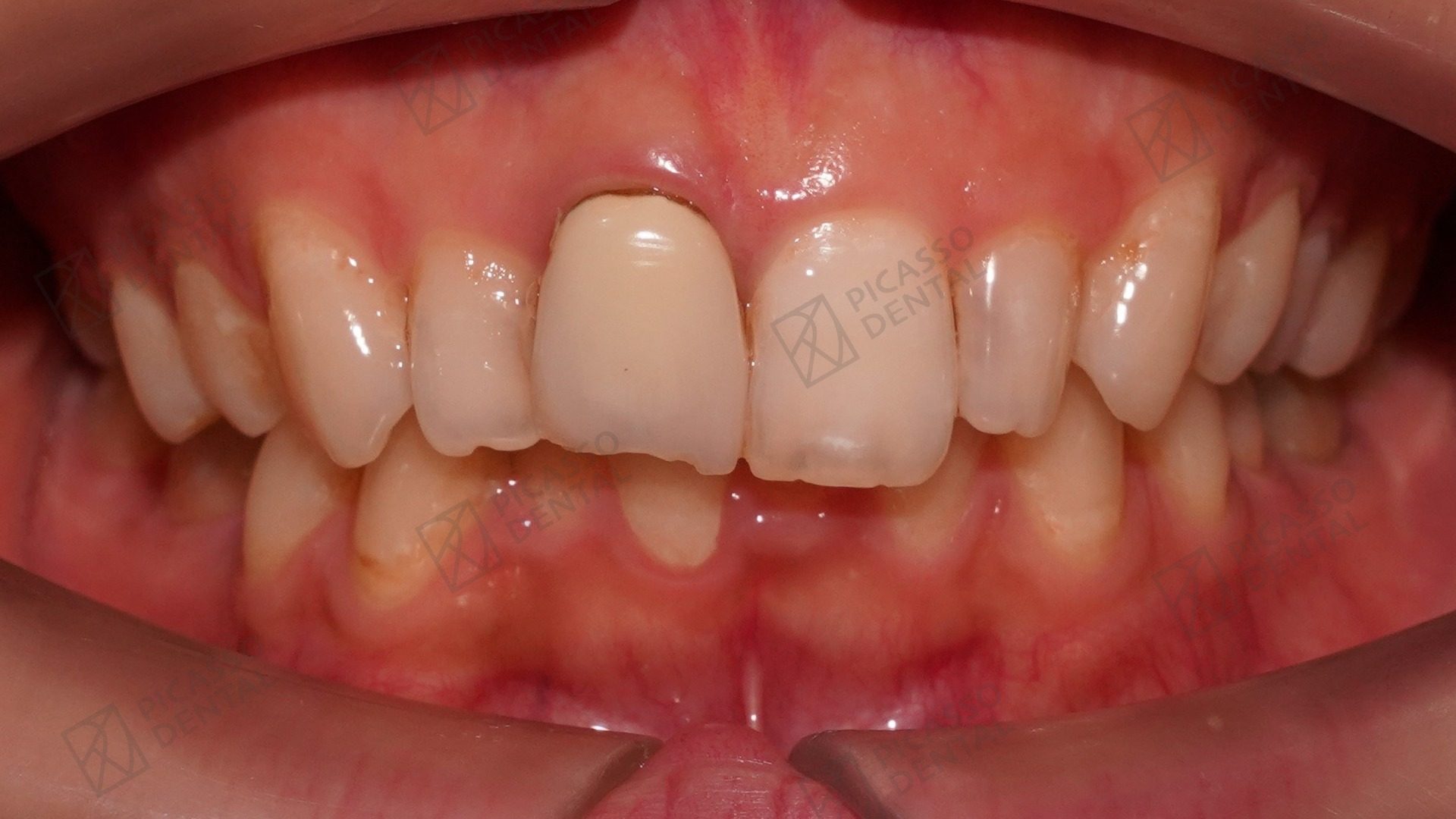
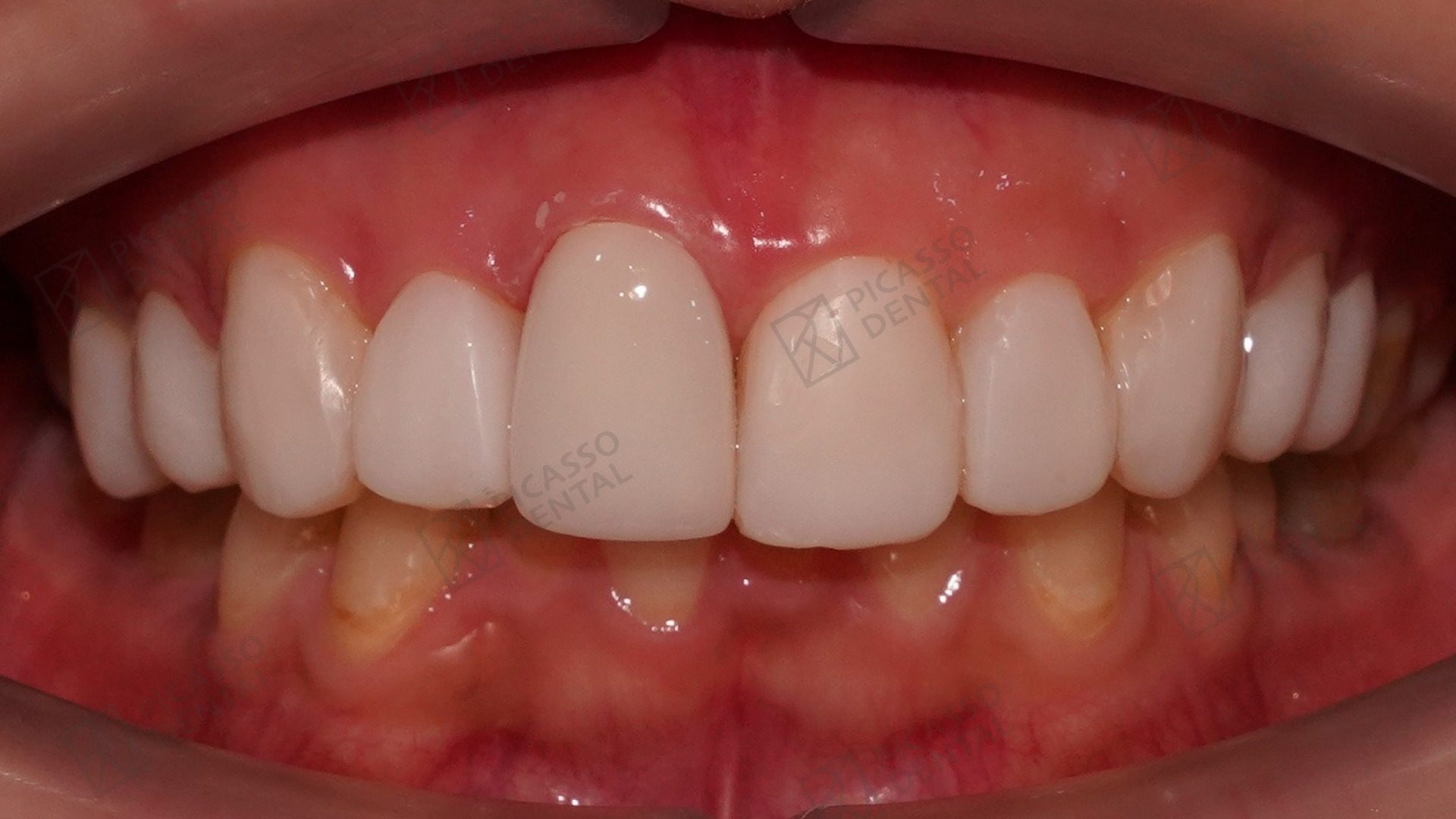
AfterCrown restoration, Hanoi Westlake
 Before
 After
AfterSmile restoration, Da Nang Flagship
Frequently asked questions
Can I be allergic to a porcelain crown?
A true allergy to pure porcelain or zirconia is extremely rare because these materials are chemically inert and highly biocompatible. If you have symptoms near a porcelain crown, the cause is almost always mechanical: poor fit at the margin, residual cement, or gum disease around the tooth rather than an allergic reaction to the crown material itself.
What are the symptoms of a dental crown allergy?
Symptoms of a true crown allergy include persistent gum inflammation that does not improve over weeks, a burning sensation in the gum or adjacent soft tissue, mouth ulcers near the crown that will not heal, a persistent metallic taste beyond the initial placement period, and in patients with significant nickel sensitivity, a facial rash or generalised skin reaction. The key feature is persistence: symptoms continue despite good oral hygiene and adequate healing time.
How do I know if my reaction is allergy or something else?
Timing and persistence are the main clues. Normal post-placement sensitivity fades within days to a few weeks. True allergy symptoms typically appear weeks to months after placement and do not improve. More common explanations for ongoing symptoms include a crown that does not fit precisely at the margin, residual cement left during placement, pre-existing gum disease around the crowned tooth, or a galvanic reaction between dissimilar metals. A dentist can assess fit and cement; a dermatologist can perform patch testing to confirm or rule out a material allergy.
What metals in dental crowns cause allergies?
Nickel is the most common allergen in dental crowns and is found in the metal alloys used in porcelain fused to metal (PFM) and base metal crowns. Cobalt, chromium, and palladium can also trigger reactions in predisposed individuals. Pure zirconia and all-ceramic (lithium disilicate) crowns contain no metal and are the recommended choice for patients with confirmed or suspected metal allergies.
What is the test for dental crown allergy?
The standard diagnostic test is patch testing performed by a dermatologist or allergist. A panel of metal salts is applied to the skin under adhesive patches for 48 hours, then read at 48 and 96 hours. If a reaction to nickel, cobalt, chromium, or palladium is confirmed, the dentist can then assess whether the crown material contains the identified allergen and proceed with replacement if needed.
Can I get a metal-free crown at Picasso?
Yes. Picasso Dental Clinic offers full-zirconia and lithium disilicate (emax) crowns that are completely metal-free. Both materials are well tolerated by patients with documented metal allergy histories, and both can match natural tooth shade with high precision. Use the contact form to discuss which material suits your clinical situation.
If I have a confirmed nickel allergy, what crown material should I get?
Full-contour zirconia or lithium disilicate (emax press) are both appropriate choices. Zirconia offers exceptional durability and is preferred for posterior teeth and patients with bruxism. Lithium disilicate offers superior translucency and is preferred for anterior teeth where aesthetics are the priority. Both are metal-free and carry no nickel or cobalt content.
How much does it cost to replace an existing crown with a metal-free option at Picasso?
Pricing for crown replacement at Picasso Dental Clinic depends on the material chosen, the tooth position, and whether preparatory work is needed. Use the contact form to send a photo or existing dental records and the clinical team will provide a written itemised estimate before you book an appointment.
Start Here
Start with a brief.
Known metal allergy or persistent symptoms from a current crown? Contact us to discuss metal-free zirconia and emax options at any branch. No obligation, 24-hour reply.