Orthodontics
Crooked Teeth: Causes and How to Fix Them
Misaligned teeth affect more than appearance. Dr. Duong Ho, Orthodontist at Picasso Dental Clinic, explains the root causes of crowding and the full range of treatment options for adults and children, including when cosmetic alternatives can work.

Key Takeaways
- Genetics is the dominant cause of crooked teeth: a mismatch between jaw size and tooth size inherited from two parents who may have very different dental structures.
- Crooked teeth cause real health problems, not just cosmetic ones. Crowded teeth trap plaque and lead to cavities and gum disease in predictable locations.
- Adults can fix crooked teeth at any age. Treatment timelines are slightly longer than for teenagers but the outcomes are comparable.
- Clear aligners work well for mild to moderate crowding. Severe misalignment or bite correction typically requires braces.
- Veneers can mask minor cosmetic misalignment but cannot correct bite problems or replace orthodontics for moderate to severe crowding.
Why teeth become crooked
Genetics plays the dominant role in tooth alignment. You inherit jaw size from one parent and tooth size from the other, and these measurements rarely match perfectly. When you have large teeth in a relatively small jaw, they crowd together and rotate as they compete for space. When teeth are smaller than the jaw, gaps form and neighbouring teeth drift toward them over time. This inherited mismatch determines much of your natural alignment before any other factor comes into play.
Childhood habits extend the causes well beyond genetics. Prolonged thumb sucking past age five pushes upper front teeth forward and gradually narrows the upper jaw arch. Pacifier use for extended periods creates similar effects. Tongue thrusting, where the tongue pushes against the back of the front teeth during swallowing, moves teeth out of alignment slowly over years. These habits rarely cause dramatic changes in isolation, but combined with a genetic predisposition toward crowding they can meaningfully worsen the final result.

Early loss of baby teeth creates a spacing problem that is easy to underestimate. Baby teeth hold space for the permanent teeth developing beneath them. When a baby tooth is lost prematurely from decay or injury, neighbouring teeth drift into that gap, reducing the available space for the permanent tooth. It then erupts crooked, rotated, or is blocked and impacted entirely. Space maintainers placed after early baby tooth loss prevent this chain of events, but they require that the problem is identified promptly.
Mouth breathing from chronic nasal congestion or enlarged tonsils affects jaw development in children. When the tongue cannot rest in its normal position against the upper palate because the mouth is held open, the upper arch narrows and the jaw grows in a pattern that promotes crowding. Children who breathe predominantly through their mouths often develop long, narrow faces and dental arches that do not provide adequate space for their permanent teeth.
How crooked teeth affect your health, not just your appearance
The most direct health consequence of crowded teeth is impaired cleaning. Floss cannot reach properly between teeth that overlap significantly. Toothbrush bristles cannot access the surfaces hidden behind rotated teeth. The areas that escape cleaning are predictable and consistent, and they accumulate plaque reliably. Over years, this leads to interproximal cavities forming between crowded teeth and gum inflammation at the margins of poorly-cleaned surfaces. These patterns appear repeatedly in patients who delayed orthodontic treatment, and the damage is real and expensive to repair.
Bite problems from misalignment cause uneven wear across the dental arch. When teeth do not fit together correctly, certain contacts carry disproportionate force during chewing. The overloaded teeth wear down their enamel faster, crack more readily, and may eventually require crowns or other restorations decades ahead of schedule. Patients who present with multiple worn or fractured teeth in their forties often have a history of uncorrected malocclusion that distributed biting force poorly over twenty years.
Jaw pain and temporomandibular joint symptoms frequently accompany poor bite alignment. When the teeth do not occlude correctly, the jaw muscles work harder to find a position where the bite feels stable. This sustained muscular tension causes headaches, jaw clicking, morning soreness and, in more advanced cases, facial pain. Not every TMJ problem stems from malocclusion, but misalignment is a common contributing factor that orthodontic treatment can address.
Treatment options for adults
Metal braces remain the gold standard for complex alignment cases. Ceramic brackets bonded to teeth and interconnected with wires move teeth gradually over a treatment period of 18 to 30 months depending on severity. Modern brackets are considerably smaller and more comfortable than those used twenty years ago. The wire technology has improved as well: current nickel-titanium archwires apply gentler, more sustained forces that cause less discomfort than older stainless steel systems. Visibility is the main drawback for adult patients.
Clear aligners such as Invisalign treat mild to moderate crowding and spacing with a series of removable, nearly invisible plastic trays. Each set of aligners is worn for one to two weeks before advancing to the next, with each tray moving teeth incrementally toward the planned position. Treatment takes 12 to 24 months depending on the degree of correction required. The removability is a significant advantage for adult patients concerned about professional appearance or who play wind instruments or contact sports. The limitation is that complex three-dimensional tooth movements and significant bite corrections are managed more reliably with fixed appliances.
Ceramic braces function identically to metal braces but use tooth-coloured or clear brackets that blend with the enamel. They are less conspicuous from a conversational distance than metal, while treating the full range of cases that metal braces address. They are slightly more expensive and require more careful maintenance to avoid staining of the ceramic material. For adult patients who need fixed appliances but want less visibility, ceramic braces are a practical middle ground.
Not sure which option fits your case? Send photographs and a brief description of your main concern. An orthodontist will reply within 24 hours with an honest recommendation.
Get a written quote →Lingual braces are bonded to the back surfaces of teeth, making them completely invisible from the front. They are effective for the same range of cases as standard braces and are the only truly invisible fixed option. The initial speech adjustment takes one to two weeks as the tongue adapts to the bracket positions. They are the most expensive fixed appliance option. For patients who need comprehensive fixed treatment and for whom total invisibility is the primary requirement, lingual braces are the appropriate choice.
When veneers are and are not an appropriate alternative
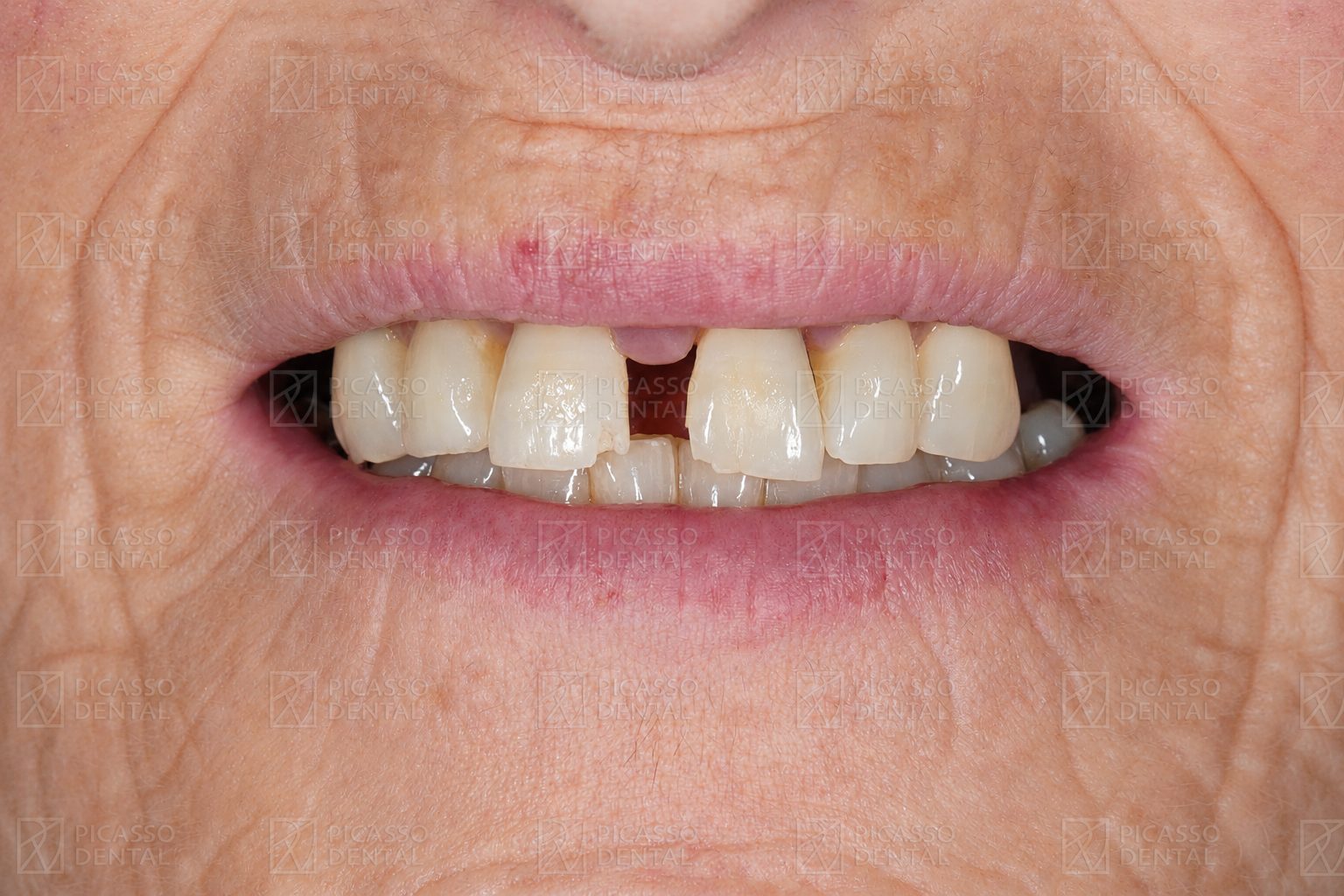
Veneers can address minor cosmetic misalignment when the underlying bite is functional and the patient is not interested in moving teeth orthodontically. If two front teeth have a slight rotation that bothers you cosmetically but your bite is stable and your cleaning is adequate, veneers can reshape the apparent position of those teeth without any tooth movement. This is a legitimate option for a specific subset of patients.
Veneers are not an appropriate substitute for orthodontics when the crowding is moderate to severe, when the bite needs correction, or when the misalignment is interfering with cleaning and oral health. Placing veneers over significantly crowded teeth without first addressing the alignment often compromises the result because the preparation and bonding have to work around a structural problem that was not corrected. The veneers may not achieve the appearance the patient expected, and they may not last as long as veneers placed on properly aligned teeth.
Treatment for children and when early intervention helps
Early orthodontic evaluation around age seven allows problems to be identified while some are still correctable with simpler interventions. The upper jaw is still growing and responds to palatal expanders that gradually widen a narrow arch, creating space for permanent teeth before crowding becomes severe. This is not a treatment that can be replicated at age thirty because jaw growth has completed by then. Space maintainers placed after early baby tooth loss prevent neighbouring teeth from drifting and can eliminate the need for extractions later.
Two-phase treatment addresses severe cases by using the growth period to guide jaw development, then completing tooth alignment after all permanent teeth have erupted. The first phase may involve functional appliances that redirect jaw growth during a specific window of skeletal responsiveness, typically between ages eight and twelve. The second phase, usually braces or aligners in the early teens, completes the fine alignment. Results achievable with two-phase treatment at the right age are not reproducible with single-phase treatment as an adult, because the underlying skeletal basis was not addressed.


 Before
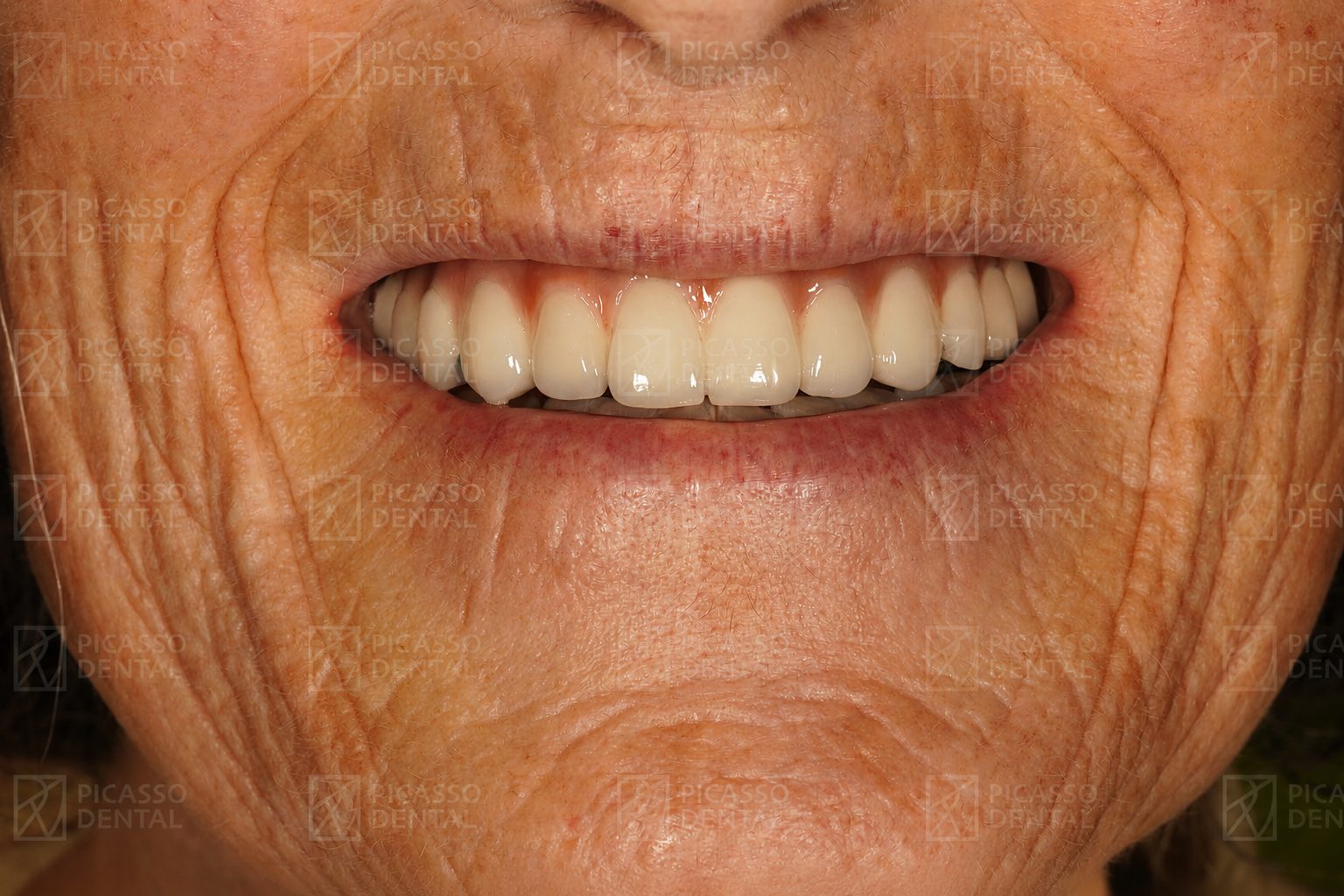 After
AfterSmile transformation, Hanoi Old Quarter
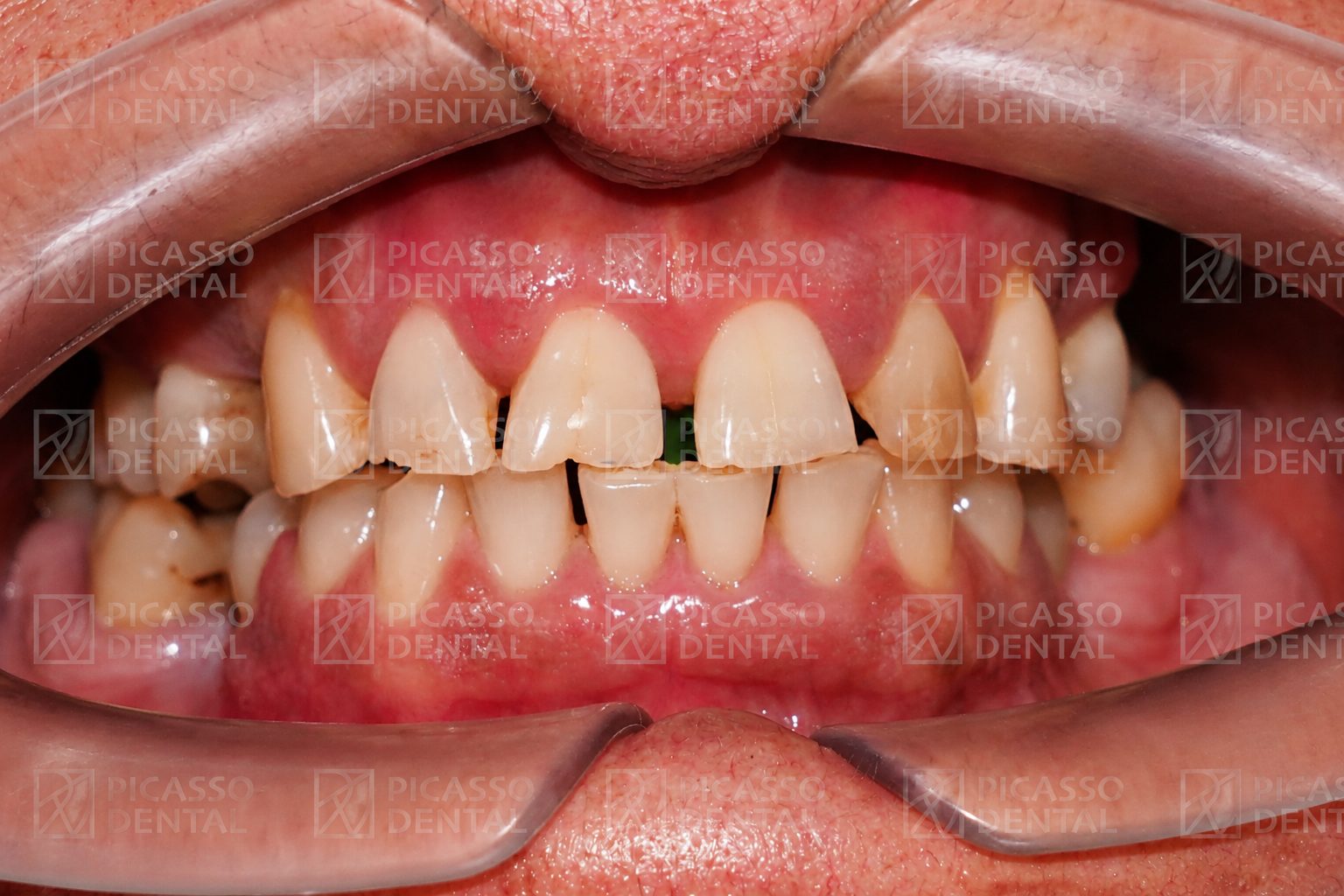 Before
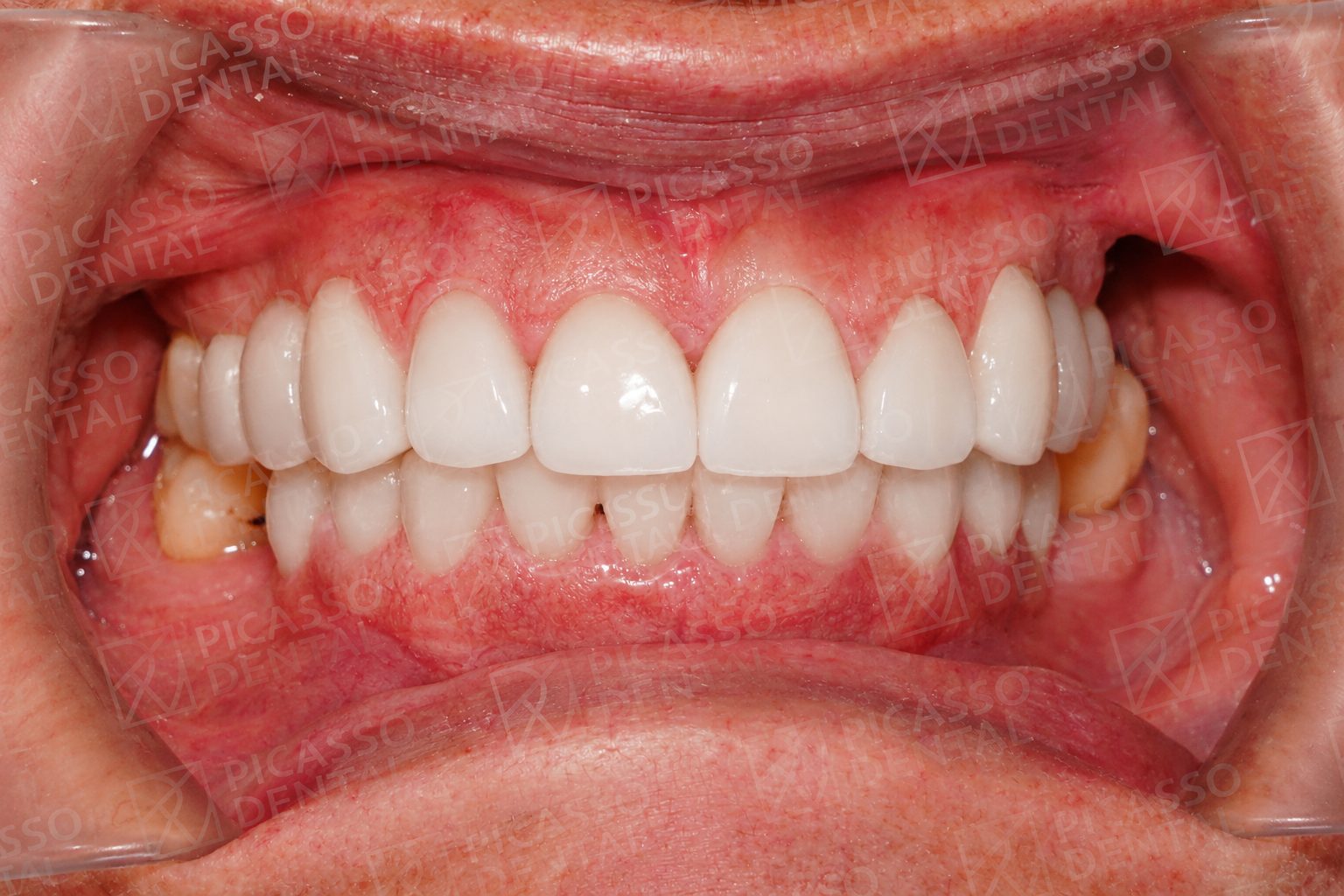 After
AfterAlignment and cosmetic restoration, Da Nang
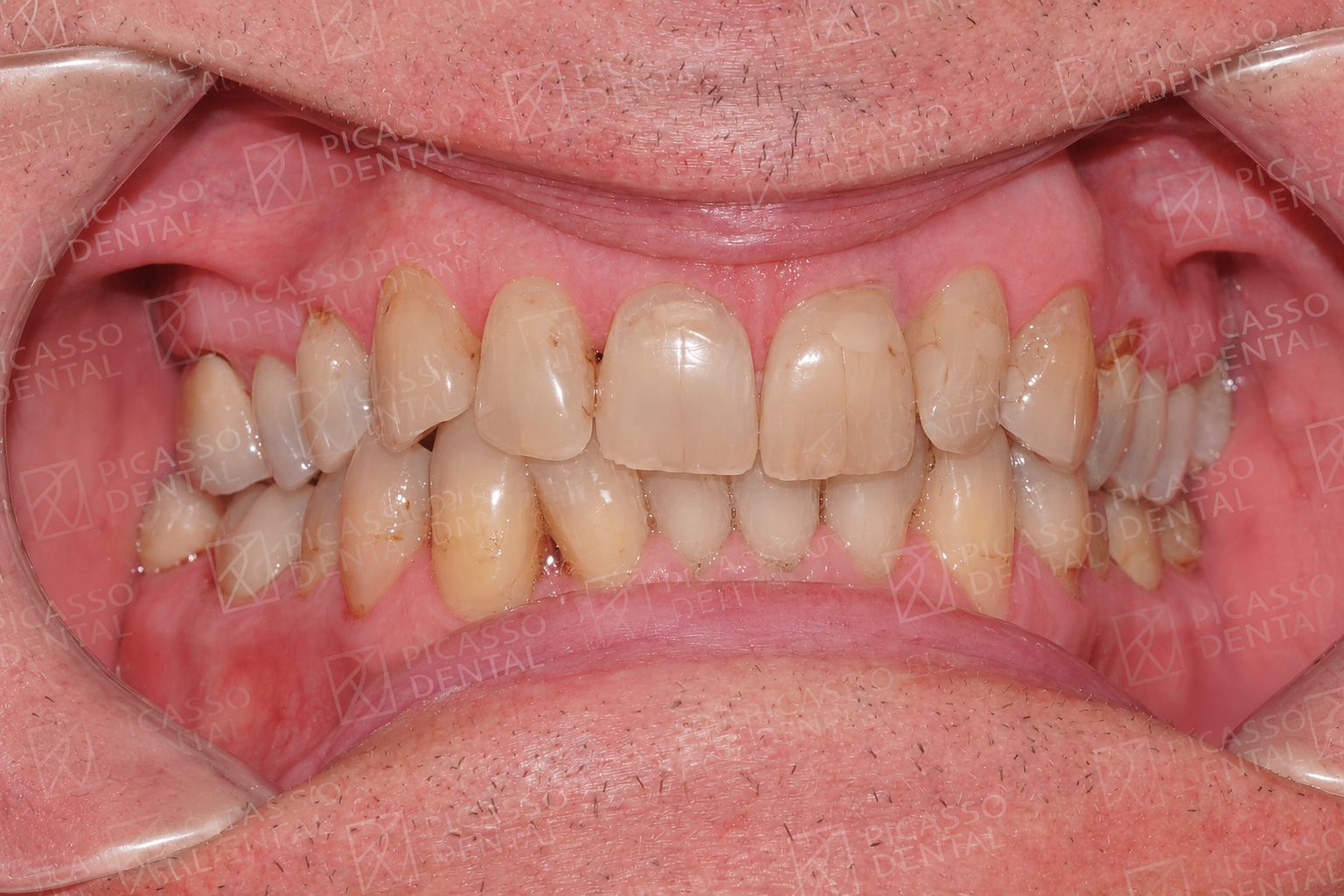 Before
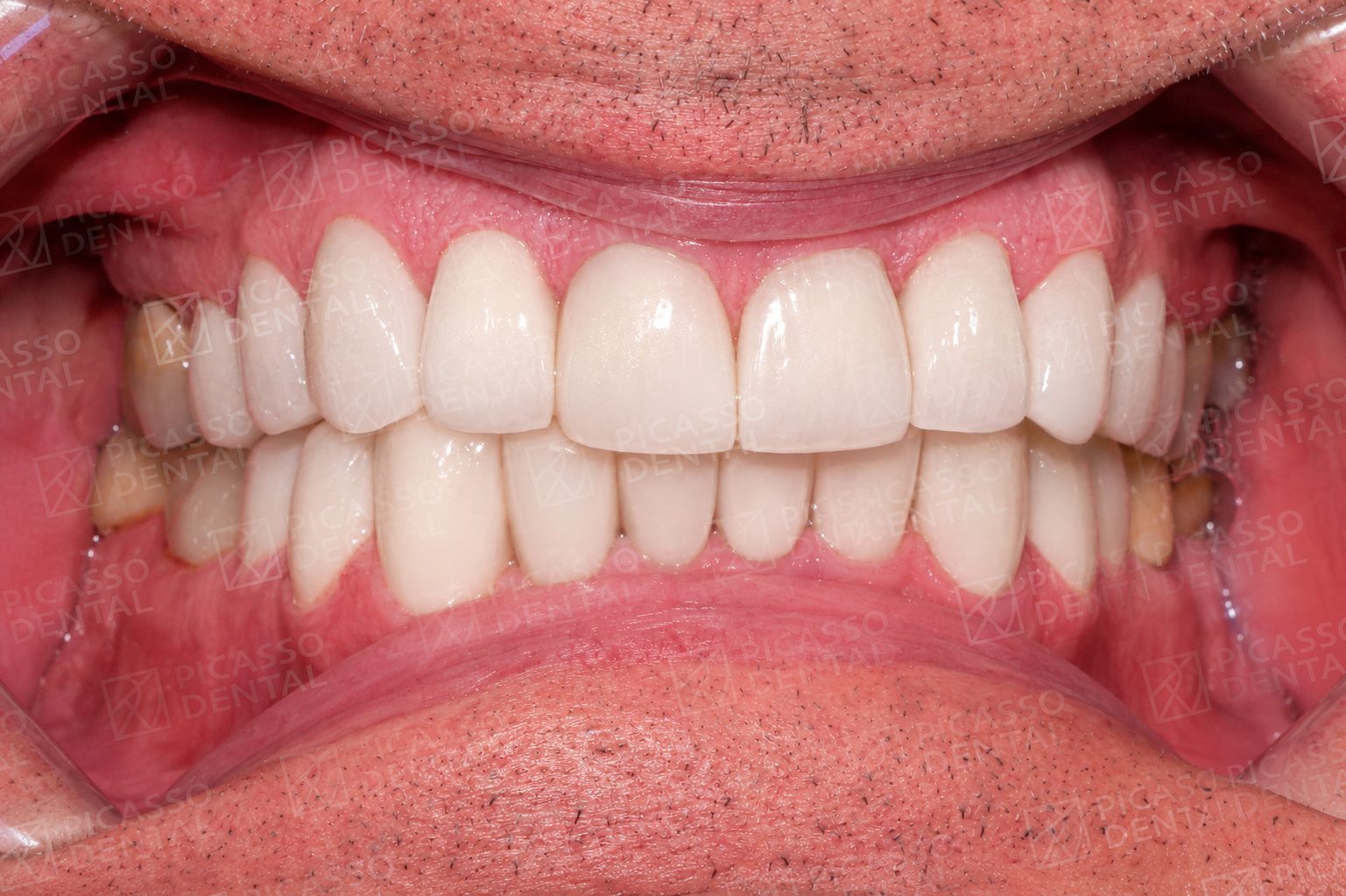 After
AfterFull smile rehabilitation, Ho Chi Minh City
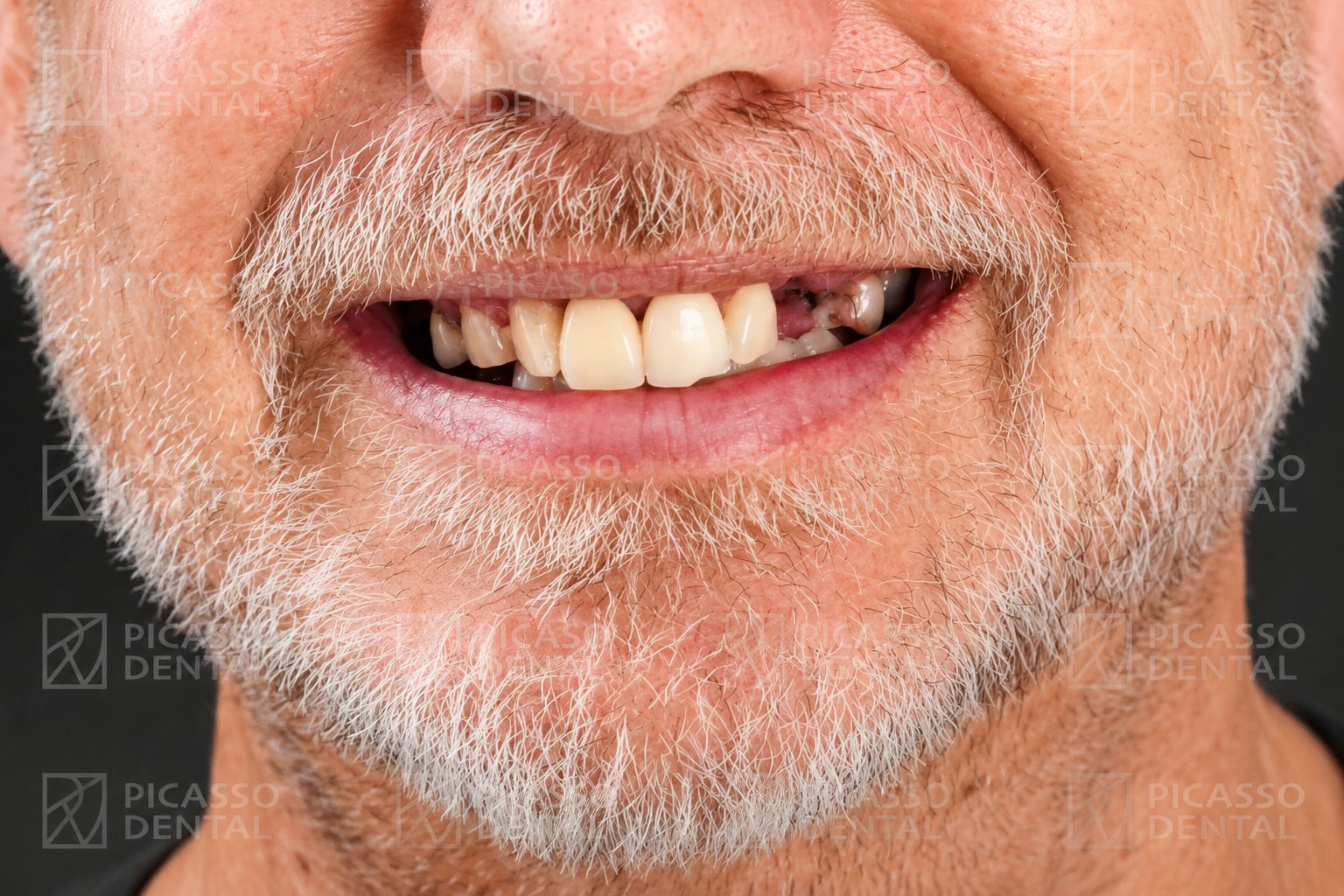 Before
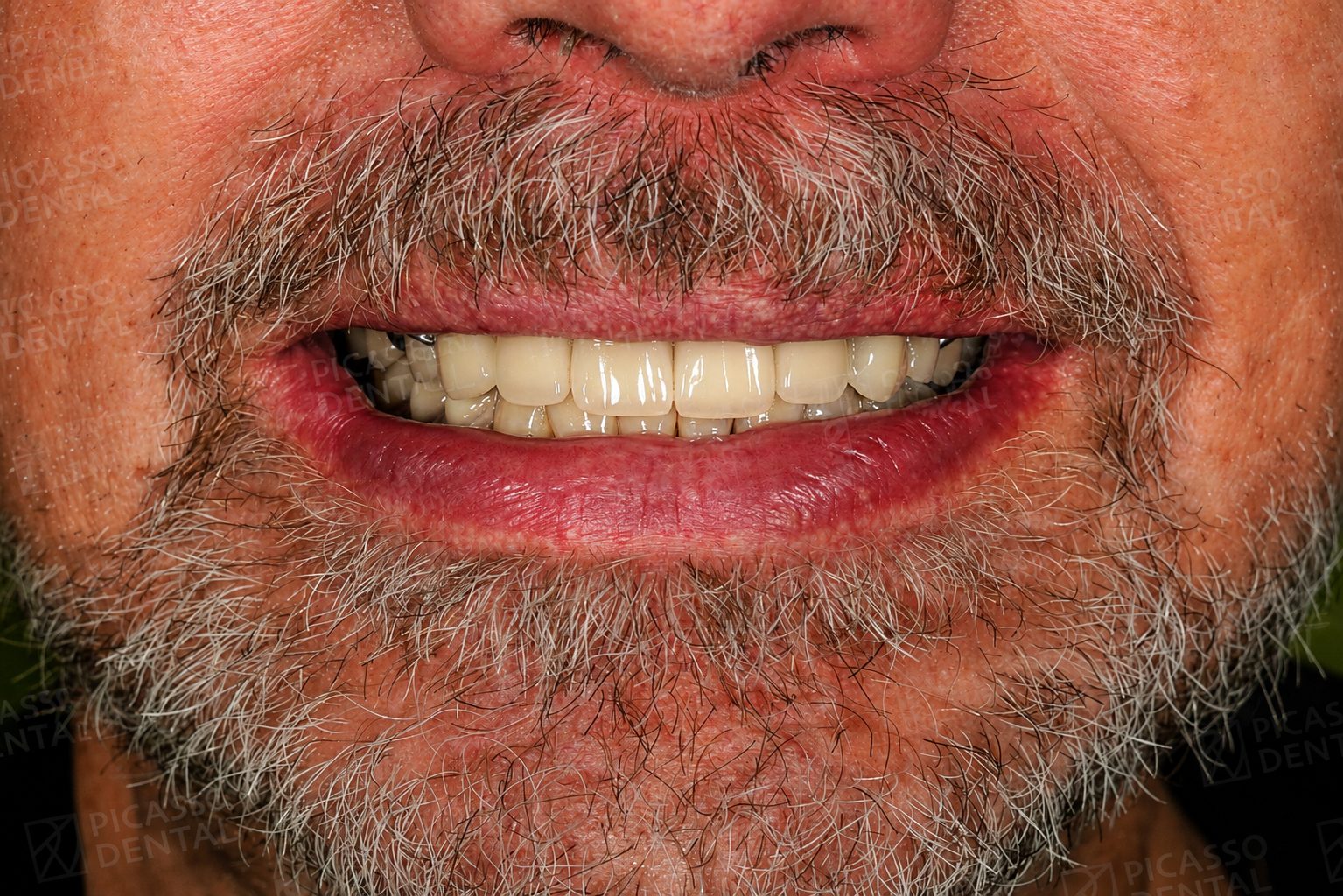 After
AfterCosmetic restoration, Hanoi Westlake
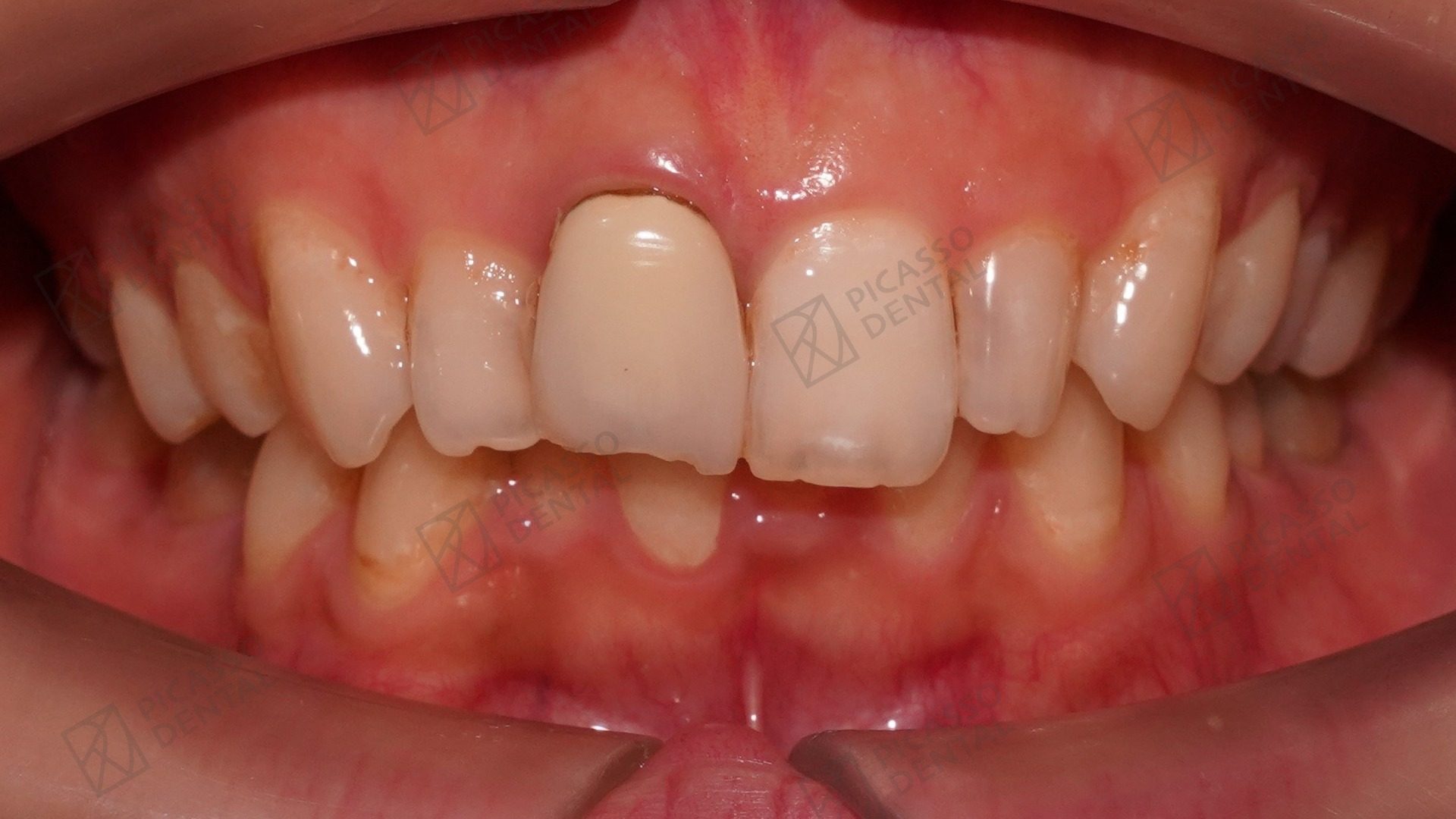 Before
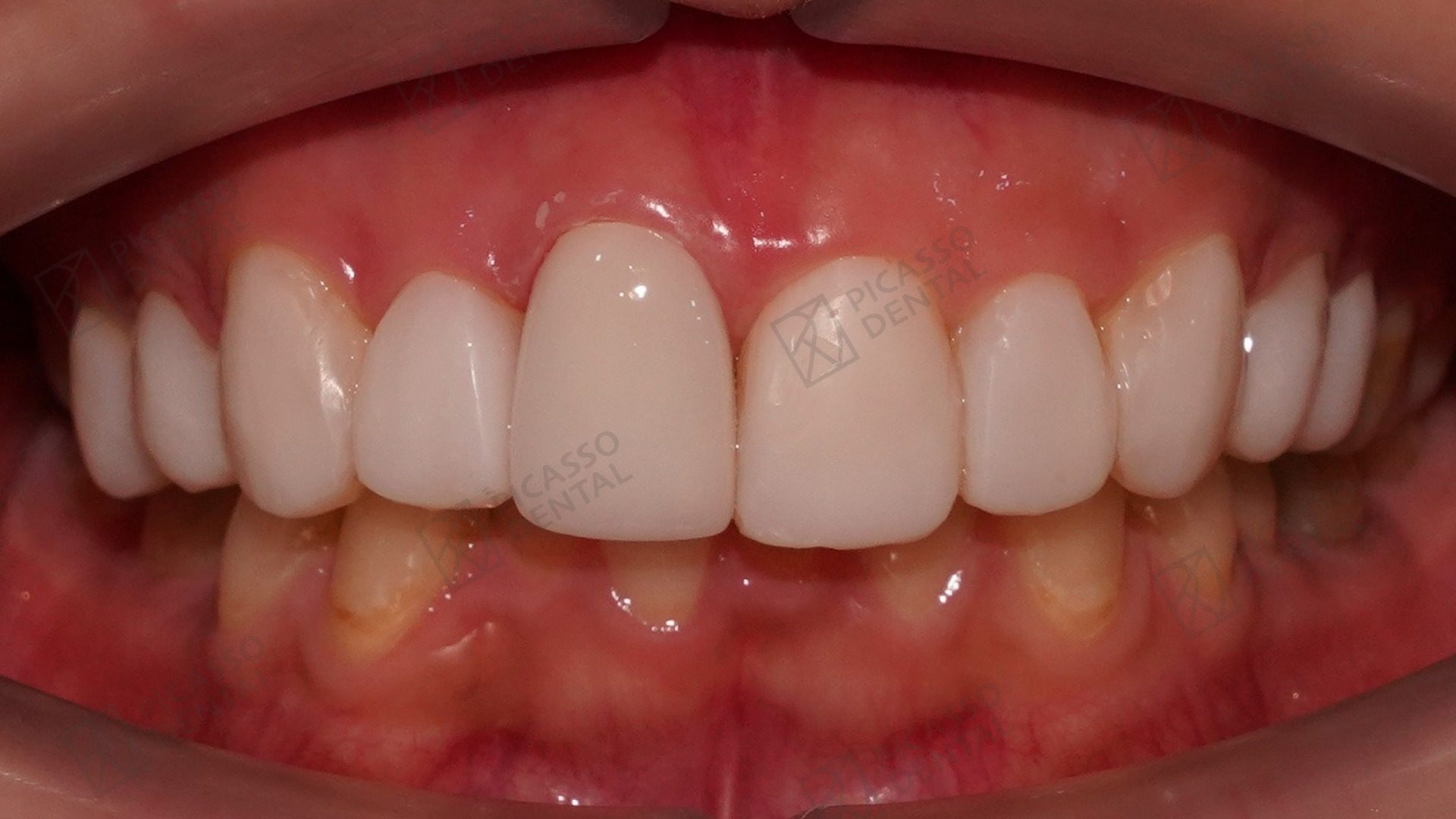 After
AfterSmile makeover, Hanoi Old Quarter
Frequently Asked Questions
What causes crooked teeth?
The main causes are genetics (a mismatch between inherited jaw size and tooth size), prolonged childhood habits such as thumb sucking or extended pacifier use, early loss of baby teeth allowing neighbouring teeth to drift and block space for permanent teeth, and mouth breathing from chronic nasal congestion or enlarged tonsils during jaw development. Each of these factors affects how much space is available for teeth to erupt into alignment.
Can adults fix crooked teeth?
Yes. Metal braces, clear aligners (Invisalign), ceramic braces and lingual braces all work for adults. The biology of tooth movement is the same at any age, and orthodontic treatment has no upper age limit. Treatment timelines for adults may be marginally longer than for teenagers because bone turnover is slower, but the outcomes are clinically comparable.
What is the best option for crooked teeth in adults?
It depends on the severity and type of misalignment. Clear aligners work well for mild to moderate crowding and are removable and nearly invisible. Ceramic braces are less visible than metal while treating the same range of cases. Metal braces remain the most versatile option for complex crowding, significant rotations and bite correction. The right recommendation requires a clinical assessment with photographs, X-rays and study models.
How long does orthodontic treatment take?
Mild cases with clear aligners often complete in 6 to 12 months. Moderate cases typically take 12 to 18 months. Severe crowding requiring extraction orthodontics or combined bite correction can take 18 to 30 months. Early intervention in children during growth periods can shorten the complexity and duration of any later treatment significantly.
Can veneers fix crooked teeth?
Veneers can mask minor cosmetic misalignment when the bite is functional and cleaning is not compromised. They do not move teeth, correct bite relationships or address the underlying structural cause of crowding. For moderate to severe misalignment, veneers are not a substitute for orthodontics. Placing veneers over significantly crowded teeth without prior alignment often compromises both the appearance and the longevity of the restorations.
Do crooked teeth cause health problems beyond appearance?
Yes. Crowded teeth are difficult to clean thoroughly. Floss cannot reach between overlapping contacts and toothbrush bristles miss rotated surfaces, creating predictable locations for cavities and gum disease. Bite misalignment distributes chewing forces unevenly, causing accelerated wear on overloaded teeth and, in some patients, contributing to jaw muscle tension, headaches and TMJ symptoms over time.
Start Here
Start with a brief.
Tell us about your teeth and what you would like to change. An orthodontist replies with a written treatment plan and itemised quote within twenty-four hours. No obligation.