Porcelain Veneers
Clip-On Veneers
vs Porcelain Veneers:
An Honest Comparison
Clip-on veneers are cosmetic accessories. Permanent porcelain veneers are dental restorations. Dr. Emily Nguyen explains the real differences in appearance, function, durability, and what each option is actually good for.

The short version
- Clip-on veneers are removable plastic or resin covers. They are cosmetic accessories, not dental restorations.
- Clip-ons cannot be worn while eating, add visible bulk to the smile, affect speech, and last 1 to 3 years at most.
- Permanent porcelain veneers are precision-made ceramic restorations bonded to the tooth. They look natural, last 10 to 15 years, and function normally.
- Clip-ons have a narrow legitimate use case: one-time events like photoshoots where eating and speaking are not required.
- If you have a dental problem causing your smile dissatisfaction, clip-ons cover it temporarily. Permanent veneers correct it.
What clip-on veneers actually are
Clip-on veneers, also marketed as snap-on veneers or removable veneers, are prefabricated or semi-custom shells made from acrylic resin, thermoplastic, or similar materials. They fit over your existing teeth, snapping into place using slight retention against the tooth contours. You insert them when you want to alter the appearance of your smile and remove them for everything else: eating, sleeping, brushing, and any situation requiring clear speech.
These devices are not dental veneers in any professional sense of the term. They share a name but differ in construction, purpose, longevity, and outcome. Marketing language that describes them as veneers takes advantage of the association with professional cosmetic dentistry without delivering anything close to the clinical result.
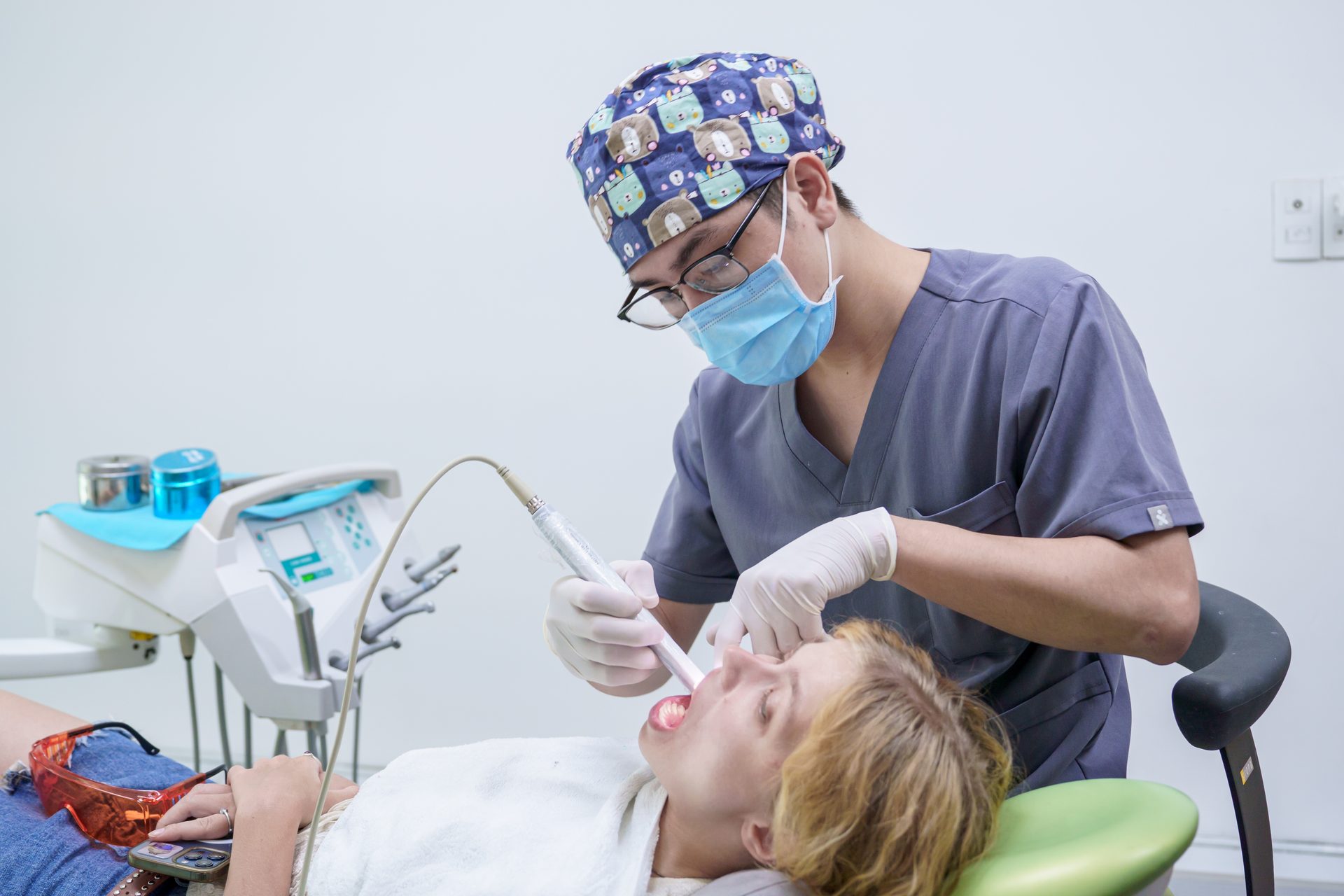
I have examined patients at our Hanoi clinic who were wearing clip-on veneers and wanted a professional opinion. The devices themselves are not inherently harmful if used very occasionally. The limitations, risks, and compromises that routine use involves are rarely explained clearly in the marketing.
The practical problems with clip-on veneers
The appearance problem is the most immediately apparent. Clip-on veneers sit over existing teeth without removing any tooth structure. The result is a smile that is visibly bulkier than the natural one: rounder, more uniform, and with slightly protruding lips. The added material thickness changes the facial profile in a way that is noticeable to most observers at normal conversation distance. The prefabricated color and shape cannot be customized to the same degree as custom porcelain and does not match individual facial features the way a skilled ceramist can achieve.
Speech becomes noticeably impaired for most patients. The added bulk changes the spatial relationship between the tongue and the teeth required for forming specific sounds, particularly sibilants and fricatives. Many patients who try clip-ons find that using them in a professional or social setting where clear speech matters is not practical.
Eating with clip-ons is not possible. The resin or plastic material fractures under normal chewing forces. Even setting fracture aside, food trapped beneath the device creates a significant hygiene problem. Bacteria and food debris accumulate in the space between the clip-on and the natural tooth surface, an area that cannot be cleaned with normal brushing. Extended use of ill-fitting clip-ons creates exactly the warm, moist, food-rich environment that accelerates tooth decay and gum inflammation.
Permanent veneers
- Natural appearance, custom made to each patient
- Eat normally from day one of bonding
- No effect on speech after a brief adaptation period
- 10 to 15 year lifespan with normal care
- Stain-resistant porcelain surface
- Address underlying dental problems directly
Clip-on veneers
- Visible bulk, lips may protrude slightly
- Cannot be worn while eating
- Speech clarity reduced while worn
- 1 to 3 year lifespan, worn part-time only
- Resin discolors over time
- Trap food against teeth, risk of cavities
What permanent porcelain veneers actually deliver
A permanent porcelain veneer is a ceramic restoration made specifically for the patient by a dental ceramist working from a precise impression of the prepared tooth. The preparation removes approximately 0.5 millimeters from the front surface of the tooth, creating space for the veneer without adding bulk. The veneer bonds to the enamel with a light-cured adhesive, becoming chemically and mechanically part of the tooth.
"I cannot recommend Dr Emily and all her staff enough. I never dreamed I would be leaving Vietnam after a week with the most beautiful smile."
Patient review, Hanoi Old Quarter, Google review
The result is a tooth that looks like a natural tooth because it was designed and crafted as one. The surface texture, translucency, light reflection, color gradient, and edge anatomy of well-made porcelain veneers are indistinguishable from natural enamel in normal conversation. Patients eat normally, speak normally, and brush and floss normally. The porcelain surface does not stain from coffee, tea, or wine. The shade chosen at the start of treatment is the shade that remains for the life of the veneer.
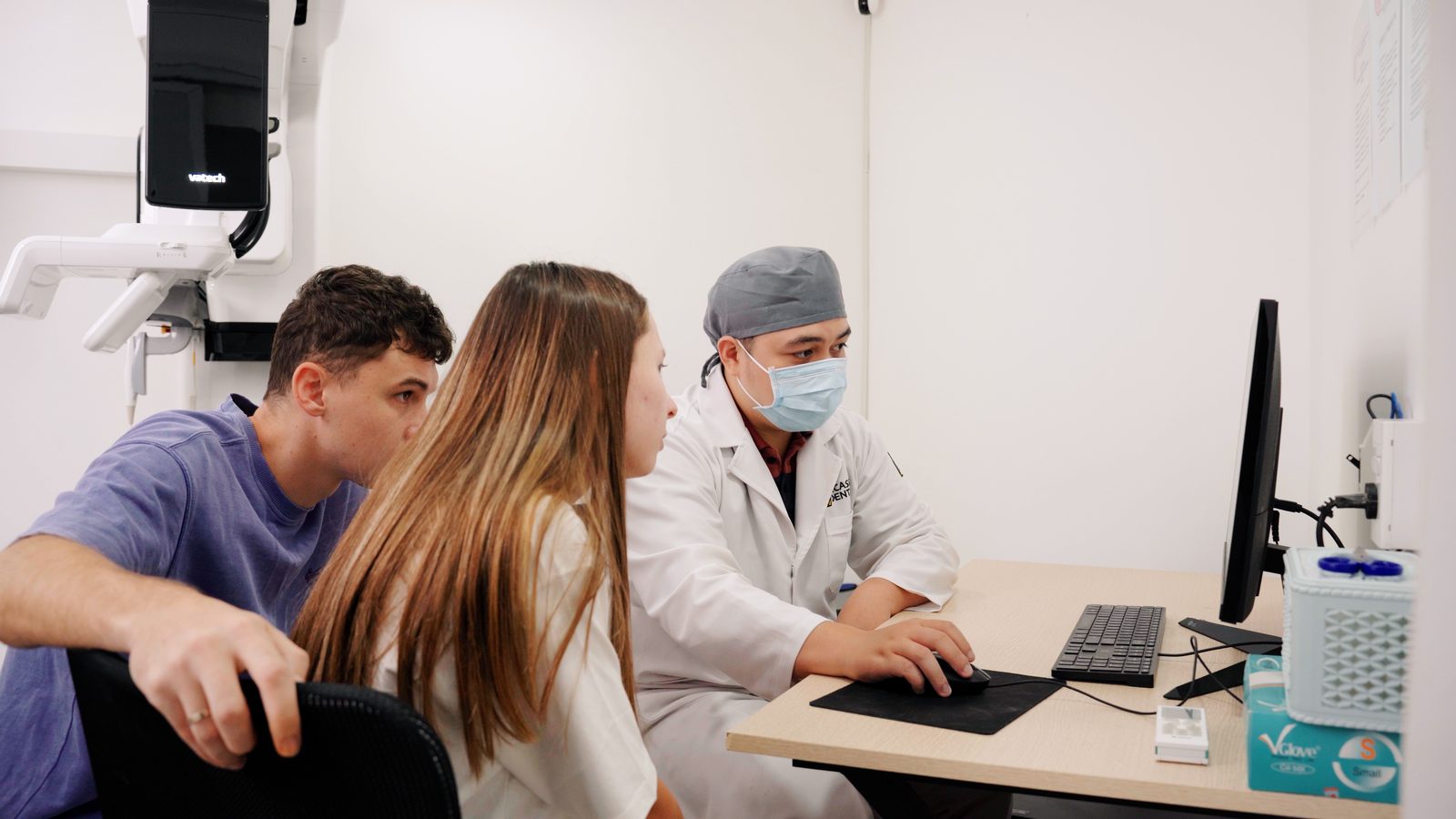
Considering porcelain veneers as a long-term solution? Share a photo and a Picasso dentist will respond within 24 hours with an honest assessment and indicative cost.
Contact us →The narrow case for clip-ons
I give every patient an honest opinion, including about options I do not routinely recommend. Clip-on veneers have a narrow legitimate use case: one-time events such as photoshoots, stage performances, or brief moments where a quick cosmetic change is needed and eating and extended speaking are not involved. Some patients also use them as a rough visual test-drive before committing to permanent veneers, to see approximately what a different smile shape might look like.
Outside these narrow applications, clip-ons are not a substitute for professional dental treatment. If the underlying reason a patient is dissatisfied with their smile is a dental problem (discoloration, chipping, gaps, crowding), clip-ons cover that problem temporarily without addressing it. Permanent porcelain veneers correct the problem. For patients who have dental concerns they want resolved rather than masked, the comparison between the two options is straightforward.
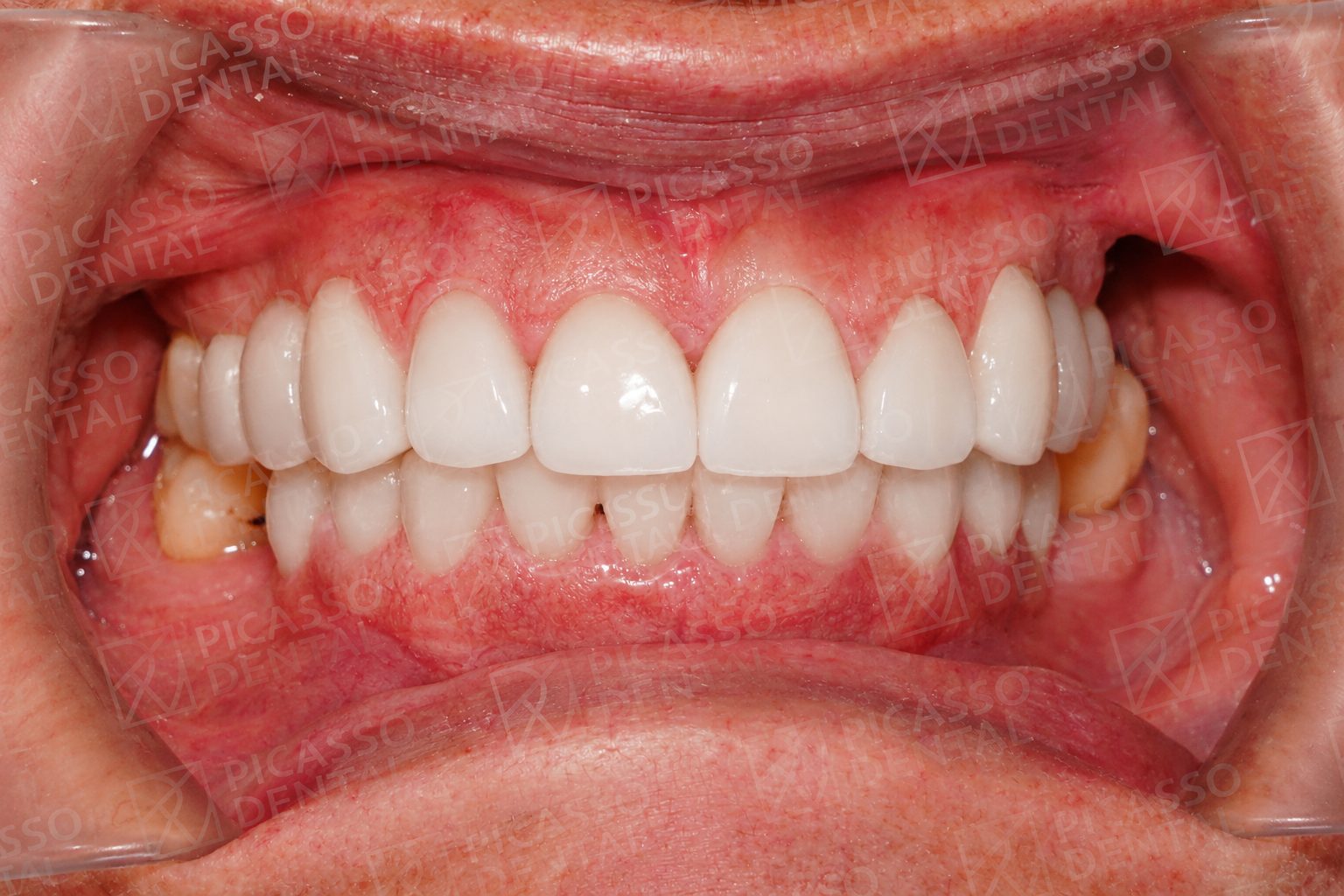
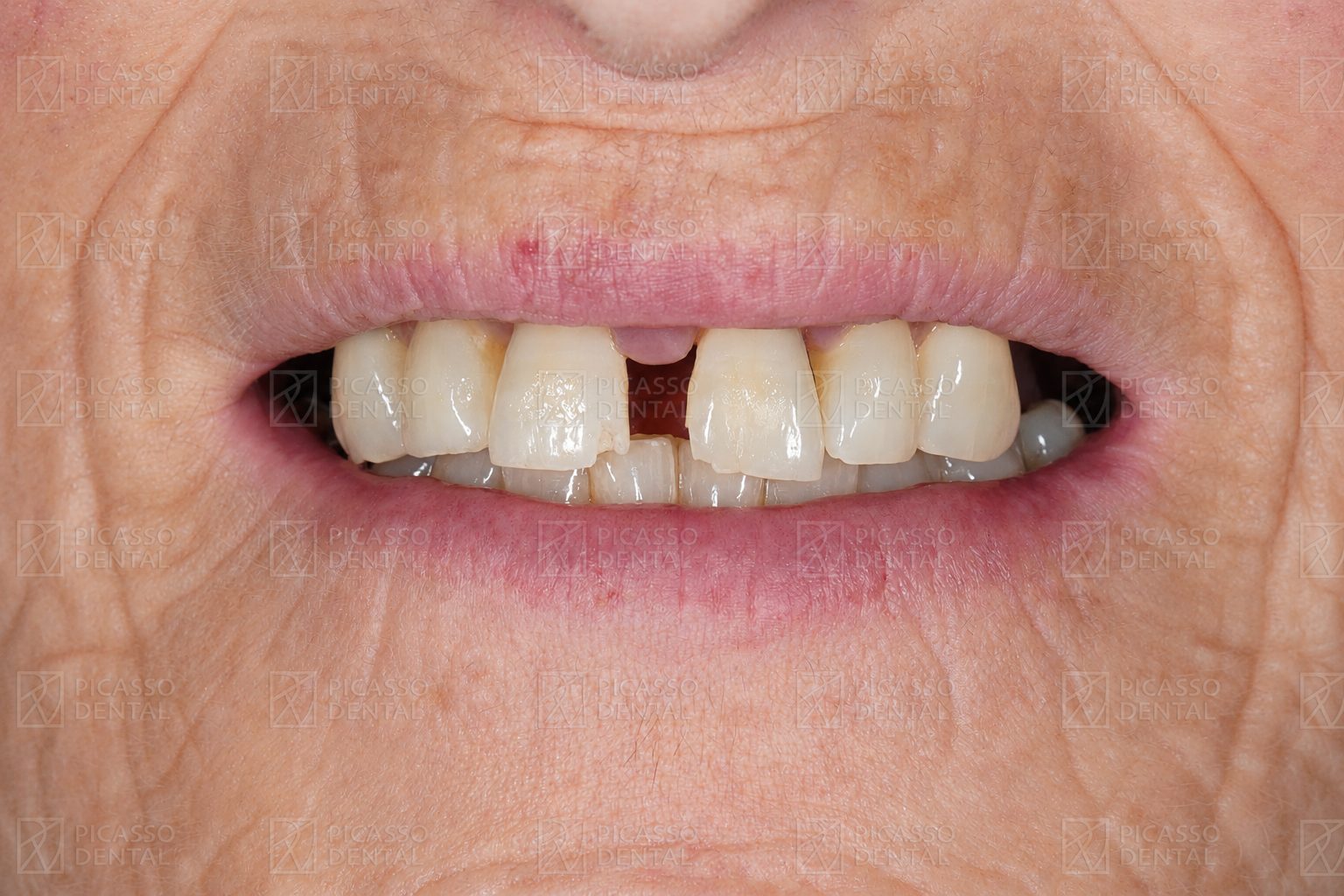 Before
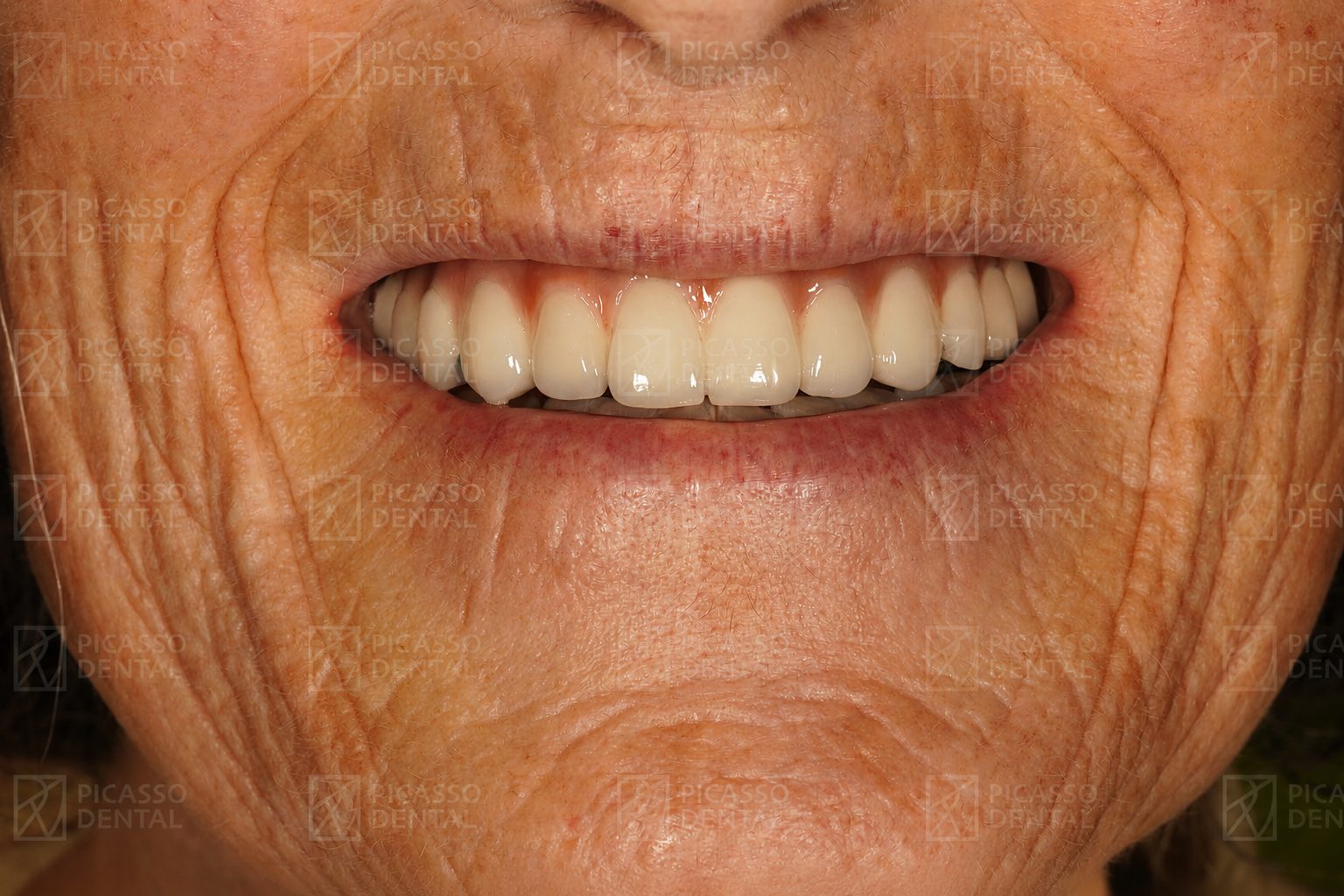 After
AfterFull rehabilitation, Hanoi Old Quarter
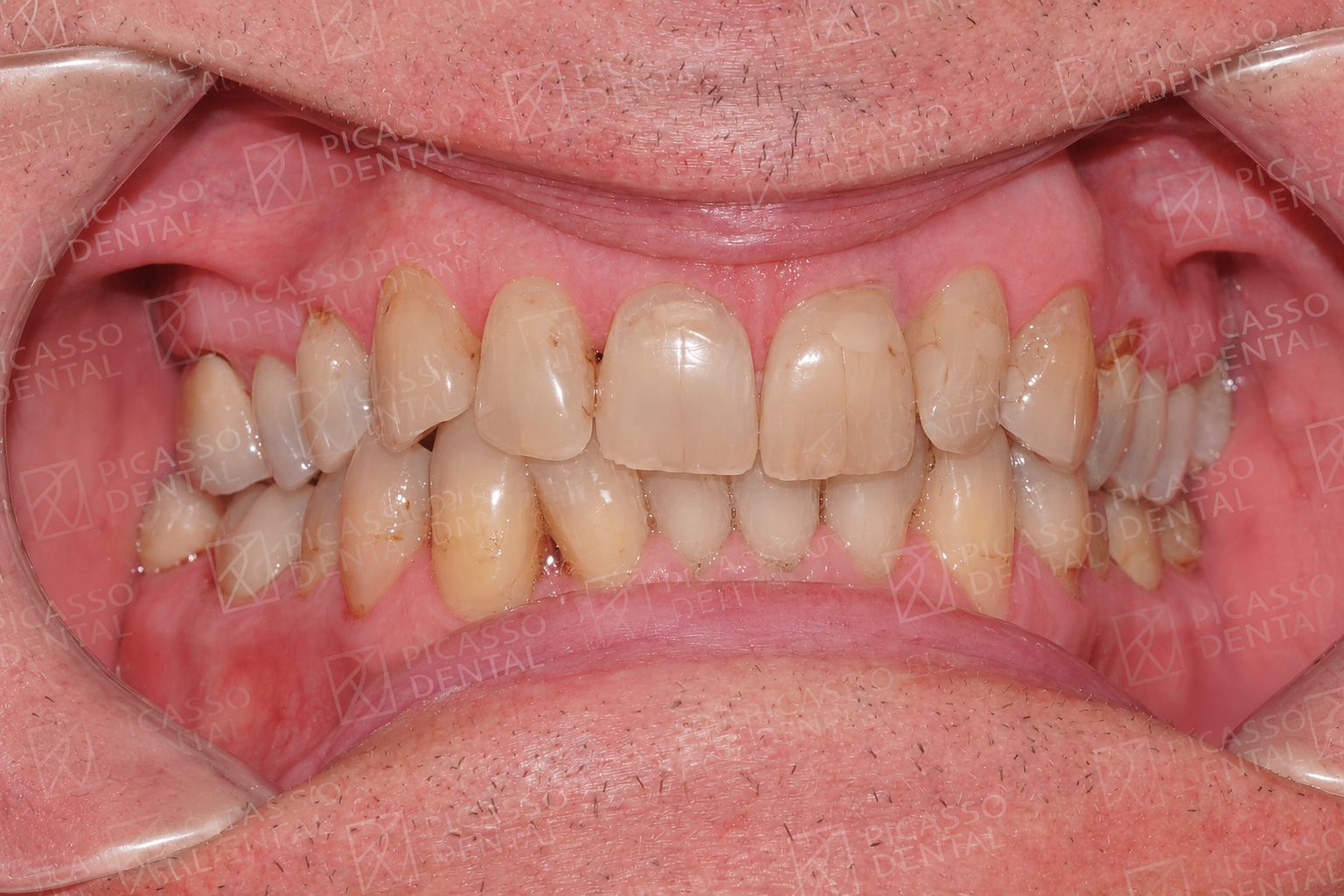
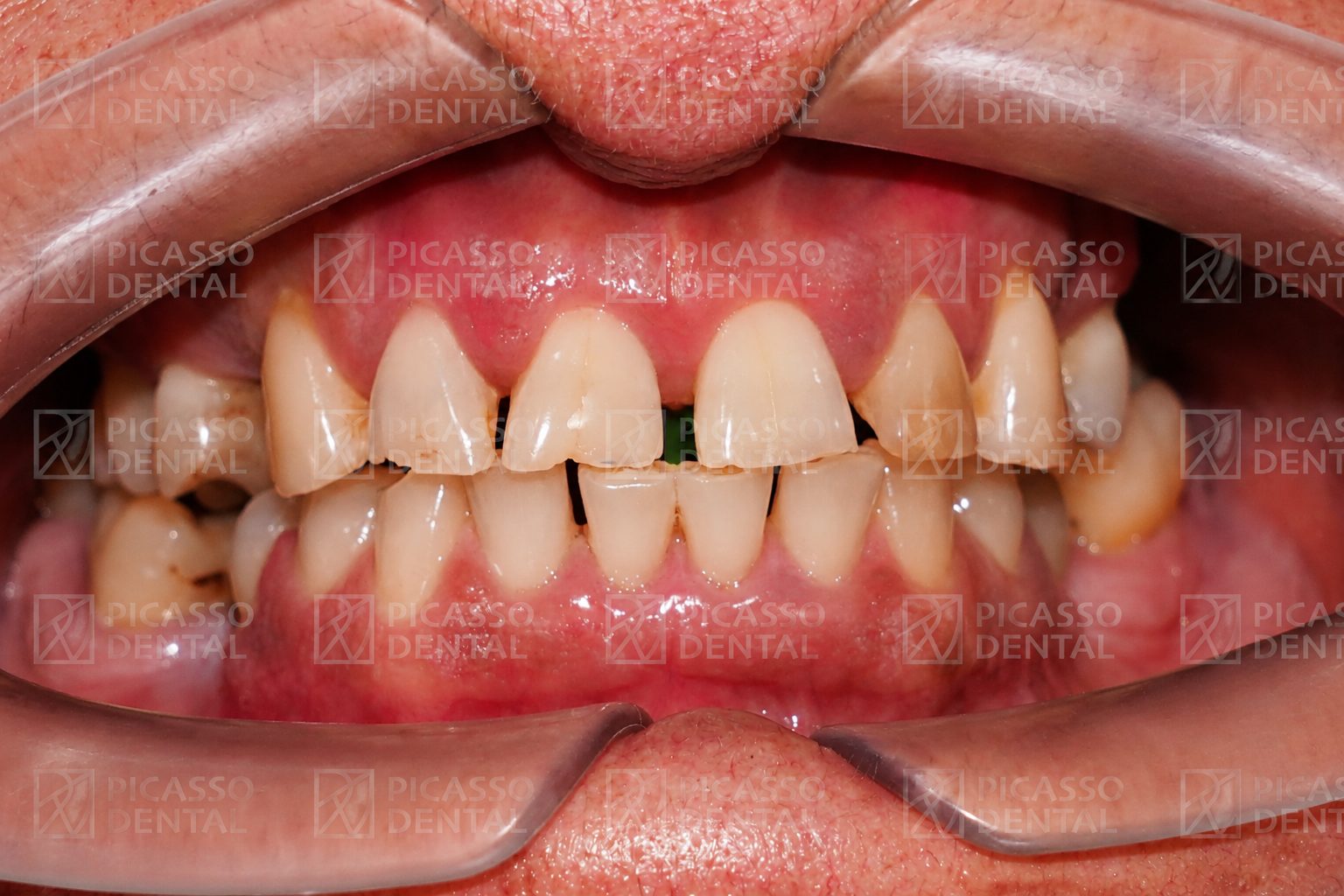 Before
 After
AfterPorcelain crowns, Da Nang
 Before
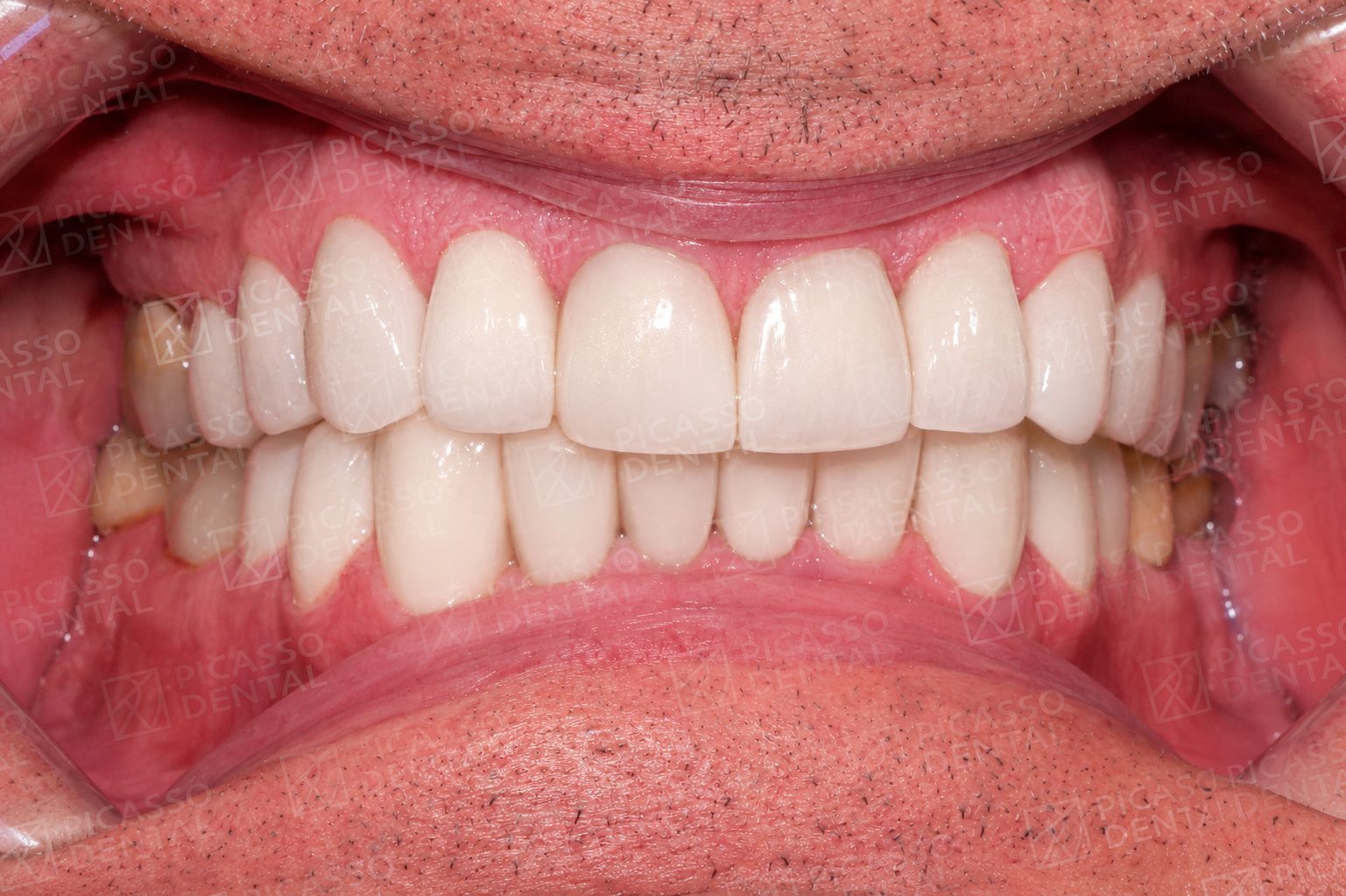 After
AfterCrown and implant, HCMC Thao Dien
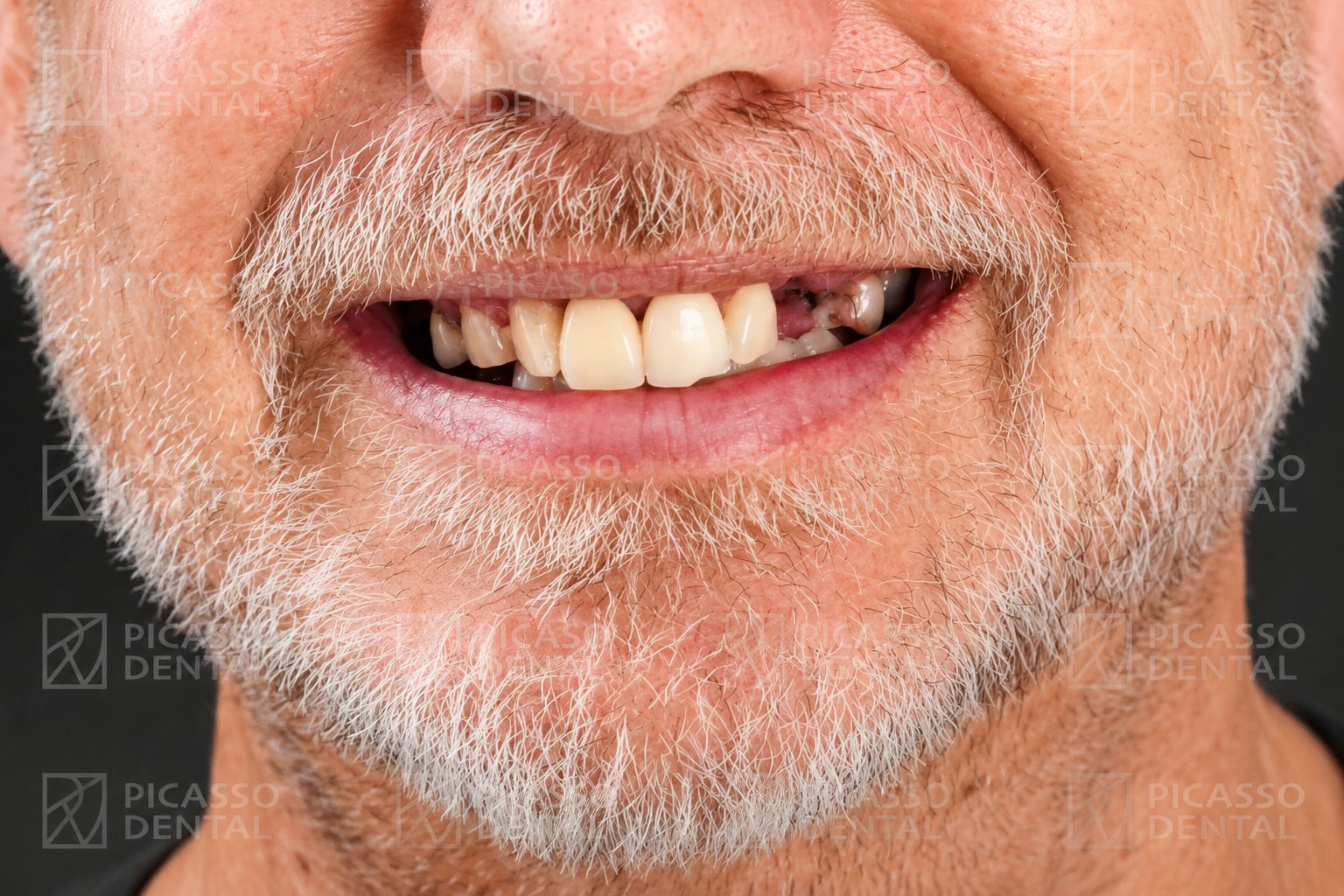 Before
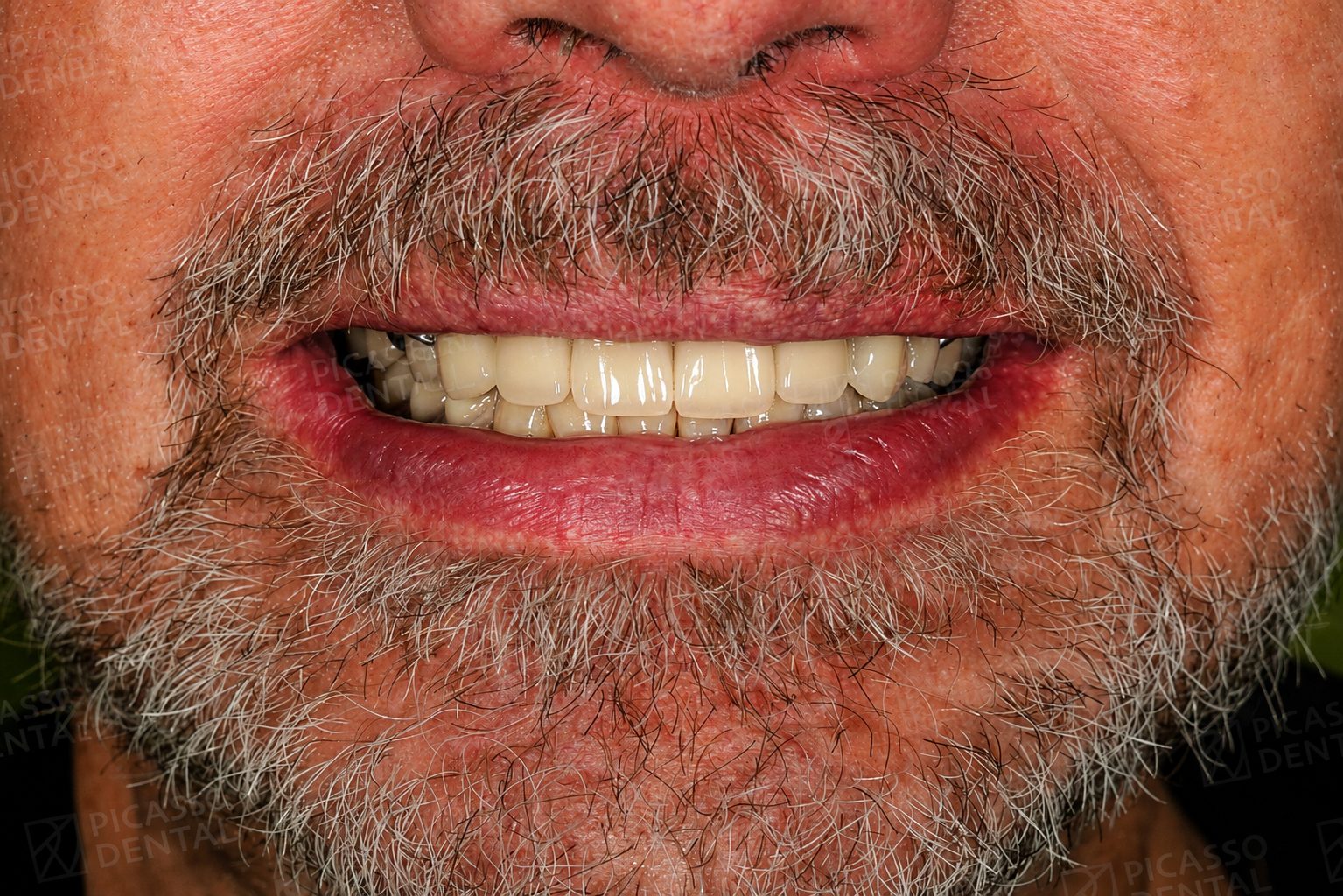 After
AfterCrown restoration, Hanoi Westlake
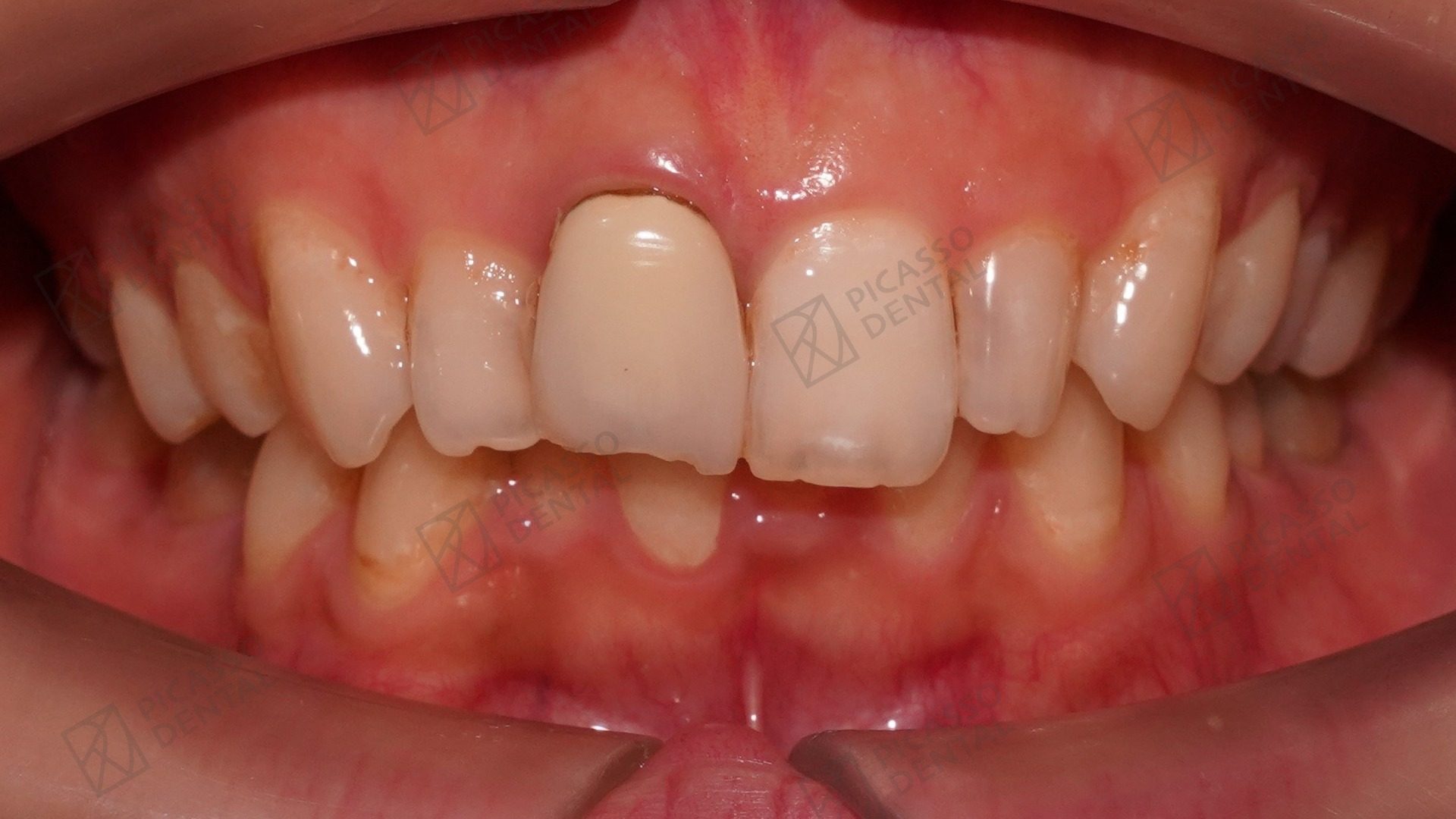 Before
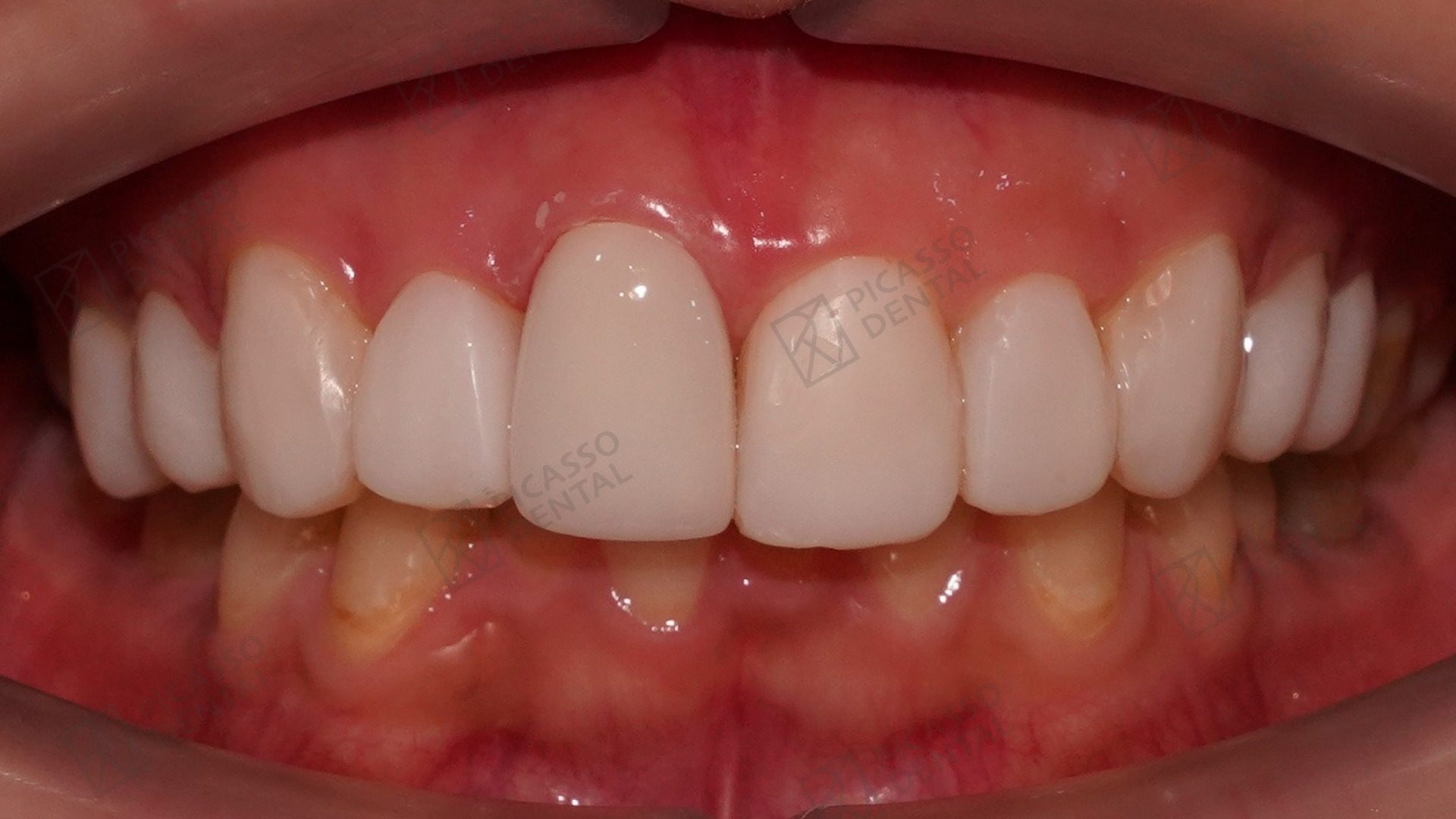 After
AfterSmile restoration, Da Nang Flagship
Frequently asked questions
What is the difference between clip-on veneers and permanent porcelain veneers?
Clip-on veneers are removable plastic or resin covers that snap over existing teeth without any dental preparation. Permanent porcelain veneers are precision-made ceramic restorations bonded to the tooth surface after a thin layer of enamel is removed. Clip-ons are cosmetic accessories; permanent veneers are actual dental restorations. The difference in appearance, durability, and function is significant.
Do clip-on veneers look natural?
Clip-on veneers do not look natural under normal conditions. Because they cover existing teeth without removing any tooth structure, they add visible bulk to the smile. The teeth appear rounder and more uniform than natural teeth, the lips may protrude slightly, and the prefabricated color and shape rarely match the patient's facial features as well as custom porcelain does. Most people can detect clip-ons at conversation distance.
Can you eat with clip-on veneers?
No. Clip-on veneers are not designed for eating. The resin or plastic material will break under normal chewing pressure. Food also becomes trapped between the clip-on device and the natural teeth, creating a hygiene problem. Clip-ons must be removed before every meal, which limits their practical use to static situations like photographs.
Are clip-on veneers safe for teeth?
Clip-on veneers used occasionally for short periods are not inherently dangerous to teeth. The concern is long-term use. The space between the clip-on device and the natural teeth traps food particles and saliva, creating an environment where bacteria proliferate. Patients who wear poorly fitting clip-ons for extended periods risk developing cavities and gum inflammation in the hidden areas beneath the device.
How long do permanent porcelain veneers last?
Permanent porcelain veneers last 10 to 15 years on average, and many last longer with good oral hygiene and regular check-ups. Clip-on veneers typically last 1 to 3 years before the resin degrades or breaks, and during that period they can only be worn part-time.
When do clip-on veneers make sense?
Clip-on veneers can serve a limited purpose for one-time events such as photoshoots or performances where the patient will not eat or speak extensively and needs a quick temporary cosmetic change. They are also used by some patients as a visual test-drive to get a rough impression of a different smile shape before committing to permanent veneers. They are not appropriate as a long-term cosmetic solution or a substitute for professional dental treatment.
Are permanent porcelain veneers worth the cost compared to clip-ons?
For patients who want a long-term cosmetic improvement to their smile, permanent porcelain veneers provide significantly better value despite the higher upfront cost. Veneers look natural, last 10 to 15 years, do not interfere with eating or speaking, and are maintained with standard brushing and flossing. Clip-ons must be replaced every 1 to 3 years, cannot be worn during meals, and do not deliver a natural appearance. At Picasso Dental Clinic in Vietnam, permanent porcelain veneers are also substantially less expensive than equivalent treatment in Australia, the US, or the UK.
Patient Video Testimonial

Start Here
Start with a brief.
Ready to explore permanent porcelain veneers? Share a photo of your smile and a Picasso dentist will respond within 24 hours with an honest assessment and indicative cost. No obligation.