
Wisdom Tooth Guide
Can You Smoke Before
Wisdom Tooth Removal?
No: Stop 12 to 24 Hours Before, 72 Hours After
The risks of smoking after surgery are three times greater than before. Dr. Emily Nguyen explains exactly when to stop, why the post-operative window is the critical one, and what smokers and vapers need to know about dry socket.

The short version
- Stop smoking at least 12 to 24 hours before your extraction appointment. Stopping 48 hours before is better.
- Do not smoke for a minimum of 72 hours after surgery. Waiting a full week substantially reduces your risk.
- Smokers are approximately three times more likely to develop dry socket than non-smokers.
- Vaping carries the same suction-related dry socket risk as cigarettes. Treat it identically in your pre- and post-operative instructions.
- Nicotine patches are a significantly safer alternative during recovery because they eliminate the suction and heat that trigger dry socket.
Why smoking before surgery creates problems
Nicotine is a vasoconstrictor. When you smoke, blood vessels throughout your body narrow, including the small capillaries in your gum tissue. Good local circulation matters for three things during a wisdom tooth extraction: even distribution of local anaesthetic, adequate clotting response when the tooth is removed, and tissue oxygenation during healing. When vessels are constricted, anaesthetic may spread unevenly, requiring a higher dose to achieve adequate numbness. Reduced blood flow means it takes longer for the extraction site to form the initial clot after the tooth is removed.
Carbon monoxide from cigarette smoke binds to haemoglobin, displacing oxygen from the bloodstream. For extractions requiring sedation, your clinical team needs your blood oxygen at baseline levels. Reduced oxygen-carrying capacity raises the risk of nausea, light-headedness, and complications with sedative medications, particularly for complex lower wisdom teeth that take longer to remove.

Smoking also irritates the respiratory tract. Patients who smoke tend to cough more during and immediately after procedures. Coughing during an extraction disrupts blood clot formation. For this reason, stopping at least 12 to 24 hours before surgery, ideally 48 hours, is the standard recommendation we give every smoking patient at Picasso Dental.
The greater risk: what happens after surgery
The pre-operative risks of smoking are real but manageable. The post-operative window is where smoking causes the most damage. This is the information many patients do not receive clearly.
When a wisdom tooth is removed, a blood clot forms in the empty socket within the first few minutes. That clot is not simply a wound plug. It is the biological scaffold that allows bone and soft tissue to regenerate. It covers the exposed bone and nerve endings at the base of the socket, protecting them from food, bacteria, and air exposure during the weeks of healing ahead.
When you smoke, you create negative pressure in your mouth through the act of drawing on a cigarette. That suction can physically dislodge the blood clot before it has stabilized, typically within the first 72 hours. The result is dry socket (alveolar osteitis), the most painful and most preventable complication of wisdom tooth extraction.

Dry socket: the complication smokers need to understand
Dry socket typically presents two to four days after extraction. The warning signs are distinctive: severe throbbing pain that radiates from the jaw toward the ear, a socket that looks empty or has visible yellowish-white bone at the base rather than a dark clot, and a persistent foul taste or smell. Standard over-the-counter pain relief does almost nothing for dry socket pain because the exposed bone and nerve are not responding to systemic analgesics in the same way as normal post-surgical pain.
Treatment requires a clinical visit. The dentist irrigates the socket, removes any debris, and places a medicated dressing that is changed every few days until normal healing resumes. The pain resolves within days of treatment beginning, but the total episode adds one to two weeks to recovery time and requires multiple appointments. It is almost entirely preventable.
"Making the decision to go to Hanoi and have the dental treatment done by Picasso was one of the best decisions I have taken for a long time. I not only received top class dental care, it was so cost effective in comparison to having all this work undertaken at an Australian dental practice."
Gerald Mair, Hanoi Old Quarter, Google review
Vaping carries the same risk
Patients frequently ask whether switching to a vape pen or e-cigarette removes the dry socket risk. The short answer is no, not meaningfully. The suction mechanics of vaping are identical to those of cigarette smoking. When you draw on a vape device, you create the same negative oral pressure that can dislodge a healing blood clot. The aerosol also introduces heat and chemical irritants directly into the mouth, disrupting the wound environment.
Nicotine in e-liquid has the same vasoconstrictive effect as nicotine in tobacco smoke, regardless of the absence of combustion. Multiple oral surgery departments now advise patients to treat vaping with the same pre- and post-operative instructions as cigarette smoking. At Picasso Dental, we apply the same guidance: stop vaping at least 24 hours before surgery, and do not vape for at least 72 hours after, ideally one full week.
Acceptable during recovery
- Nicotine patches (no suction, no heat)
- Cold turkey (optimal for healing)
- Nicotine lozenges (use gently, no vigorous sucking)
- Informing your dentist about your habits before surgery
Avoid after extraction
- Cigarettes (suction, heat, and combustion chemicals)
- Vaping and e-cigarettes (suction and nicotine)
- Chewing tobacco (direct contact with wound)
- Cannabis smoking (identical suction risk)
Have questions about wisdom tooth extraction as a smoker? A Picasso Dental clinician will respond within 24 hours with personalized guidance.
Contact us →Warning signs of dry socket after smoking
Even patients who follow post-operative instructions carefully sometimes develop dry socket if they smoked before or shortly after their extraction. Monitor the socket closely and contact the clinic immediately if you notice any of the following:
- Severe pain two to four days post-extraction Normal extraction pain peaks at 24 to 48 hours and then improves progressively. Pain that worsens after day two, particularly if it radiates toward the ear or jaw, is the most reliable indicator of dry socket. Do not wait to see if it resolves on its own.
- Visible bone in the socket Look carefully at the extraction site using a mirror and a light. If you can see yellowish or whitish bone at the base of the socket rather than a dark clot, the clot has been lost. This is a definitive sign of dry socket requiring clinical treatment.
- Foul taste or bad breath developing after day two This often signals bacterial colonization of an unprotected socket. A clot in place prevents this; an empty socket is directly exposed to oral bacteria and food debris. Persistent bad breath that begins after day two is not normal post-surgical odor.
- Fever after day two A mild temperature within the first 24 hours is a normal inflammatory response. A fever developing after day two, combined with increasing pain, points to infection rather than normal healing. Same-day assessment is warranted.
- Swelling that increases after day three Post-extraction swelling peaks around 48 to 72 hours and then begins to reduce. Swelling that continues growing after day three, or that spreads toward the neck or floor of the mouth, requires same-day evaluation.
Using extraction as a quitting opportunity
A forced pause of 72 hours to one week interrupts the habitual cycle more than most patients expect. After three days without cigarettes, blood nicotine levels fall substantially and the peak biochemical withdrawal phase has passed. The psychological habit of reaching for a cigarette remains, but many patients at Picasso Dental clinics across Hanoi, Da Nang, and Ho Chi Minh City have described the post-extraction pause as the point where quitting finally became achievable.
The concrete experience of healing faster and getting through the first three days without serious discomfort makes continuing easier than it appeared before surgery. If quitting is a longer-term goal, the pre-operative consultation is a practical time to discuss it. We can provide information on cessation resources and, in some cases, adjust the timing of elective extractions to align with a quitting plan.

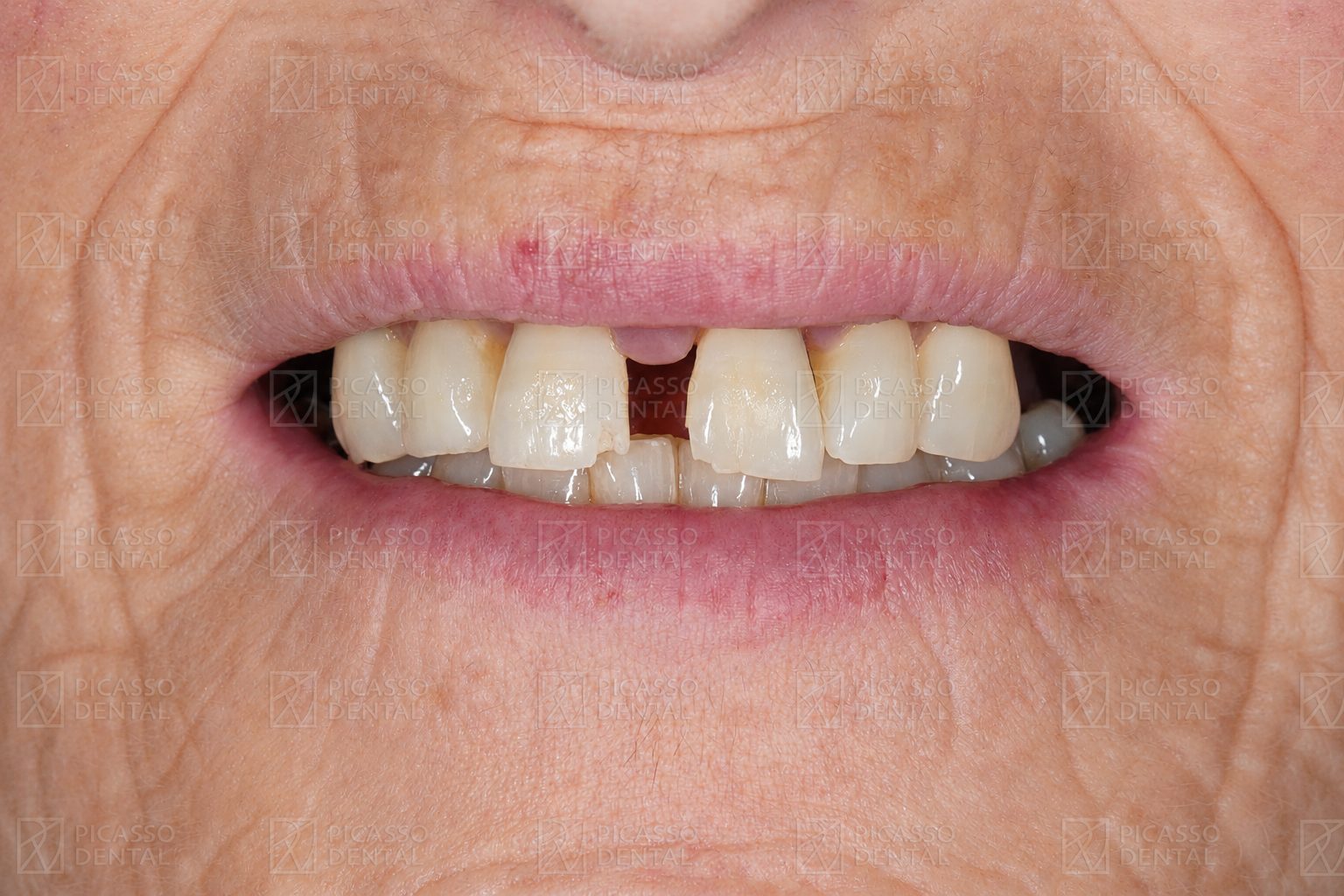 Before
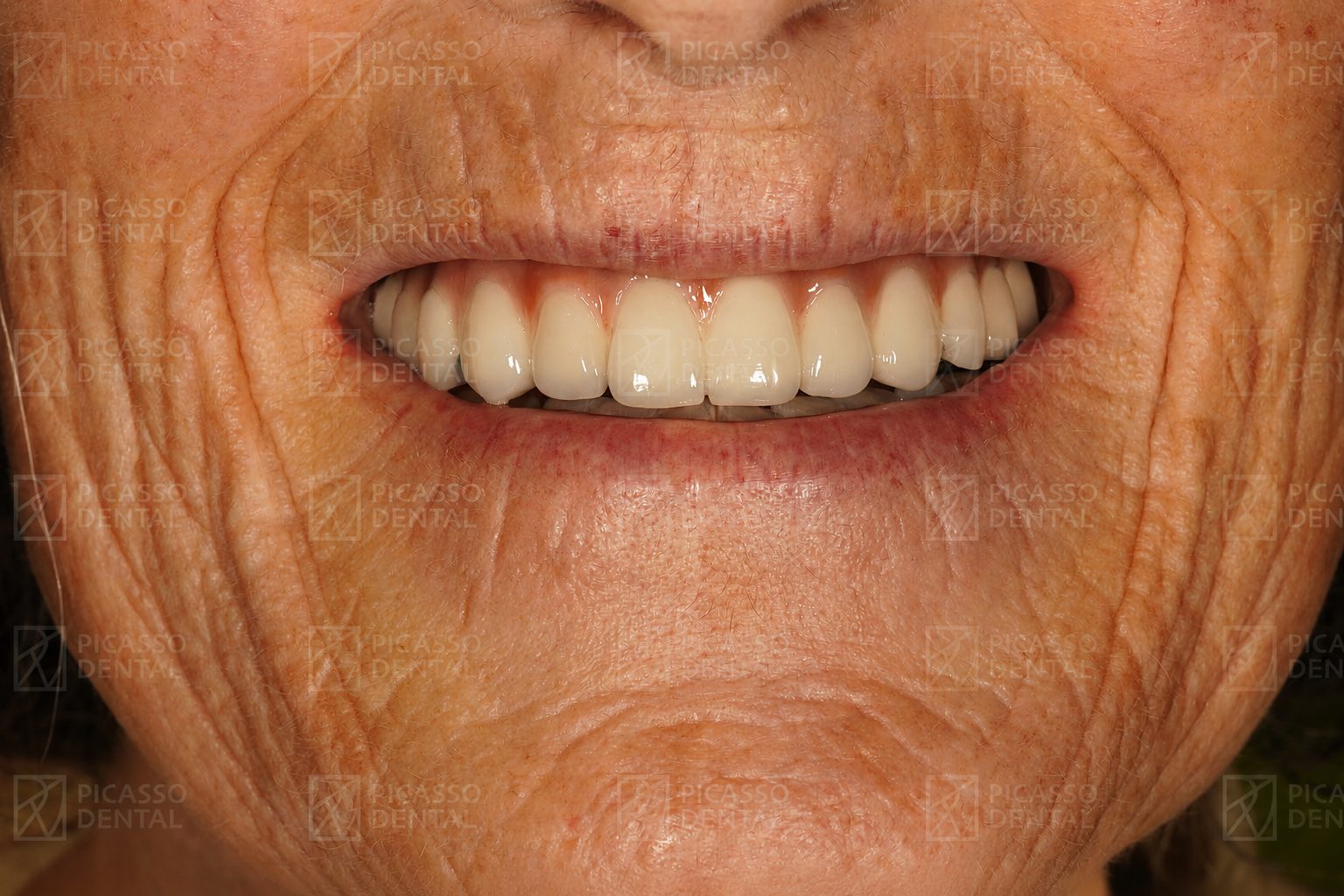 After
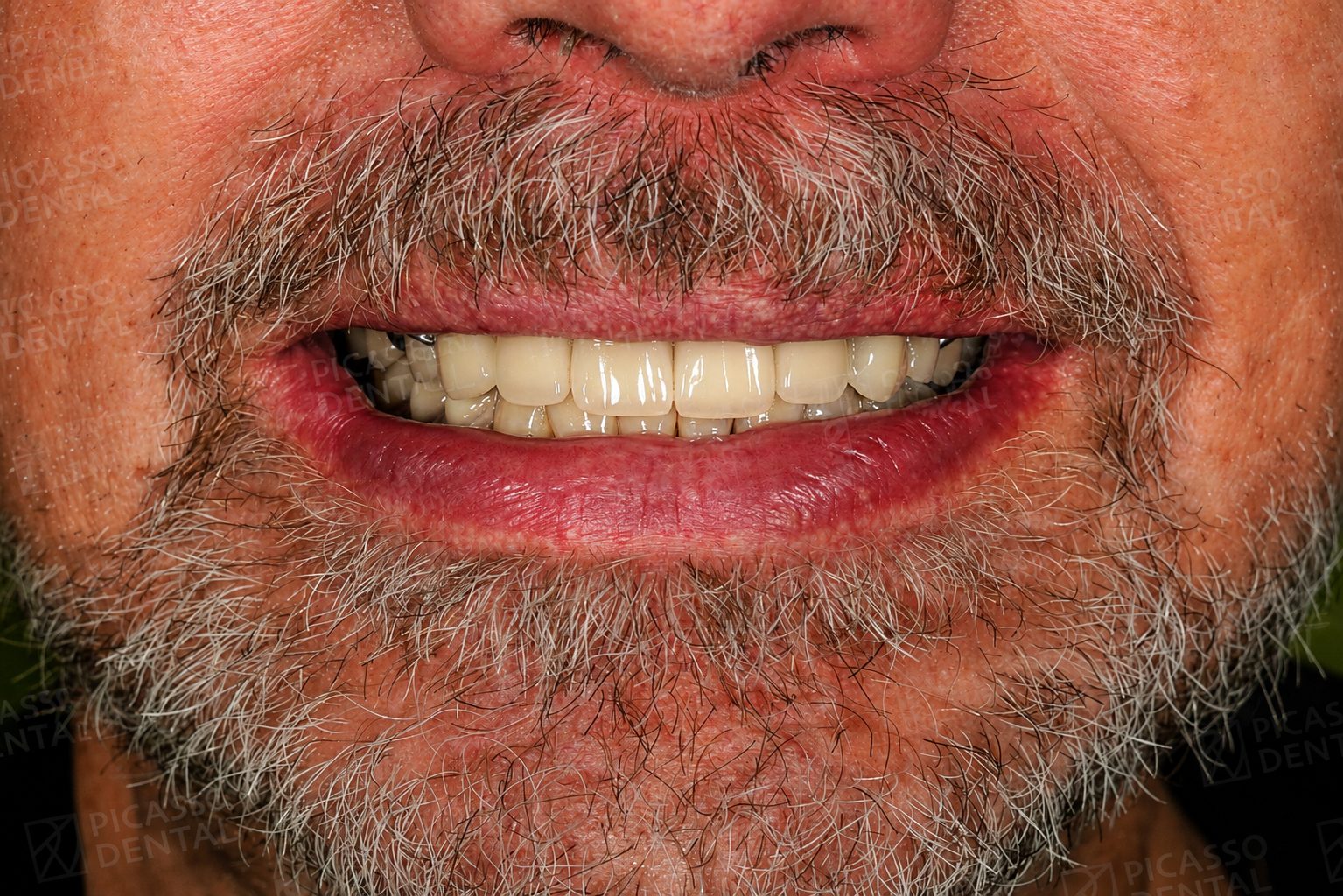
AfterFull rehabilitation, Hanoi Old Quarter
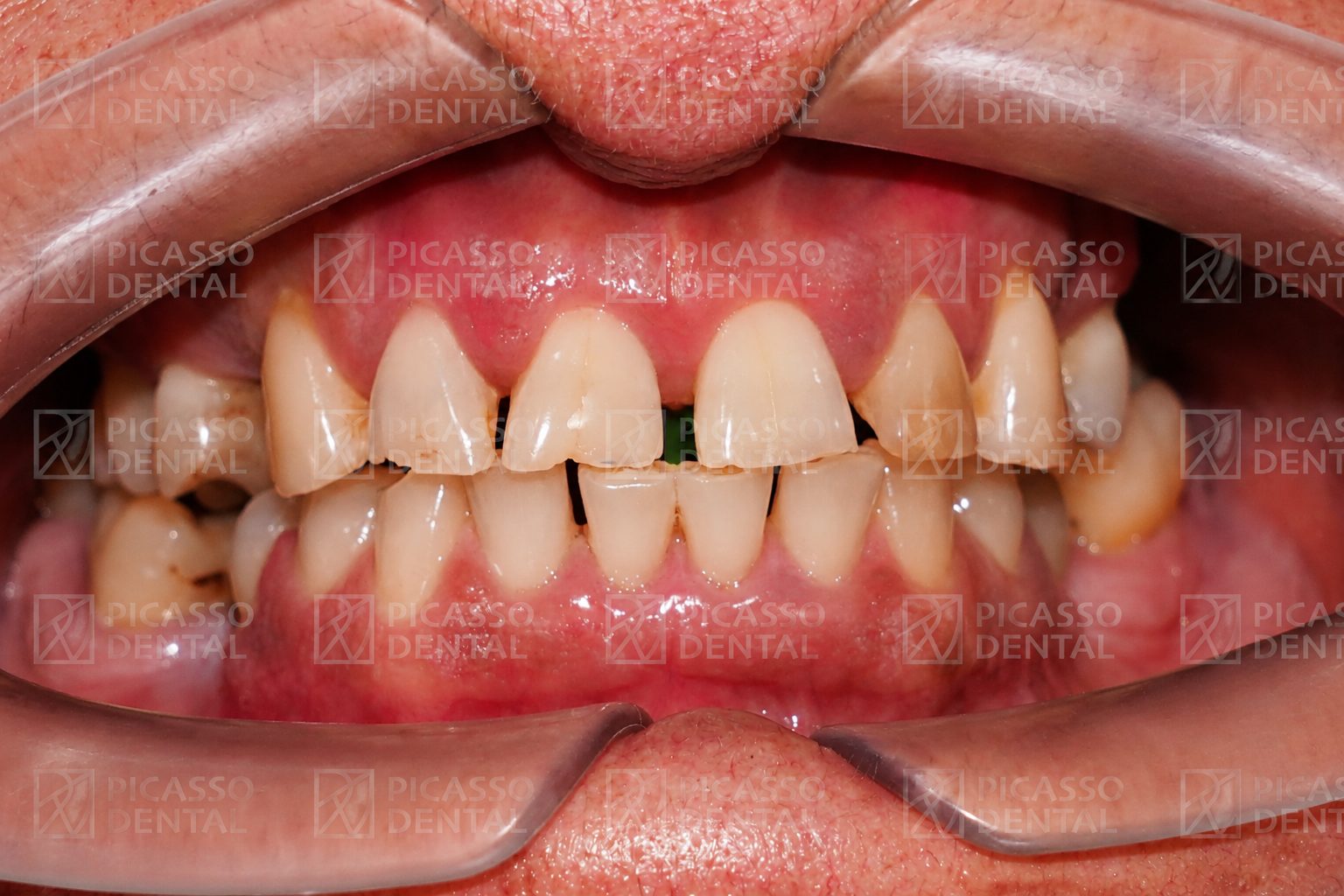 Before
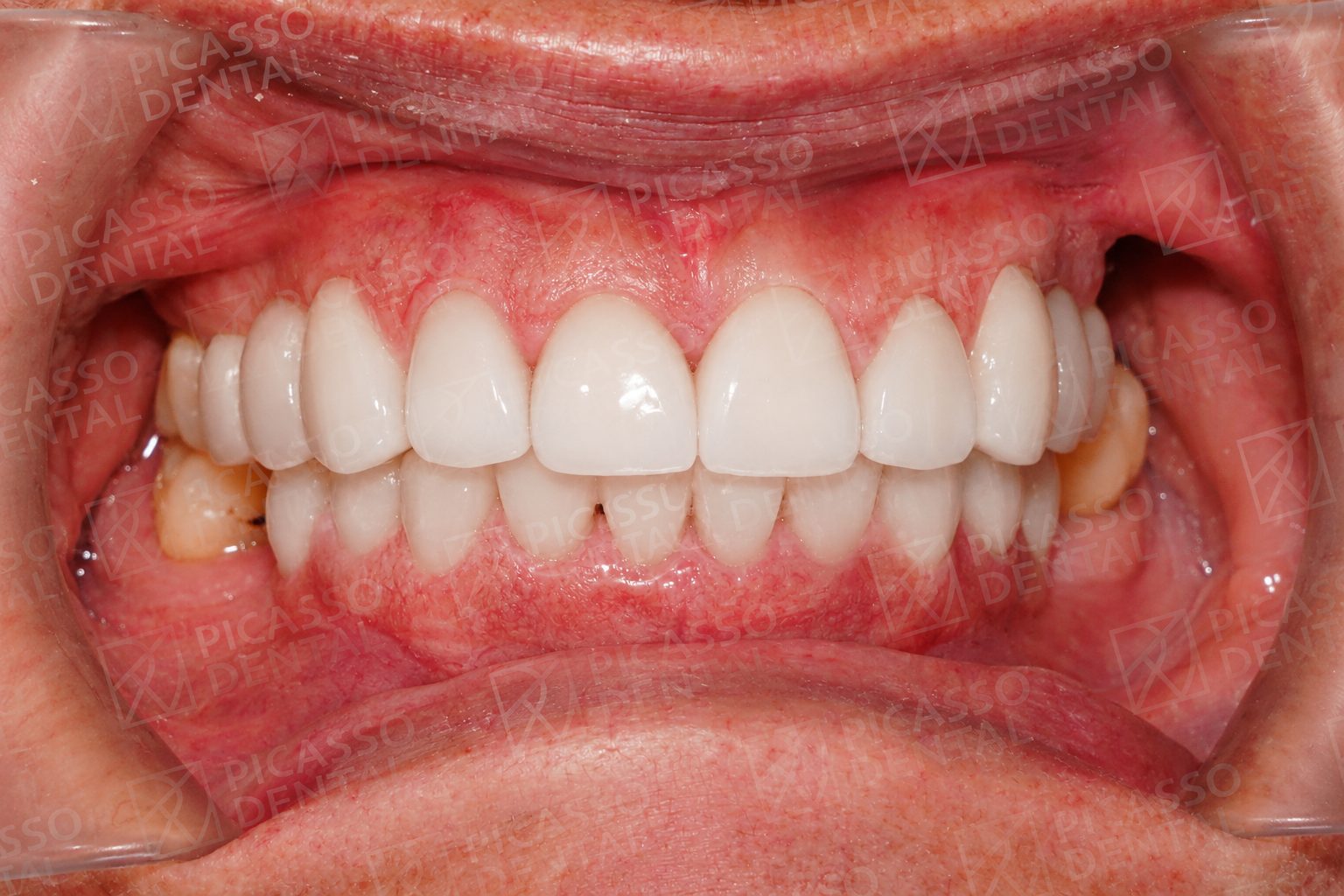 After
AfterPorcelain crowns, Da Nang
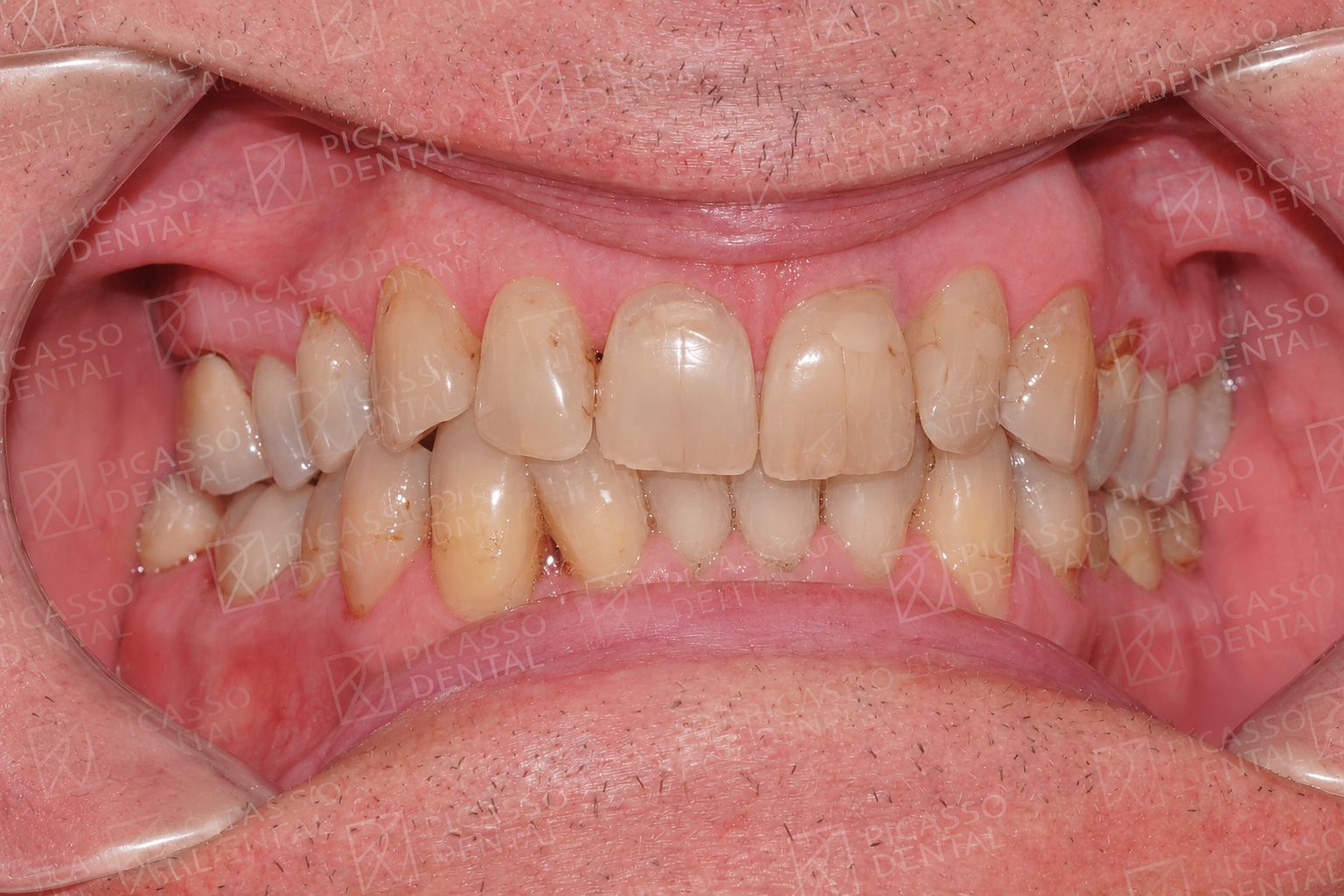 Before
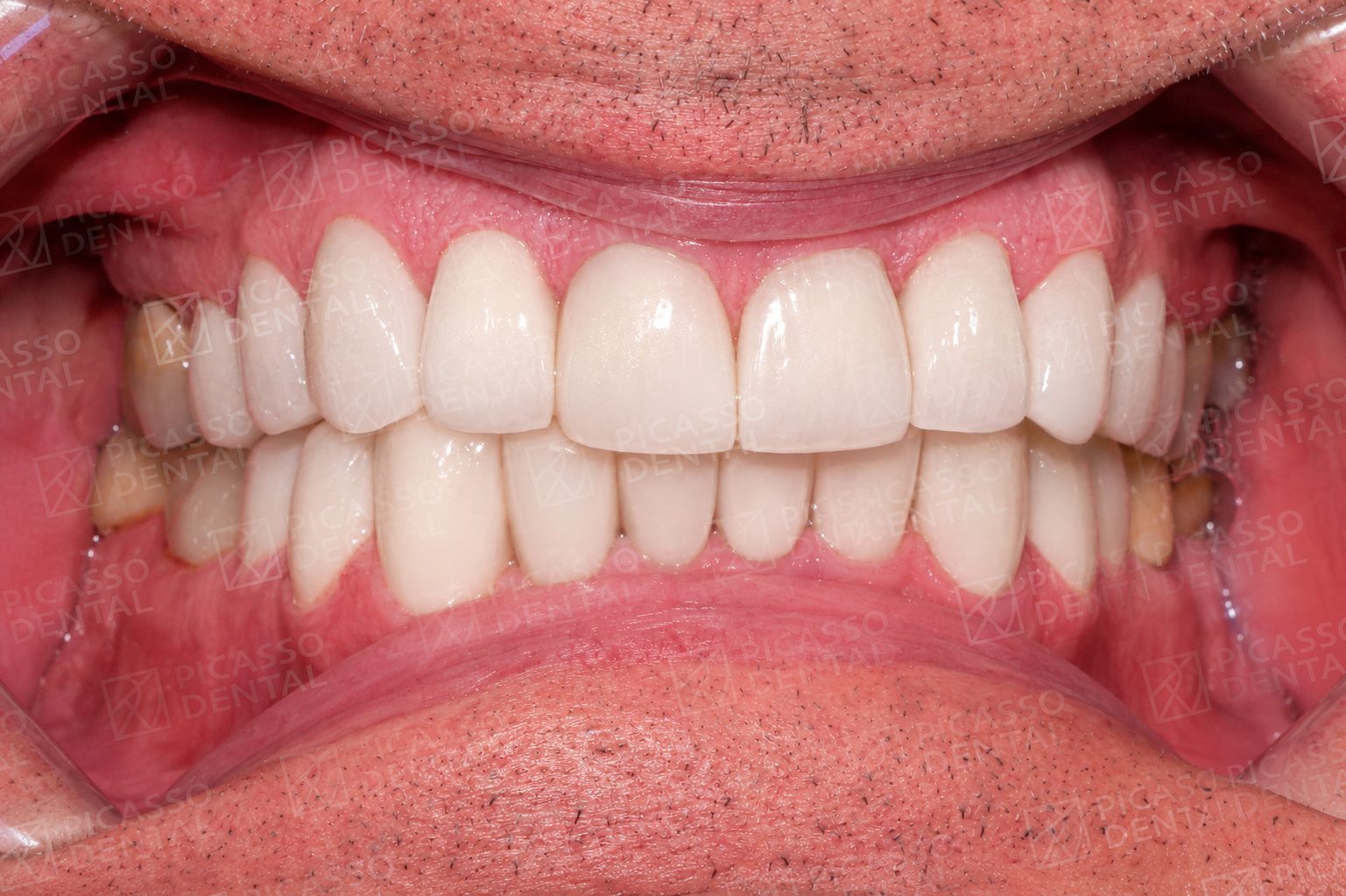 After
AfterCrown and implant, HCMC Thao Dien
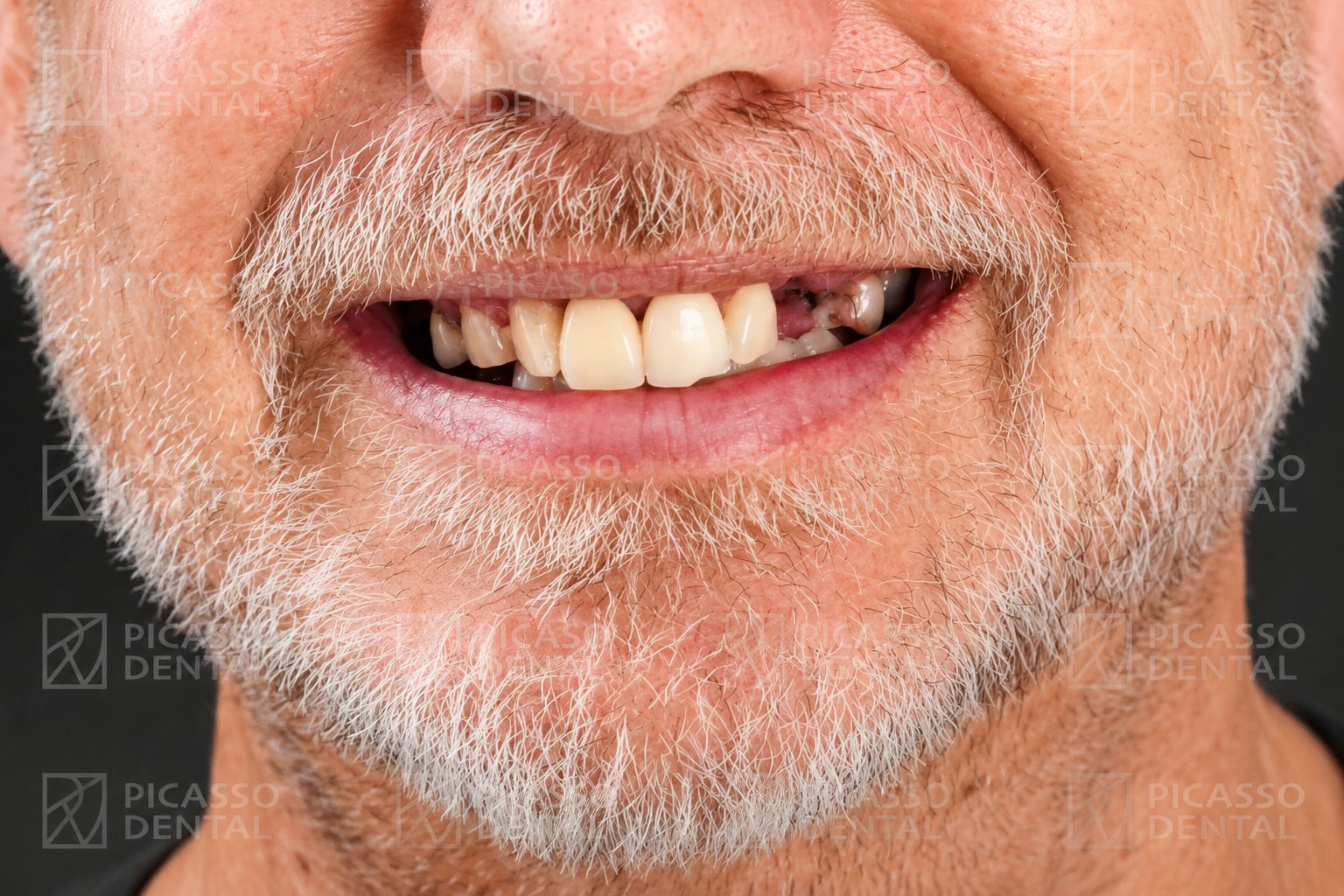 Before
 After
AfterCrown restoration, Hanoi Westlake
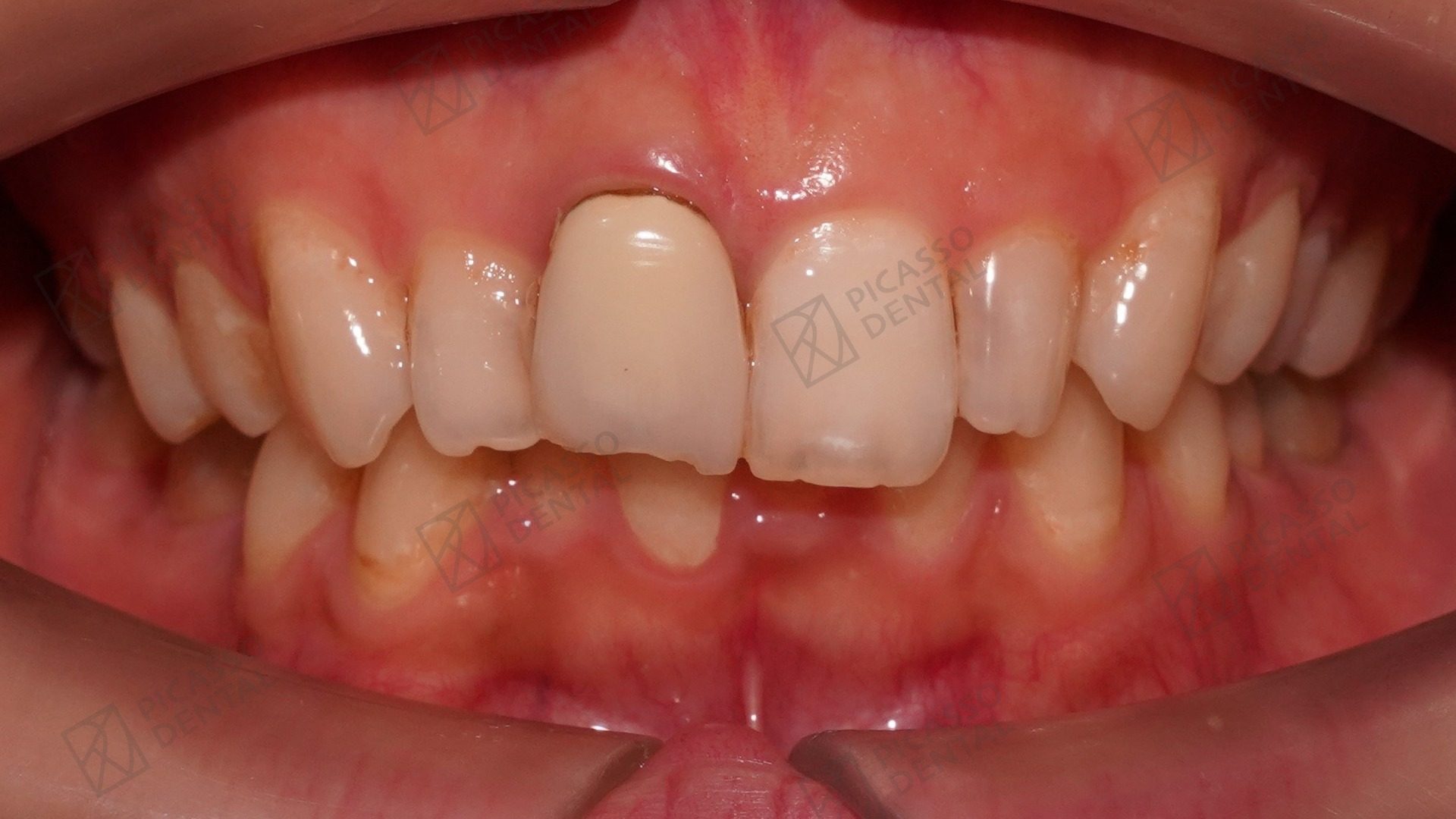 Before
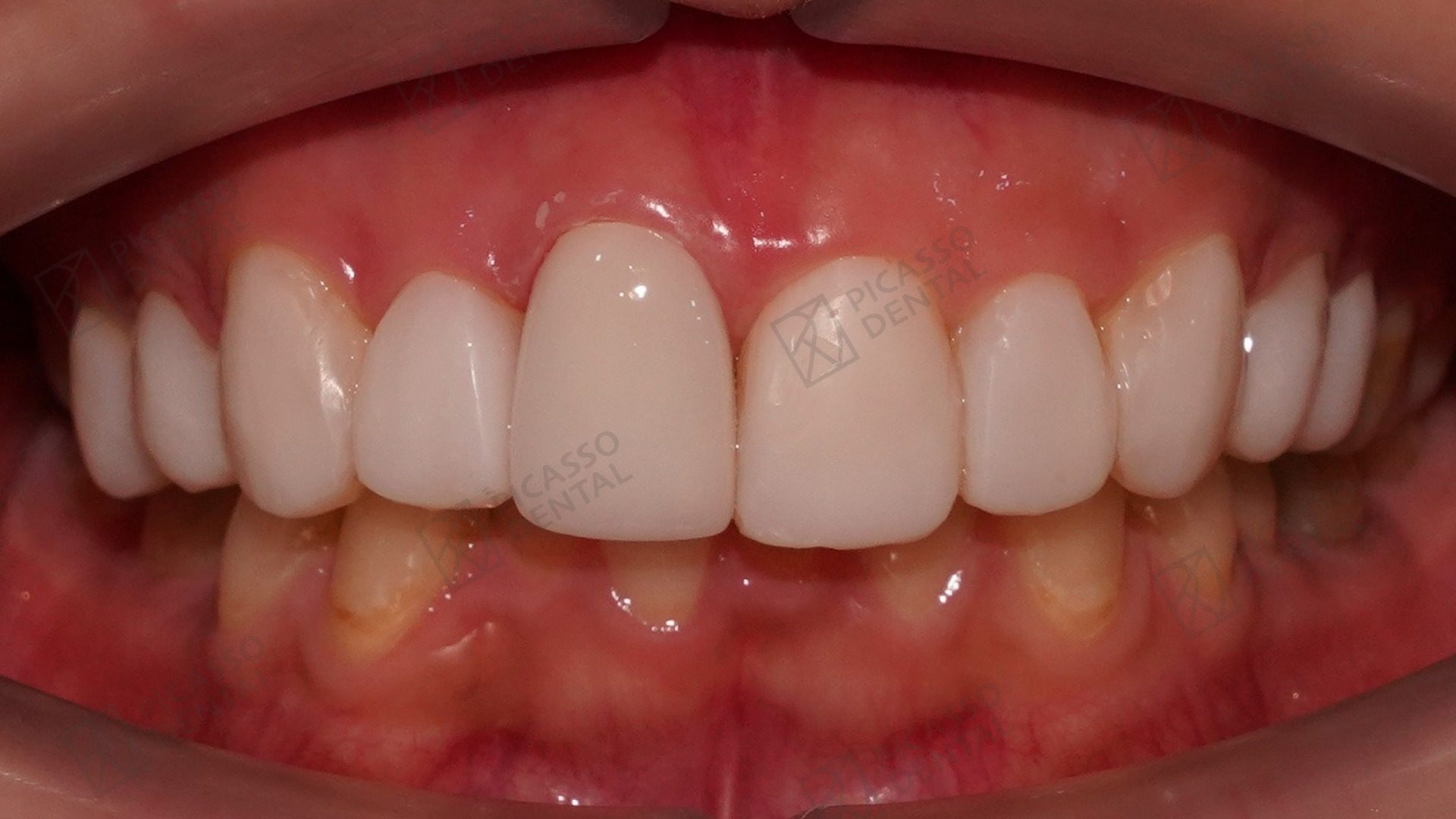 After
AfterSmile restoration, Da Nang Flagship
Frequently asked questions
Can you smoke before wisdom tooth removal?
You should not smoke before wisdom tooth removal. Stop at least 12 to 24 hours before your extraction appointment. Nicotine constricts blood vessels, which impairs anaesthetic distribution and raises bleeding risk during the procedure. If you smoke regularly, tell your dentist before the appointment so they can adjust their approach.
Can you vape before wisdom tooth removal?
No. Vaping before wisdom tooth removal carries the same risks as cigarettes. Nicotine in e-cigarettes still constricts blood vessels and reduces oxygen delivery. Stop vaping at least 24 hours before your extraction, ideally 48 hours. After surgery, do not vape for at least 72 hours because the suction mechanics are identical to cigarette smoking and carry the same dry socket risk.
Can you smoke after wisdom tooth removal?
You should not smoke for at least 72 hours after wisdom tooth removal. The suction created when smoking can dislodge the blood clot protecting the extraction socket, causing dry socket. Waiting a full week significantly reduces your risk of complications compared to resuming after just 72 hours.
How much does smoking increase dry socket risk?
Smokers are approximately three times more likely to develop dry socket than non-smokers. Dry socket affects roughly 2 to 5 percent of all wisdom tooth extractions overall. Among smokers, that rate rises to 12 to 15 percent. Patients who smoke within 24 hours of surgery have the highest documented rates.
What is dry socket and how do I know if I have it?
Dry socket occurs when the blood clot that forms in the extraction socket is dislodged or dissolves before the wound heals, exposing the underlying bone and nerve. Symptoms appear two to four days after extraction and include severe throbbing pain radiating to the ear or jaw, a visible empty socket with exposed bone, and a foul taste or smell. Standard pain relief does not control dry socket pain. Contact the clinic immediately if you develop these symptoms.
Can you use nicotine patches after wisdom tooth removal?
Yes, nicotine patches are a safer alternative to smoking or vaping during recovery. They deliver nicotine transdermally without creating suction or introducing heat into the mouth. This removes the main mechanical trigger for dry socket. Nicotine still slows healing through vasoconstriction, so patches are not ideal, but they are significantly less harmful than any inhaled product during the first week of recovery.
Does cannabis smoking carry the same dry socket risk?
Yes. Cannabis smoking creates the same suction mechanics as cigarette smoking and carries the same dry socket risk. The combustion products also irritate the healing wound environment. Patients who use cannabis should follow the same pre- and post-operative smoking guidelines as cigarette smokers.
Start Here
Start with a brief.
Have questions about your wisdom tooth extraction and smoking habits? A Picasso clinician will respond with clear guidance within 24 hours. No obligation.