
Porcelain Veneers
Can Veneers Be Placed
on Lower Teeth?
Yes, and Here Is When It Makes Sense
Most veneer discussions focus on upper teeth, but lower veneers are just as effective when the clinical situation calls for them. Dr. Emily Nguyen explains the technique, the right candidates, and how to achieve a complete, harmonious smile.

The short version
- Lower teeth can receive porcelain veneers using the same technique as upper teeth, though extra precision is required due to their smaller size.
- Most patients who choose lower veneers are completing a full smile makeover or correcting specific chips and discoloration on the lower arch.
- Lower veneers cost the same as upper veneers because the materials and laboratory work are identical.
- Shade matching between upper and lower veneers is achievable whether you do both arches together or the lower arch at a later date.
- Patients whose lower teeth are healthy, well-aligned, and already compatible with new upper veneers often do not need lower veneers at all.
Why lower teeth are less discussed but still matter
When patients browse veneer photos or read about smile makeovers, the images almost always show upper teeth. This is because the upper arch is visible when you smile at rest, when you speak, and when your lips are parted. Lower teeth appear predominantly when you tilt your head back, smile very widely, or pronounce certain sounds. For many patients, the upper arch is the priority and the lower arch is an afterthought.
But lower teeth do show, and they show in ways that matter. When you speak, especially forming words with f and v sounds, your lower incisors make contact with your upper lip. People notice mismatched lower teeth after upper veneers more than they expect to. Patients who have chipped a lower incisor are often reminded of it every time they catch a glimpse of themselves in a mirror or a phone camera. The visibility may be less constant than for upper teeth, but the cosmetic concern is real.
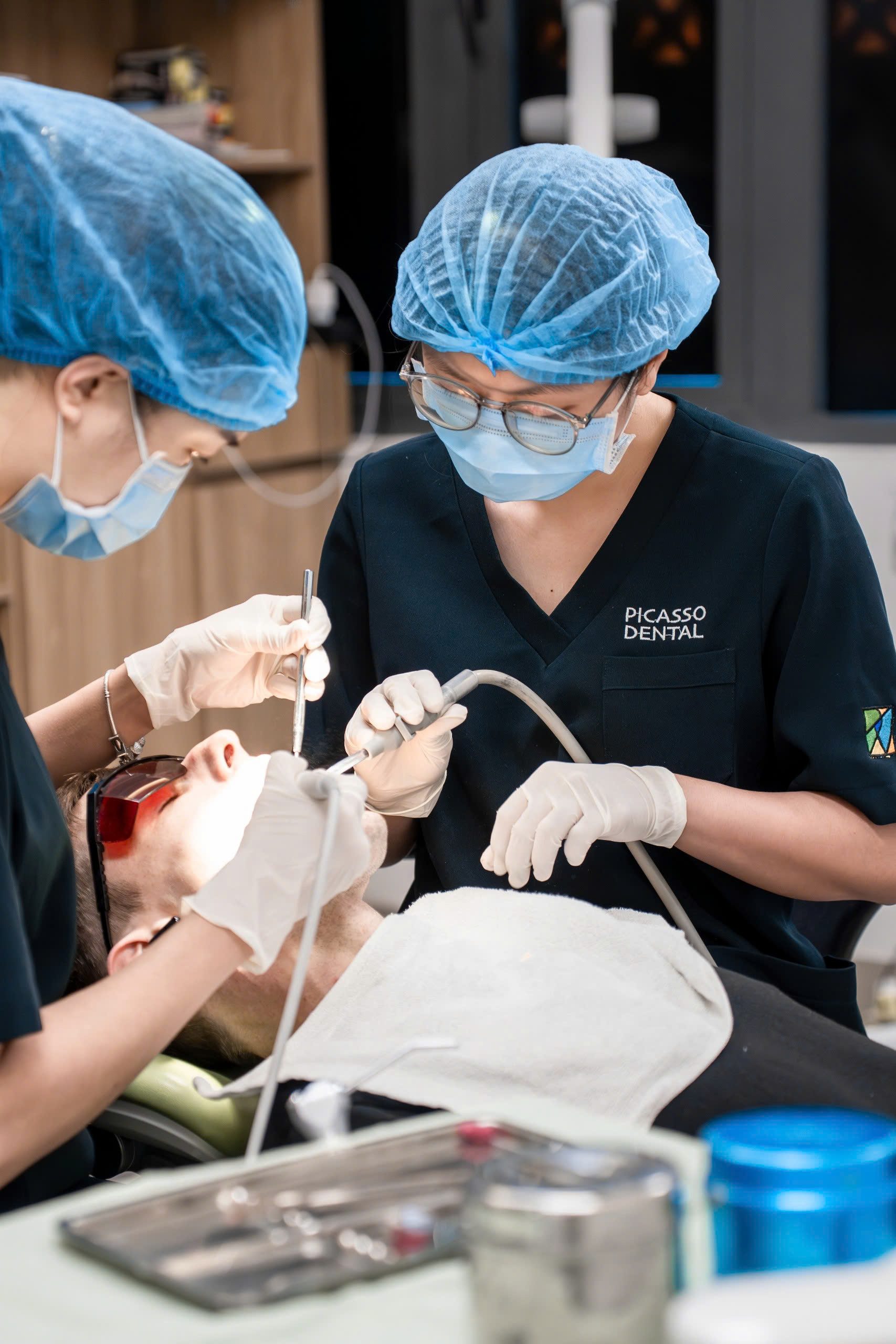
The clinical answer to whether veneers can go on lower teeth is straightforwardly yes. The procedure is well-established, the materials are the same, and the longevity is comparable to upper veneer outcomes when preparation and bonding are done correctly.
Who benefits most from lower veneers
After treating over 70,000 patients since 2013, I have found that lower veneer patients tend to fall into three groups. The first and largest group are patients completing a full smile makeover. If you are investing in eight upper veneers, the difference in visibility between your newly ceramic upper teeth and your natural lower teeth may become apparent. Adding six to eight lower veneers creates total consistency. The ceramic lab can match shade, translucency, and surface texture across all sixteen teeth simultaneously, which is the best way to achieve a result that looks genuinely natural rather than obviously treated.
The second group are patients with specific complaints about individual lower teeth. A chipped lower incisor from an old fall, a lower tooth that turned gray after a root canal years ago, or two lower teeth with overlapping edges that collect stain are all situations where a targeted veneer or a short run of three to four lower veneers solves the problem cleanly. These patients are not looking for a complete makeover; they want the lower arch to stop drawing attention.
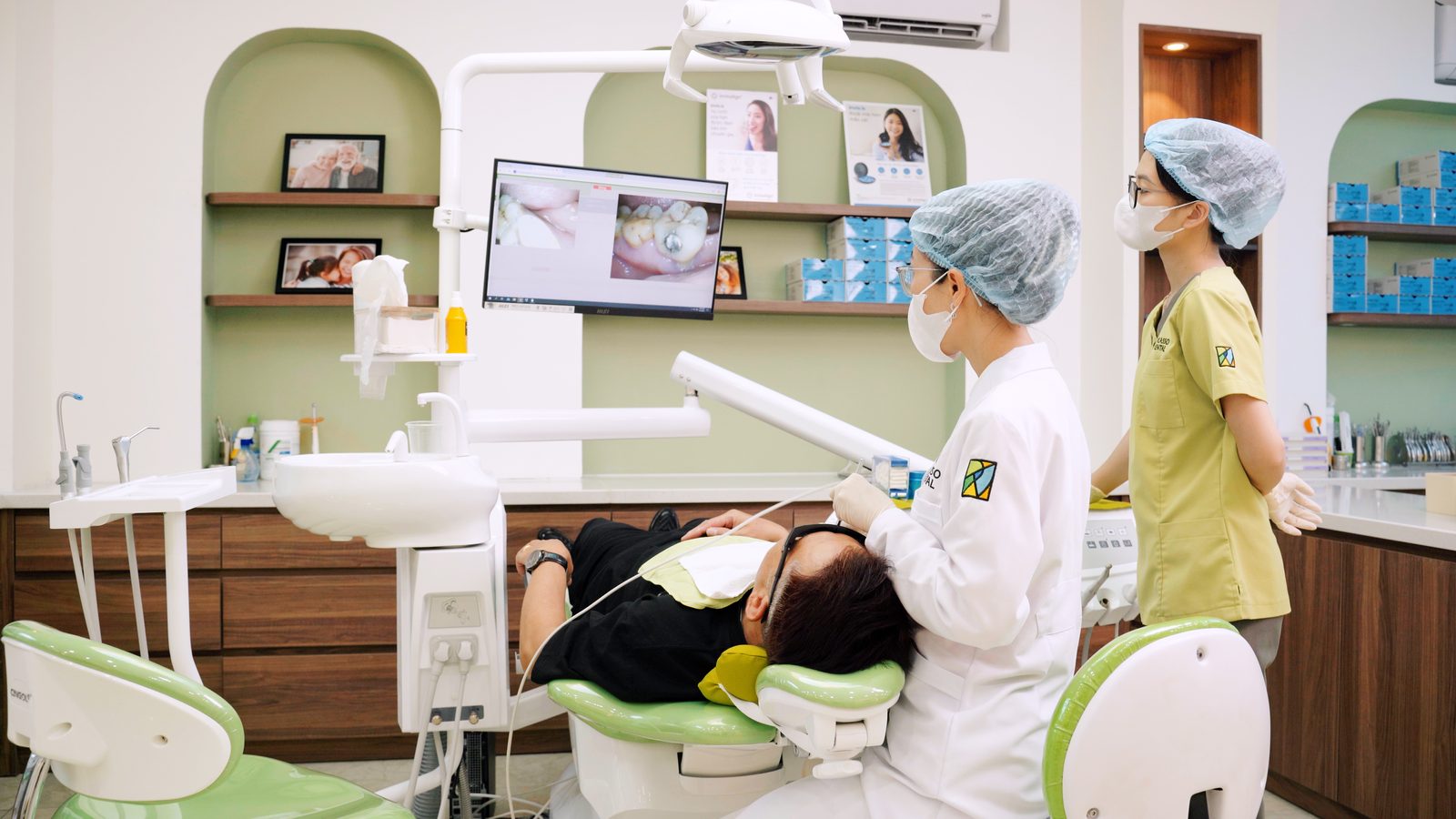
The third group are patients with a smile pattern that shows lower teeth prominently. Some facial structures and natural lip positions reveal more of the lower arch than average when speaking or laughing. These patients notice their lower teeth in photos and want them improved even without a full upper treatment.
Technical differences with lower veneer preparation
Lower front teeth are smaller and thinner than upper front teeth. This affects veneer preparation in two ways. First, the veneer itself is thinner and more delicate, which requires a more precise reduction of the existing enamel surface to ensure the porcelain has adequate thickness for strength. Second, lower teeth receive different forces than upper teeth. Your lower incisors contact the back surfaces of your upper incisors during every bite, and if the veneer preparation or bite adjustment is not precise, the veneer can chip or debond far sooner than expected.
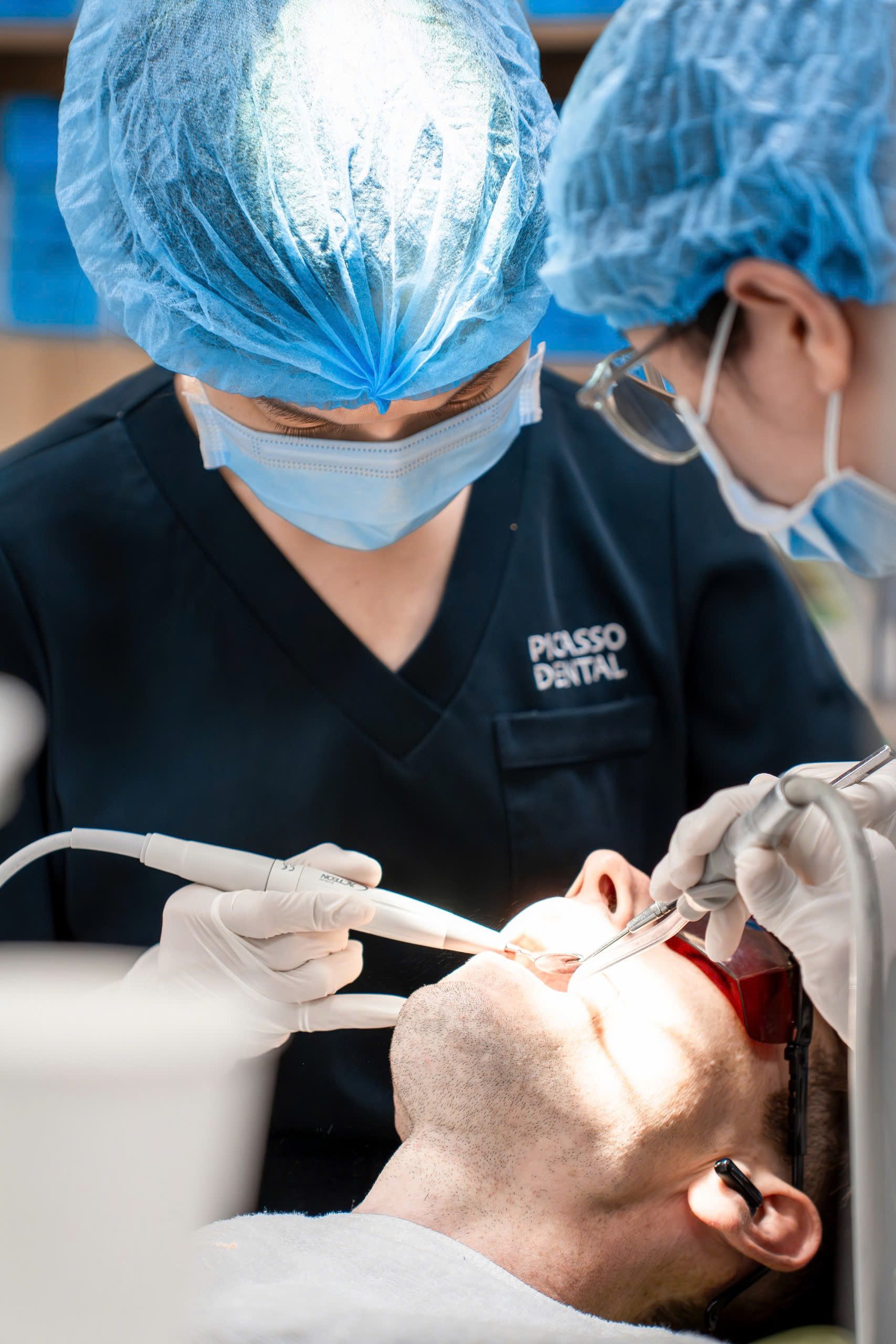
At Picasso Dental, we use a rubber dam for isolation during bonding, which is critical for lower teeth because moisture control is harder to achieve in the lower arch than the upper. The adhesive bond between porcelain and enamel is the foundation of veneer longevity, and any contamination during that step shortens it significantly.
"My Aussie dentist and the endodontist both commented on the quality of Dr Emily's work, equal to anything they had seen by local specialists."
Lawrie Smith, Hanoi Old Quarter, Google review
I also adjust the bite carefully at the fitting appointment for every lower veneer case. The veneers are tried in with a non-setting temporary adhesive first, the patient bites down naturally, and I check for any premature contacts. Any contact that could place the veneer under repetitive force is identified and refined before permanent bonding. This step is what separates lower veneers that last a decade from those that fail within two years.
Matching upper and lower for a complete smile
The most common scenario I manage is a patient who had upper veneers placed, is happy with the result, and is now considering lower veneers to complete the smile. Matching the lower to existing upper ceramic is not difficult but requires care. I take shade measurements of the existing upper veneers and provide those references to the ceramic laboratory along with the lower preparation impressions. The technician who made the original uppers, if available, is the ideal choice for the lowers because they know the nuances of that particular ceramic batch.
Wondering whether lower veneers would improve your smile? Share a photo and a clinician will respond within 24 hours with an honest assessment.
Contact us →When planning upper and lower veneers simultaneously, the laboratory works from a unified design that is approved digitally before any preparation begins. This digital smile design step allows us to show the patient a preview of how both arches will look together, adjust proportions, and confirm the shade before committing to the final result. It also eliminates the risk of an arch mismatch that can occur when upper and lower are designed independently.

A phased approach versus same-visit treatment
Many patients choose to complete upper veneers first, live with the result for several months, and then decide whether lower veneers are worth pursuing. This phased approach is entirely reasonable. Some patients find that after their upper teeth are transformed, their lower arch no longer draws attention and they are satisfied without the additional investment. Others realize that the contrast between their new ceramic uppers and natural lower teeth is more noticeable than they expected, and they want the lower arch completed.
Both paths work. The only practical advantage of doing both arches in the same treatment is that shade matching is done once by the same technician from the same reference point. If you add lower veneers a year or two later, the match is achievable but requires slightly more coordination. I have matched lower veneers to upper veneers placed at other clinics on multiple occasions, and the results are consistently good when proper shade documentation is provided.
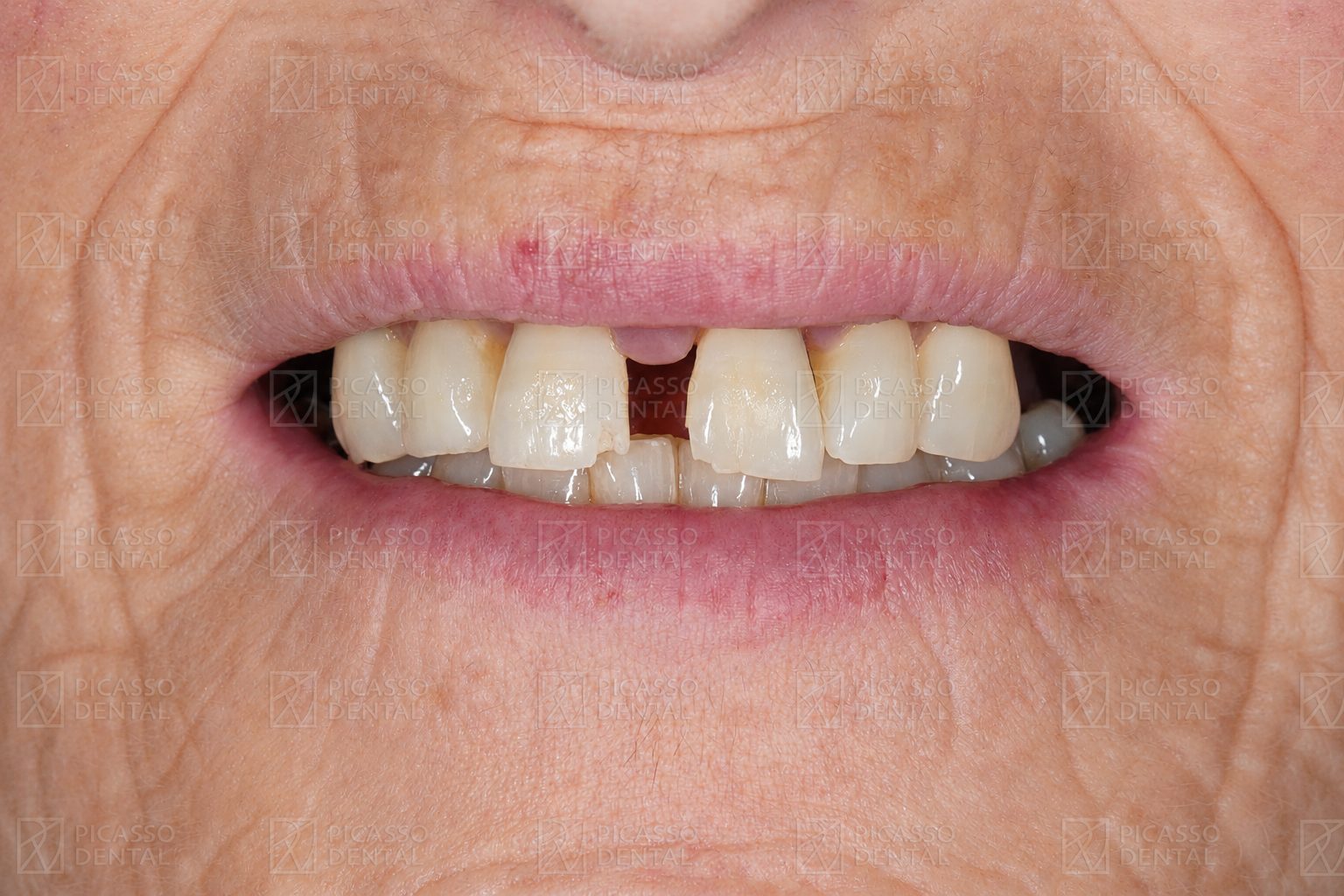 Before
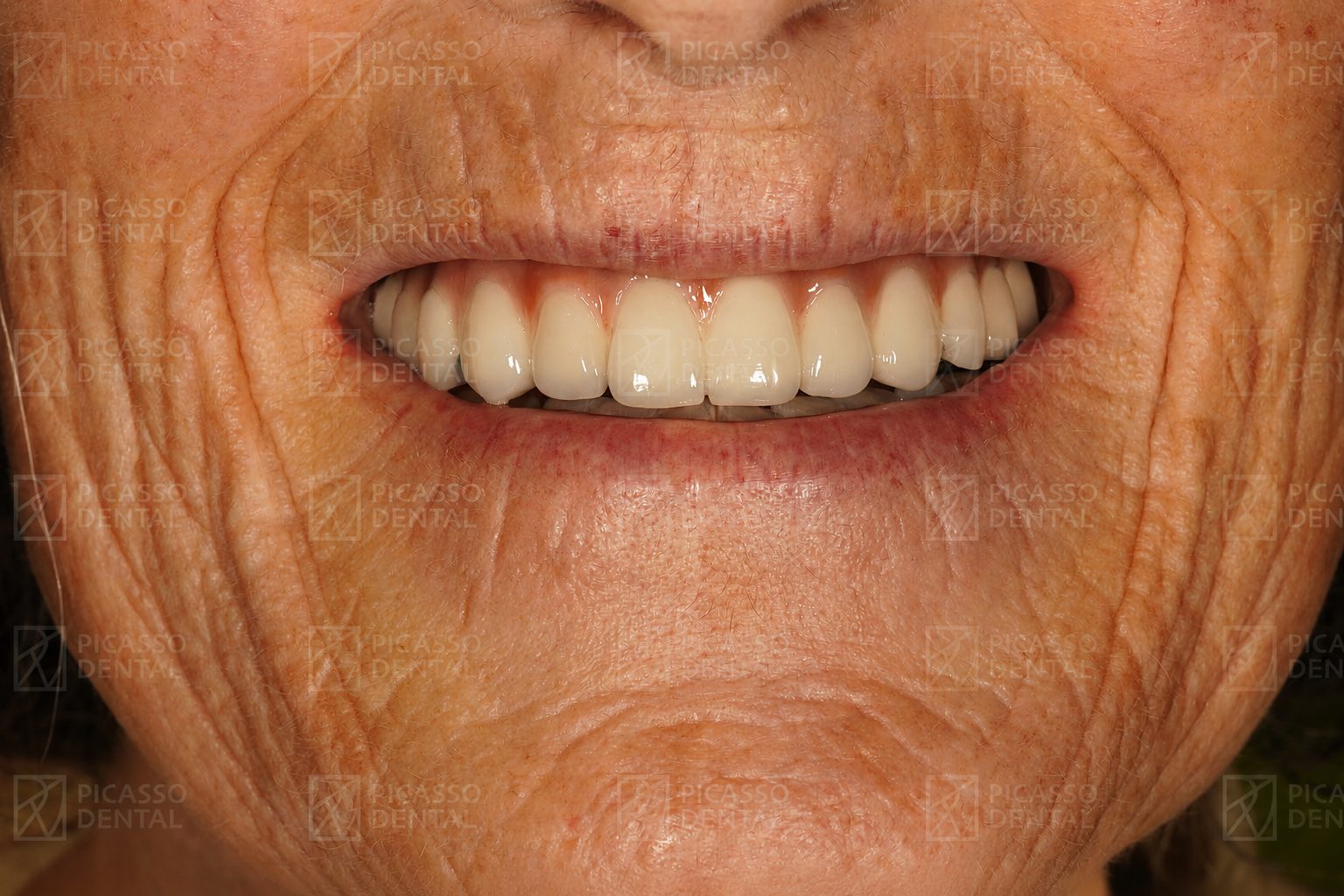 After
AfterFull rehabilitation, Hanoi Old Quarter
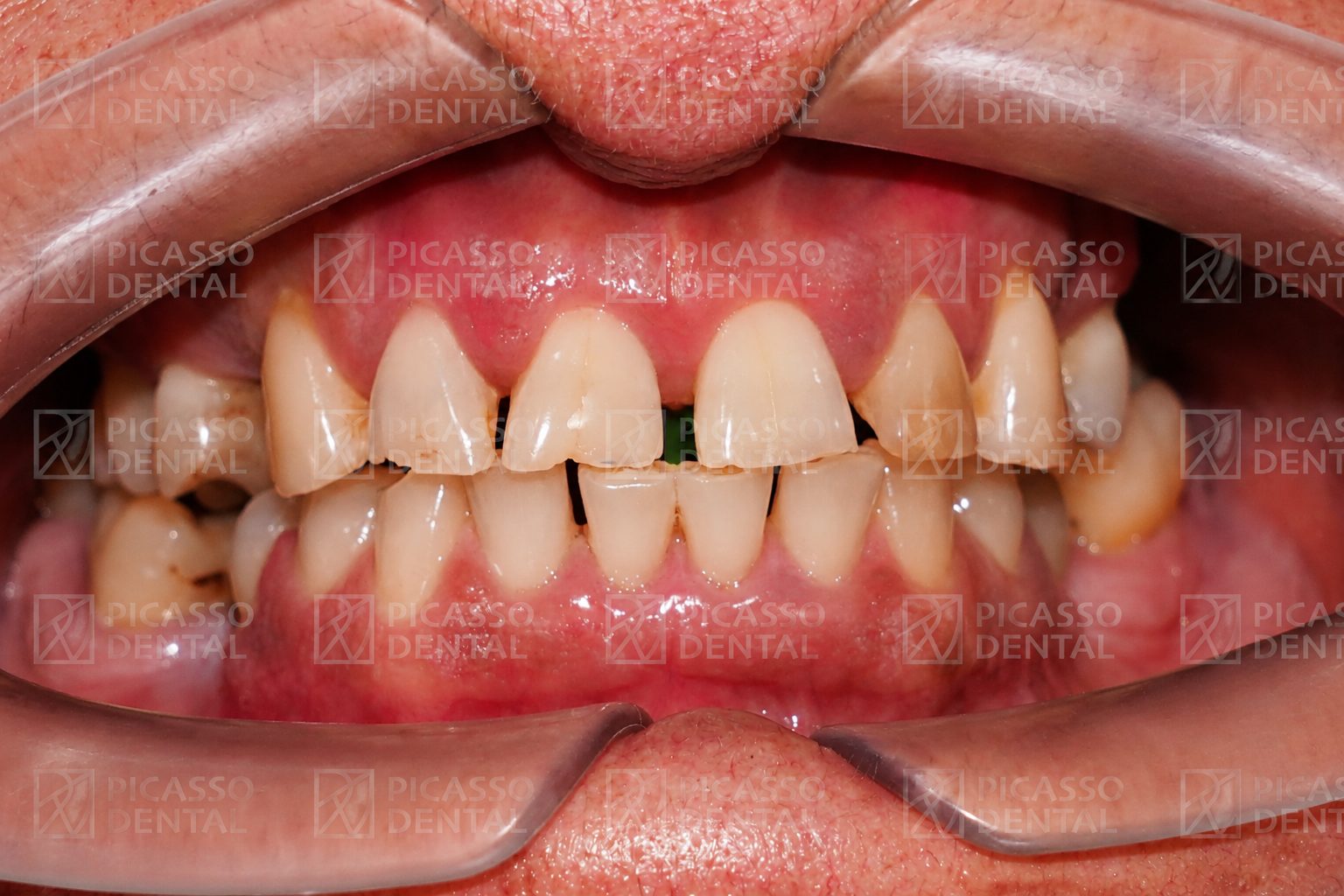 Before
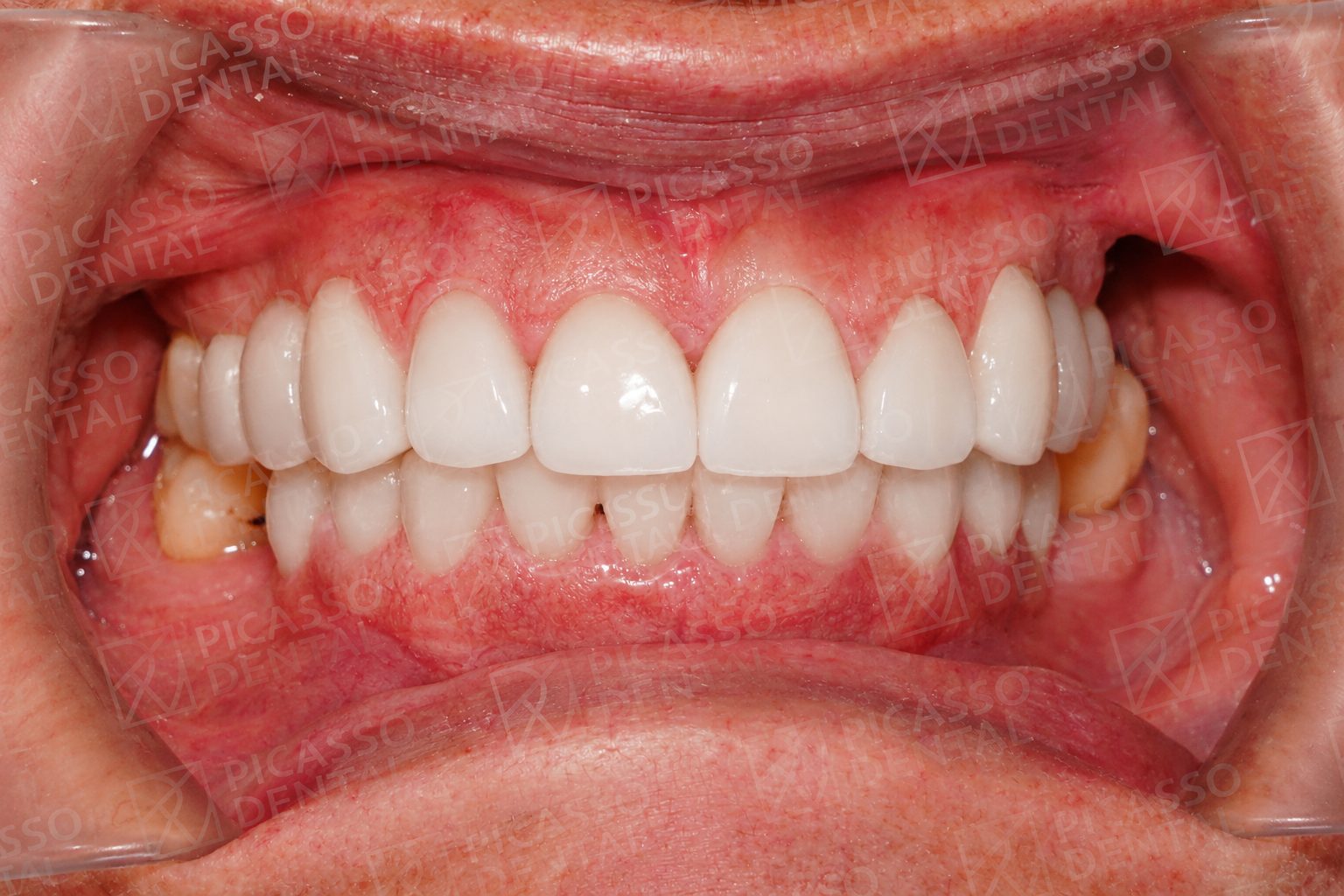 After
AfterPorcelain crowns, Da Nang
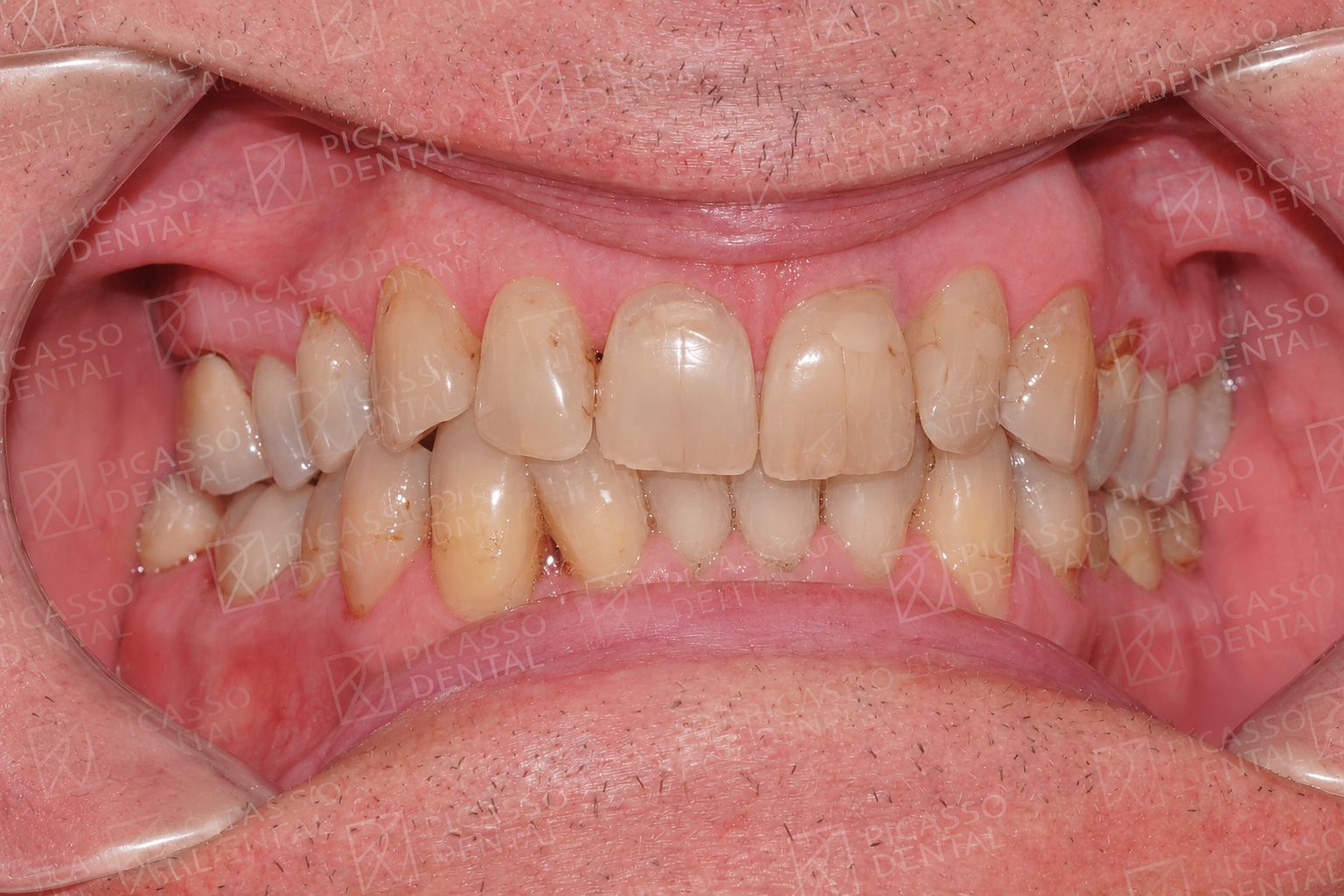 Before
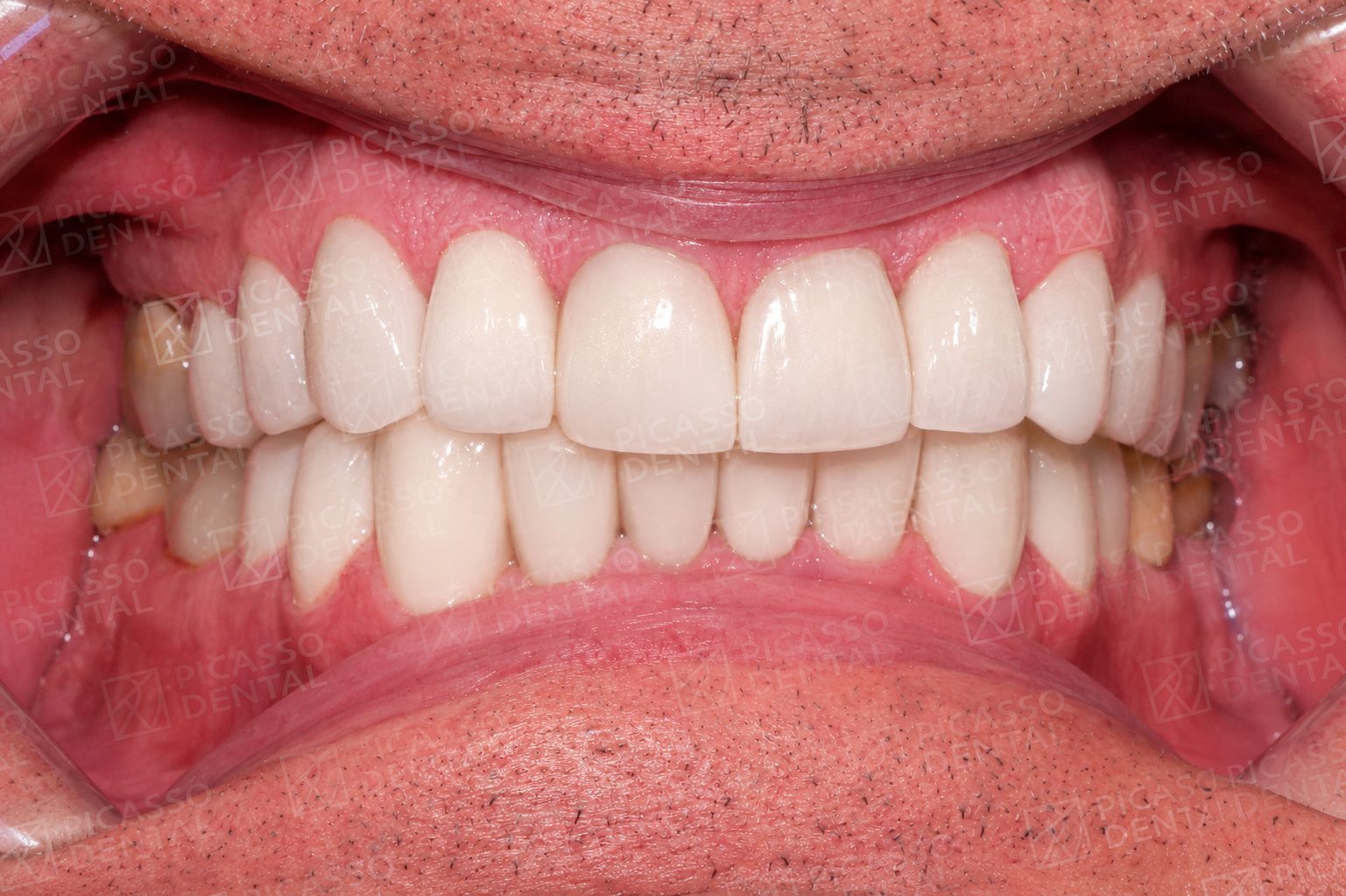 After
AfterCrown and implant, HCMC Thao Dien
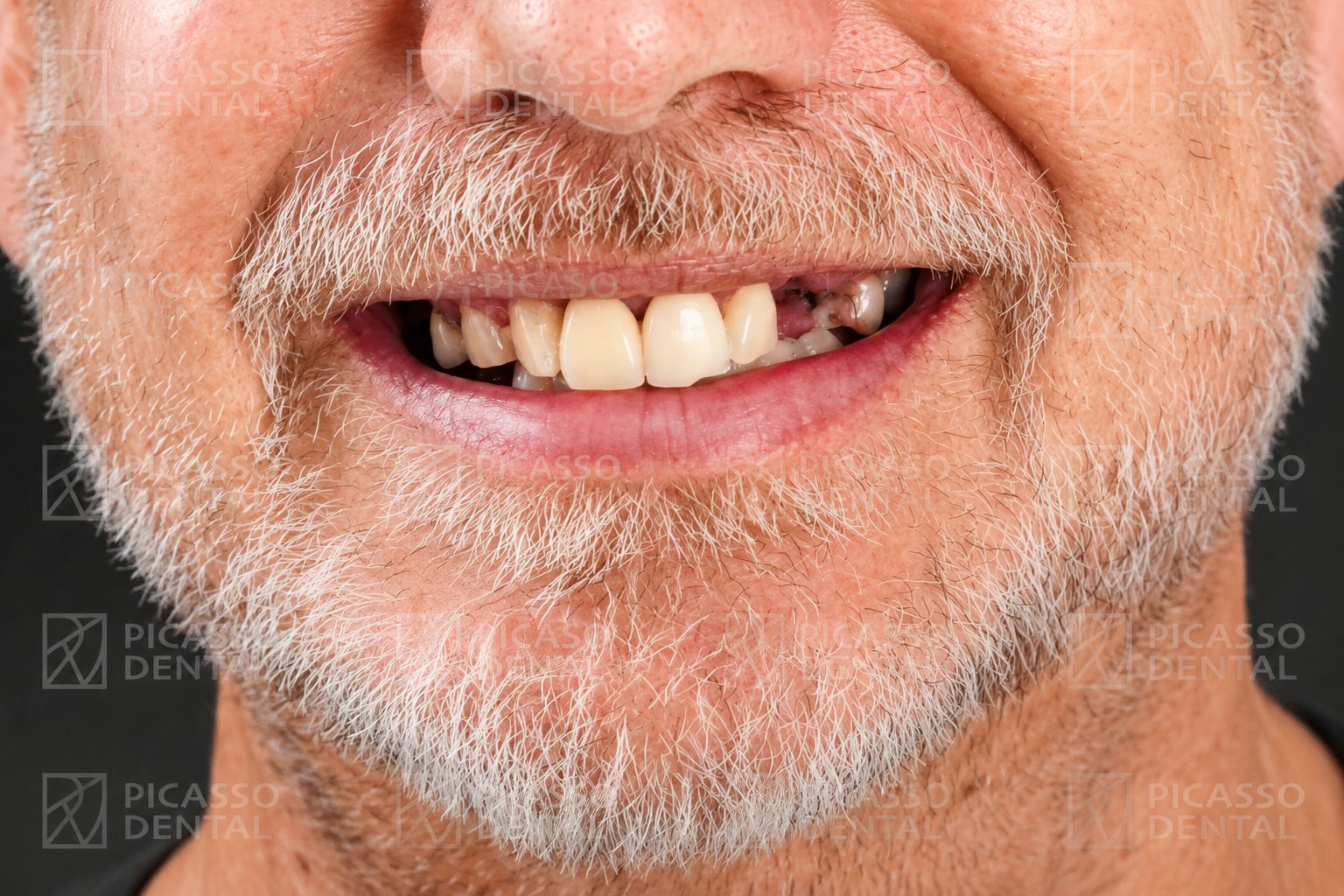 Before
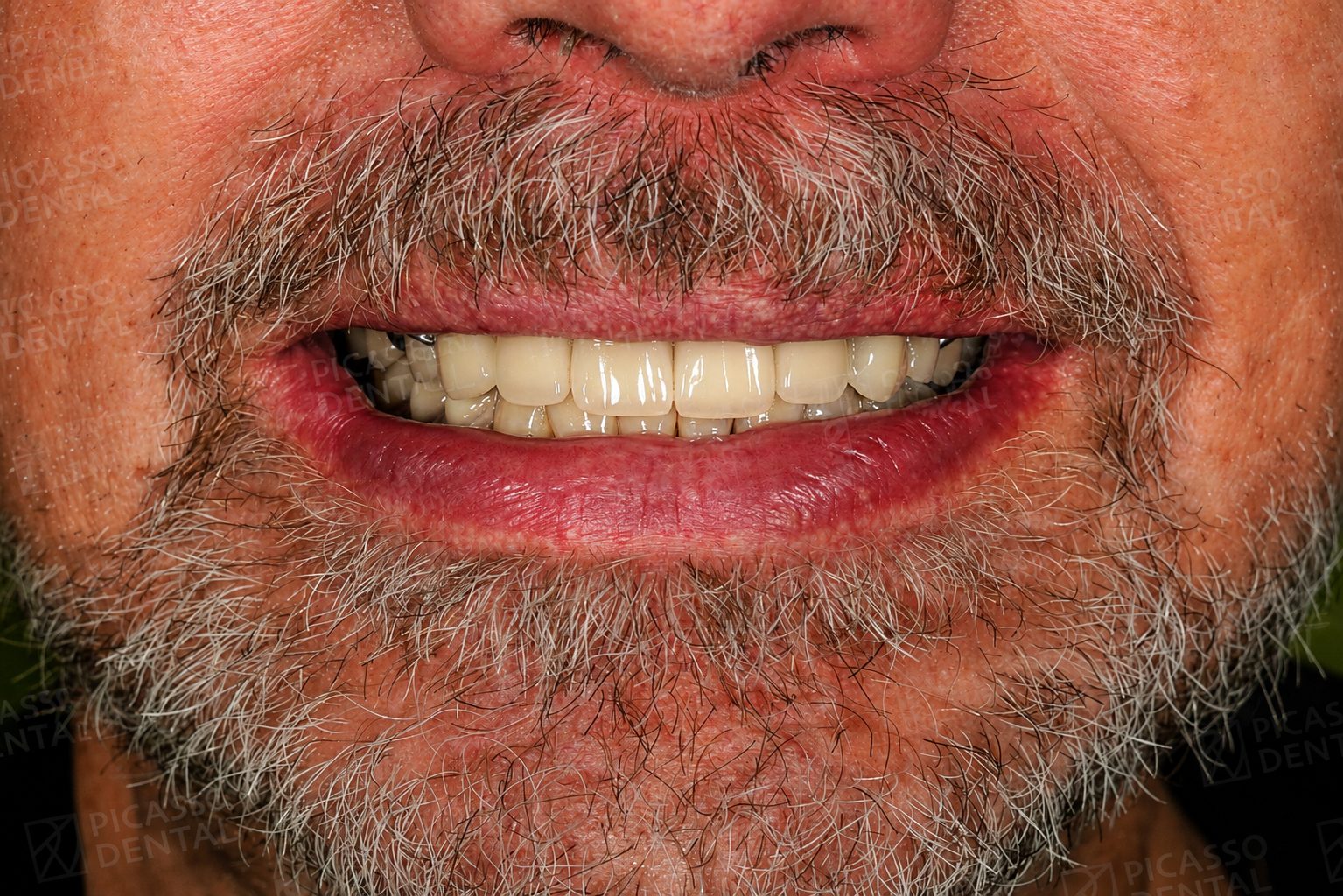 After
AfterCrown restoration, Hanoi Westlake
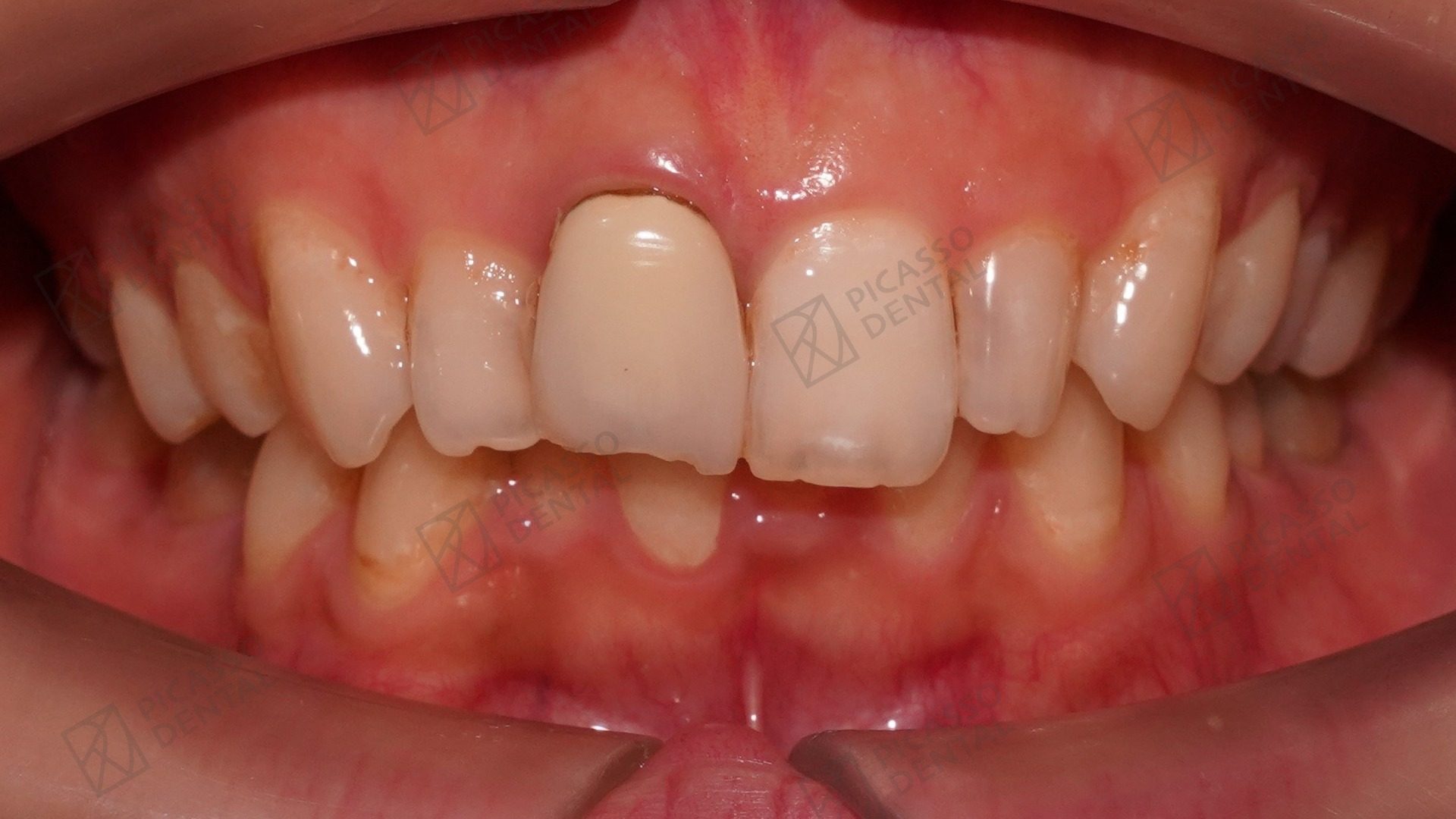 Before
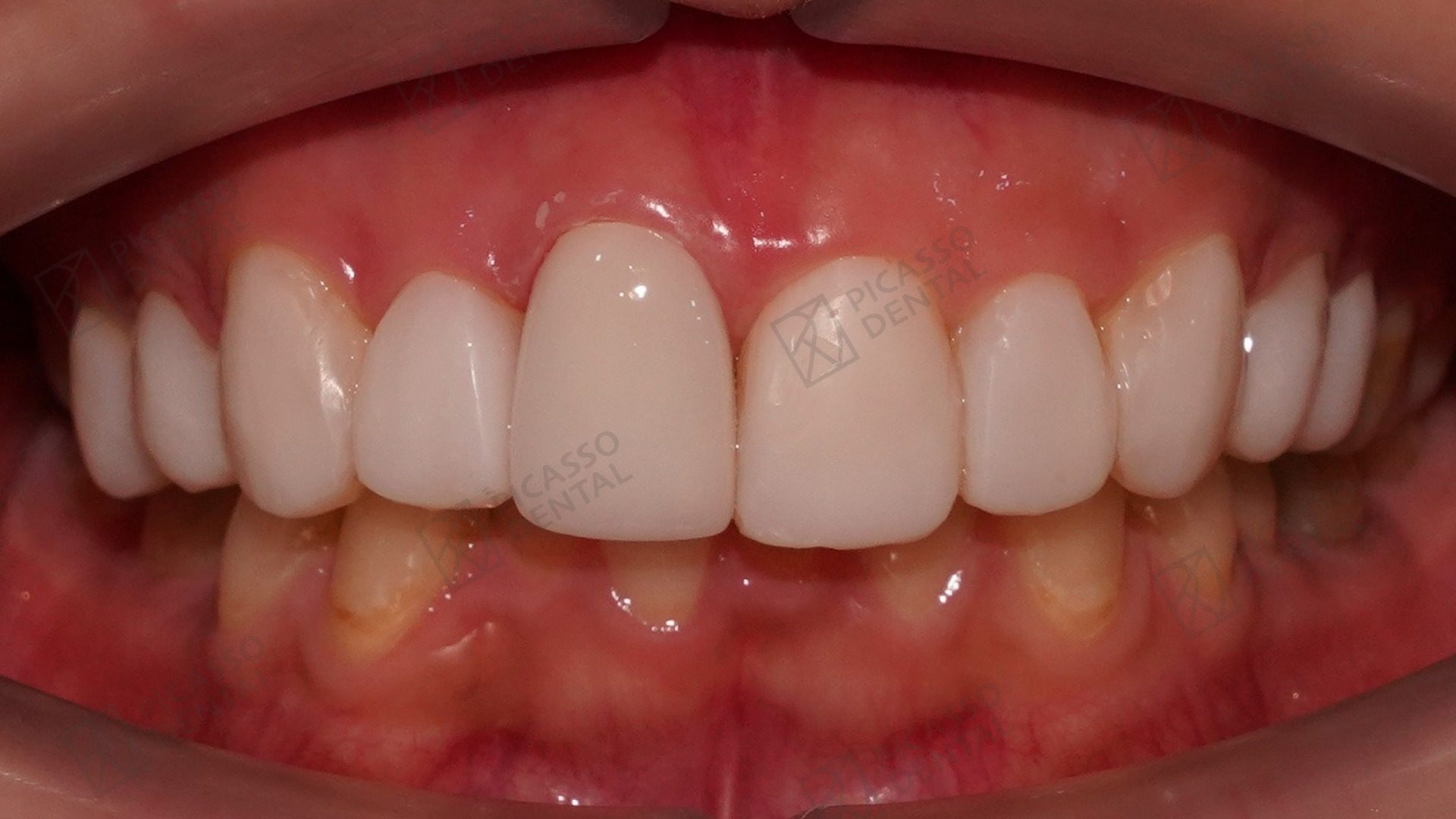 After
AfterSmile restoration, Da Nang Flagship
Frequently asked questions
Can veneers be placed on lower teeth?
Yes, veneers can absolutely be placed on lower teeth. The procedure is technically similar to upper veneer placement, though the thinner size of lower front teeth requires extra precision during preparation and bonding. Lower veneers are most commonly chosen by patients undergoing full smile makeovers or those with specific cosmetic concerns on their lower arch such as chips, discoloration, or visible crowding.
Do lower veneers look natural?
Lower veneers look completely natural when designed by an experienced dentist. The key is proportioning the veneer to match the smaller size of lower front teeth and selecting a shade that complements the upper teeth. Modern dental ceramics allow for very thin, translucent veneers that mimic natural enamel closely, even on small lower incisors.
How long do lower veneers last?
Lower veneers last as long as upper veneers when placed correctly and cared for properly, typically 10 to 15 years. The main risk for lower veneers is bite interference if the preparation and bonding are not precise. A well-designed lower veneer that does not interfere with the upper teeth will last the same duration as any other porcelain veneer.
Do lower veneers cost more than upper veneers?
No, lower veneers are priced the same as upper veneers at Picasso Dental Clinic because the materials and laboratory work are identical. Six to eight lower veneers is the typical range for patients who want complete lower arch coverage. Patients who add lower veneers after completing their upper arch are quoted the same per-tooth rate.
Should I get upper and lower veneers at the same time?
It is ideal to complete upper and lower veneers in the same treatment phase so that the shade, shape, and surface texture are matched by the same ceramic technician working from the same design reference. However, many patients choose to complete upper veneers first and evaluate whether lower veneers are needed. Both approaches work well; the primary advantage of doing them together is guaranteed uniformity.
Can lower veneers fix chips and discoloration?
Yes. Lower veneers are an excellent solution for chipped lower incisors from accidents or wear, and for discoloration on lower teeth that does not respond to whitening. A porcelain veneer covers the entire visible front surface of the tooth, masking chips and internal or surface discoloration completely and permanently.
Which patients benefit most from lower veneers?
Patients who benefit most from lower veneers include those completing a full smile makeover who want uniformity across all visible teeth, those with chipped or discolored lower incisors, and those whose lower teeth show prominently when they smile or speak. Patients whose lower teeth are healthy, well-aligned, and of a compatible shade with newly placed upper veneers typically do not need lower veneers.
Patient Video Testimonial

Start Here
Start with a brief.
Tell us about your lower teeth concerns and a Picasso dentist will respond within 24 hours with an honest assessment. No obligation.