
Cosmetic Dentistry
Laser Whitening Too Often:
yes, the consequences are serious.
Professional whitening is safe once every 12 to 18 months. More frequent treatments cause permanent enamel damage. Here is the evidence and the safe protocol.

The short version
- Professional laser whitening should happen no more than once every 12 to 18 months.
- More frequent treatment prevents enamel pores from closing, causing thinning and chronic sensitivity.
- Over-whitened teeth paradoxically look greyer because thinned enamel reveals the darker dentin layer.
- Mild sensitivity for 24 to 48 hours after a session is normal. Persistent pain is a warning sign.
- Stain prevention habits between treatments reduce how often professional whitening is needed at all.
Yes, you can absolutely overdo laser whitening
This is not a hypothetical concern. I have treated patients at our Hanoi and Da Nang clinics who whitened every few months, driven by wanting to maintain results, and eventually developed irreversible enamel erosion. The consequences are serious: permanent sensitivity, structural enamel loss, and teeth that actually look worse than before treatment began.
Safe professional whitening happens once every 12 to 18 months maximum for most patients. More frequent treatments damage enamel permanently, cause severe and lasting sensitivity, and make teeth appear duller over time rather than brighter. Your teeth need recovery time between treatments, in the same way that skin needs recovery time between chemical peels.
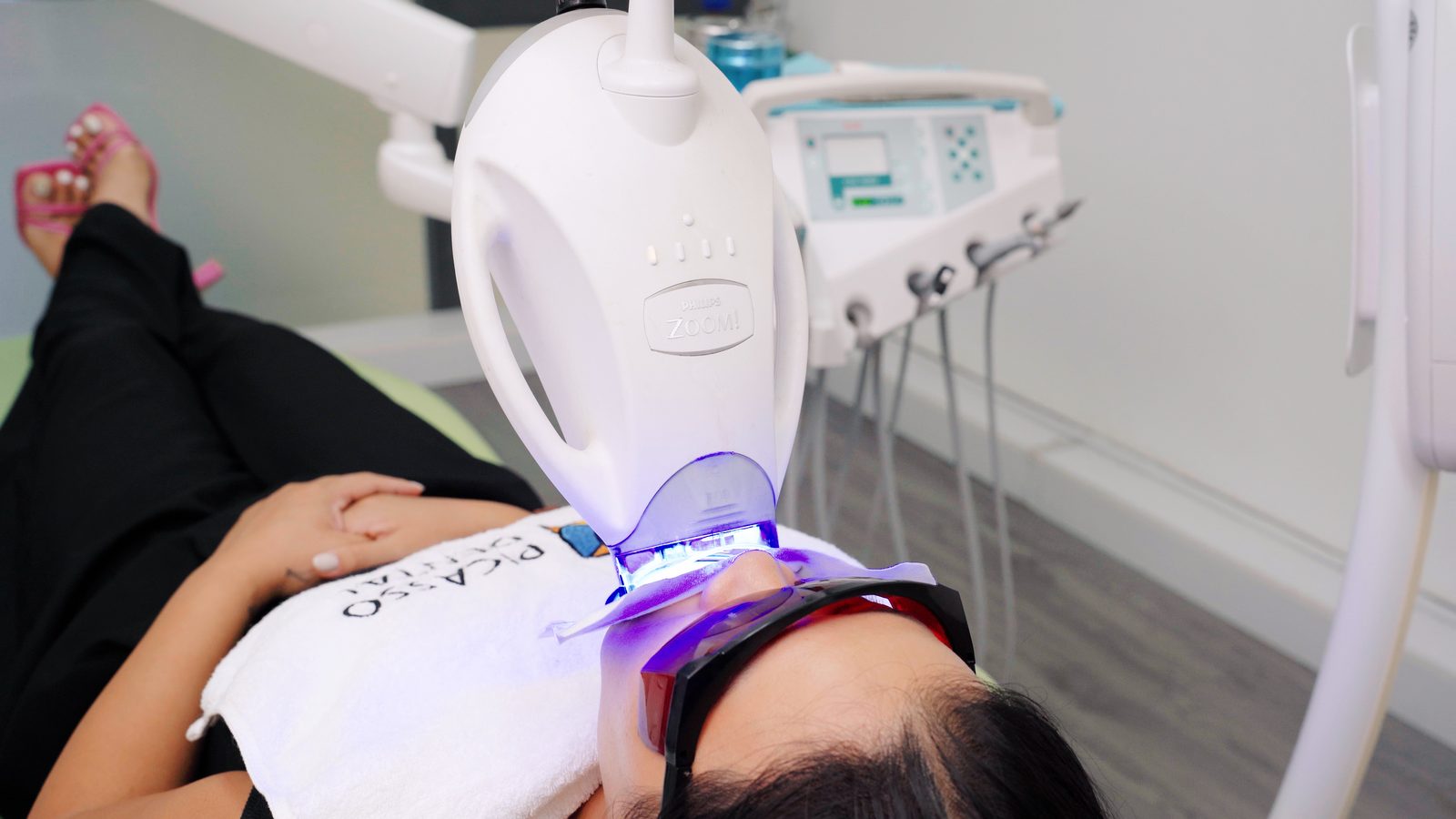
Understanding why this happens requires understanding what laser whitening actually does to enamel at a microscopic level. Each session uses concentrated hydrogen peroxide (25 to 40%) activated by a light source, applied for 30 to 60 minutes. This chemical temporarily opens microscopic pores in the enamel surface to allow stain molecules to be broken down and removed. When you space treatments appropriately, those pores close fully before the next session. When you do not allow enough time, they never fully close.
What happens when you whiten too often
When enamel pores remain perpetually open from repeated treatments without adequate recovery, the enamel structure itself begins to thin. This is not reversible. You are literally removing the mineral density of your enamel with each session that comes too soon after the last.
I recently treated a patient at our Hanoi location who had undergone six laser whitening sessions in eighteen months. Her teeth appeared almost blue-white under certain lighting, and she could not drink anything cold without sharp pain. The enamel had thinned to the point where the dentin layer underneath, which is naturally darker and slightly yellow, was showing through. We had to stop all whitening entirely for two years and undertake a remineralisation therapy programme using high-fluoride prescription products.
The paradox of over-whitening is that it makes teeth look greyer, not whiter. Patients who whiten too frequently often feel compelled to whiten again because the grey tint returns, not realising they are looking at dentin showing through thinned enamel, not at staining that can be bleached away. More whitening at this stage accelerates the problem rather than solving it.
The safe whitening timeline
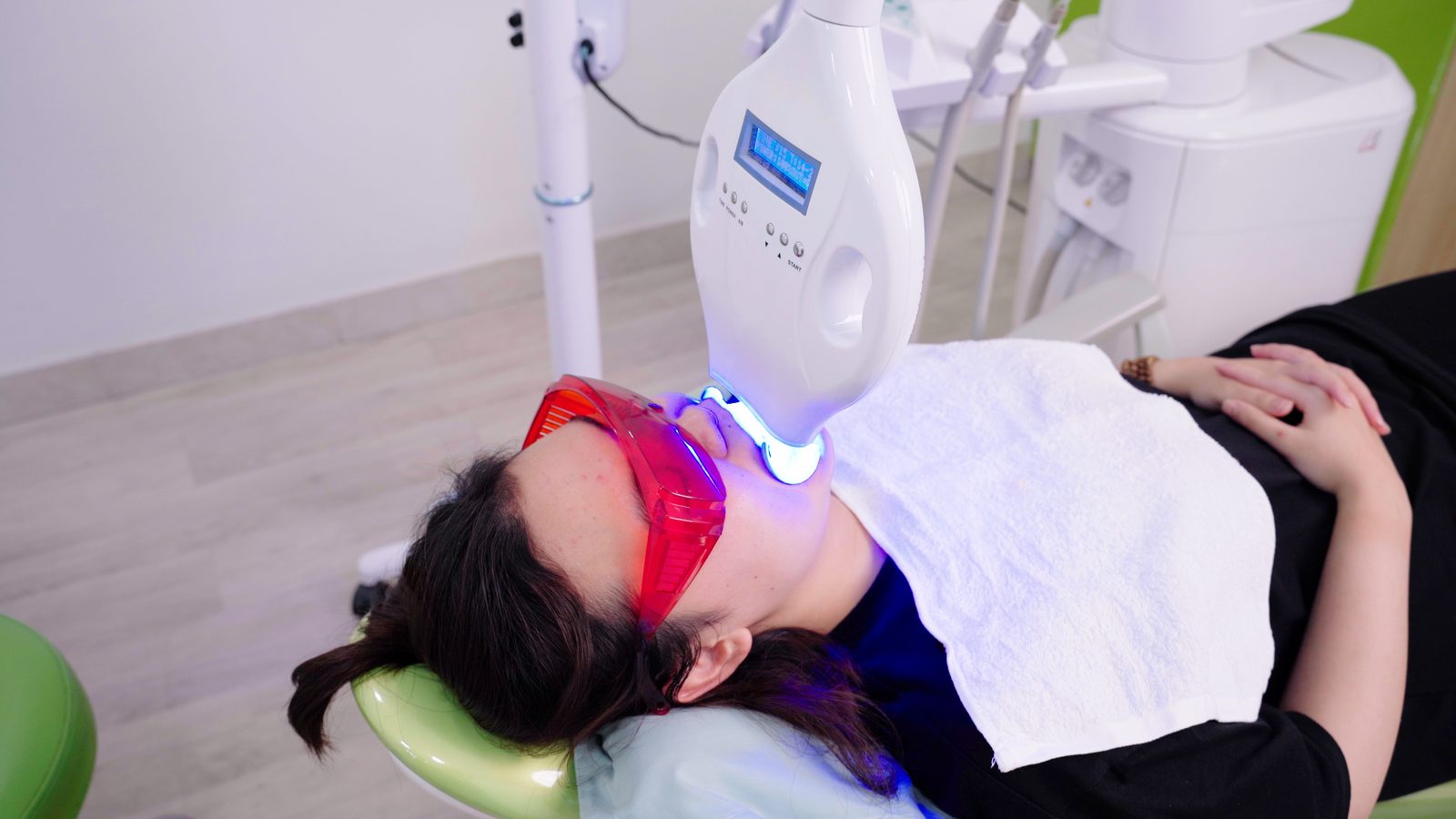
For most patients with moderate staining from coffee, tea, or mild tobacco use, one professional laser whitening session per year maintains excellent results. For patients with lighter staining and good preventive habits, every 18 to 24 months is often sufficient. There is no benefit to whitening more frequently than this, and significant risk.
Between professional sessions, dentist-supervised home whitening trays with 10 to 15% peroxide gel are appropriate for maintenance. These are designed for low-concentration touch-ups, not aggressive whitening. Using them for two to three nights every few months can extend the duration of professional results without stressing the enamel. The critical difference is concentration: professional whitening uses 25 to 40% for extended contact time; home maintenance uses 10 to 15% for short, controlled periods.
Over-the-counter whitening strips occupy a middle ground. The better quality ones are safe when used as directed and can extend results between professional sessions. What they must not be used as is a substitute for clinical assessment when you are already experiencing sensitivity or observing enamel changes. If you are unsure, book a consultation before using any whitening product.
"I had teeth whitening procedure along with 4 fillings. As someone who usually experiences highly sensitive gums and teeth I was shocked when I felt no pain at all in anything."
Patient review, Picasso Dental Clinic
Warning signs that you have whitened too much
- Sharp, shooting pain from cold waterThis indicates enamel damage. The dentinal tubules beneath thinned enamel are exposed, and cold fluid triggers immediate nerve pain. Mild transient sensitivity 24 to 48 hours after a single whitening session is normal. Pain that is sharp, persistent, or worsens is not.
- Chalky, flat appearance instead of natural translucencyHealthy enamel has a slightly translucent quality. Over-whitened enamel that has lost structural density looks opaque and chalky, or in more severe cases has a milky white discoloration that is distinctly unnatural in appearance.
- Uneven coloring, especially at the gum lineIrregular enamel wear from repeated whitening often shows first at the gum line, where enamel is naturally thinnest. Darker patches or irregular color near the gums that were not present before whitening treatment should be assessed by a dentist promptly.
- Grey or blue tint under certain lightingThis is the most significant warning sign. It means the dentin layer is showing through thinned enamel. The grey tint will not respond to further whitening. Continuing to whiten at this stage will worsen the appearance and accelerate enamel loss.
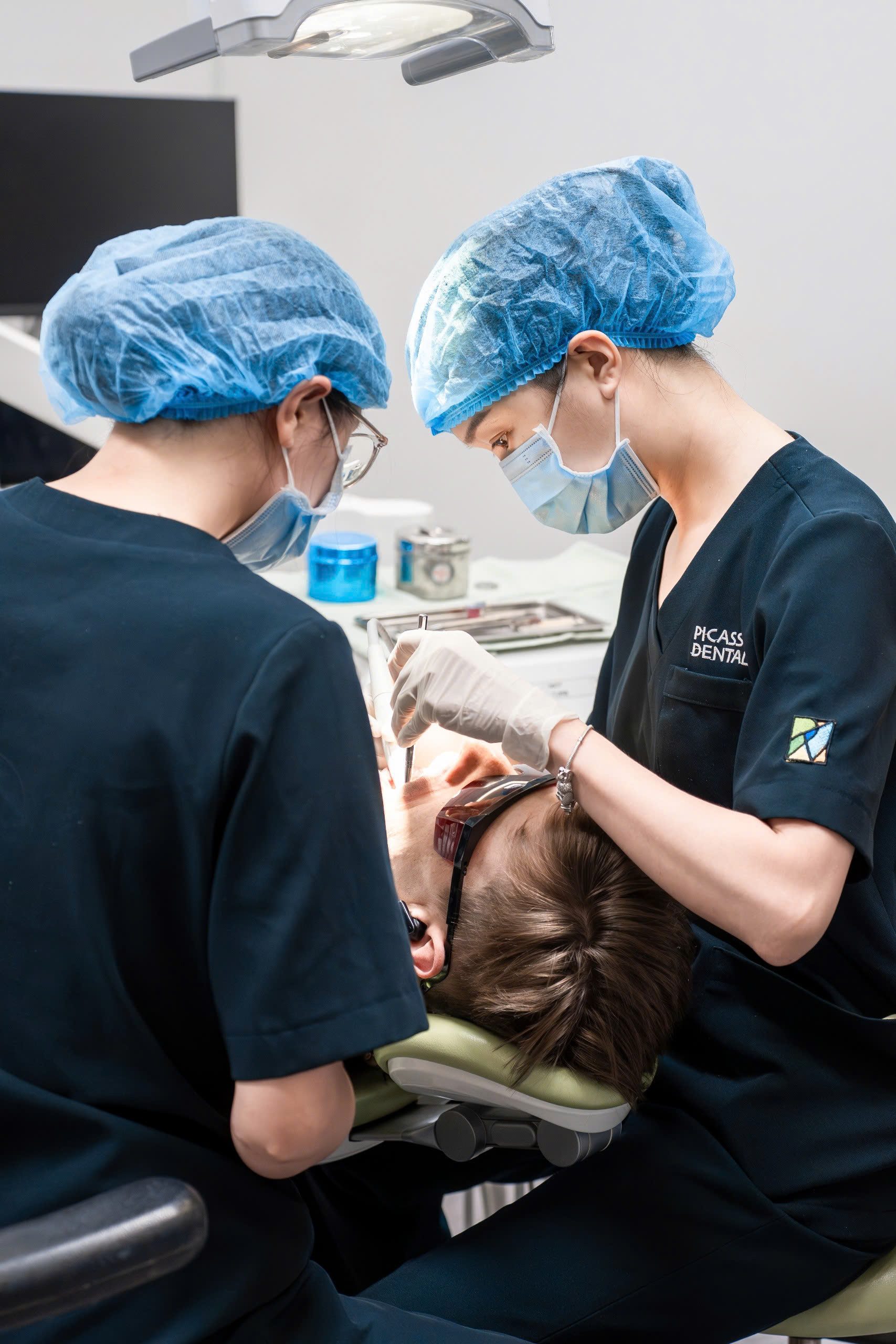
Not sure if you have whitened too often? Book a consultation. I will assess your enamel health and recommend the safest next step.
Book a consultationWhat actually maintains white teeth long-term
The most effective approach to keeping teeth white is preventing staining in the first place, which reduces how often you need professional whitening at all. Among the 70,000 patients I have treated at Picasso Dental since 2013, those who follow preventive habits consistently need whitening far less frequently than those who do not.
Habits that keep teeth white
- Professional cleanings every six months
- Non-abrasive whitening toothpaste daily
- Straw for coffee, tea, and cold drinks
- Rinse with water after staining foods
- Avoid tobacco in all forms
- Home maintenance trays a few nights per month
Habits that accelerate staining
- Sipping coffee continuously for hours
- No water rinse after dark beverages
- Skipping professional cleanings
- Smoking or chewing tobacco
- Whitening more than once per year
- Using abrasive toothpastes (damages enamel)
Professional cleanings are particularly important because they remove surface staining before it has time to penetrate deeper into the enamel. A patient who attends six-monthly cleanings and uses preventive habits may need professional whitening only every two years. A patient who skips cleanings and whitens quarterly will end up with enamel damage and results that look progressively worse despite the repeated treatments.
Can over-whitening damage be reversed?
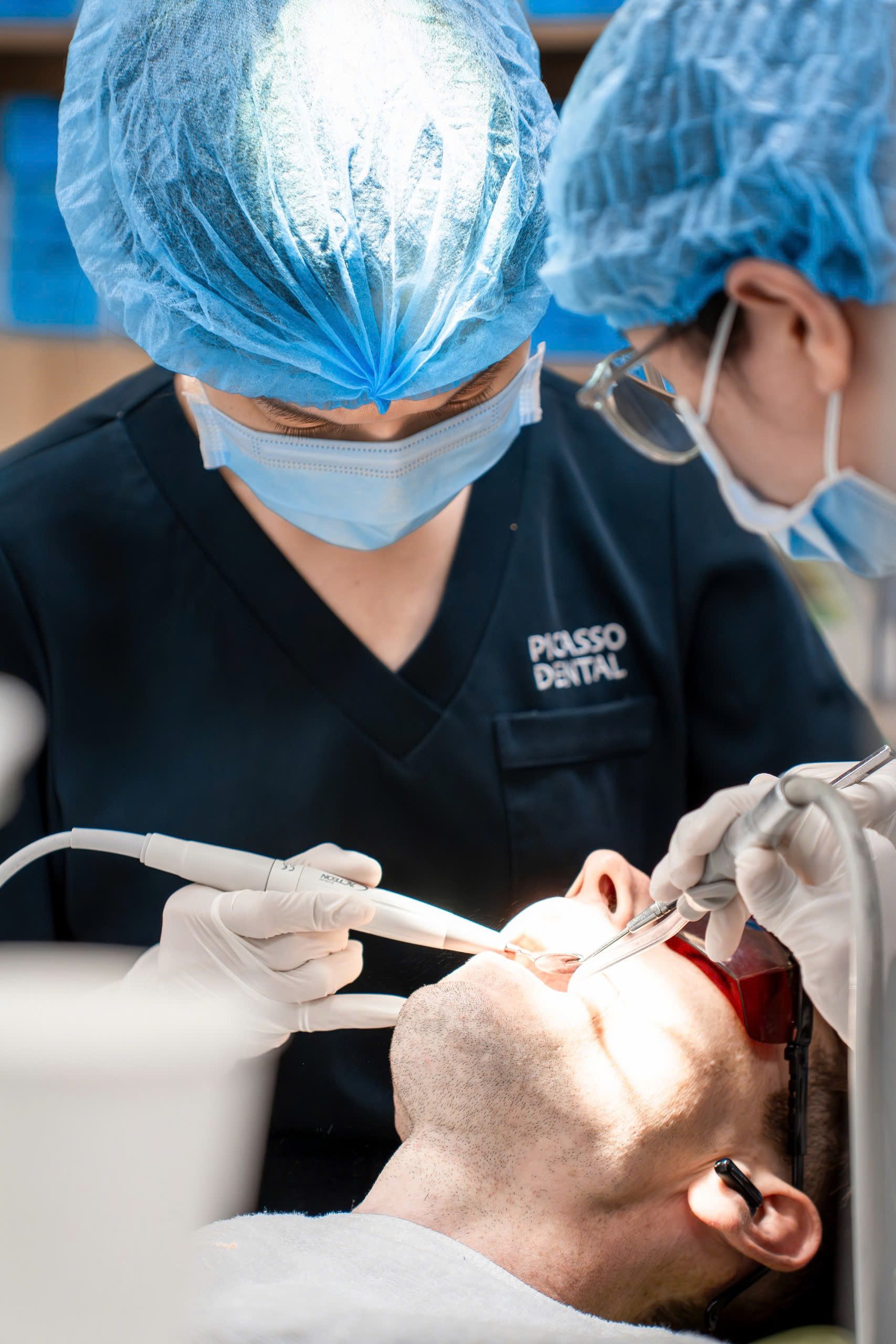
Enamel loss is permanent. The mineral that was removed cannot grow back. However, remineralisation therapy using high-fluoride prescription fluoride products and calcium phosphate tooth mousse can strengthen and partially restore the mineral density of weakened enamel, reduce sensitivity, and improve surface appearance over time. This therapy requires stopping all whitening completely for at least one to two years.
In severe cases, where enamel has thinned to the point of structural compromise, porcelain veneers or crowns may be the only way to restore both appearance and function. This is an outcome entirely preventable by following safe whitening intervals from the outset. No desire for extra whiteness is worth the cost, discomfort, and irreversibility of enamel damage.
If you are concerned about how frequently you have been whitening, or are experiencing sensitivity or color changes that concern you, the right step is a clinical assessment before any further whitening treatment. Book a consultation at any of our Picasso Dental branches in Hanoi, Da Nang, or Ho Chi Minh City and I will assess your enamel health and recommend the correct path forward.
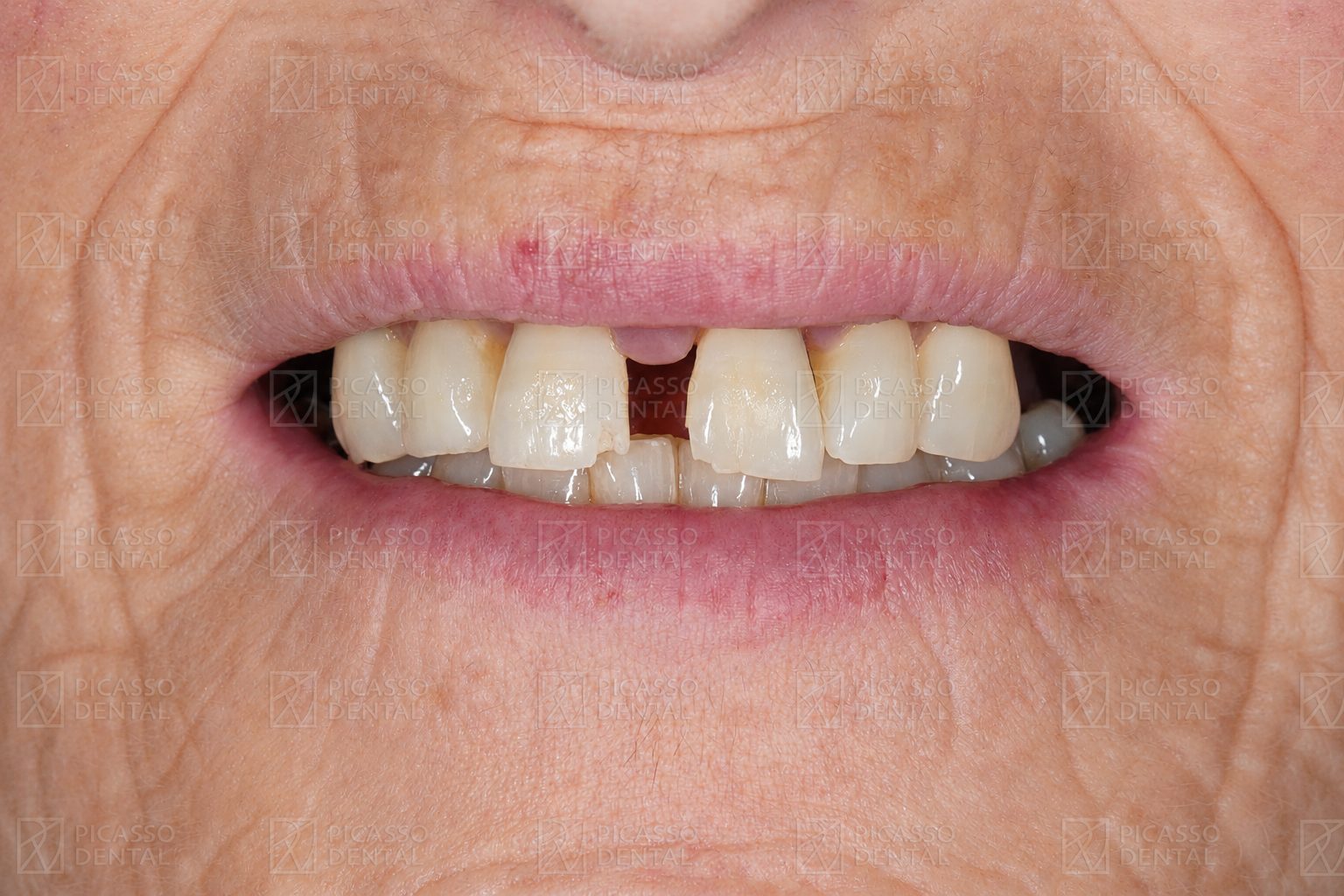 Before
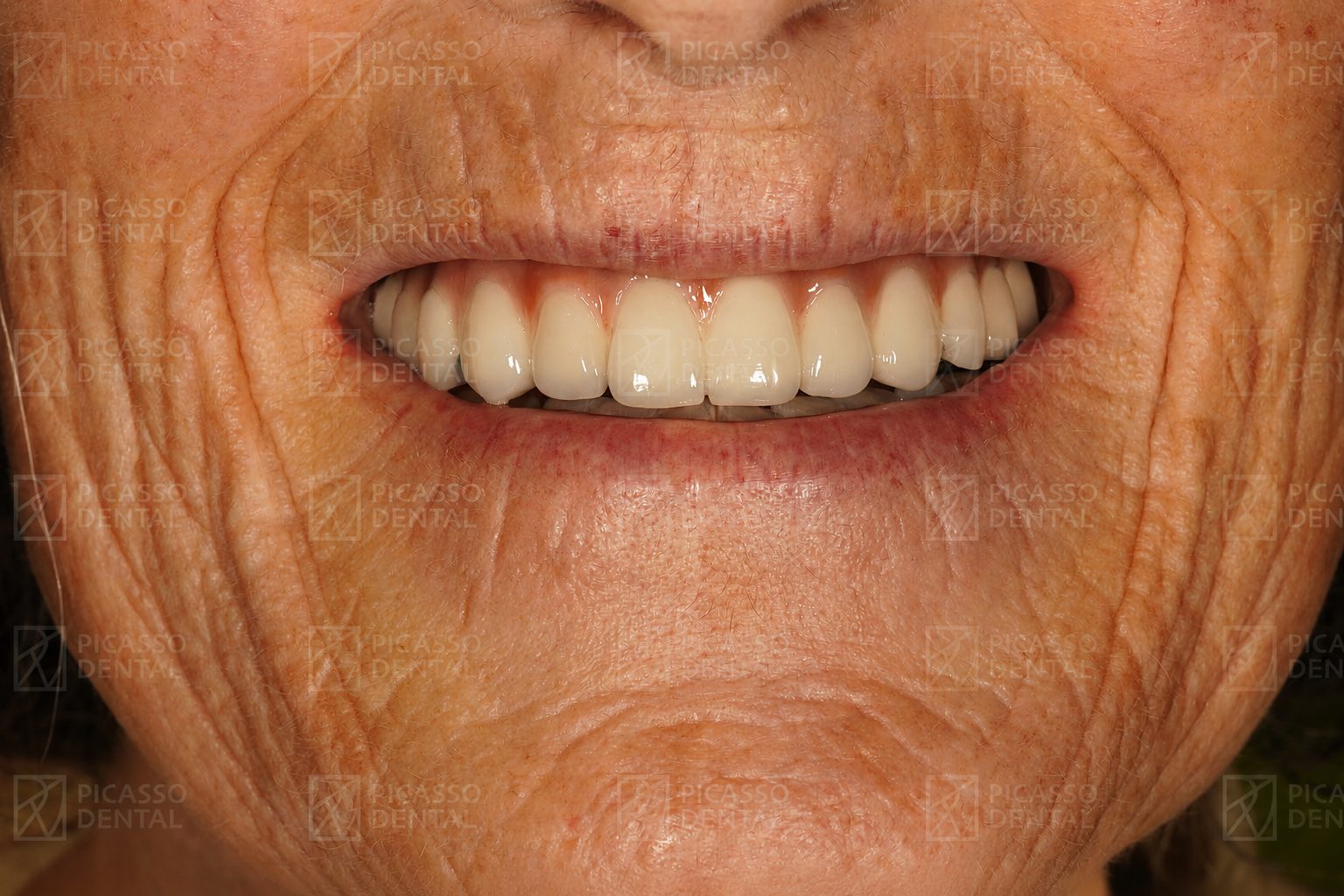 After
AfterFull rehabilitation, Hanoi Old Quarter
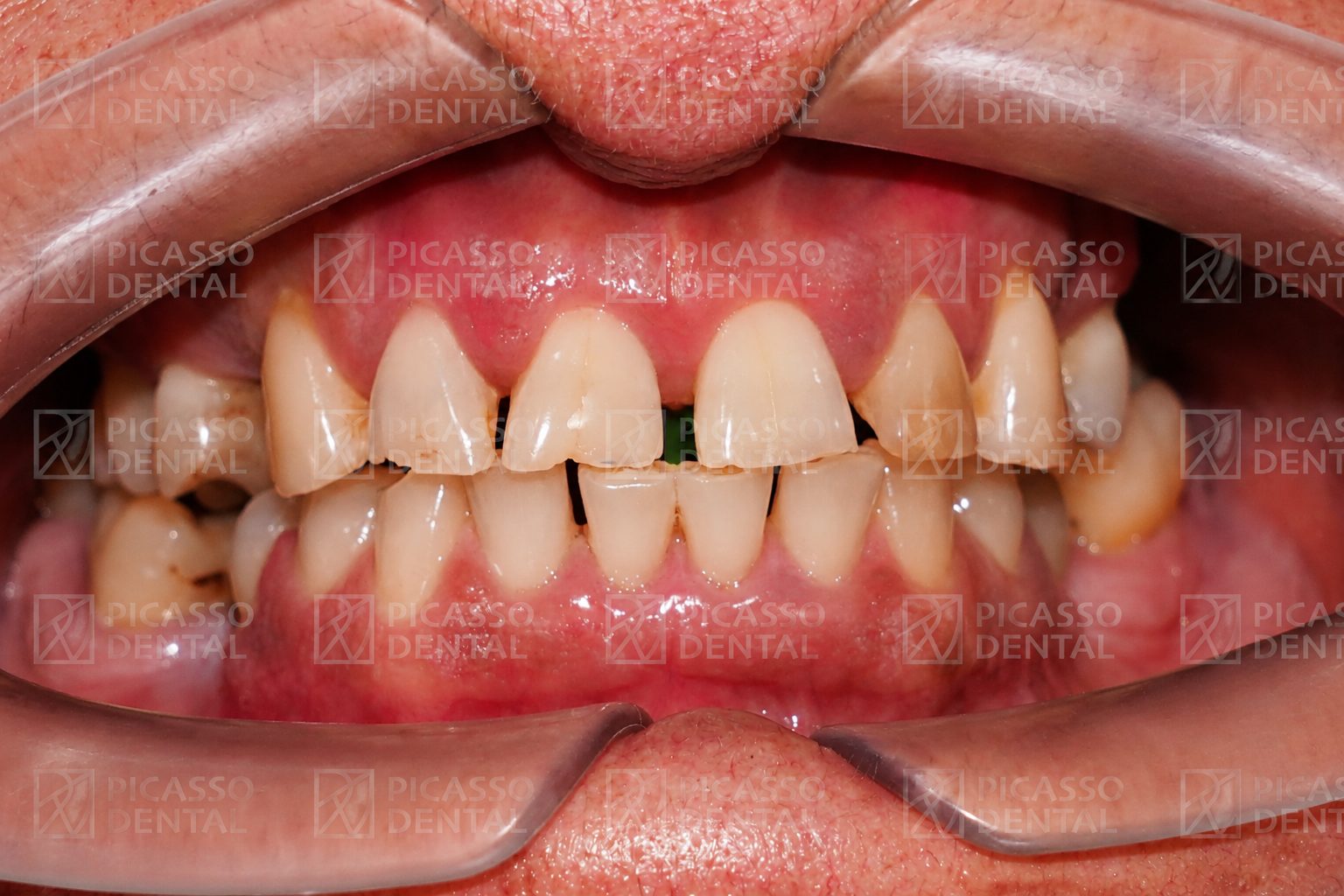 Before
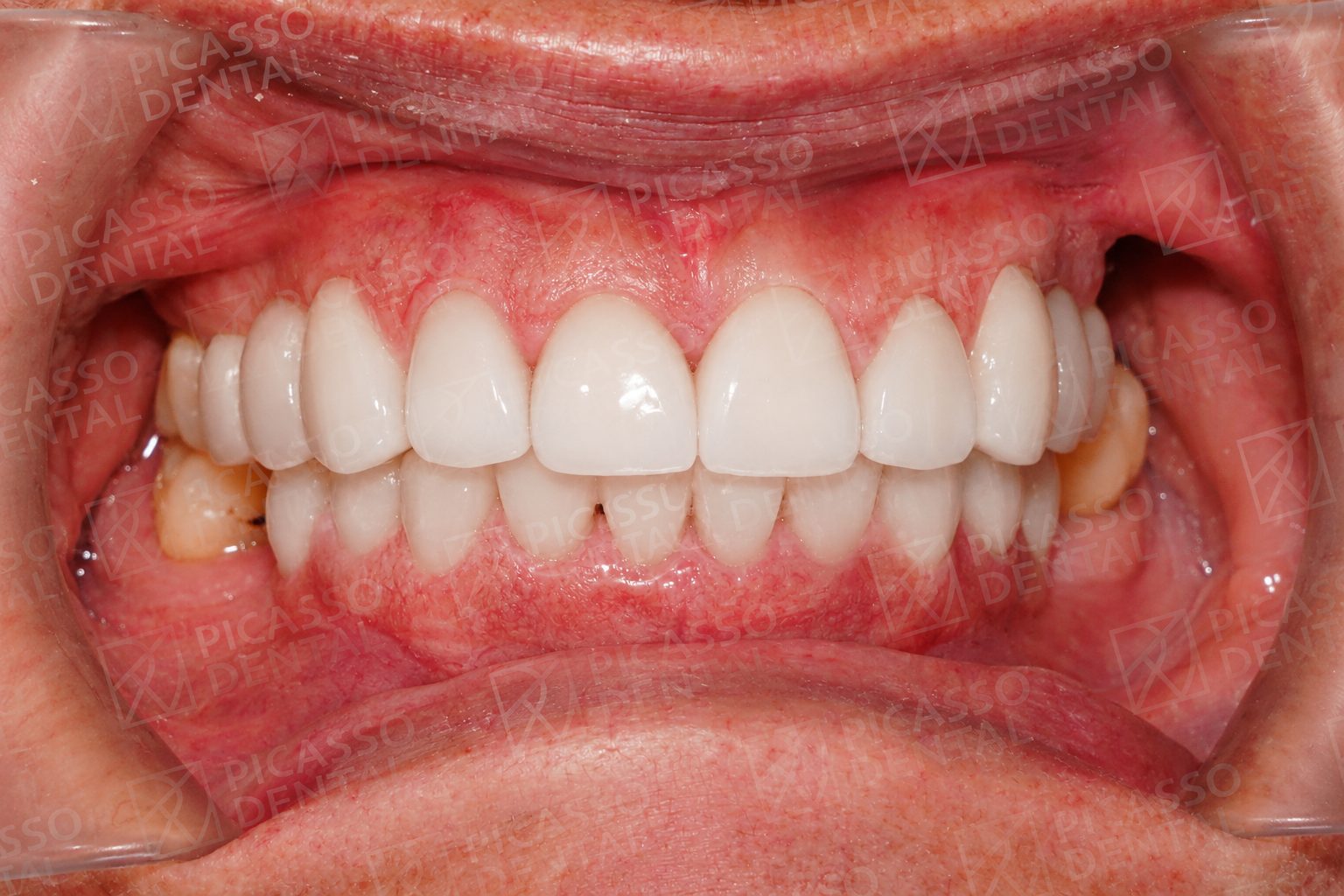 After
AfterPorcelain veneers, Da Nang
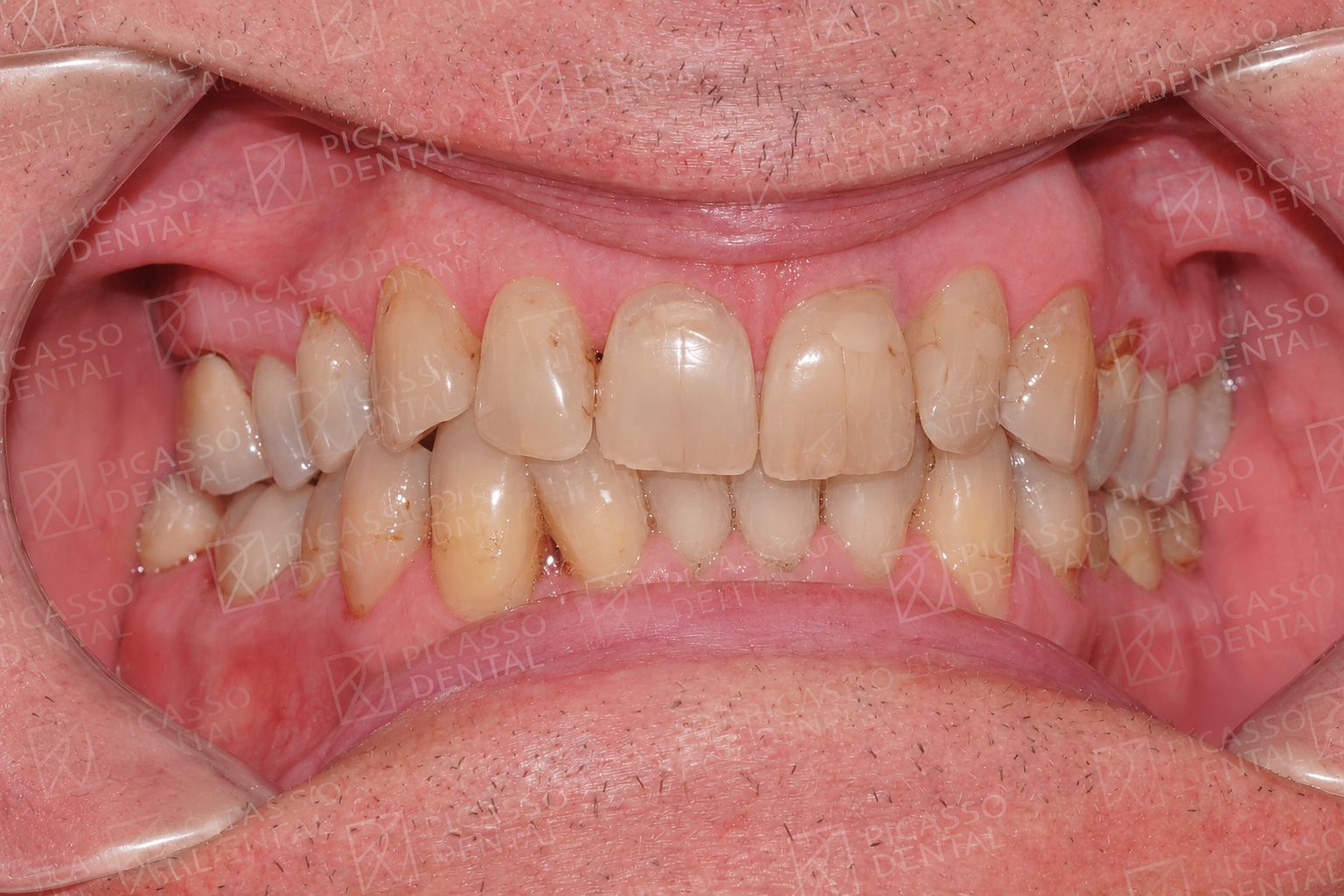 Before
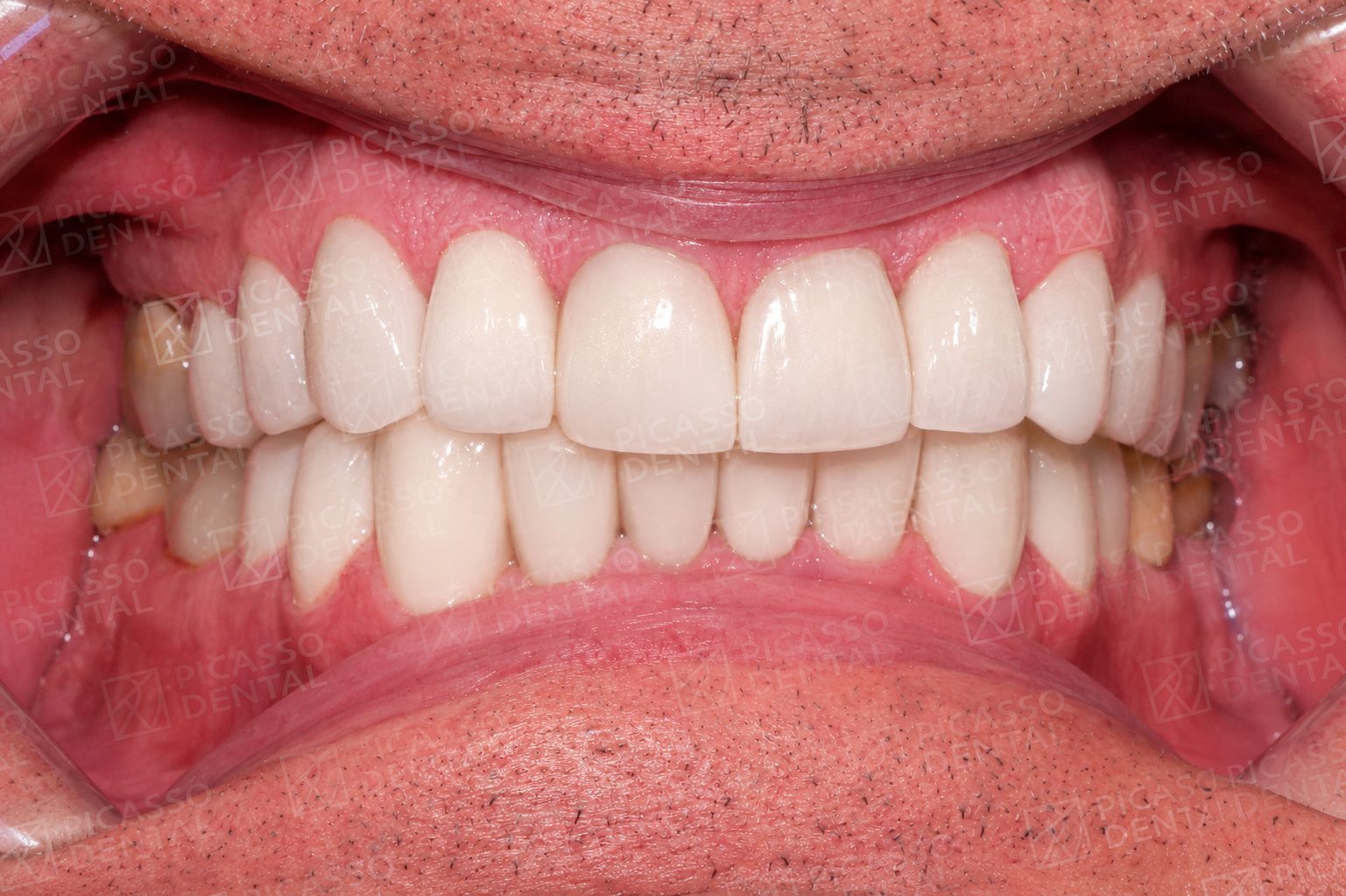 After
AfterCrown and veneer, HCMC Thao Dien
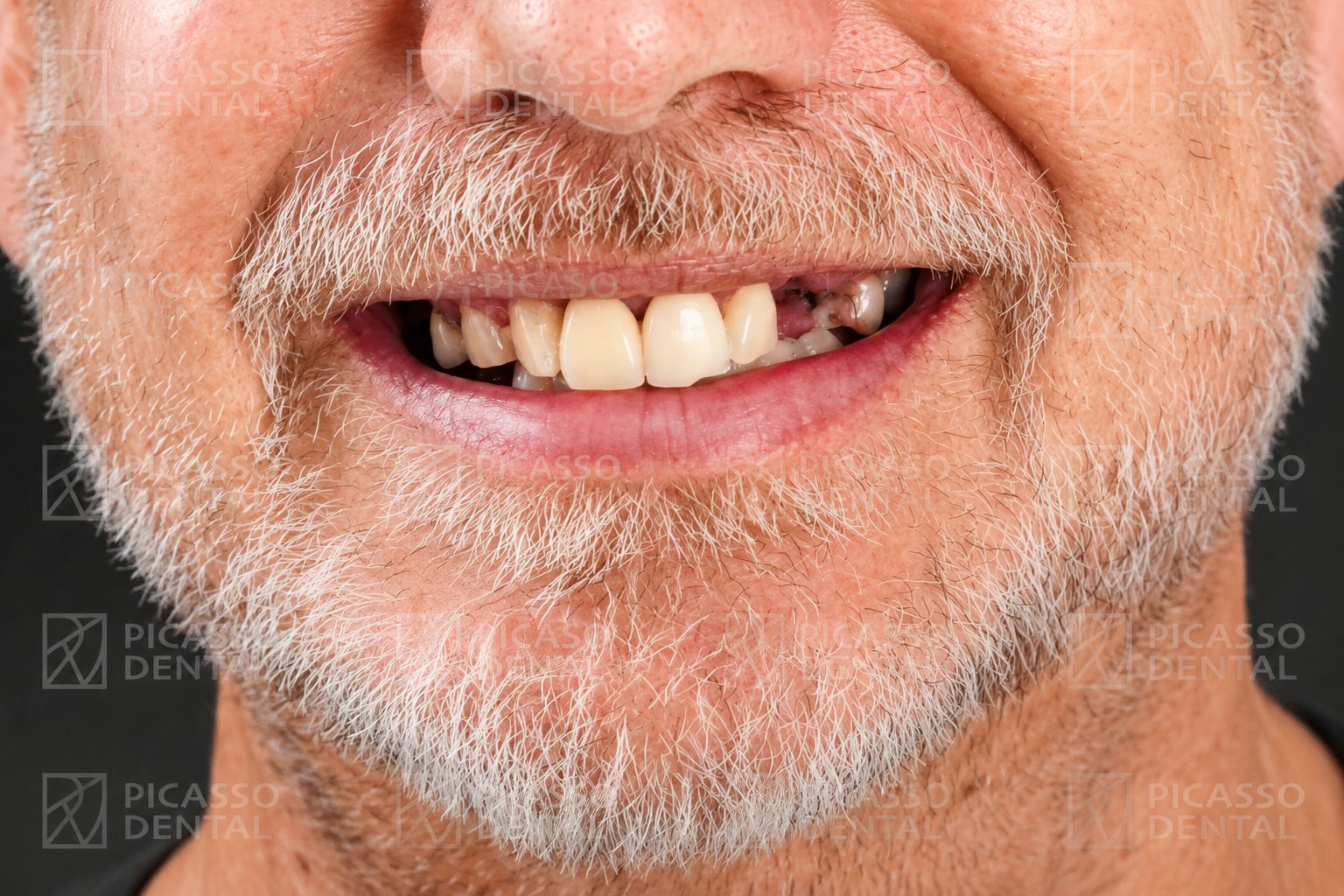 Before
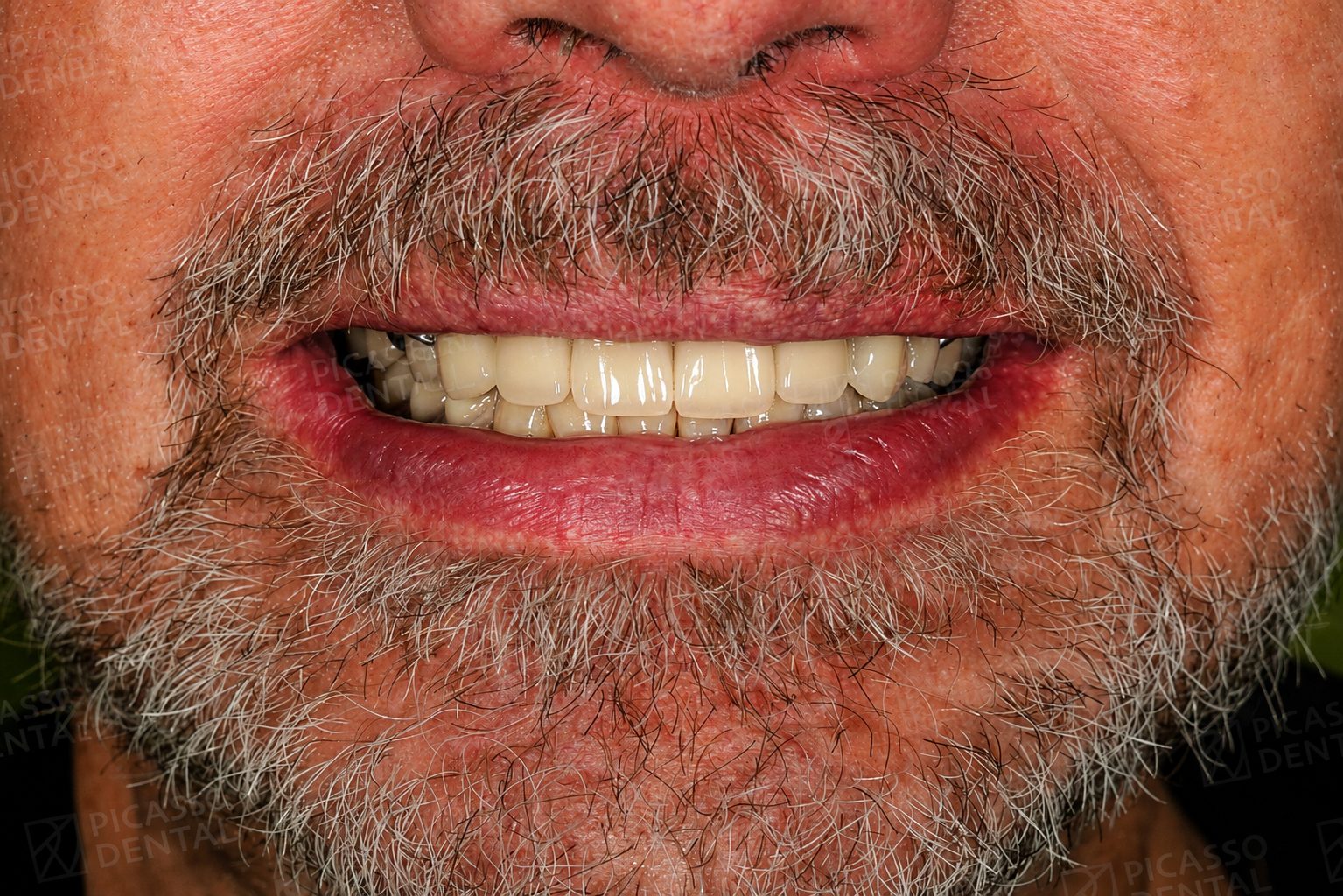 After
AfterSmile restoration, Hanoi Westlake
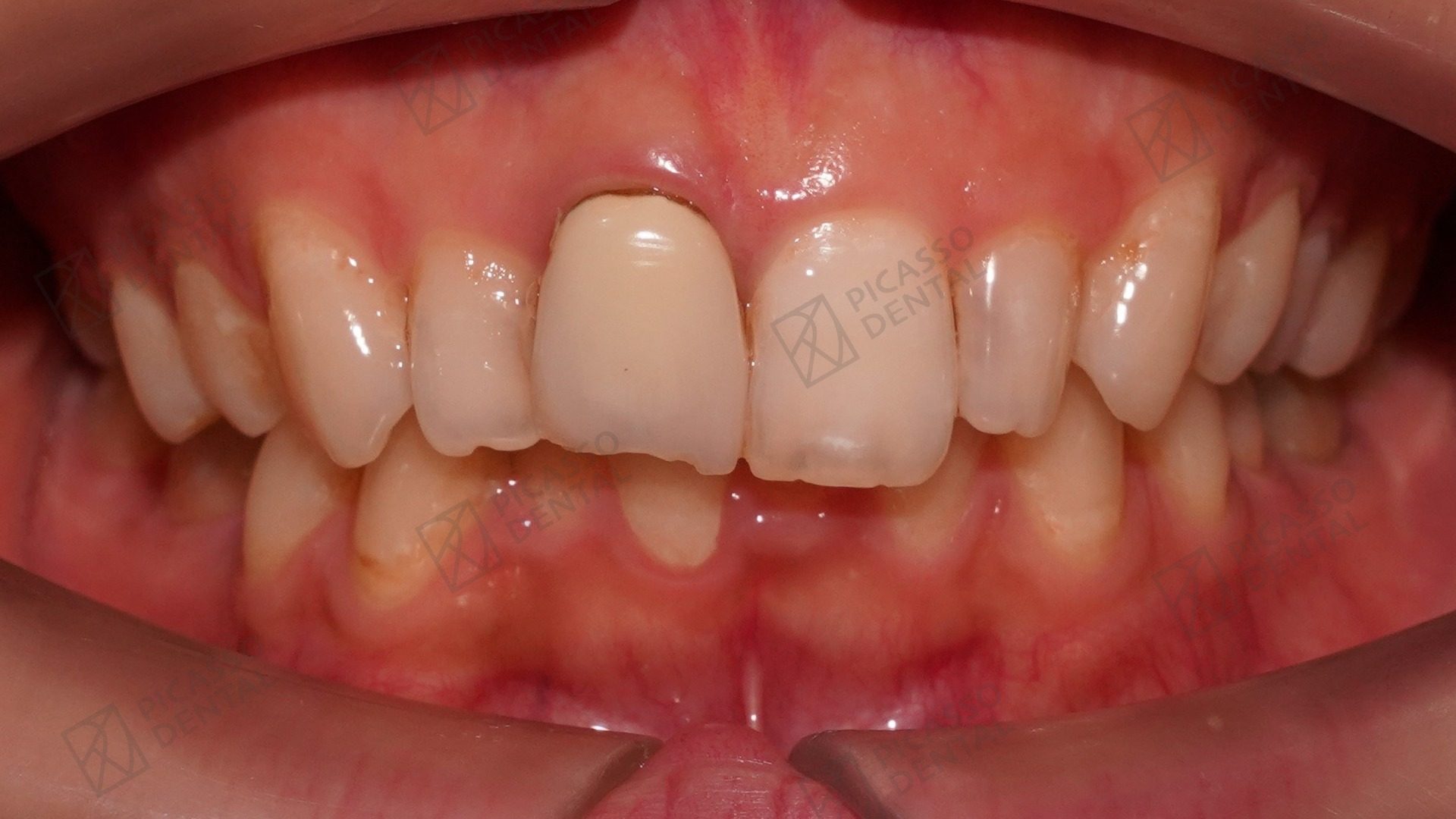 Before
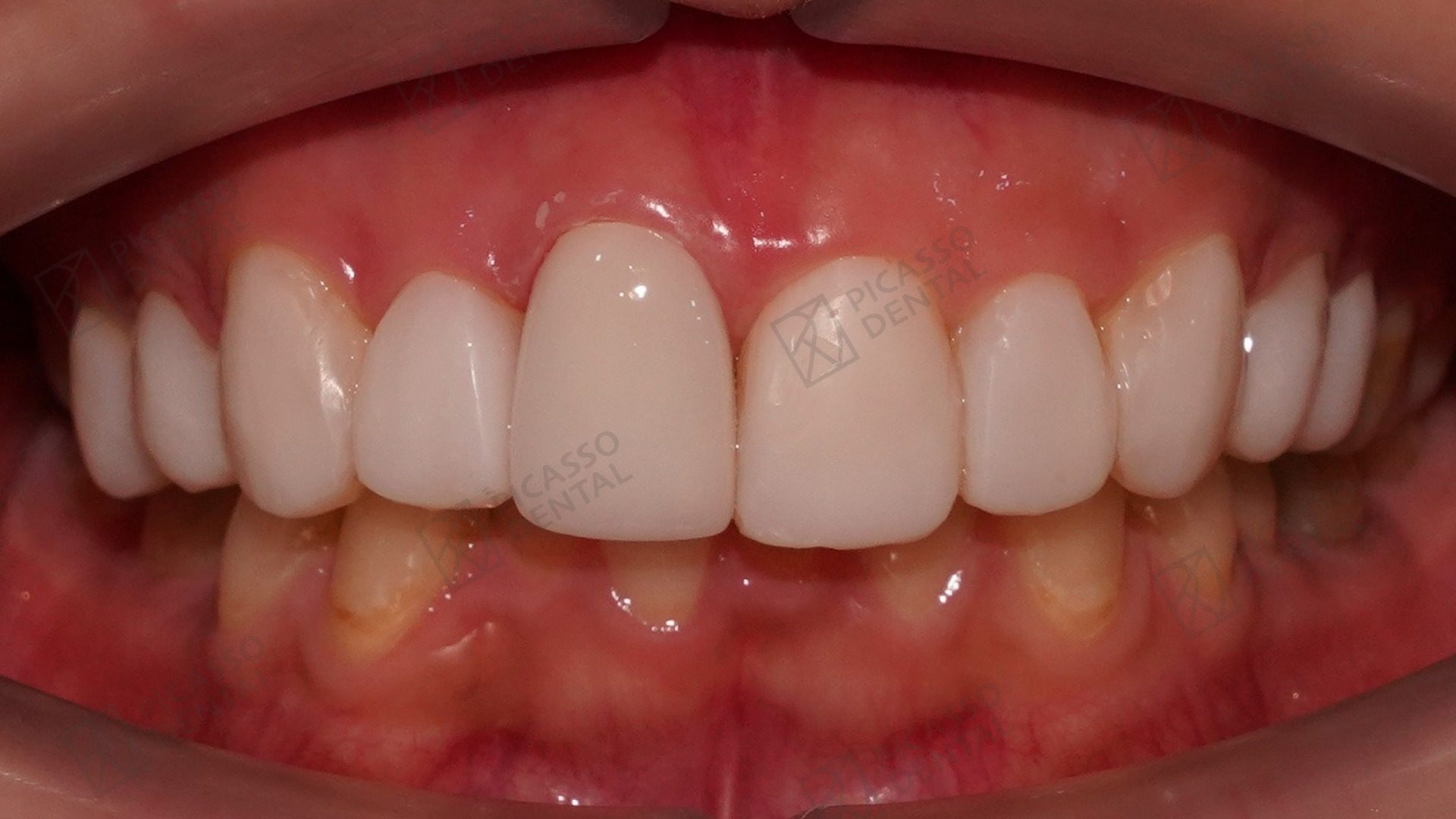 After
AfterVeneer makeover, Da Nang Flagship
Frequently asked questions
Can I whiten my teeth too often with laser treatment?
Yes. Professional laser whitening should happen no more than once every 12 to 18 months for most patients. More frequent treatments overexpose the enamel to concentrated peroxide, preventing the pores from closing properly between sessions. Over time this causes enamel thinning, chronic sensitivity, and paradoxically makes teeth look greyer because the darker dentin layer becomes more visible.
How often is it safe to get professional laser whitening?
Once per year is the standard recommendation for patients with moderate staining. For patients with lighter staining, every 18 to 24 months maintains excellent results. Between professional sessions, dentist-supervised home whitening trays with 10 to 15% gel are safe for maintenance use a few nights every few months.
What are the signs I have whitened my teeth too often?
Warning signs include sharp shooting pain when drinking cold water (enamel damage), a chalky flat appearance instead of natural translucency (enamel structure loss), uneven coloring especially near the gum line (irregular enamel wear), and a greyer or bluish appearance under certain lighting (dentin showing through thinned enamel). If you notice any of these, stop whitening and consult a dentist immediately.
What concentration does professional laser whitening use?
Professional laser whitening uses 25 to 40% hydrogen peroxide activated by a light or laser source for 30 to 60 minutes. Home maintenance trays use 10 to 15% peroxide for shorter periods. The much higher concentration and longer exposure time is why professional whitening must be spaced at least 12 months apart, while home maintenance can be used more regularly.
Is sensitivity after whitening normal?
Mild sensitivity for 24 to 48 hours after a single professional whitening session is normal and expected. The peroxide temporarily opens enamel pores during treatment and they close again within a day or two. Chronic sensitivity that persists weeks or months, or pain that worsens with each whitening session, is a sign of enamel damage from overuse. This requires stopping all whitening and undertaking a remineralisation programme.
What actually keeps teeth white between professional treatments?
The most effective habits are: professional cleanings every six months to remove surface staining before it sets, a non-abrasive whitening toothpaste used daily, drinking coffee and tea through a straw, rinsing with water immediately after staining foods or drinks, and avoiding tobacco. Patients who follow these habits consistently need professional whitening half as often as those who do not.
Can over-whitening be reversed?
Enamel loss from over-whitening is permanent. However, remineralisation therapy using high-fluoride prescription products and tooth mousse can strengthen and partially restore the mineral density of thinned enamel, reducing sensitivity and improving appearance. Full recovery requires stopping all whitening for at least one to two years. Prevention is the only truly effective strategy.
How much does professional laser whitening cost at Picasso Dental in Vietnam?
At Picasso Dental Clinic, professional laser whitening starts from approximately 3,000,000 VND (around USD $117). In Australia, the same treatment typically costs AUD $600 to $1,200 at a private practice. Many dental tourists combine whitening with other cosmetic work during a visit to Vietnam and achieve significant overall savings.
Start Here
Start with a brief.
Tell me about your whitening history and I will assess your enamel health, advise on safe timing, and recommend the right treatment plan. No obligation, 24-hour reply.