General Dentistry
Eating With a Dental Bridge:
what to expect, day by day.
Yes, you can eat normally. Most patients are eating comfortably by day two and have forgotten the bridge exists by day seven. Here is the full guide.

The short version
- A dental bridge restores 80 to 90 percent of natural chewing function within one week.
- Days 1 to 3: soft foods only. Days 3 to 5: most normal foods. Day 7 onward: full diet with confidence.
- Permanently avoid ice, hard candy, sticky caramel, and taffy to protect the porcelain crowns.
- Clean under the bridge daily with a floss threader or water flosser to prevent abutment decay.
- Bridges last 10 to 15 years with good hygiene. Skipping under-bridge cleaning is the main failure cause.
Yes, you will eat normally. Here is the timeline
A dental bridge is cemented permanently onto the two abutment teeth flanking the gap. It does not shift during chewing the way a denture does. Bite force is distributed across the abutment teeth and spreads naturally as you return to eating on both sides. Most patients rank their eating comfort at 8 to 9 out of 10 by the end of the first week.
The adjustment period is 3 to 7 days, not weeks. On day one or two, the bridge may feel slightly foreign as your tongue explores the new surface. This is normal. By day three to five, bite positioning normalises and you stop consciously thinking about it. Full sensory adaptation, where the bridge feels indistinguishable from a natural tooth, takes 2 to 4 weeks. After that, you simply eat.
The comparison with dentures is worth making. A full lower denture restores only 20 to 30 percent of natural bite force and can shift during chewing. A fixed bridge, anchored to teeth, restores 80 to 90 percent. The difference is significant for anything requiring biting force: steak, raw apple, crusty bread. If you have been missing a tooth for some time and eating around the gap, a bridge will feel like a substantial functional improvement very quickly.
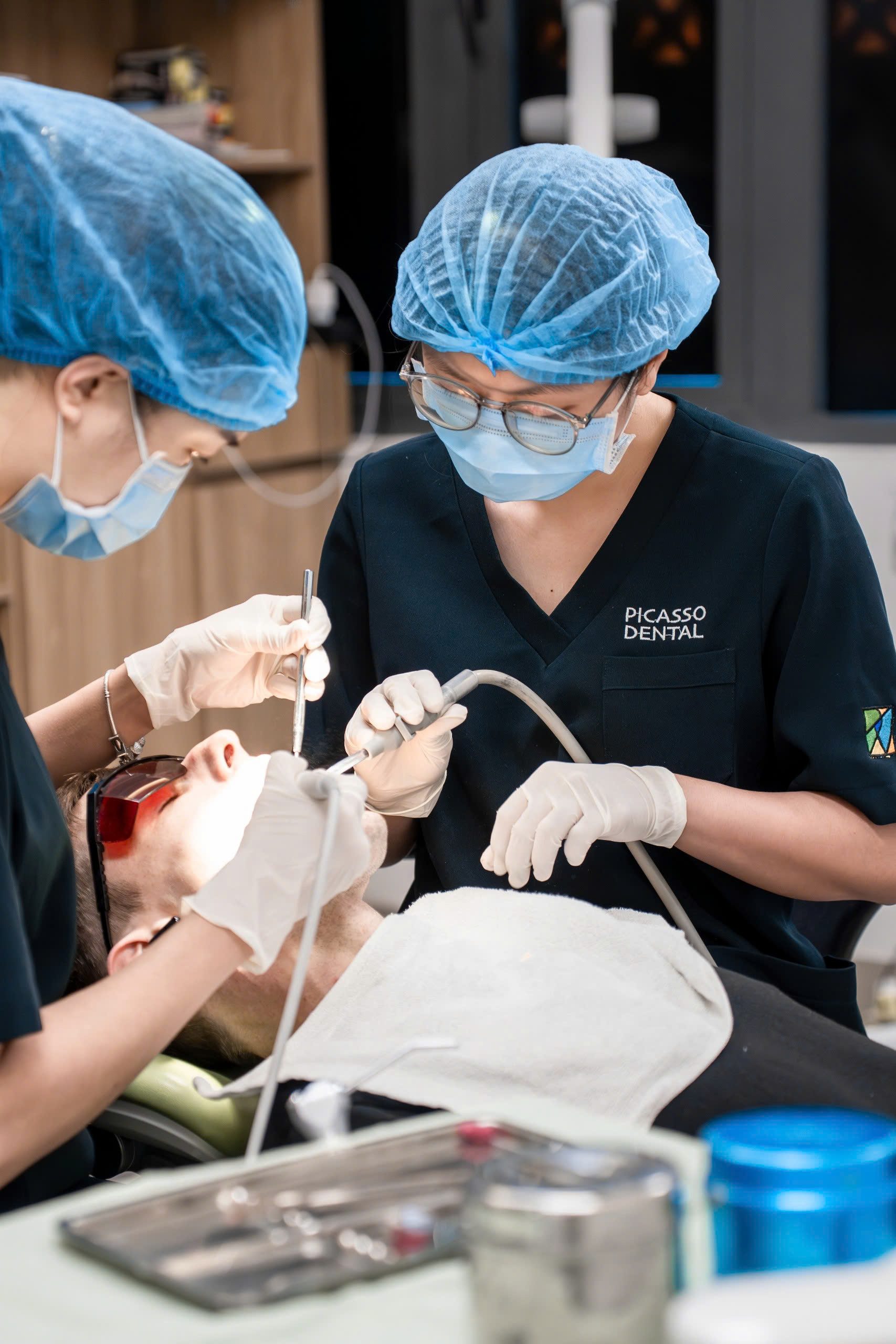
Day-by-day eating guide for the first two weeks
- Days 1 to 2: soft foods onlyScrambled eggs, yogurt, mashed potato, soft pasta, soup, banana, avocado. Wait until local anaesthetic has fully worn off before eating (2 to 4 hours after the appointment) to avoid accidentally biting your cheek. Temperature sensitivity is common this first week; avoid very hot or very cold drinks.
- Days 3 to 5: most normal foods, cut into piecesSoft cooked vegetables, fish, rice, soft bread, cheese, well-cooked meat cut into small pieces. Do not bite directly into a whole apple or crusty baguette yet. Chew on both sides evenly to distribute pressure.
- Days 5 to 14: nearly full dietMost normal foods are fine: steak (cut into pieces), salads, cooked corn (kernels cut off the cob), raw fruit (sliced). Avoid ice, hard candy, sticky caramel, and taffy.
- Week 3 onward: full normal diet, permanent exceptions notedEat with confidence. The same short permanent restriction list applies: ice, hard candy, sticky candy, and opening packaging with your teeth. Everything else is fair game.
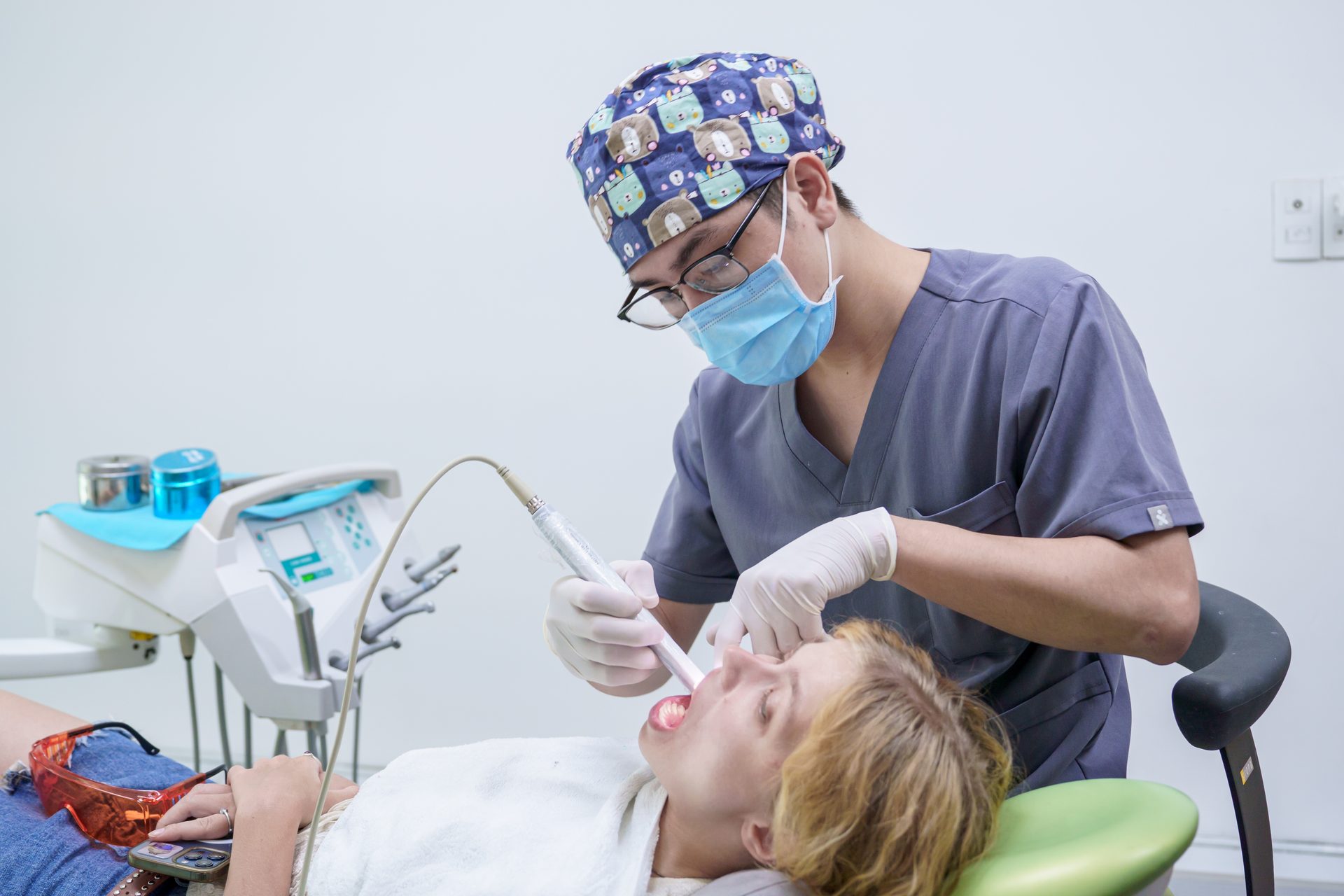
What to avoid permanently, and why
The permanent food restrictions are not about pain or sensitivity. They are about protecting the porcelain crown units from specific failure modes.
Ice and hard candy: Porcelain has high compressive strength but relatively low fracture toughness under sudden point-contact force. Biting ice or hard candy creates exactly that: a sudden, concentrated impact on a small surface area. The result is a craze line or outright chip in the porcelain. The same impact would fracture natural enamel. Avoid for the life of the bridge.
Sticky caramel and taffy: Dental cement resists the normal downward force of chewing very well. It is weaker against a vertical pulling force, which is what sticky candy creates as it stretches off the crown surface. A cement failure does not damage the bridge itself but exposes the prepared abutment teeth to bacteria and decay until re-cemented. If your bridge ever feels loose, do not try to re-cement it yourself. Contact the clinic the same day.
Corn on the cob and ribs bitten directly: Biting along a corn cob creates lateral (sideways) force on front teeth and anterior bridge units, which are designed for vertical bite load. Cutting kernels off the cob eliminates that stress entirely. You can eat corn in every other form without concern.
"Making the decision to go to Hanoi and have the dental treatment done by Picasso was of the best decisions I have taken for a long time."
Gerald Mair, Hanoi Old Quarter
How to clean under a dental bridge
This is the step most patients underestimate, and it is the single highest-impact habit for bridge longevity. Food accumulates under the pontic (the false tooth) in the gap between the pontic and the gum. Oral bacteria ferment that food and produce acid. Over months and years, that acid attacks the margin where the crown meets the abutment tooth at the gum line, causing secondary decay that eventually requires bridge replacement.
A floss threader or super floss is the standard method. A floss threader is a rigid plastic tool that lets you pass dental floss through the gap between the pontic and the gum. Once threaded, move the floss in a C-shape against each abutment tooth, going just below the gum line. Super floss has a stiffened tip that threads itself without a separate needle. Use once daily, ideally before bed.
A water flosser (Waterpik or equivalent) is faster and very effective. Set it to medium pressure, angle the tip toward the gum line under the pontic, and run it along both sides of the bridge. This removes more debris than flossing alone and takes about 30 seconds per bridge. Many patients find it easier to maintain as a daily habit once established.
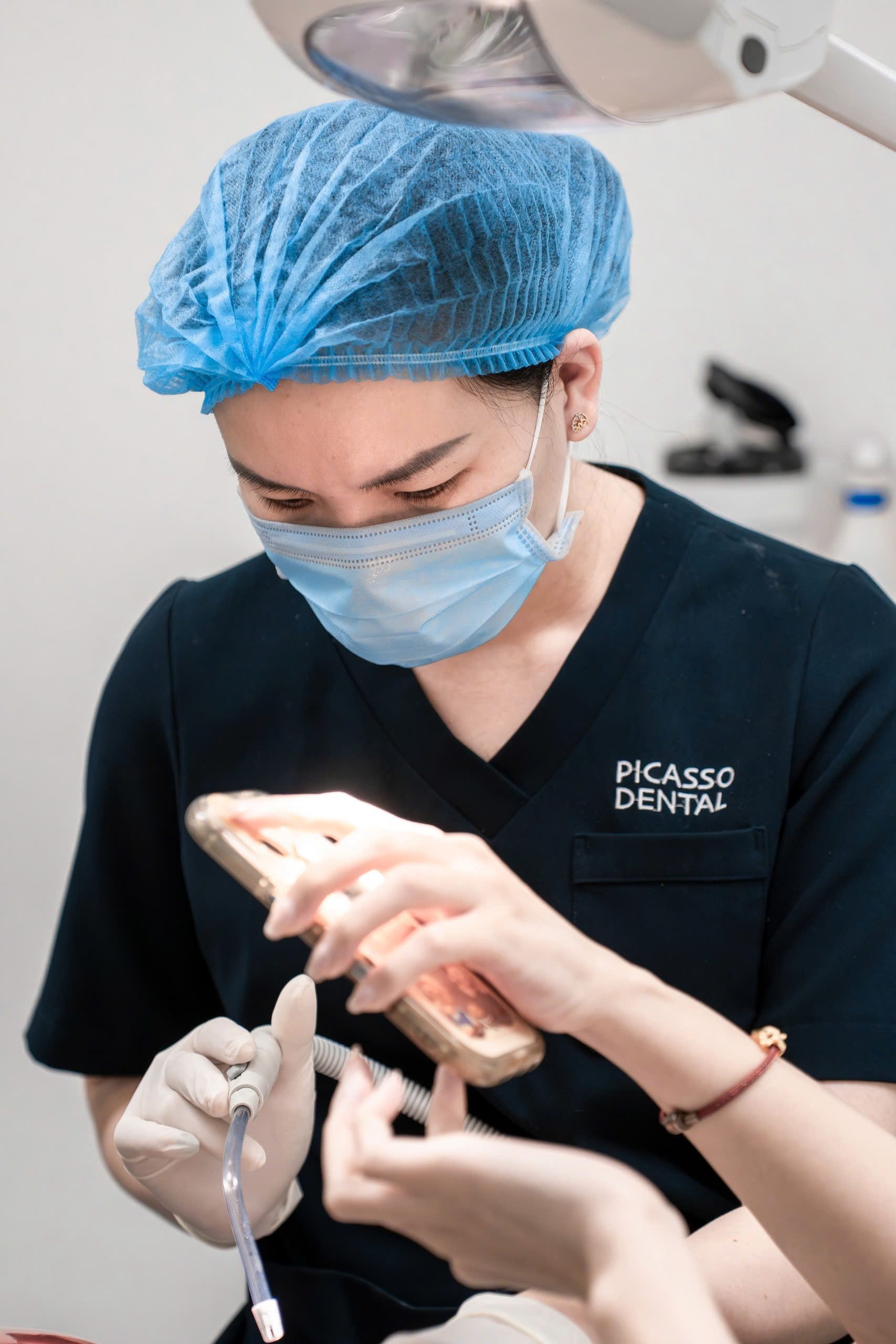
Considering a dental bridge? Book a consultation and I will assess your gap, recommend the right material, and give you a full cost estimate with no obligation.
Book a consultationBridge vs. implant: which is better for eating?
Both restore a missing tooth. The eating experience differs slightly. An implant is anchored in the jawbone and restores closer to 95 to 100 percent of natural bite force. A bridge, anchored to the abutment teeth, restores 80 to 90 percent. In practice, most patients cannot perceive this difference during everyday eating.
The meaningful differences are timeline and impact on adjacent teeth. A bridge is placed in two to three weeks. An implant requires 3 to 6 months for osseointegration before the crown is fitted. A bridge requires crowning the two healthy adjacent teeth, which is an irreversible step. An implant is standalone and leaves adjacent teeth untouched.
For dental tourists with 10 to 14 days in Vietnam, a bridge is the practical choice: it is completed within that window and eating returns to normal before the flight home. If you have time flexibility, an implant is the more conservative long-term option. I discuss both honestly at every consultation because the right answer depends on your specific situation, timeline, and budget.
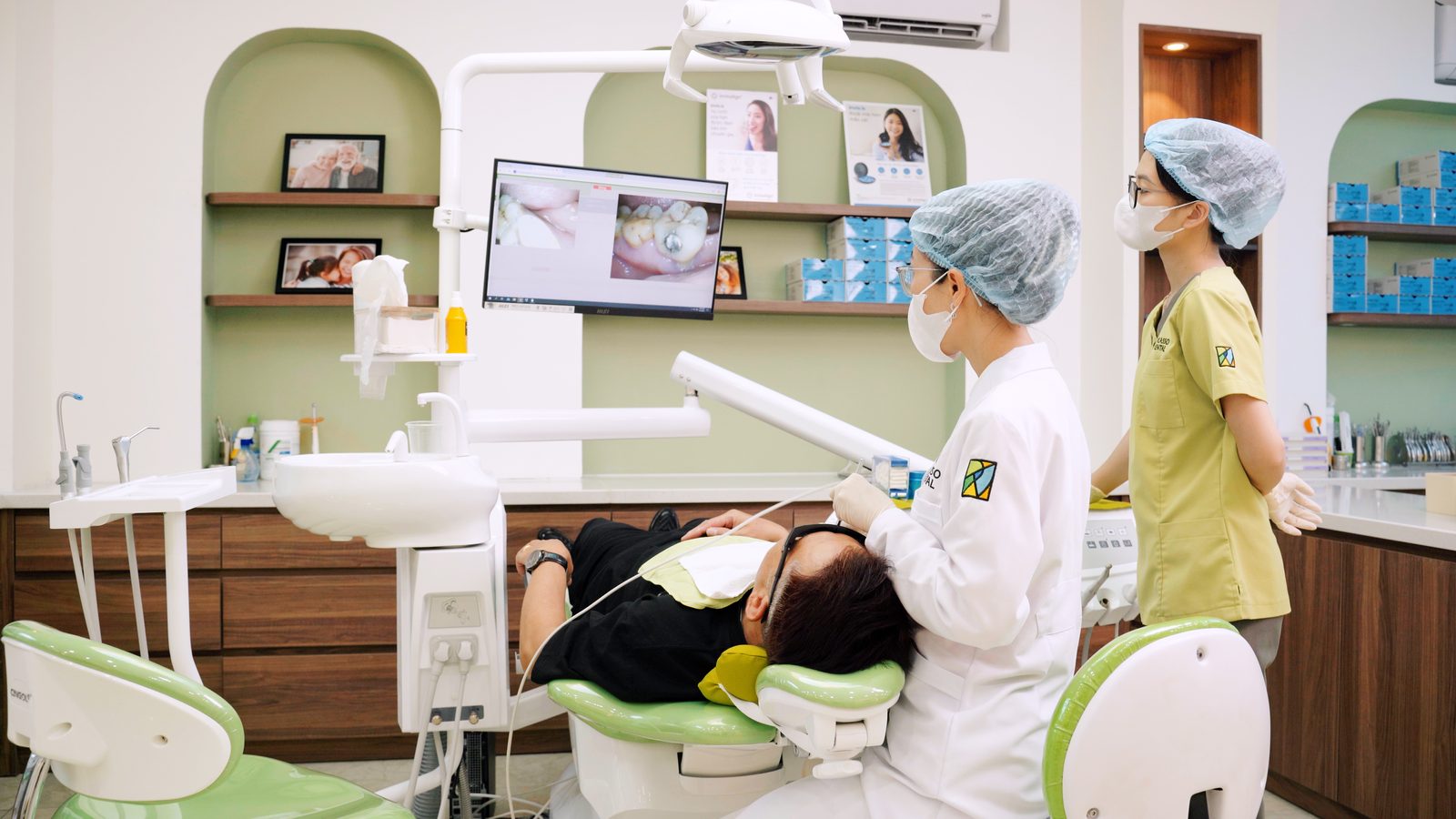
How long does a dental bridge last?
A well-maintained porcelain-fused-to-titanium or zirconia bridge lasts 10 to 15 years on average. Lava and Lava Plus bridges carry 10-year warranties at Picasso Dental and can exceed 15 years with good oral hygiene. The limiting factor is almost always secondary decay on the abutment teeth under the crown margins, which is entirely preventable with consistent daily under-bridge cleaning. Bridges that fail early do so almost always because of inadequate hygiene rather than material failure.
Patients who attend six-monthly professional cleanings, where hygienists clean under and around the bridge with specialized instruments, consistently maintain their bridges for longer than those who skip regular appointments. This is true across the thousands of bridge cases I have managed at Picasso Dental since 2013.
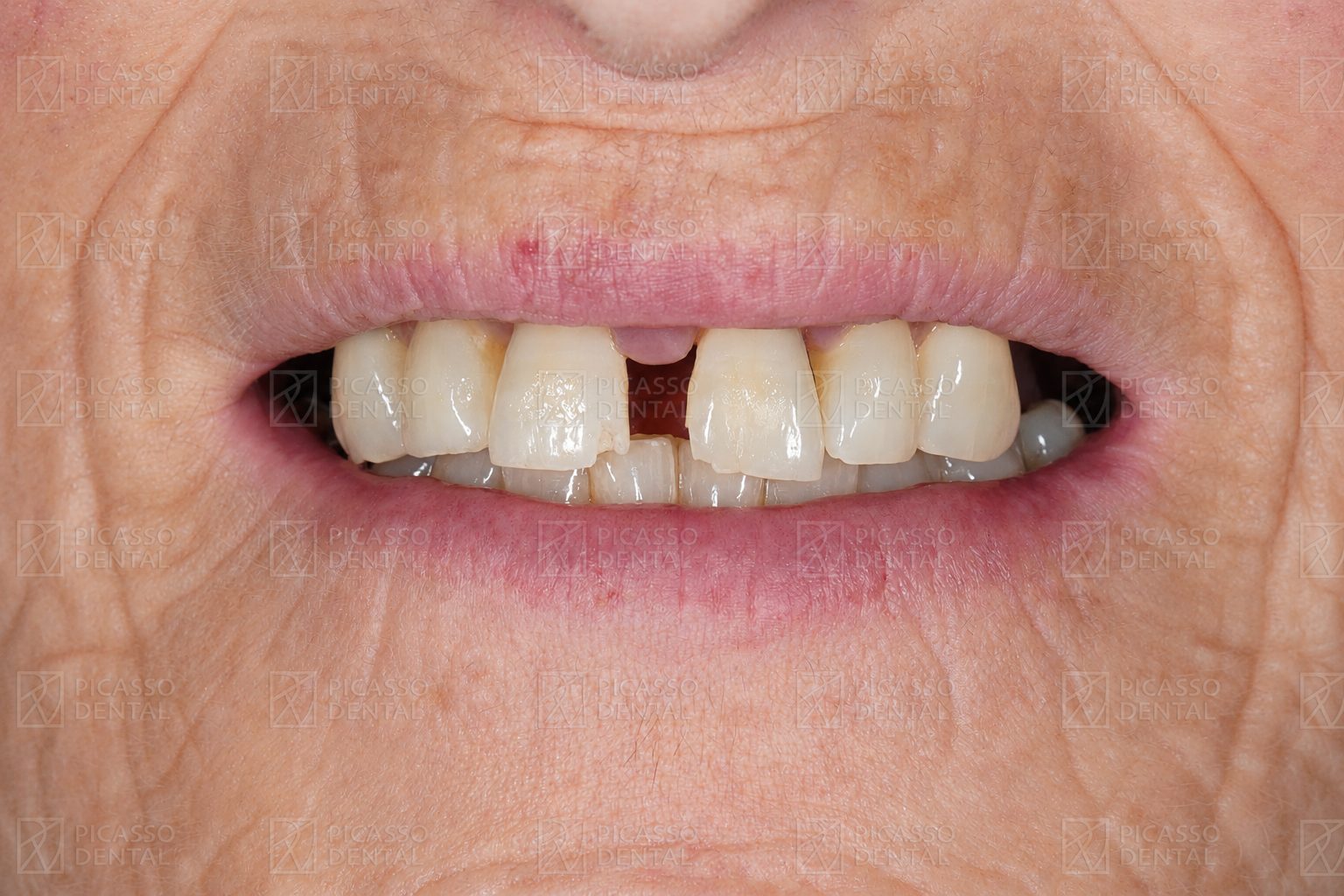 Before
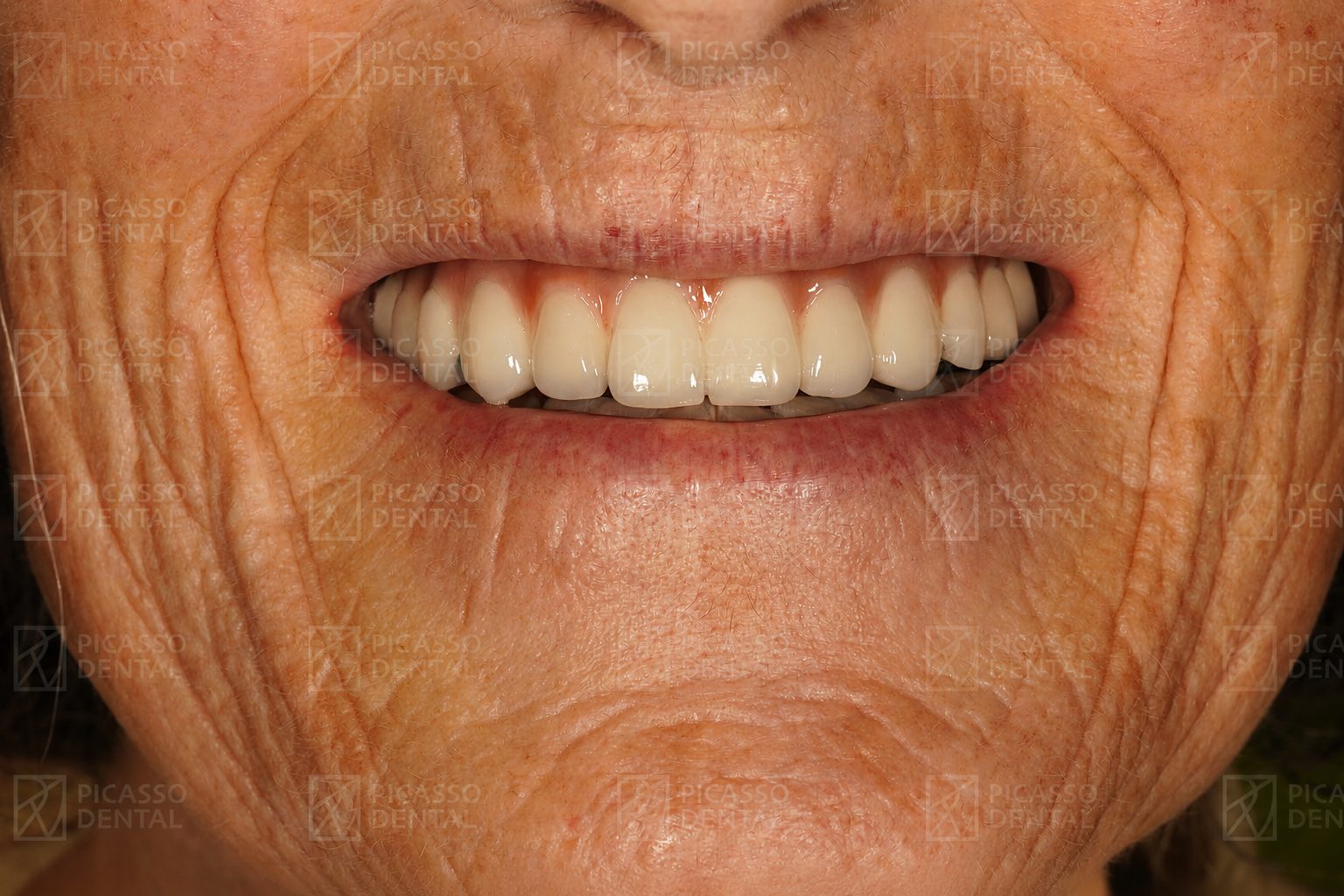 After
AfterFull rehabilitation, Hanoi Old Quarter
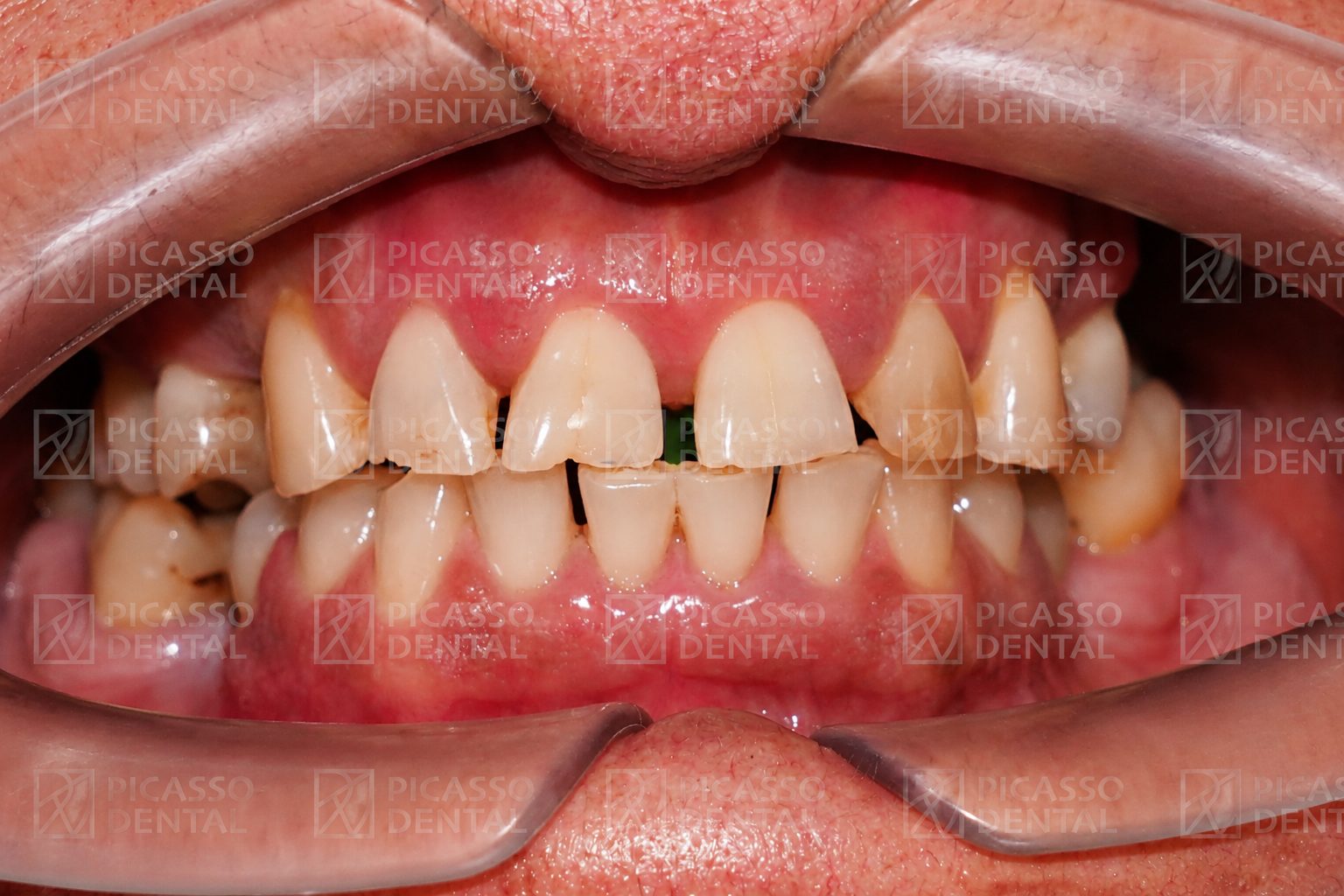 Before
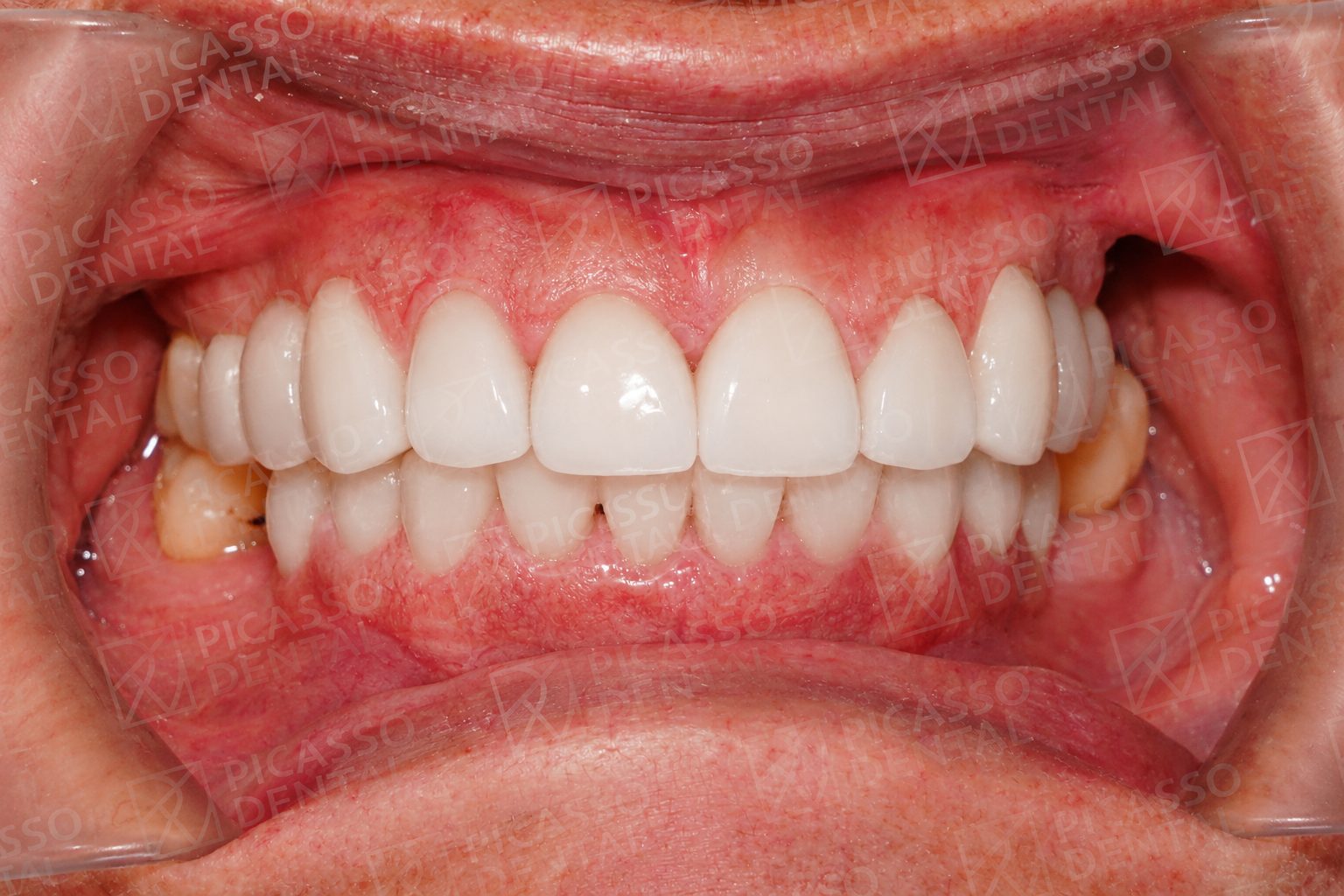 After
AfterPorcelain veneers, Da Nang
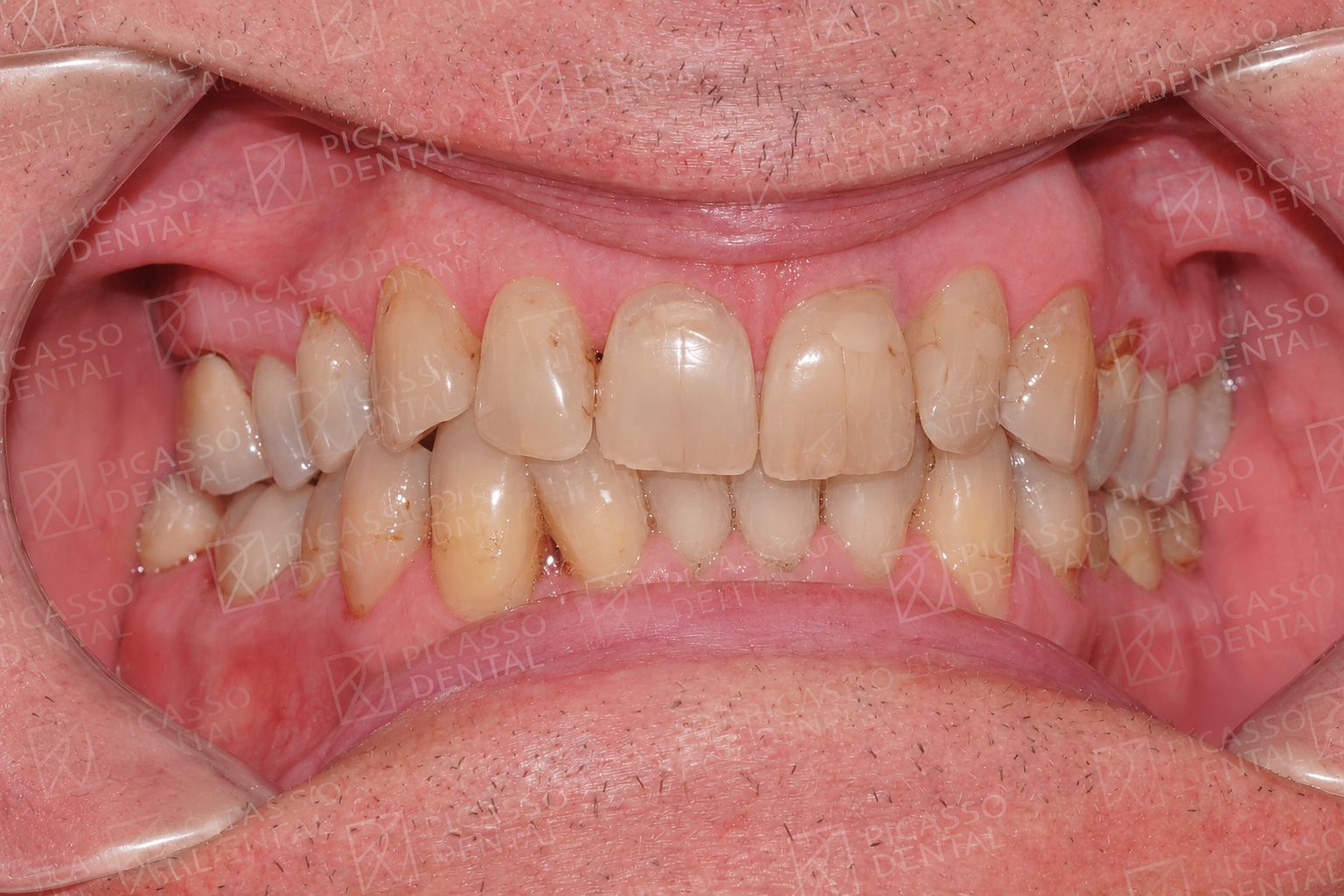 Before
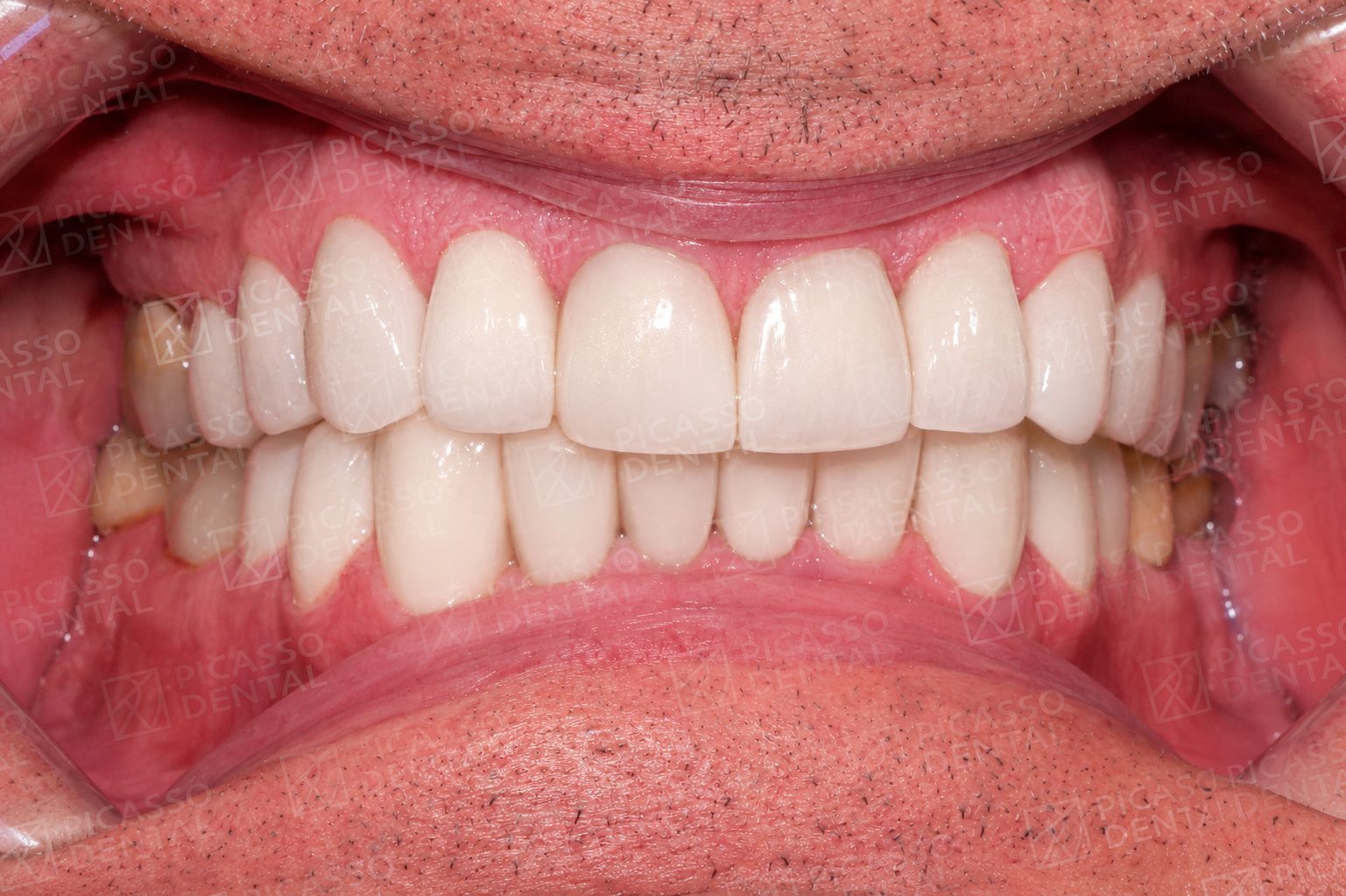 After
AfterCrown and veneer, HCMC Thao Dien
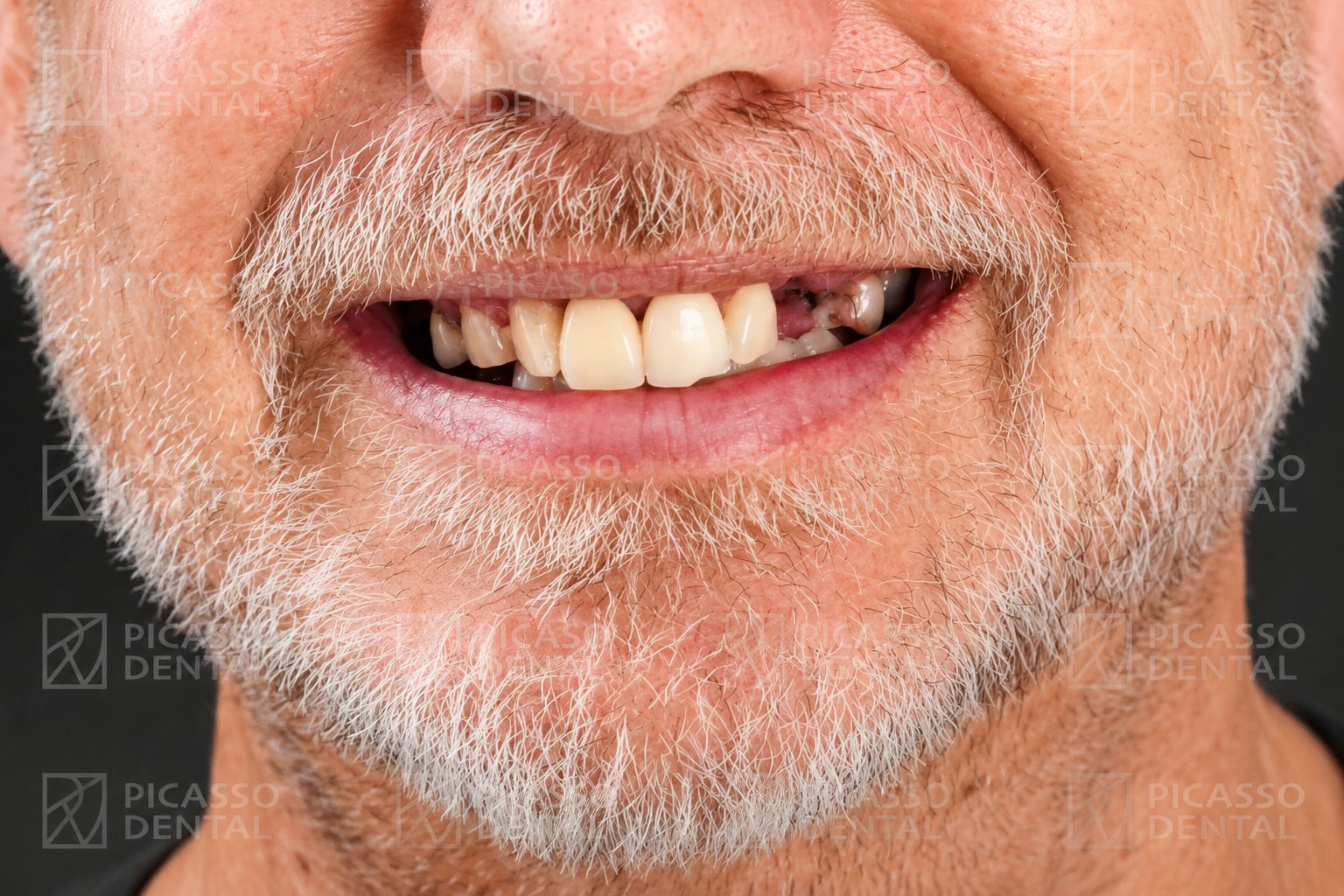 Before
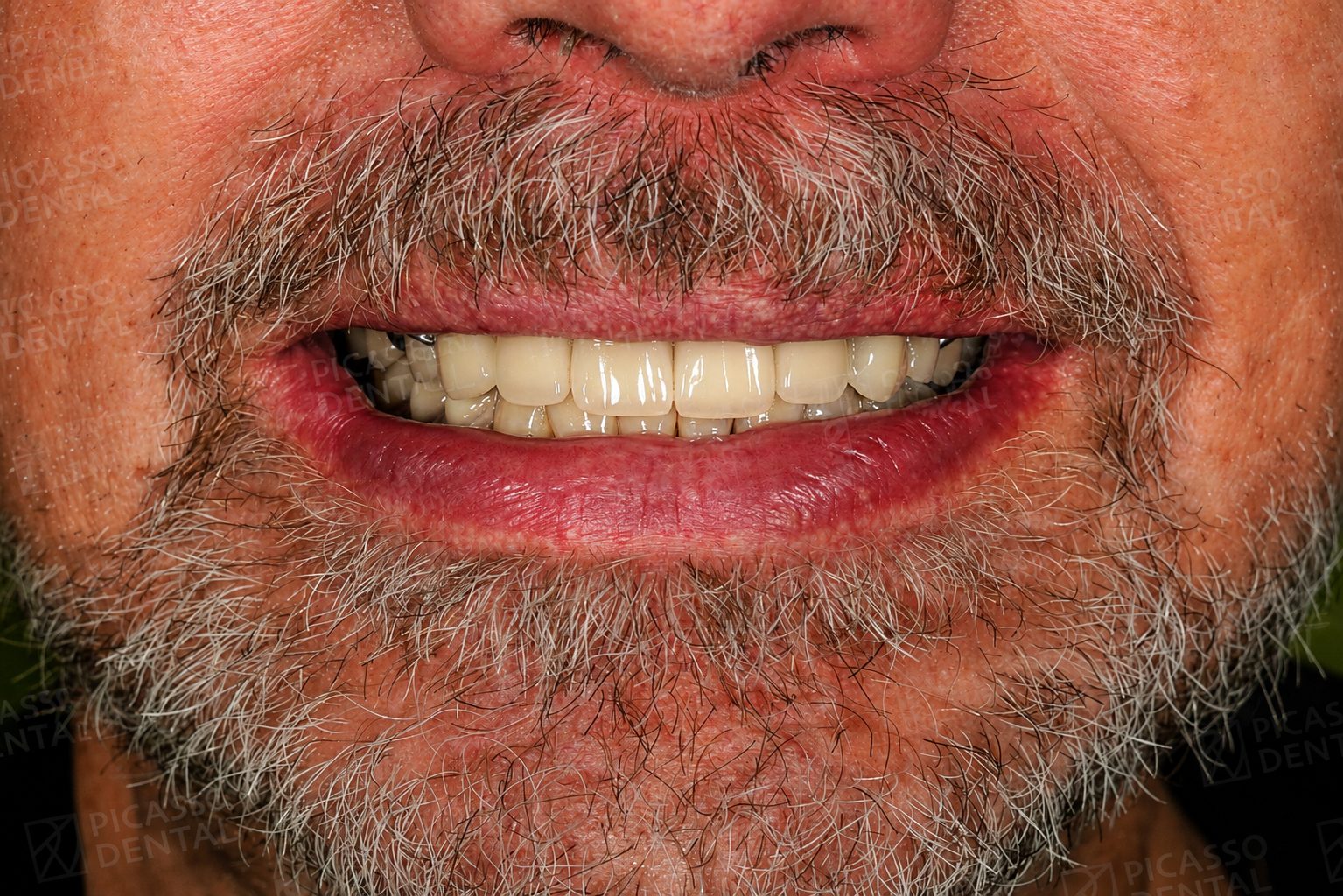 After
AfterSmile restoration, Hanoi Westlake
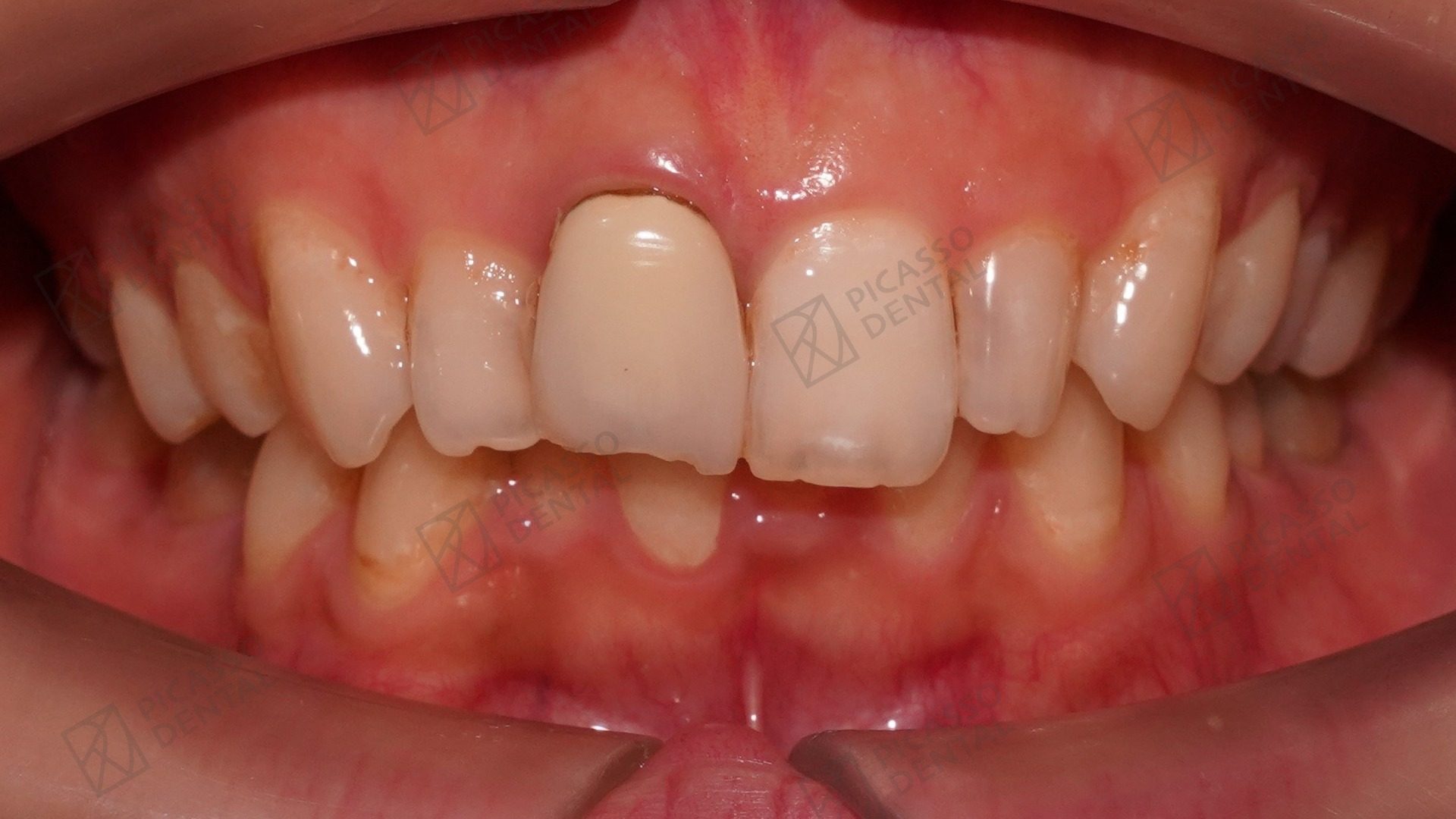 Before
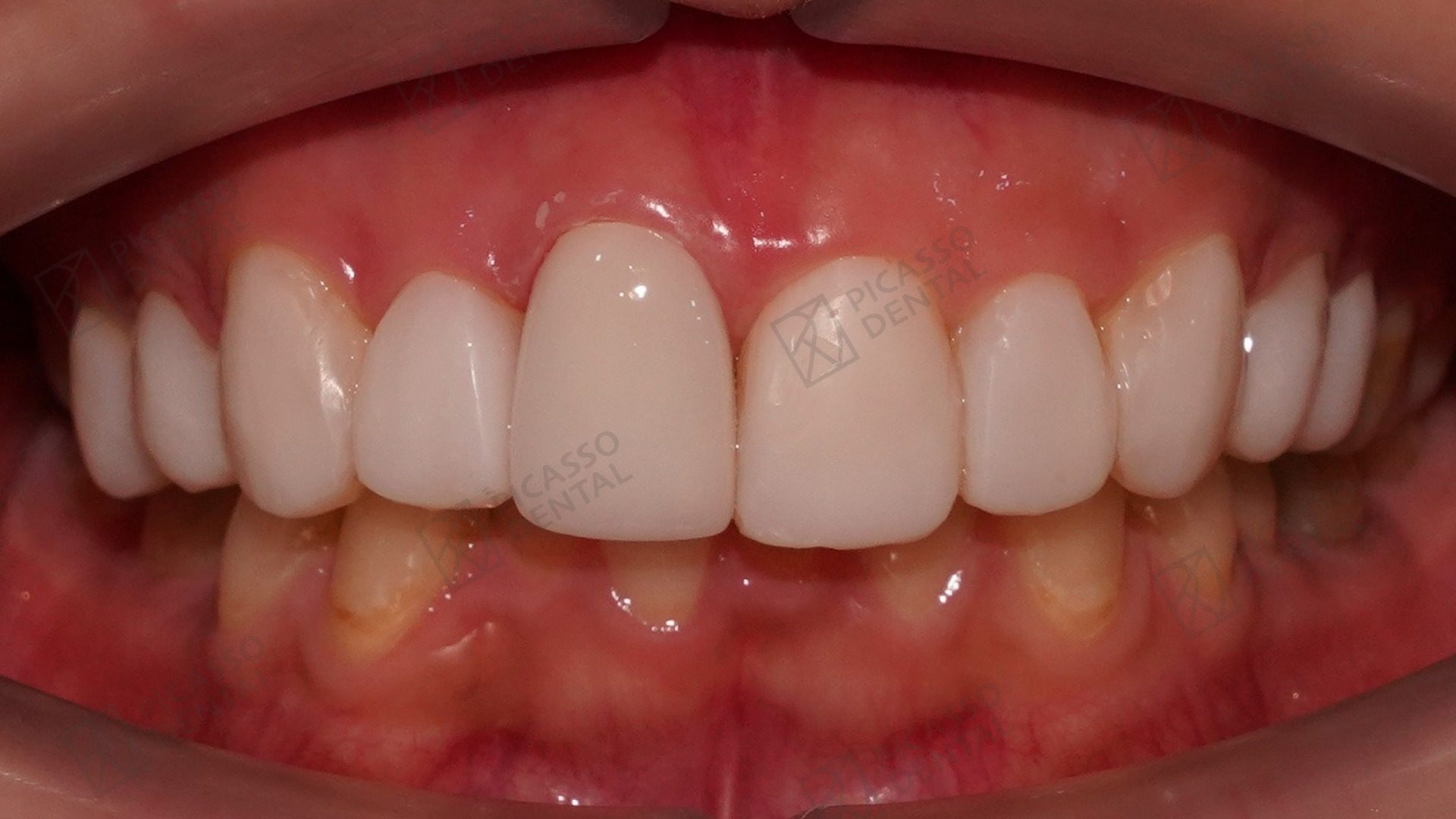 After
AfterVeneer makeover, Da Nang Flagship
Frequently asked questions
Can I eat normally with a dental bridge?
Yes. A dental bridge restores close to normal chewing function. Most patients eat soft-to-medium foods comfortably within 24 to 48 hours of bridge placement. By day 7 most report forgetting the bridge is there during meals. A small number of foods, ice, hard candy, sticky caramel, and taffy, should be avoided permanently to protect the porcelain.
What can I eat the first week after getting a dental bridge?
For the first 3 to 5 days, stick to soft foods: scrambled eggs, yogurt, mashed potato, soft pasta, soup, and ripe banana. Cut food into small pieces rather than biting directly. Chew on both sides to distribute pressure evenly. Temperature sensitivity is common for the first week; avoid very hot or very cold drinks during that period.
What foods should I permanently avoid with a dental bridge?
Avoid ice (chewing it cracks porcelain), hard candy and unpopped popcorn kernels (same fracture risk), sticky caramel and taffy (can pull the bridge off the abutment teeth), and using your teeth to open packaging. These restrictions protect the porcelain crown units from micro-fracture over time.
How do I clean food from under a dental bridge?
Food catches under the pontic between the two abutment crowns. Clean it with a floss threader or super floss passed under the bridge, or a water flosser set to medium pressure. A small interdental brush also works. Clean after every meal ideally, and at minimum once before bed. Food left under a bridge causes gum inflammation and secondary decay on the abutment teeth.
How long does it take to get used to eating with a dental bridge?
Most patients adapt within 3 to 7 days. Days 1 to 2: the bridge feels foreign and bulky; chew slowly on soft foods. Days 3 to 5: bite pressure and positioning normalize. Day 7 onward: most patients eat without consciously thinking about the bridge. Full sensory adaptation takes 2 to 4 weeks.
Is eating with a dental bridge better than eating with dentures?
Yes. A fixed bridge is cemented permanently and does not move during chewing. Dentures can shift, reduce bite force by 50 to 70 percent, and require adhesive. A bridge restores roughly 80 to 90 percent of natural bite force, compared to 20 to 30 percent for a full lower denture.
How much does a dental bridge cost in Vietnam compared to Australia?
At Picasso Dental Clinic, a porcelain-fused-to-titanium unit costs from approximately USD $195 and a zirconia or Emax unit from USD $275 to $350. A standard 3-unit bridge replacing one missing tooth ranges from USD $585 to $1,050 total. In Australia the same 3-unit bridge typically costs AUD $4,500 to $7,500. Savings for dental tourists usually cover flights and accommodation with money remaining.
How long does a dental bridge last?
A well-maintained porcelain bridge lasts 10 to 15 years on average. Zirconia and Lava bridges carry 10-year warranties at Picasso and can exceed 15 years with good oral hygiene. The limiting factor is usually secondary decay on the abutment teeth under the crowns, which is prevented by thorough daily cleaning under the bridge.
Start Here
Start with a brief.
Tell us about your missing tooth and I will send you material options, a full cost estimate, and a treatment timeline within 24 hours. No obligation.