
Porcelain Veneers
Coffee, Tea, and Wine
with Veneers: the honest guide.
Porcelain is glass-like and non-porous. The surface will not stain. Here is what you actually need to watch, and what you can safely ignore.

The short version
- Porcelain is non-porous. Coffee, tea, and wine cannot stain the veneer surface itself.
- The cement margin at the gum line can discolor over years of heavy staining-beverage use.
- Drinking through a straw and rinsing with water afterward dramatically reduces margin staining.
- Six-monthly professional cleanings remove accumulated staining that home care cannot reach.
- Your veneers can last 10 to 20 years without any change in shade if you follow basic habits.
Why porcelain veneers resist staining
Porcelain is a glass-like ceramic with an extremely dense, non-porous surface. Staining molecules from coffee, tea, red wine, and other beverages cannot penetrate this structure the way they absorb into natural tooth enamel. Think of it like a glazed ceramic plate: coffee wipes off without leaving a permanent mark because the surface does not allow absorption.
Natural enamel has microscopic pores and surface irregularities that trap staining compounds over time. This is why natural teeth gradually darken and yellow, especially in regular coffee drinkers. Veneers made from high-quality dental porcelain maintain their original shade indefinitely because they lack these microscopic entry points.
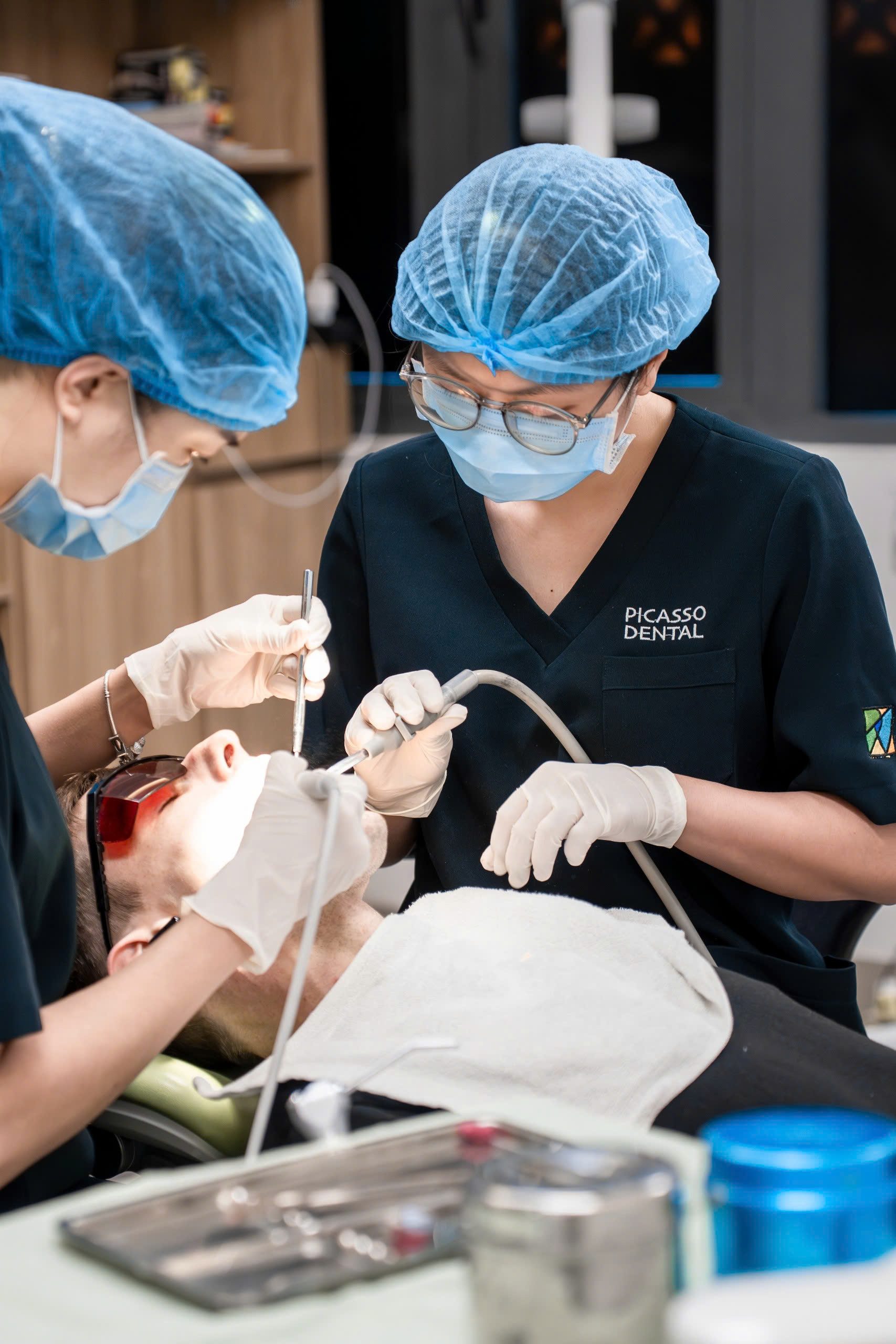
At Picasso Dental clinics across Hanoi, Da Nang, and Ho Chi Minh City, I show patients veneers placed ten or more years ago that look as bright as the day they were fitted, despite the patients drinking coffee every morning throughout that decade. This stain resistance is one of the most significant advantages porcelain veneers hold over composite bonding or unrestored natural teeth.
The one thing that can discolor: the cement margin
While the porcelain itself will not stain, the dental cement that bonds the veneer to your tooth can discolor at the margins over time. The margin is the thin line where the edge of the veneer meets the natural tooth, usually right at the gum line. This junction uses dental cement that is strong and durable but slightly more porous than the porcelain above it.
Years of exposure to coffee, red wine, black tea, dark sodas, and other staining substances can gradually tint this cement, creating a fine visible line around the veneer edge. This does not happen quickly. In my experience since 2013, margin staining typically becomes noticeable only after five to ten years of heavy staining-beverage consumption without any protective habits in place.
The important thing to understand is that margin staining does not affect veneer function or structural integrity. It is purely cosmetic. Professional cleaning and polishing during regular dental visits removes surface staining. More stubborn discoloration can sometimes require refreshing the surface layer of cement, a simple procedure that restores the appearance without replacing the entire veneer.

Practical guidelines for coffee drinkers
You do not need to give up your morning coffee after getting veneers. The single most effective habit is straightforward: drink coffee through a straw. This directs the liquid past your front teeth toward the back of your mouth, minimizing contact with veneer margins. Patients who do this consistently maintain noticeably cleaner-looking margins compared to those who do not.
Rinsing your mouth with water immediately after finishing coffee washes away residual staining compounds before they can settle around the margins. This takes about five seconds and makes a measurable difference over years of daily coffee consumption.
Limiting contact time also helps. Sipping coffee slowly over several hours keeps staining compounds in contact with your teeth continuously. Drinking your coffee within twenty to thirty minutes and then rinsing gives staining molecules far less opportunity to accumulate. The goal is not eliminating coffee, it is managing how and when you consume it.
"My Aussie dentist and the endodontist both commented on the quality of Dr Emily's work, equal to anything they had seen by local specialists."
Lawrie Smith, Hanoi Old Quarter
Wine and tea: the same logic applies
Red wine poses the same marginal staining risk as coffee but does not affect the porcelain surface. White wine is less problematic for staining but its acidity can affect natural tooth enamel adjacent to veneers over time. Neither type of wine damages porcelain veneers directly, making wine consumption entirely compatible with veneer longevity.
The tannins in red wine that stain natural teeth also accumulate at veneer margins with repeated exposure. The same protective habits apply: rinse with water after drinking, avoid swishing wine around your mouth unnecessarily, and brush within an hour when possible. Many patients at our clinics enjoy wine regularly without significant margin staining because they practice these simple preventive measures.
Black tea has strong staining potential similar to coffee. Green and white teas stain less but still contain some tannins. For all tea types, the protective approach is identical: use a straw when practical, rinse afterward, and maintain good daily oral hygiene. The staining from tea accumulates at the margin only, not on the porcelain surface.
Daily oral hygiene and margin protection
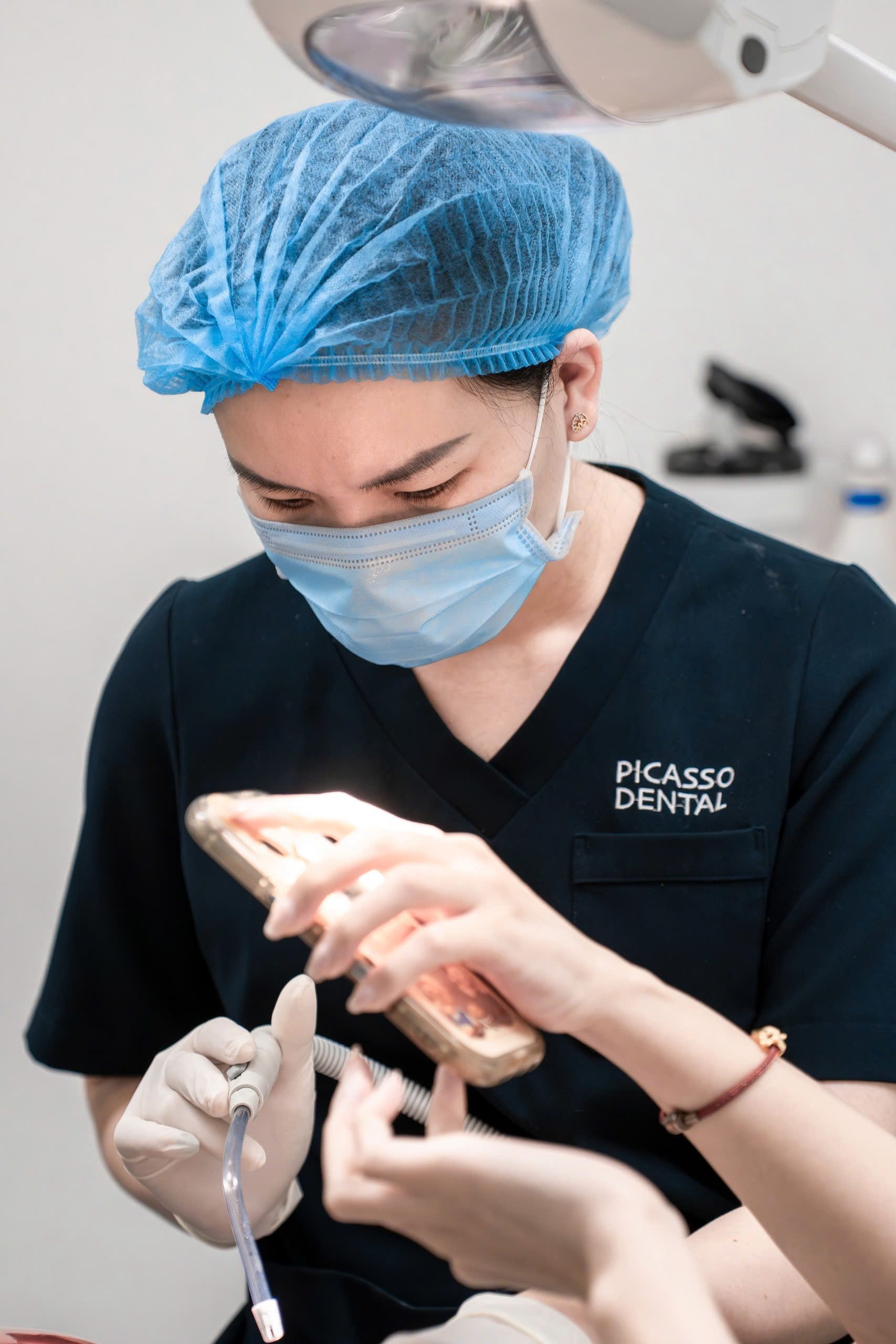
Brushing twice daily removes staining compounds before they can discolor cement margins. Pay particular attention to the gum line where veneers meet natural teeth. This is where staining accumulates most. Use a soft-bristled toothbrush with gentle circular motions at the gum line. Avoid stiff-bristled brushes or abrasive toothpastes that can scratch the porcelain surface or irritate gum tissue.
Flossing daily removes particles and staining from between teeth where brushing cannot reach. The sides of veneered teeth where they contact adjacent teeth have cement margins that also need cleaning. Neglecting these areas allows staining to develop out of sight until it becomes visible when you smile widely.
A non-abrasive whitening toothpaste will not alter the shade of your porcelain veneers, but it can help remove surface staining from natural teeth adjacent to the veneers and keep cement margins cleaner. At our clinics, I recommend gentle daily whitening toothpastes for veneer patients who want to maintain a bright, even appearance.
Considering veneers? Book a consultation and I will assess your smile zone, discuss shading options, and give you a full cost estimate with no obligation.
Book a consultationProfessional cleanings make the difference
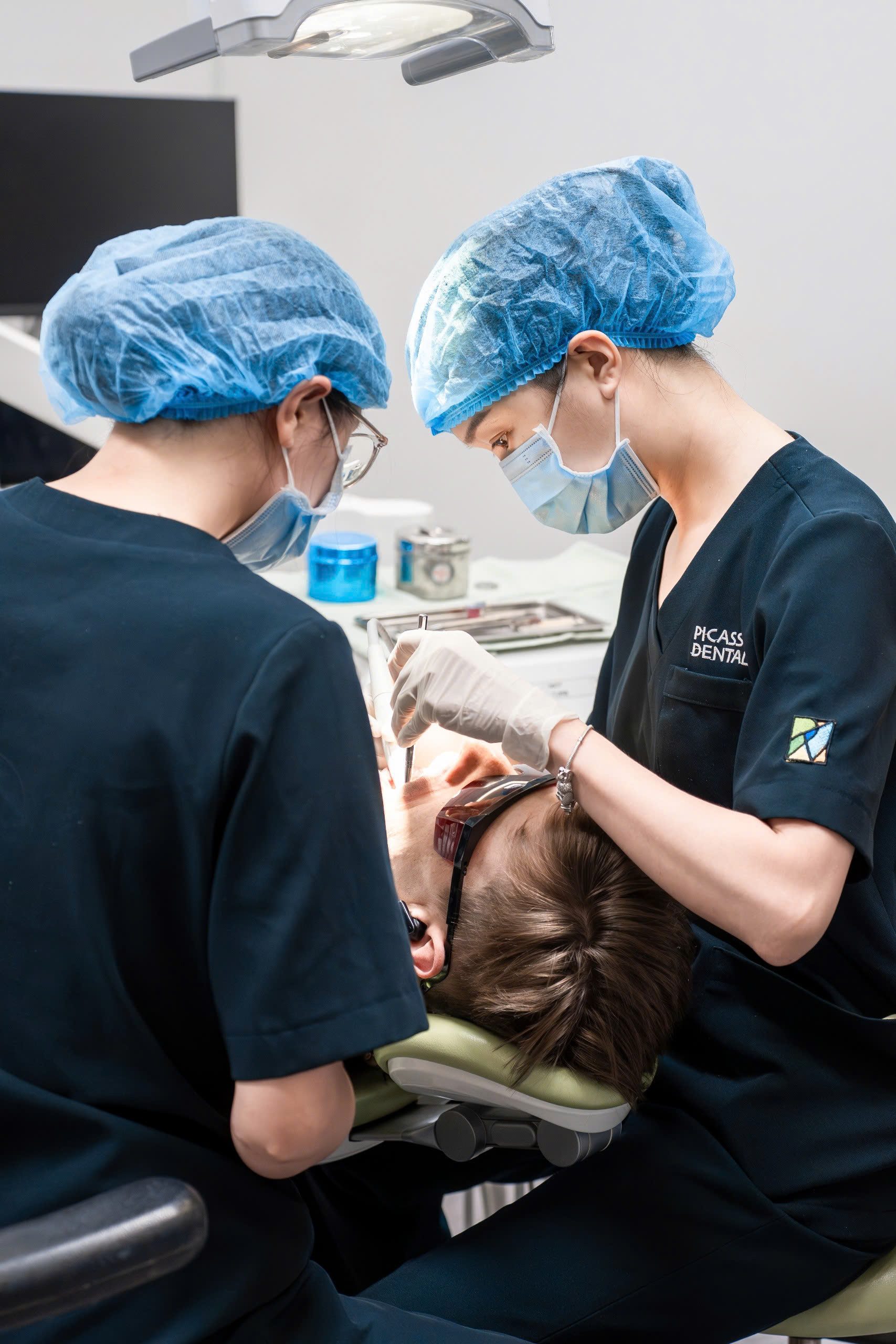
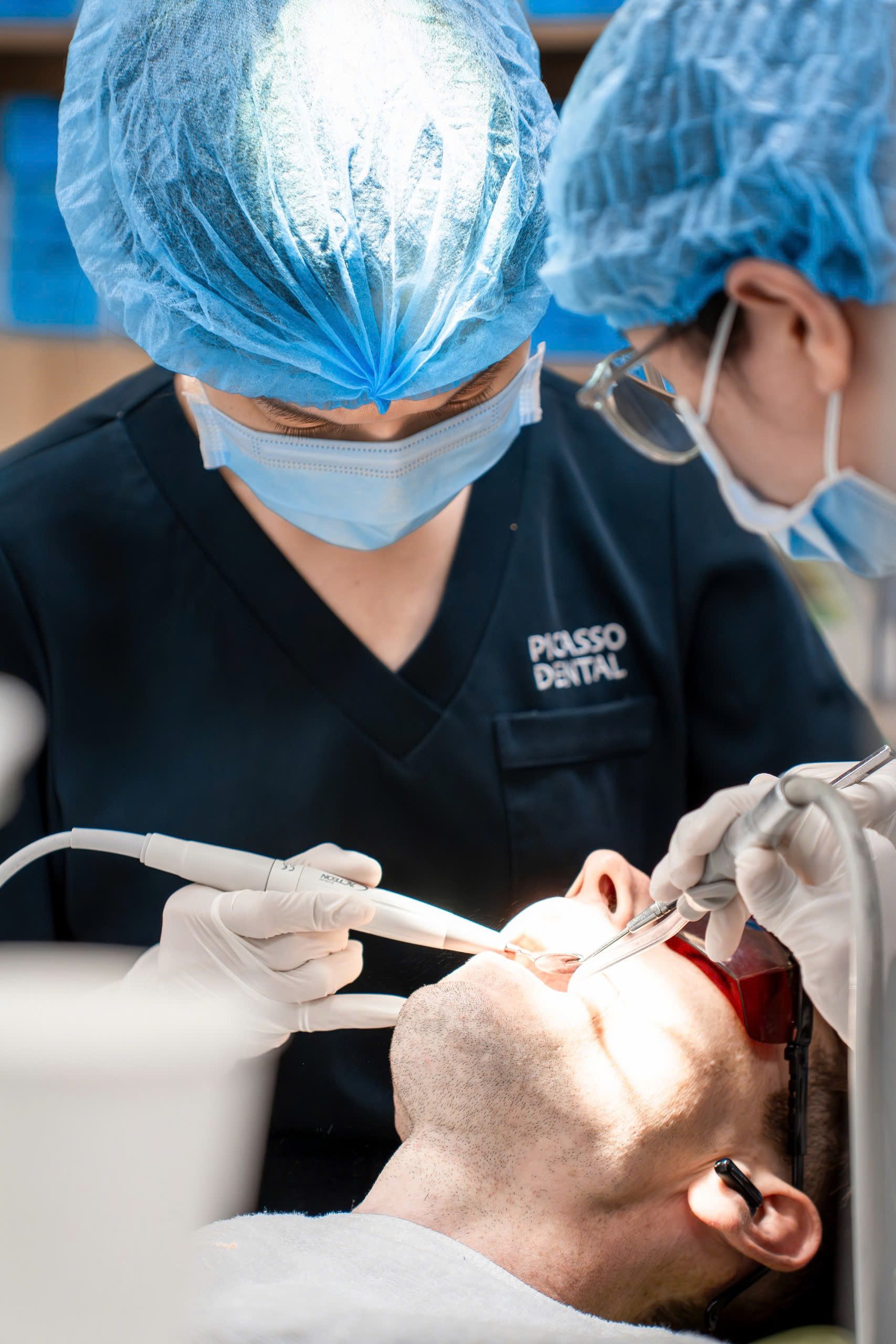
Regular professional cleanings every six months remove accumulated staining that home care cannot fully eliminate. Dental hygienists use specialized polishing pastes and techniques that clean veneer margins thoroughly while protecting the porcelain surface from abrasion. This professional maintenance keeps veneers looking their absolute best year after year.
During each cleaning, we identify early margin staining and address it before it becomes visible to others. Sometimes polishing the area alone restores the original clean appearance. Other times a topical product brightens the cement slightly. These early interventions cost very little and prevent the need for more significant restoration later.
Patients who skip regular cleanings consistently develop more margin staining and overall veneer dulling compared to those who maintain their six-month appointments. This pattern has been consistent across thousands of veneer patients at Picasso Dental since 2013.
Staining-beverage habits: what to do and what to stop
Protective habits
- Use a straw for coffee, tea, and cold drinks
- Rinse with water immediately after staining beverages
- Brush twice daily, soft bristles, at gum line
- Floss daily, including veneer margins
- Professional cleanings every six months
- Drink coffee in one sitting rather than sipping all morning
Habits that accelerate margin staining
- Sipping coffee or tea continuously for hours
- Skipping water rinse after staining beverages
- Using a stiff-bristled brush or abrasive paste
- Skipping regular professional cleanings
- Swishing red wine around the mouth
- Neglecting flossing at veneer margins
The bottom line for coffee and wine lovers
You can continue enjoying coffee, tea, and wine after getting veneers. The porcelain surface will not stain. Simple protective habits minimize margin staining over the long term. Regular professional care maintains optimal appearance decade after decade. Thousands of patients at Picasso Dental have proven that veneers and beverage enjoyment coexist beautifully when you follow basic guidelines.
Do not let concern about staining prevent you from getting veneers. The stain resistance of porcelain far exceeds natural teeth. You will almost certainly worry less about discoloration after getting veneers than you did before. The minor habit adjustments required are a small trade-off for the lasting confidence and aesthetic improvement veneers provide.
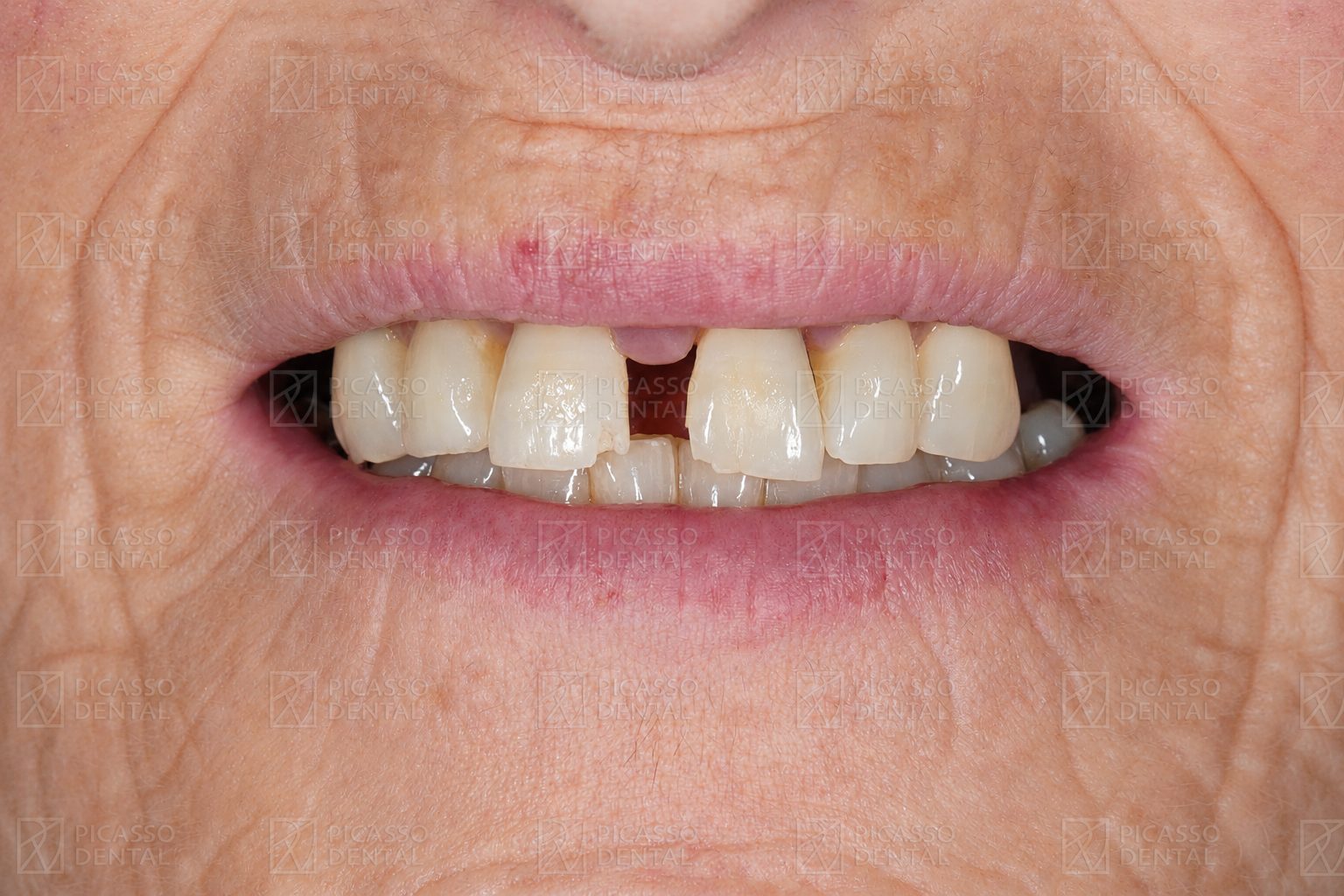 Before
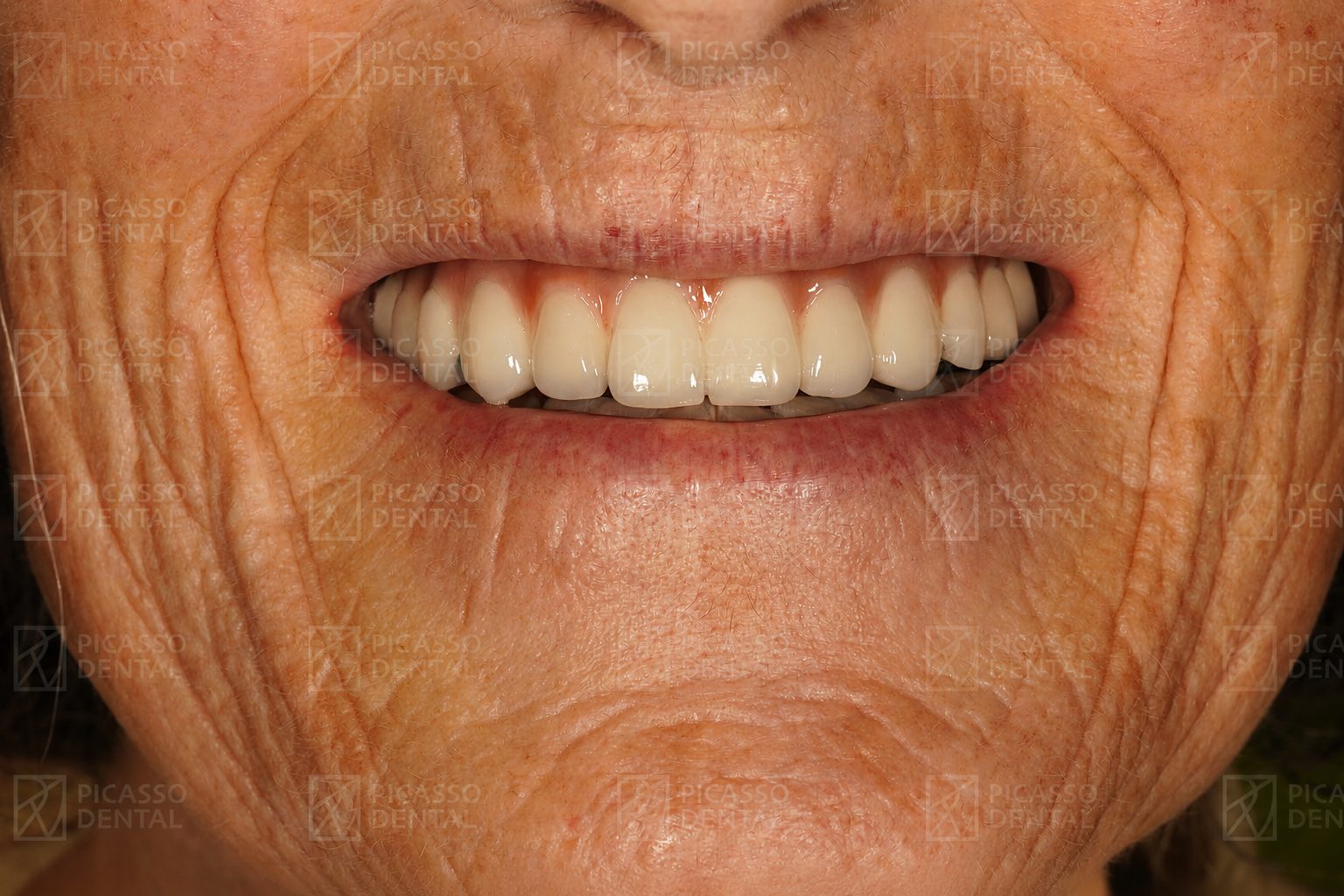 After
AfterFull rehabilitation, Hanoi Old Quarter
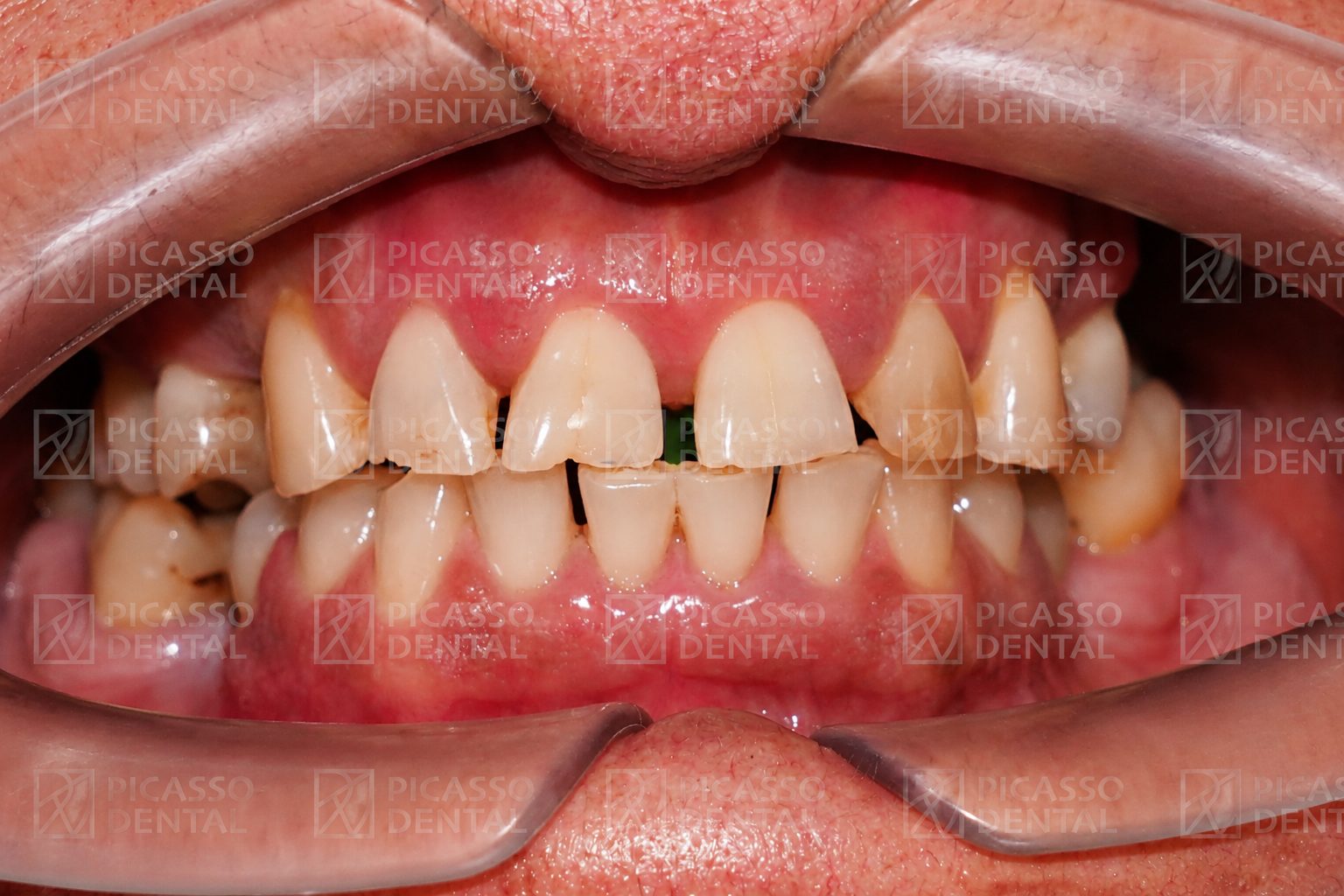 Before
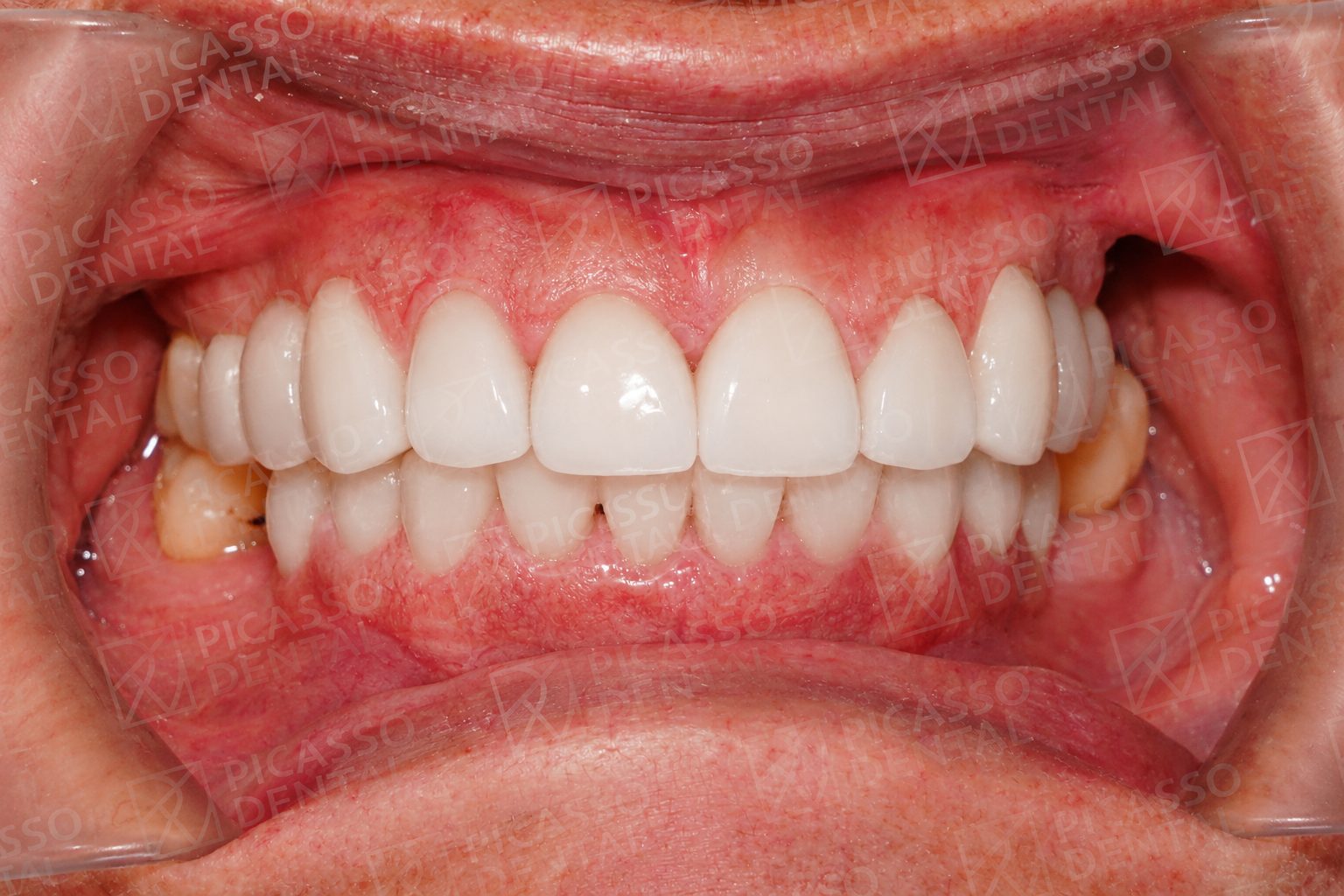 After
AfterPorcelain veneers, Da Nang
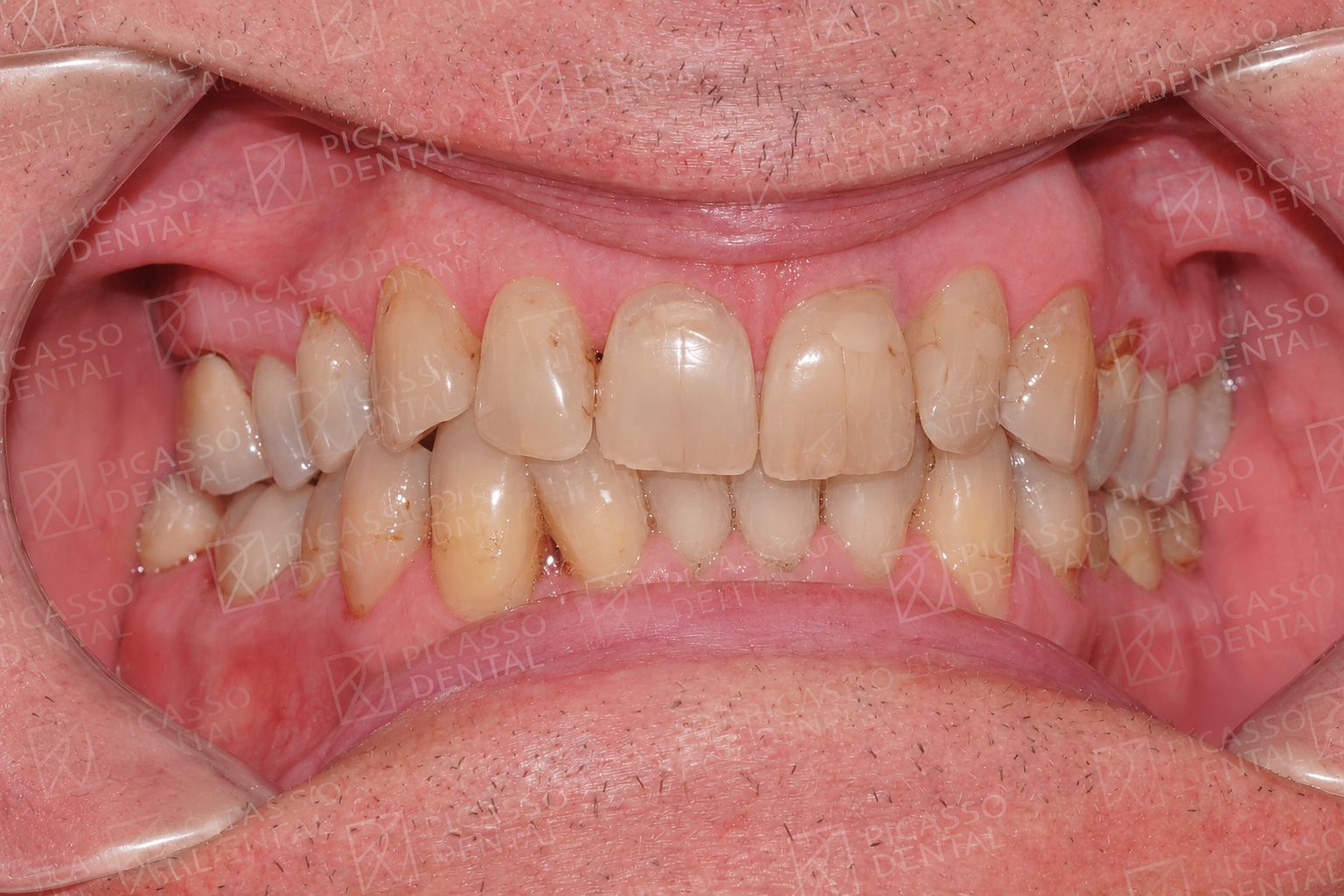 Before
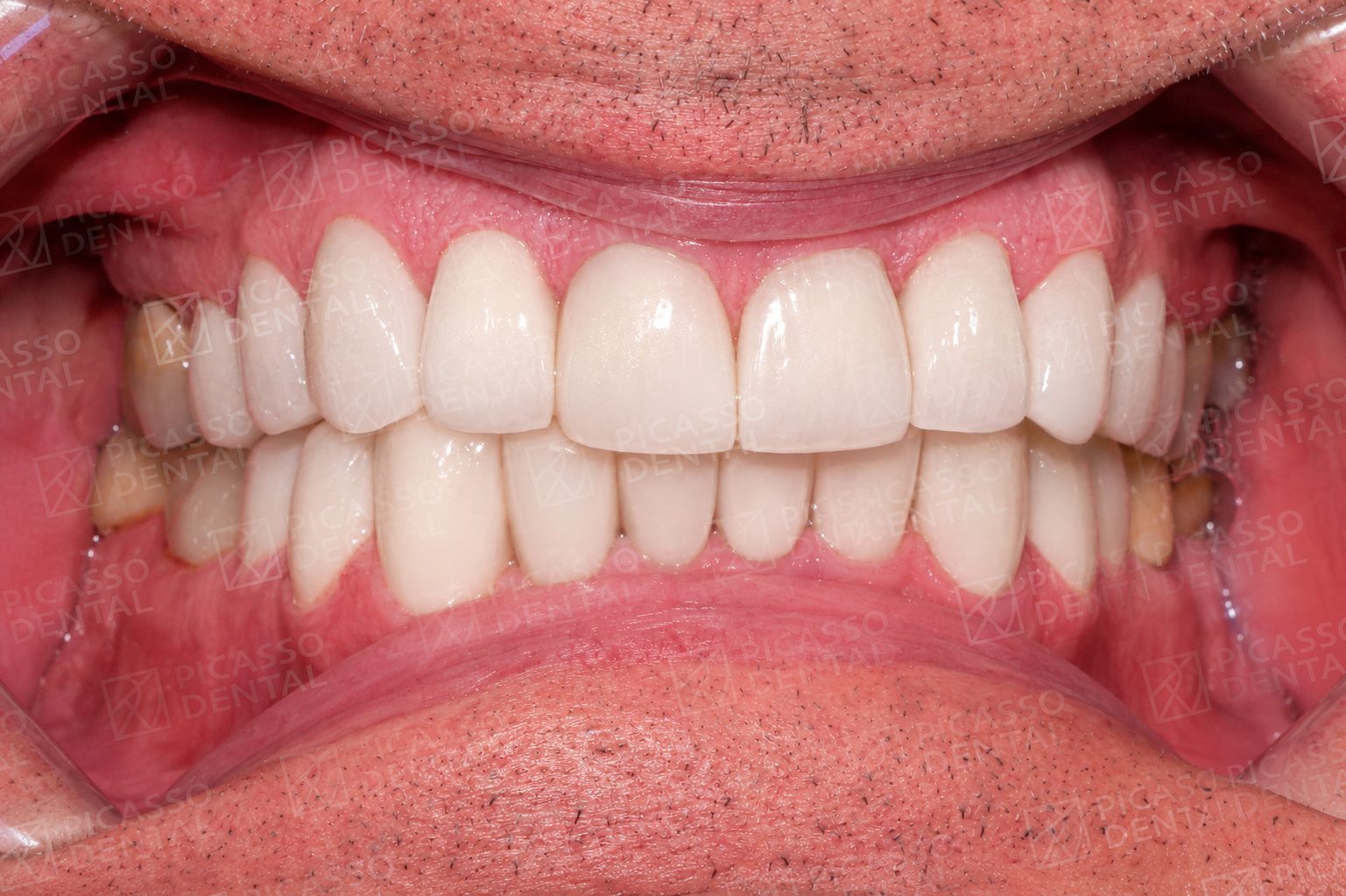 After
AfterCrown and veneer, HCMC Thao Dien
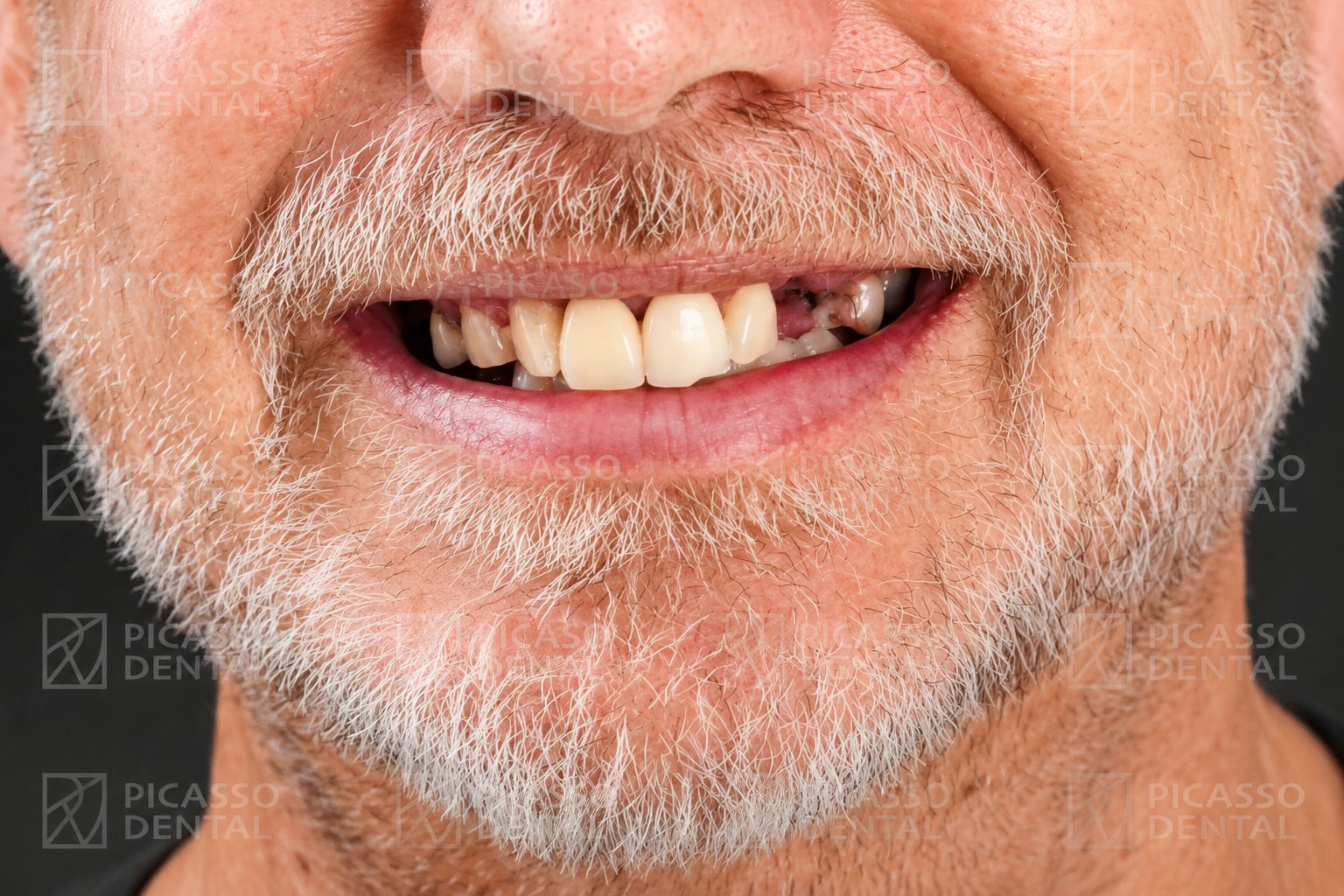 Before
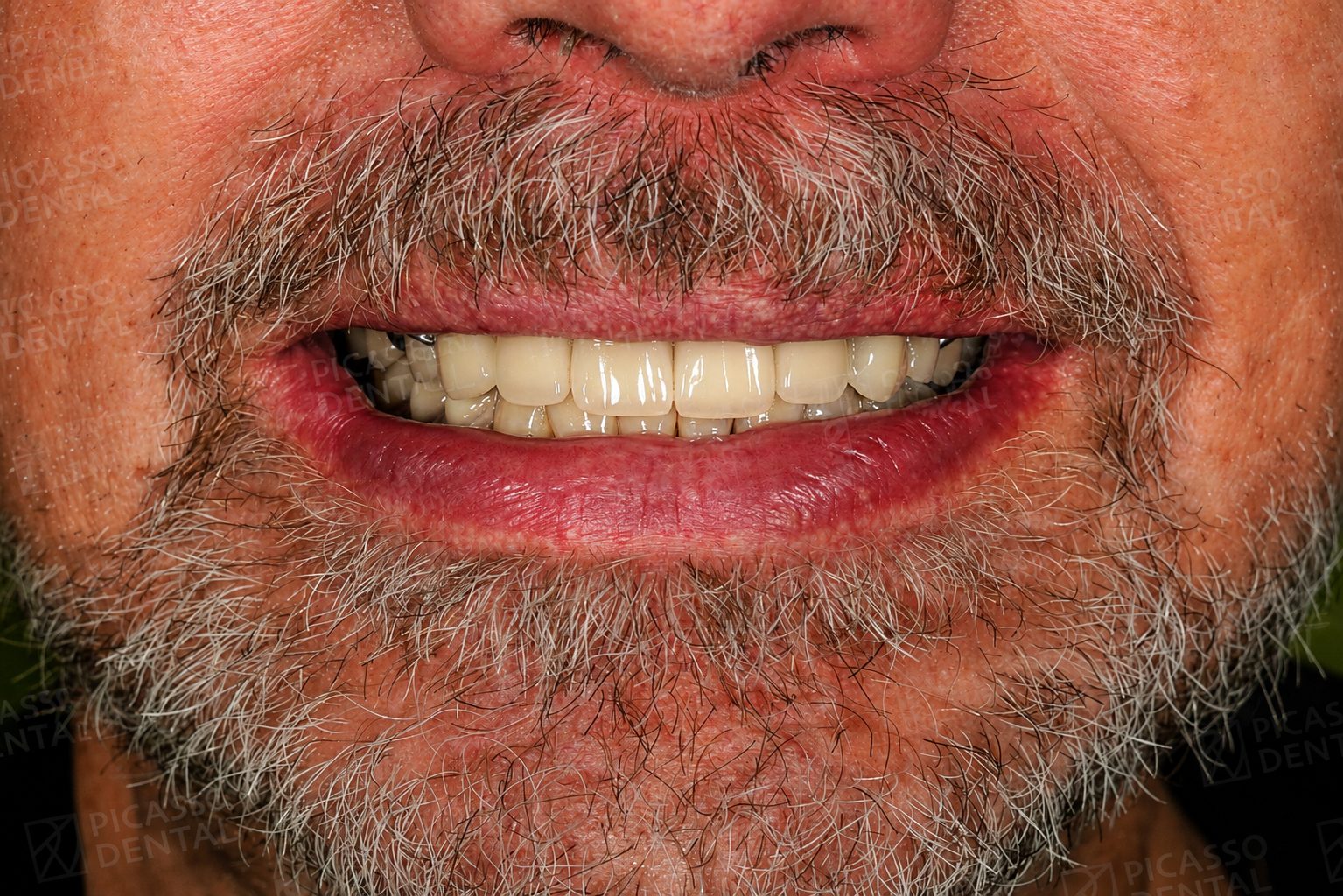 After
AfterSmile restoration, Hanoi Westlake
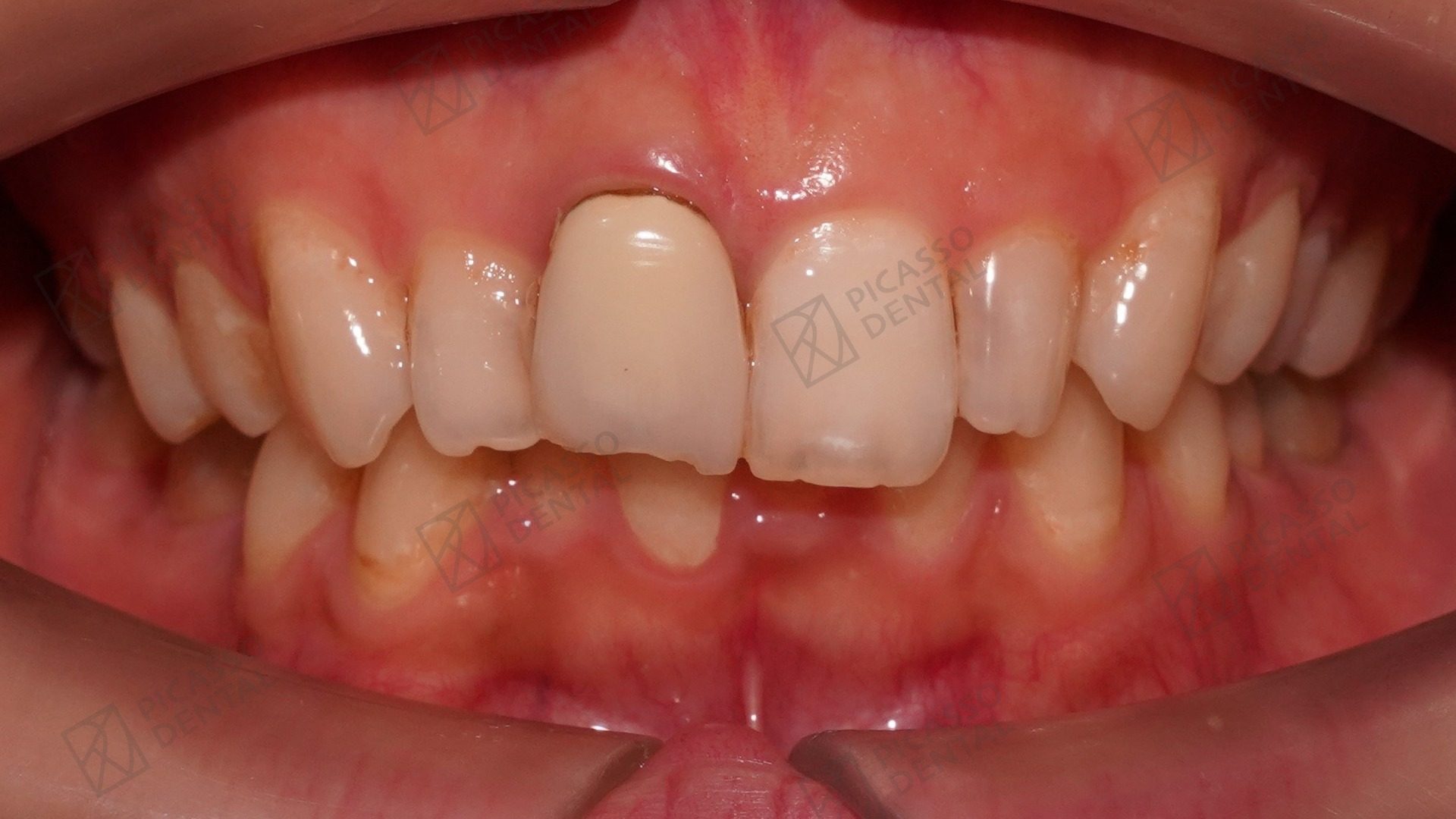 Before
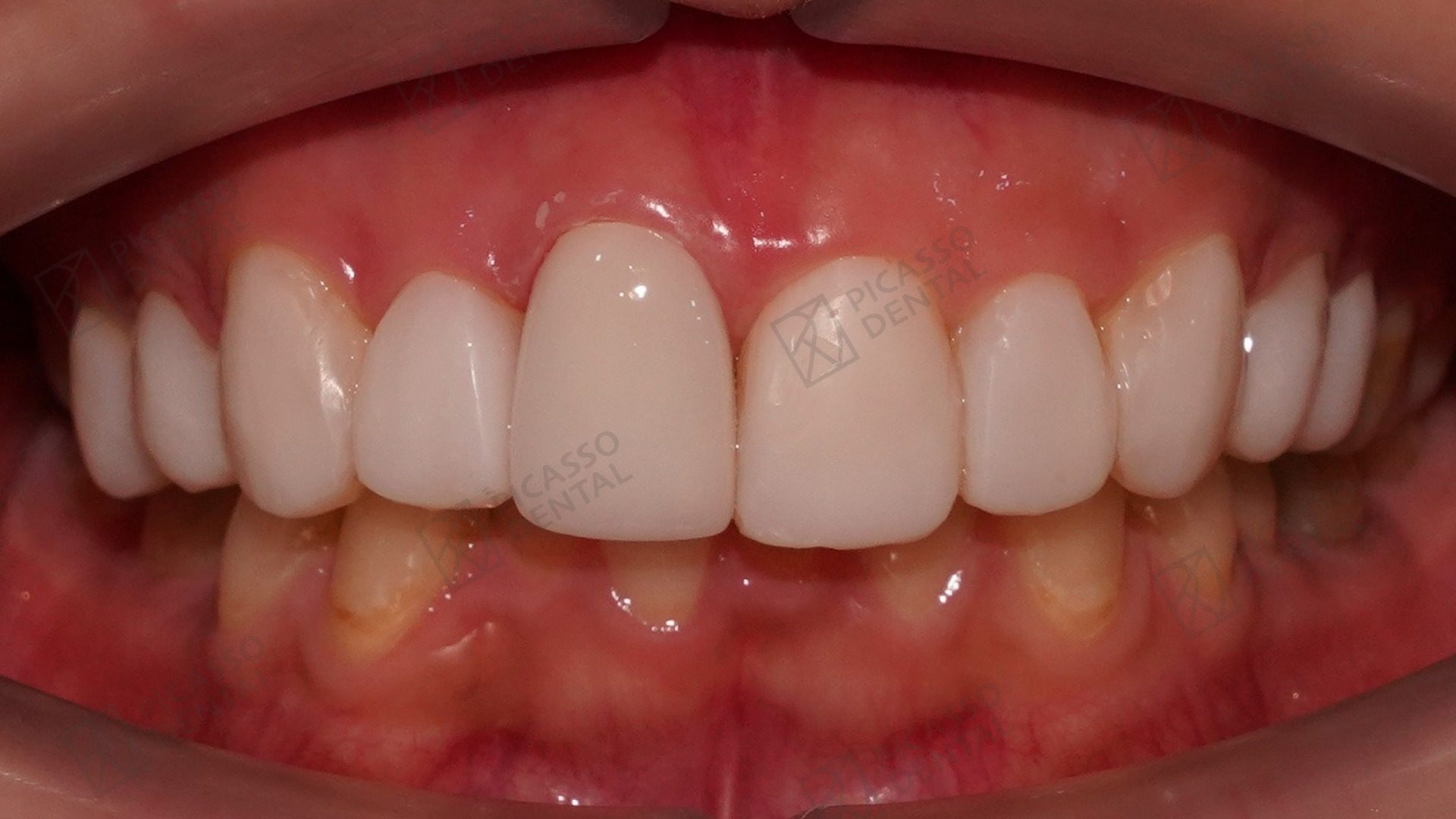 After
AfterVeneer makeover, Da Nang Flagship
Frequently asked questions
Can I drink coffee with porcelain veneers?
Yes. The porcelain surface is non-porous and will not absorb coffee stains. The only risk is gradual discoloration of the cement margin where the veneer edge meets the natural tooth at the gum line. Drinking through a straw and rinsing with water immediately after reduces this risk significantly.
Does red wine stain porcelain veneers?
Red wine cannot stain the porcelain surface directly. The tannins in red wine may accumulate at veneer margins over many years. Rinsing after drinking and maintaining six-monthly professional cleanings keeps margins looking clean. The veneer surface itself remains unaffected.
What is margin staining and is it serious?
Margin staining is gradual discoloration of the dental cement at the edge where the veneer meets the natural tooth. It is cosmetic only and does not affect veneer function or longevity. It typically takes five to ten years of heavy staining-beverage consumption to become noticeable without preventive habits. It can usually be addressed with professional polishing.
Does tea stain veneers?
Black tea has strong staining potential but affects only the cement margin, not the porcelain surface. Green and white teas stain less. The same protective habits apply: drink through a straw when practical, rinse afterward, and brush twice daily with a soft-bristled brush.
How often should I get professional cleanings with veneers?
Every six months. Professional cleanings remove accumulated staining that home care cannot fully eliminate. Hygienists use specialized polishing pastes that clean veneer margins without damaging the porcelain surface. Patients who skip regular cleanings consistently show more margin staining than those who maintain their appointments.
Can whitening toothpaste help veneers stay bright?
A non-abrasive whitening toothpaste will not change the shade of porcelain veneers, but it removes surface staining from natural teeth adjacent to veneers and helps keep cement margins cleaner. Use a gentle formula. Avoid highly abrasive whitening pastes that can scratch the porcelain surface.
Will laser whitening treatments affect my veneers?
Professional laser whitening does not change the shade of existing porcelain veneers. Natural teeth adjacent to veneers will brighten but veneers will stay their original shade, potentially creating a mismatch. If you want to whiten your smile, it is best to whiten natural teeth first and then have veneers made to match the new brighter shade.
How long do porcelain veneers last with regular coffee and wine drinking?
Porcelain veneers last 10 to 20 years on average. Drinking coffee and wine does not shorten veneer lifespan because the porcelain surface is stain-resistant. Longevity depends primarily on avoiding hard impacts such as biting ice or hard candy, maintaining good oral hygiene, and attending regular professional cleanings every six months.
Patient Video Testimonial

Start Here
Start with a brief.
Tell us about your smile goals and I will send you a full assessment, shade options, and cost estimate within 24 hours. No obligation.