
Root Canal Treatment
Can I Delay Getting
a Root Canal?
The Honest Answer
An infected tooth does not wait. Delaying root canal treatment converts a one-hour procedure into a much longer, more expensive problem, and in the worst cases loses the tooth entirely.

The short version
- A tooth infection does not stabilise or resolve on its own. It progresses, spreads, and destroys bone.
- When pain stops suddenly, it usually means the nerve has died. The infection continues silently.
- Delay converts a saveable tooth into one requiring extraction, implant, and bone graft at two to three times the cost.
- Antibiotics suppress symptoms temporarily but cannot cure a tooth infection without root canal treatment.
- The only acceptable delays are short (days to a few weeks) and for specific medical reasons, not general avoidance.
What happens inside the tooth while you wait
Root canal treatment becomes necessary when the nerve tissue inside a tooth becomes infected or irreversibly inflamed. This happens from deep decay reaching the pulp, cracks exposing the pulp chamber, or trauma damaging the nerve's blood supply. Once this occurs, the process inside the tooth does not pause.
Bacteria inside the infected pulp chamber multiply and migrate outward through the root canals to the tip of the root, where they enter the surrounding bone. At that point the body mounts an inflammatory response, and an abscess, a pus-filled cavity in the bone, begins to form. The bone around the root is progressively destroyed as the infection persists.
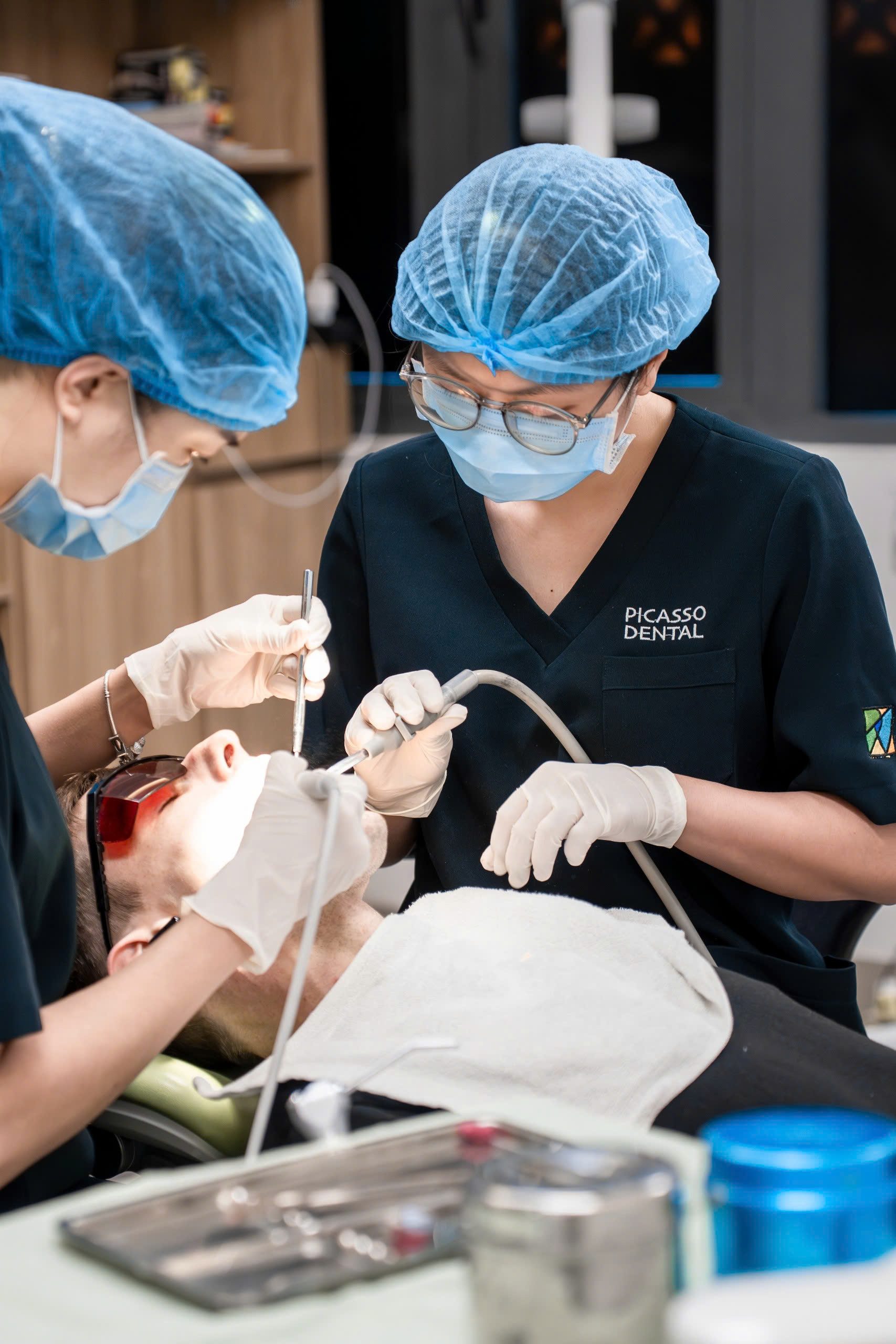
This progression is not linear. Sometimes infection appears to plateau for weeks or months before accelerating. The absence of acute pain during a quiet period is not evidence that the problem has stabilised. It is simply the infection cycling between active and chronic phases. The underlying destruction continues regardless of symptoms.
The dangerous false relief when pain stops
One of the most common scenarios I see at Picasso Dental is a patient who had significant tooth pain, was recommended a root canal, and then noticed the pain disappeared on its own before they had the procedure. They delayed for weeks or months thinking the tooth had somehow healed. It had not.
When tooth pain stops suddenly without treatment, it almost always means the nerve has completely died. A dead nerve no longer sends pain signals. The infection, however, continues spreading into the jawbone with nothing to warn the patient. By the time pain returns (from the abscess pressing on adjacent structures), bone loss is often extensive and the tooth is at serious risk of being unsaveable.

I have treated patients who delayed six months after pain disappeared. In every case the bone loss was significant, the treatment was more complex, and the long-term prognosis was worse than it would have been at the time of the original recommendation. The tooth had not healed. The alarm had simply stopped ringing.
"My Aussie dentist and the endodontist both commented on the quality of Dr Emily's work, equal to anything they had seen by local specialists."
Lawrie Smith, Hanoi Old Quarter, Google review
The real cost of delay
Cost is the most common reason patients delay root canal treatment. The financial logic is understandable but the calculation is backward. A root canal and crown costs a certain amount. If the delay leads to loss of the tooth, the replacement path involves extraction, often a bone graft to replace lost bone, implant placement, a healing period of three to six months, and an implant crown. That total is typically two to three times the cost of the original root canal and crown, and it takes months longer to complete.
The most cost-effective approach for a patient with financial constraints is completing the root canal immediately to stop the infection, and planning the crown a few weeks later when the budget allows. The crown can wait a short time after the root canal. The root canal itself cannot.
Have cost or timing concerns about a recommended root canal? Tell us your situation and we will explain the options clearly, with written costs and no pressure.
Contact us →What antibiotics can and cannot do
Antibiotics are frequently prescribed for dental infections, and they play a legitimate role in certain clinical situations: reducing acute swelling before a procedure can be safely performed, or managing infection in a medically compromised patient. But antibiotics cannot cure a tooth infection on their own.
The reason is anatomical. The antibiotic reaches an infection through the bloodstream. A tooth with a dead or dying nerve has no functional blood supply inside the pulp chamber. The antibiotic cannot reach the source of the infection. It can suppress bacterial activity in the surrounding tissue temporarily, which is why symptoms sometimes improve after a course of antibiotics. Once the antibiotics stop, the bacteria inside the tooth remain, and the infection resumes.
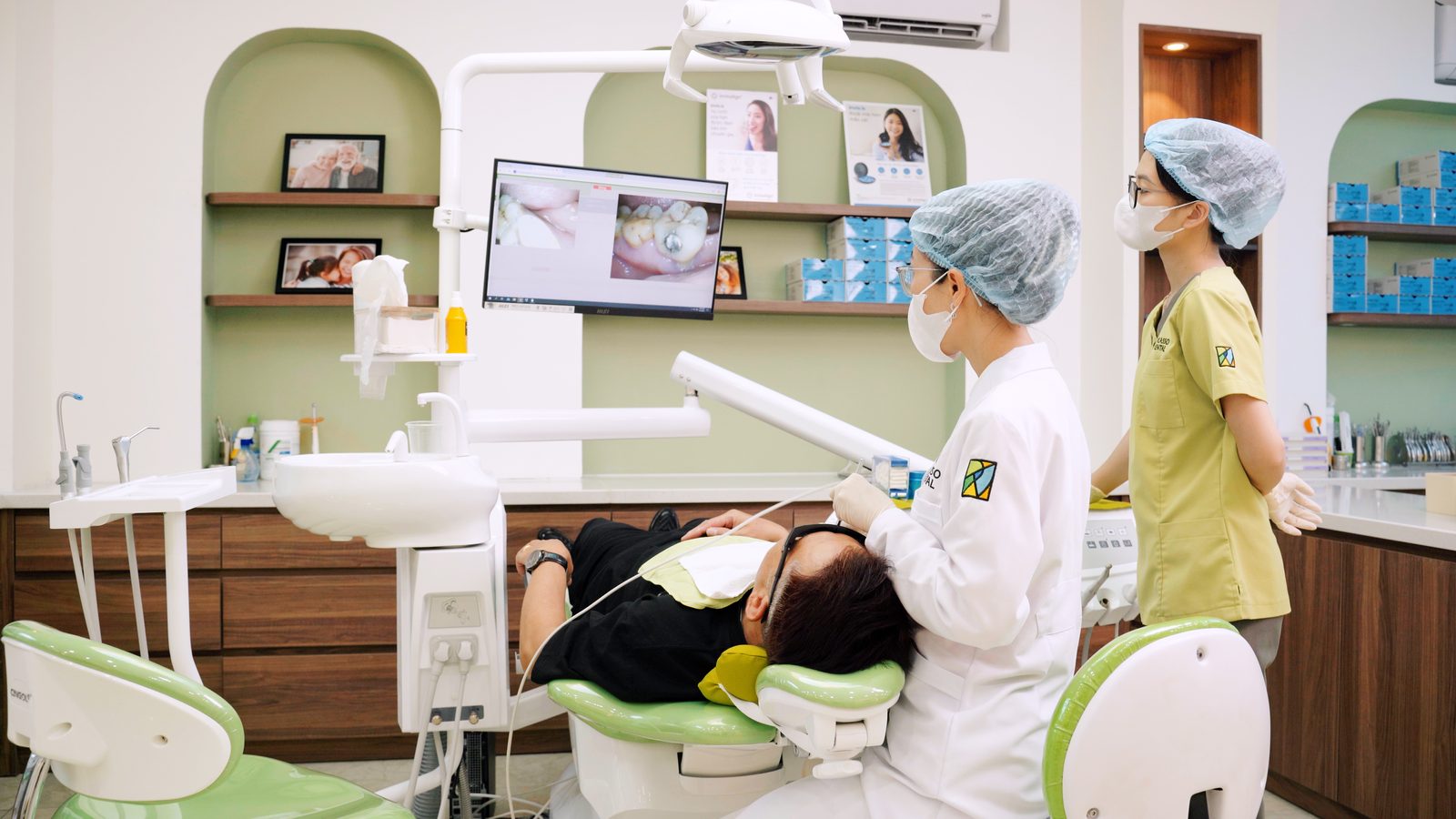
When a brief delay is genuinely acceptable
The following situations justify a short delay of days to a maximum of a few weeks, not months:
- Medical clearance for anticoagulant medication Patients on warfarin or newer blood thinners may need medical clearance before any dental procedure involving soft tissue. A few days to a week to coordinate with a physician is reasonable and clinically appropriate.
- Acute swelling requiring antibiotics first When active swelling makes local anaesthetic delivery difficult or ineffective, a short course of antibiotics to reduce the acute phase before the root canal is a legitimate clinical staging decision. This is measured in three to five days, not weeks.
- Brief financial planning If arranging funds or financing takes two to four weeks and the tooth is not acutely symptomatic, this represents the outer limit of acceptable postponement. Beyond four weeks without a specific scheduled date, the risk to the tooth rises materially.
Fear, hoping for spontaneous resolution, waiting to see if it gets worse, or general avoidance are not medically acceptable reasons to delay. They consistently lead to outcomes that are worse clinically and more expensive financially than treating promptly.
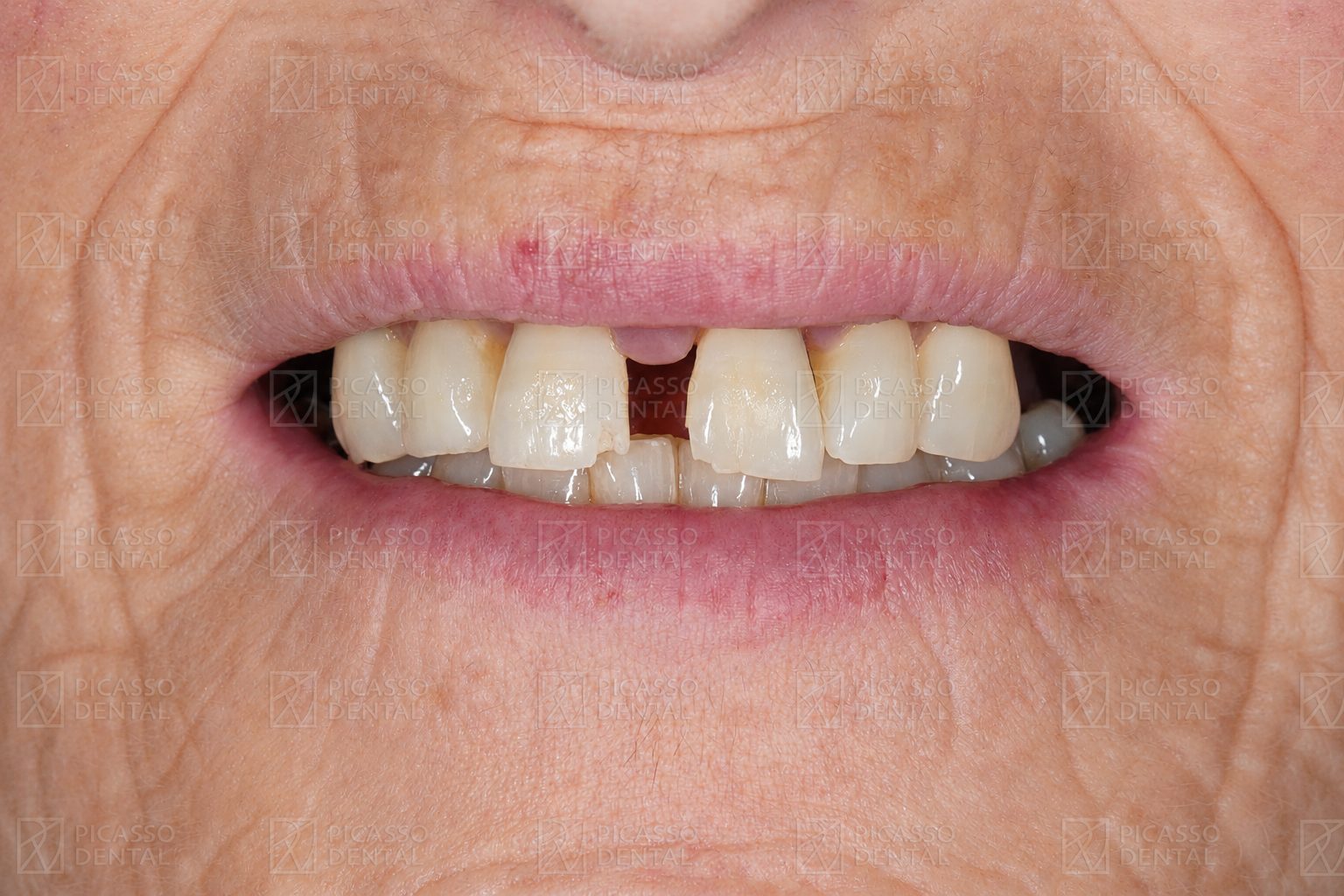 Before
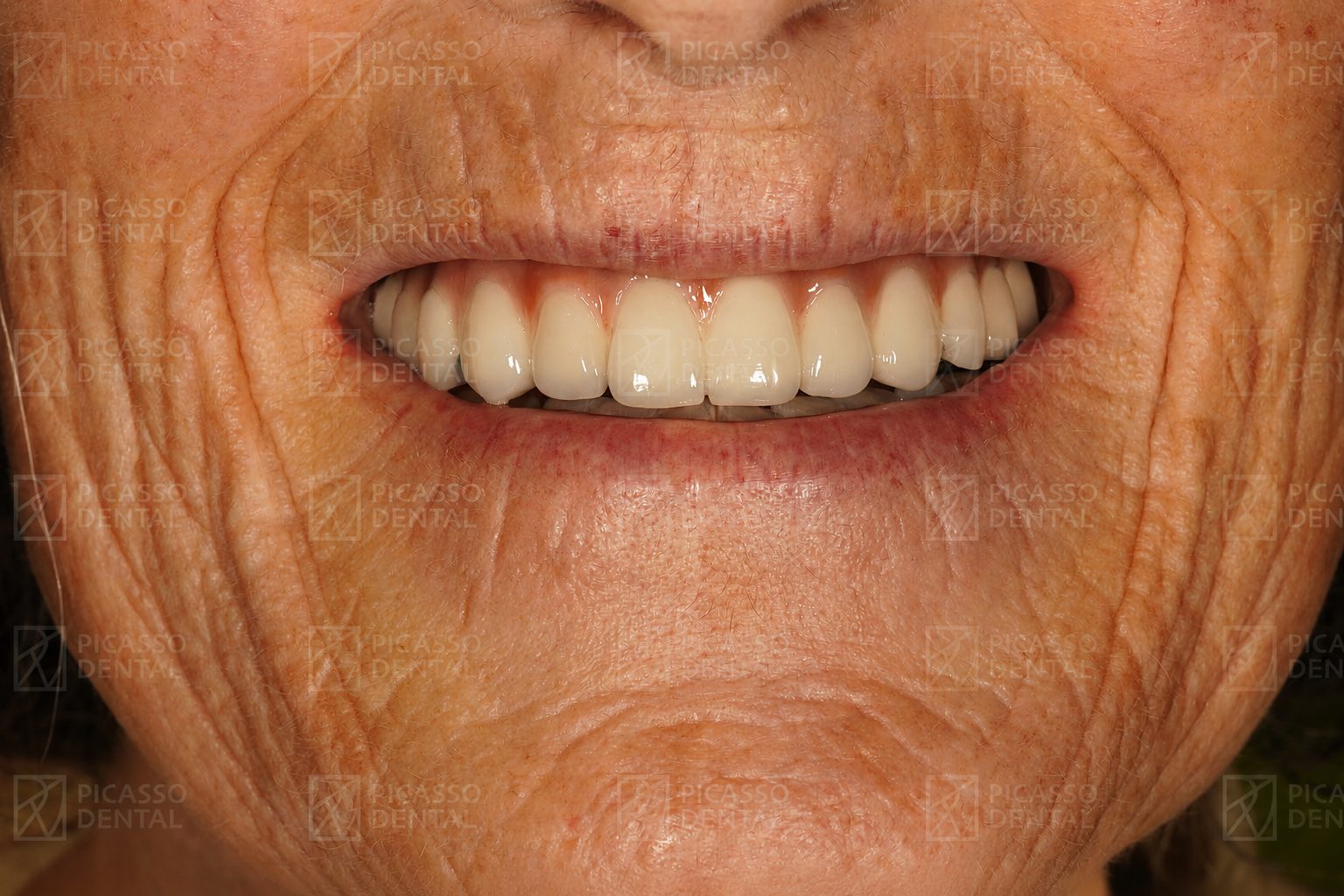 After
AfterFull rehabilitation, Hanoi Old Quarter
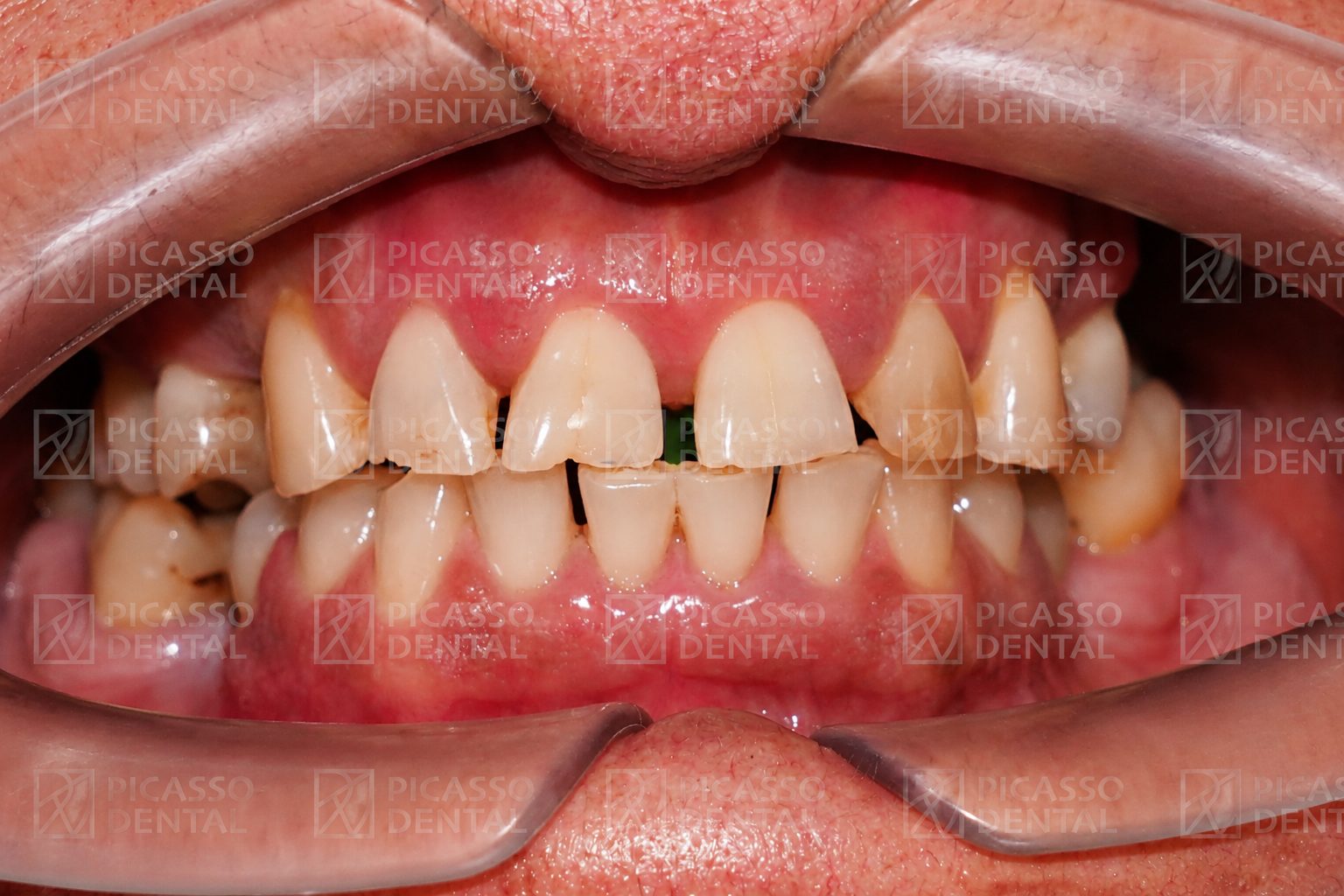 Before
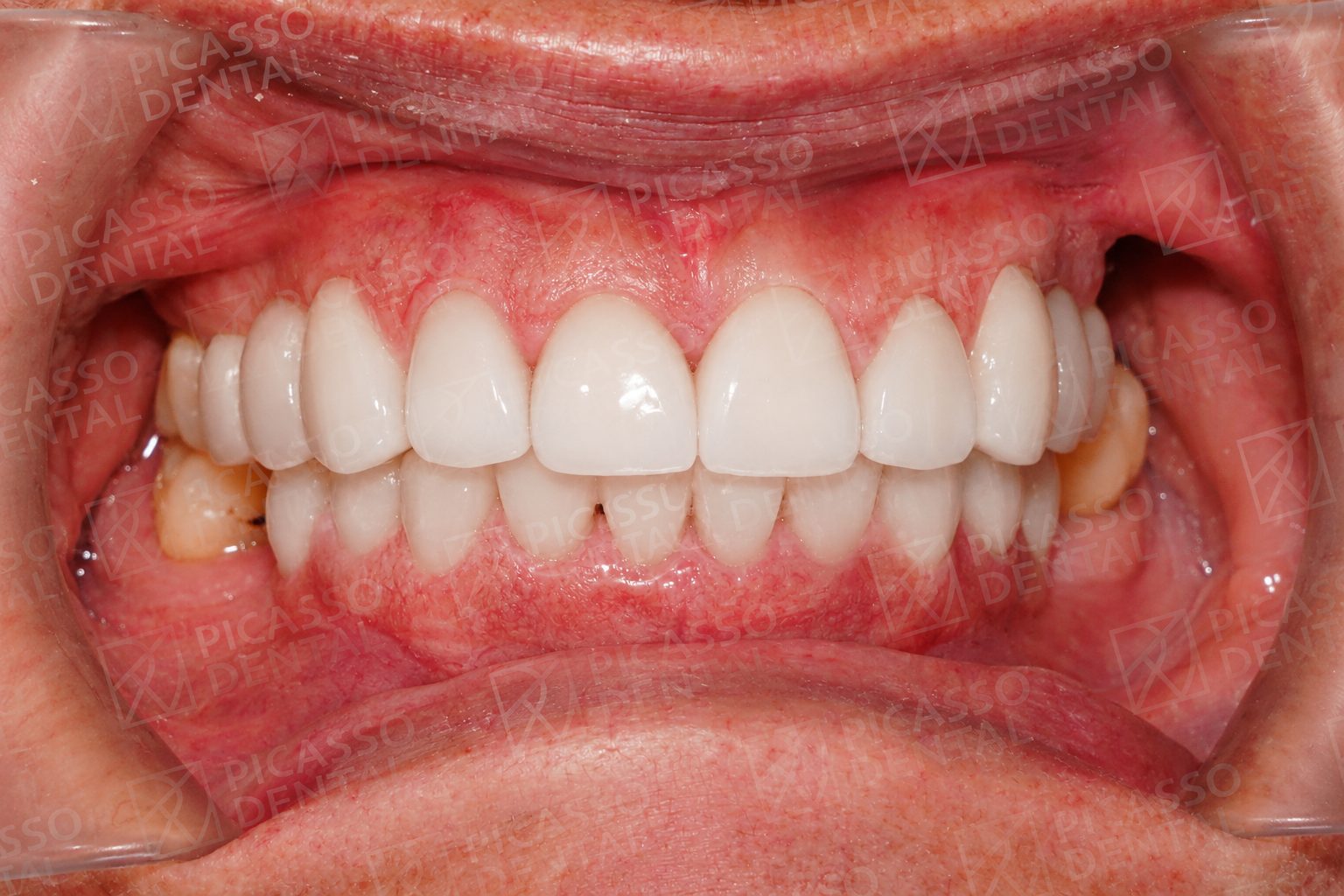 After
AfterPorcelain crowns, Da Nang
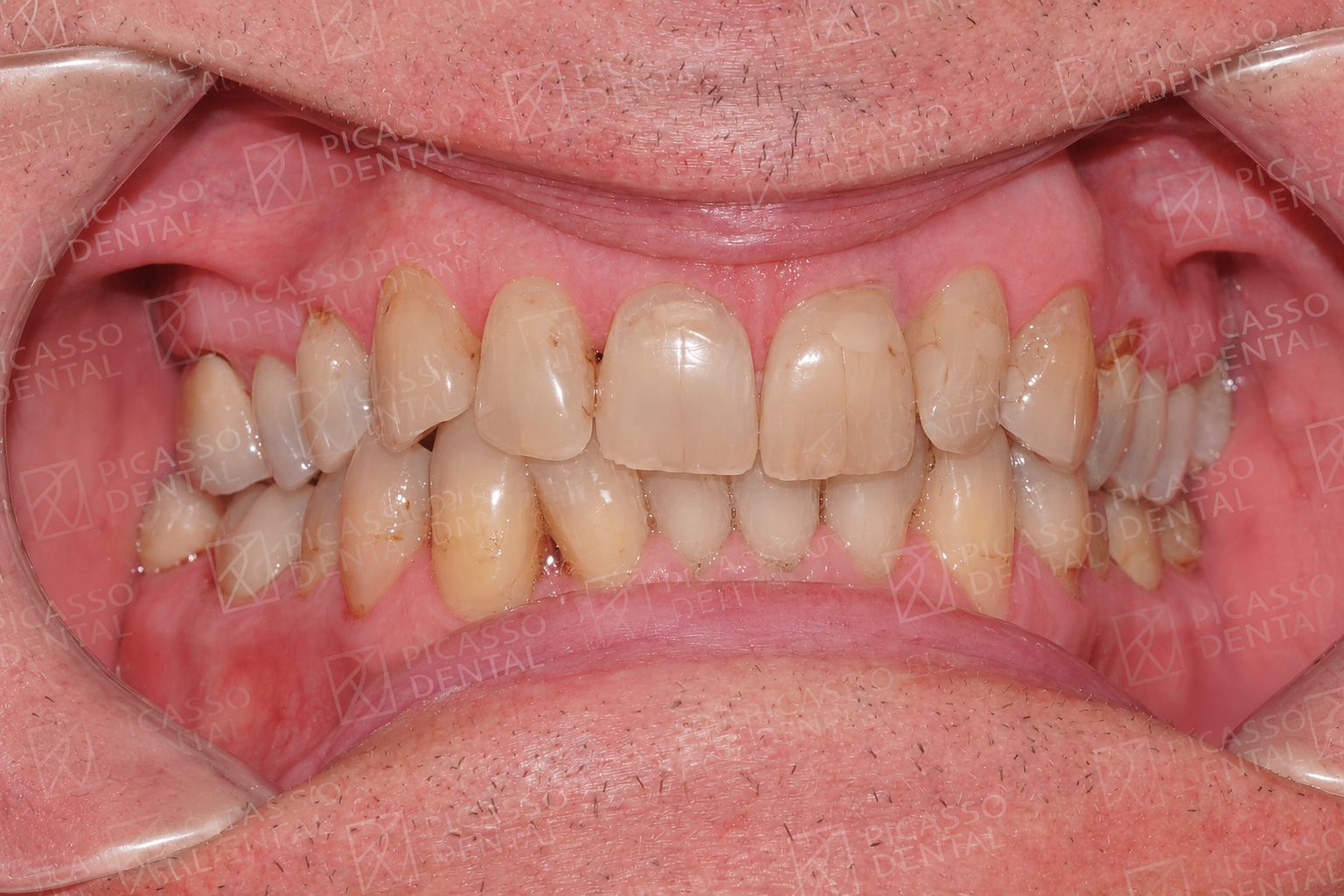 Before
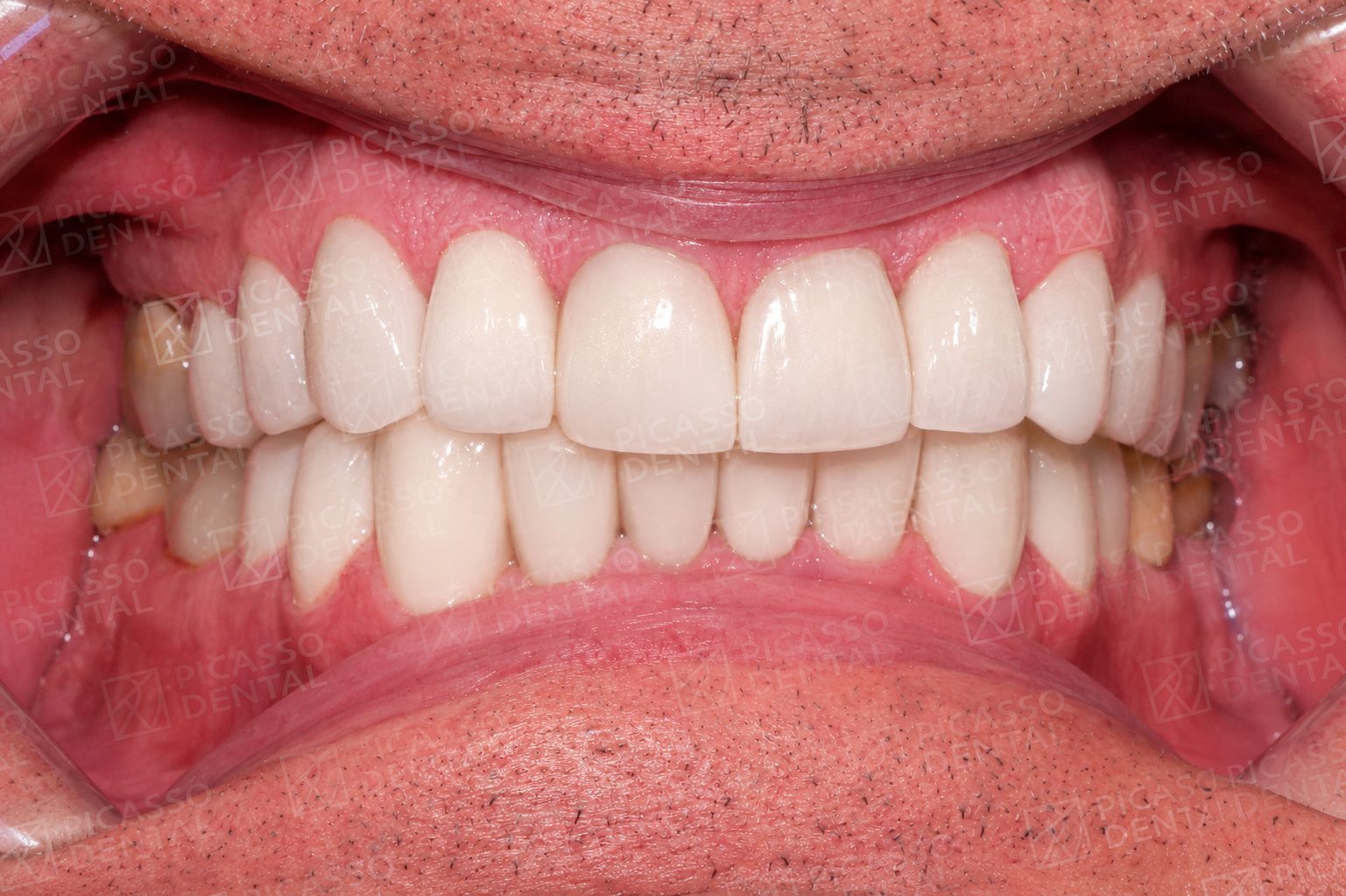 After
AfterCrown and implant, HCMC Thao Dien
 Before
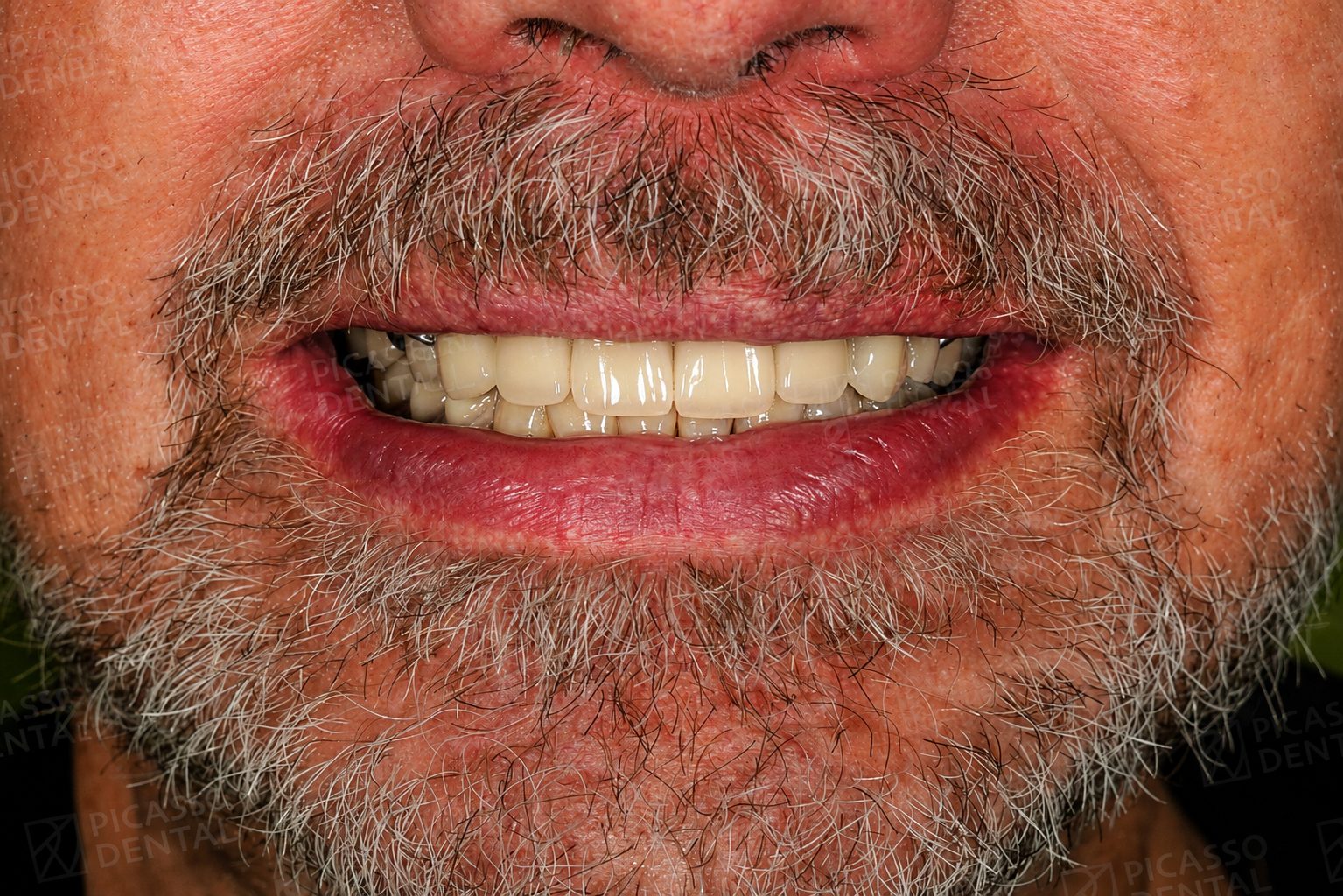 After
AfterCrown restoration, Hanoi Westlake
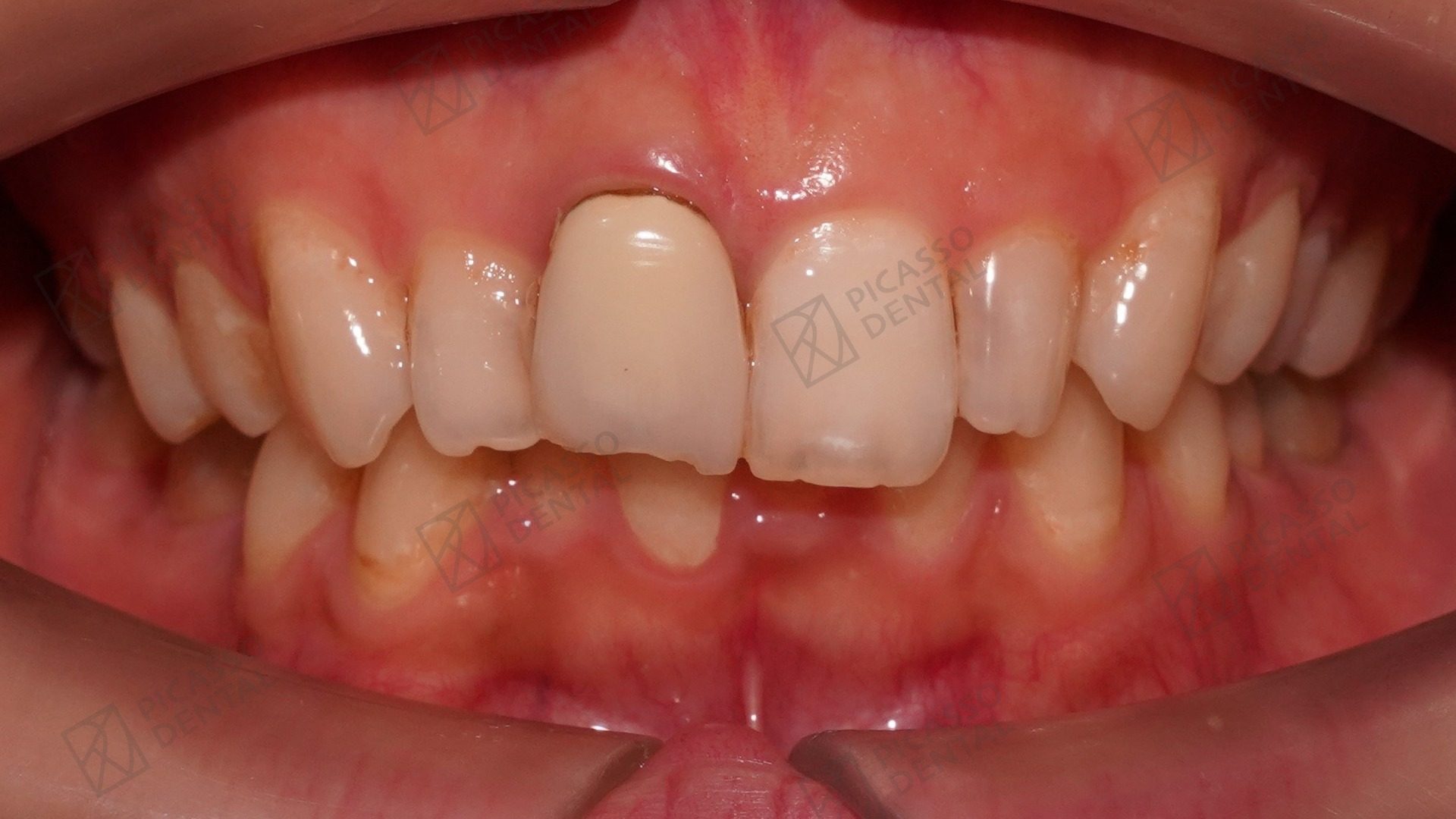 Before
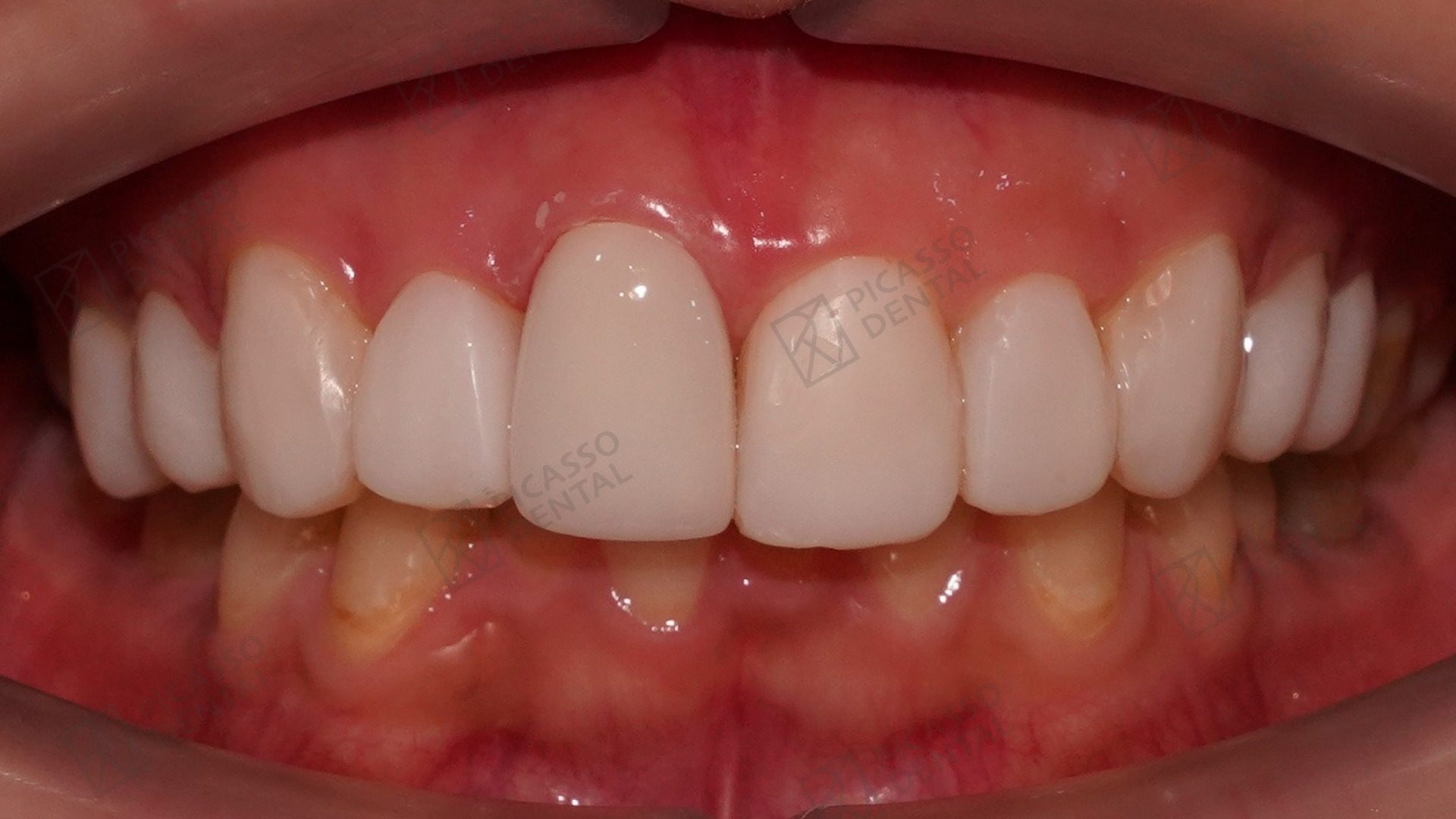 After
AfterSmile restoration, Da Nang Flagship
Frequently asked questions
Can I delay getting a root canal?
Rarely, and only for days. A dental infection inside a tooth does not stabilise or resolve on its own. Delaying treatment allows the infection to spread to surrounding bone, potentially causing an abscess, bone loss, and loss of the tooth. What might be a straightforward one-hour procedure becomes progressively more complex, more expensive, and less likely to succeed the longer it is left.
What happens if I delay a root canal for several months?
The infection spreads through the root tip into the surrounding jawbone, forming an abscess. The bone around the root is progressively destroyed. Teeth become harder to save as bone loss advances, and some eventually require extraction followed by implant or bridge replacement. A procedure that would have cost a fraction of that amount if treated promptly ends up costing two to three times more.
My tooth stopped hurting after I was told I need a root canal. Does that mean it healed?
No. When tooth pain stops spontaneously, it most commonly means the nerve has died. A dead nerve no longer sends pain signals, but the infection continues spreading into the surrounding bone silently. This false relief is one of the most dangerous aspects of dental infections. The tooth has not healed: it has reached a point where it can no longer warn you.
Are there any situations where delaying a root canal is acceptable?
Very limited situations: needing medical clearance if on blood thinners (a few days to a week), or requiring antibiotics to reduce acute swelling before the procedure is practical. Financial planning that spans two to four weeks may be acceptable if the tooth is not severely symptomatic. These are measured in days to a few weeks. Delays of months are not medically acceptable in almost any circumstance.
Will antibiotics cure a tooth infection and avoid the need for a root canal?
No. Antibiotics can temporarily suppress bacterial activity and reduce symptoms, but they cannot eliminate an infection inside a tooth because there is no blood supply carrying the antibiotic into the pulp chamber. Once antibiotics stop, bacteria regrow and symptoms return. The infection is not cured; it is temporarily quieted.
How much more expensive does treatment become if I delay?
A root canal and crown costs a specific amount at the time of recommendation. If delay leads to tooth loss, the replacement path (extraction, bone graft if needed, implant placement, implant crown) typically costs two to three times that amount and takes four to six months to complete. The financial argument for delaying almost always reverses on examination.
I am afraid of root canal treatment. What should I do?
Tell your dentist directly. Modern local anaesthetic techniques and rotary endodontic instruments make root canals genuinely comparable in discomfort to having a filling placed. For patients with significant anxiety, sedation options (nitrous oxide or oral sedation) are available. The pain from an untreated infected tooth consistently exceeds any discomfort from the procedure itself.
Start Here
Start with a brief.
Describe your symptoms and a licensed dentist at Picasso Dental will assess your situation honestly and promptly, with no obligation.