Dental Tourism
Can Foreigners Access
Dental Care in Vietnam?
Yes, and Here Is What That Means in Practice
There are no legal barriers. Private clinics in Vietnam serve international patients freely. The real questions are about language, standards, and trust, and those have clear answers.

The short version
- No legal barriers exist. Private dental clinics in Vietnam accept international patients with no restrictions.
- The practical barriers are language, variable standards, and the difficulty of verifying quality before arriving.
- Treatment costs 60 to 75 percent less than in Australia or New Zealand, using the same internationally sourced materials.
- For complex treatment, sending records ahead for a remote consultation before booking flights is the right first step.
- The right clinic has a documented international track record, named materials, written warranties, and post-treatment support.
No legal barriers, but real practical ones
Vietnam's private healthcare system is open to foreign nationals. Private dental clinics operate entirely outside the public system and are structured to serve whoever walks through the door. Many clinics have built their entire business model around international patients over a period of years.
The practical barriers are different from legal ones. They fall into three categories: language, standards, and trust.
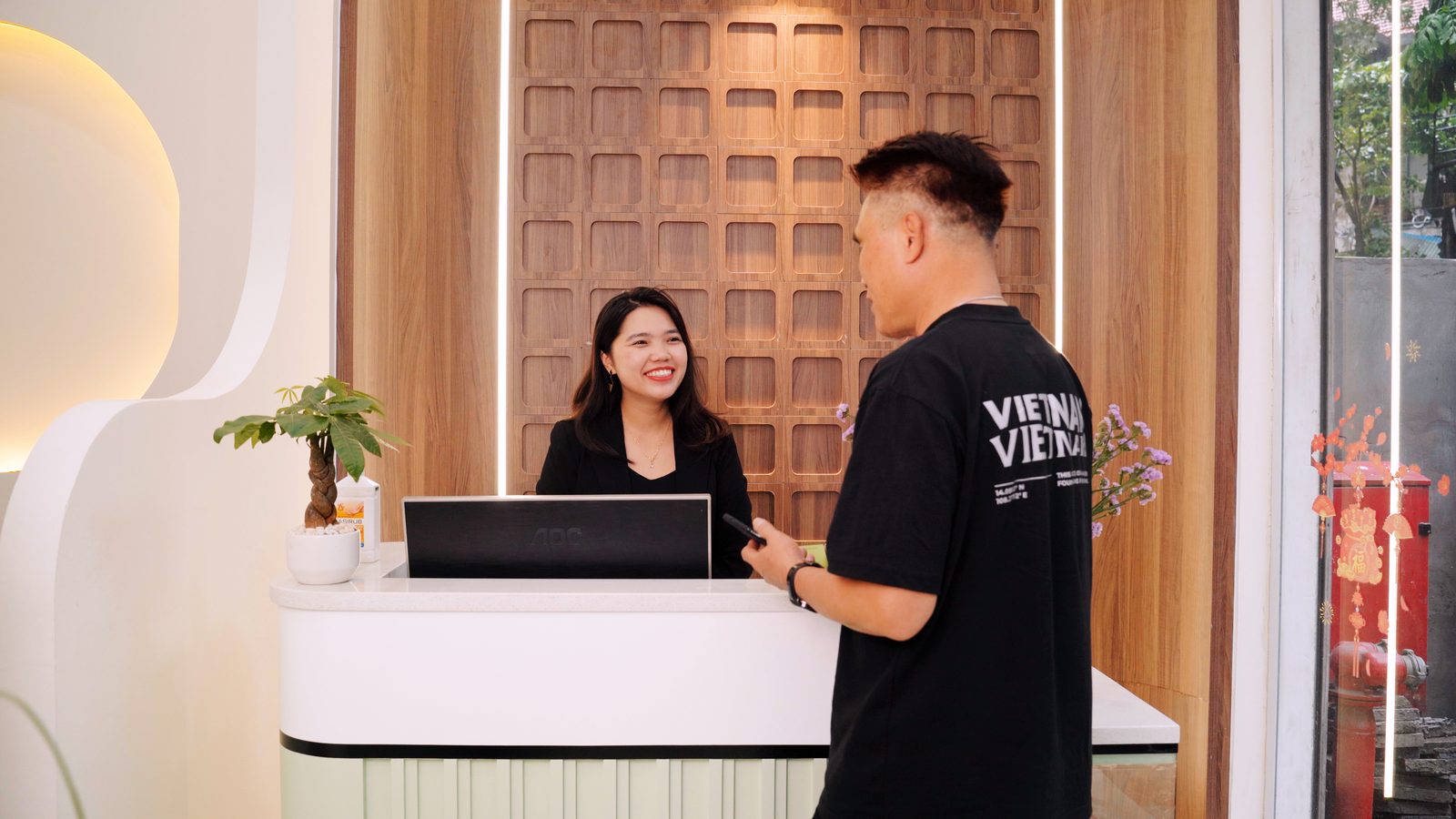
Language is the most immediate barrier. Vietnam has thousands of dental clinics. Most serve local patients, operate entirely in Vietnamese, and have no infrastructure for foreign visitors. Walking in without Vietnamese language skills creates obvious problems during diagnosis, treatment planning, consent discussions, and post-care instructions. Finding a clinic where English runs through the entire clinical team, not just reception, is the most important practical filter.
Standards vary more than the marketing suggests. Some clinics targeting international patients genuinely operate at Western-equivalent levels: internationally trained dentists, internationally sourced materials, sterilisation protocols matching what you would expect at home. Others have invested primarily in their website and their front-desk English, not their clinical infrastructure. The difference is not always visible from the outside before you arrive.
Trust is the hardest thing to verify remotely. Who actually did their qualifications? What brand of implant system are they placing? What happens if something needs attention after you fly home? These are answerable questions at the right clinic. At others, you will receive vague reassurances that tell you nothing.
What foreigners actually need to bring
Practically, accessing dental care in Vietnam requires very little paperwork. A passport for identification at registration. Travel insurance documentation if planning to claim, though most dental tourism patients pay out of pocket given the pricing differential.
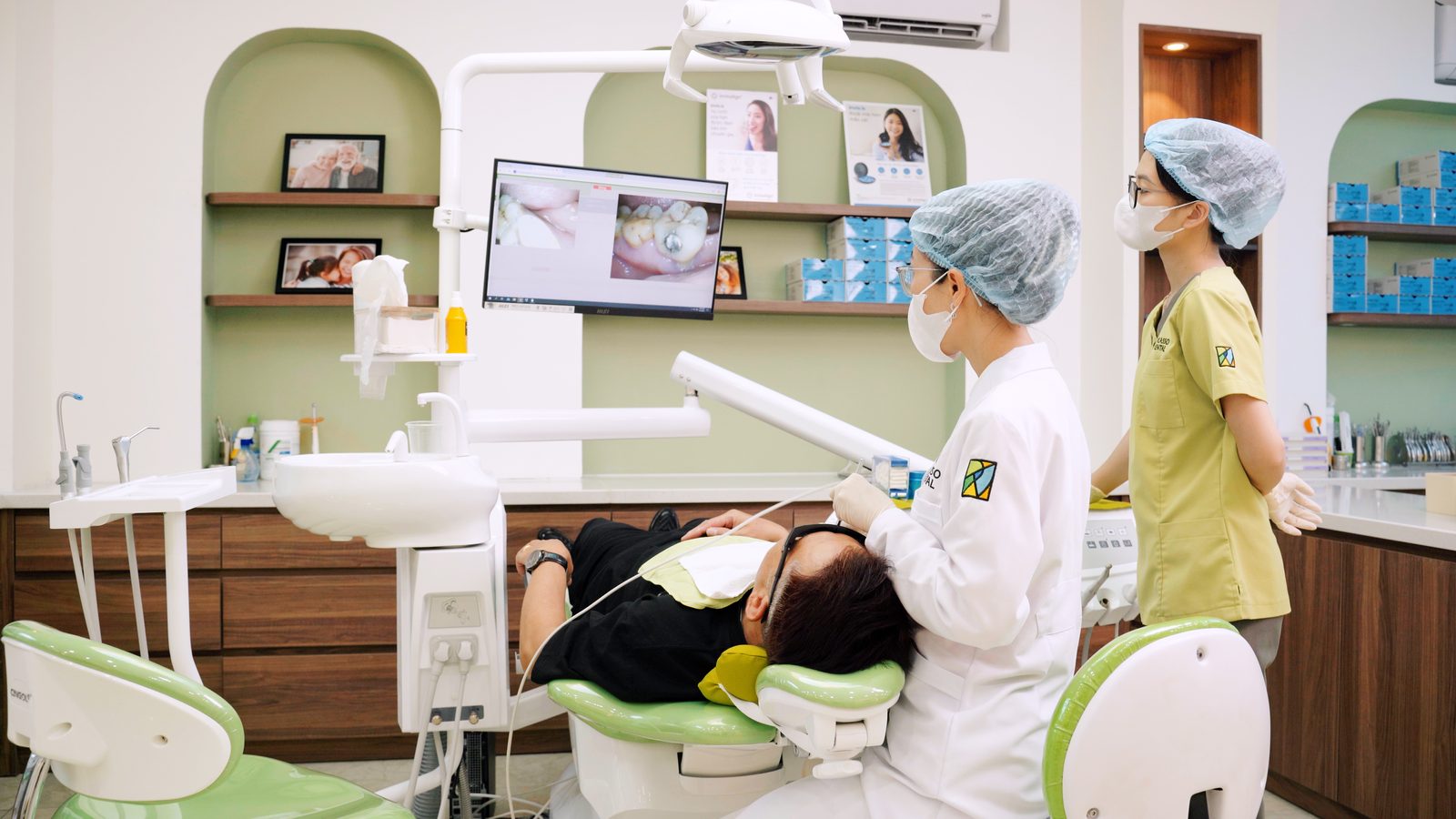
Existing dental records and X-rays are helpful but not always mandatory for straightforward procedures. For complex treatment, sending records ahead of time for a remote consultation is strongly recommended. A reputable clinic will review your X-rays, propose a treatment plan, and provide a written cost estimate before you book flights. This is standard practice at Picasso Dental and should be standard practice anywhere you consider.
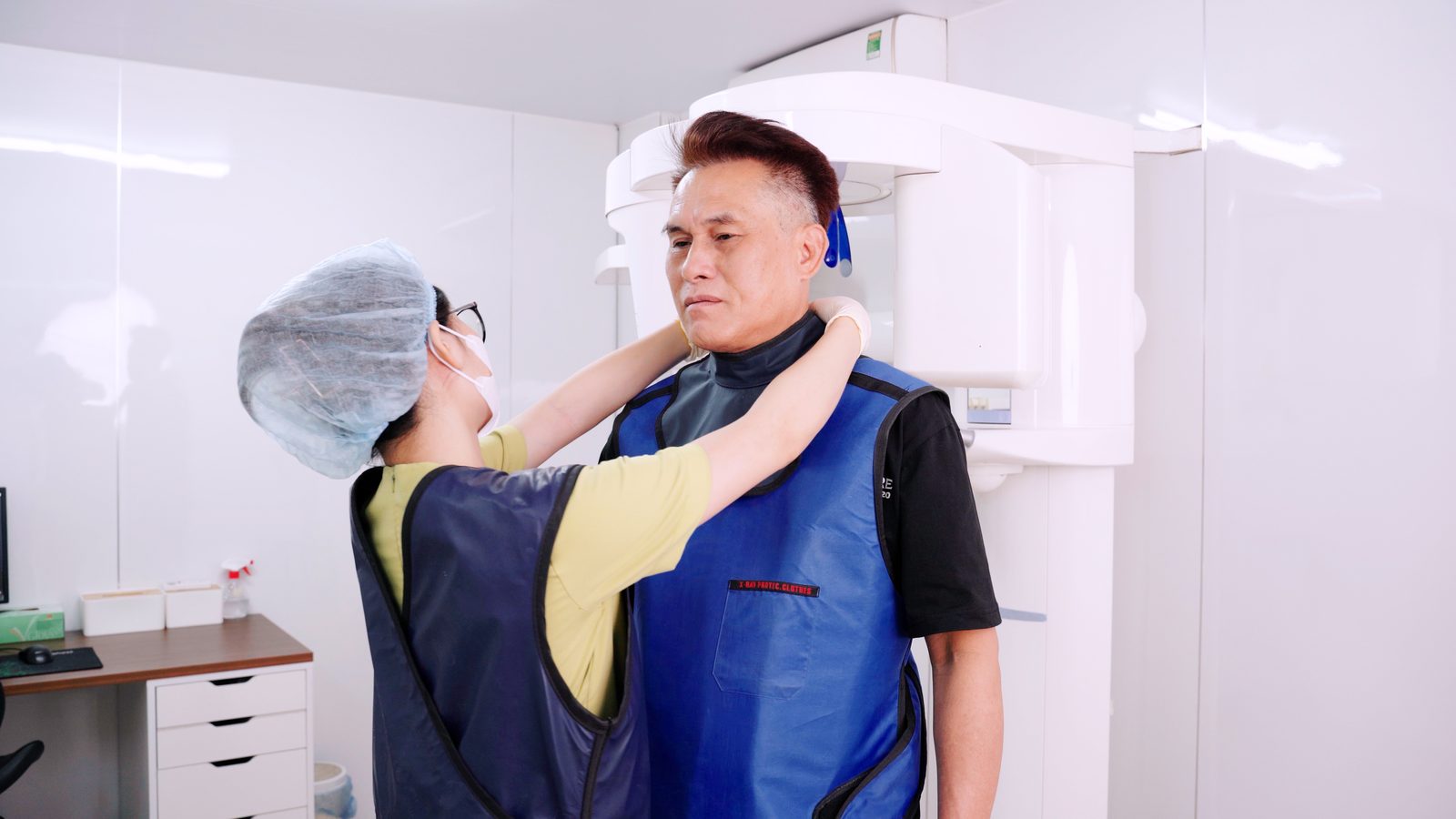
Patients from Australia, New Zealand, the US, and the UK regularly email us existing records and receive a detailed written response covering their options, timelines, and costs. No surprises on arrival. No commitment until the patient is satisfied with the information provided.
What dental care in Vietnam actually costs
Dental treatment in Vietnam costs 60 to 75 percent less than equivalent procedures in Australia or New Zealand. This is not discounted quality. It reflects Vietnam's economic structure: lower overhead, lower labour costs, and lower operational costs while using the same internationally sourced materials and technology.
"Making the decision to go to Hanoi and have the dental treatment done by Picasso was one of the best decisions I have taken for a long time. I not only received top class dental care, it was so cost effective in comparison to having all this work undertaken at an Australian dental practice."
Gerald Mair, Hanoi Old Quarter, Google review
A single dental implant with crown costs roughly AUD 4,000 to 6,000 in Australia. At Picasso Dental, using Nobel Biocare or Straumann implants, the equivalent procedure costs significantly less. A full-arch All-on-4 treatment that costs AUD 40,000 to 55,000 in Australia costs a fraction of that at our clinics. Patients routinely save more than the total cost of their flights and accommodation, often by a wide margin.
Payment at established clinics is straightforward. Major international credit cards, bank transfer, and cash are all accepted. Written receipts and itemised invoices are provided, which matters for patients seeking partial reimbursement from private health insurance at home.
Want to know whether the numbers make sense for your specific situation? Send us your records and we will provide a written treatment plan and cost breakdown, with no obligation.
Contact us →What distinguishes the right clinic from the wrong one
This is the most important section of this article for anyone seriously considering dental treatment in Vietnam. The quality difference between clinics is real, and it is not always visible from marketing alone.
- Documented track record with international patients Look for verifiable reviews from patients in your country, not a general star rating. The pattern of referrals from one Australian patient to another is more meaningful than any award or accreditation. At Picasso Dental, the majority of new Australian and New Zealand patients come from personal referrals. That pattern reflects actual outcomes over twelve years.
- Named materials, specified in writing Ask exactly which implant system and which ceramic brand will be used. A good clinic names them specifically: Nobel Biocare, Straumann, Osstem for implants; Ivoclar Vivadent for ceramics. Vague answers about "high quality international brands" without specific names are a clear warning sign.
- Written warranties on every procedure At Picasso Dental: 10 years on implants, 7 years on crowns and bridges, 3 years on cosmetic work. These are written commitments, not verbal reassurances. No warranty or verbal-only warranty deserves much weight.
- English throughout the clinical team Not just at reception. The dentists who examine you, explain your options, obtain consent, and discuss post-treatment care should all communicate clearly in English. This matters more than patients expect until they are in the chair trying to understand what is happening to their mouth.
- Post-treatment international support When patients return home, what happens? At Picasso Dental, we respond to follow-up questions, liaise with local dentists when needed, and maintain patient records for future visits. Clinics without a structured post-treatment support process are not the right choice for international patients.
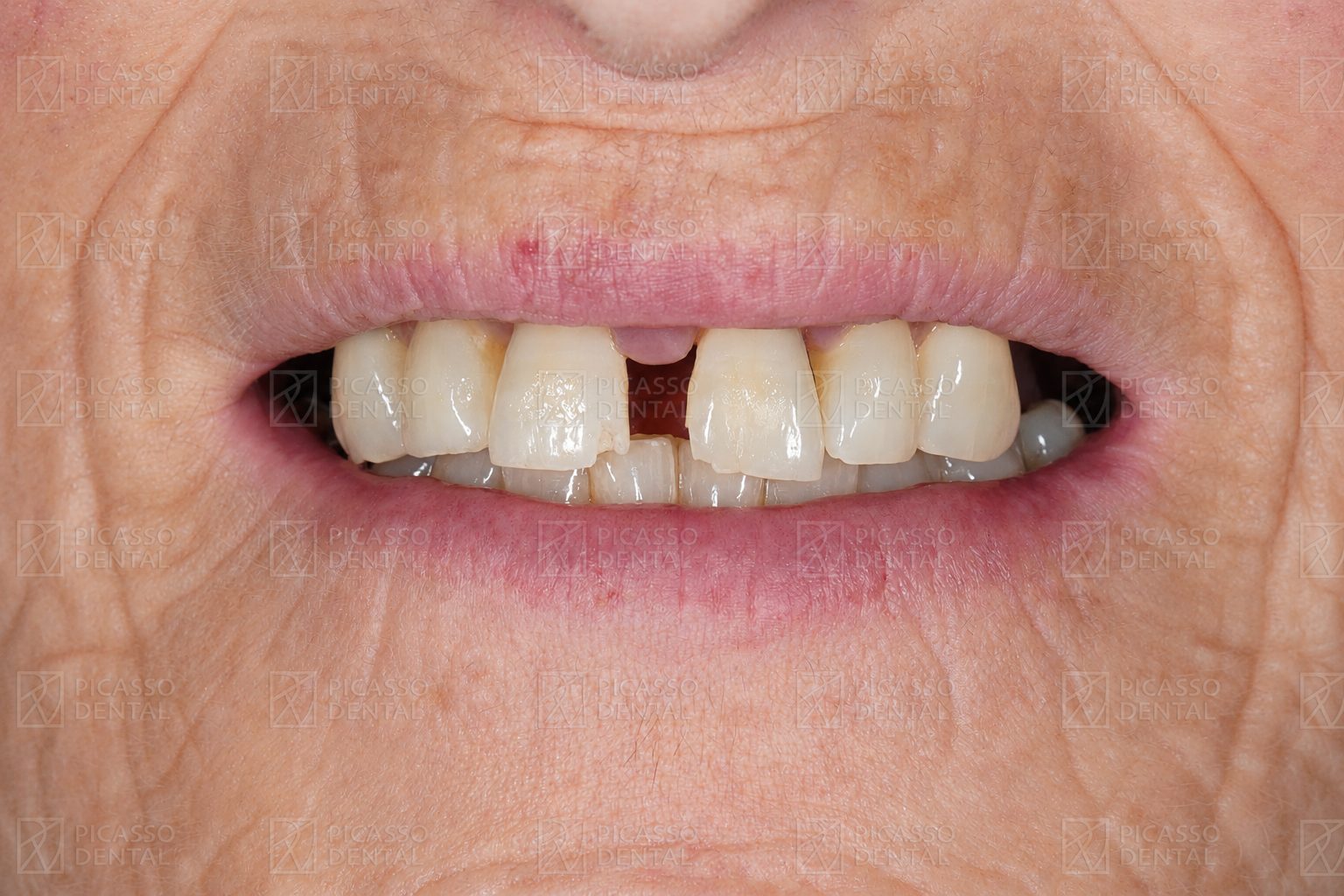 Before
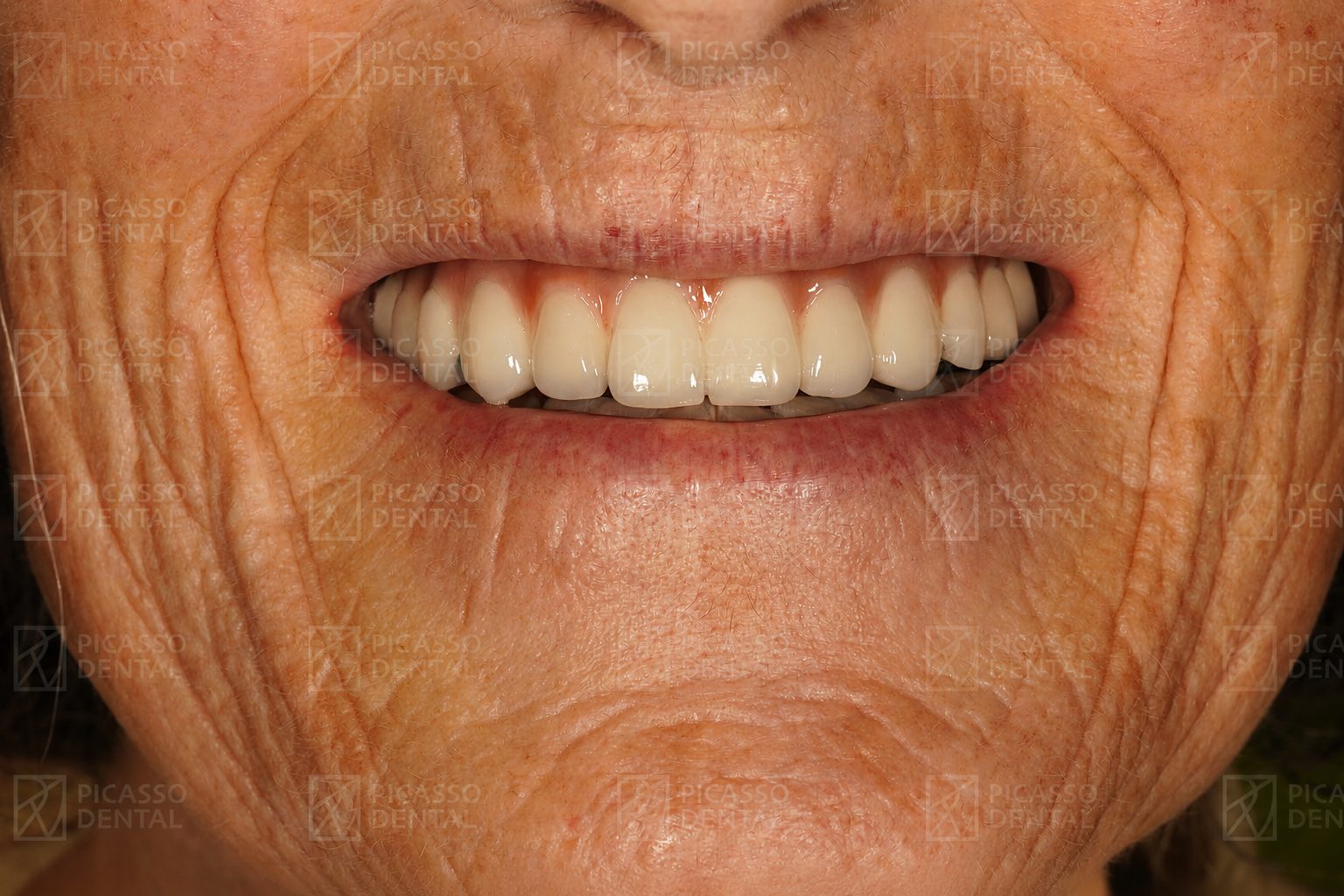 After
AfterFull rehabilitation, Hanoi Old Quarter
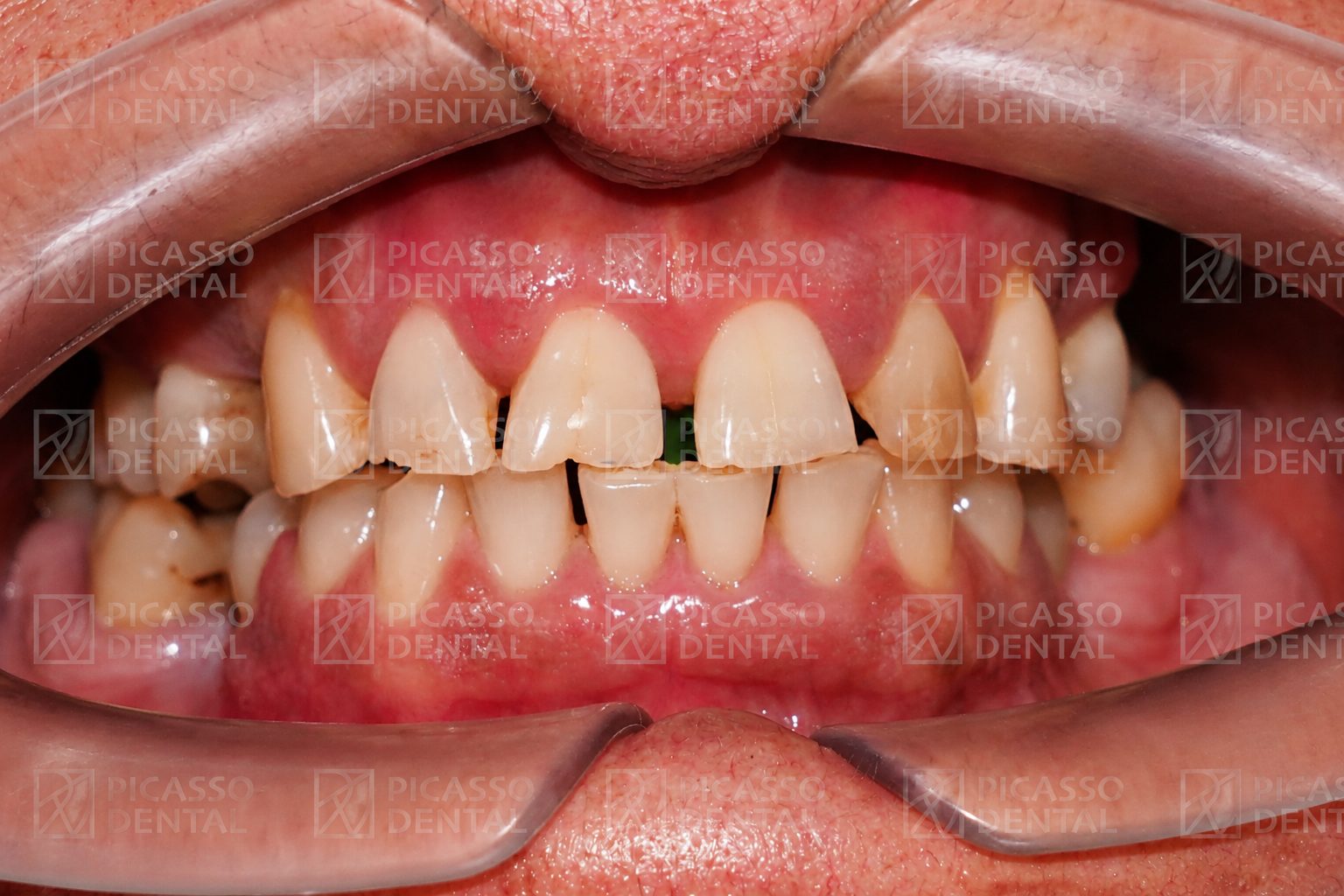 Before
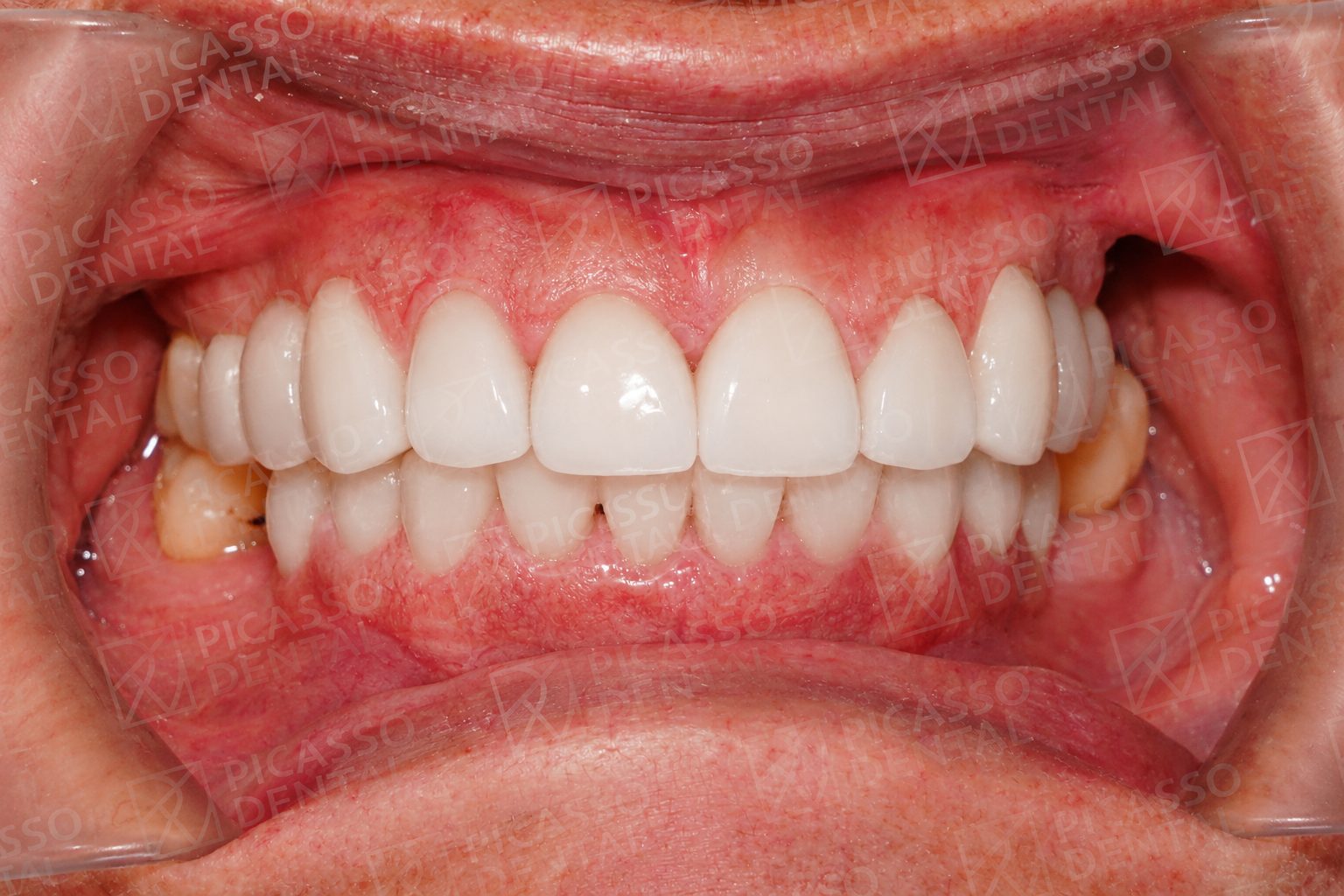 After
AfterPorcelain crowns, Da Nang
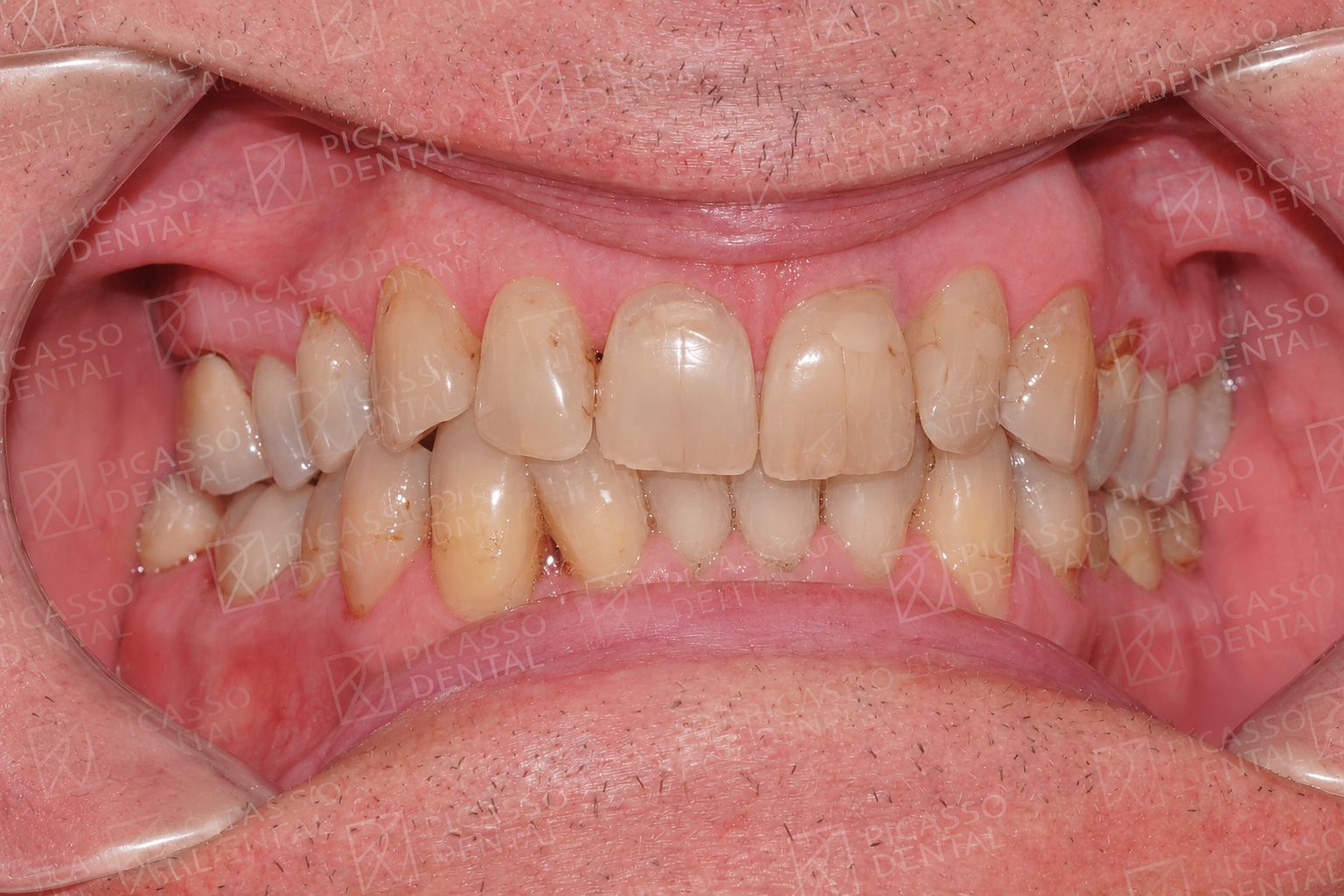 Before
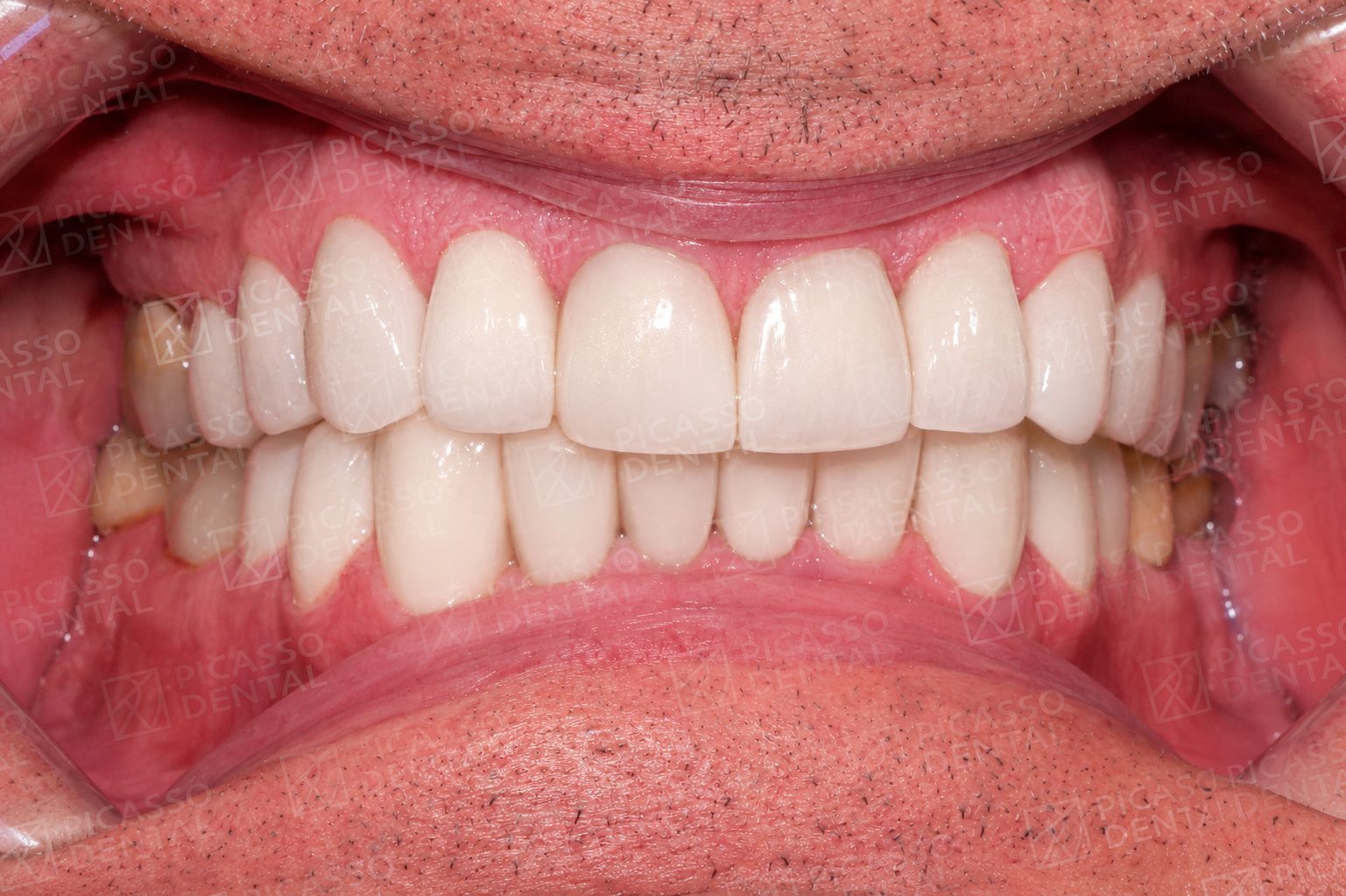 After
AfterCrown and implant, HCMC Thao Dien
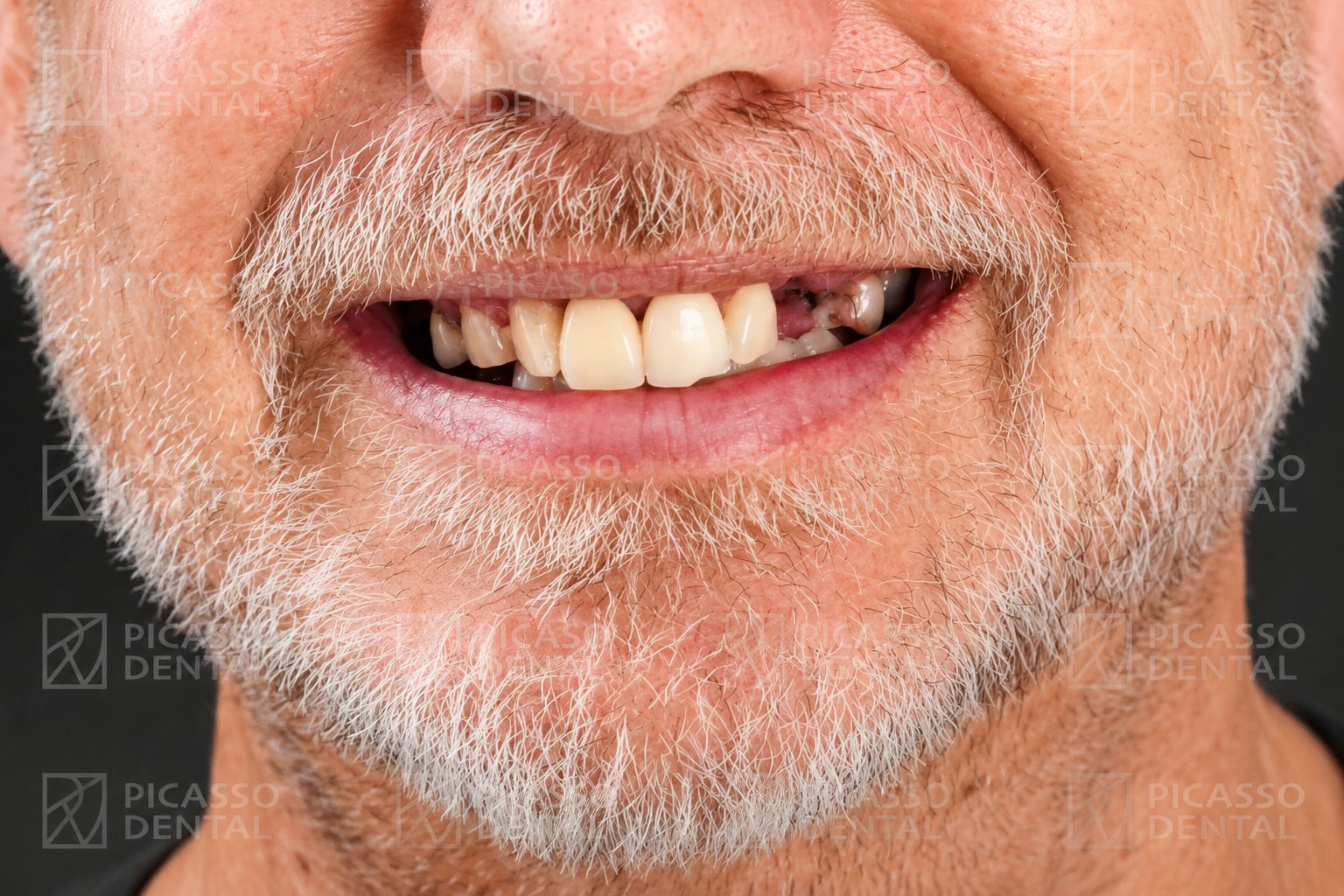 Before
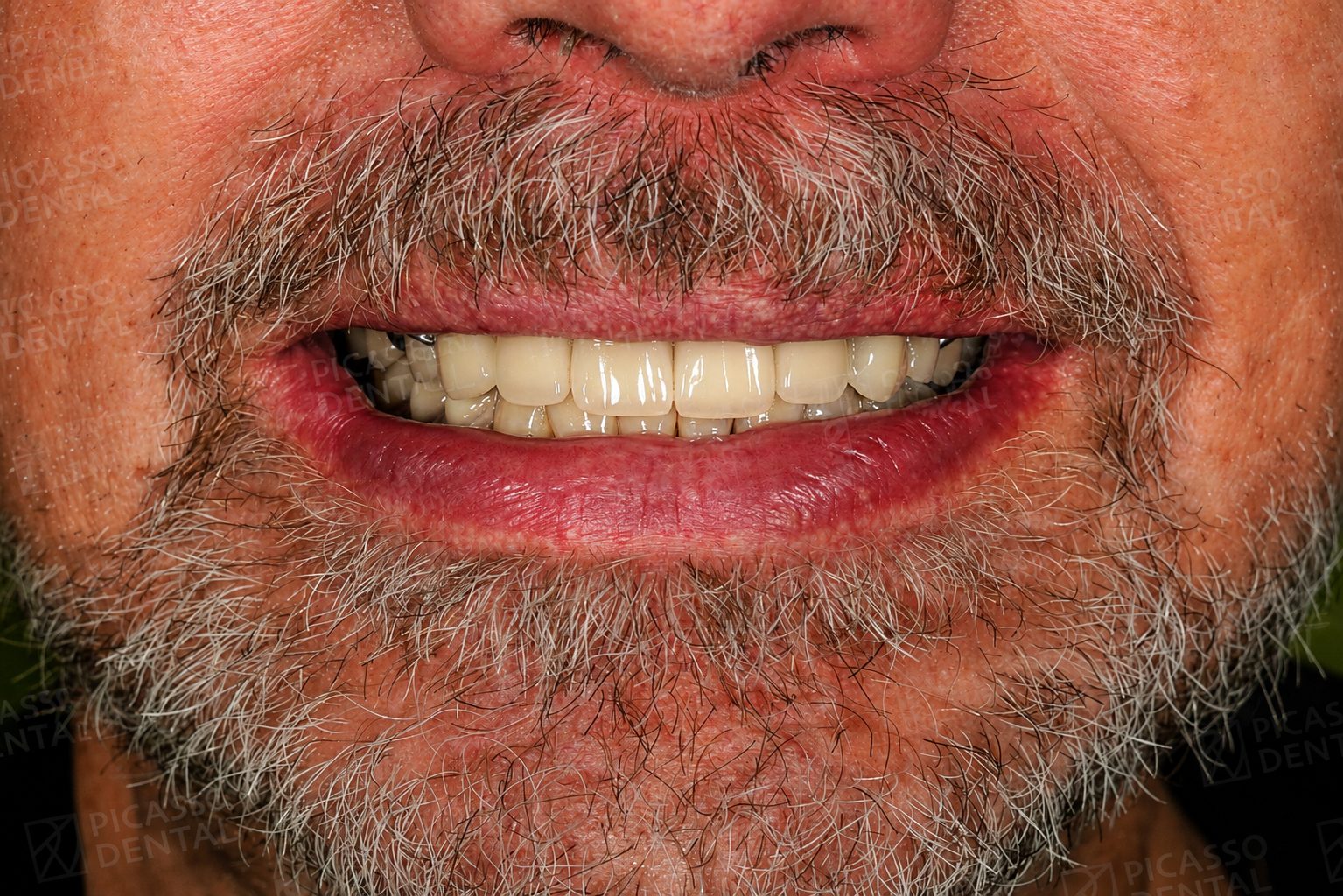 After
AfterCrown restoration, Hanoi Westlake
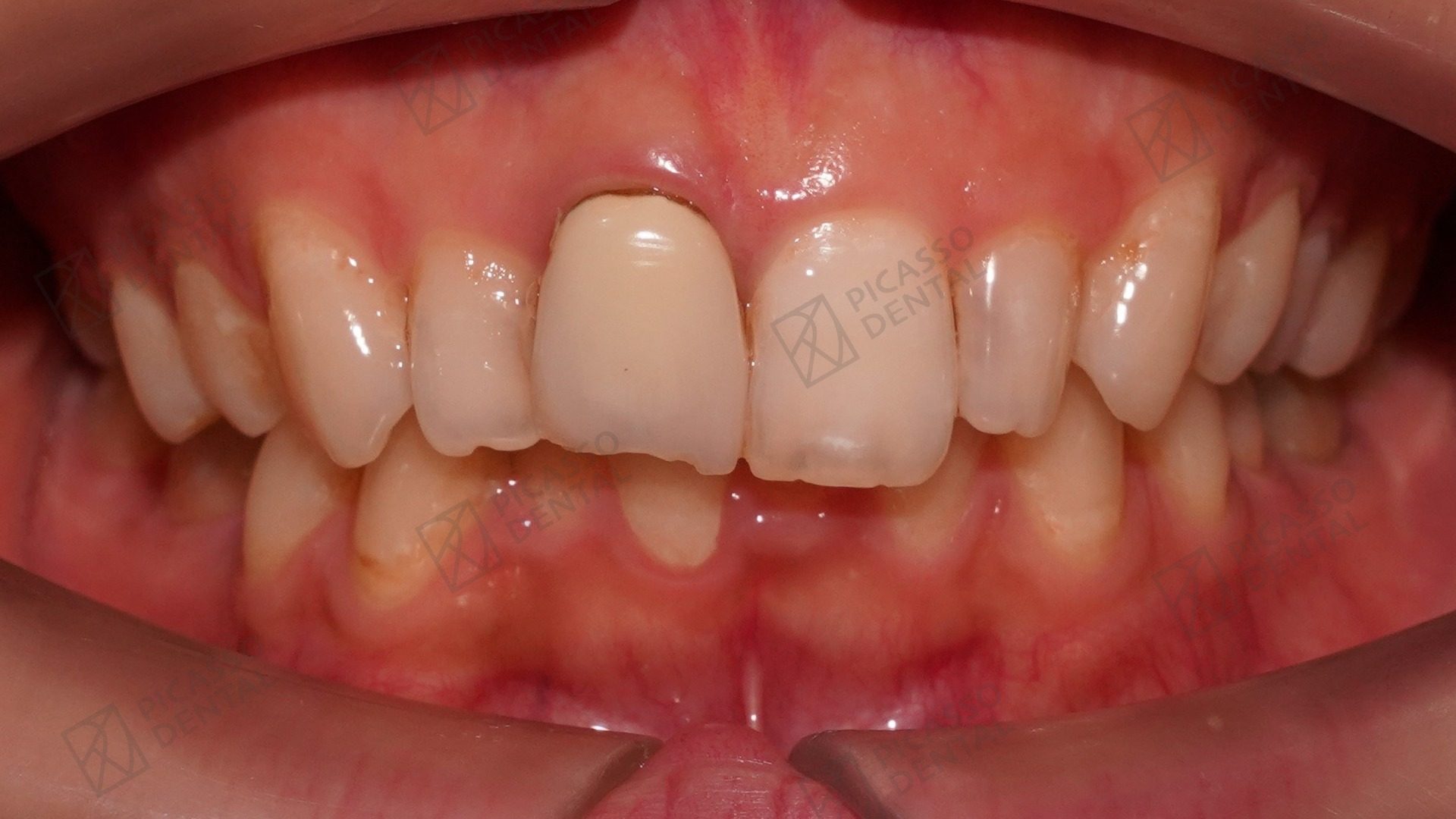 Before
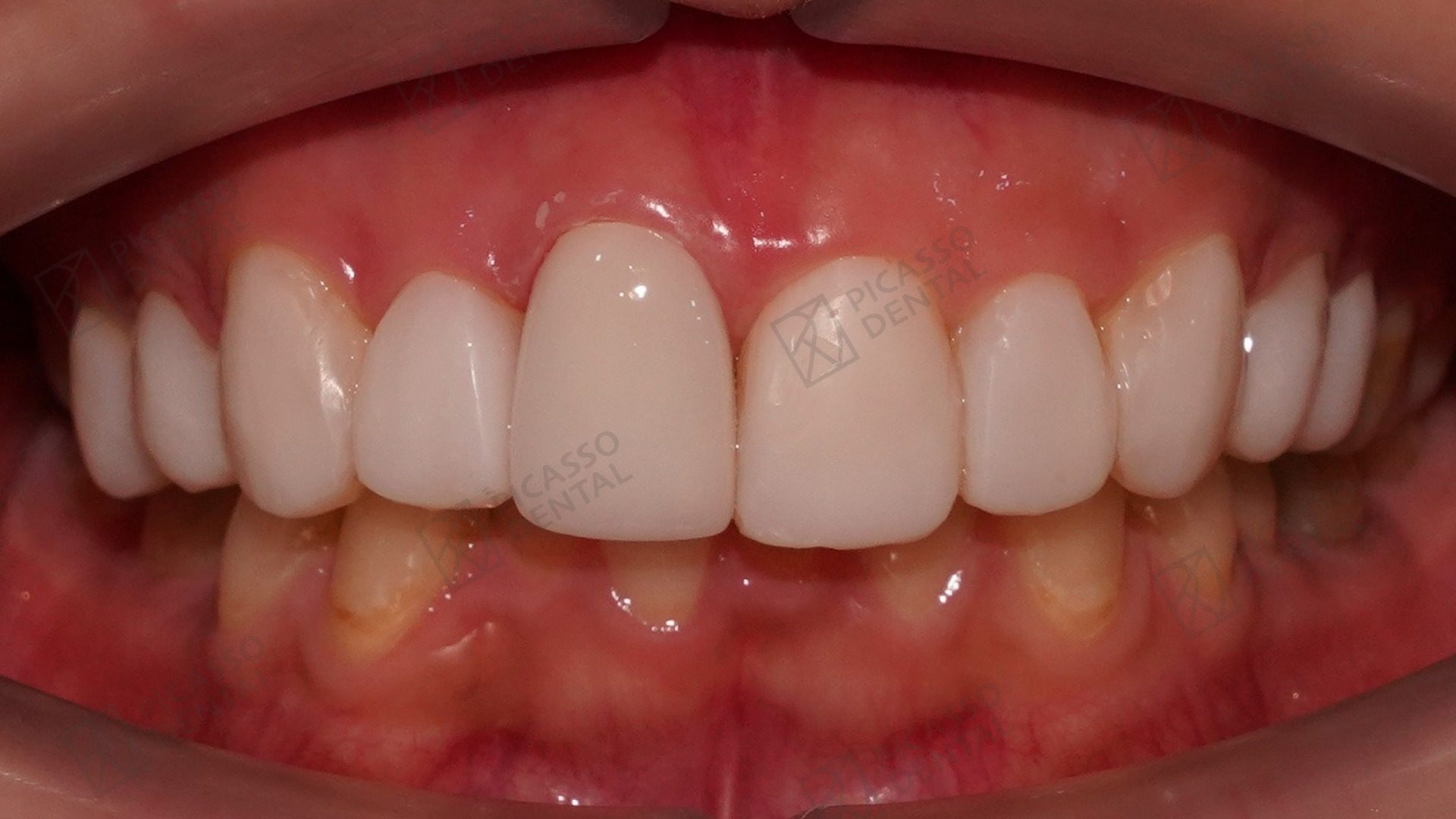 After
AfterSmile restoration, Da Nang Flagship
Frequently asked questions
Can foreigners access dental care in Vietnam?
Yes, with no legal barriers. Private dental clinics in Vietnam are open to anyone regardless of nationality. The practical considerations are language, clinical standards, and trust: finding a clinic with genuinely fluent English throughout the clinical team, verifiable credentials, named international-brand materials, and a documented history with international patients.
How much cheaper is dental care in Vietnam compared to Australia?
Dental treatment in Vietnam typically costs 60 to 75 percent less than equivalent procedures in Australia. A single implant with crown runs roughly AUD 4,000 to 6,000 in Australia; significantly less at Picasso Dental using Nobel Biocare or Straumann implants. A full-arch All-on-4 procedure costs AUD 40,000 to 55,000 in Australia. The saving reflects Vietnam's lower operating costs, not lower clinical standards.
What documents do foreigners need to access dental care in Vietnam?
A passport for registration. Travel insurance documentation if planning to claim. Any existing dental records or X-rays are helpful for complex cases. For major treatment, sending records ahead of time for a remote consultation is strongly recommended. Reputable clinics review records and provide a written estimate before any commitment is made.
How do I know if a Vietnamese dental clinic is genuinely good for international patients?
Look for a documented history of treating patients from your country with verifiable reviews. Ask what brand of implants or ceramic materials they use: a good clinic names them specifically. Confirm that English fluency runs through the clinical team, not just reception. Ask what warranty is provided in writing. Ask what happens if something goes wrong after you fly home. Vague answers to these questions are a clear signal.
Is treatment at Picasso Dental the same quality as in Australia or the UK?
Picasso Dental uses Nobel Biocare and Straumann for implants and Ivoclar Vivadent ceramic restorations: the same internationally sourced materials used by leading practices in Australia, the UK, and the US. The difference is in operating cost and clinical fees, not material quality or clinical protocol.
How does remote consultation work before travelling to Vietnam?
Patients email existing X-rays, photographs, and a description of what they need. Picasso Dental reviews the records and provides a written treatment plan with options, timelines, and detailed costs. The response is reviewed by a licensed dentist. There is no obligation and no fee for this consultation.
What warranty does Picasso Dental provide?
Implants carry a 10-year written warranty. Crowns and bridges carry a 7-year written warranty. Whitening and cosmetic work carry a 3-year warranty. These are written commitments provided before treatment begins, not informal promises.
Start Here
Start with a brief.
Send us your records and we will review them, provide a written treatment plan with exact costs, and answer every question including whether the trip makes financial sense for your situation, within 24 hours.