
Root Canal Treatment
Can Children Get
Root Canals?
Yes, and Here Is Why It Matters
Root canal treatment for children looks different depending on whether the tooth is a baby tooth or a permanent one. Understanding the difference helps parents make confident decisions when a dentist recommends it.

The short version
- Children can and do receive root canal treatment. The procedure varies depending on whether the tooth is a baby tooth or a permanent one.
- A pulpotomy (baby tooth) removes infected tissue from the crown only. A pulpectomy removes all nerve tissue from crown and roots.
- Saving baby teeth matters: they hold space for permanent teeth and prevent costly orthodontic problems later.
- Permanent teeth with open root tips require a special procedure called apexification before the root canal can be completed.
- Modern anaesthetic makes paediatric root canals comfortable. Most children find the procedure easier than they expected.
Why children need root canal treatment
The two most common reasons are deep decay and dental trauma. Deep cavities that progress through enamel and dentine into the pulp chamber create an infection that cannot resolve on its own. Children who consume sugary foods and drinks frequently, who do not brush consistently, or who have naturally deep grooves in their molars are at particular risk of cavities reaching this severity before they are caught.
Dental trauma from falls, playground accidents, and sports injuries frequently affects children and adolescents. A hard blow to a tooth can fracture it and expose the nerve, or it can disrupt the blood supply to the nerve without any visible external damage. Parents are sometimes surprised to learn that a tooth which looks intact externally can have internal nerve damage serious enough to require treatment.
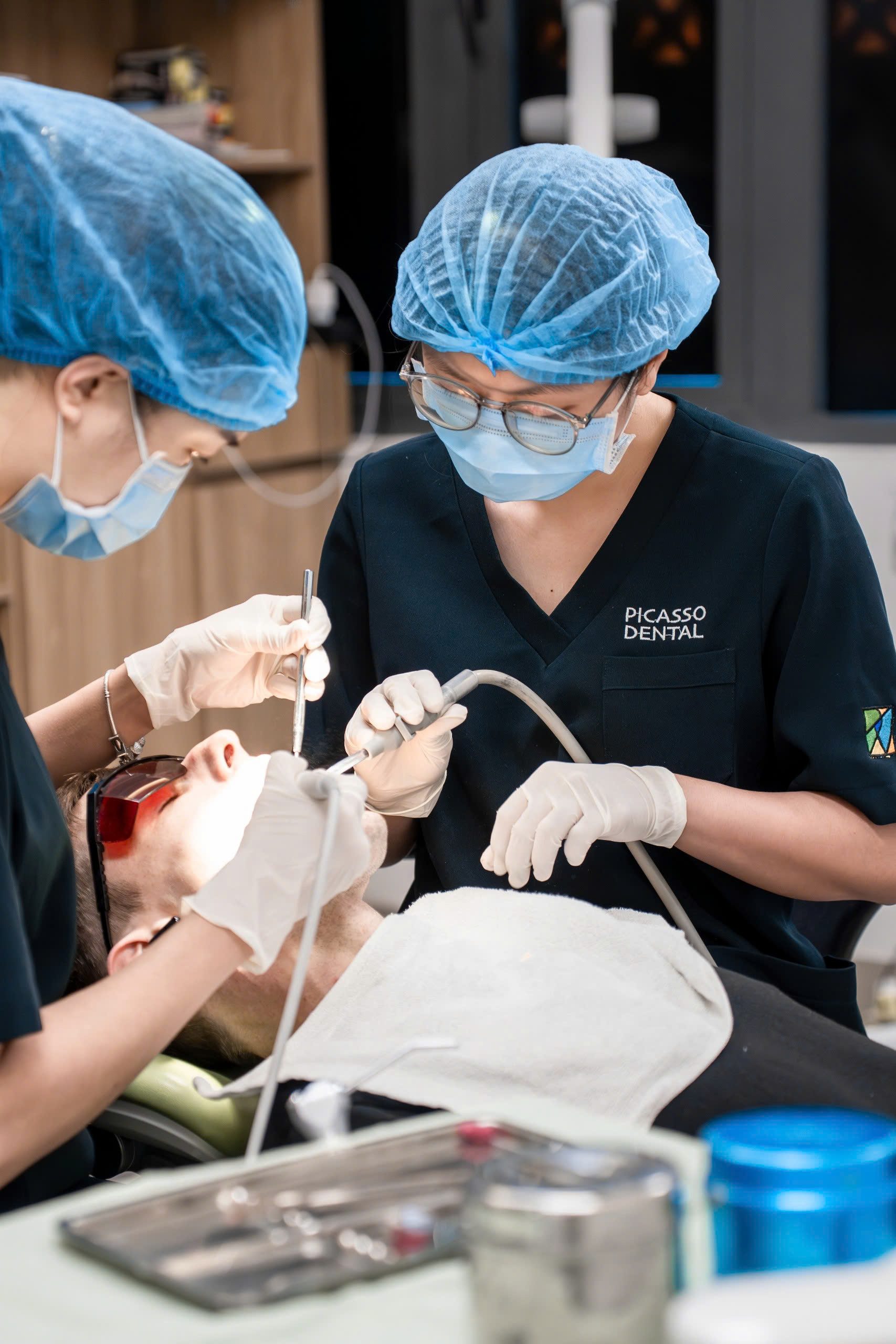
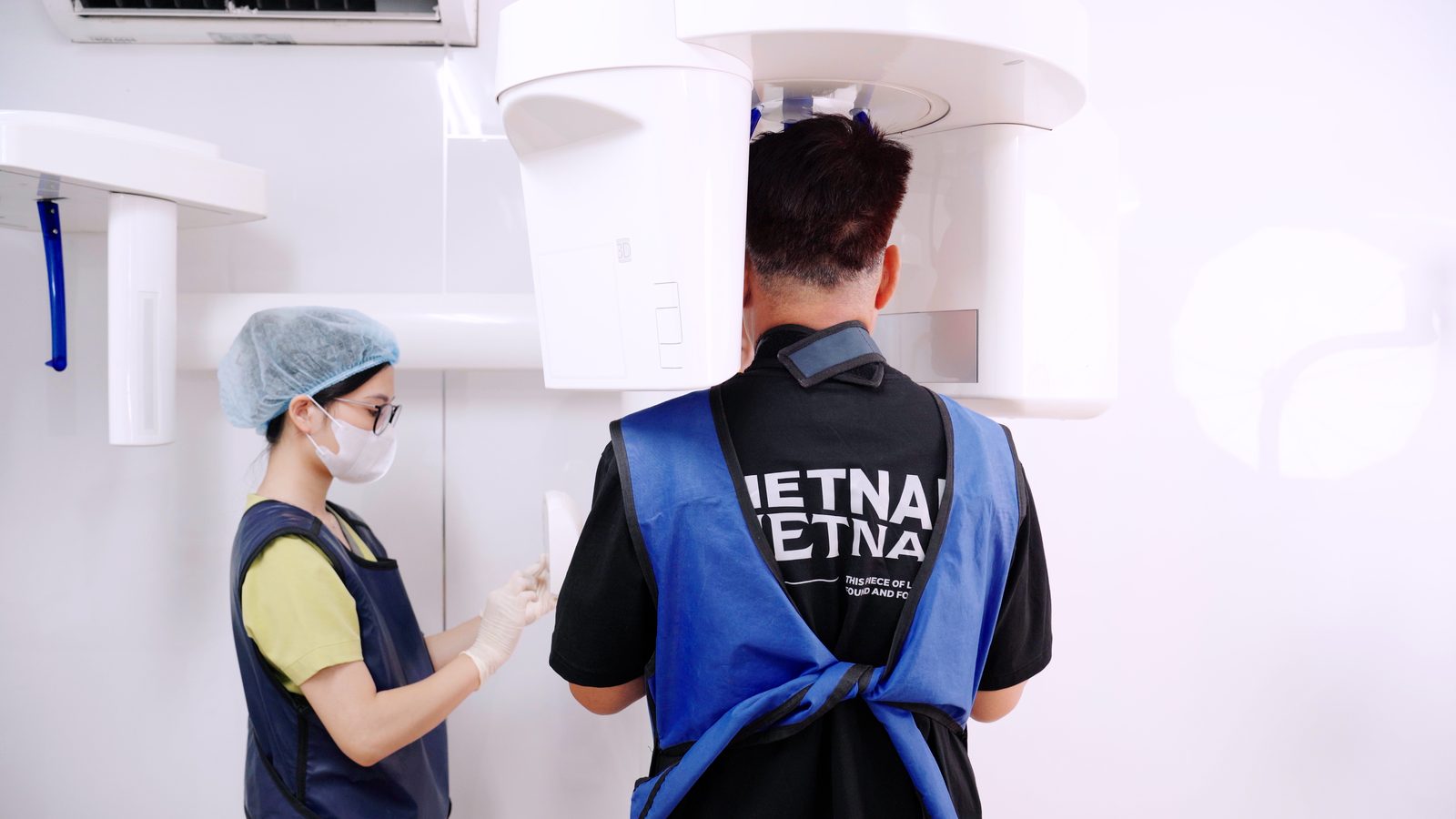
Pain levels in children with infected teeth are not always reliable indicators of severity. Some badly infected teeth cause intense pain. Others produce minimal discomfort or none at all, particularly once the nerve has died. Routine dental X-rays taken at six-monthly checkups are the most reliable way to catch infections before they progress to visible swelling or acute pain episodes.
Baby teeth versus permanent teeth: the key clinical differences
The procedure varies significantly depending on the type of tooth being treated. Baby teeth and permanent teeth have different root anatomy, different timelines, and different goals for treatment.
- Pulpotomy (baby tooth, infection limited to the crown) The most common paediatric root canal procedure. Infected nerve tissue is removed from the pulp chamber in the crown portion of the tooth only. Healthy nerve tissue in the roots is left intact. A medicated dressing is placed to keep the remaining tissue healthy, and the tooth is restored with a stainless steel crown that protects it until natural exfoliation. The procedure takes 30 to 45 minutes.
- Pulpectomy (baby tooth, infection involving roots) When infection has spread into the root canals, all nerve tissue from both crown and roots is removed. The canals are cleaned and filled with a resorbable material that dissolves naturally as the baby tooth root resorbs over time. This preserves the tooth until natural loss, with a stainless steel crown placed afterward.
- Root canal on a permanent tooth with closed apex Virtually identical to adult root canal treatment. The canals are cleaned, shaped, irrigated, and filled with gutta-percha. A permanent crown is placed after healing. Used when a permanent tooth is fully developed and the root tip is closed.
- Apexification (permanent tooth with open apex) When a permanent tooth was infected or traumatised before root development was complete, the root tip remains open. Standard root canal filling cannot seal an open apex. Apexification stimulates the root tip to close, either through calcium hydroxide treatment over several months or through a mineral trioxide aggregate plug, before the root canal filling is placed. This is specific to adolescent patients whose permanent teeth are still developing.
Why saving baby teeth matters
Parents often ask this question directly: why spend money treating a tooth that is going to fall out anyway? The answer is that baby teeth are not simply placeholder teeth. They serve critical functions for development that, when lost prematurely, create problems that cost significantly more to correct.
Baby teeth maintain the space that permanent teeth need to erupt correctly. When a baby tooth is lost early, the adjacent teeth begin drifting into the gap within months. The permanent tooth that was supposed to occupy that space either cannot erupt, erupts crooked, or erupts far from its correct position. The result is crowding that requires orthodontic treatment: an expense that typically runs several times the cost of treating the baby tooth.
"I had four crowns, two cavities, and a root canal and it was as gentle and pain free as it could possibly be. More so than any dentist back in the states in my sixty years of seeing the dentist."
Kevin McCarthy, Hanoi Old Quarter, Google review
Beyond space maintenance, baby teeth support proper jaw development, enable clear speech during the years when language is developing, and allow adequate chewing for nutrition. Losing front baby teeth early can affect a child's confidence and speech during years when both matter enormously. Treating a baby tooth is not an overtreatment. It is preserving the developmental infrastructure that permanent dentition depends on.
What to expect during a paediatric root canal
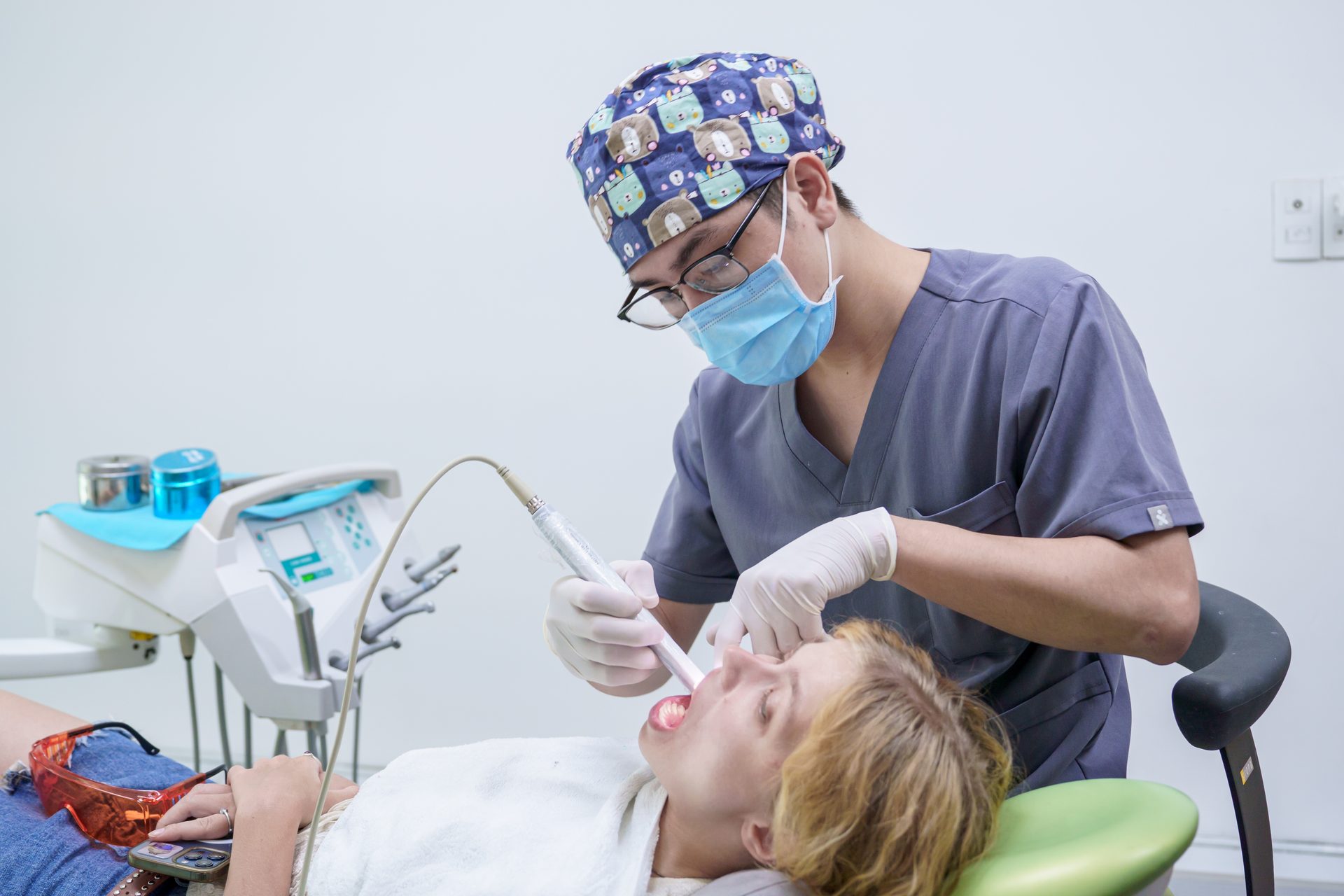
The procedure begins with complete anaesthesia of the area. Topical anaesthetic gel is applied before the injection, and the anaesthetic is administered slowly to minimise any sensation. Children feel pressure and movement during the procedure but not pain. We confirm adequate numbness before any tissue contact begins and add more anaesthetic if there is any indication it is needed.
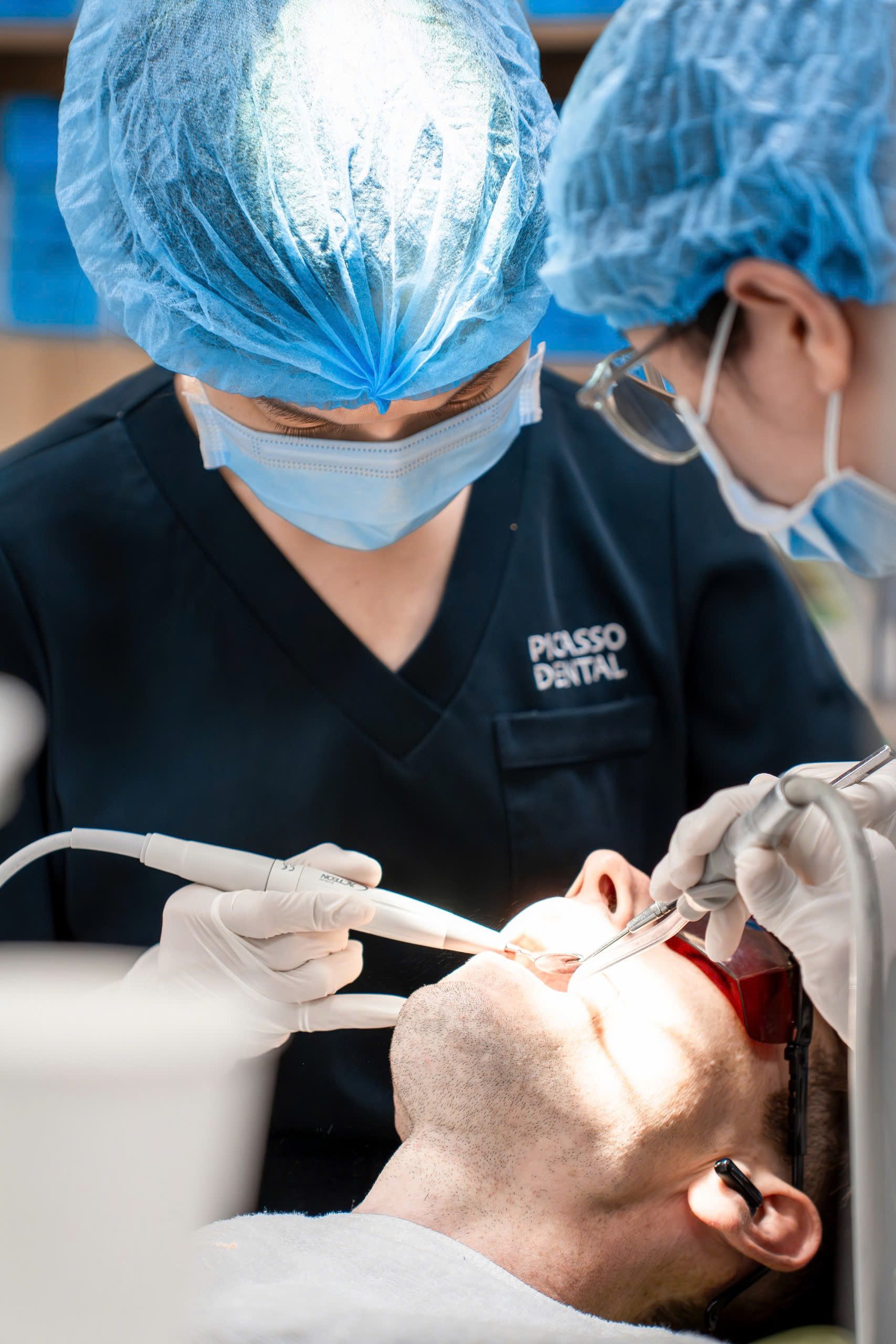
For a baby tooth pulpotomy, the infected crown tissue is removed, medication placed, and a stainless steel crown cemented in a single appointment. For a permanent tooth root canal, the procedure follows adult protocols with appointment length depending on the number of canals and complexity of the root anatomy.
Post-procedure discomfort in children is typically mild and manageable with standard children's ibuprofen or paracetamol. Most children feel well enough to return to school the following day. For children with significant dental anxiety, nitrous oxide (laughing gas) or oral sedation options are available and discussed with parents before the appointment.
Not sure whether your child's tooth needs treatment? Send us a description of the symptoms and a dentist at Picasso Dental will respond within 24 hours with an honest assessment.
Contact us →Preventing root canals in children
Most of the cavities that progress to require root canal treatment are preventable. The interventions are straightforward, low-cost, and effective when started early and maintained consistently.
Brushing twice daily with age-appropriate fluoride toothpaste removes the bacterial plaque that drives cavity formation. Flossing once daily removes plaque from the surfaces between teeth where a brush cannot reach. These two habits, established in childhood, have a larger impact on long-term dental health than any treatment.
Dental sealants applied to the deep grooves on the chewing surfaces of molars prevent the cavities that most commonly progress to nerve involvement. This is a quick, painless, and inexpensive preventive procedure carried out during a routine appointment. Custom mouthguards during contact sports prevent the traumatic injuries that can damage nerves in otherwise healthy teeth. And attending checkups every six months allows cavities to be found and filled at the stage where the nerve is still uninvolved, before the decision about root canal treatment ever arises.
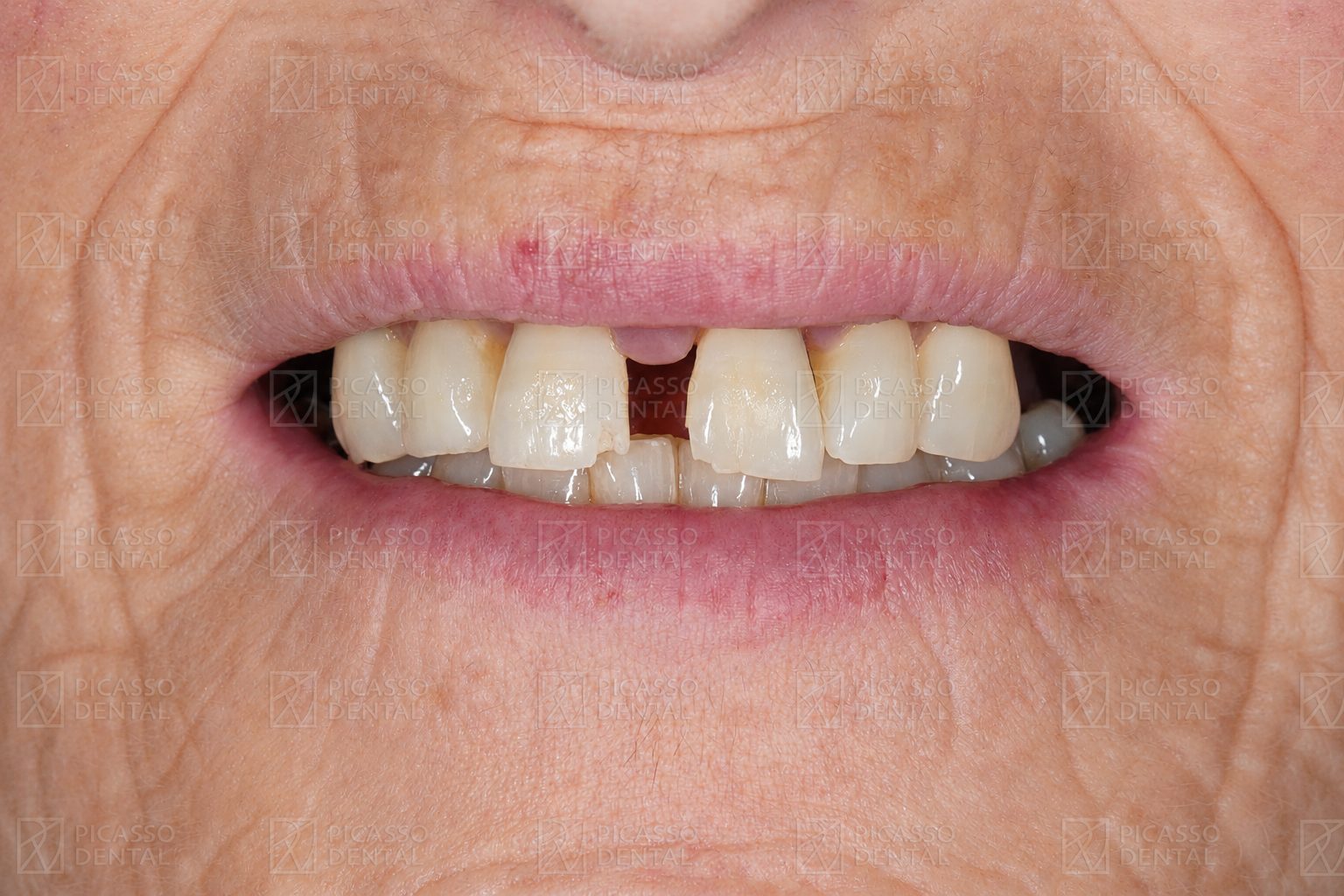 Before
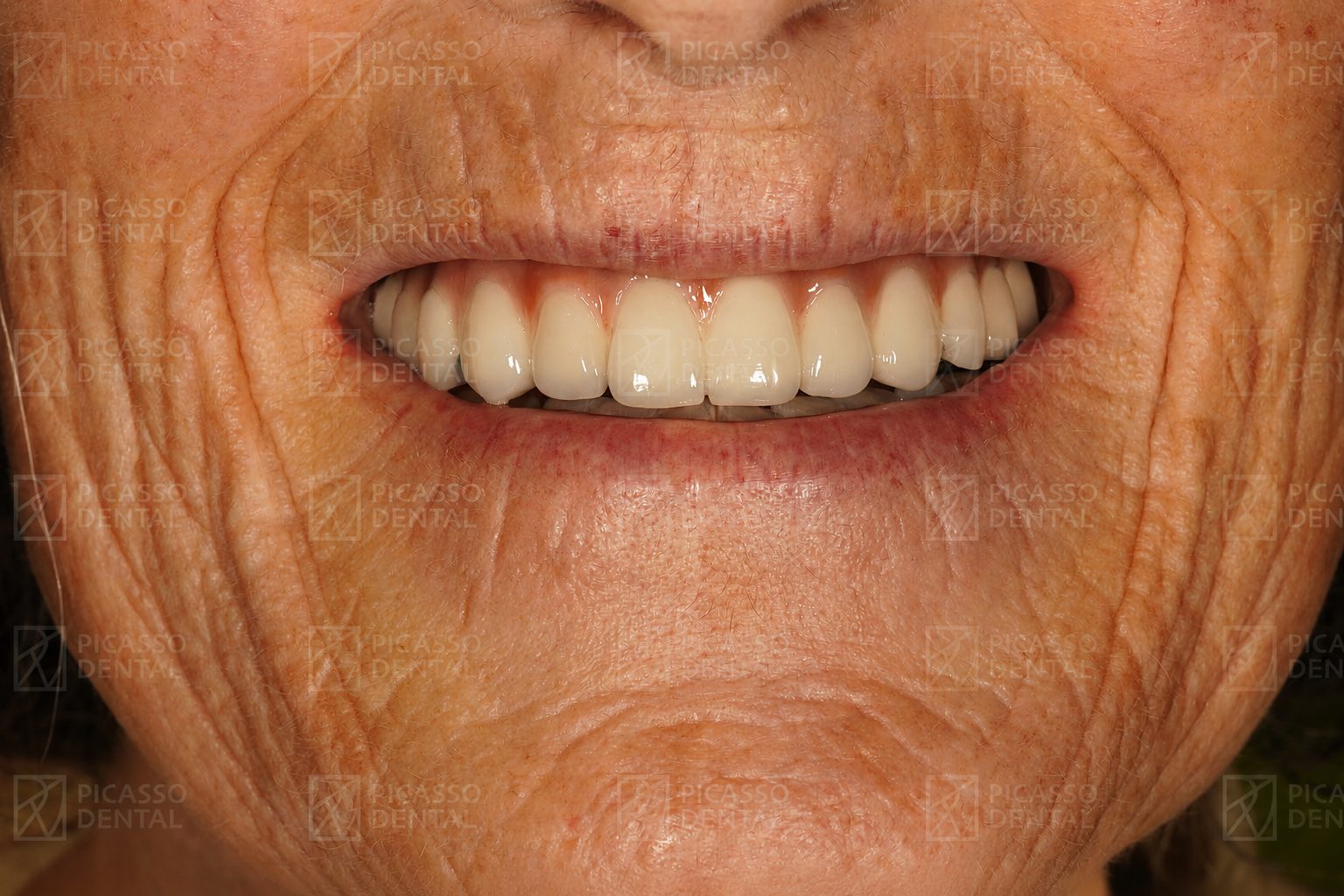 After
AfterFull rehabilitation, Hanoi Old Quarter
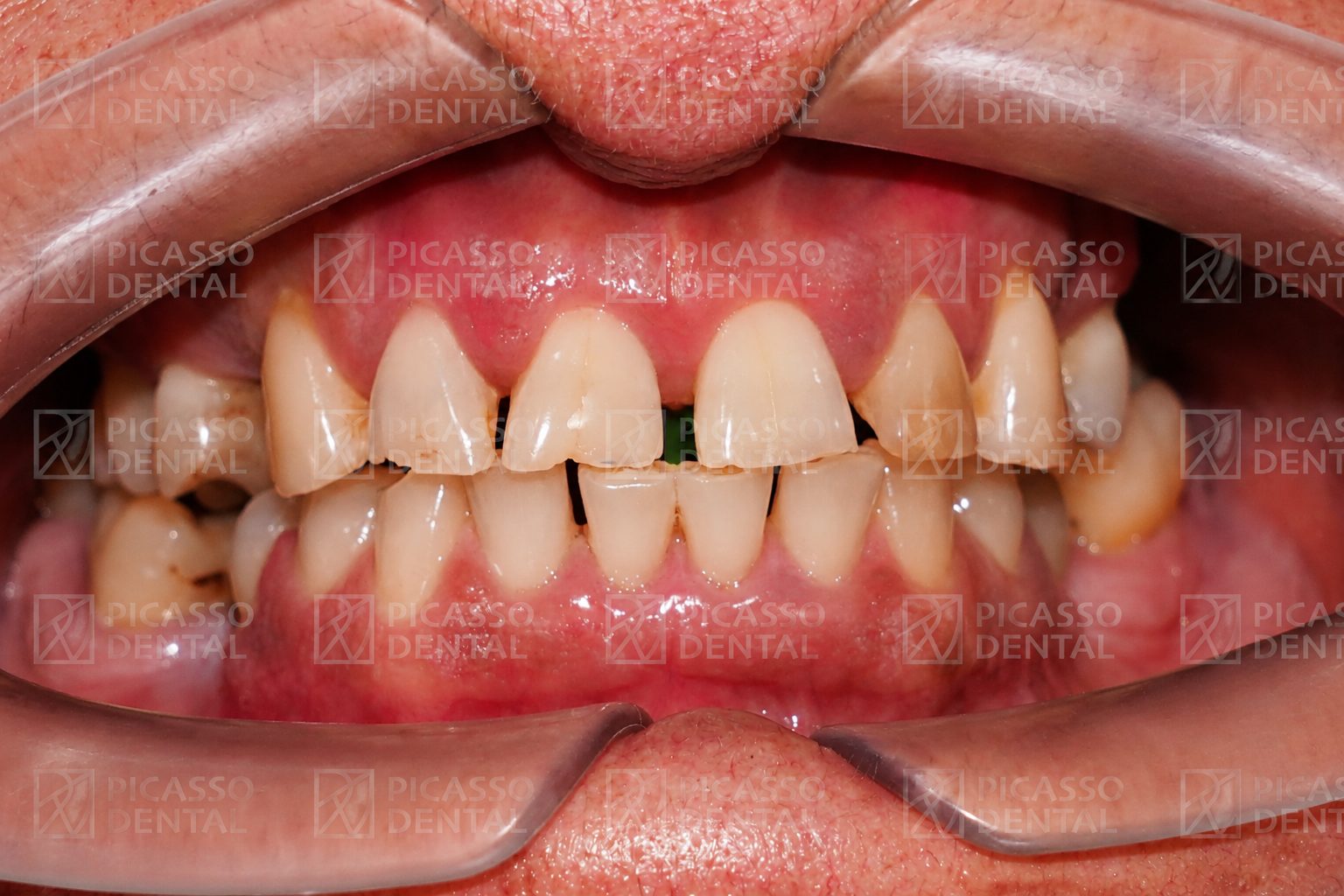 Before
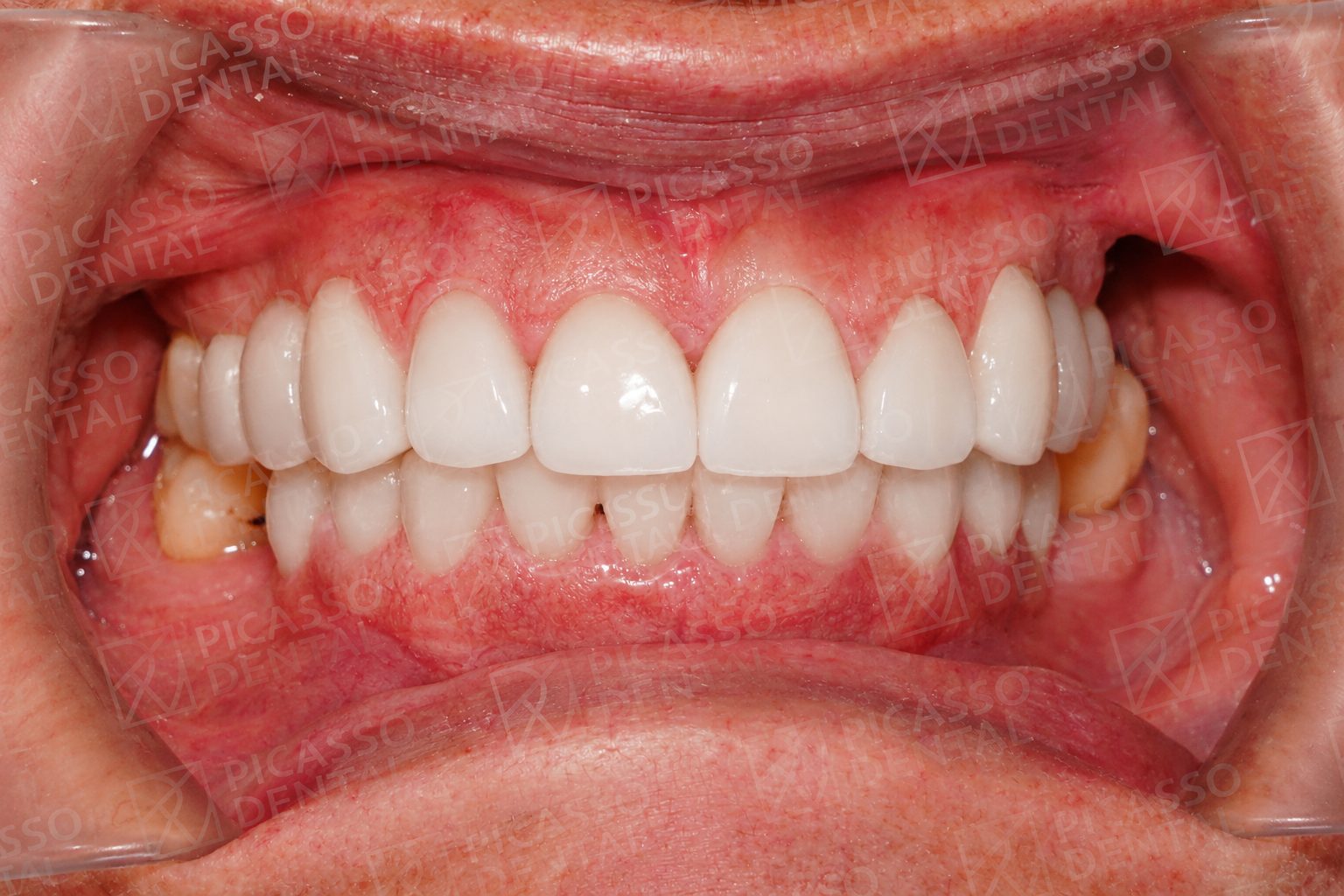 After
AfterPorcelain crowns, Da Nang
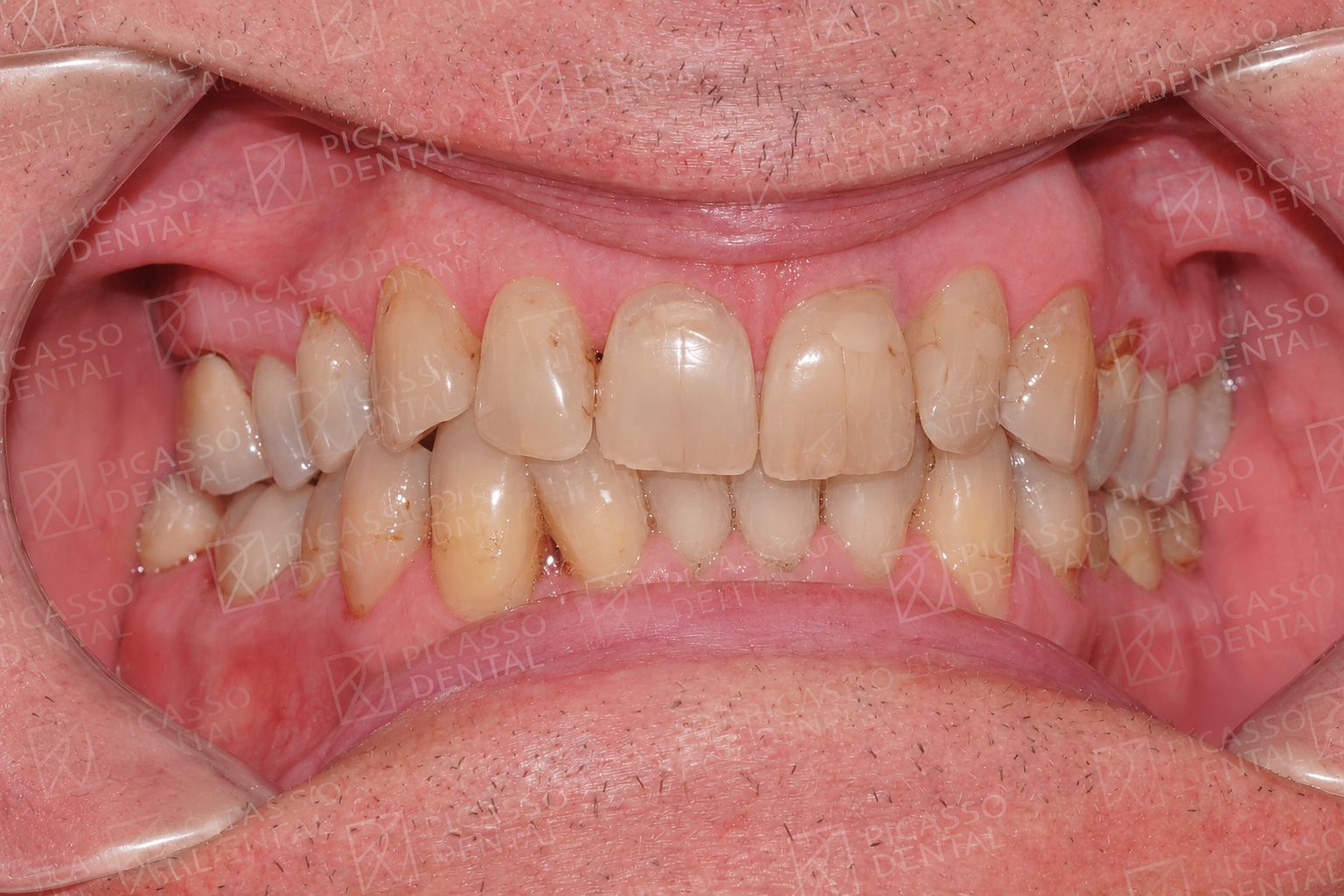 Before
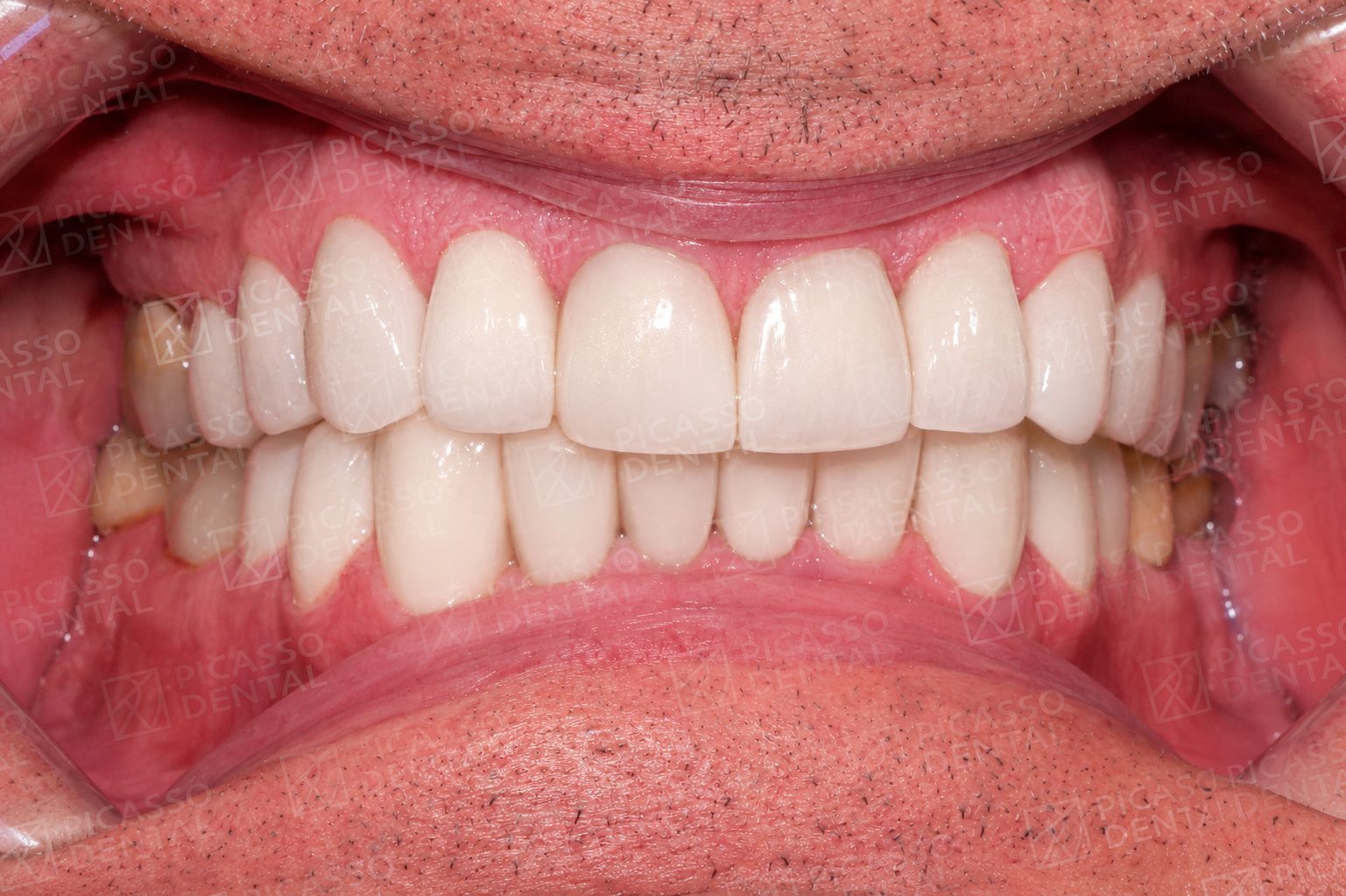 After
AfterCrown and implant, HCMC Thao Dien
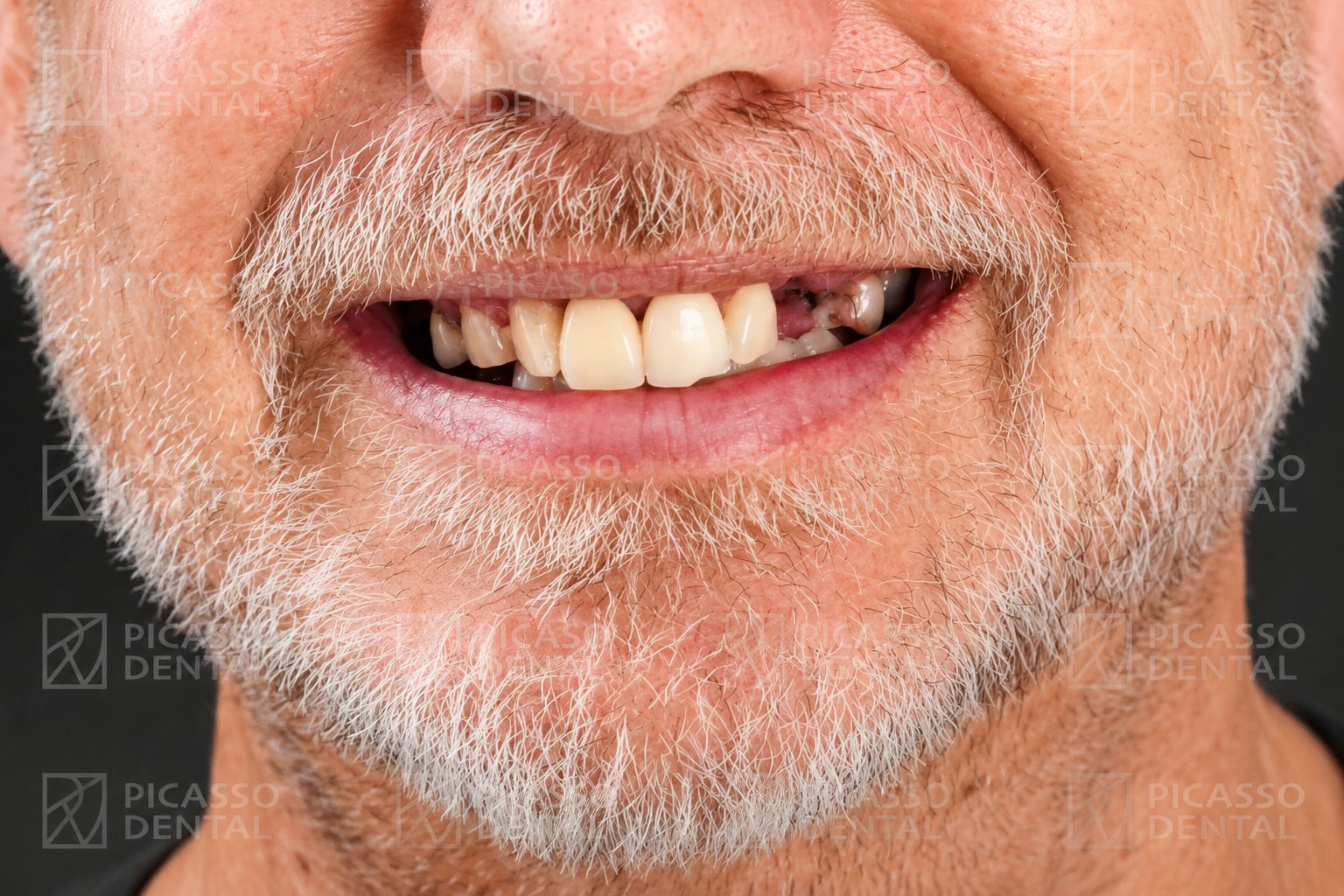 Before
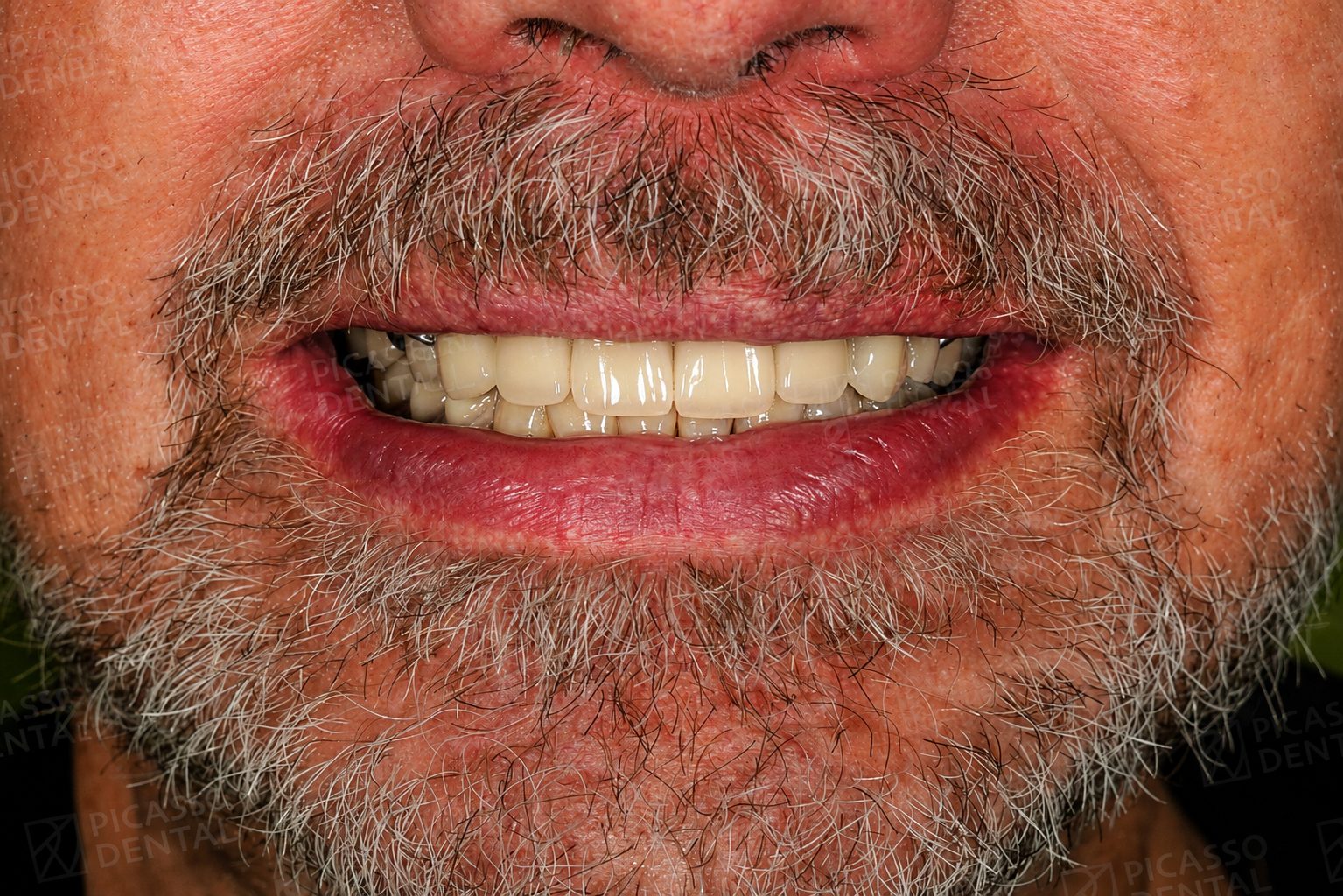 After
AfterCrown restoration, Hanoi Westlake
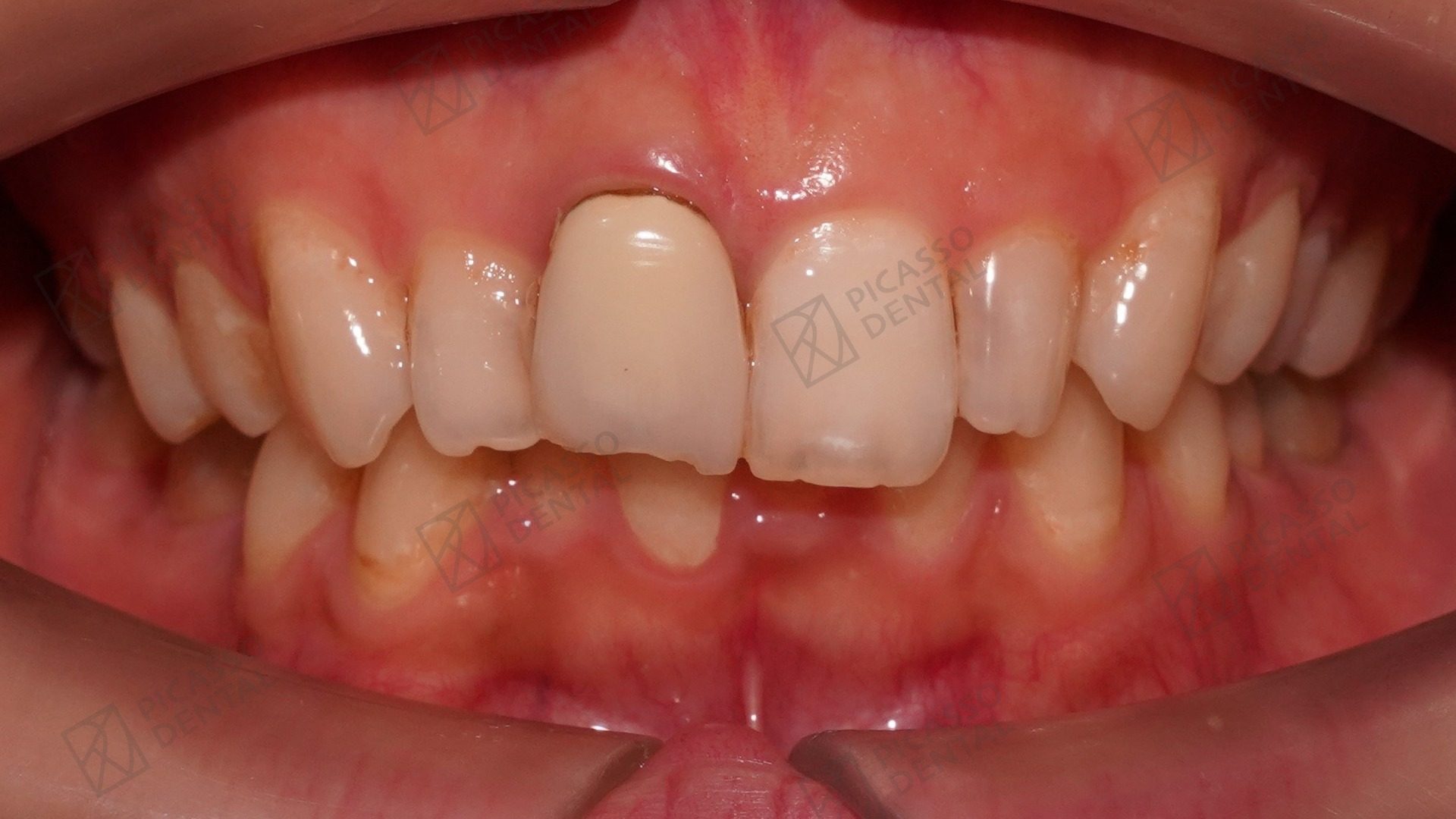 Before
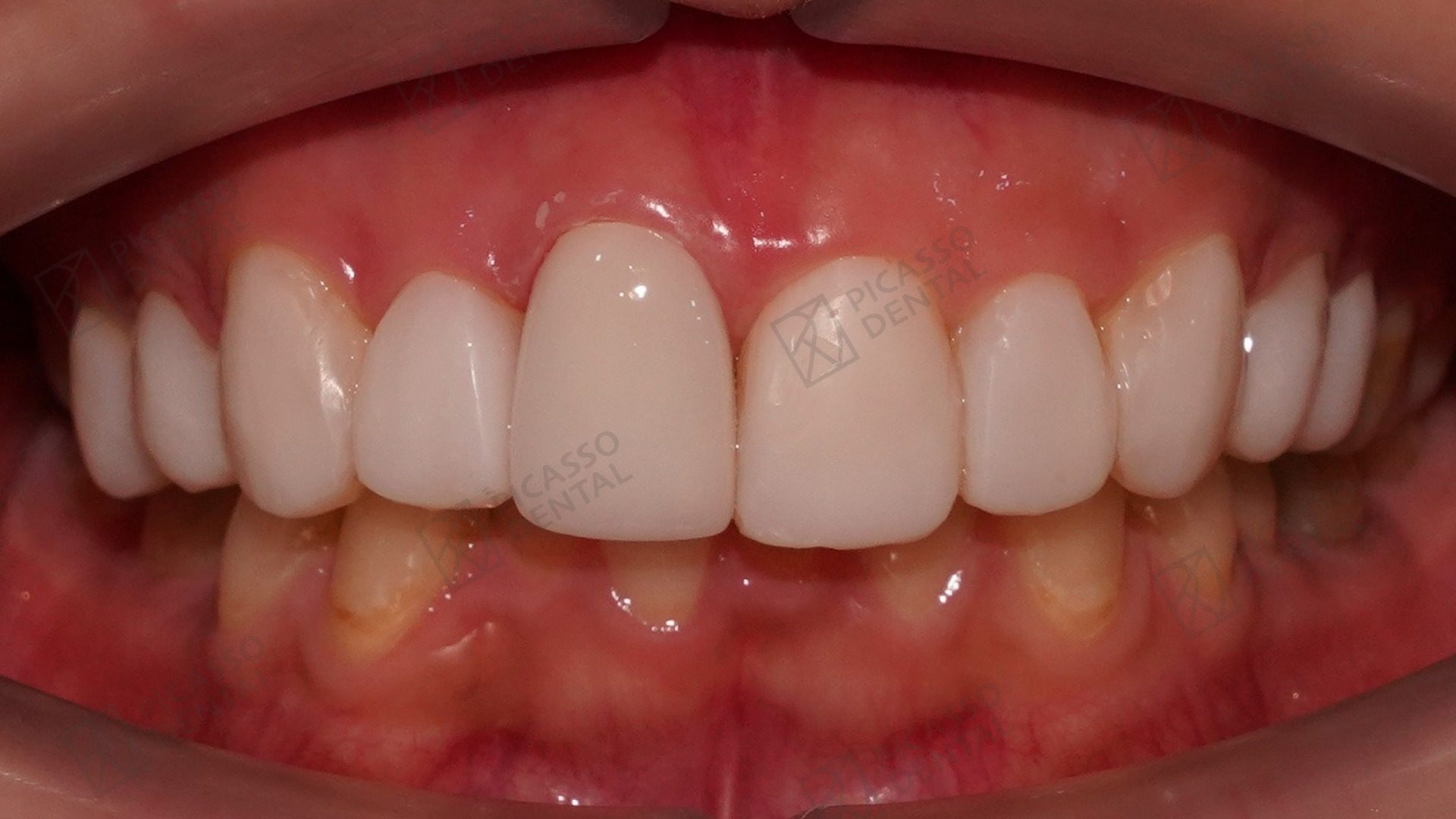 After
AfterSmile restoration, Da Nang Flagship
Frequently asked questions
Can children get root canal treatment?
Yes. Children can and do receive root canal treatment. The procedure for baby teeth is called a pulpotomy or pulpectomy and differs from adult root canals. Permanent teeth in children receive treatment very similar to adult root canals, with extra consideration for teeth whose root tips have not yet closed.
What is the difference between a pulpotomy and a pulpectomy?
A pulpotomy removes infected nerve tissue from the crown portion of a baby tooth only, leaving the healthy root tissue in place. A pulpectomy removes all nerve tissue from both crown and roots when infection is more extensive. Both procedures are followed by a stainless steel crown to protect the treated baby tooth.
Why treat baby teeth that will fall out anyway?
Baby teeth maintain space for permanent teeth, support jaw development, enable normal speech, and allow proper chewing for nutrition. Losing a baby tooth prematurely causes adjacent teeth to drift into the space within months, resulting in crowding that requires orthodontic correction. Treating a baby tooth costs far less than the braces needed to fix the consequences of losing it early.
Does root canal treatment hurt children?
Root canal treatment in children is performed under local anaesthetic. Children feel pressure and movement but not pain during properly anaesthetised procedures. Topical anaesthetic is applied before injections and anaesthetic is given slowly. Post-procedure discomfort is typically mild and manageable with children's ibuprofen or paracetamol. Many children report the procedure was easier than they expected.
What is apexification and when does a child need it?
When a permanent tooth has not finished developing, the root tip remains open rather than closed. Standard root canal filling material cannot seal an open apex. Apexification is a procedure that stimulates the root tip to close, either through calcium hydroxide treatment over several months or through placement of a mineral trioxide aggregate plug, before the root canal is completed. It is used for permanent teeth that were traumatised or infected before root development was complete.
How can root canals in children be prevented?
Brushing twice daily with fluoride toothpaste, flossing once daily, limiting sugary foods and drinks, and attending dental checkups every six months catch cavities before they reach the nerve. Dental sealants applied to molar grooves prevent many cavities. Custom mouthguards during contact sports prevent traumatic nerve injuries. Early cavity treatment before decay reaches the pulp is the most direct prevention.
What sedation options are available for anxious children?
Nitrous oxide (laughing gas) provides light relaxation while keeping children awake and responsive. Oral sedation creates deeper relaxation for extremely anxious or very young children. These options make treatment comfortable for children who would otherwise find the appointment very difficult. At Picasso Dental, we discuss sedation options with parents before any appointment where anxiety might be a factor.
Start Here
Start with a brief.
Describe your child's symptoms and a licensed dentist at Picasso Dental will respond within 24 hours with an honest assessment, with no obligation.