Dental Implants
Can All-on-4 Implants Really
Replace All My Teeth in One Day?
Yes. Here is how it works
All-on-4 dental implants can replace an entire arch of teeth in a single surgical session, and you leave with functioning temporary teeth the same day. The final permanent prosthesis is attached 3 to 6 months later when integration is complete.
The short version
- Four implants are enough for a full arch because two rear implants are angled to maximise bone contact and avoid the need for bone grafting.
- Temporary teeth are pre-fabricated from digital scans and attached to the implants on the day of surgery.
- You leave with a full set of functional teeth the same day. Final permanent teeth are placed 3 to 6 months later.
- All-on-4 is fixed permanently, unlike dentures. It does not move, require adhesives, or need nightly removal.
- At Picasso Dental Clinic Vietnam, All-on-4 with premium implants costs 60 to 70 percent less than equivalent treatment in Australia.
Why four implants can support a full arch
All-on-4 is a specific implant technique designed for patients who are missing all or most of their teeth in one or both arches. Instead of placing one implant for each missing tooth, four carefully positioned implants support a full arch of 10 to 14 teeth. The placement strategy is what makes this possible with so few implants.
Two implants go in the front of the jaw, placed vertically where bone density is typically greatest. The other two implants are positioned in the posterior jaw at an angle of up to 45 degrees. This angled placement is the key innovation of All-on-4. It serves three purposes simultaneously: the implants engage a larger surface area of bone than vertical placement in the same position would; they avoid the sinus cavities in the upper jaw that occupy space where back teeth would normally be placed; and they extend the effective support points of the arch further toward the rear, improving load distribution under chewing forces.
The result is that most patients who have lost significant bone in the posterior jaw, and who would therefore be told they cannot receive traditional implants without extensive bone grafting, are still candidates for All-on-4. The bone grafting step, which adds months to the treatment timeline and significant additional cost, is eliminated in the majority of cases.
How same-day teeth are achieved
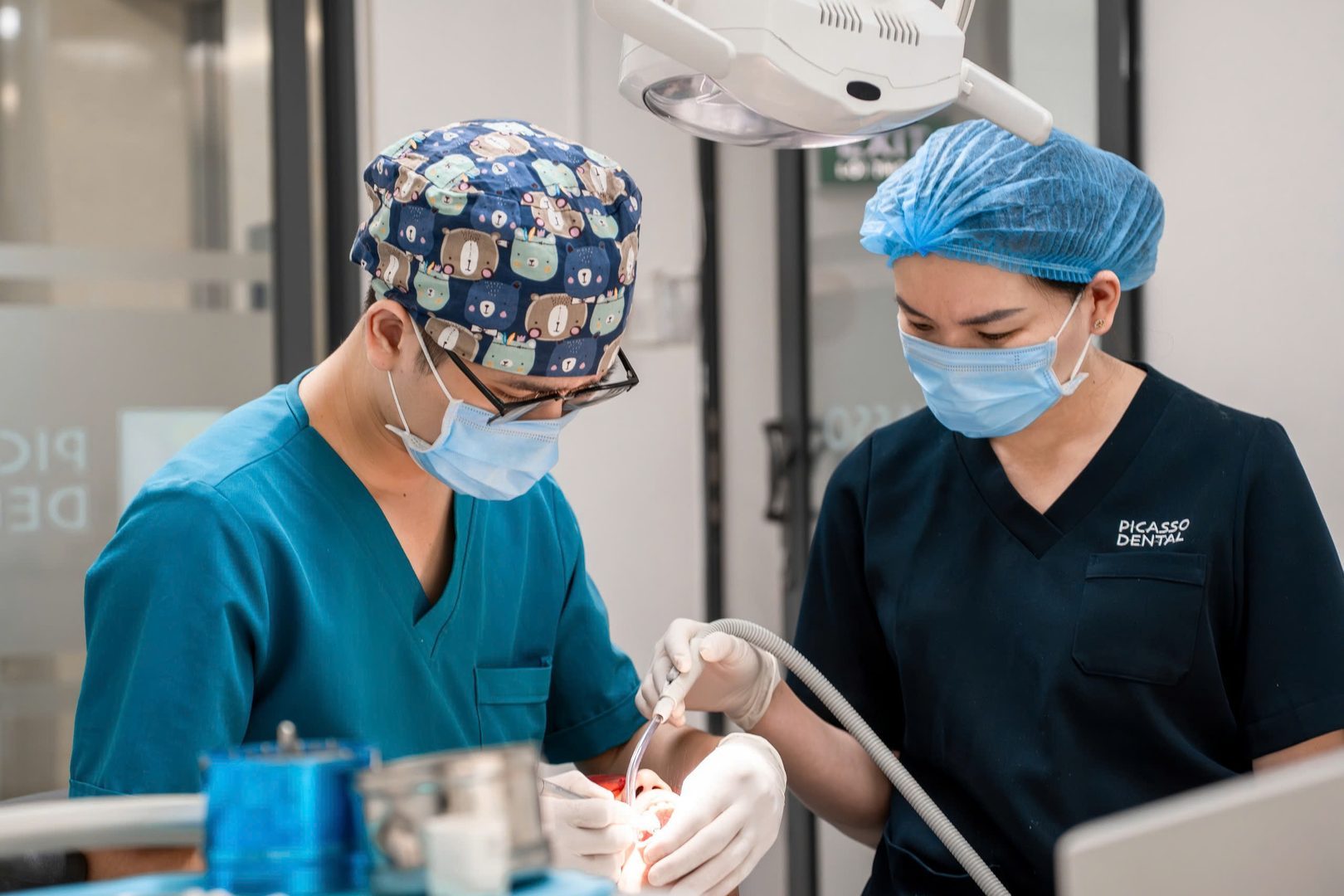
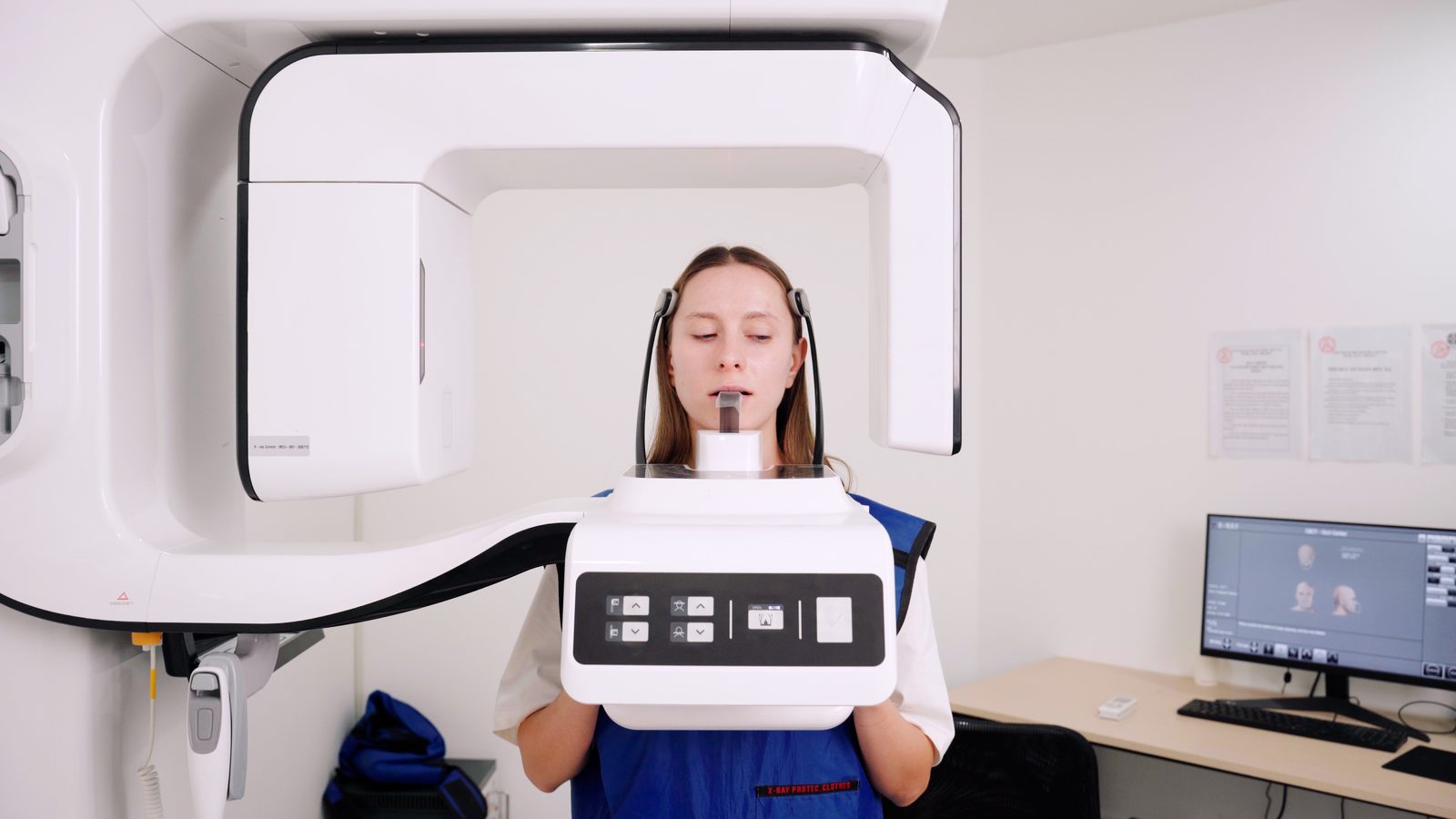
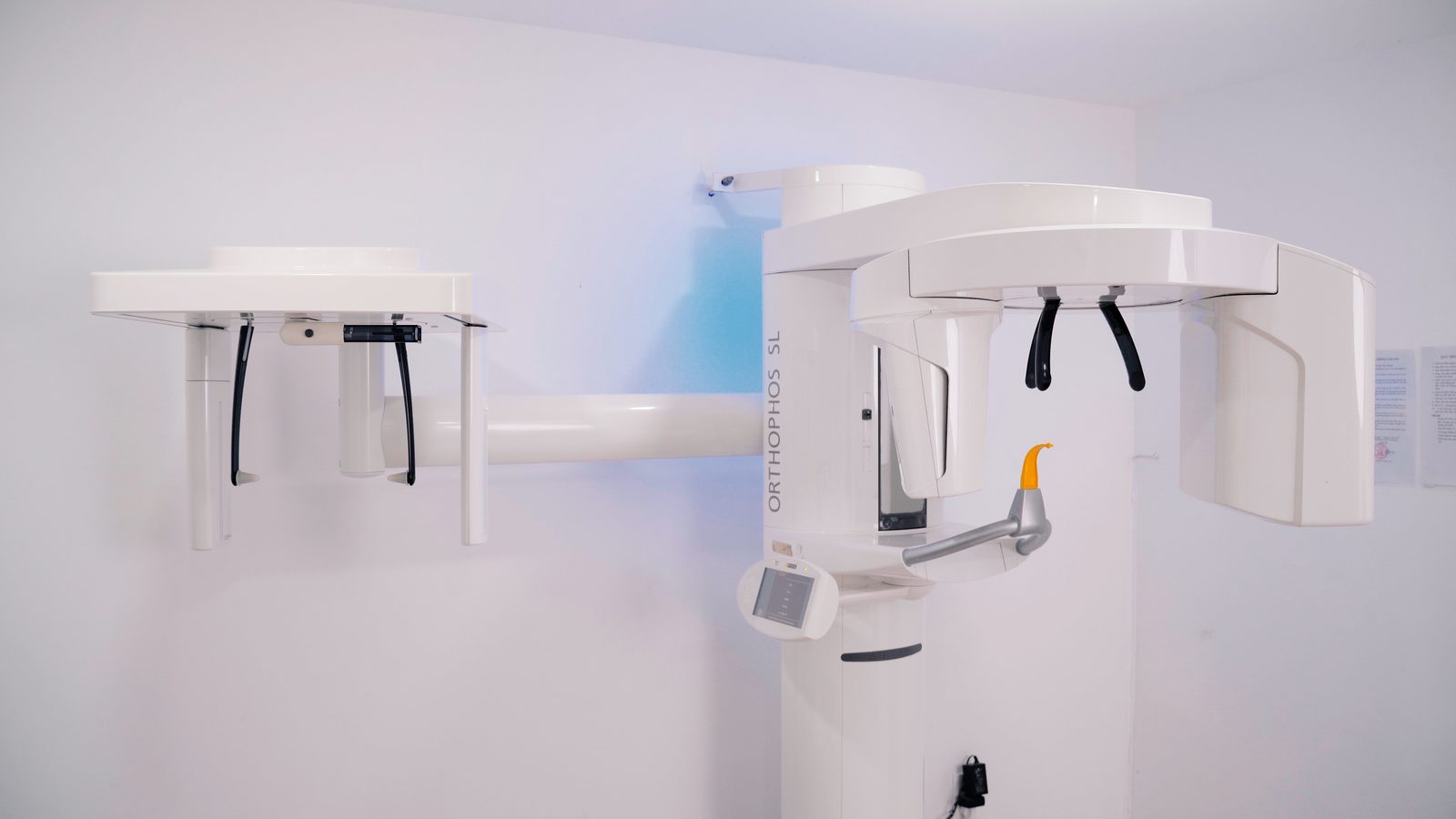
The same-day teeth are possible because of the pre-surgical digital planning process. Before your surgery date, a cone beam CT scan provides precise three-dimensional data about your bone anatomy, density, and available dimensions at every potential implant site. Using this data, I plan the exact position, angle, and depth of all four implants digitally, and a surgical guide is fabricated that ensures those positions are achieved accurately during surgery.
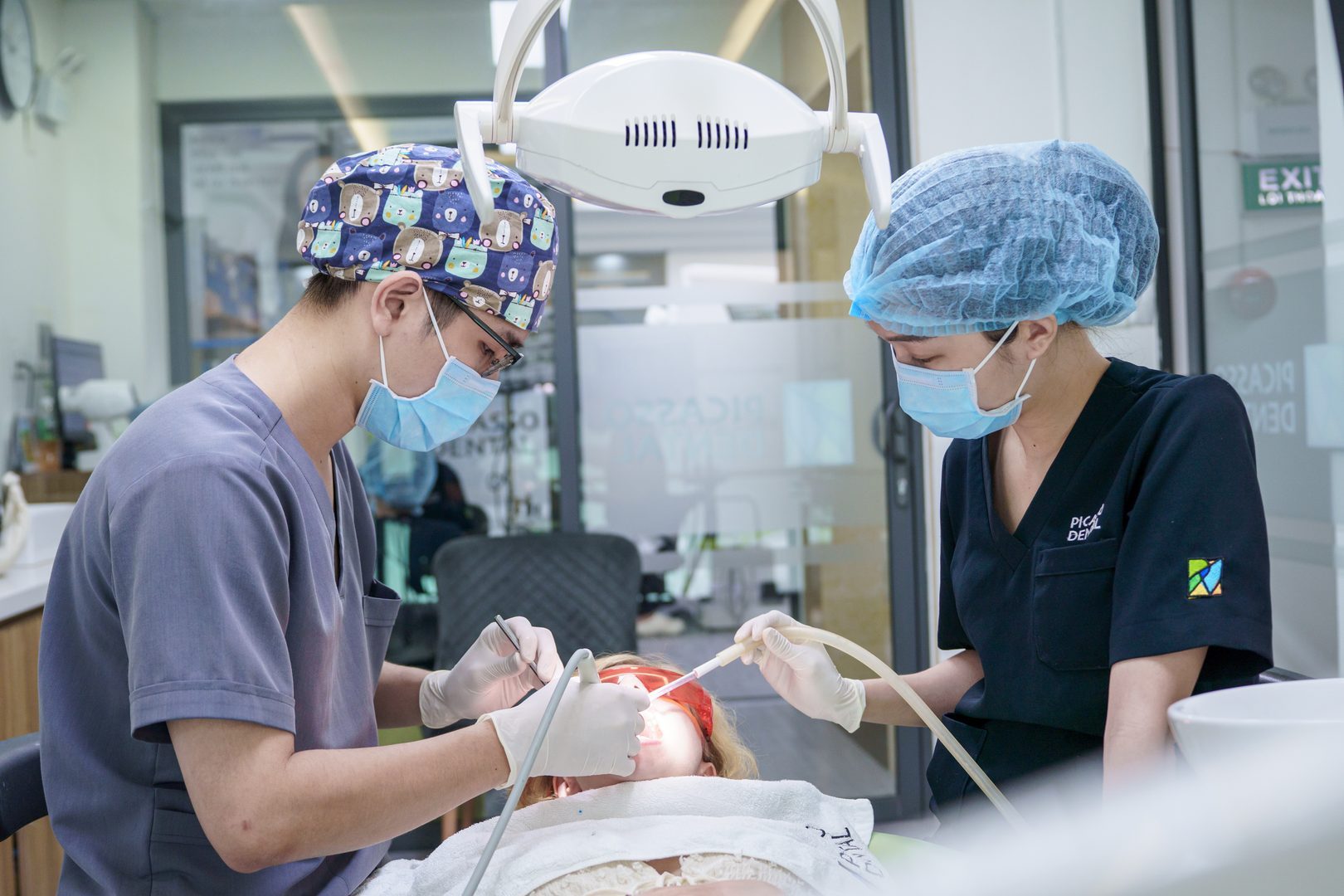
Simultaneously, the dental laboratory fabricates a temporary full-arch prosthesis based on the planned implant positions and the measurements of your remaining dental anatomy. When the surgery is complete and all four implants are in position, the temporary prosthesis is attached to the implants using the connectors at the exact positions planned in the digital workflow. Minor adjustments to bite and comfort are made in the chair before you leave.
The entire surgical procedure takes 2 to 3 hours per arch. If both upper and lower arches are being treated in the same session, allow 4 to 6 hours. The temporary teeth are functional for chewing soft to medium foods immediately. Hard and crunchy foods are avoided during the 3 to 6 month integration period to protect the healing implants from excessive stress before full osseointegration.
"Making the decision to go to Hanoi and have the dental treatment done by Picasso was one of the best decisions I have taken for a long time. It was so cost effective in comparison to having all this work undertaken at an Australian dental practice."
Gerald Mair, Hanoi Old Quarter
All-on-4 versus traditional dentures: a direct comparison
The comparison with conventional dentures is the most practically relevant one for most All-on-4 candidates, because these are the patients who have been managing with dentures and want to understand what the alternative actually offers.
Fixed position is the most immediate difference. All-on-4 implants are attached to the bone and cannot move. They do not slip during speaking, they do not shift during eating, and they do not require adhesive pastes to stay in place. For patients who have experienced a denture shifting in conversation or at a restaurant, this alone represents a life-changing change.
Chewing ability is substantially greater with All-on-4 than with dentures. The force transmitted to the jaw through implant-supported teeth is close to that of natural teeth. Patients can typically eat tough meats, raw vegetables, apples, nuts, and other foods that denture wearers routinely avoid. Full nutritional variety returns, with direct benefits to long-term health.
Bone preservation is the benefit that is least visible but most significant over the long term. When teeth are lost, the bone that once supported them begins to resorb because it no longer receives functional stimulation. Dentures sit on top of the gum and accelerate this resorption. Implants transmit chewing forces into the bone, providing the stimulation needed to maintain bone volume. The facial changes that make long-term denture wearers look older, the sunken cheeks and shortened lower face, are largely prevented by implants.
Ready to explore All-on-4? Send your recent X-rays or CT scan and a CBCT assessment can be completed to confirm candidacy and provide a written quote within 48 hours.
Book a consultationWho qualifies and what to expect from the assessment
Ideal candidates are patients who are missing all or most of their teeth in one or both arches, or who have failing teeth that will need extraction. Patients who have worn dentures for years and are frustrated with their limitations are the most common All-on-4 patients. Active gum disease should be treated before implants are placed, but a history of past gum disease does not disqualify you. Controlled diabetes does not disqualify you, but uncontrolled blood sugar does, as it impairs healing and significantly increases failure risk.
Heavy smoking is the single biggest modifiable risk factor for implant failure. The vasoconstrictive effect of nicotine reduces blood supply to the healing implant site. Patients who smoke are counselled to stop before surgery and during the integration period. Patients who cannot stop smoking accept a meaningfully higher failure risk.
The assessment process involves a comprehensive clinical examination, periapical X-rays, and a cone beam CT scan. The CBCT reveals the exact bone height, width, and density available at each planned implant site. In most cases, sufficient bone is present for All-on-4 placement even in patients who have been told they lack bone for traditional implants. When bone is genuinely insufficient even for the angled placement strategy, bone grafting or zygomatic implants are discussed as alternative approaches.
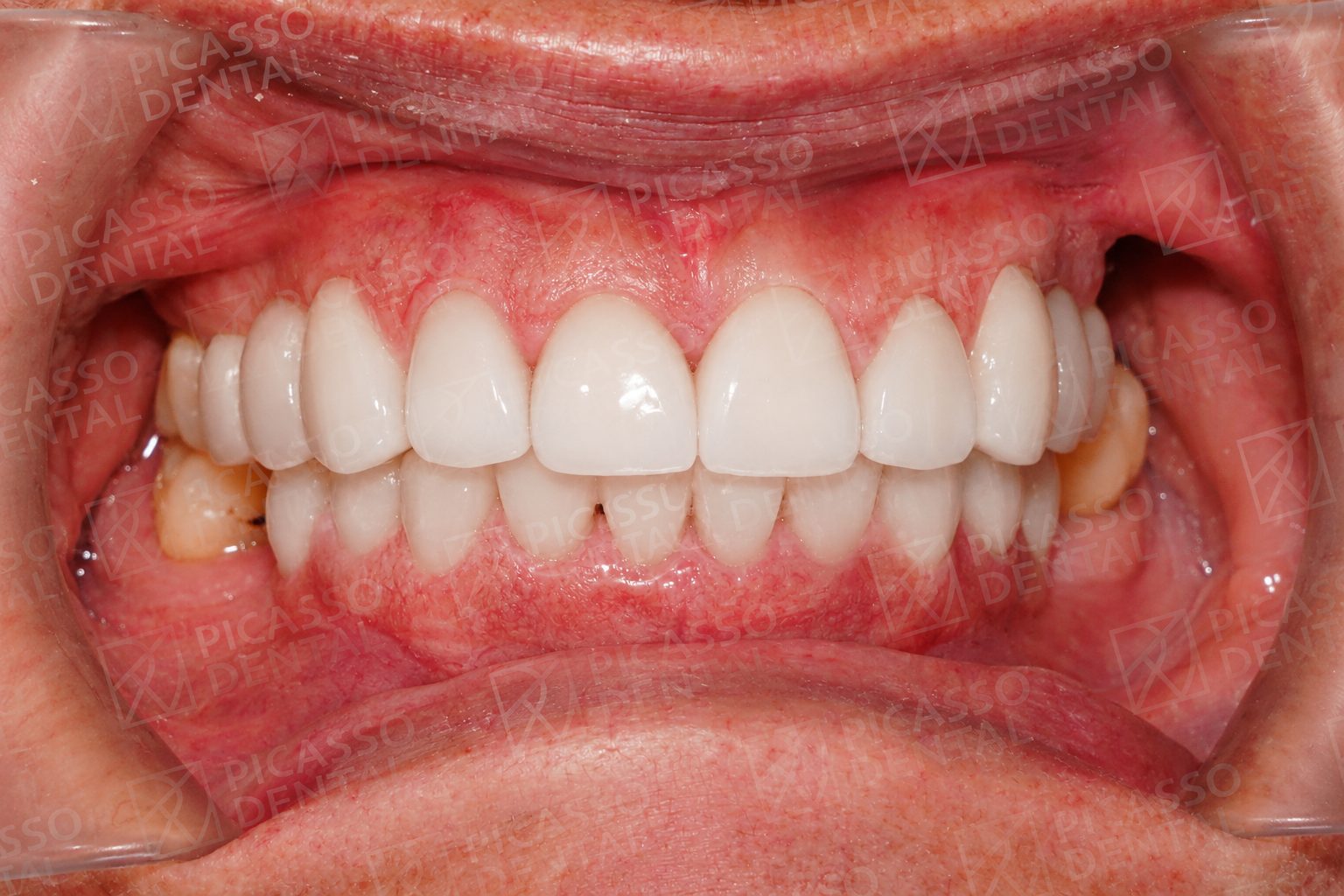
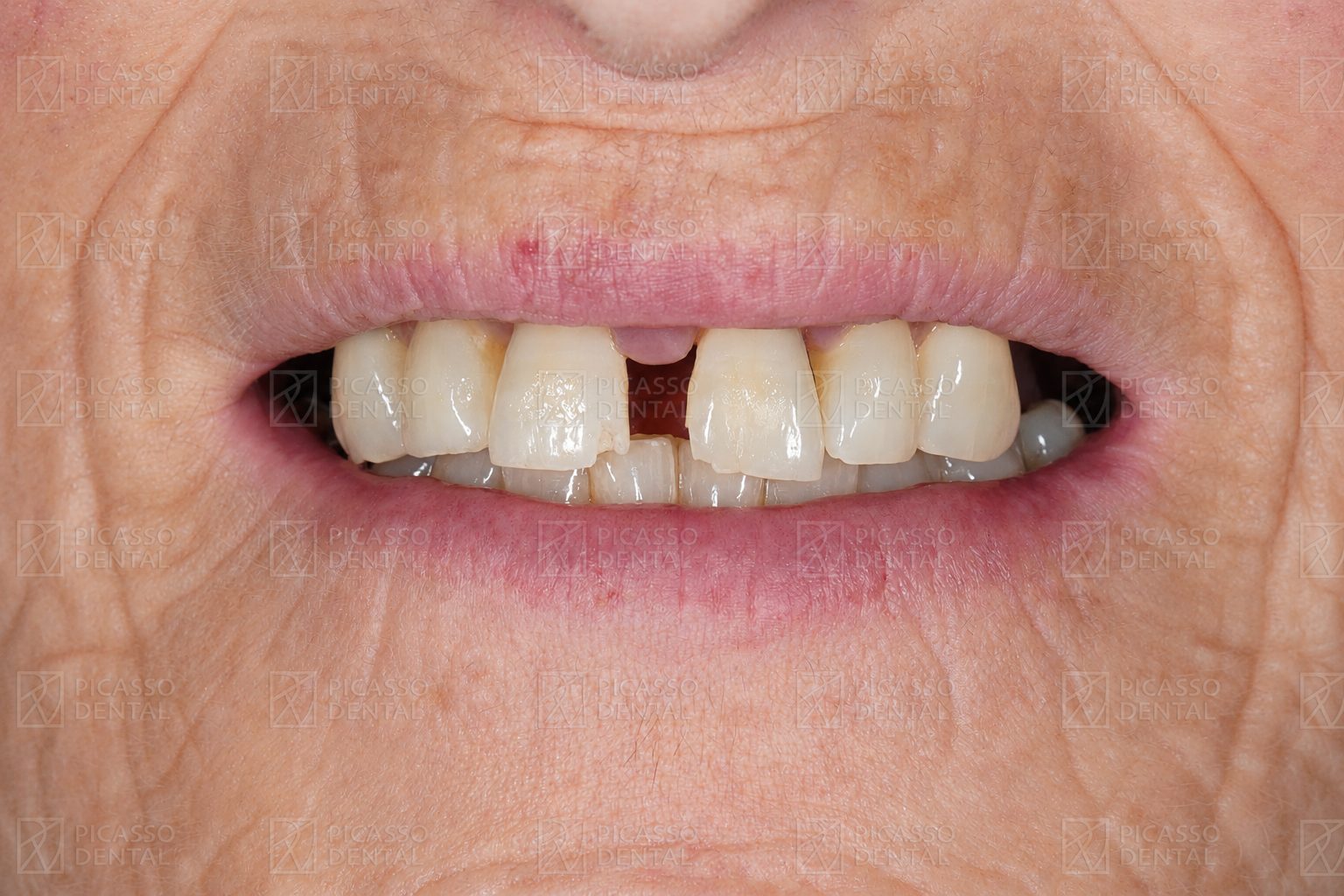 Before
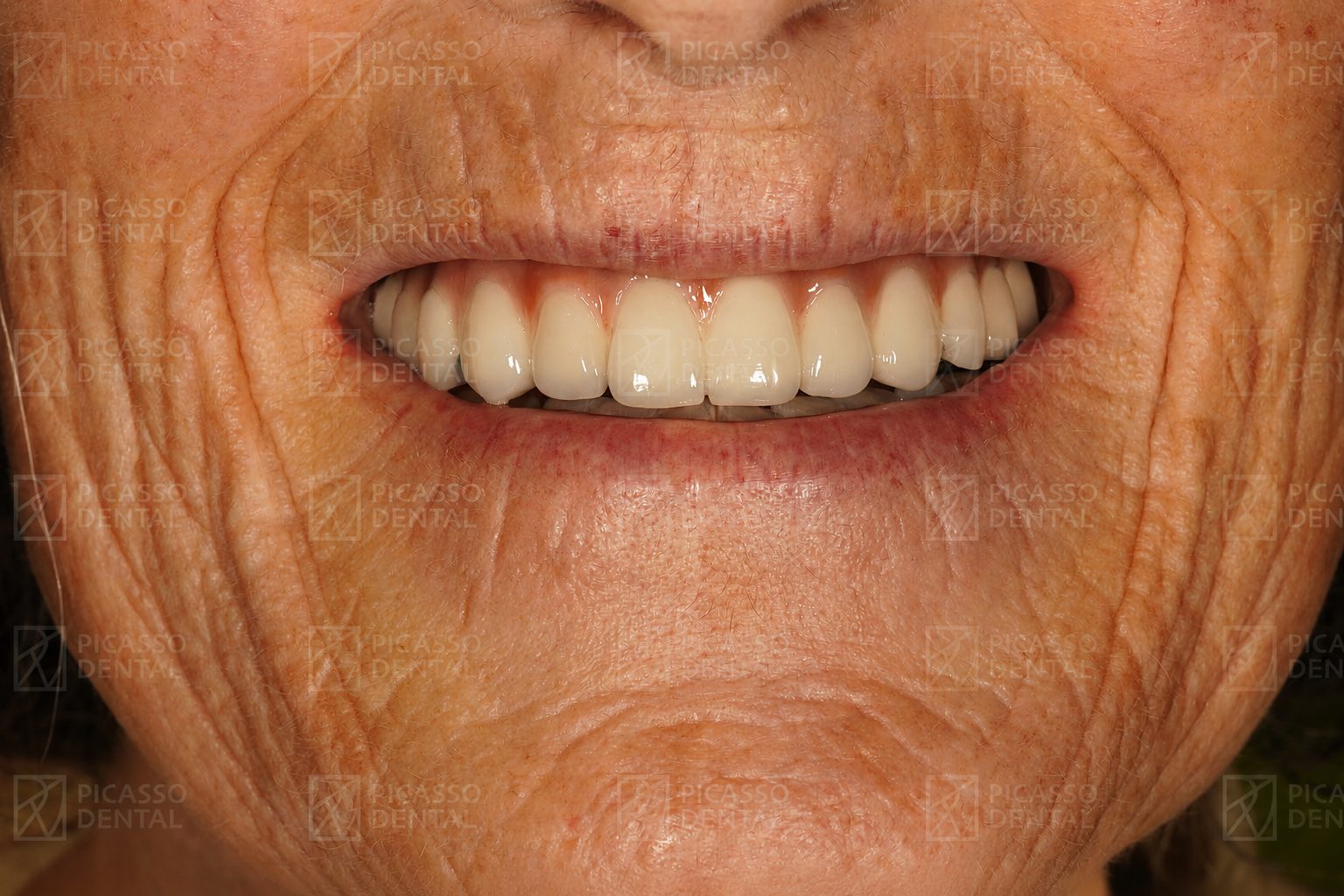 After
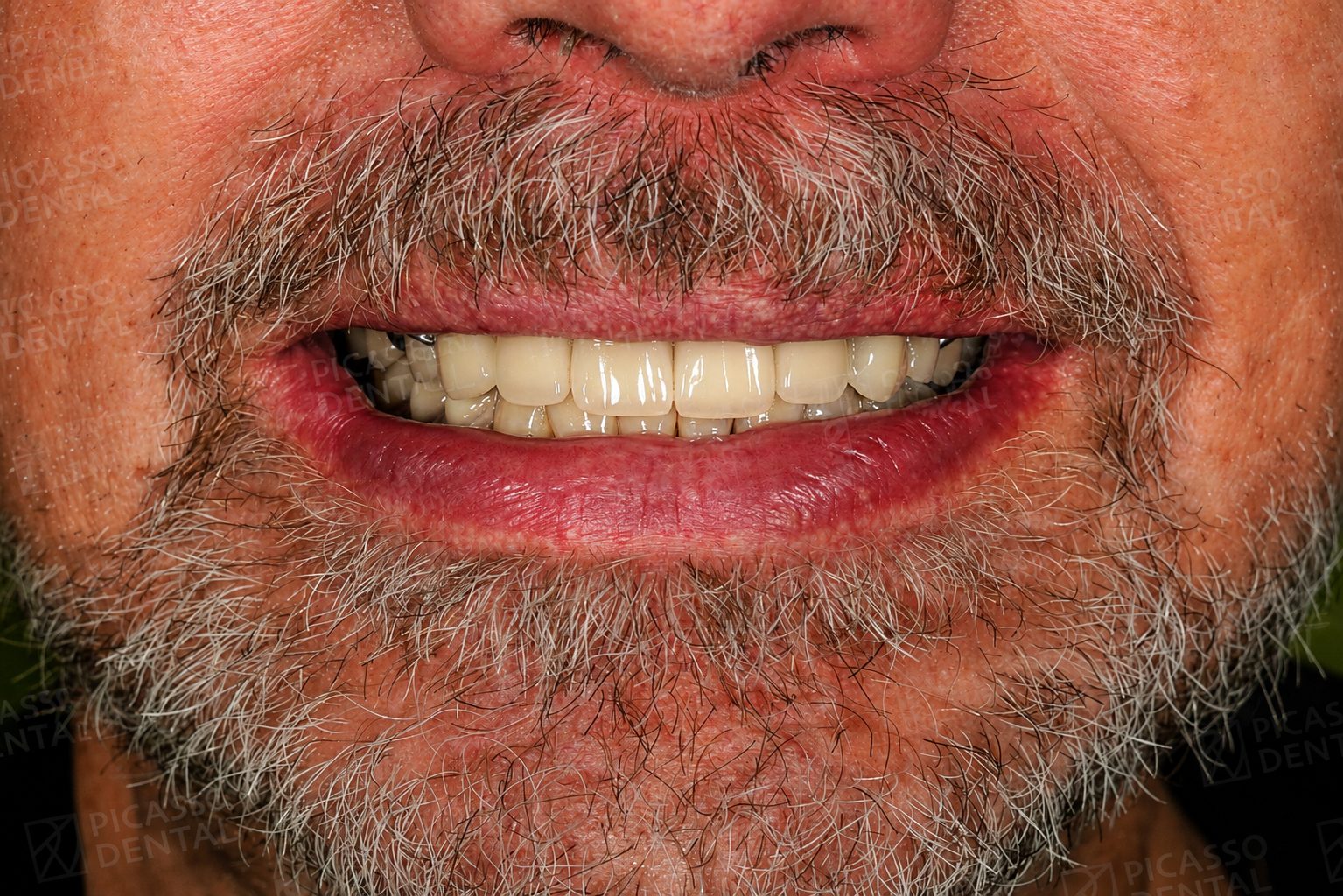
AfterFull rehabilitation, Hanoi Old Quarter
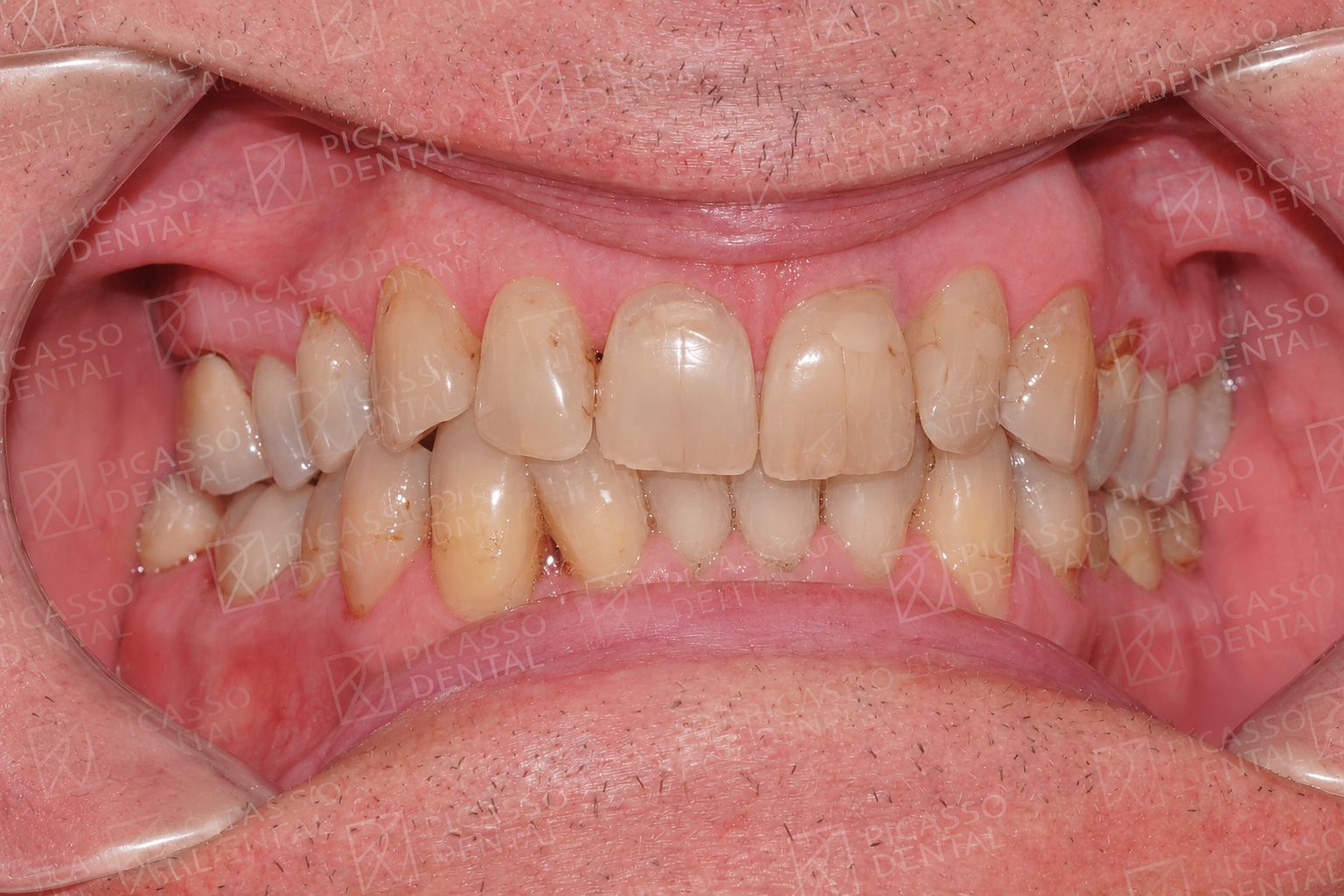
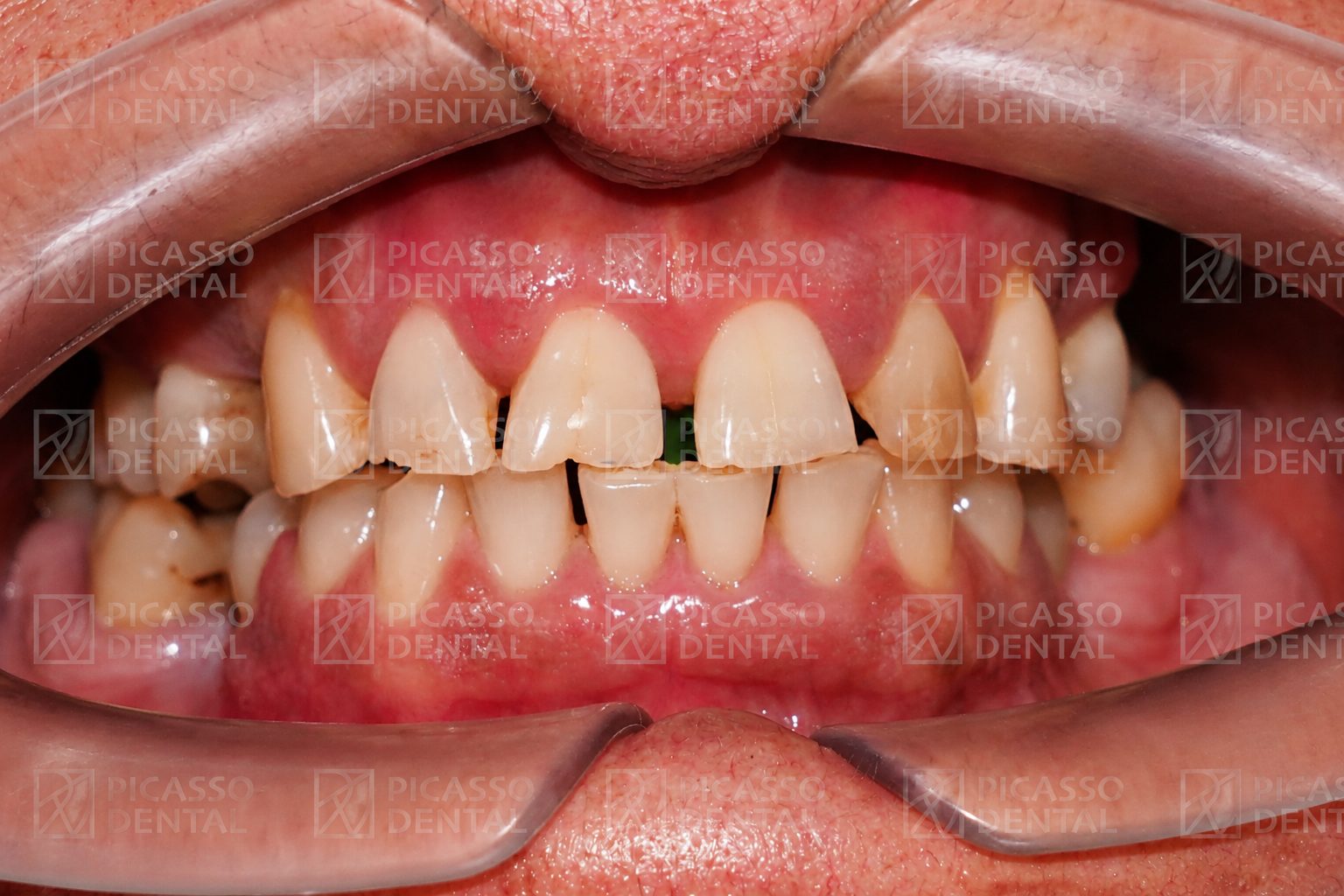 Before
 After
AfterPorcelain crowns, Da Nang
 Before
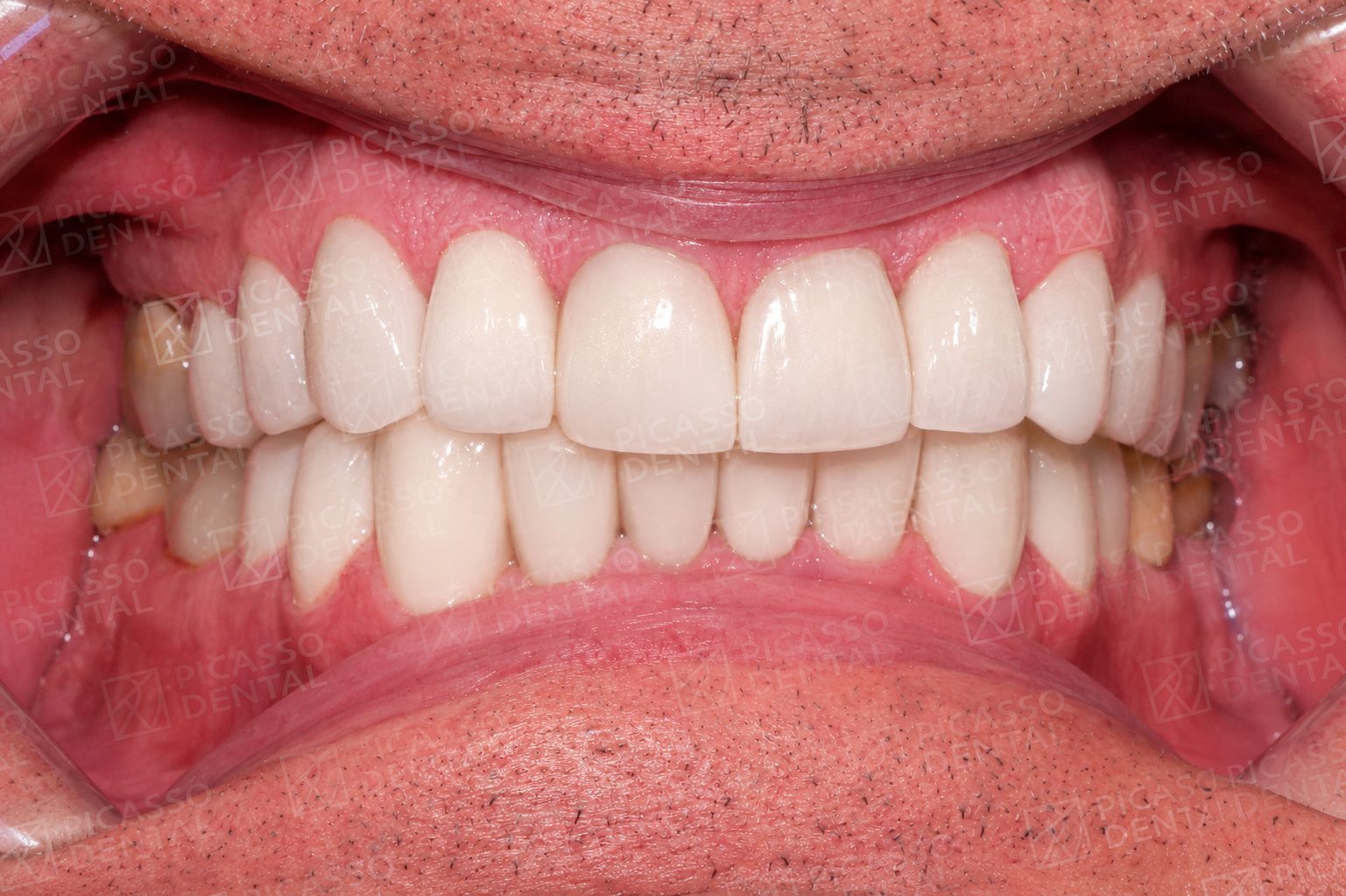 After
AfterCrown and implant, HCMC Thao Dien
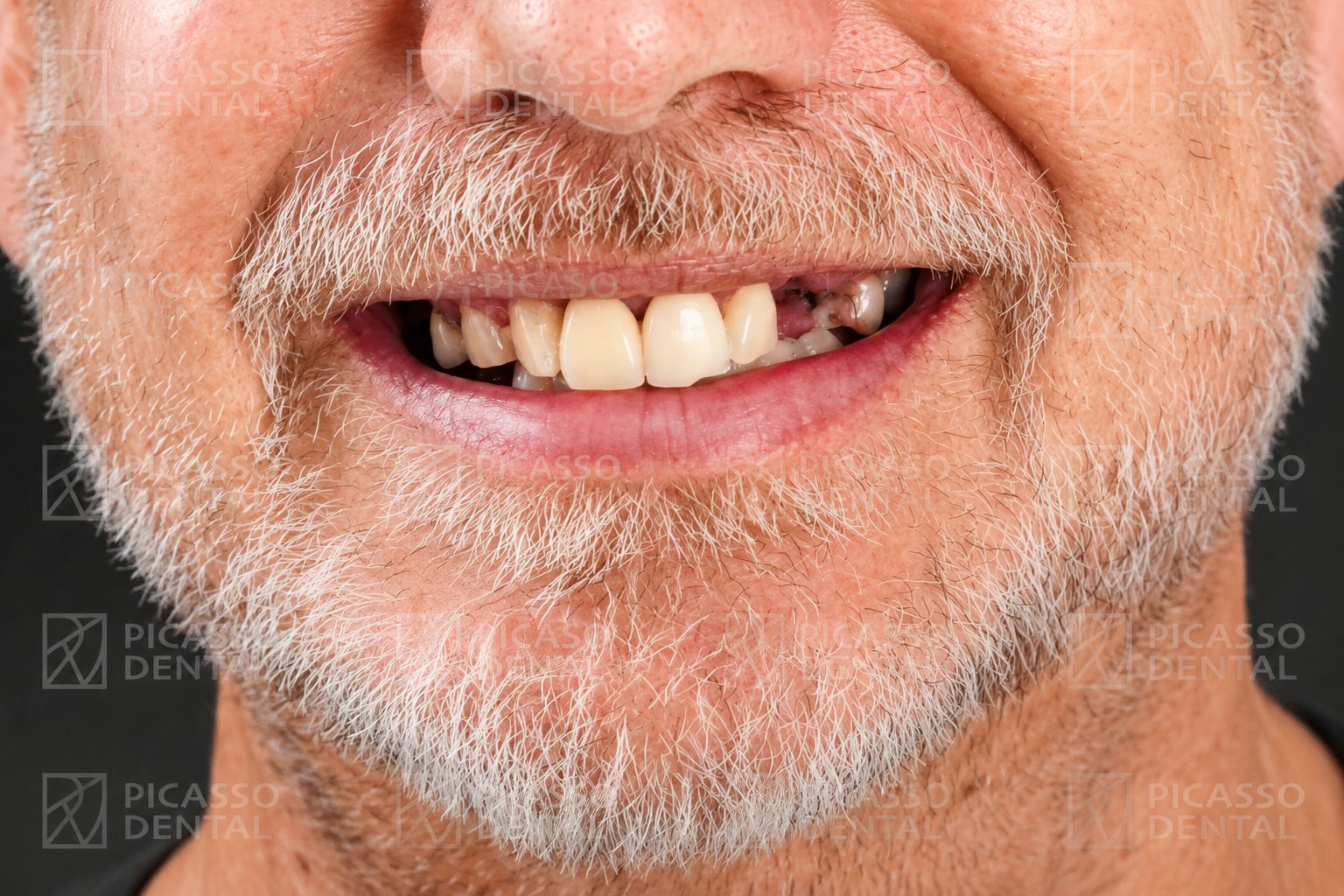 Before
 After
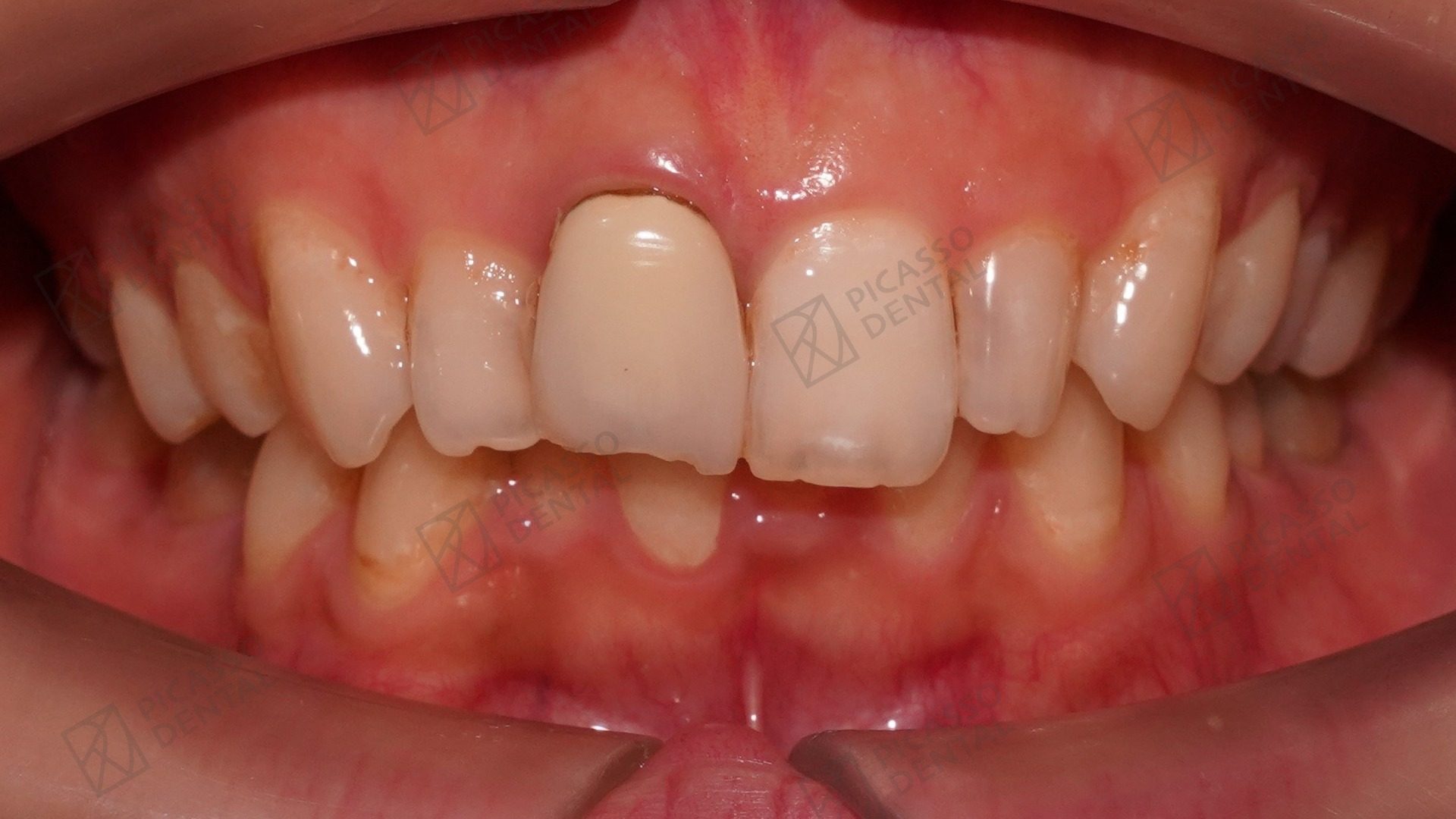
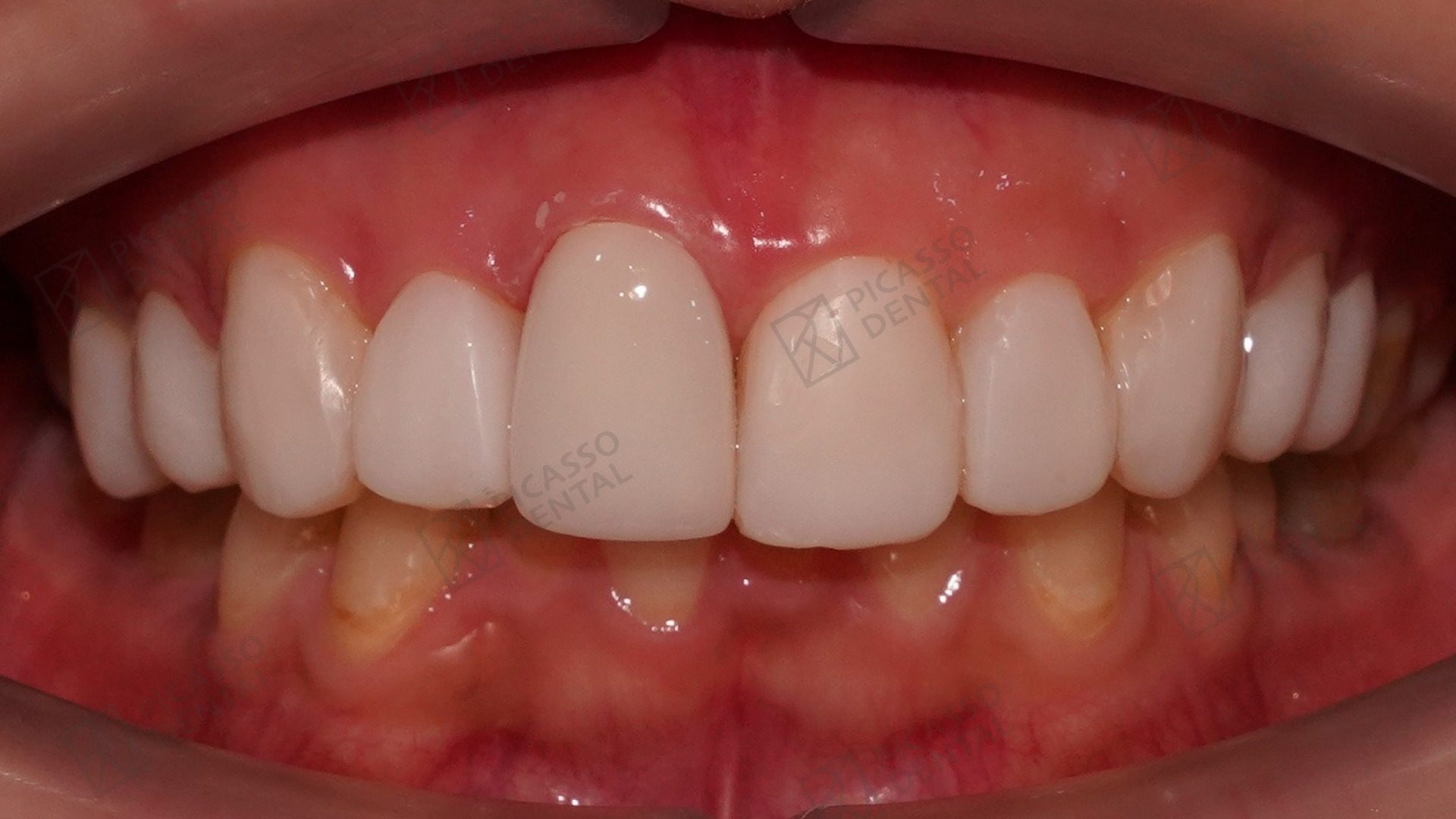
AfterCrown restoration, Hanoi Westlake
 Before
 After
AfterSmile restoration, Da Nang Flagship
Frequently asked questions
How does All-on-4 replace teeth in a single day?
All-on-4 achieves same-day teeth by preparing a temporary full-arch prosthesis before surgery, based on CBCT scans and digital planning. When the four implants are placed, the prosthesis is immediately attached to the implants rather than waiting months for integration. The temporary teeth are functional the same day. Final permanent teeth are attached 3 to 6 months later when the implants have fully integrated with the bone.
Who is a good candidate for All-on-4?
Ideal candidates are missing all or most of their teeth in one or both arches, or have failing teeth that need extraction. Most patients have sufficient bone for All-on-4 even if they have been told they lack enough for traditional implants, because the angled posterior implants avoid areas of reduced bone density. Controlled diabetes and treated gum disease do not disqualify patients, but uncontrolled systemic conditions and heavy smoking increase failure risk significantly.
Why does All-on-4 only need four implants for a full arch?
The two front implants are placed vertically where bone density is typically highest. The two rear implants are placed at an angle of up to 45 degrees to maximise contact with available bone and avoid the sinus cavities in the upper jaw. This angled placement distributes chewing forces across a larger bone surface area, reducing stress on each individual implant and eliminating the need for bone grafting in most cases.
How does All-on-4 compare to conventional dentures?
All-on-4 implants are fixed permanently in place: they do not move, slip, or require adhesives. Chewing ability is close to natural teeth, allowing tough meats, raw vegetables, and most foods that denture wearers avoid. The implants stimulate the jawbone, preventing the bone loss and facial changes that accelerate with dentures. Cleaning is done by brushing and flossing rather than overnight soaking. The implants may last 20 or more years with proper care; dentures need replacement every 5 to 10 years.
Does All-on-4 hurt?
The surgery is performed under local anaesthetic and the patient feels no pain during the procedure. Sedation is available for patients who prefer to be deeply relaxed throughout. Mild to moderate soreness, swelling, and bruising for three to five days after surgery are normal. Most patients manage comfortably with prescribed pain relief and a soft diet during the first week. The level of discomfort is typically far less than patients anticipate.
How much does All-on-4 cost in Vietnam?
All-on-4 with premium Nobel Biocare or Straumann implants at Picasso Dental Clinic costs 60 to 70 percent less than equivalent treatment in Australia or the United States. The saving is large enough that many patients cover their full Vietnam trip including flights, hotel, and meals and still save significantly compared to local treatment costs at home. A written quote specifying the implant brand, prosthesis material, and timeline is provided after CBCT assessment, before any commitment.
How long does the entire All-on-4 process take?
The surgical day takes 2 to 3 hours per arch. You leave with temporary teeth the same day. Over the following 3 to 6 months, the implants integrate with the bone. The second visit, to place permanent prosthetics, takes 1 to 2 hours. For patients travelling to Vietnam, the most common approach is to complete the surgery and temporary placement in one trip, then return 4 to 6 months later for the permanent teeth, or arrange for the final prosthetics to be sent to a local dentist with the full clinical documentation provided by Picasso Dental Clinic.
Start Here
Start with a brief.
Send your dental records or X-rays and a licensed implant specialist replies with a written All-on-4 plan specifying implant brand, prosthesis type, and full cost within twenty-four hours. No obligation.