Porcelain Veneers
Are Porcelain Veneers Reversible?
An honest answer before you decide
Traditional porcelain veneers are not reversible once enamel is removed. But there is a spectrum of options. Here is how to understand what you are committing to and where alternatives exist.

The short version
- Traditional veneers are not reversible: enamel removed to seat them does not grow back.
- Once prepared, teeth will always need coverage of some kind.
- Minimal-prep and no-prep veneers are more reversible but only suit patients with well-aligned teeth wanting subtle changes.
- Before any enamel is touched, a wax-up or mock-up lets you preview the result with no commitment.
- Fully reversible alternatives (whitening, bonding, orthodontics) exist for patients not ready for permanent enamel preparation.
Why enamel removal is necessary
When I prepare teeth for veneers at our Hanoi and Ho Chi Minh City clinics, I remove a small amount of enamel to create space for the porcelain. Without this step, veneers would sit proud of the tooth surface and look unnaturally thick. The preparation also creates a microscopically rough surface that the bonding cement grips securely.
Most traditional veneer preparations remove between 0.3 and 0.5 millimetres of enamel from the facial surface. That might sound minimal, but enamel is not a renewable tissue. Once removed, those same tooth surfaces cannot be restored to their original form. The word the dental profession uses is irreversible, and it is accurate.
Some patients ask whether they can simply remove veneers and go back to their natural teeth. The answer is no. The prepared tooth surfaces would be sensitive and structurally exposed without the porcelain covering them. A tooth prepared for veneers needs coverage permanently, whether that is replaced veneers or crowns.
The exception: minimal-prep and no-prep veneers
There are options that sit closer to the reversible end of the spectrum. Minimal-prep veneers remove very little enamel, sometimes as little as 0.2 millimetres, working within the outer layer without exposing the softer dentine beneath. No-prep veneers bond directly to the natural tooth surface with no enamel removal at all.
These options are technically more reversible. If a no-prep veneer is removed carefully, the underlying tooth is essentially unchanged. If a minimal-prep veneer is removed, the tooth retains most of its original structure. Both approaches offer a real degree of reversibility that traditional veneers do not.
The significant limitation is case selection. No-prep and minimal-prep veneers work well when the goal is a subtle brightening of teeth that are already well-aligned and of reasonable shape. They are not suitable for masking severe discolouration, closing wide gaps, building up worn or broken teeth, or making significant changes to tooth shape. If the expected result requires more transformation, traditional preparation depth becomes necessary. Minimal-prep veneers applied to the wrong case produce restorations that look artificially thick and fail sooner.
What happens over time regardless of type
Veneers, whether traditional or minimal-prep, are not permanent restorations. They typically last 10 to 15 years before needing replacement due to wear, chipping, or changes in the gumline that reveal the margin. When replacement time comes, the procedure is similar to the original: old veneers are removed, the surfaces are assessed, and new veneers are fabricated and bonded.
For traditional veneers, replacement usually requires no additional preparation if the underlying tooth has been kept healthy. The existing preparation depth is sufficient for the new veneers. For minimal-prep veneers, the amount of natural tooth remaining is even greater, so replacement options at that point are equally broad.
"My Aussie dentist and the endodontist both commented on the quality of Dr Emily's work, equal to anything they had seen by local specialists."
Lawrie Smith, Hanoi Old Quarter
Fully reversible alternatives worth considering
If the irreversible nature of veneers concerns you, other treatments may address your goals without touching enamel at all.
Teeth whitening is completely reversible and highly effective for patients whose main concern is colour. Zoom laser whitening can brighten teeth by several shades in a single session. The result fades gradually over months to years, but the teeth themselves are unchanged. There is no commitment beyond the appointment.
Composite bonding adds tooth-coloured resin to the surface to close small gaps, repair chips, or improve shape. No enamel is removed, and the bonding can be removed or revised later. The trade-off is that composite stains and chips more readily than porcelain and typically needs refinishing every five to seven years.
Orthodontics, whether traditional braces or clear aligners, moves teeth without altering their structure. Combined with whitening, it addresses alignment and colour without any preparation. The timeline is longer, typically six to eighteen months, but the teeth remain exactly as nature made them.
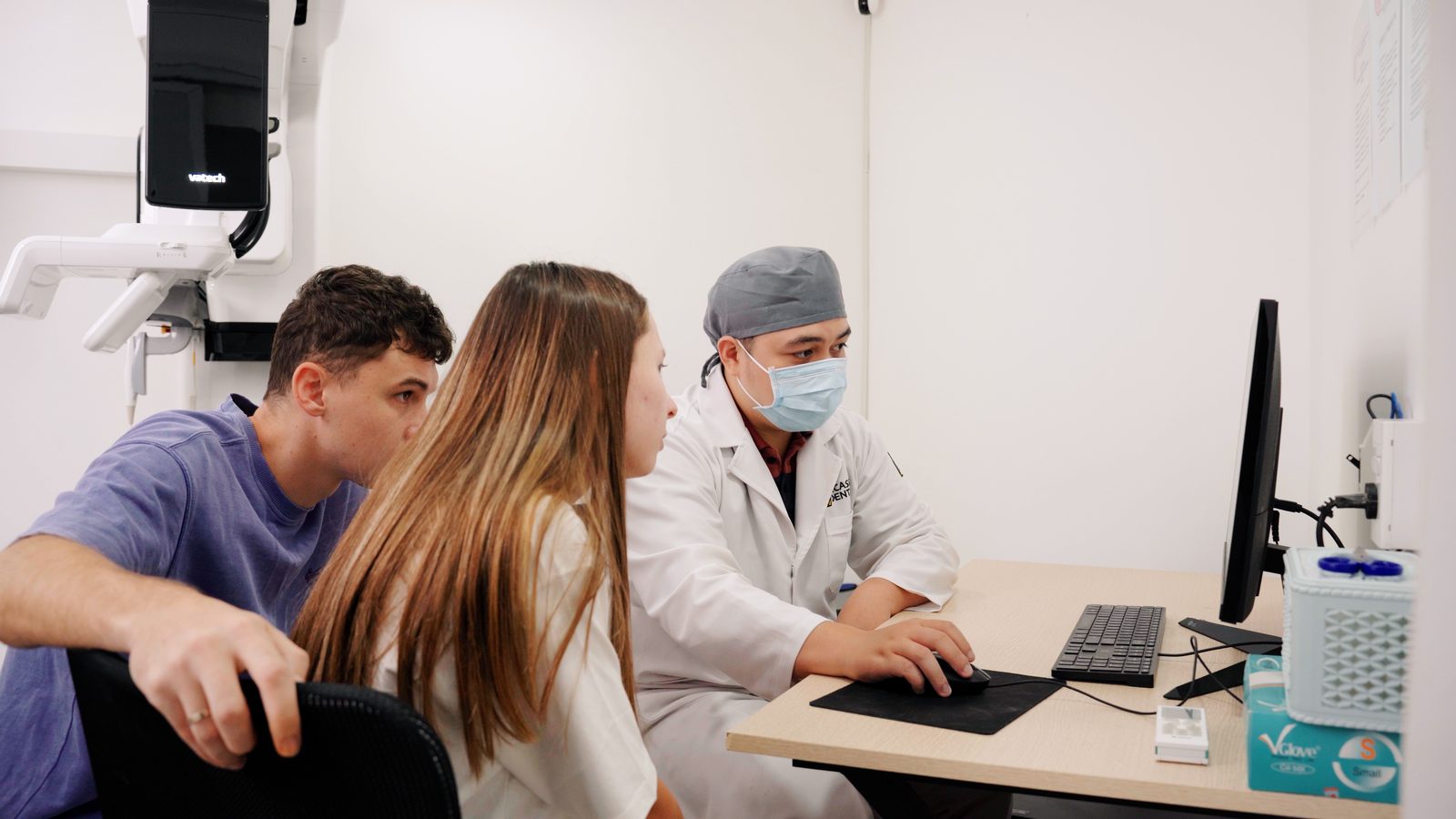
Not ready to commit? Book a consultation to explore reversible alternatives and see a digital preview of your options before anything is permanent.
Talk to Dr. Emily NguyenMaking an informed decision
I believe every patient considering veneers deserves a completely honest conversation before any enamel is removed. At Picasso Dental Clinic, that conversation covers why you want veneers, whether your goals can be achieved with reversible alternatives, what a wax-up of your planned veneers would look like, and what the preparation involves in terms you can visualise.
A wax-up is a model created from your dental impressions showing approximately how the finished veneers will look. You can see the shape, size, and proportion before any preparation begins. Some patients discover at this stage that a minimal-prep approach achieves their goals. Others see the wax-up and confirm that full preparation is what they need. Either way, the decision is fully informed before it becomes irreversible.
I never rush patients into this decision. The patients who are happiest with their veneers are those who understood the commitment from the start, evaluated alternatives honestly, and chose veneers because they were the right tool for their specific goal, not because they were the most dramatic-sounding option.
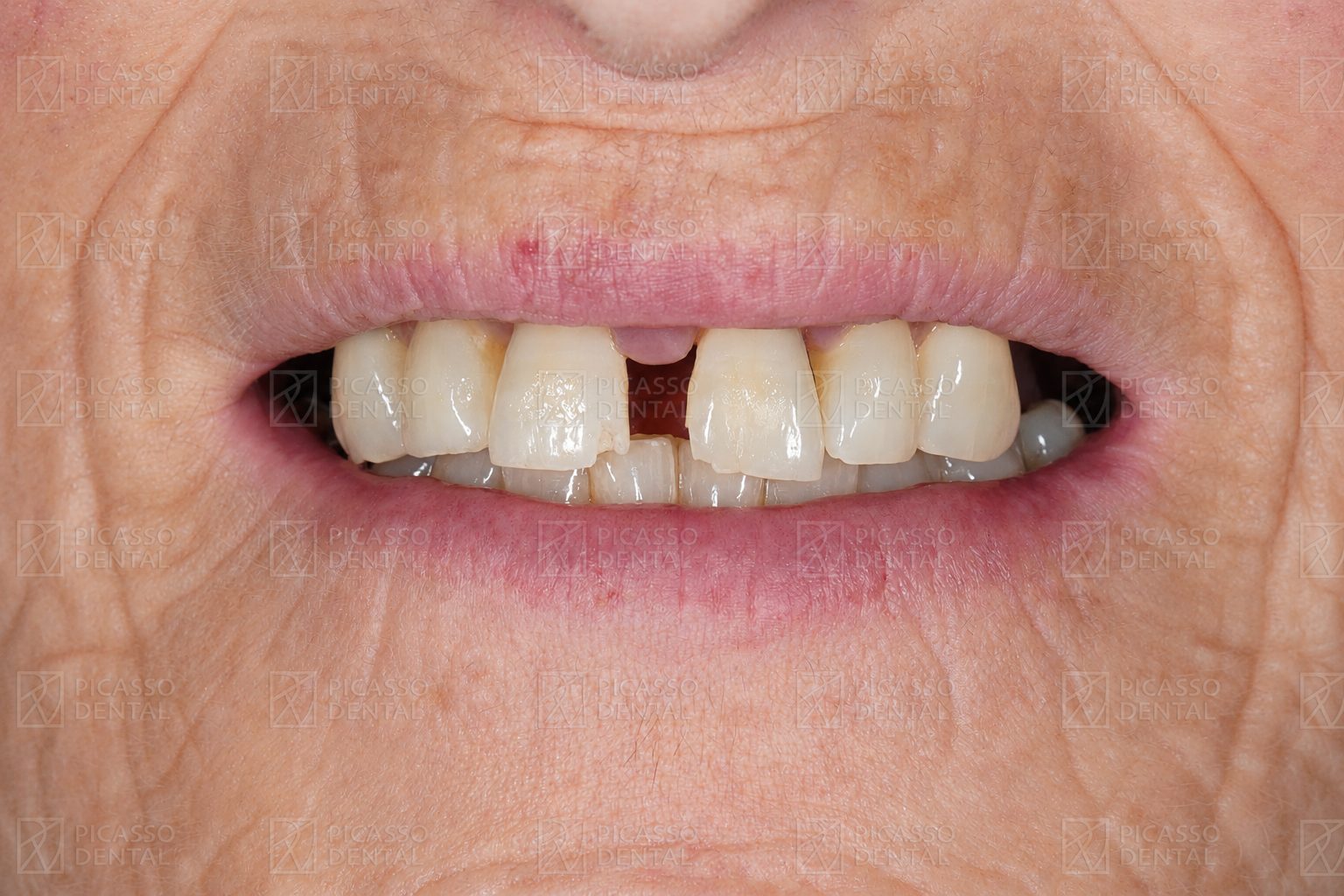 Before
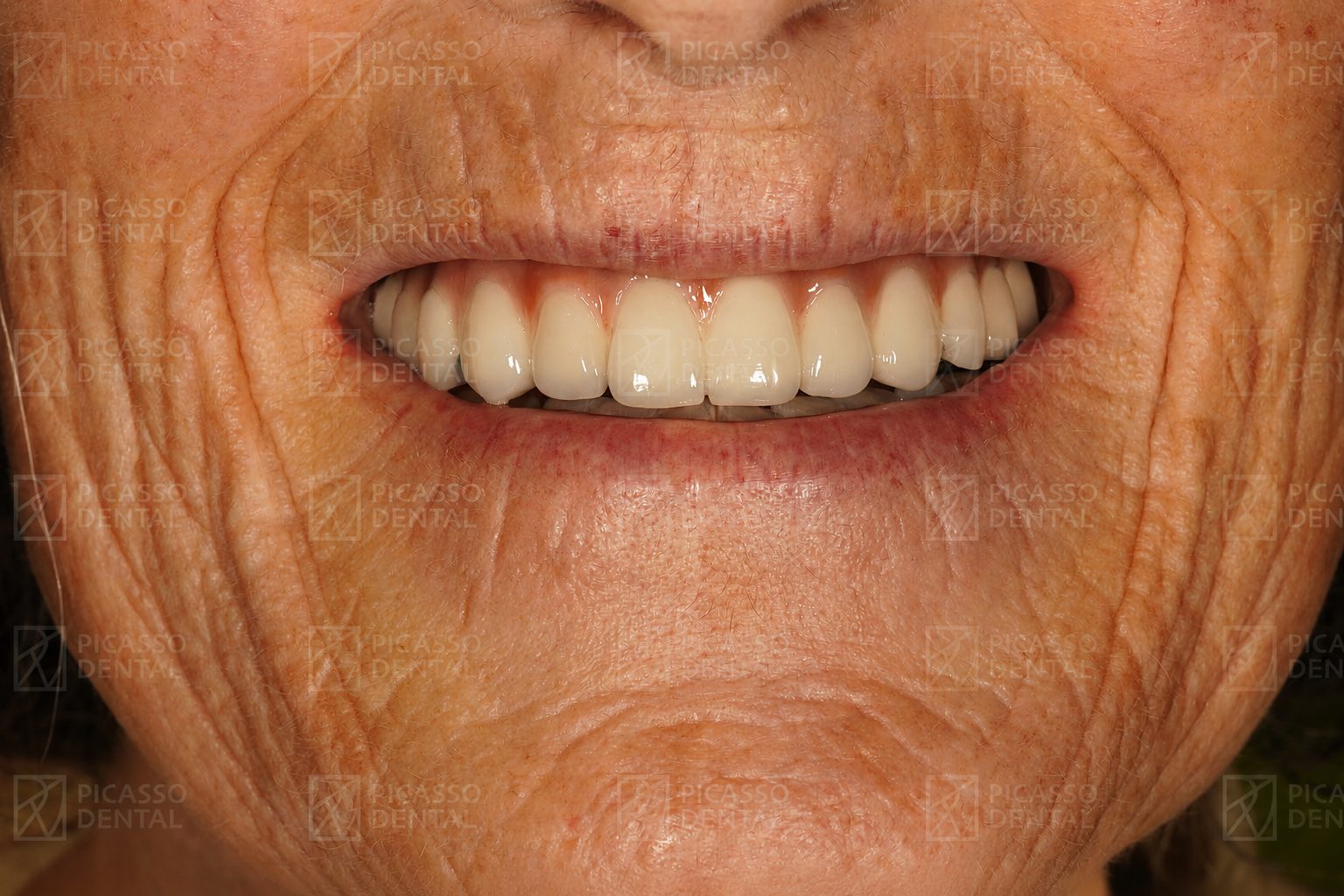 After
AfterFull rehabilitation, Hanoi Old Quarter
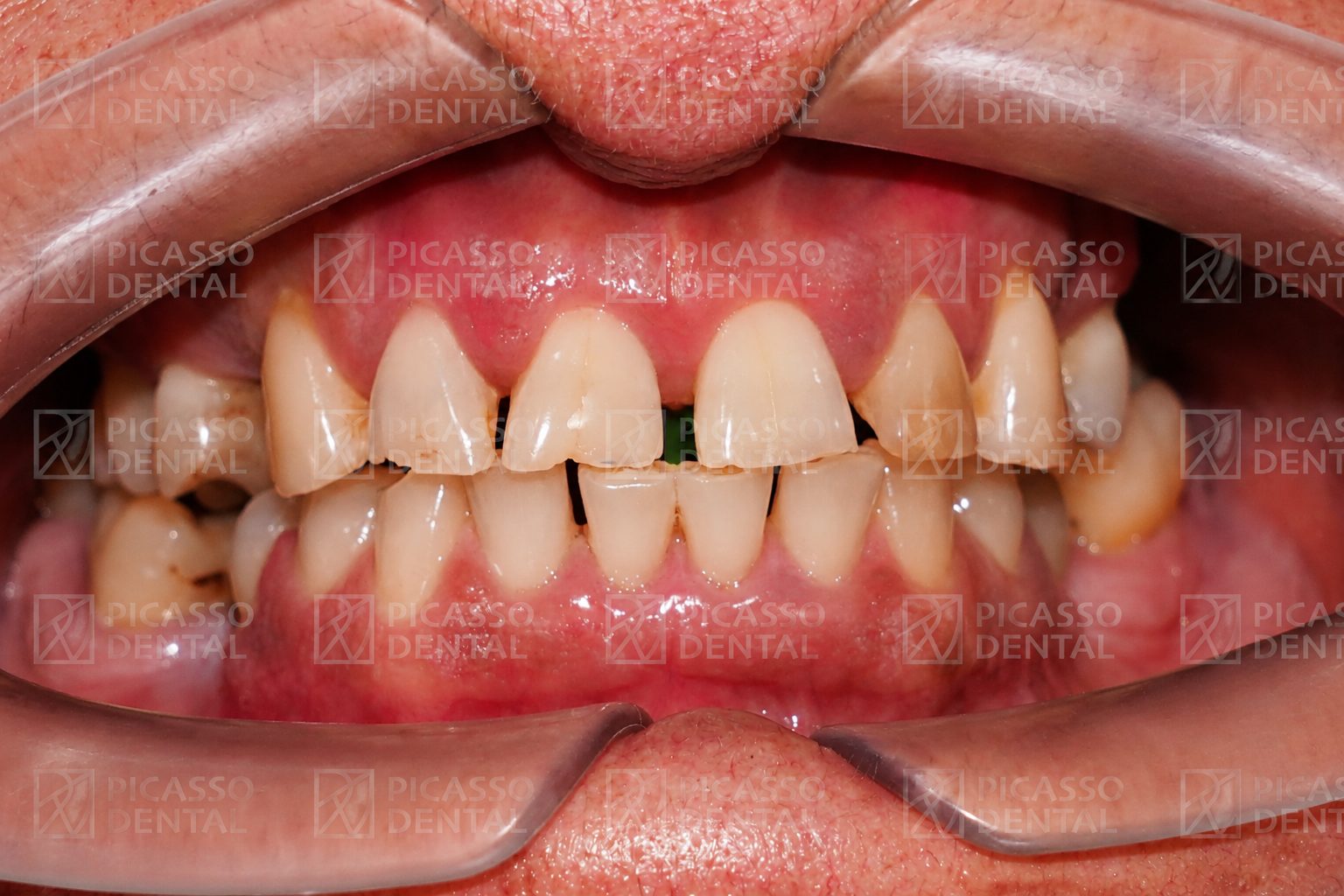 Before
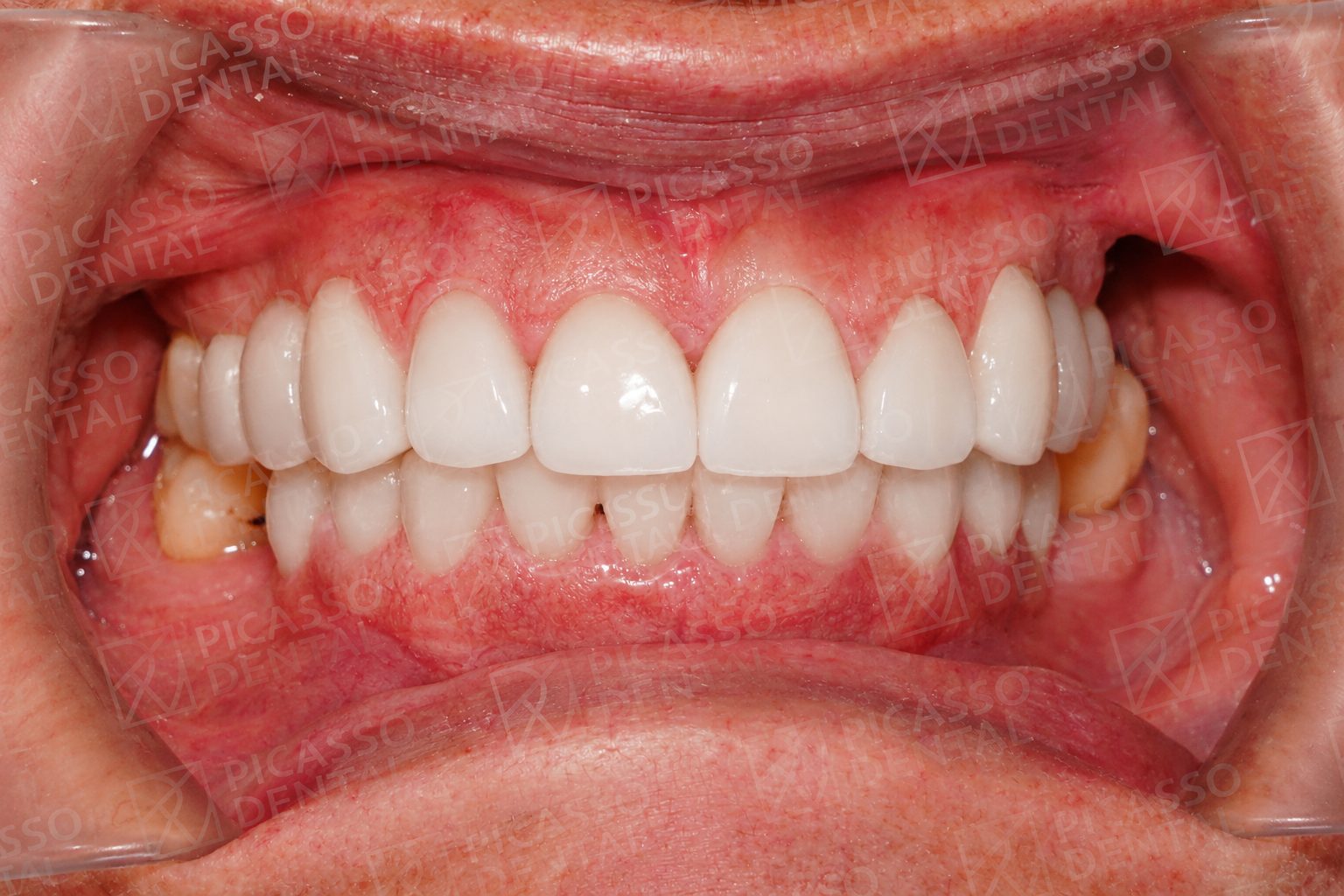 After
AfterPorcelain crowns, Da Nang
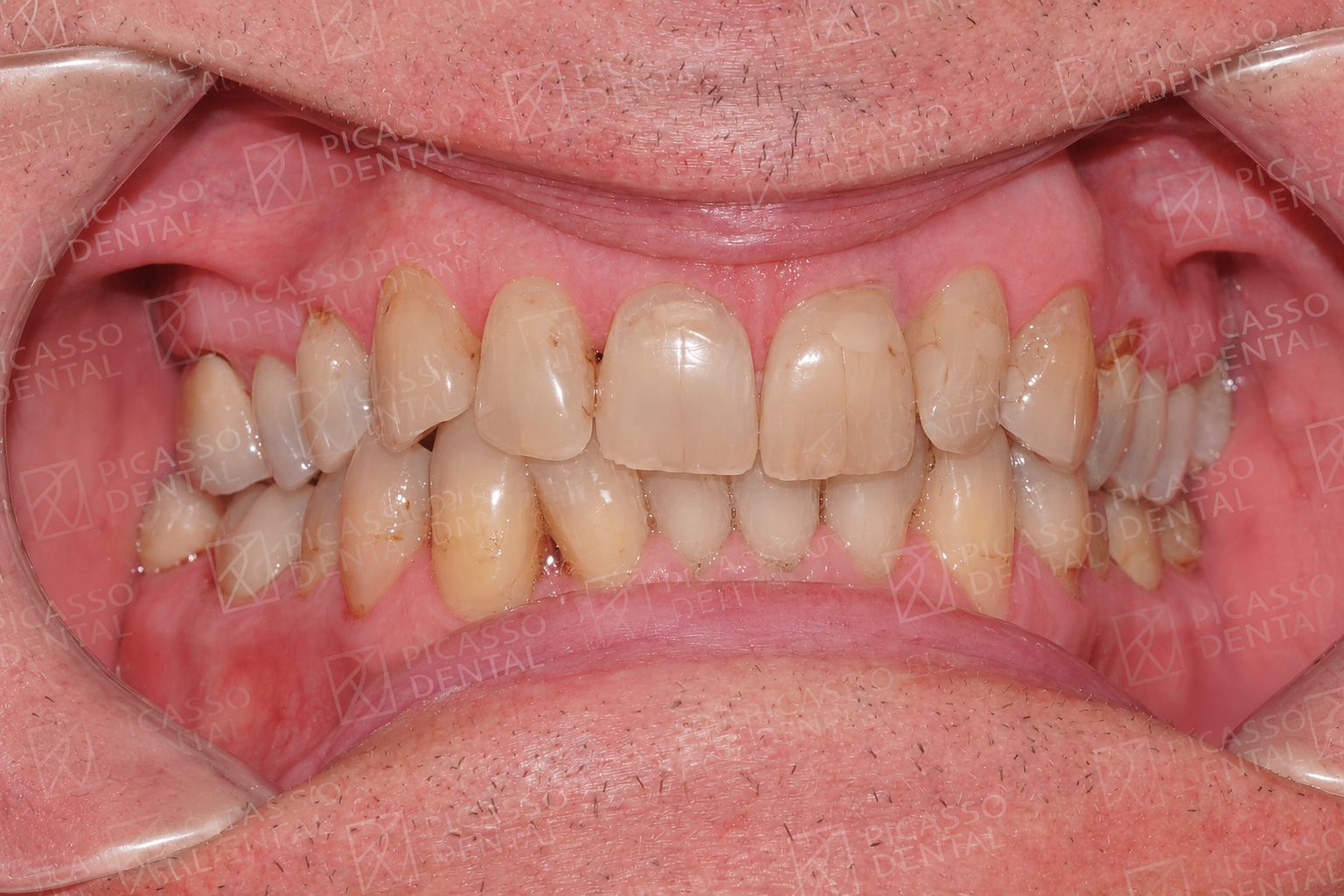 Before
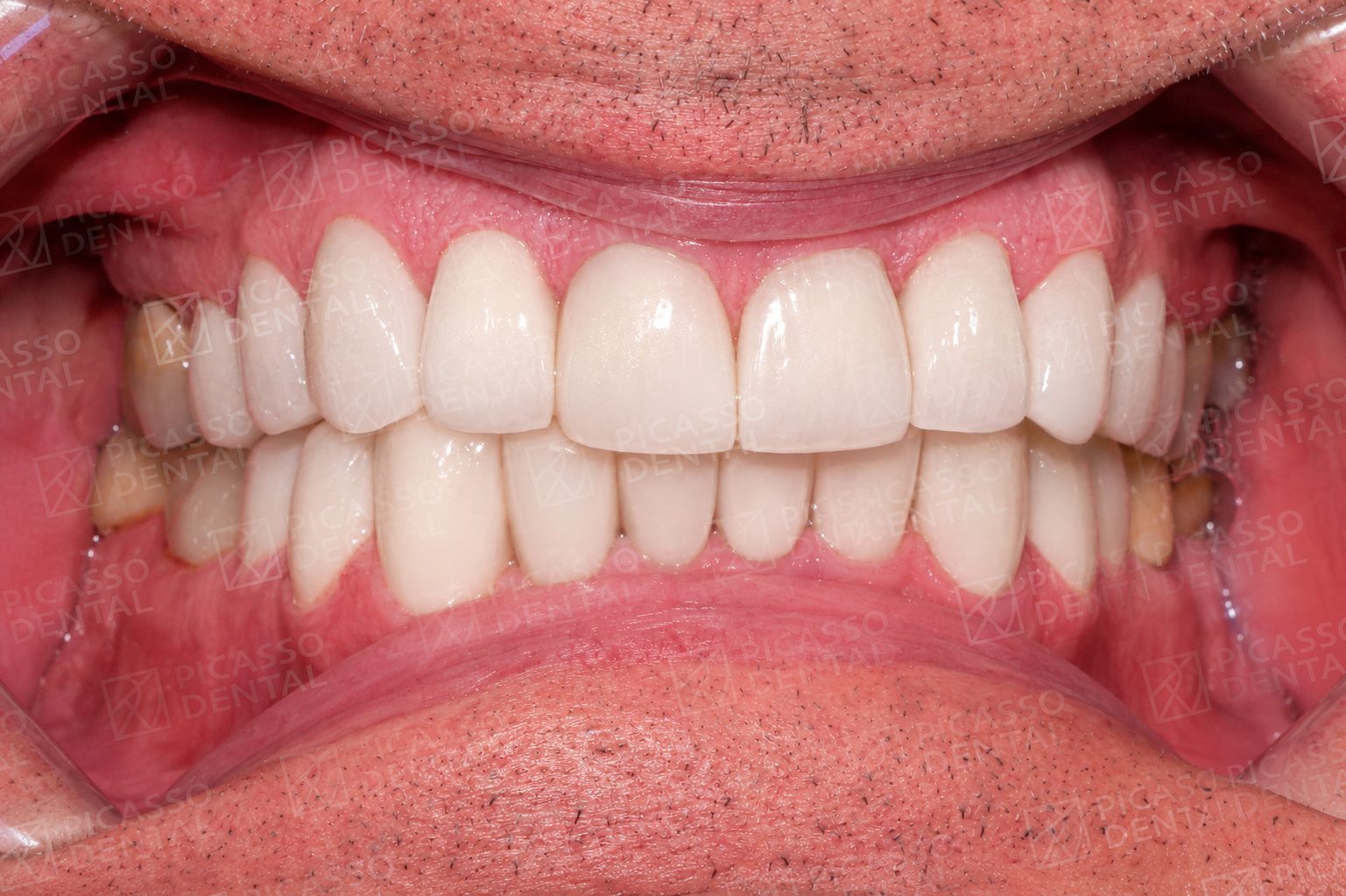 After
AfterCrown and implant, HCMC Thao Dien
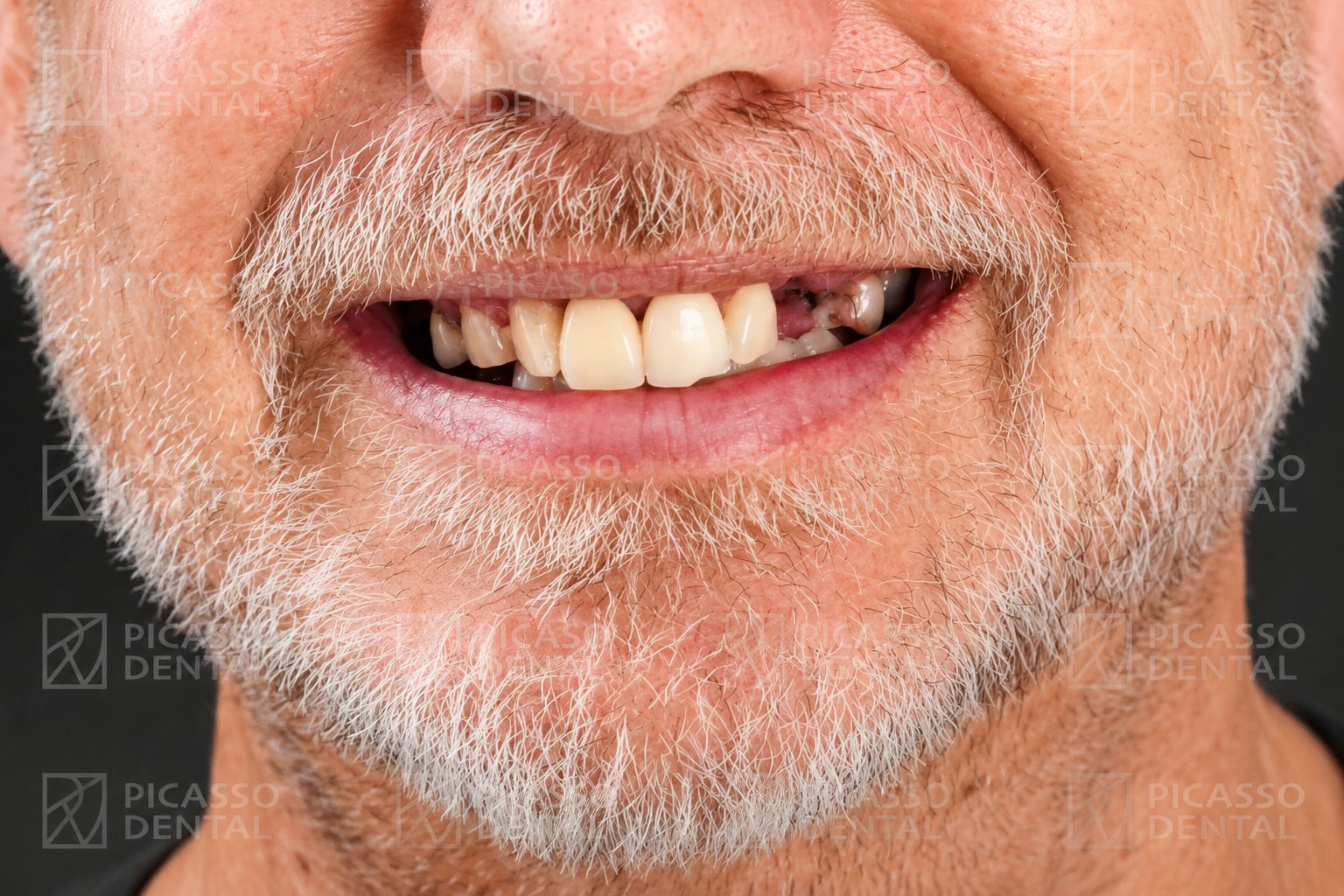 Before
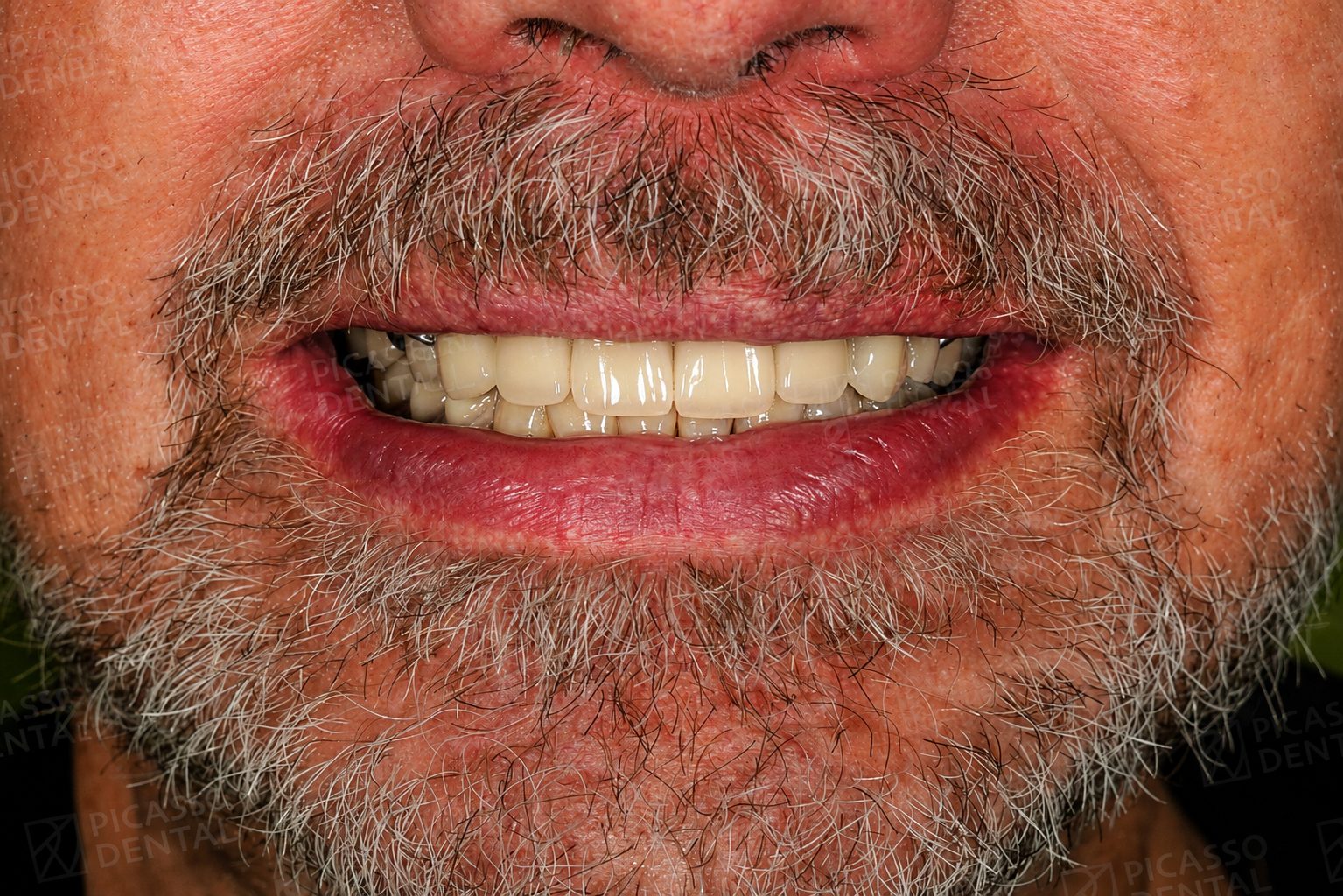 After
AfterCrown restoration, Hanoi Westlake
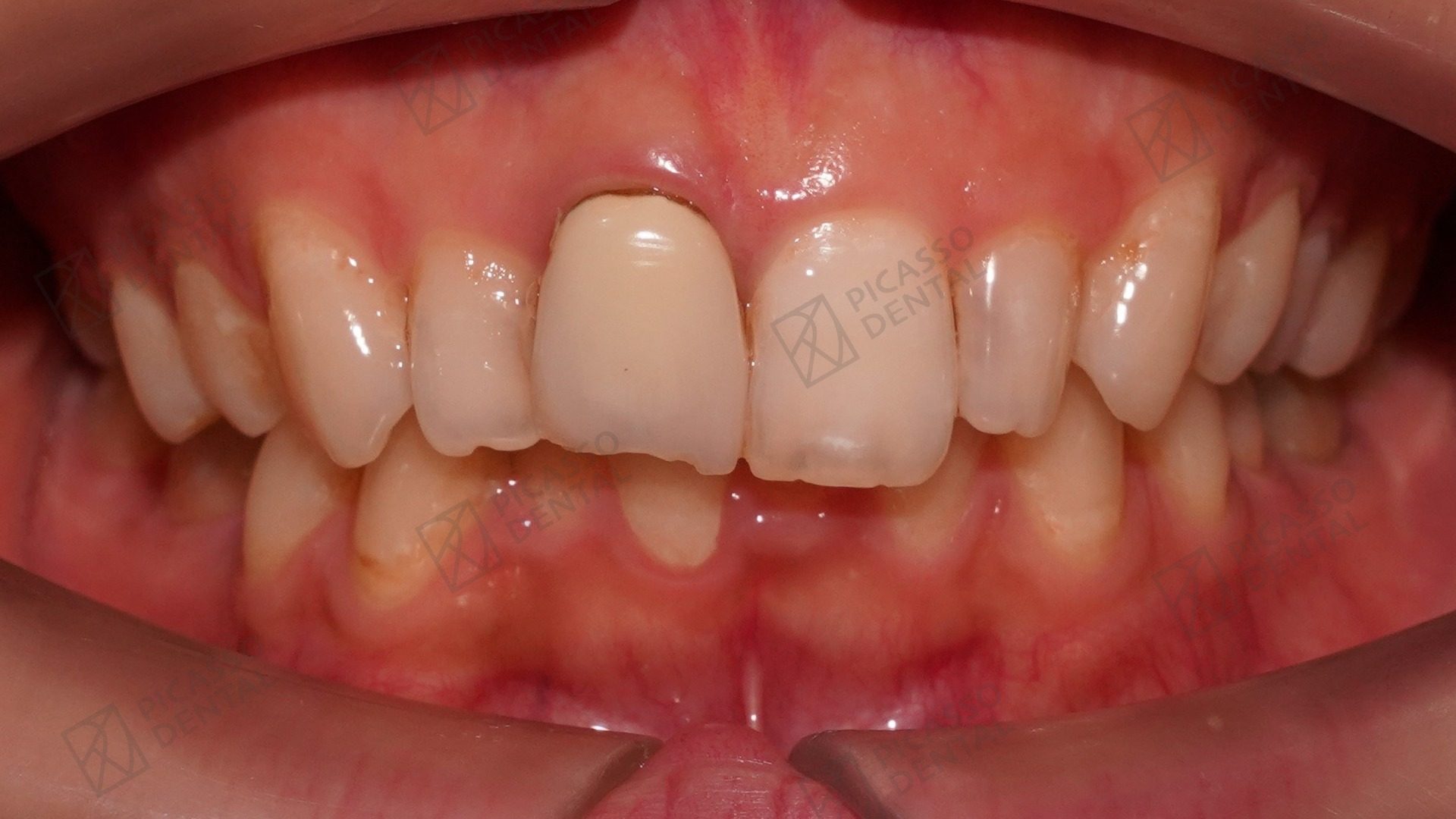 Before
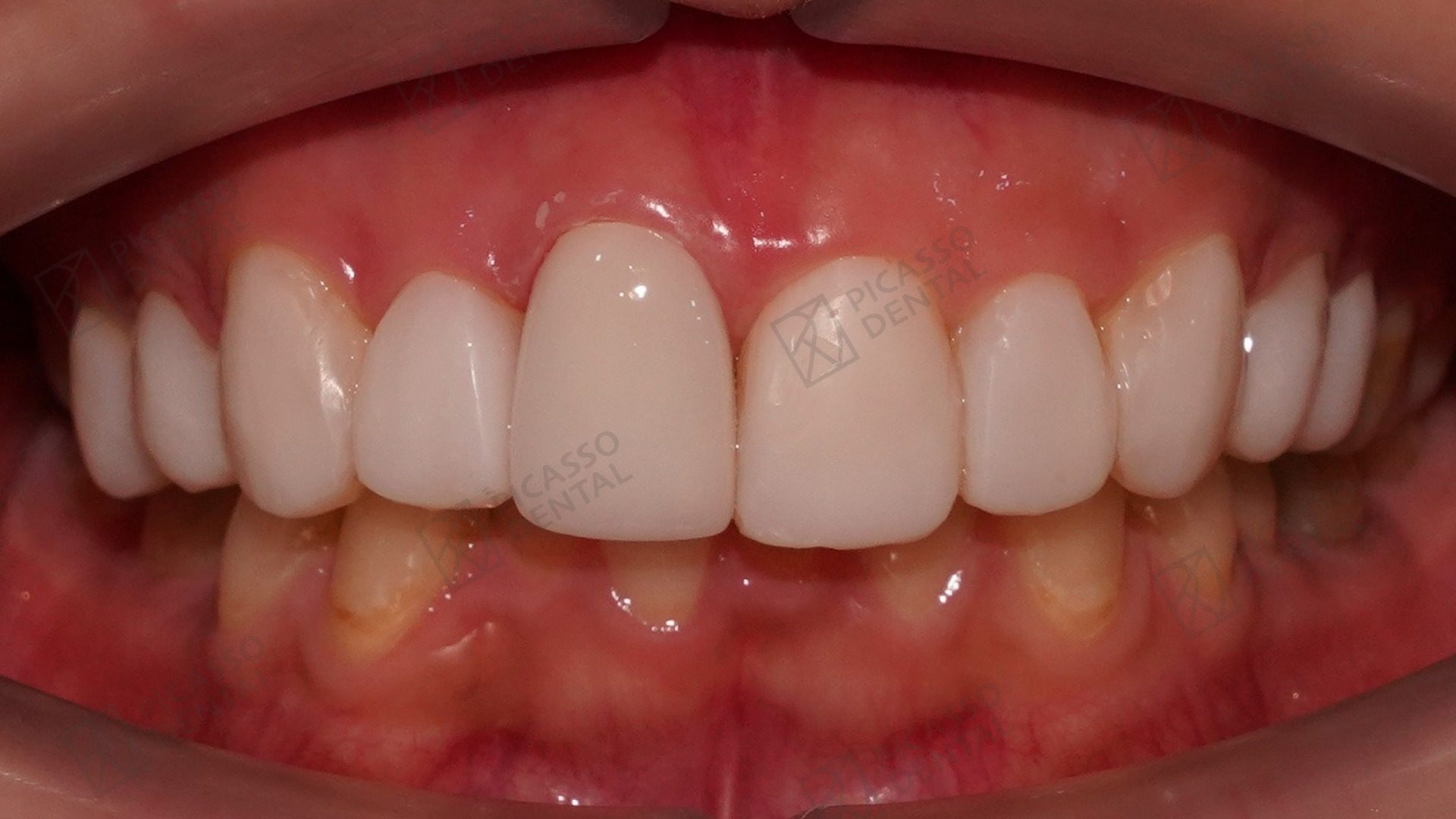 After
AfterSmile restoration, Da Nang Flagship
Frequently asked questions
Are porcelain veneers reversible?
Traditional porcelain veneers are not reversible. Approximately 0.5 mm of enamel is removed from the front of each tooth to seat the veneer flush. Enamel does not regenerate, so once removed, the tooth will always need coverage of some kind. The veneers themselves can be replaced when they wear out, but the prepared teeth cannot return to their natural state.
What are minimal-prep and no-prep veneers?
Minimal-prep veneers remove very little enamel, sometimes as little as 0.2 mm, making them closer to reversible than traditional veneers. No-prep veneers bond directly to the tooth without any enamel removal and are technically reversible. However, both options are only suitable for patients with well-aligned teeth seeking subtle improvements. They are not the right choice for significant color correction, closing wide gaps, or masking severely misshapen teeth.
Can I try veneers before committing?
Yes. Before any enamel is removed, we can create a wax-up or a temporary mock-up directly on your teeth so you can see and feel approximately how the finished veneers will look. This trial step does not commit you to treatment. It is only after you approve the plan and the preparation begins that the decision becomes irreversible.
What happens if I want to remove my veneers later?
If your veneers are removed and not replaced, the underlying prepared tooth surfaces would be sensitive and structurally vulnerable because the enamel layer has been reduced. The tooth would need to be covered with new veneers or crowns to protect it. Leaving prepared teeth without coverage is not a clinically safe option.
Are there alternatives to veneers that are fully reversible?
Teeth whitening is completely reversible and addresses colour concerns with no tooth preparation. Composite bonding involves adding material to the tooth without removing enamel and can be removed if needed. Orthodontics moves teeth without altering their structure. These options may not achieve the same dramatic result as veneers, but they preserve your natural tooth structure entirely.
How do I decide if veneers are right for me?
The right process is: clearly define your goal, understand all options including reversible alternatives, see a wax-up or mock-up before committing, and proceed only when you are completely comfortable with the permanence. Dr. Emily Nguyen at Picasso Dental Clinic takes every patient through this process before any preparation begins, with no pressure to proceed.
Does Picasso offer minimal-prep veneer options?
Yes. At Picasso Dental Clinic, Dr. Emily Nguyen evaluates each case individually and discusses minimal-prep options where they are clinically suitable. Not every patient is a candidate, but where the goals can be achieved with less enamel removal, that is always the preferred approach. A consultation with detailed photographs and X-rays is the starting point.
Patient Video Testimonial

Start Here
Start with a brief.
Tell us what you want to change about your smile and a licensed dentist replies with a written plan covering all options, reversible and otherwise, within twenty-four hours. No obligation.