
Porcelain Veneers
Are Porcelain Veneers Permanent?
What the commitment really means
The enamel preparation is irreversible. The veneers themselves last 10 to 15 years, then can be replaced. Here is exactly what you are committing to before you decide.

The short version
- Veneers are permanently committed in one sense: the enamel removed to seat them does not grow back.
- The veneers themselves are not indestructible. Most last 10 to 15 years before needing replacement.
- When veneers need replacing, the process is similar to the original and does not usually require further enamel removal.
- Longevity depends heavily on whether you grind your teeth, your oral hygiene, and the quality of materials used.
- Alternatives with less enamel removal (minimal-prep, no-prep) exist but suit only limited cases.
What "permanent" actually means with veneers
This is one of the most important questions patients ask me before committing to veneers. The word permanent confuses many people because it applies to two separate things: the tooth preparation and the veneers themselves.
The preparation is genuinely permanent. To bond veneers properly, I remove approximately 0.5 millimetres of enamel from the front surface of the tooth. This creates space for the veneer to sit flush rather than protruding, and it roughens the surface so the bonding cement grips securely. That enamel does not regenerate. Once prepared, those teeth will always need some form of coverage, whether new veneers, crowns, or another ceramic restoration.
Think of it like refinishing hardwood floors. Once you sand down the original surface, you are committed to keeping it finished. You are not stuck with the same finish forever, but you cannot go back to the unsanded original.
The veneers themselves are a different matter. They are durable but not permanent. They can chip, crack, or debond over time, especially under the forces of grinding, biting hard objects, or dental trauma. When they fail, they are removed and replaced with new ones. The tooth beneath remains viable provided oral health has been maintained throughout.
How long porcelain veneers actually last
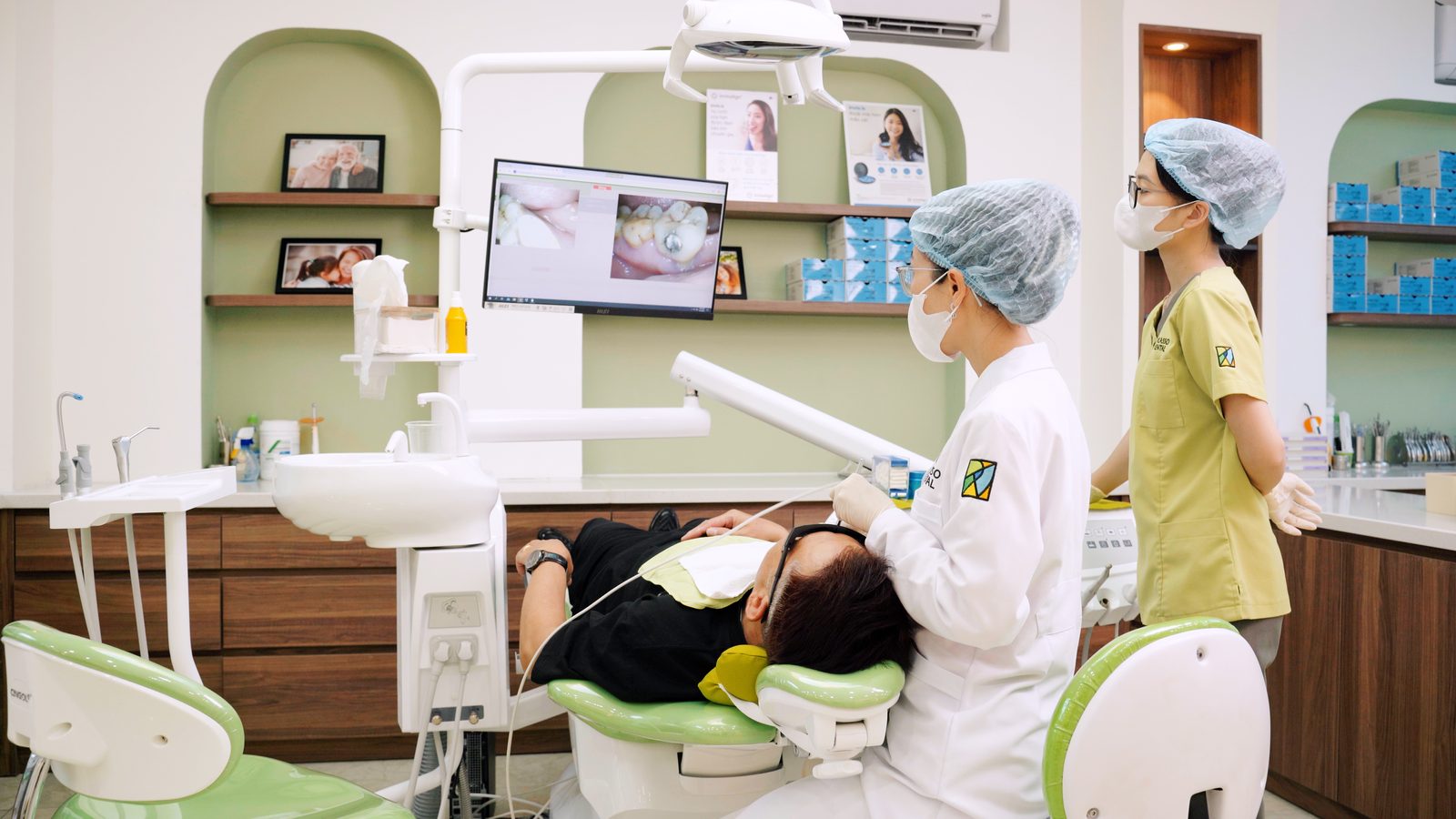
In my experience treating over 70,000 patients from 65 nationalities since 2013, most high-quality porcelain veneers last between 10 and 15 years with proper care. Some patients exceed this significantly. I recently examined a set I placed in 2014 that still look excellent and function perfectly.
Material quality is the first major variable. Premium ceramics from certified Japanese and German manufacturers resist staining and micro-fracture better than economy options. The laboratory technician who crafts each veneer matters as much as the dentist who places it. Precision fit at the margins is the single strongest predictor of longevity, because a tight margin prevents bacteria and staining agents from working their way underneath.
Your habits are the second variable entirely within your control. Patients who grind at night wear through veneers faster than those who do not. Biting fingernails, opening packaging with your teeth, or chewing ice all concentrate stress on the incisal edge where chips originate. Nightguards for grinders and dietary awareness for everyone extend lifespan considerably.
What happens when veneers need replacing
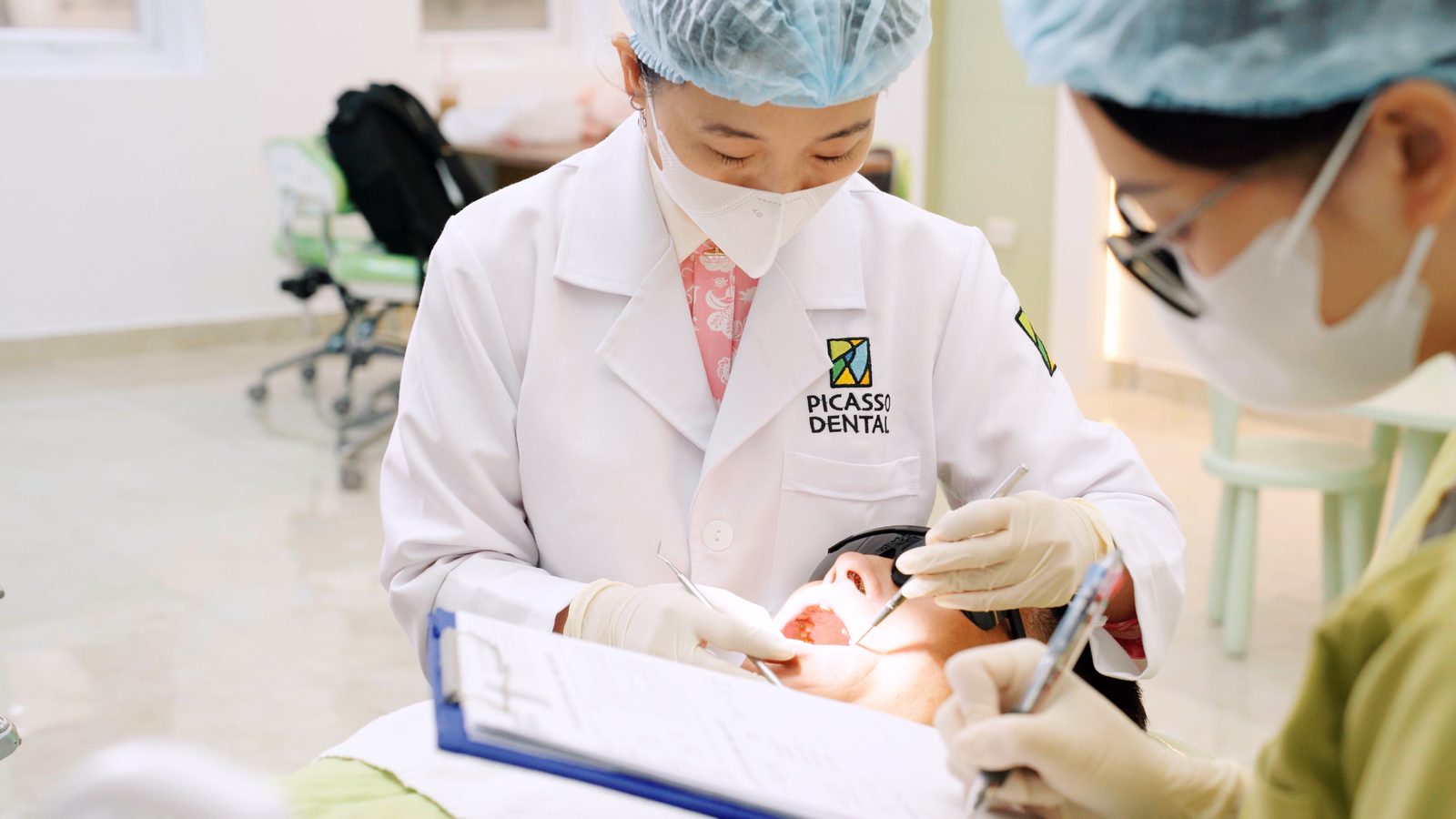
Eventually, even perfectly maintained veneers reach the end of their functional life. The porcelain may develop fine cracks, the margins where veneer meets tooth may start to show staining, or the colour may no longer harmonise with adjacent teeth that have shifted over the years.
Replacement involves carefully removing the existing veneers without disturbing the underlying tooth structure. I then assess the prepared surface: if it is healthy and the original preparation depth was conservative, no additional enamel removal is needed. New impressions are taken, the laboratory fabricates replacement veneers, and they are bonded at a second appointment, exactly as the original procedure.
I have replaced veneers for hundreds of patients over the years. Most underlying teeth are in good condition when the patient has maintained regular checkups every six months. The minority of cases requiring additional preparation are teeth where decay developed at the margin, usually due to inconsistent hygiene or skipped examinations. The lesson: veneers reward the patients who take care of them.
"My Aussie dentist and the endodontist both commented on the quality of Dr Emily's work, equal to anything they had seen by local specialists."
Lawrie Smith, Hanoi Old Quarter
Maintaining veneers for maximum longevity
Proper daily care dramatically extends how long veneers last. The porcelain surface is strong, but the bond at the margins is the vulnerable point. Use a soft-bristle brush and non-abrasive toothpaste. Abrasive whitening pastes scratch the porcelain surface over time and roughen it enough to trap staining agents. Floss carefully around each veneer margin every day to prevent the gum inflammation that can loosen the bond over years.
Six-monthly professional cleanings at the clinic serve two purposes. The hygienist removes calculus that accumulates at the veneer margins, and the dentist uses the appointment to check bond integrity, probe for any early decay at the margin, and assess the porcelain for micro-cracks before they propagate. Small problems caught early are inexpensive to address. Problems detected years later may require full replacement.
Thinking about veneers? A consultation with Dr. Emily Nguyen includes a full smile assessment, shade mapping, and a detailed written plan before any commitment is made.
Book a consultationAlternatives with less enamel removal
Some patients decide they are not ready for the irreversible commitment of traditional veneers. Minimal-prep veneers remove very little enamel, between 0.2 and 0.3 millimetres, and no-prep options bond directly to the natural surface without any removal at all. These approaches are more reversible in the sense that the tooth is closer to its original form beneath.
The trade-off is that these options are only suitable when the goal is subtle brightening or minor reshaping on teeth that are already well-aligned. For significant colour correction, closing gaps, or masking chips, traditional preparation depth is needed to achieve a result that does not look artificially thick. The consultation is the right time to assess which approach suits your anatomy and goals.
The permanence question restated simply
You are committing to a lifetime of coverage on the prepared teeth. You are not committing to the same veneers forever. A set of premium veneers placed at Picasso Dental Clinic will serve you for a decade or more, then be replaced with updated veneers at a similar investment. The total lifetime cost, spread across the decades, is lower than many patients initially expect.
The patients who struggle with veneers are those who made the decision without fully understanding this framework. The patients who are happiest are those who understood it from the start, maintained their teeth diligently, and planned for eventual replacement as a normal part of the process rather than a failure.

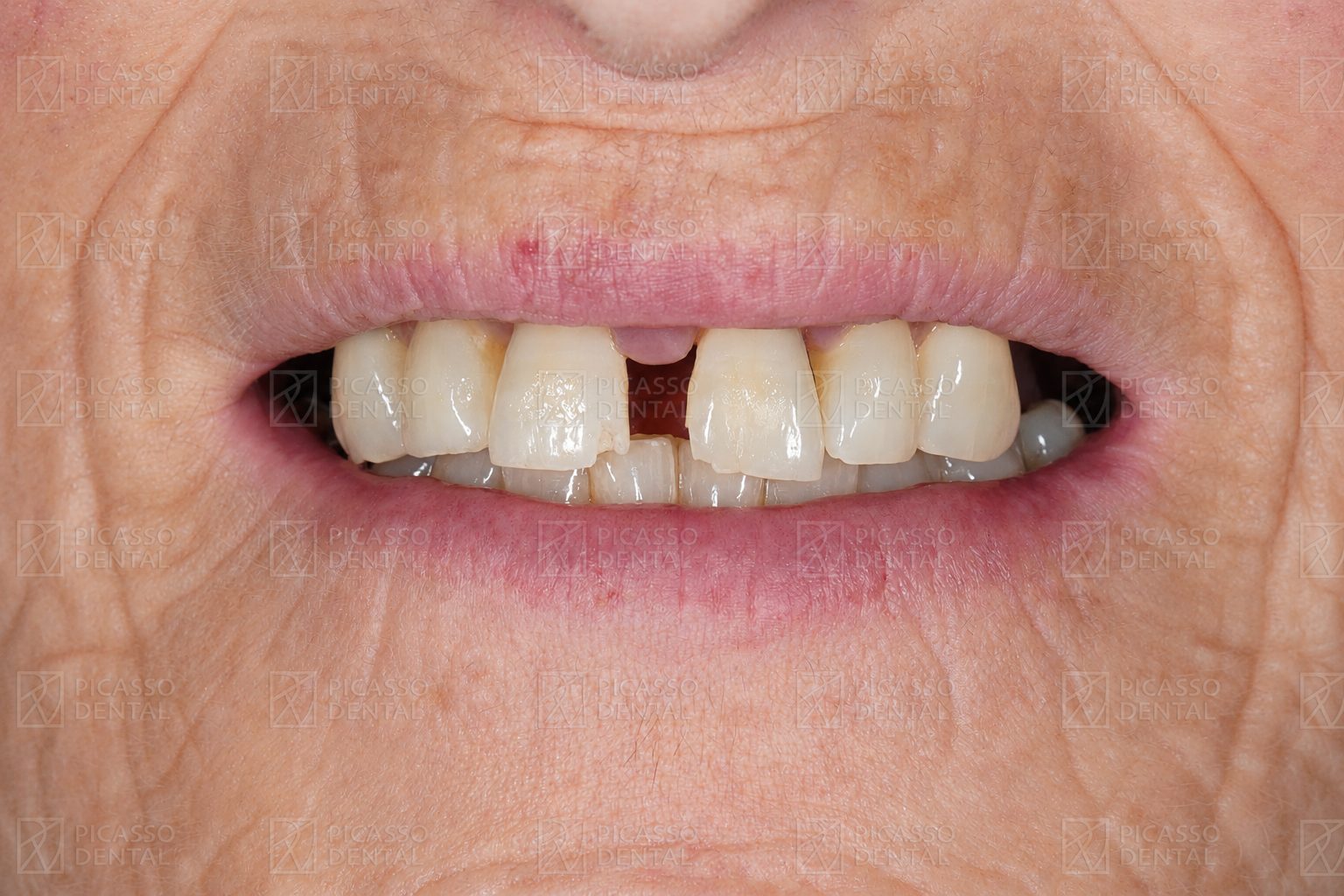 Before
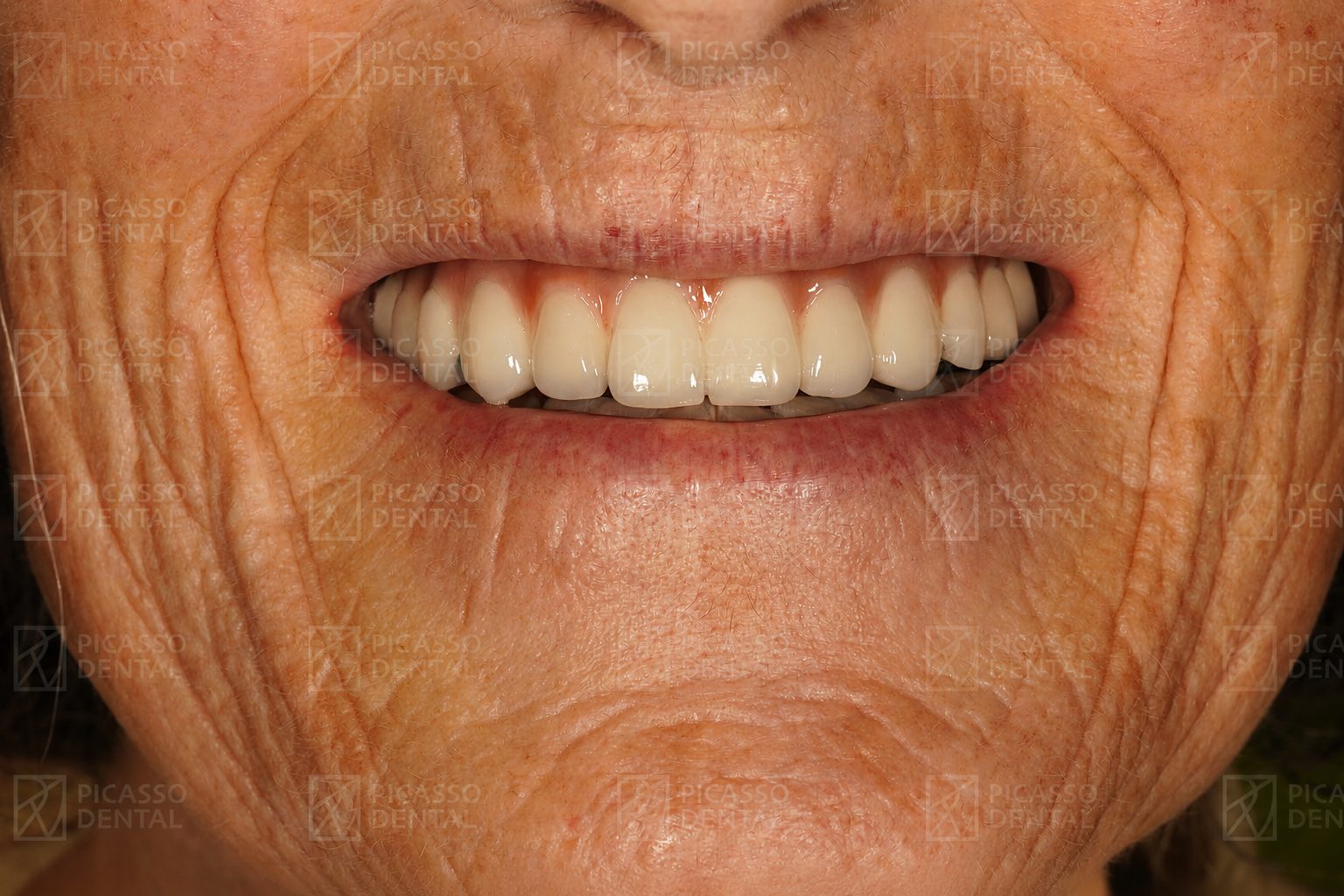 After
AfterFull rehabilitation, Hanoi Old Quarter
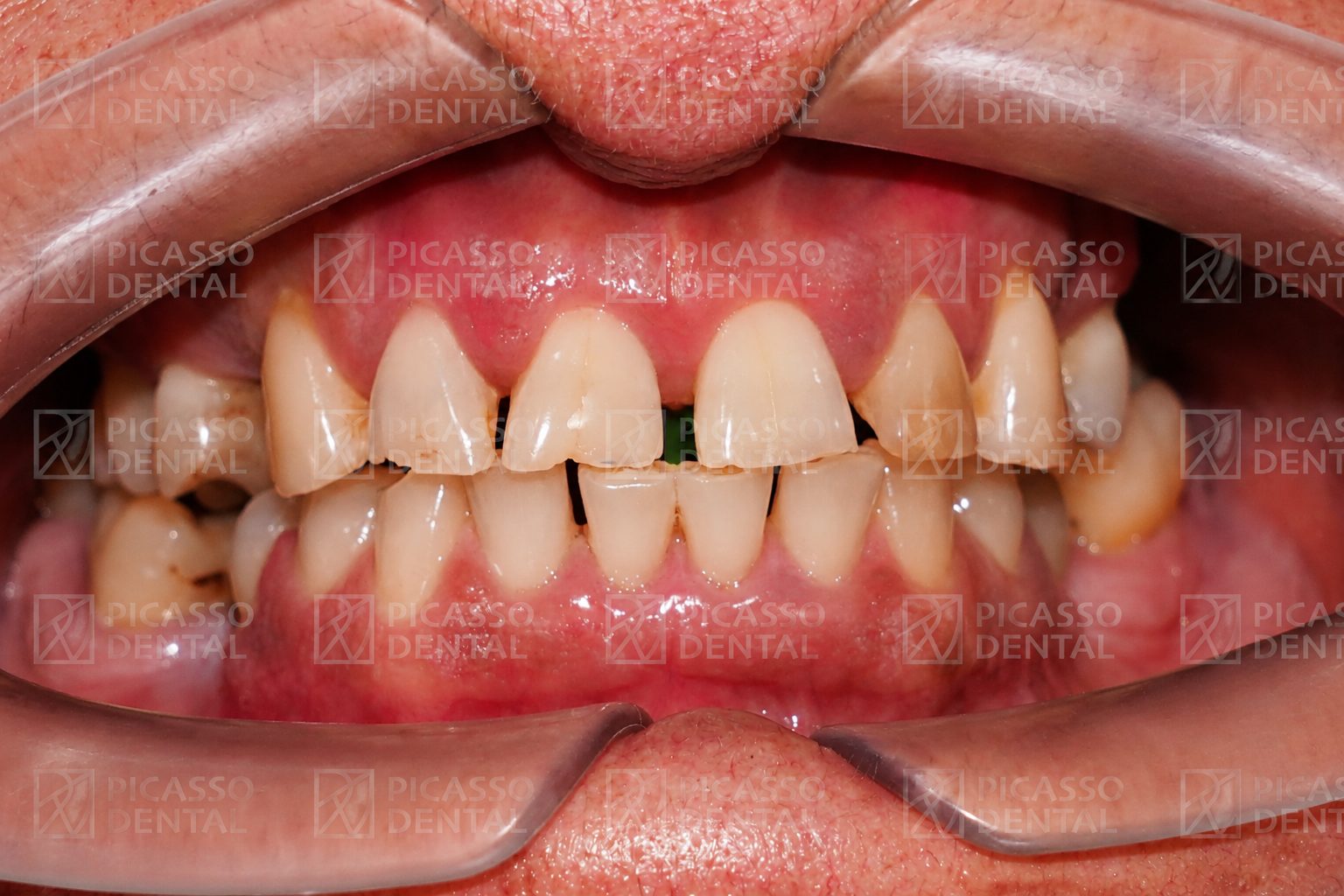 Before
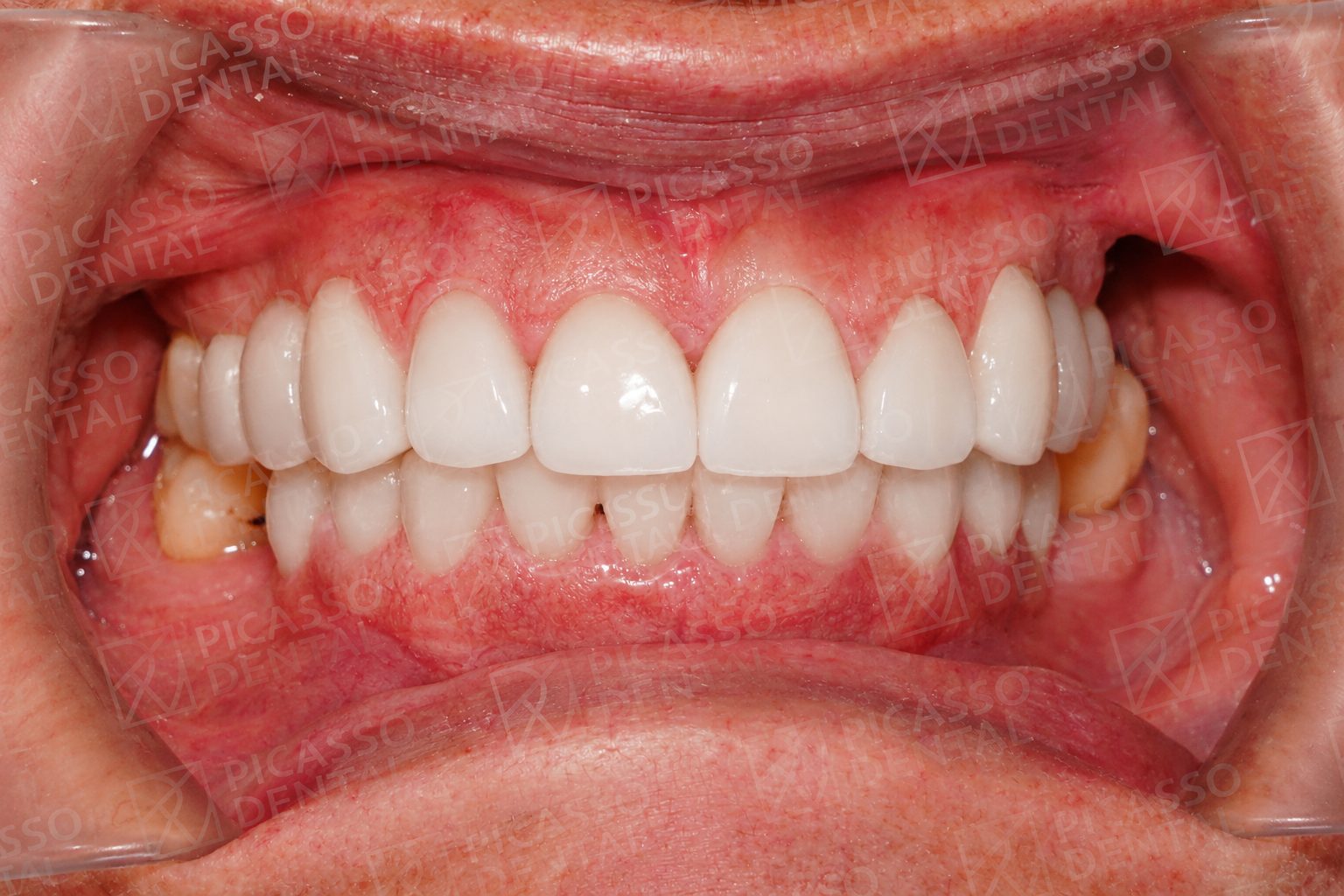 After
AfterPorcelain crowns, Da Nang
 Before
 After
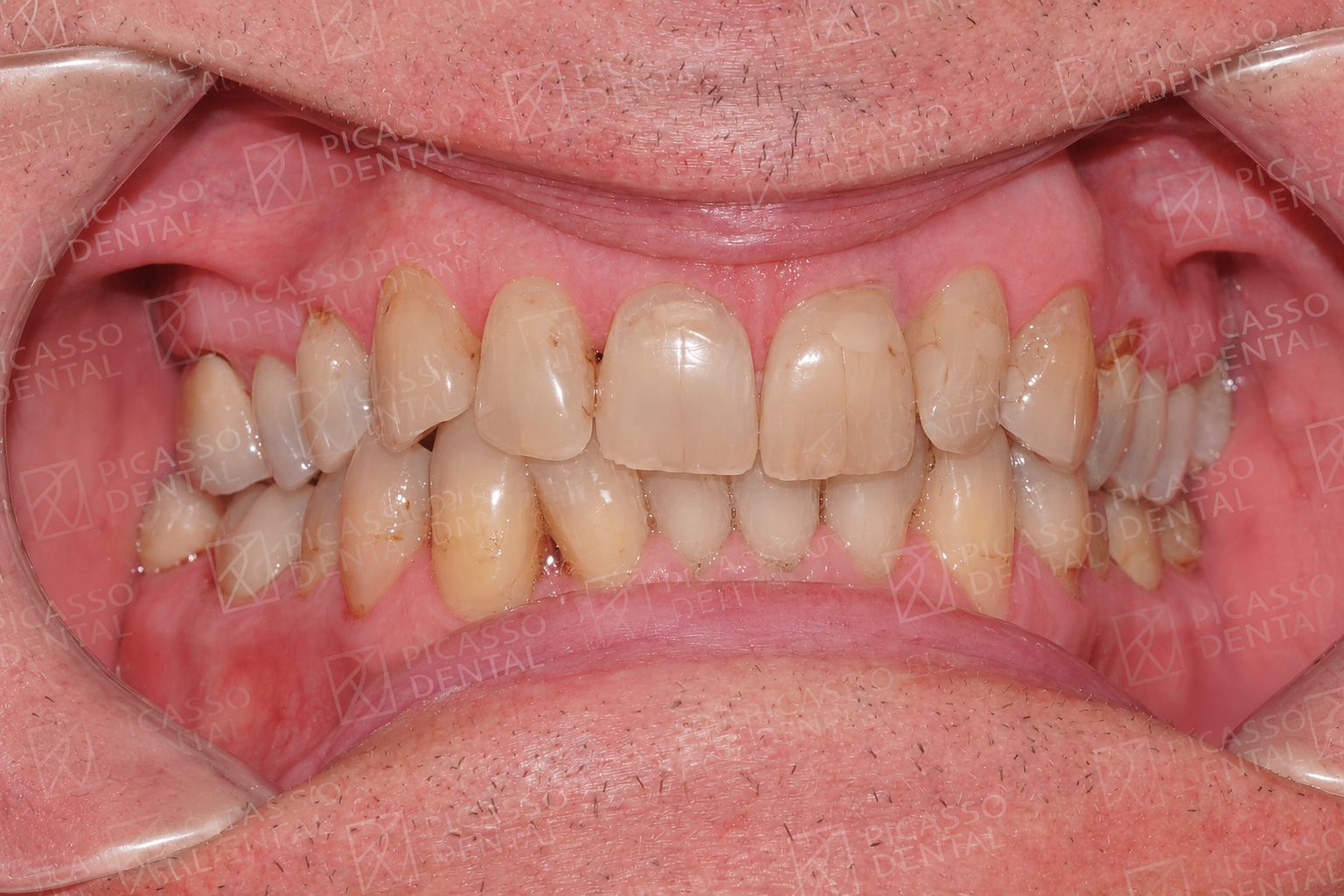
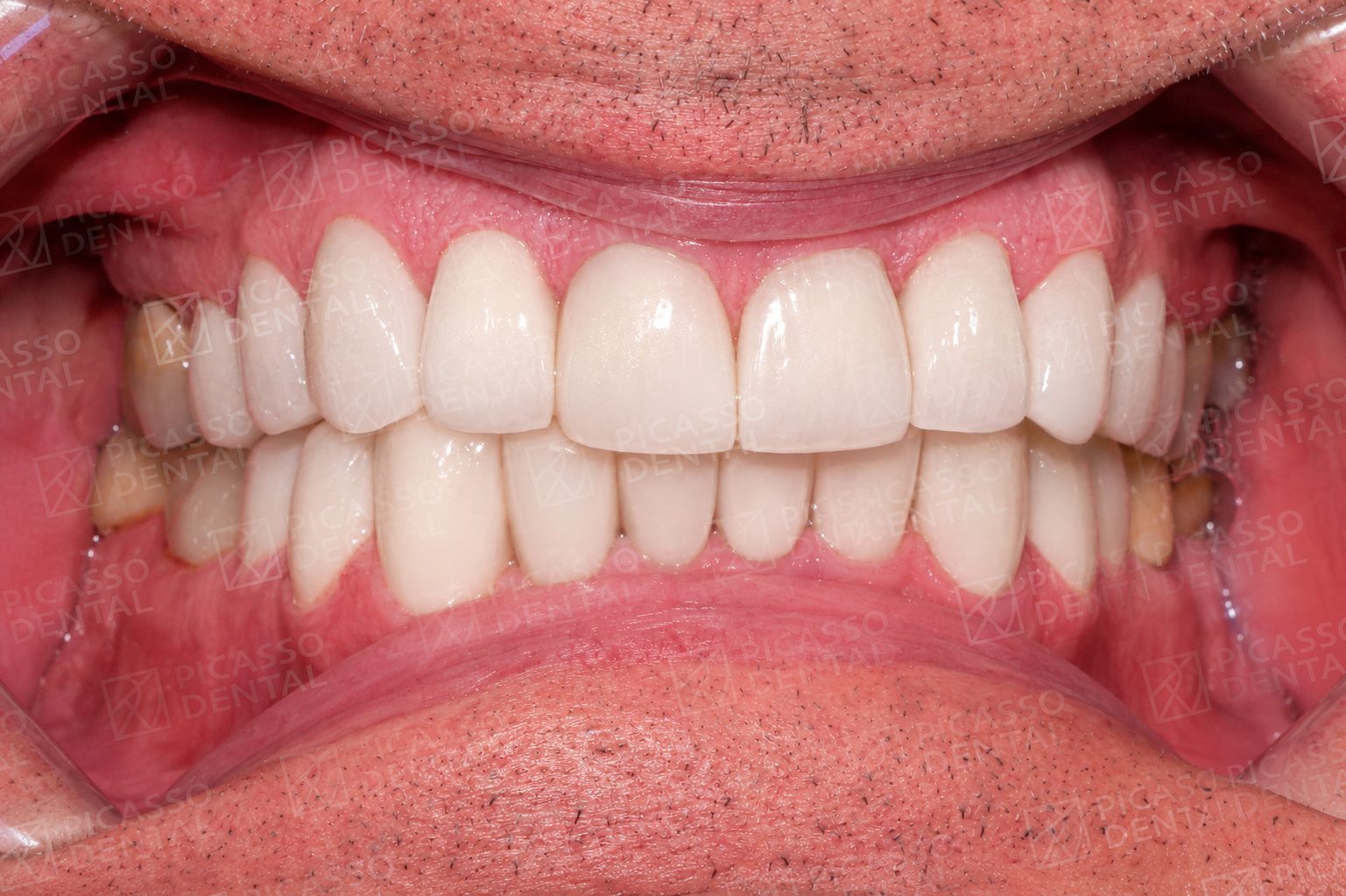
AfterCrown and implant, HCMC Thao Dien
 Before
 After
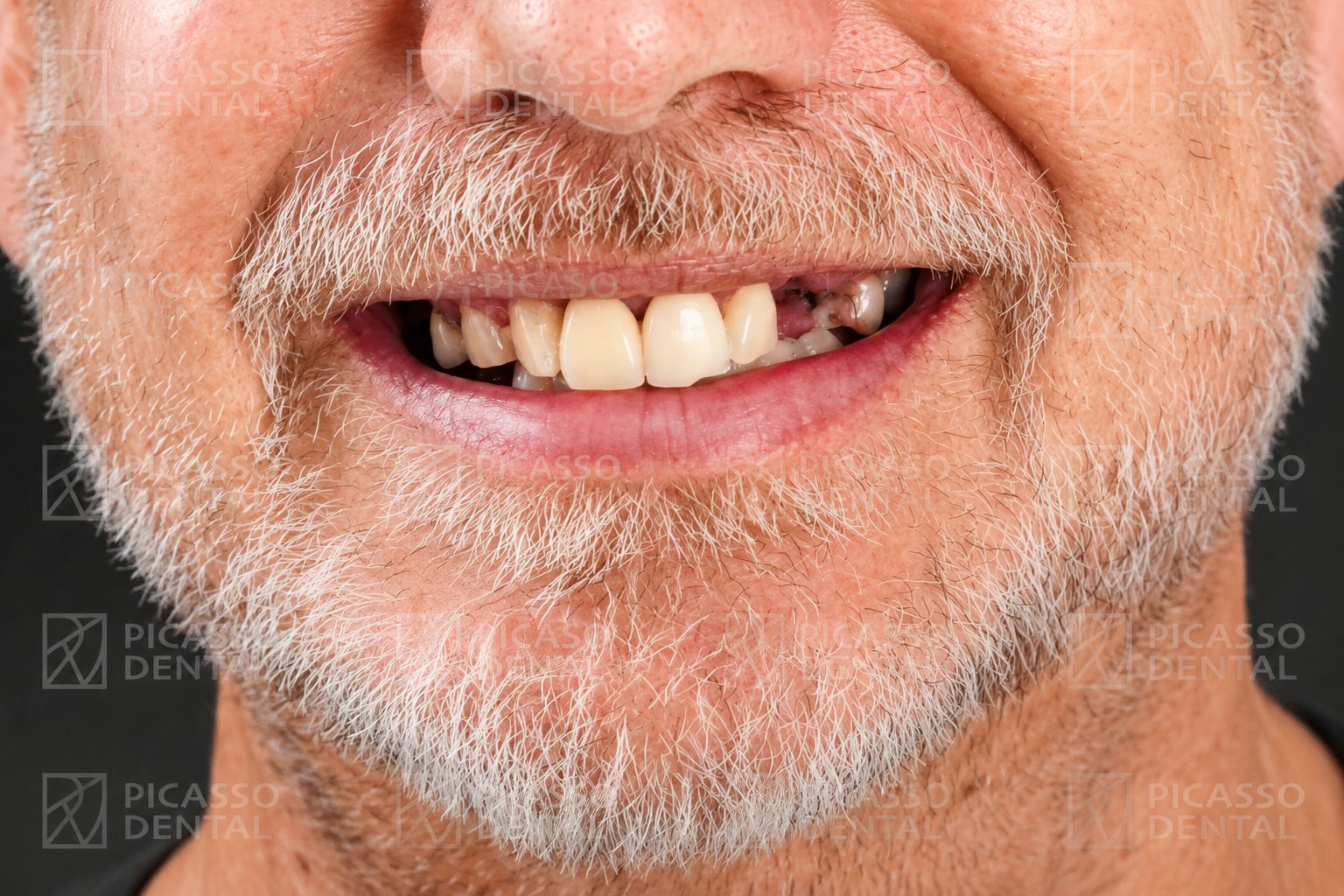
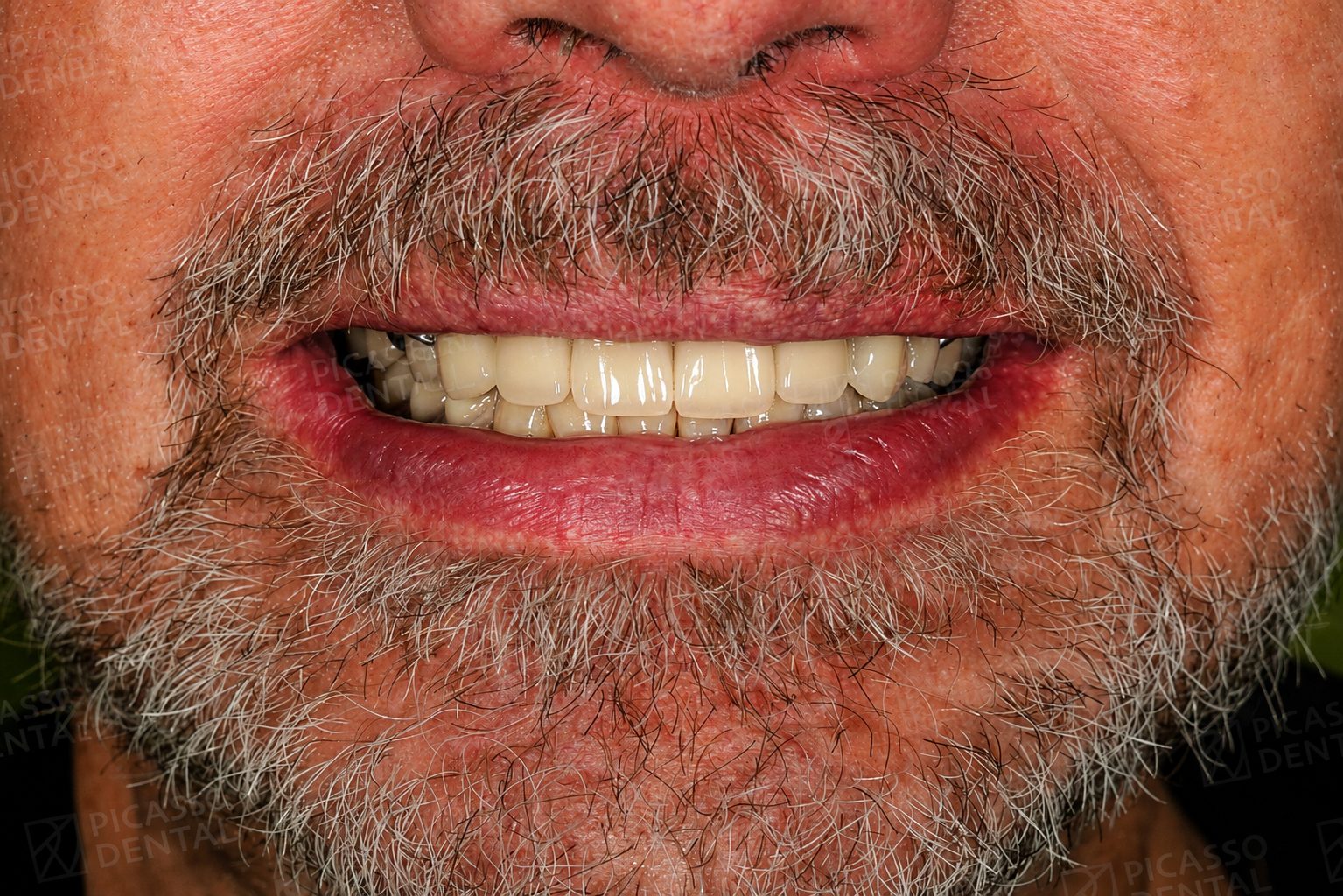
AfterCrown restoration, Hanoi Westlake
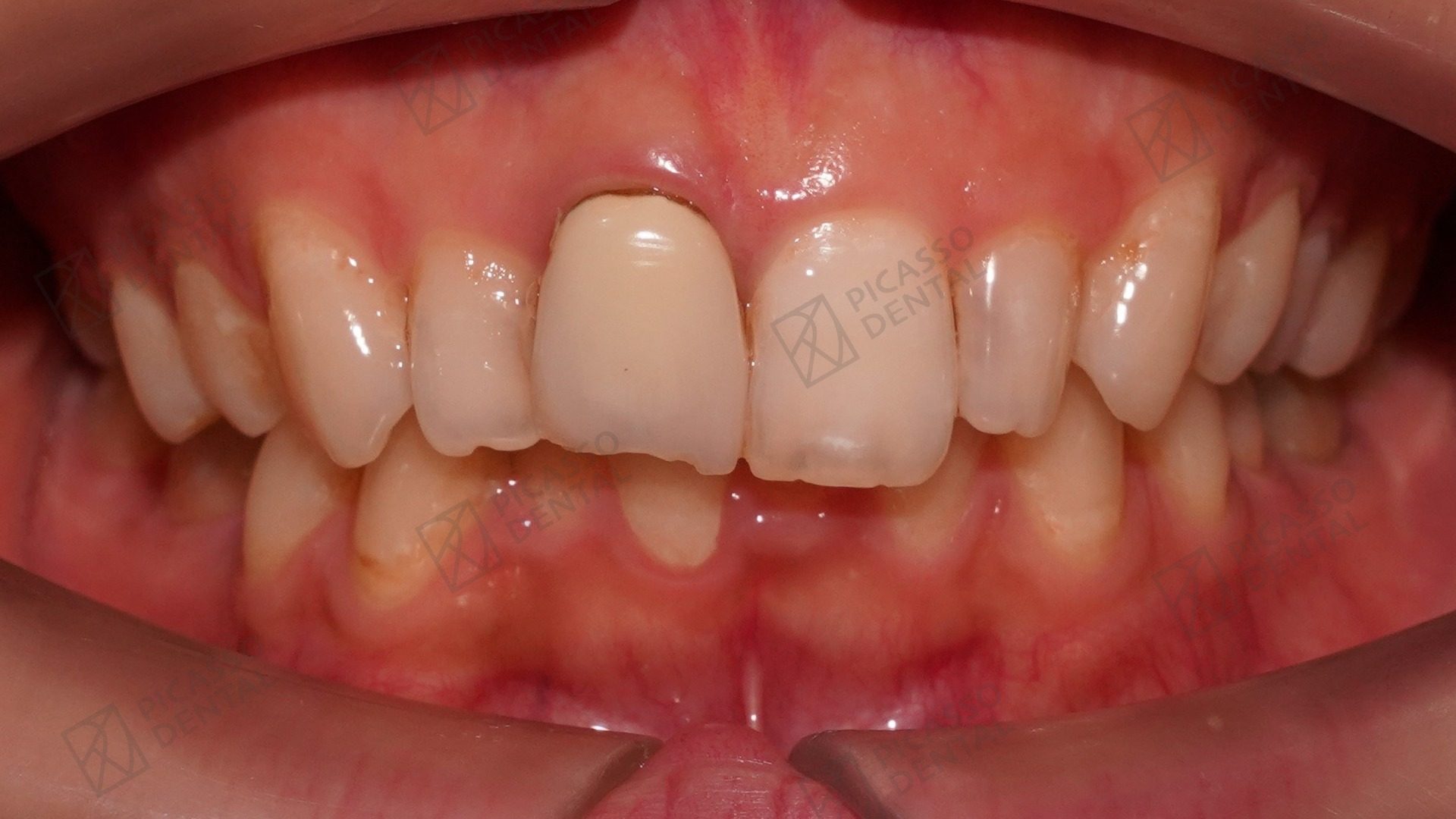 Before
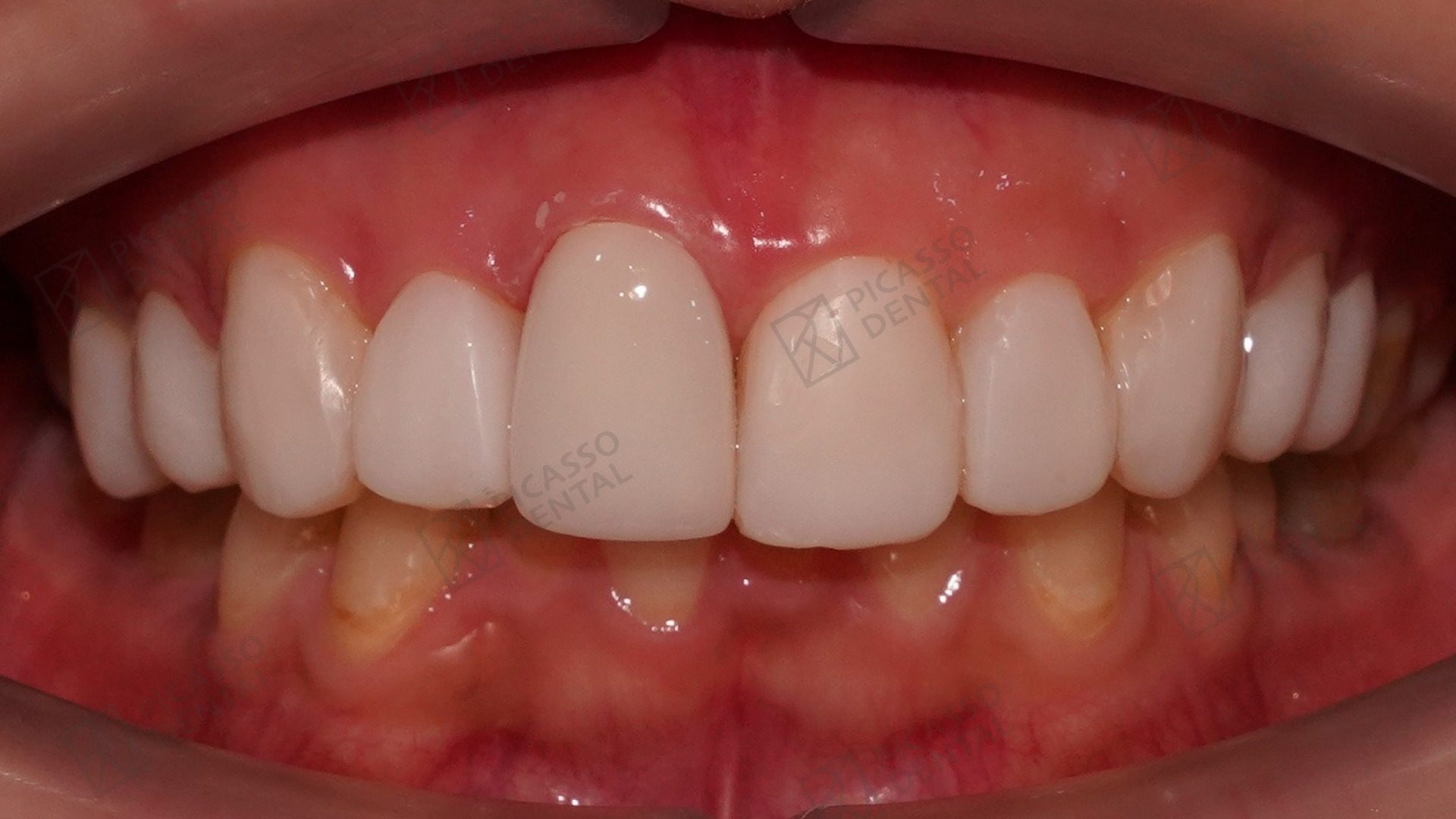 After
AfterSmile restoration, Da Nang Flagship
Frequently asked questions
Are porcelain veneers permanently attached?
The enamel preparation is permanent because removed enamel does not grow back. The veneers themselves are bonded securely and are not removable by the patient, but they are not indestructible. They can chip, debond, or wear over 10 to 15 years and will eventually need replacement.
Can you go back to your natural teeth after veneers?
No. Because approximately 0.5 mm of enamel is removed to seat the veneers flush, the prepared teeth will always need some form of covering. Removing veneers without replacing them would leave sensitive, vulnerable tooth surfaces exposed.
How long do porcelain veneers last?
Most high-quality porcelain veneers last between 10 and 15 years with good oral hygiene and careful habits. Some patients exceed this timeframe. Factors that shorten lifespan include bruxism (teeth grinding), biting hard objects, and poor oral hygiene around the veneer margins.
What happens when veneers need to be replaced?
The old veneers are carefully removed, the underlying tooth structure is assessed, and new veneers are bonded in their place. The process is similar to the original procedure and typically requires two visits. Most teeth need minimal additional preparation at replacement time if oral health has been maintained.
Do veneers require special maintenance?
Veneers require the same daily brushing and flossing as natural teeth, plus a non-abrasive toothpaste to avoid scratching the surface. Patients who grind at night should wear a custom nightguard. Regular six-month checkups allow the dentist to monitor the margins and bond integrity before small issues become large ones.
Are there less permanent veneer options?
Minimal-prep and no-prep veneers remove little or no enamel and are technically more reversible. However, they are only suitable for patients with well-aligned teeth who want subtle changes. For significant corrections in color, shape, or alignment, traditional veneers remain the gold standard.
How much do veneer replacements cost compared to the original?
Replacement veneer cost is broadly comparable to the original investment. In Vietnam, premium porcelain veneer replacement at Picasso Dental Clinic costs a fraction of equivalent work in Australia, the UK, or the United States. A written quote is provided after consultation before any work begins.
Patient Video Testimonial

Start Here
Start with a brief.
Tell us what you want to change about your smile and a licensed dentist replies with a written plan and itemised quote within twenty-four hours. No obligation.