Porcelain Veneers
Am I a Good Candidate
for Porcelain Veneers?
An Honest Assessment
Not everyone who wants veneers should have them. The answer depends on your dental health, enamel condition, cosmetic concerns, and habits. This guide explains what makes a good candidate, what disqualifies someone, and what to do if veneers are not right for you.

Key Takeaways
- Good candidates have healthy teeth and gums, sufficient enamel, and cosmetic concerns that veneers address well: staining, chips, gaps, mild misalignment, or worn edges.
- Active cavities, gum disease, or infections must be treated before veneers are placed. Veneers are cosmetic enhancements built on a healthy foundation.
- Heavy grinding (bruxism) without a nightguard significantly shortens veneer lifespan. Candidates must be willing to manage this.
- Significant misalignment or bite problems require orthodontic correction first. Veneers mask appearance only, they do not move teeth.
- Alternatives exist for non-candidates: whitening, composite bonding, or clear aligners depending on the concern.
Characteristics of Good Veneer Candidates
The most important prerequisite for veneers is a healthy oral baseline. Veneers are cosmetic restorations placed on top of existing tooth structure. Placing them over disease, infection, or structural problems does not fix those problems and compromises the long-term success of the veneers themselves.
A good candidate has no active cavities, no gum disease, and no infections requiring treatment before proceeding. If any of these issues exist, they are addressed first, then veneers are reconsidered from a clean baseline. This is not a delay tactic. It is a prerequisite for the veneers lasting.
Sufficient enamel is essential because veneer preparation requires removing a thin layer of tooth surface, typically 0.3 to 0.7 mm, to accommodate the porcelain without making the tooth look bulky. If enamel has been significantly worn by acid erosion, previous dental work, or genetics, there may not be enough structure remaining to safely accommodate a veneer without risking sensitivity or compromising the bond.
Good candidate profile
- No active cavities or gum disease
- Sufficient enamel for conservative preparation
- Staining not responding to whitening
- Chips, cracks, or worn edges on front teeth
- Small gaps between front teeth
- Mildly irregular shape or slight misalignment
- Realistic expectations about outcome
- Mid-twenties or older
Poor candidate profile
- Active cavities, gum disease, or infection
- Severely worn or eroded enamel
- Heavy unmanaged grinding (bruxism)
- Significant crowding requiring orthodontics
- Major bite misalignment
- Habits that damage veneers (biting ice, nails, objects)
- Unrealistic expectations
- Teenagers with developing teeth
What Veneers Do Well and Where Their Limits Are
Porcelain veneers address a specific range of cosmetic concerns. They deliver excellent results for teeth that are discoloured beyond what whitening can correct (internal staining from tetracycline, fluorosis, or trauma), chipped or cracked, worn shorter than ideal, irregularly shaped, or mildly spaced or rotated. In each of these situations, the veneer covers the front surface of the tooth and replaces the appearance with the desired shape, length, and colour.
"Veneers are exceptional at correcting what they were designed to correct. The critical question at consultation is whether your concern falls within that range."
Dr. Emily Nguyen, Principal Dentist, Picasso Dental ClinicWhat veneers cannot do is equally important. They do not move teeth. A significantly crowded, rotated, or overlapping tooth placed behind a veneer is still in that position. Veneers placed on significantly misaligned teeth look artificial because the porcelain is visibly thick in one area and thin in another. Veneers also cannot correct bite relationships. If the upper and lower teeth do not meet correctly, placing veneers without addressing the bite can cause the veneers to fracture under load.
What Is Evaluated at Consultation
The consultation is where candidacy is determined. No written checklist replaces a clinical examination with X-rays and an honest conversation about goals and expectations. At Picasso Dental, the consultation covers the following:
- Oral health statusX-rays check for decay, bone levels around teeth, and the quality of any existing dental work. Clinical examination checks gum health, tooth mobility, and signs of infection. If problems are found, they are treated first and veneers are reconsidered afterward.
- Enamel assessmentThe amount of enamel available for conservative tooth preparation is assessed visually and, where necessary, with diagnostic wax-up models that show the proposed final shape before any preparation begins. If enamel is insufficient, alternatives are discussed.
- Bite and jaw relationshipHow the upper and lower teeth meet at rest and during function is checked. Any significant bite discrepancy that would put the veneers under abnormal load is identified and discussed before proceeding.
- Specific cosmetic concerns and realistic outcomesThe concern that brought the patient in is discussed specifically. A diagnostic mock-up or digital smile design may be done to preview the proposed result. If the expected result does not match what the patient wants to achieve, this is identified before any preparation takes place.
- Habits and lifestyleGrinding, clenching, nail-biting, chewing ice, using teeth to open packaging. These habits damage veneers. Willingness to wear a nightguard if grinding is present is assessed, since unmanaged bruxism substantially shortens veneer lifespan.
Alternatives for Patients Who Are Not Good Candidates
A good consultation does not end with a "no" if veneers are not appropriate. It ends with an honest recommendation about what is appropriate.
For staining: Professional in-clinic whitening addresses most external and some internal staining without removing tooth structure. This is always the first option to consider before anything irreversible.
For minor chips, small gaps, or slight shape irregularities: Composite bonding is a conservative, reversible option. Tooth-coloured composite resin is shaped directly onto the tooth without removing enamel. It is not as durable or long-lasting as porcelain veneers but suits patients who prefer a less permanent approach or who want to improve their smile without committing to veneer preparation.
For misalignment: Clear aligner treatment or ceramic braces move the underlying teeth to the correct position. After orthodontic treatment, veneers may be reconsidered for any remaining shape or shade concerns on a well-aligned foundation.
For patients with active dental disease: The priority is treating the disease. Once the mouth is healthy and stable, the cosmetic consultation starts from a position where the outcome is predictable rather than compromised from the beginning.
Unsure whether you are a candidate? Dr. Emily Nguyen provides an honest written assessment based on your photos and dental history within 24 hours.
Get an AssessmentPatient Cases: Porcelain Veneers and Smile Makeovers
Before and after outcomes from patients treated at Picasso Dental using Ivoclar e.max porcelain.
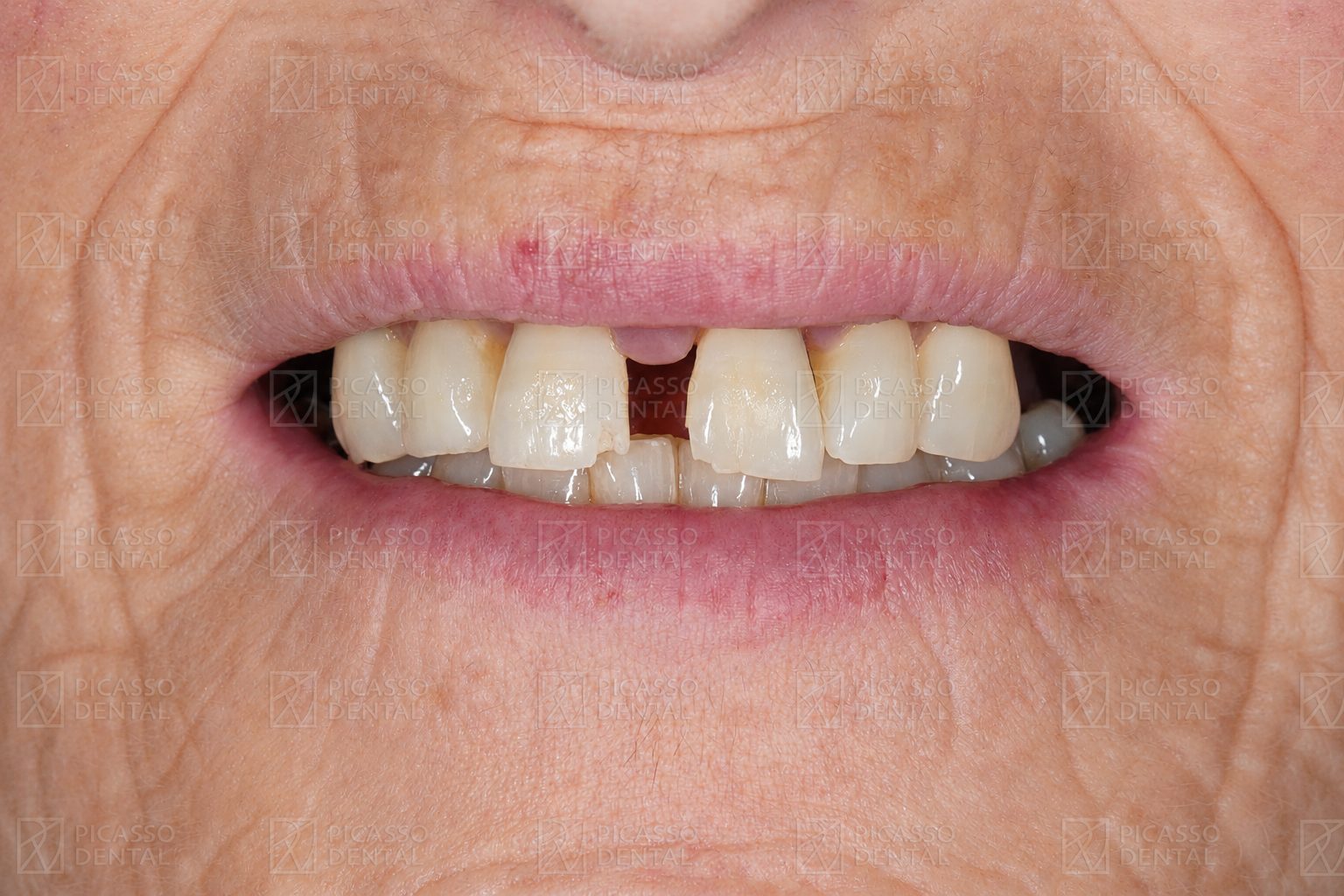 Before
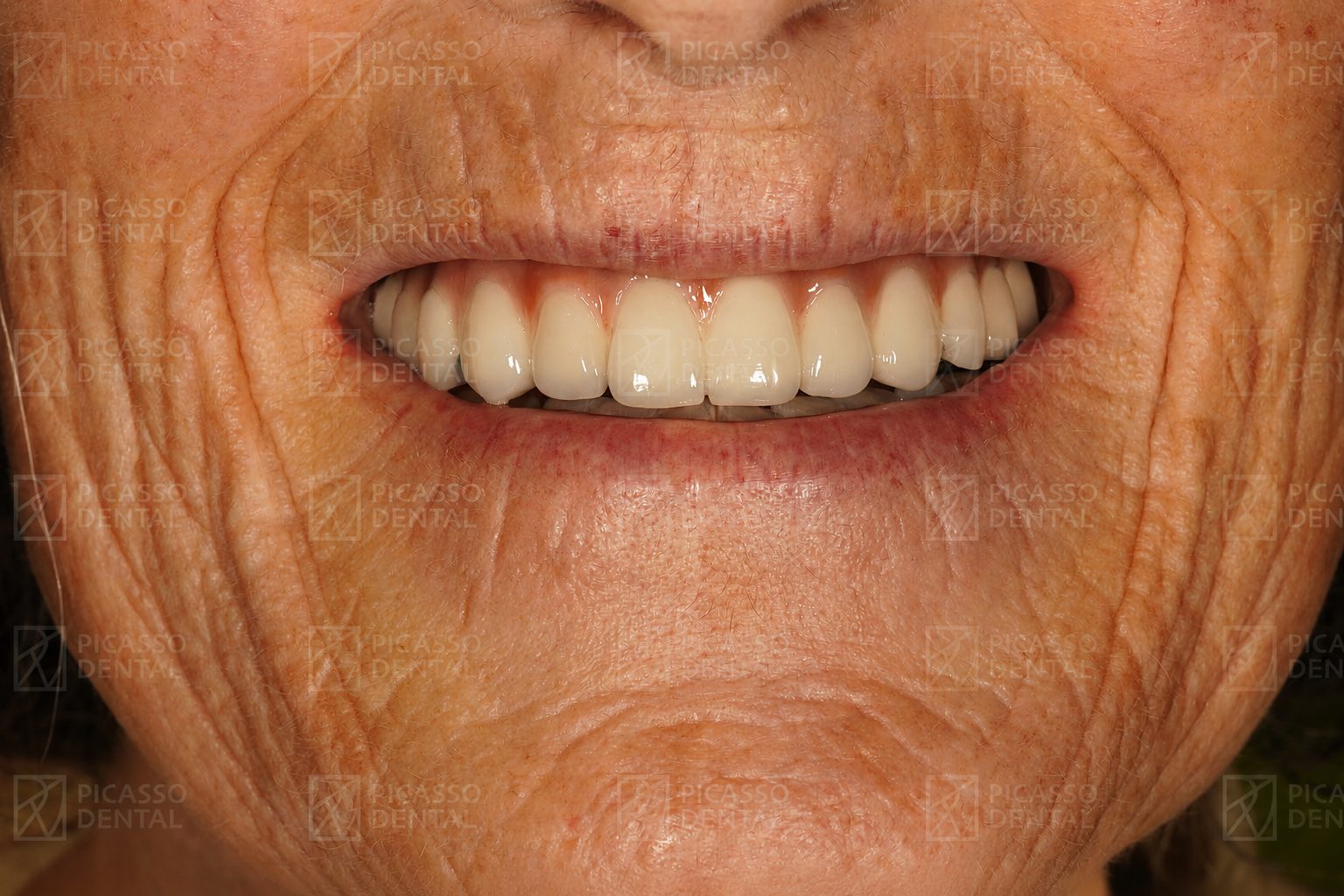 After
AfterSmile makeover, Hanoi Old Quarter
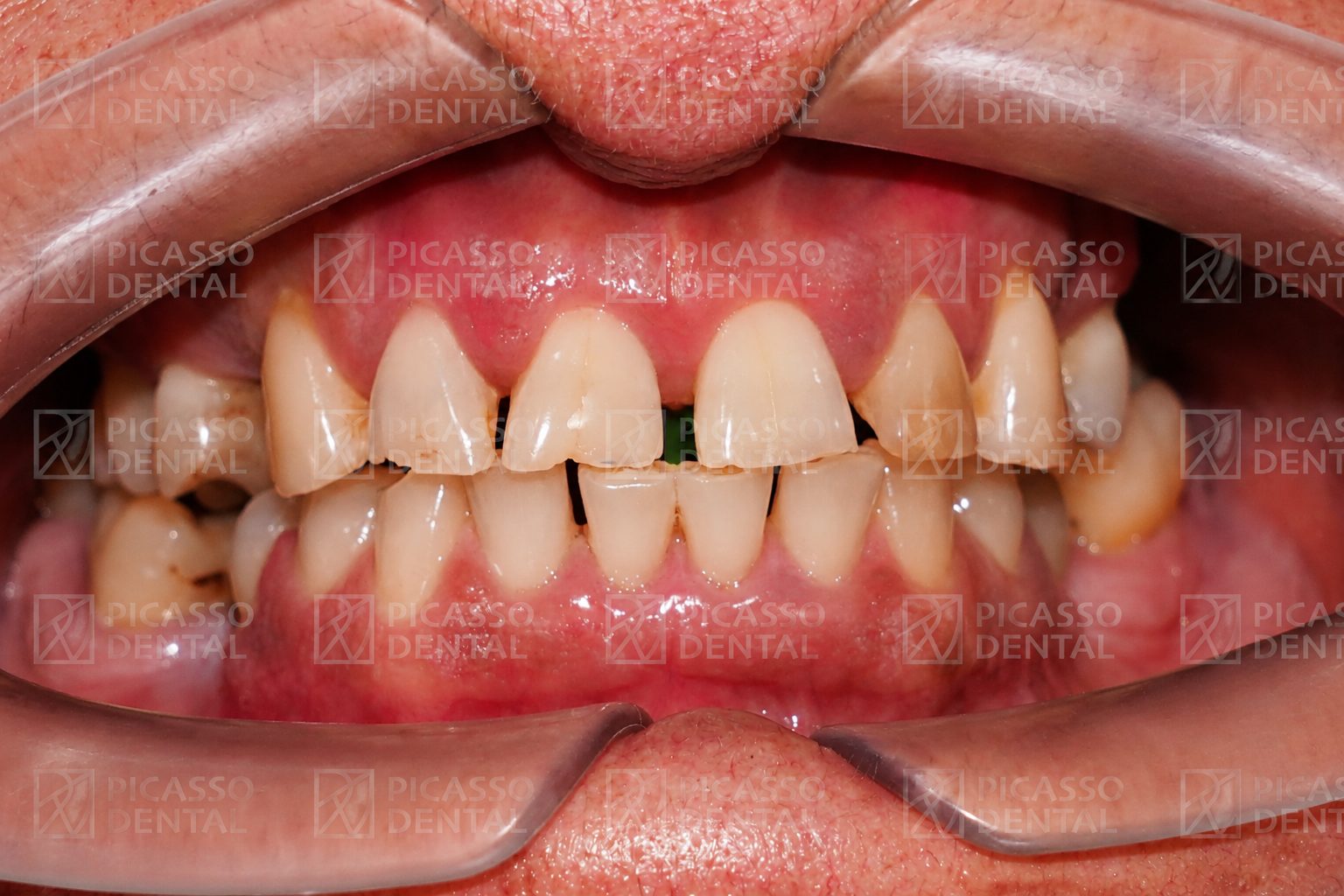 Before
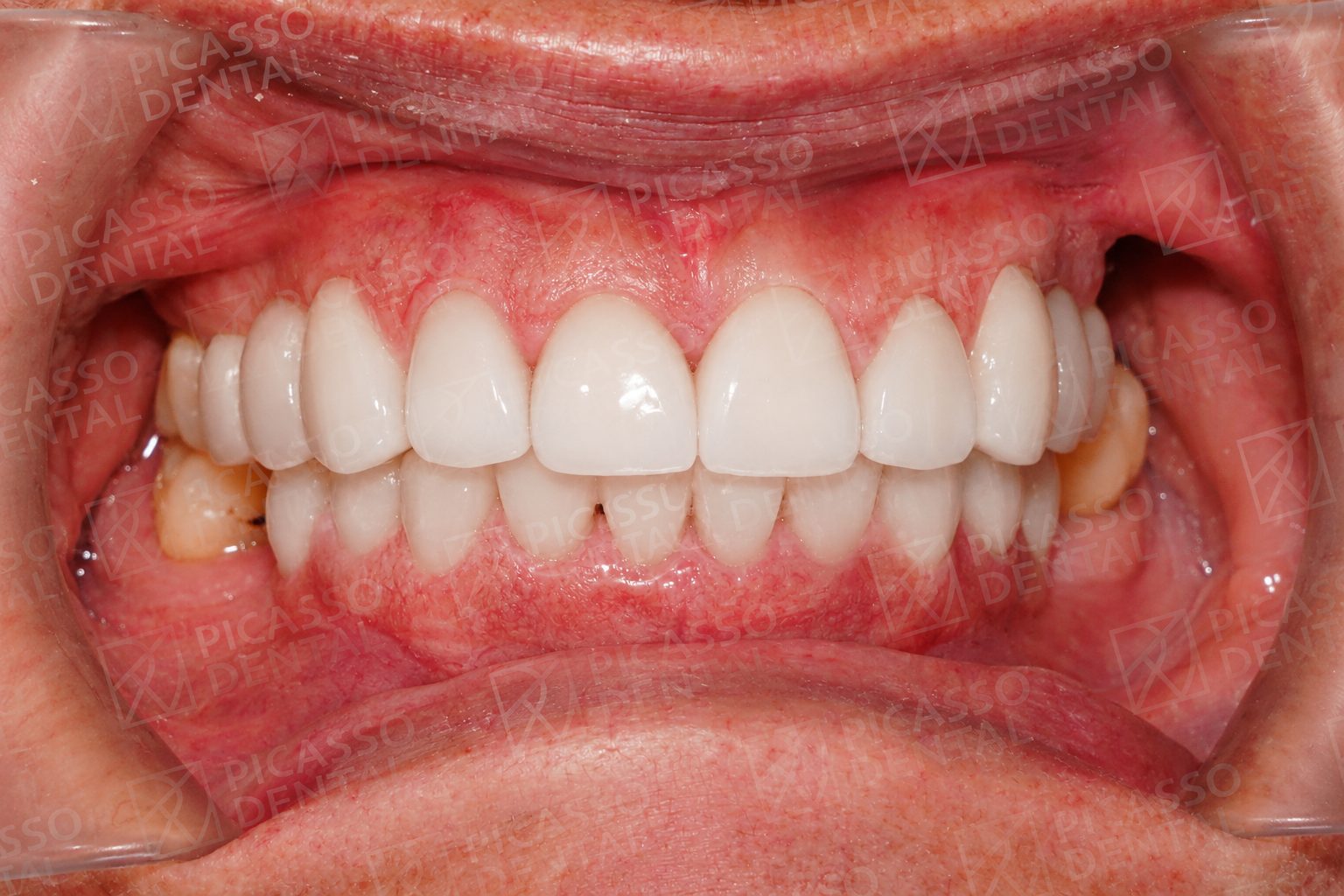 After
AfterPorcelain crowns, Da Nang
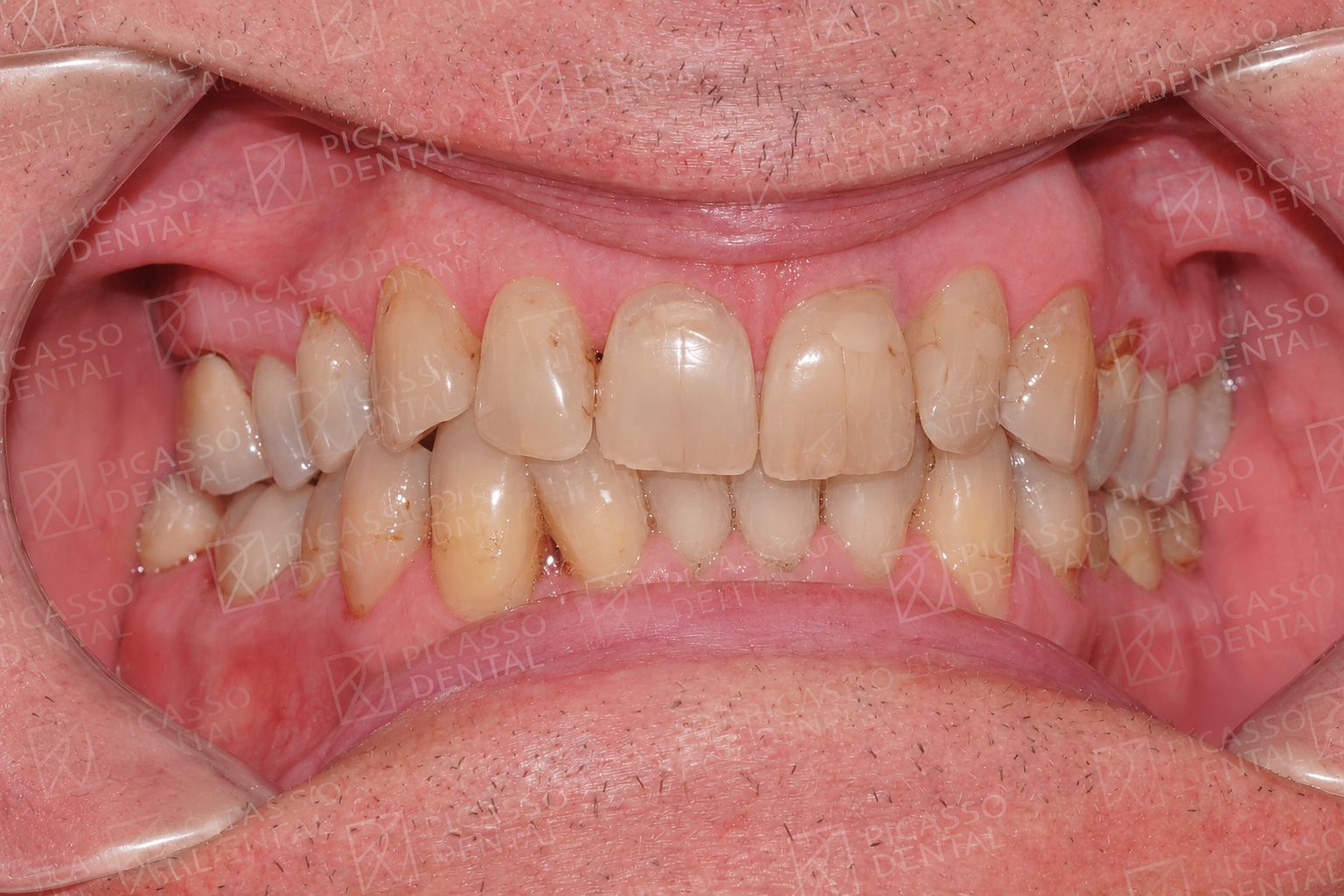 Before
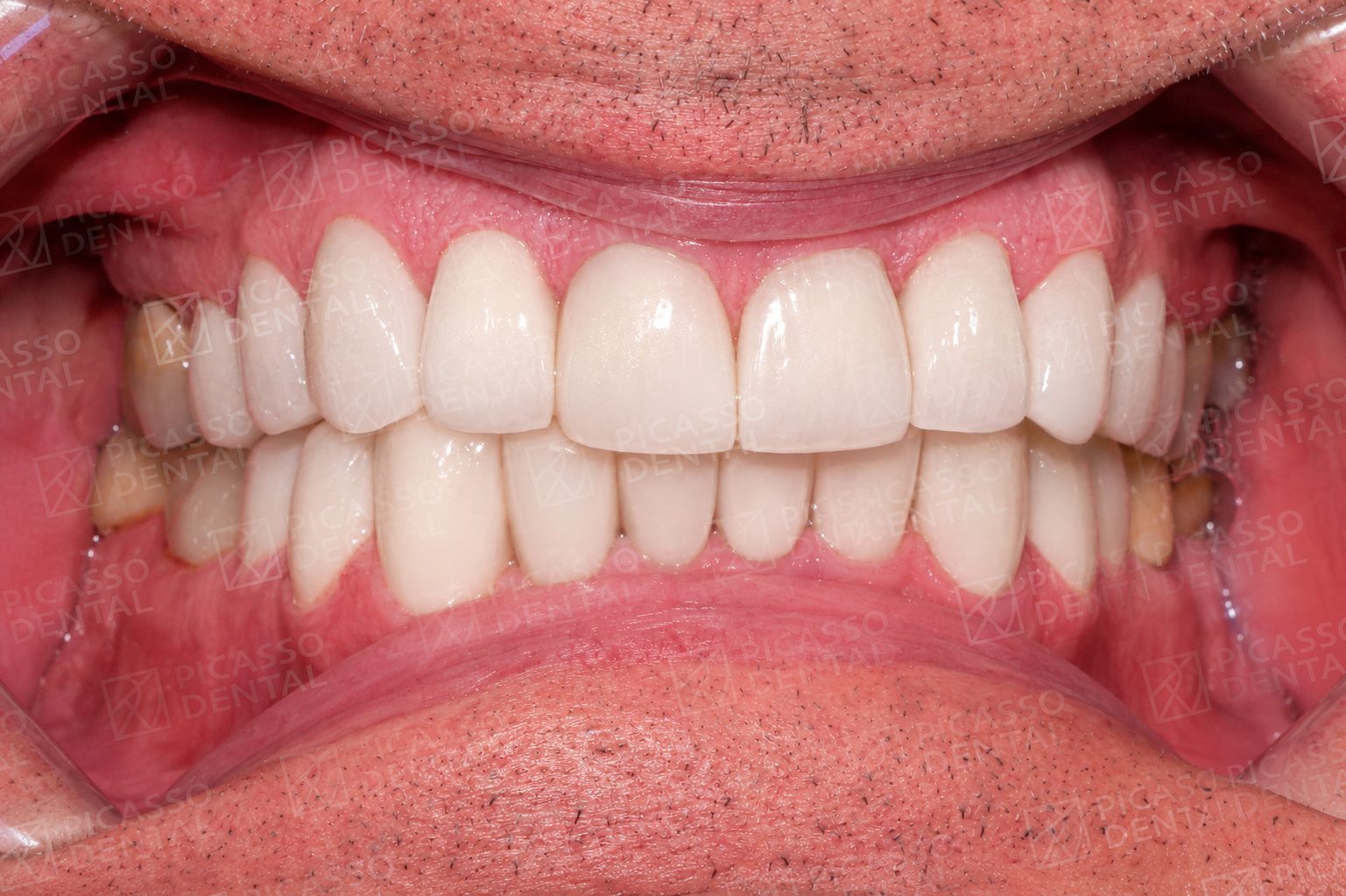 After
AfterCrown and veneer, HCMC Thao Dien
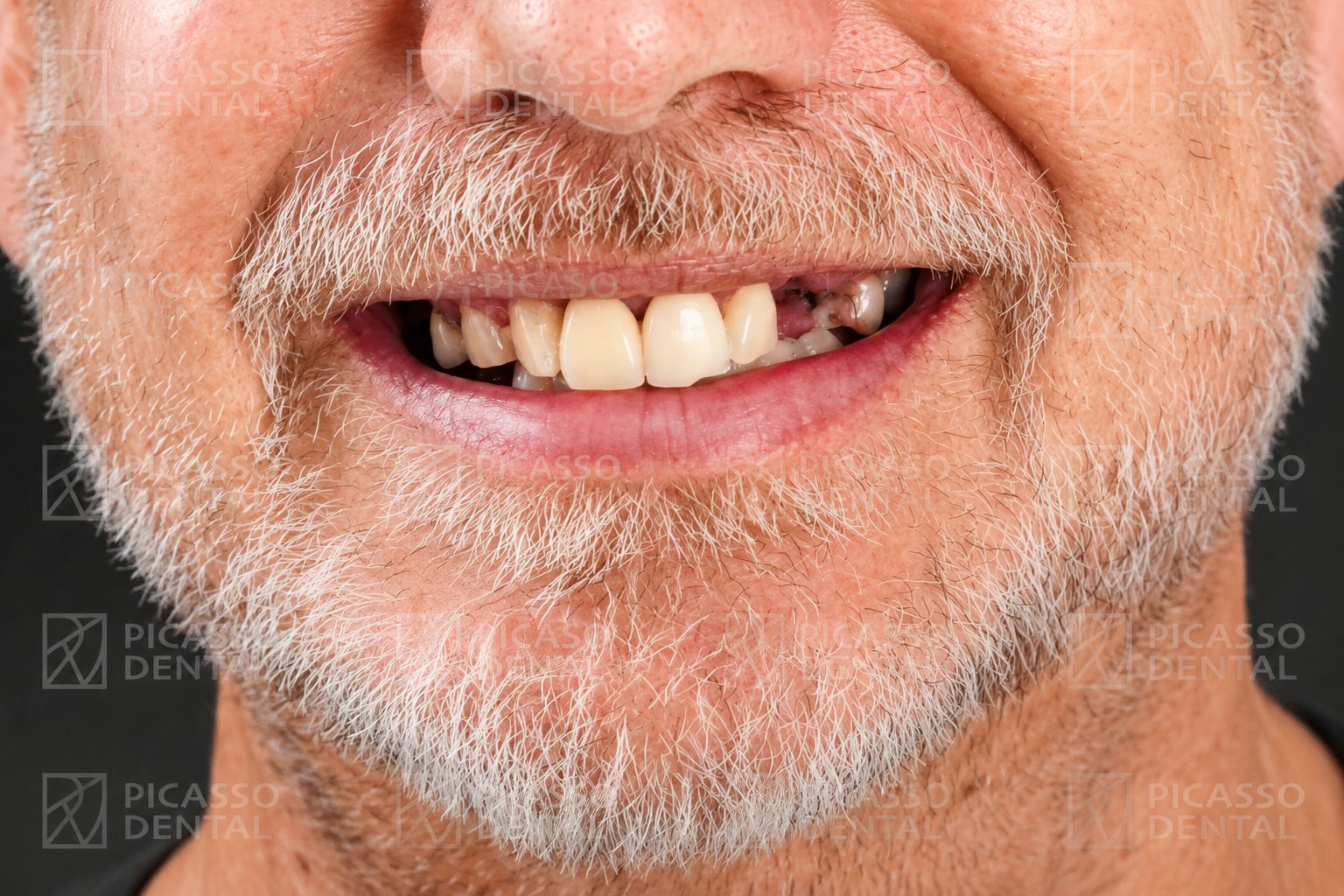 Before
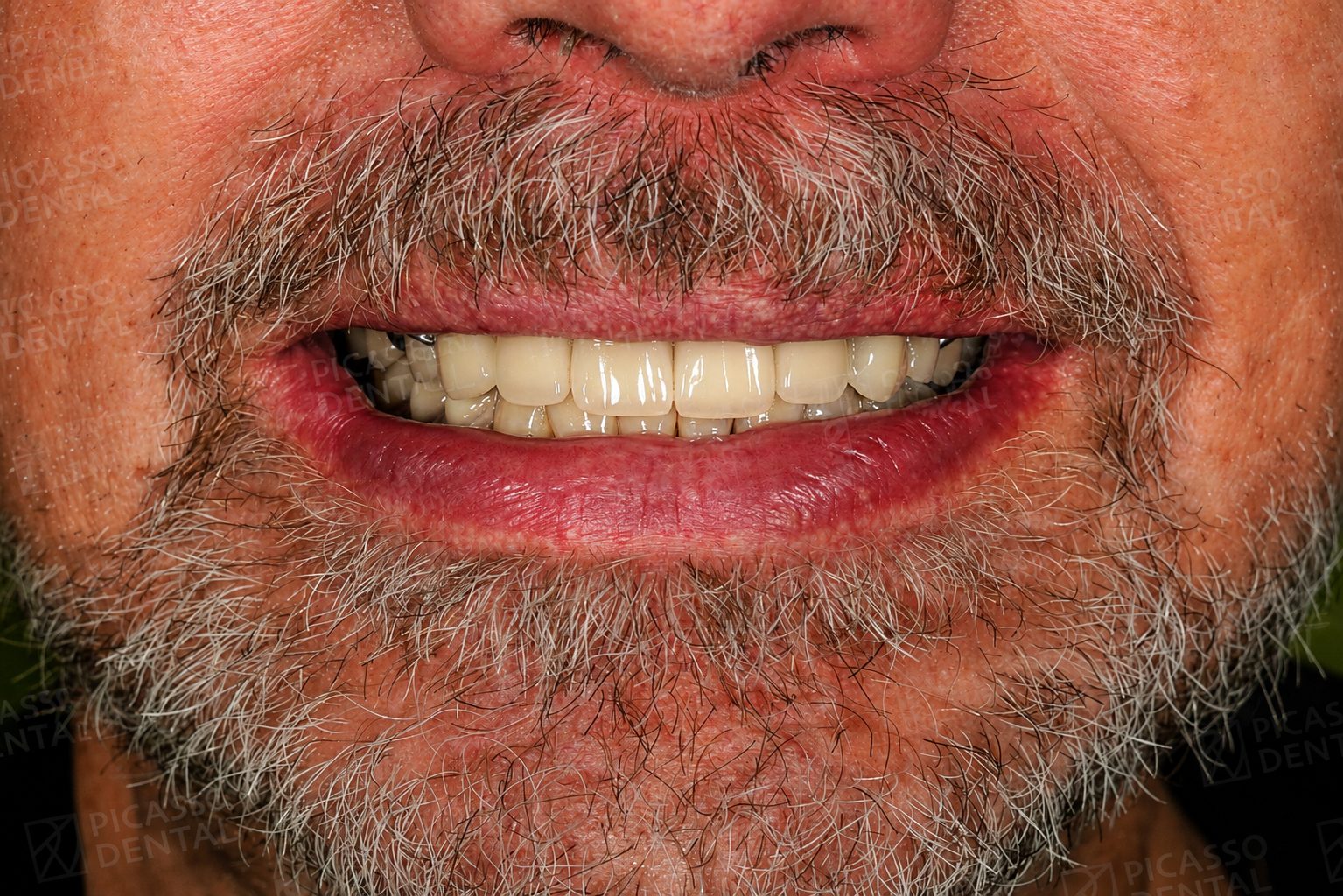 After
AfterSmile makeover, Hanoi Westlake
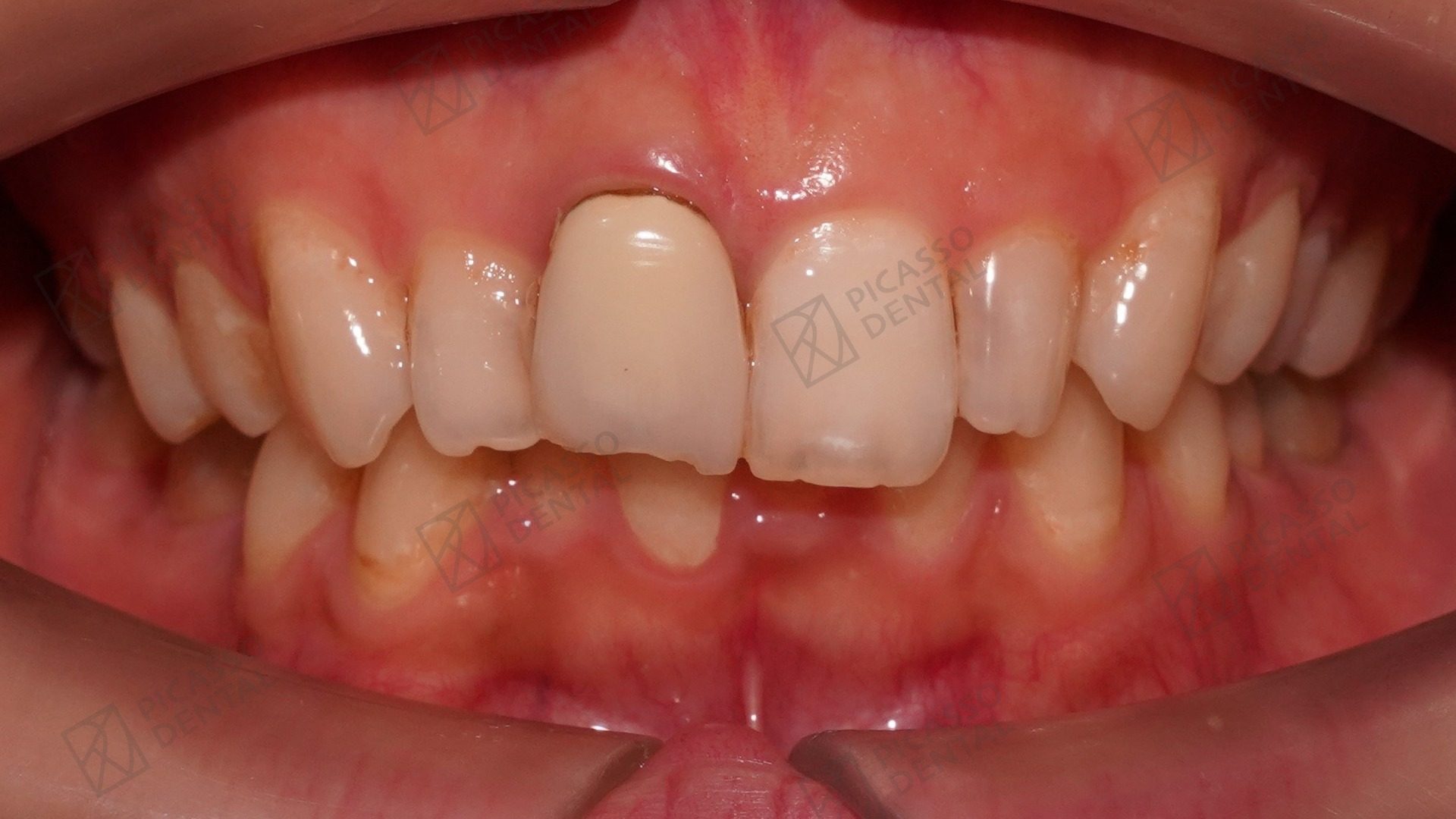 Before
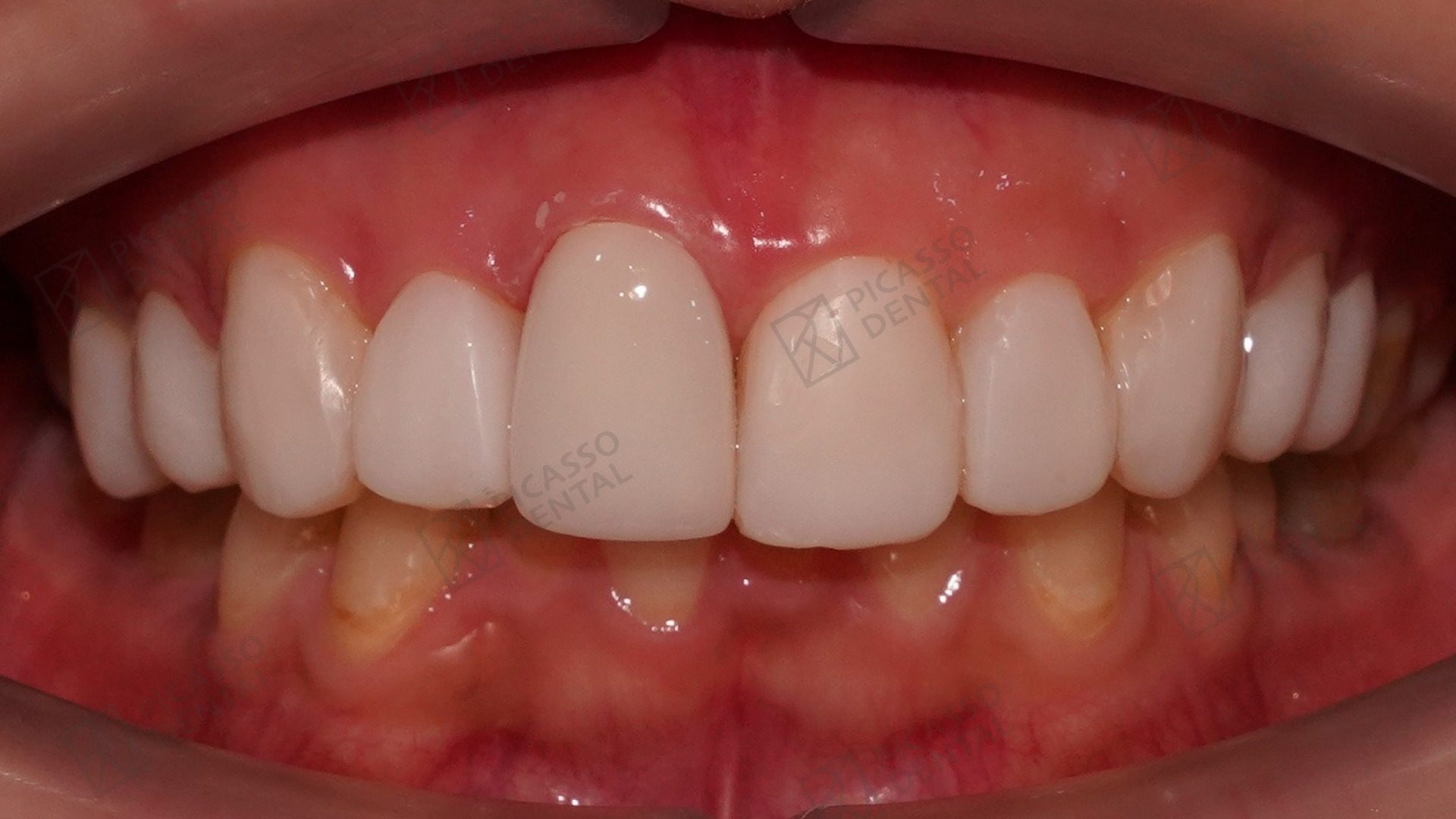 After
AfterSmile restoration, Da Nang Flagship
Frequently Asked Questions
What makes someone a good candidate for porcelain veneers?
Good candidates have healthy teeth and gums with no active cavities or gum disease, sufficient enamel to accommodate the small amount of tooth reduction required, and cosmetic concerns that veneers address well: staining not responding to whitening, chips, gaps, mild misalignment, worn edges, or irregular shapes. Realistic expectations and age in the mid-twenties or older are also factors.
Who is not a good candidate for porcelain veneers?
Patients with active cavities, gum disease, or infections need treatment first. Those who grind heavily without using a nightguard are poor candidates because bruxism fractures veneers. Significant misalignment or bite problems require orthodontic correction before veneers are considered. Teenagers whose teeth are still developing, and patients with severely eroded enamel leaving insufficient tooth structure, are also not suitable.
How much tooth reduction is required for porcelain veneers?
At Picasso Dental, Dr. Emily Nguyen uses a conservative preparation approach, typically removing 0.3 to 0.7 mm of enamel from the front surface. The exact amount depends on the tooth's starting position, the shade change required, and whether reshaping is needed. Minimal or no-prep veneers are considered where tooth position and shade allow it.
Can veneers fix crooked teeth?
Veneers can mask the appearance of mild misalignment by reshaping the visible front surface of the tooth. They do not move the underlying tooth. For mild cosmetic irregularities with no bite issue, veneers can create the appearance of a straighter smile in 7 to 10 days. For significant crowding, overlap, or bite problems, orthodontic treatment is the appropriate path.
Do porcelain veneers require a lot of maintenance?
Veneers require the same maintenance as natural teeth: twice-daily brushing, daily flossing, and routine examinations every six months. Avoiding biting hard objects and wearing a nightguard if you grind at night protect longevity. With proper care, Ivoclar e.max veneers at Picasso Dental typically last 10 to 15 years or longer before replacement becomes necessary.
What are the alternatives to veneers for non-candidates?
For discoloration, professional teeth whitening addresses staining without altering tooth structure. For minor chips or shape irregularities, composite bonding is a reversible, less invasive option. For misalignment, clear aligners or ceramic braces correct the actual tooth position. For patients with active dental disease, treating the underlying problem first is the priority before any cosmetic work is considered.
How long does the veneer process take at Picasso Dental?
The process takes 7 to 10 days across two visits for international patients. The first visit covers consultation, examination, X-rays, tooth preparation, shade selection, and fitting of temporary veneers. The permanent veneers are fabricated in the Picasso Dental laboratory and fitted at the second visit with adjustments made until the bite, shape, and aesthetics meet expectations.
What veneer material does Picasso Dental use?
Picasso Dental uses Ivoclar e.max press ceramic, a lithium disilicate glass-ceramic with a flexural strength of approximately 400 MPa. The material combines strength with natural translucency and accurate shade matching. It is the same material used in premium cosmetic practices internationally and is the standard for anterior veneer work at Picasso Dental.
Patient Video Testimonial

Start Here
Find out if veneers are right for you.
Send photos of your smile and describe your concerns. Dr. Emily Nguyen provides an honest written assessment of whether veneers are appropriate for your case and what alternatives exist if they are not. No obligation.