
Root Canal Treatment
Alternatives to Root Canal
An Honest Assessment
Once a tooth's pulp is infected or dead, the options are narrower than most patients expect. This guide explains each alternative honestly, including extraction, pulp capping, and the real consequences of doing nothing.

Key Takeaways
- Once pulp is infected or dead, the only two options that resolve the problem are root canal treatment (saves the tooth) or extraction (removes it).
- Antibiotics relieve symptoms temporarily but cannot eliminate infection inside sealed root canals.
- Pulp capping works only in very early cases before infection has established. Success is unpredictable even under ideal conditions.
- Pulpotomy (partial pulp removal) is used mainly for children's baby teeth. It is rarely appropriate for adult permanent teeth.
- Doing nothing allows the infection to spread to bone, cause abscess, and eventually force extraction under worse conditions.
- The total cost of extraction plus implant replacement typically exceeds root canal treatment plus crown.
Why Alternatives Are So Limited
The pulp tissue inside a tooth cannot regenerate once severely damaged or infected. Unlike a skin wound that heals or a broken bone that mends, dead pulp tissue stays dead. Infected pulp remains infected. Your immune system cannot clear an infection inside a sealed root canal because it cannot reach it. This is the fundamental reason why alternatives to root canal treatment are so limited.
Two outcomes are possible once pulp death or infection is confirmed. Root canal treatment removes the infected or dead tissue, cleans and seals the canal system, and preserves the tooth. Extraction removes the entire tooth, eliminating the problem along with everything that made the tooth worth keeping. Everything else sits between these two options in terms of clinical status, and none of it is a long-term solution to an infected or dead tooth.
"The question is not whether to treat an infected tooth, but whether to save it or remove it. Doing nothing is not a third option, it is a slow path to extraction under worse conditions."
Dr. Emily Nguyen, Principal Dentist, Picasso Dental ClinicTooth Extraction: The Main Alternative
Extraction removes the entire tooth, which eliminates the infected pulp along with the problem. The procedure typically takes 30 to 60 minutes. Cost is lower than root canal treatment plus crown. The infection source is gone immediately. For patients who have weighed all factors and decided not to save the tooth, extraction is a valid choice.
But extraction creates a new set of problems. A gap where a tooth used to be affects chewing function, allows neighbouring teeth to drift gradually toward the space, and causes the jawbone in that area to resorb over time. Visible gaps affect appearance and confidence. What appears to be a simpler, cheaper solution in the short term often becomes more complicated and expensive over the following years.
After extraction, replacement options are available. A dental implant is the closest functional equivalent to a natural tooth, but it requires surgery and takes 3 to 6 months for osseointegration, then a crown. A bridge requires grinding down the adjacent healthy teeth to support an artificial tooth across the gap. A partial denture is removable and less stable. None of these is as good as the natural tooth that could have been saved. And the combined cost of extraction plus implant replacement typically exceeds the cost of root canal treatment plus crown.
Root canal treatment: what you keep
- Natural tooth preserved
- Normal biting function
- Bone preserved at that site
- No adjacent teeth affected
- Proprioception (natural pressure sensing)
- Treatment completed in 1 to 2 visits
Extraction: what you lose
- Tooth gone permanently
- Chewing function reduced
- Bone resorbs at extraction site
- Adjacent teeth drift over time
- Replacement needed (implant, bridge, or denture)
- Total cost of replacement often exceeds RCT + crown
Pulp Capping: Only for Early Intervention
Pulp capping involves placing a medicated calcium hydroxide or mineral trioxide aggregate dressing directly on exposed or nearly exposed pulp tissue after removing deep decay. The aim is to allow the pulp to form a dentinal bridge, sealing the exposure and remaining vital inside the tooth. When it works, the patient avoids root canal treatment entirely.
The catch is specificity: pulp capping works only when caught very early. The pulp must not yet be infected. There should be no history of spontaneous pain, no prolonged sensitivity lasting more than a few seconds after removing a stimulus, and no sign of irreversible inflammation. Even under those ideal conditions, success rates are variable. Pulp capping sometimes fails despite doing everything correctly, and root canal treatment becomes necessary anyway.
Once infection has established inside the pulp, pulp capping is not an option. Infected tissue does not heal. At that stage, root canal treatment or extraction are the only clinically sound paths. Attempting pulp capping on an infected tooth delays necessary treatment and worsens the prognosis for the tooth.
Pulpotomy: Rarely Appropriate for Adult Teeth
Pulpotomy removes only the pulp tissue in the crown portion of the tooth (the part above the gum line), leaving the pulp in the root canals in place. Medication is placed in the pulp chamber and the tooth is sealed. It is used primarily for children's primary (baby) teeth where the goal is to maintain the tooth until it naturally falls out, not to preserve it long term.
For adult permanent teeth, pulpotomy is rarely the right choice. The residual pulp left in the root canals remains at risk of infection if it was not already infected. Long-term success rates for pulpotomy in permanent adult teeth are substantially lower than for complete root canal treatment. It may be considered in very specific emergency circumstances when completing a full root canal in one visit is not possible, with the understanding that complete treatment must follow.
The Consequences of Doing Nothing
Some patients consider managing the situation with pain medication, hoping the problem resolves or at least becomes tolerable. This approach has a predictable and avoidable outcome. Dental infections do not resolve spontaneously. The timeline varies between patients, but the direction is consistent: the infection progresses.
- Abscess formationAs infection spreads from the root tip into surrounding bone and soft tissue, an abscess forms. This causes visible swelling, intensifying pain, and in some cases difficulty swallowing or opening the mouth. Abscesses require drainage and antibiotics in addition to definitive dental treatment.
- Bone destructionChronic infection destroys the alveolar bone supporting the tooth. The longer the infection persists, the more bone is lost. Eventually the tooth loosens. Extraction at this stage is more complex and the resulting bone defect makes implant placement harder and more expensive.
- Spread of infectionIn serious cases, dental infections spread beyond the jaw into the soft tissues of the neck, the sinuses, or deeper structures. These situations are medical emergencies requiring hospitalisation. While rare, they are well documented and entirely preventable with timely treatment.
- Systemic effectsChronic low-grade dental infection contributes a persistent bacterial and inflammatory burden. The association between untreated dental infection and cardiovascular disease, diabetes complications, and other systemic conditions is supported by evidence, though the degree of causation is still being studied.
Unsure whether your tooth needs root canal treatment? Dr. Emily Nguyen can review your X-rays and provide a written assessment within 24 hours.
Get an AssessmentPatient Cases
Before and after outcomes from patients treated at Picasso Dental.
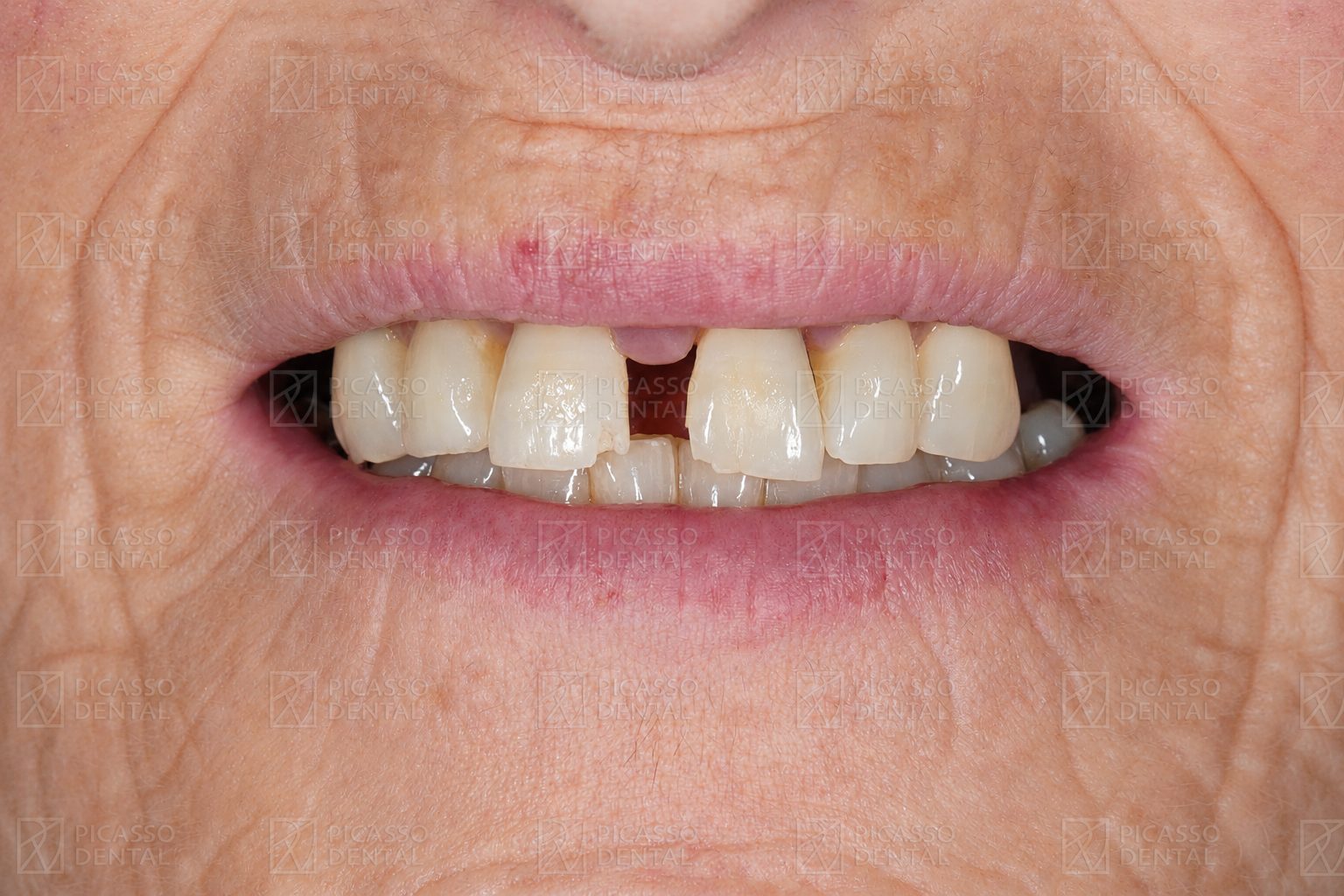 Before
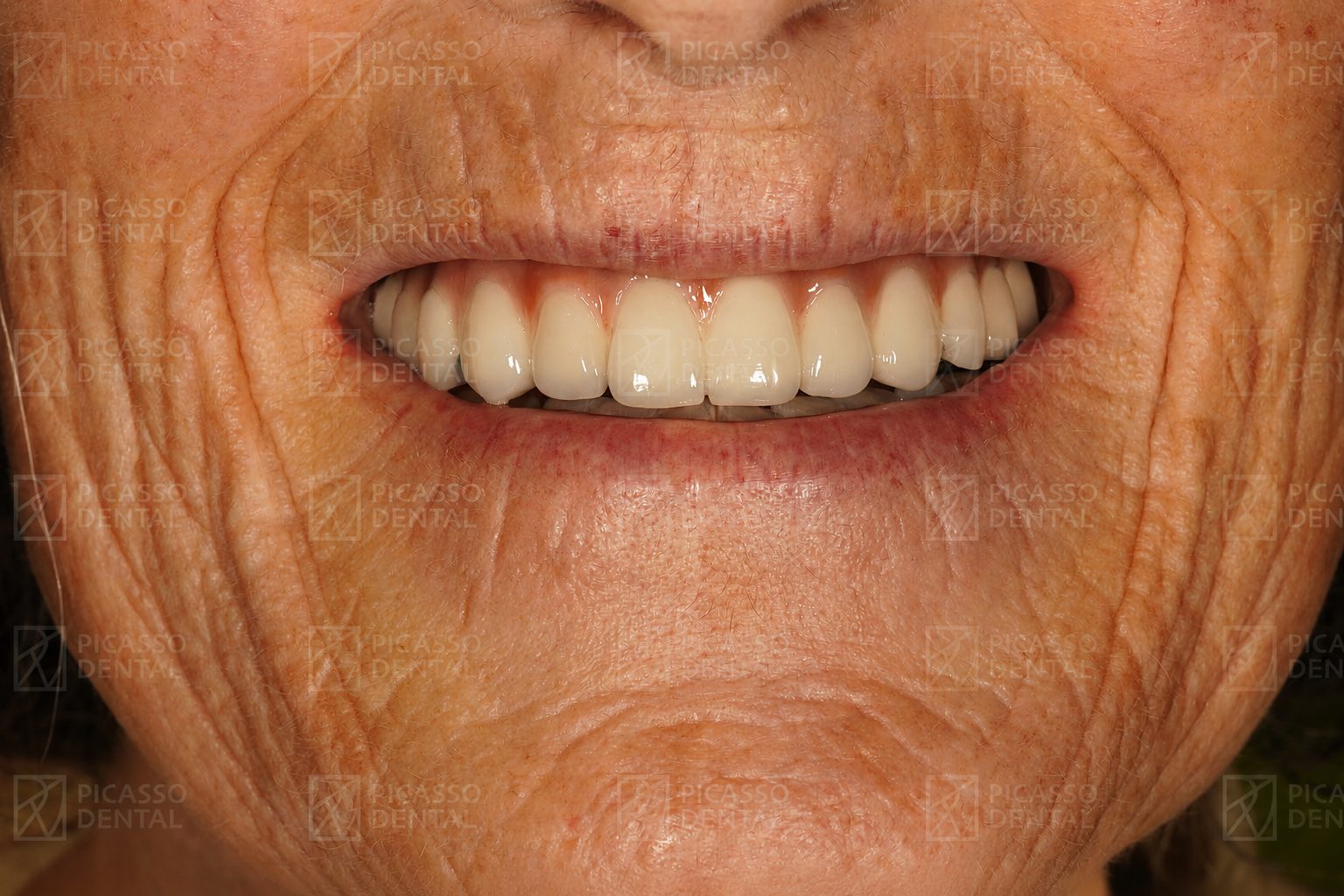 After
AfterFull rehabilitation, Hanoi Old Quarter
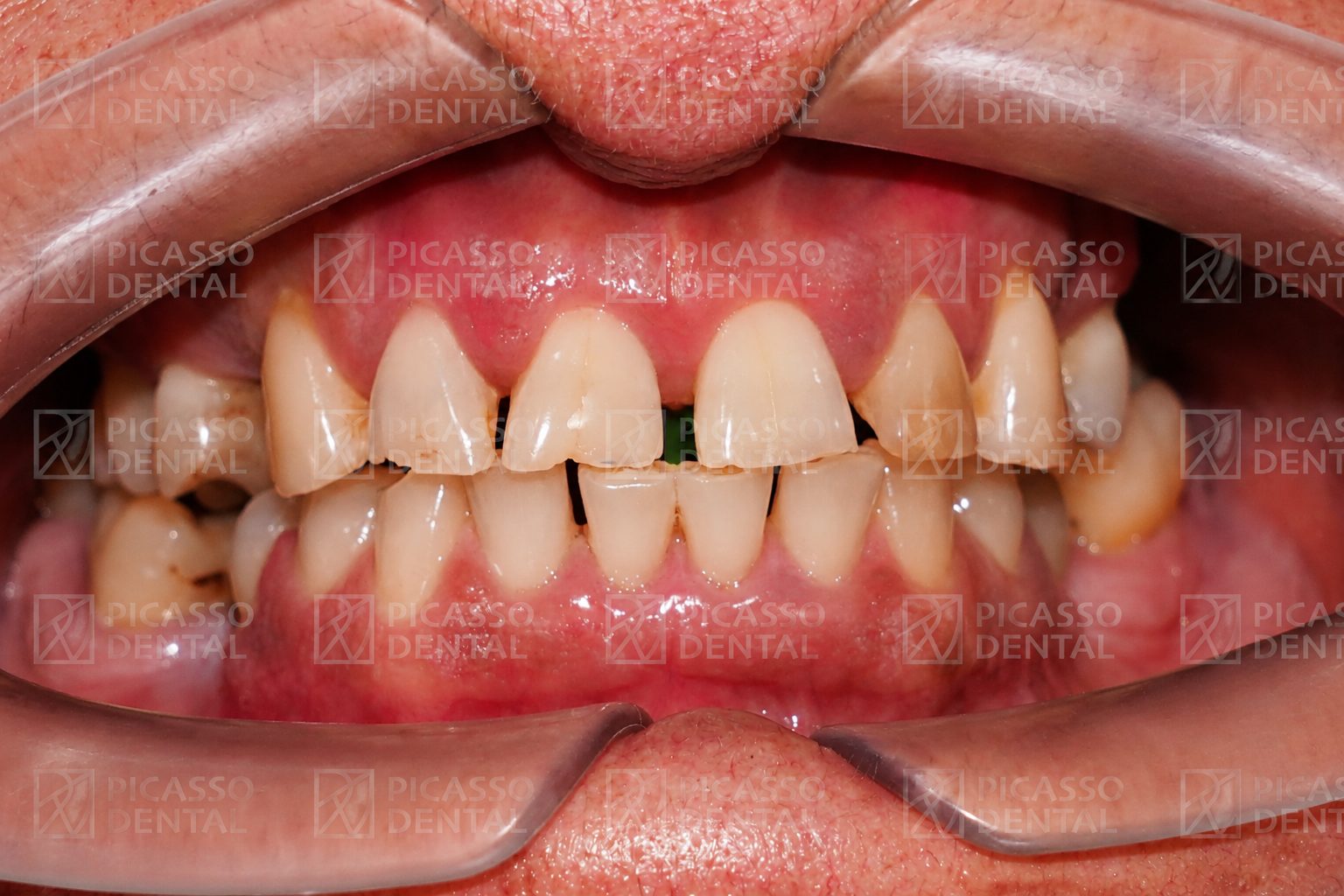 Before
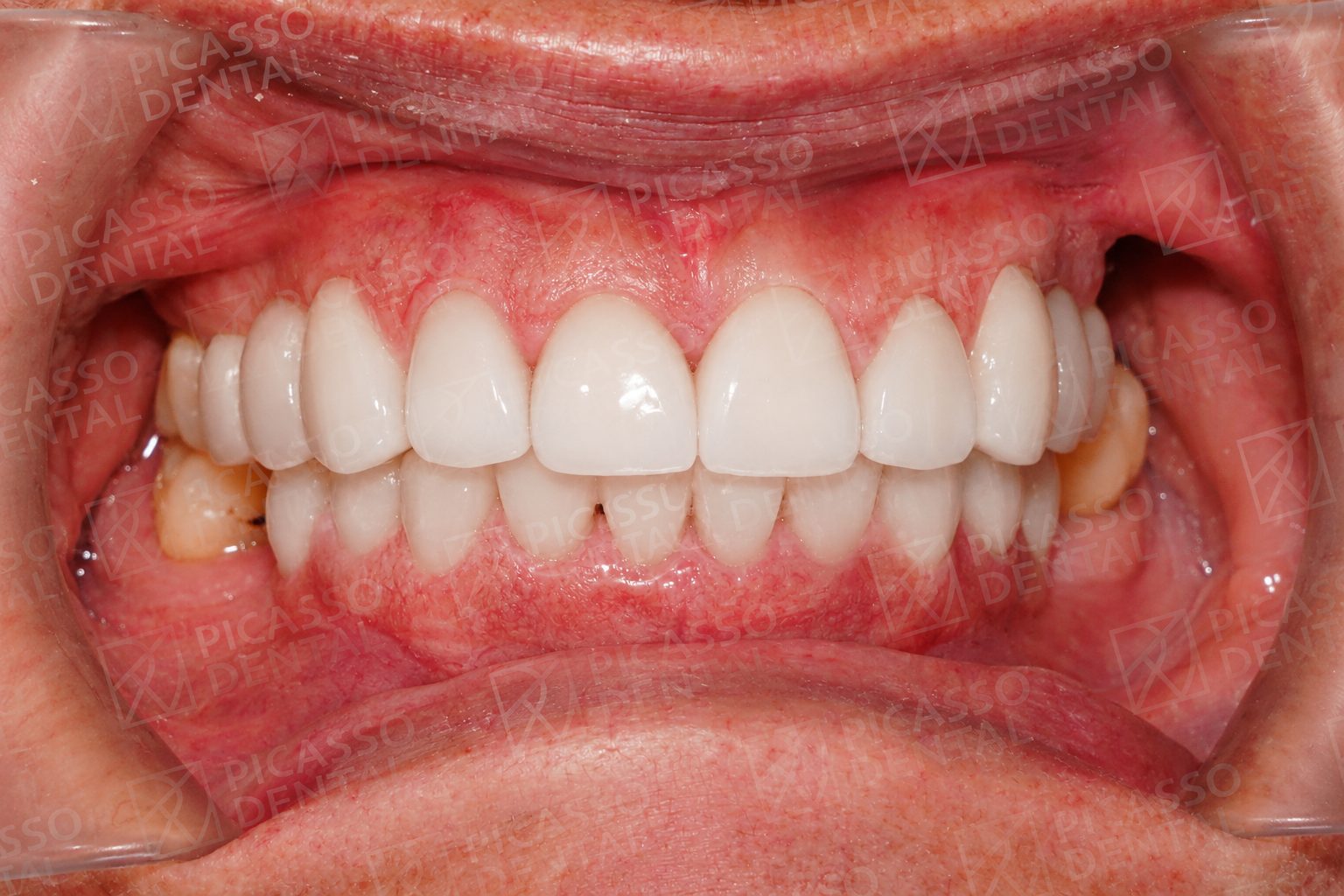 After
AfterCrown and restoration, Da Nang
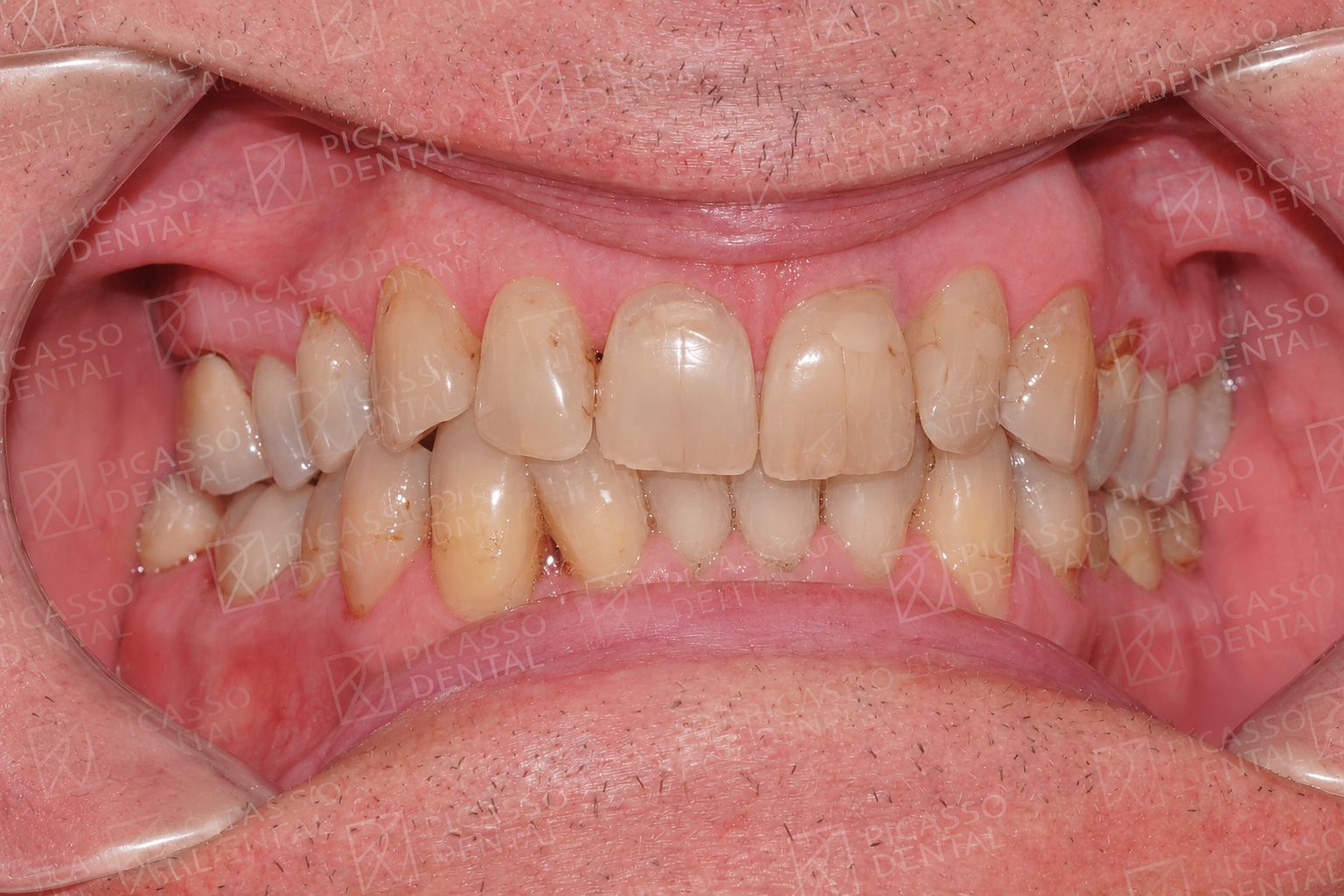 Before
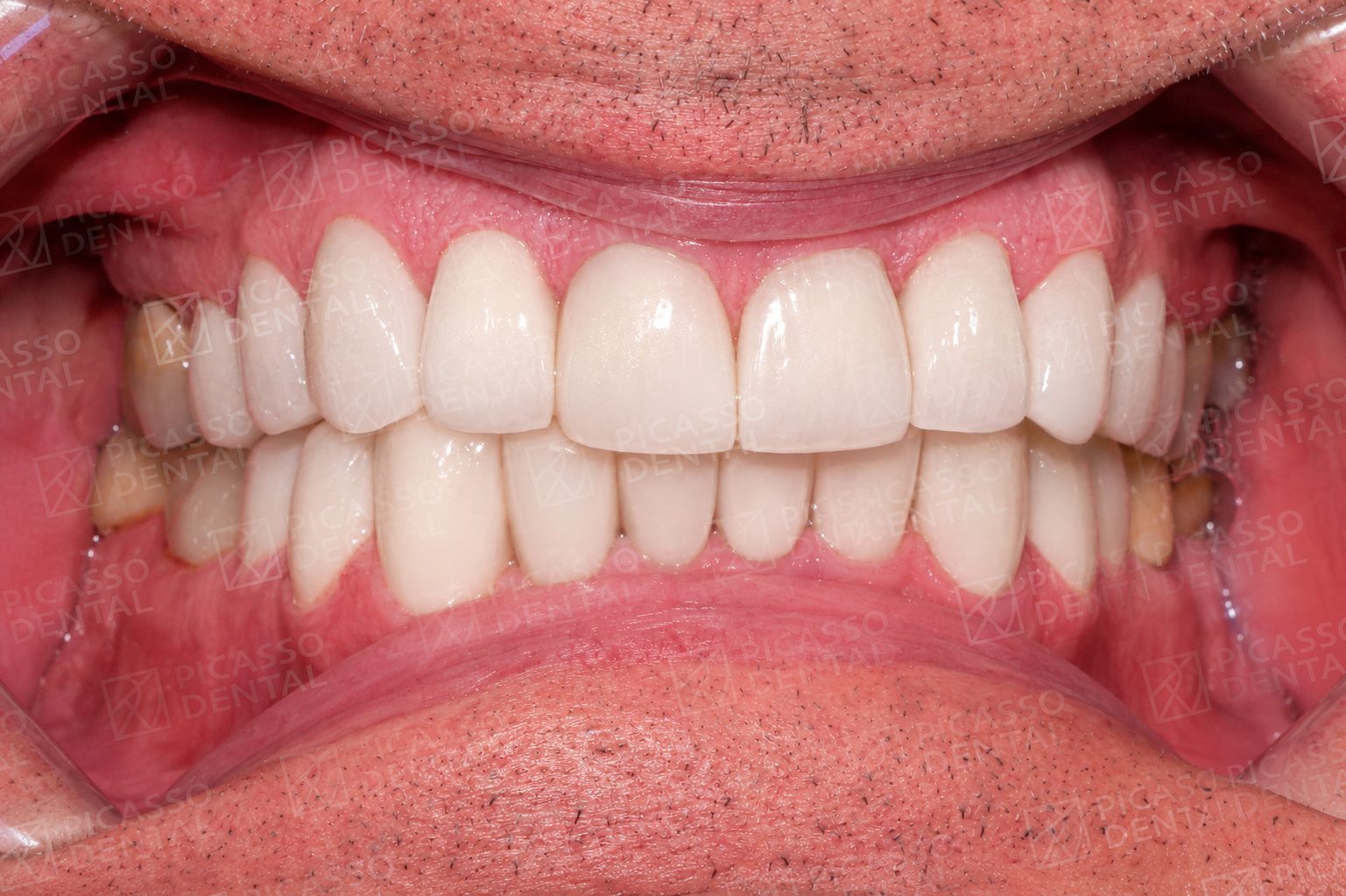 After
AfterCrown and implant, HCMC Thao Dien
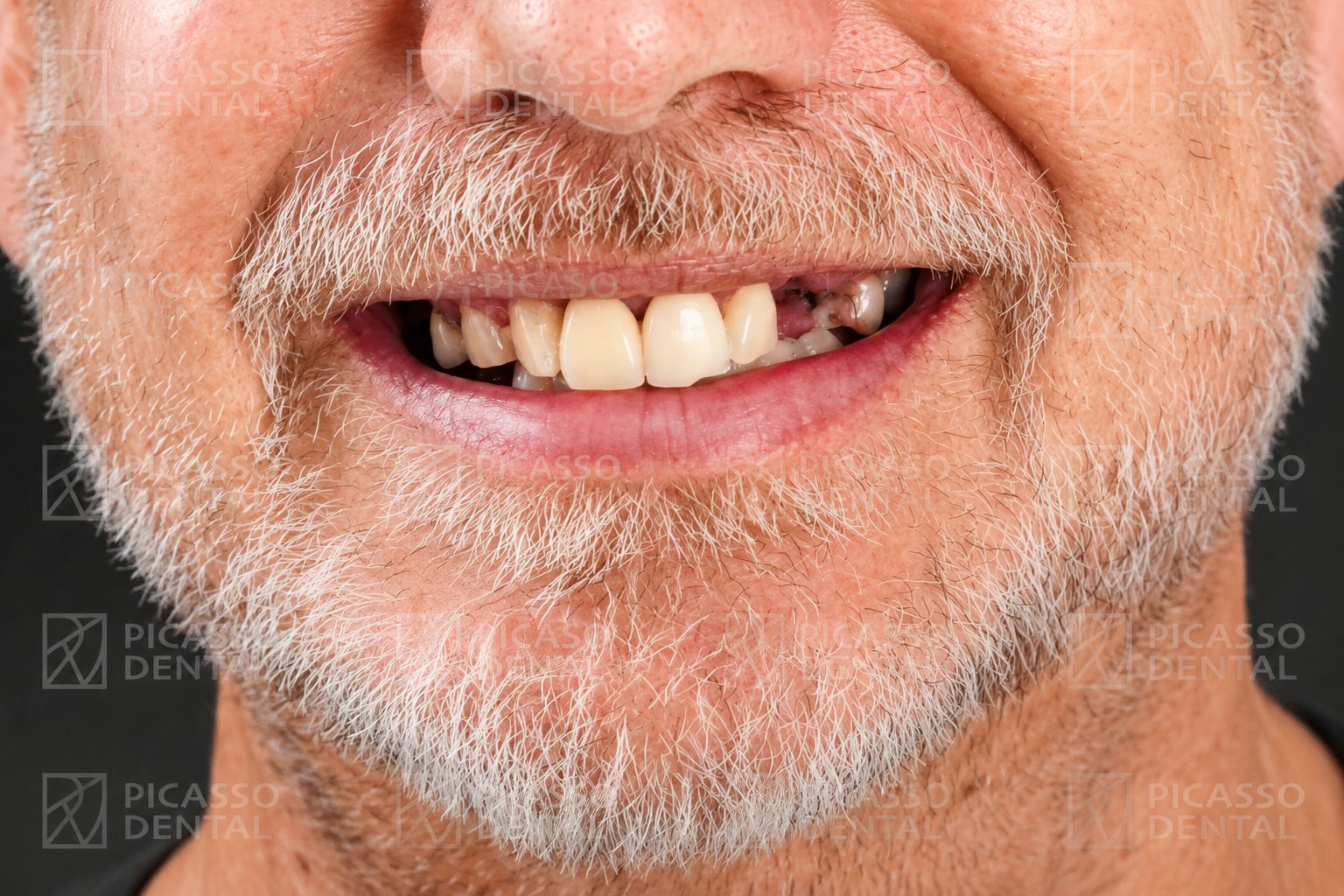 Before
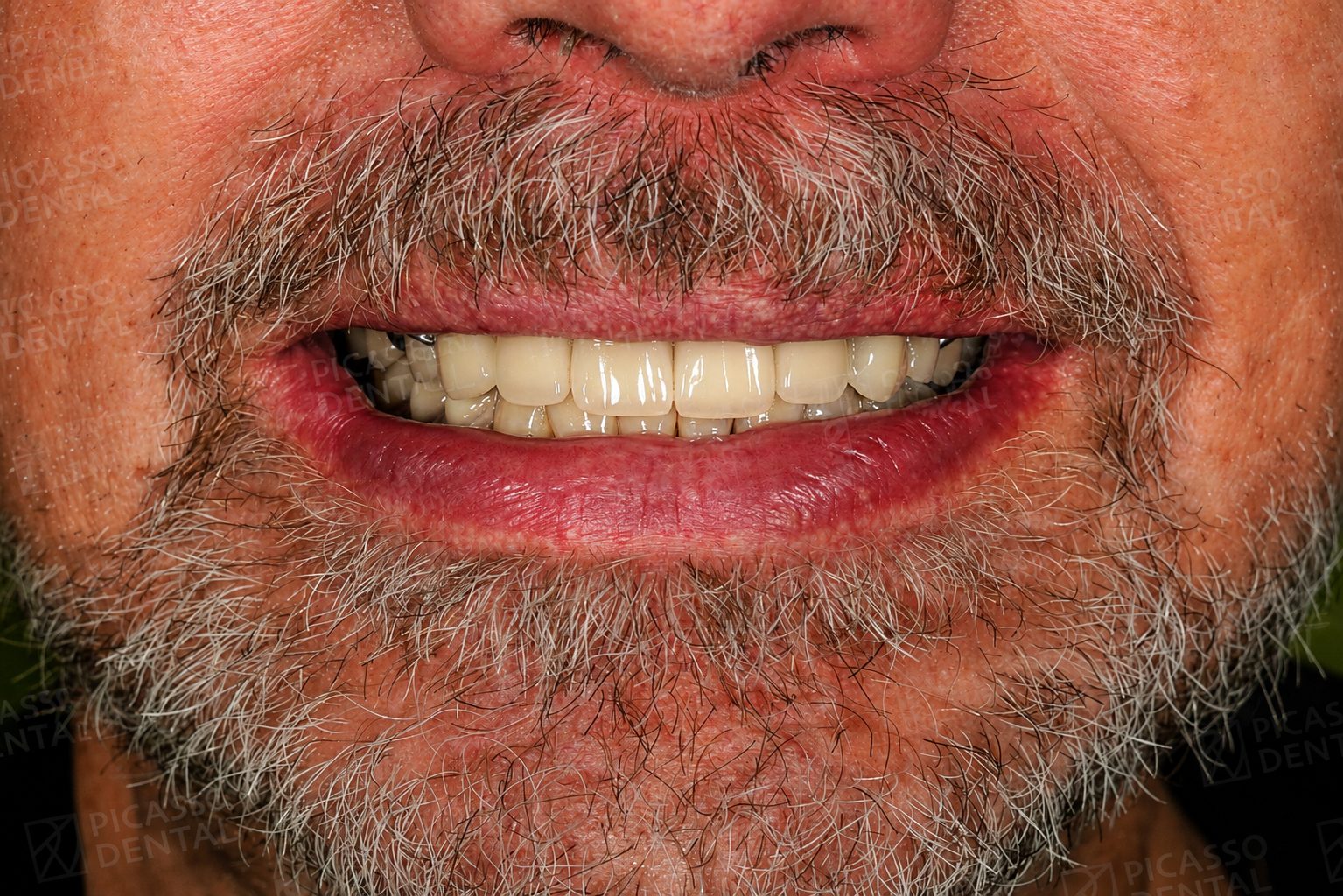 After
AfterCrown restoration, Hanoi Westlake
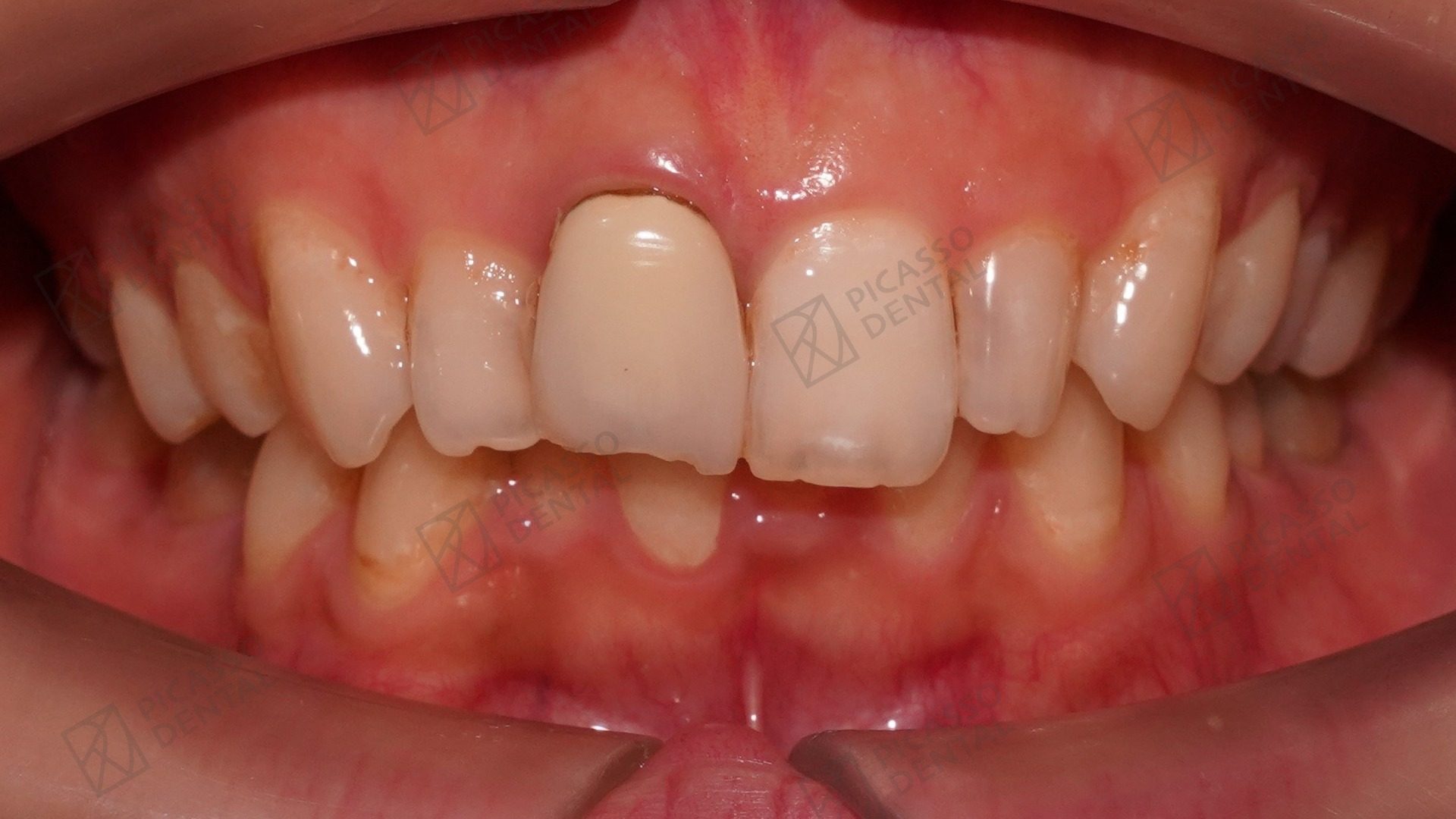 Before
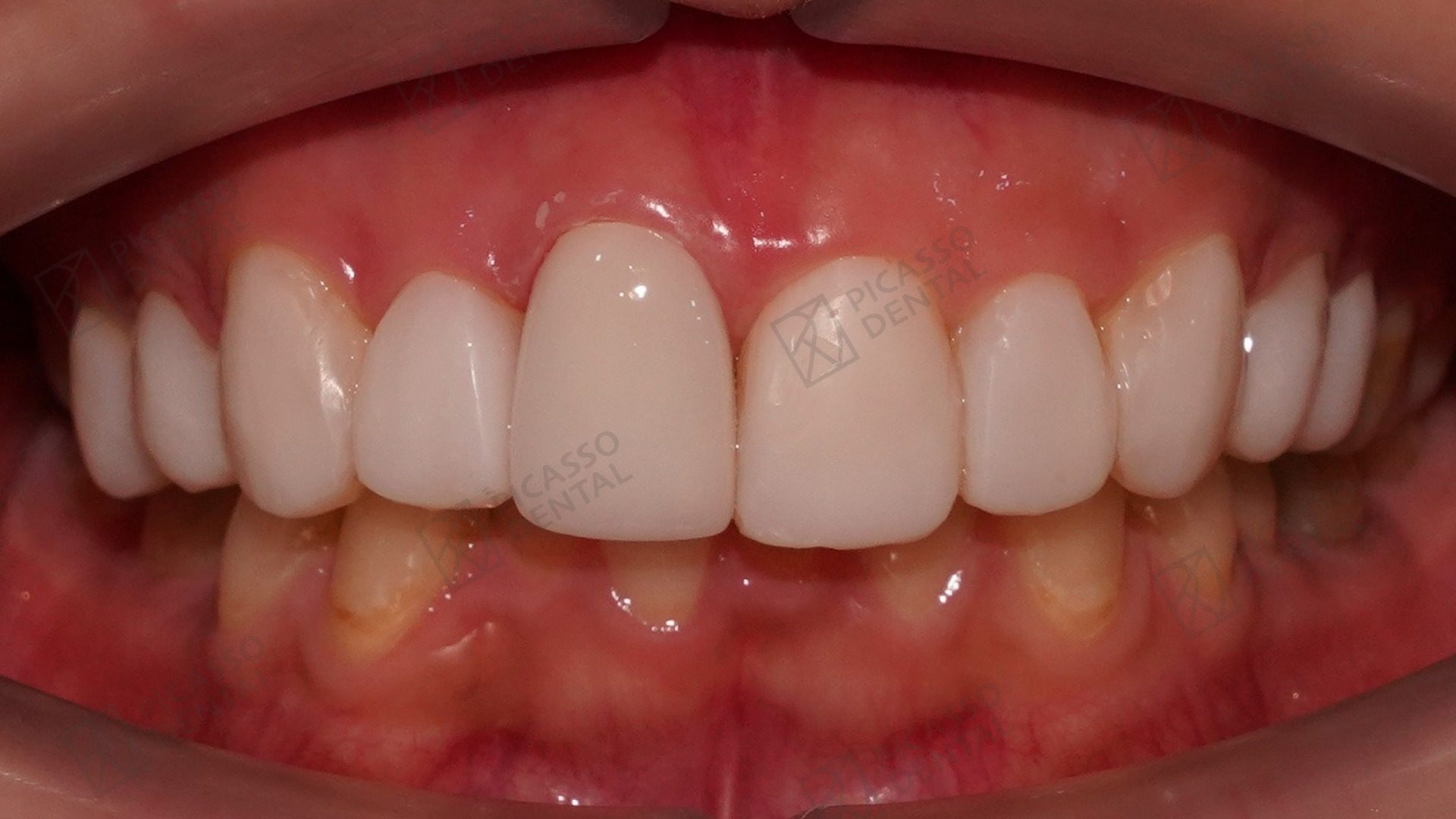 After
AfterSmile restoration, Da Nang Flagship
Frequently Asked Questions
What is the main alternative to root canal treatment?
The main alternative is tooth extraction. Once a tooth's pulp is infected or dead, only two options resolve the problem: root canal treatment (removes infected pulp and saves the tooth) or extraction (removes the tooth entirely). Antibiotics provide temporary relief but cannot eliminate infection inside sealed root canals. Doing nothing allows the infection to progress to abscess, bone loss, and eventual tooth loss.
Can antibiotics replace root canal treatment?
No. Antibiotics reduce infection in surrounding tissues and provide temporary relief, but they cannot penetrate deeply enough into the sealed root canal space to eliminate the source of infection. Once antibiotics are stopped, the infection returns because the bacteria inside the tooth remain untreated. Antibiotics are used alongside dental treatment, not instead of it.
What is pulp capping and when does it work?
Pulp capping places a medicated dressing on exposed or nearly exposed pulp after removing deep decay. It works only in very early situations where the pulp is exposed but not yet infected, with no history of spontaneous pain. Success rates are unpredictable even under ideal conditions. Once infection has established inside the pulp, pulp capping fails and root canal treatment becomes necessary.
What happens if I do nothing instead of having a root canal?
Dental infections do not resolve on their own. Without treatment, the infection spreads to surrounding bone, an abscess forms, and bone is progressively destroyed. The tooth eventually loosens and requires extraction under worse conditions than if treated early. In serious cases, infection spreads to the jaw, sinuses, or airway, requiring hospitalisation.
If I choose extraction instead of root canal, what are my replacement options?
A dental implant is the closest functional equivalent to a natural tooth, but requires surgery and 3 to 6 months for osseointegration. A bridge involves crowning the adjacent healthy teeth to support an artificial tooth across the gap. A partial denture is removable and less stable. None of these options matches the long-term function and bone preservation of a natural tooth saved by root canal treatment.
Is extraction cheaper than root canal treatment?
Extraction alone costs less than root canal treatment plus crown. However, leaving the gap causes bone resorption, neighbouring tooth drift, and bite problems over time. Replacing the tooth with an implant typically costs more than root canal treatment plus crown would have. The total lifetime cost of extraction plus replacement usually exceeds the cost of saving the tooth.
How much does root canal treatment cost at Picasso Dental?
At Picasso Dental, root canal treatment on a molar including a porcelain crown costs significantly less than equivalent treatment in Australia, the UK, or the US. For current pricing specific to your tooth and situation, contact us via the form at picassodental.vn/contact/.
Is it safe to travel to Vietnam for root canal treatment?
Root canal treatment at Picasso Dental uses the same rotary endodontic instruments, digital X-ray systems, and internationally recognised dental materials used in equivalent practices in Australia, the UK, and the US. Most root canals are completed in one or two visits. Patients from 65 nationalities have been treated across Picasso Dental's six branches in Hanoi, Da Nang, and Ho Chi Minh City.
Start Here
Get an honest assessment of your tooth.
Send your dental X-ray and describe your symptoms. Dr. Emily Nguyen reviews your case and replies with a written assessment of whether root canal treatment, extraction, or another option is appropriate. No obligation.