Orthodontics
Alternatives to Invisalign
Which Option Fits Your Case
Invisalign is one of several ways to straighten teeth. ClearCorrect, ceramic braces, lingual braces, and even porcelain veneers each suit different situations. This guide explains what each option does, when it works better than Invisalign, and when it does not.

Key Takeaways
- ClearCorrect and SureSmile are the closest clear aligner alternatives to Invisalign, with comparable results for mild to moderate cases at a lower cost.
- Ceramic braces offer more predictable control over complex rotations and bite corrections that aligners struggle with.
- Lingual braces are completely hidden, bonded to the back surfaces of teeth, and suit patients who need the power of fixed appliances without visible brackets.
- Porcelain veneers are not orthodontic treatment. They mask the appearance of misalignment without moving teeth, suitable only for mild cosmetic concerns.
- The treating orthodontist's experience planning and monitoring a case matters more than the brand of aligner used.
Clear Aligner Alternatives: ClearCorrect and SureSmile
Invisalign is the most recognised clear aligner brand, but it is not the only one. ClearCorrect and SureSmile operate on identical principles: a series of custom-made transparent plastic trays, each worn for one to two weeks, gradually shifting teeth toward the planned final position. From across the room, no one can tell which brand you are wearing.
ClearCorrect typically costs less than Invisalign for equivalent cases. The trays are virtually indistinguishable in daily use. Treatment for moderate cases runs 12 to 18 months with both systems. SureSmile uses advanced 3D imaging and treatment planning software that some clinicians find more accurate for predicting tooth movements in complex cases. The clinical results for mild to moderate misalignment are comparable across all three brands.
What matters more than the brand is the orthodontist planning the case. Clear aligner treatment requires careful tooth-by-tooth movement planning, appropriate use of attachments (small bonded tooth-coloured bumps that help aligners grip and move specific teeth), and regular monitoring to catch any teeth not tracking the plan. An experienced orthodontist achieves good results with multiple aligner brands. A poorly planned case delivers poor results regardless of brand.
Ceramic Braces for Complex or High-Compliance Cases
Ceramic braces work exactly like traditional metal braces. Brackets are bonded to the front surfaces of the teeth and connected by a wire that applies continuous controlled force to move teeth. The difference from metal braces is purely cosmetic: ceramic or tooth-coloured brackets blend with the natural tooth colour. The connecting wire remains visible, but from conversational distance, ceramic braces are significantly less noticeable than metal.
The clinical advantage over clear aligners is precision and compliance. Fixed appliances are always working because they cannot be removed. This matters for complex rotations (beyond 20 degrees), significant crowding, intrusion movements, or cases where bite alignment needs correction. Aligners have improved substantially over the years, but fixed appliances still offer more reliable control for the most demanding movements.
"The best orthodontic treatment is the one a patient will actually complete consistently. For some patients, that is aligners. For others, it is fixed braces."
Dr. Duong Ho, Orthodontist, Picasso Dental ClinicTreatment time with ceramic braces runs 18 to 24 months for most cases, similar to metal braces. The main limitation is staining: ceramic brackets absorb colour from coffee, tea, turmeric, and red wine if not cleaned diligently after each meal. Patients who consume these regularly and cannot commit to thorough brushing after eating may find the brackets yellowing over the course of treatment.
Lingual Braces: Completely Hidden Fixed Appliances
Lingual braces are bonded to the back (tongue-side) surfaces of the teeth rather than the front. From any angle outside the mouth, they are completely invisible. Even at close conversational distance, they cannot be seen. This makes them the option of choice for patients who need the clinical capability of fixed braces but work in roles where appearance is important: presenting on camera, public speaking, client-facing work.
The adjustment period is real and worth understanding before committing. The tongue contacts the brackets continuously during the first few weeks, causing temporary soreness and speech changes. Most patients adapt within two to four weeks. Once adapted, lingual braces function no differently from the patient's perspective than any other fixed appliance, except they remain hidden throughout treatment.
Lingual braces cost more than ceramic or metal braces because each bracket is custom fabricated to the unique shape of that patient's individual tooth. Placement is technically demanding and requires specialist training. Treatment time is comparable to conventional fixed braces: 18 to 30 months depending on case complexity. The final clinical result is identical to front-facing fixed appliances.
Porcelain Veneers as a Non-Orthodontic Option
Porcelain veneers do not move teeth. This distinction is essential. Veneers are thin porcelain shells bonded to the front surfaces of teeth, reshaping their apparent width, length, alignment, and colour. The underlying teeth remain in their original positions. For patients with mild cosmetic irregularities where actual tooth movement is not required for function, veneers deliver results in 7 to 10 days instead of 12 to 24 months.
Veneers are appropriate when misalignment is minor and confined to the front six to eight teeth, when there is no bite problem requiring correction, and when the patient understands and accepts that the teeth are not actually being moved. They are not appropriate for significant crowding, overlap, or any case where how the teeth meet needs to change. Placing veneers on a case requiring orthodontic correction can mask a problem that affects long-term dental health.
Veneers are appropriate when
- Misalignment is mild and cosmetic only
- Bite relationship is normal
- Results needed within weeks, not months
- Discoloration accompanies alignment concerns
- Chips, worn edges, or irregular shapes present
Veneers are not appropriate when
- Significant crowding or overlap present
- Bite correction is required
- Gum disease or active decay present
- Heavy grinding without nightguard use
- Teeth are severely rotated beyond cosmetic masking
How to Choose the Right Option for Your Case
A clinical examination and X-rays are required to match the right treatment to your specific situation. The key variables are the severity and type of tooth movement needed, the current bite relationship, existing dental work, and your lifestyle and compliance tendencies.
- Mild to moderate crowding or spacing, good complianceClearCorrect, SureSmile, or Invisalign are all reasonable options. Cost and brand preference guide the final selection. A thorough case plan with appropriate attachments is more important than the brand chosen.
- Complex rotations, bite correction, or unpredictable complianceCeramic braces deliver more reliable results. Fixed appliances work continuously without depending on the patient removing and replacing trays correctly.
- Need for fixed appliances with no visible bracketsLingual braces provide full fixed appliance capability with complete aesthetic discretion. Budget for a higher cost and a four-week adaptation period for tongue comfort.
- Mild cosmetic irregularities, no bite issue, results needed quicklyPorcelain veneers may be more appropriate than orthodontics. A consultation is needed to confirm the bite relationship is normal and veneers are clinically safe.
Not sure which option fits your case? Dr. Duong Ho conducts a comprehensive orthodontic assessment and presents all appropriate options with comparative costs before any treatment is confirmed.
Book an AssessmentPatient Cases
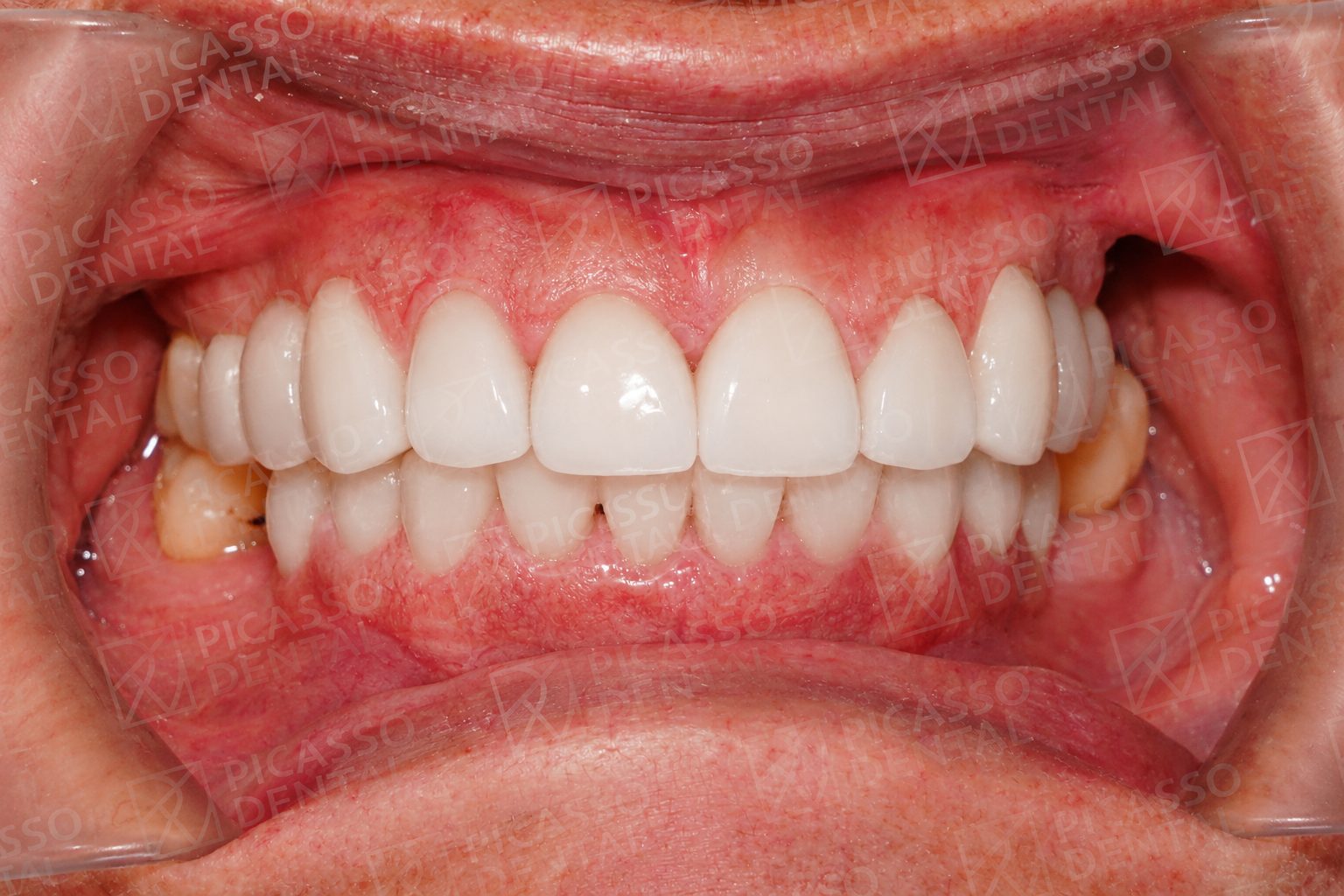
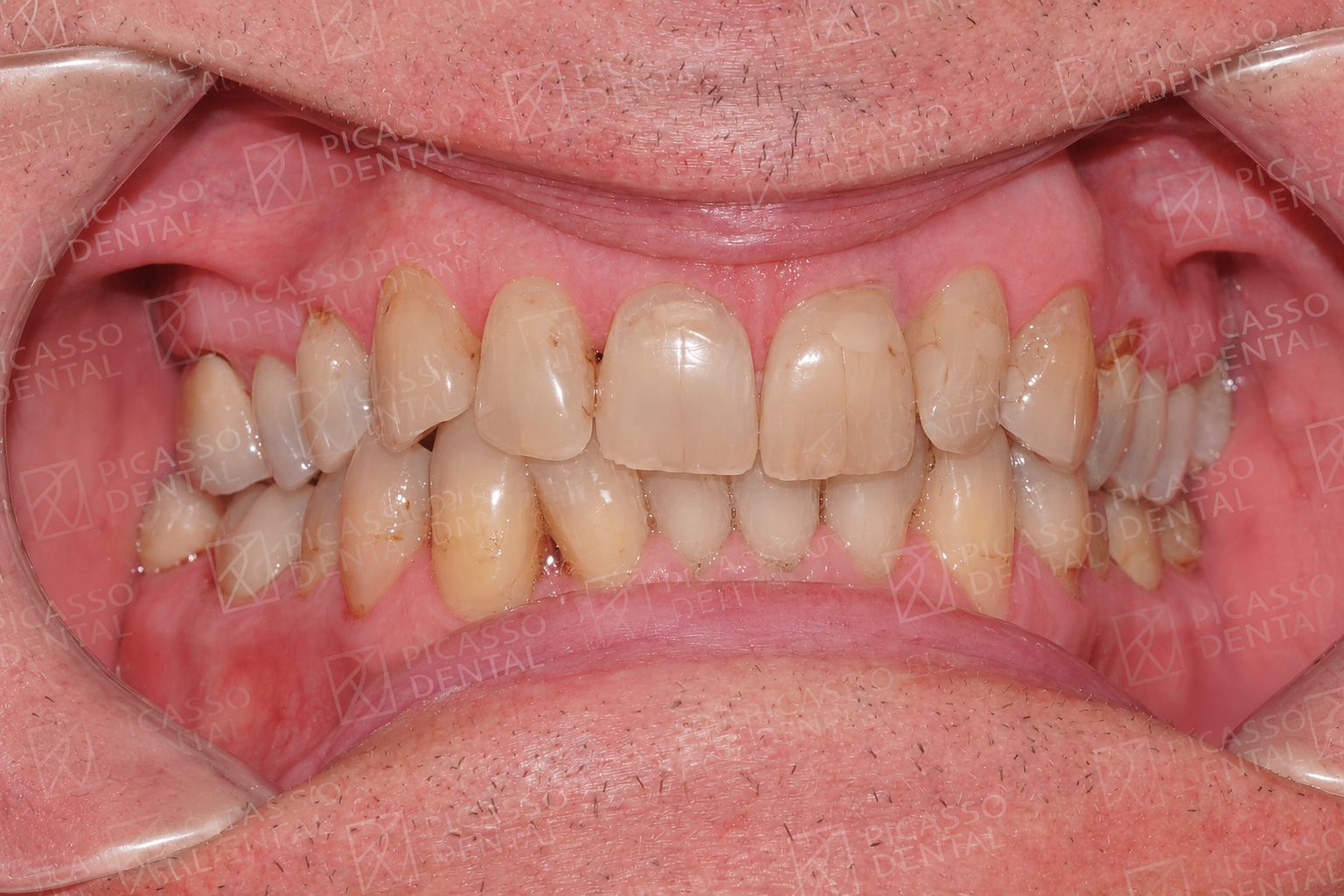
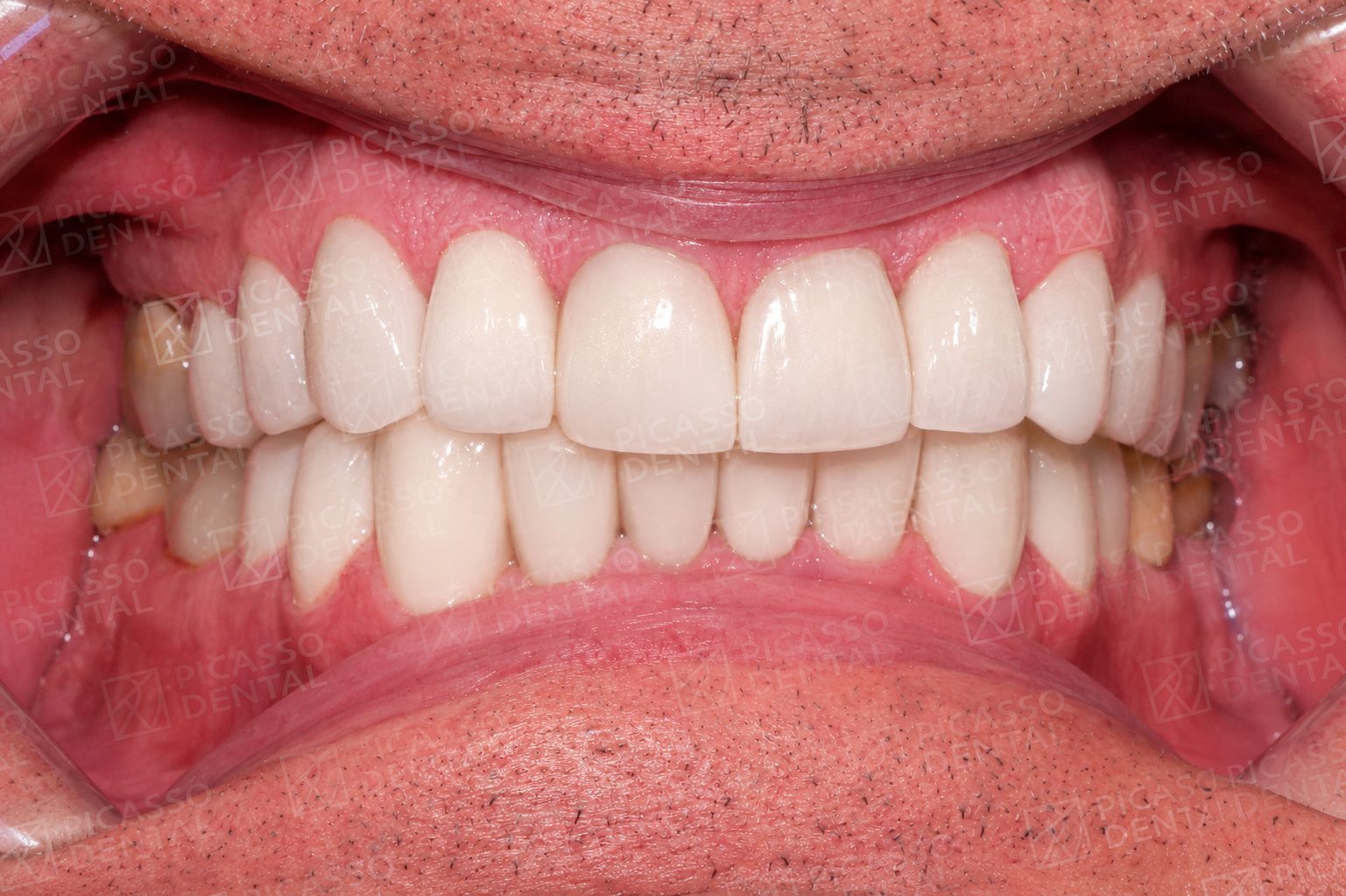
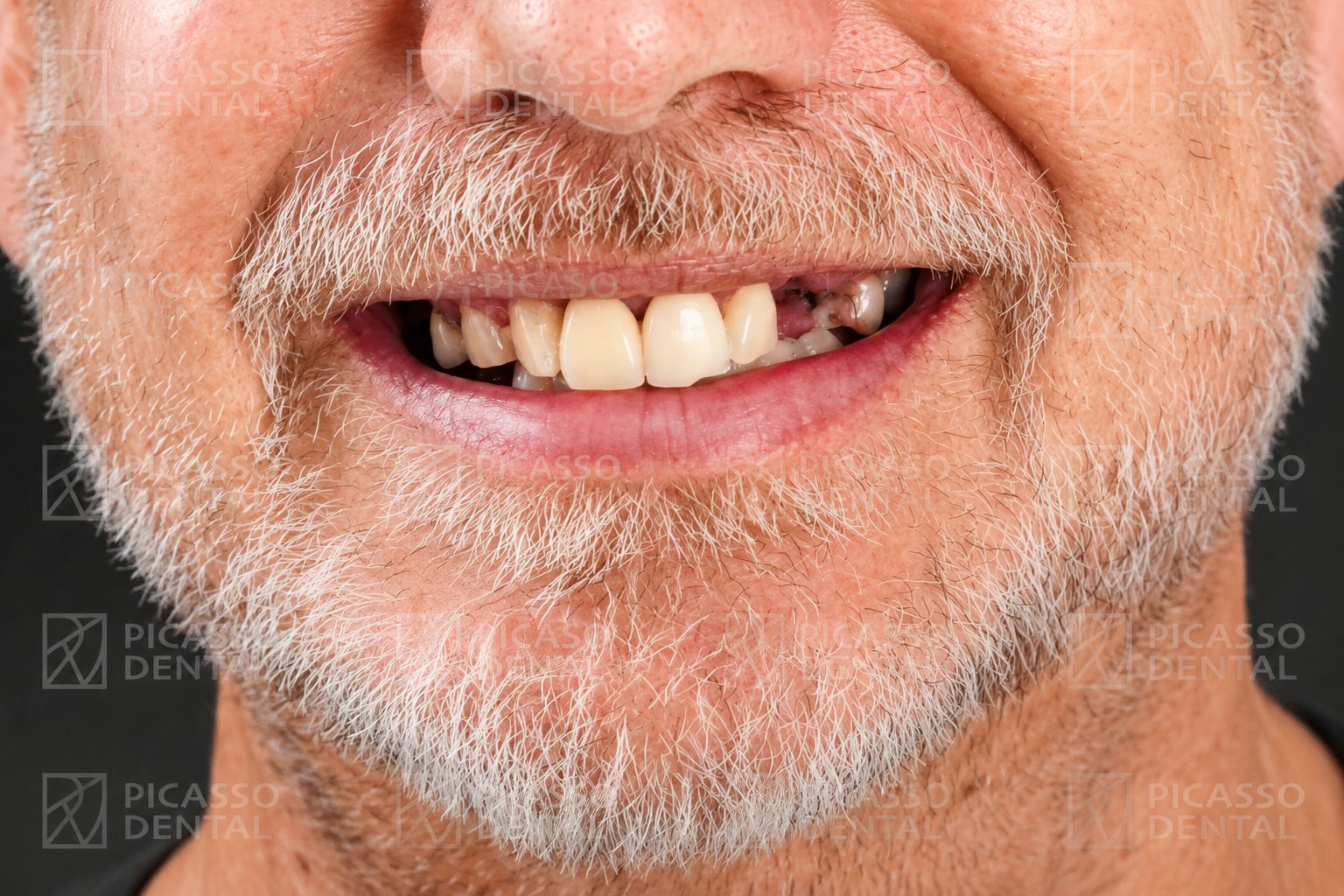
Smile corrections from patients treated at Picasso Dental across orthodontic and cosmetic options.
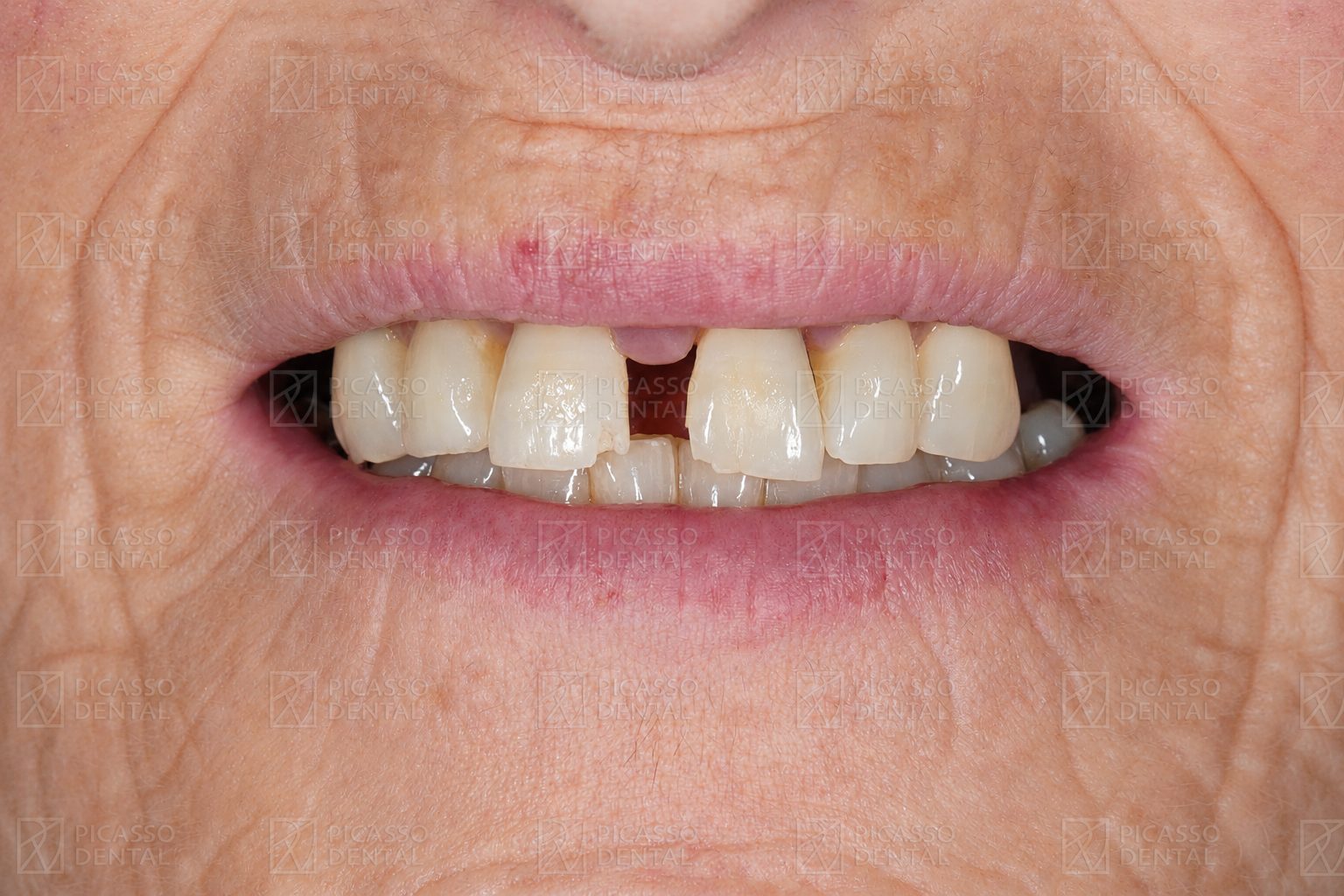 Before
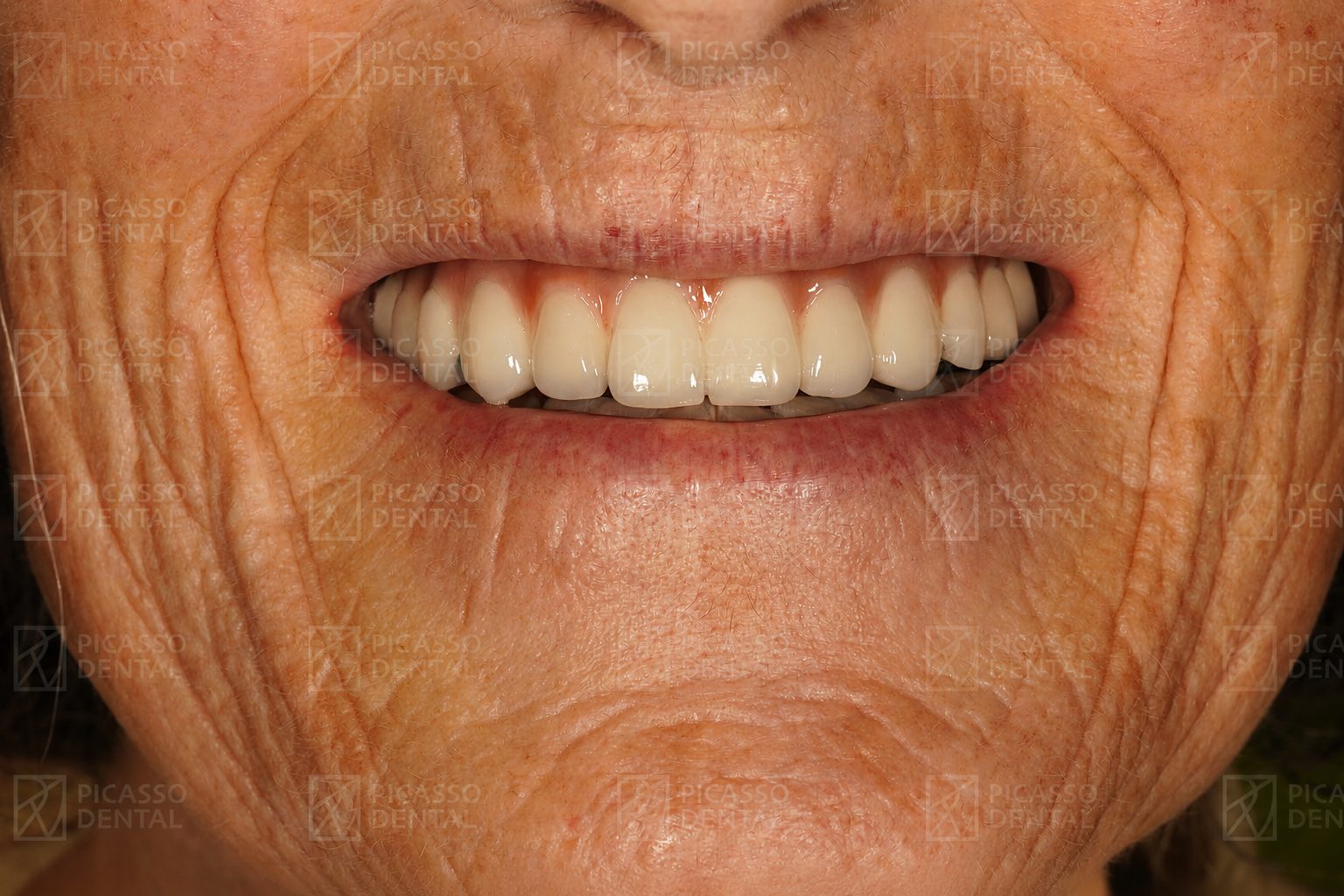 After
AfterFull rehabilitation, Hanoi Old Quarter
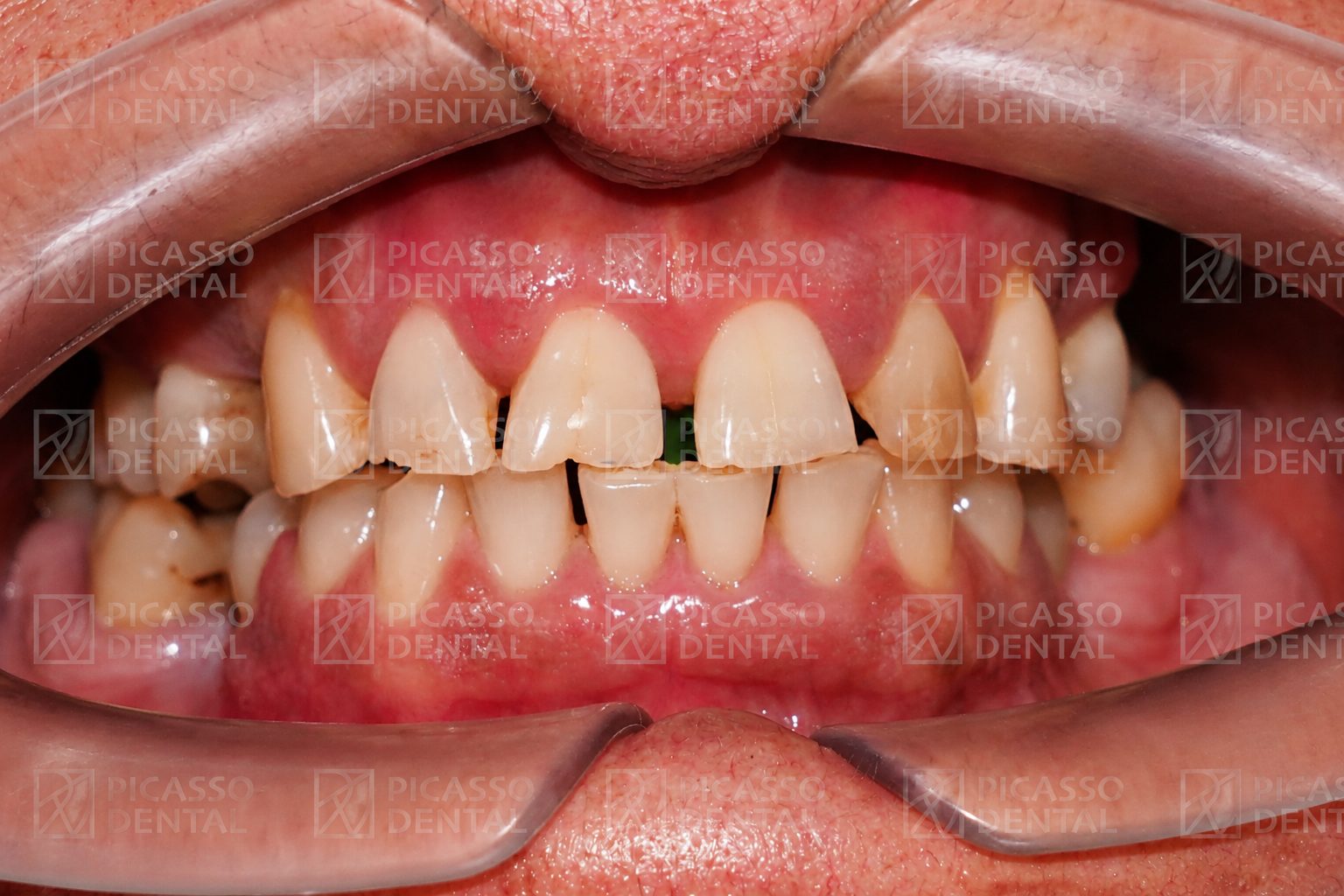 Before
 After
AfterSmile makeover, Da Nang
 Before
 After
AfterSmile restoration, HCMC Thao Dien
 Before
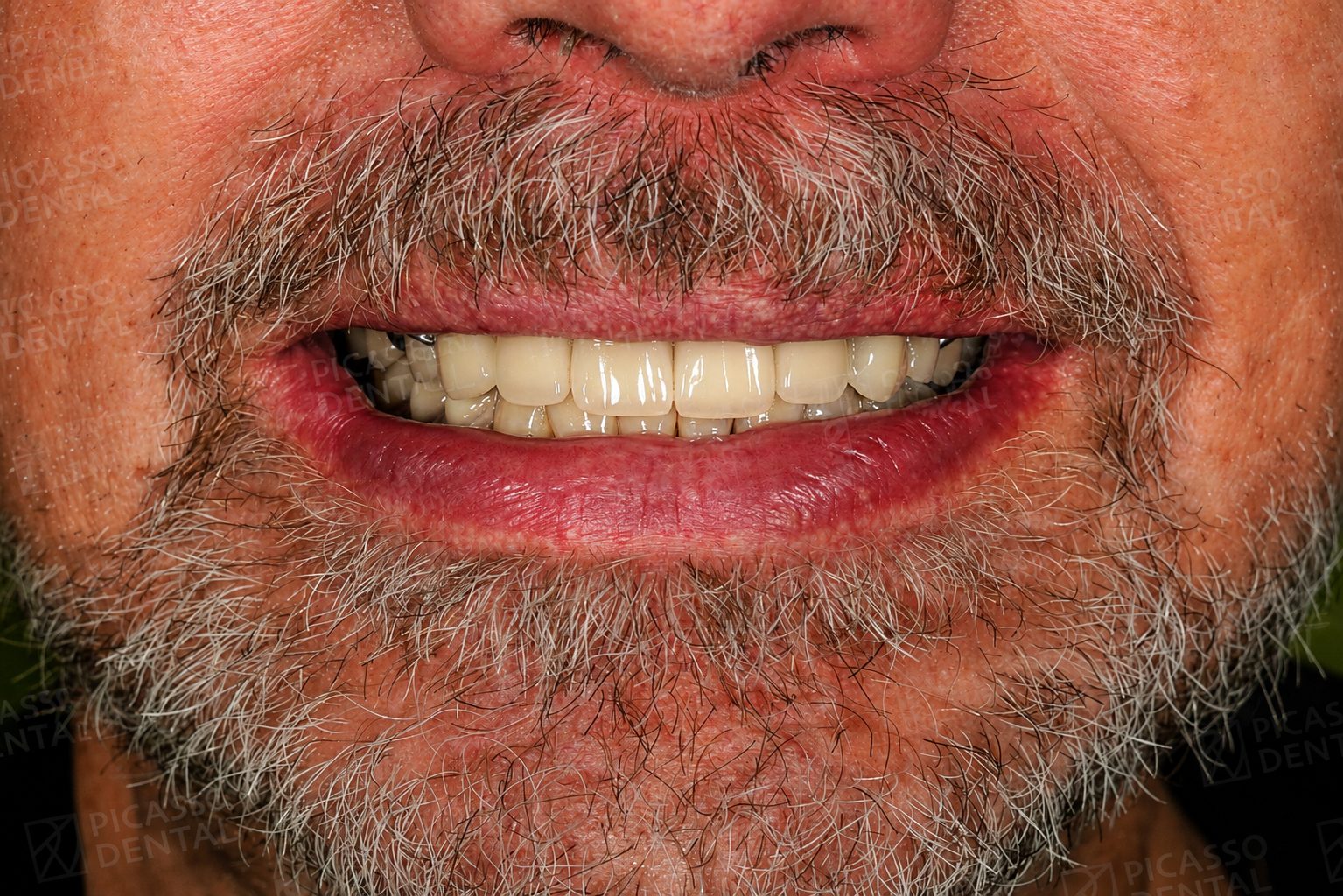 After
AfterCosmetic correction, Hanoi Westlake
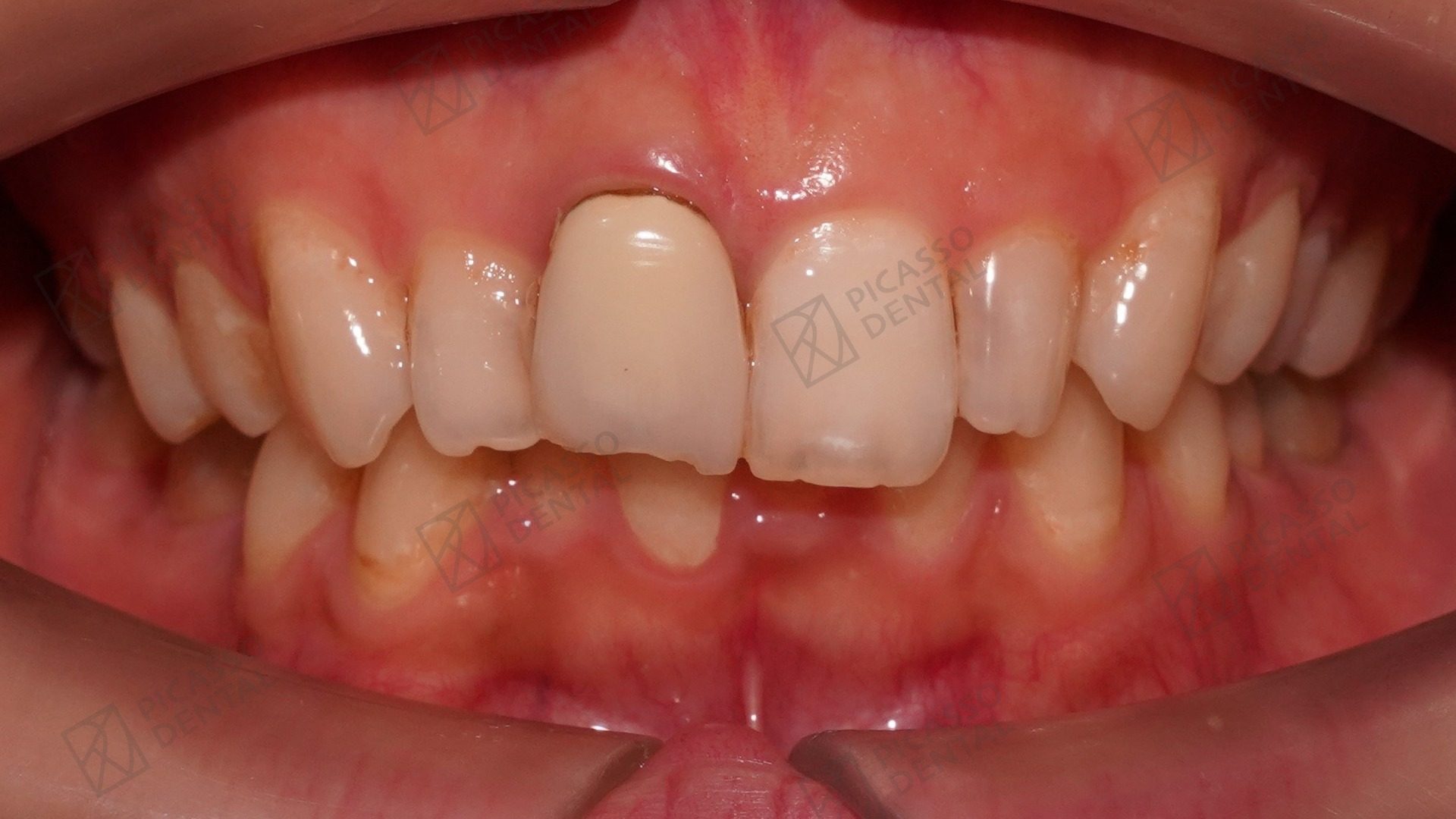 Before
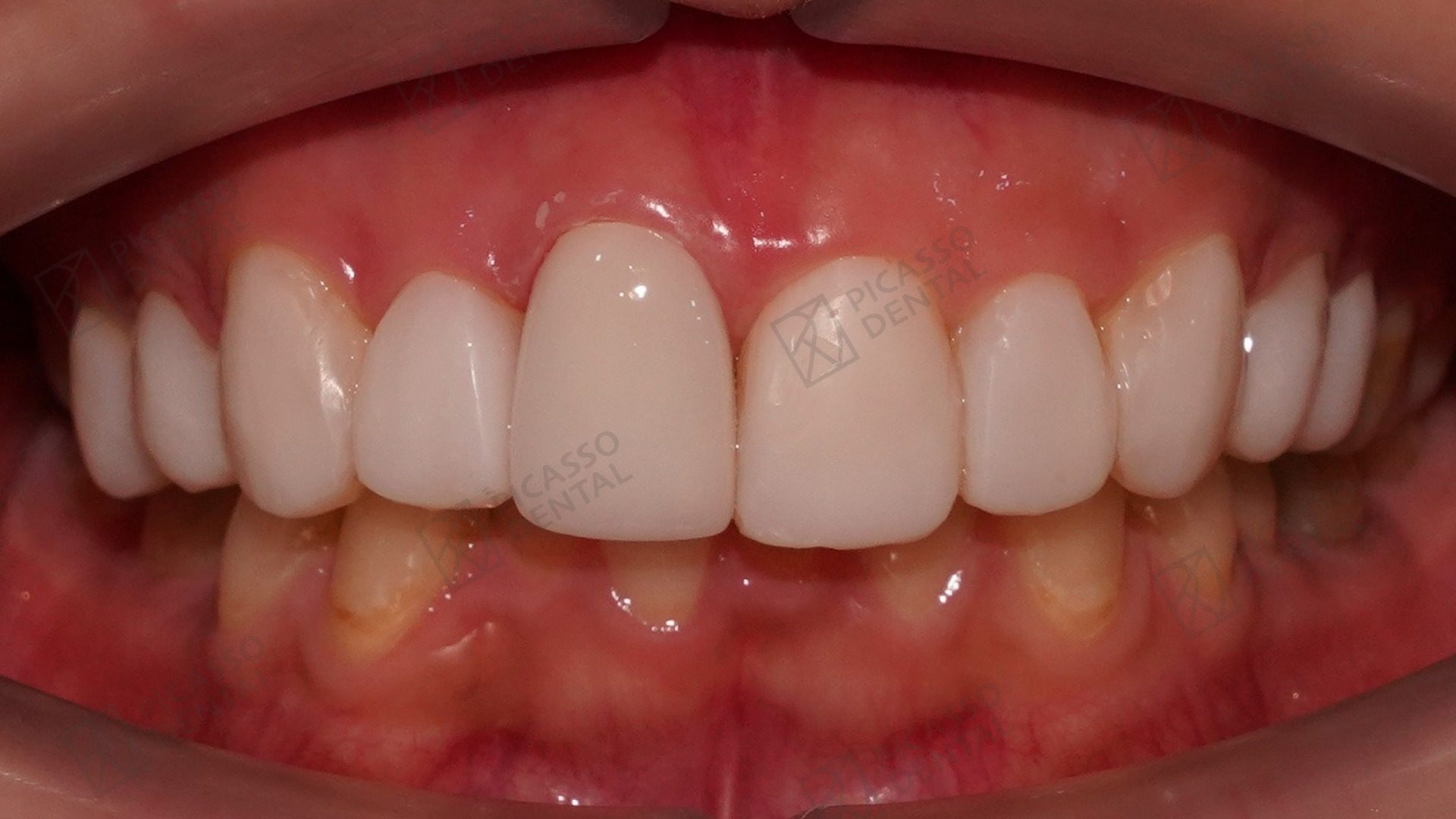 After
AfterSmile restoration, Da Nang Flagship
Frequently Asked Questions
What is the best alternative to Invisalign?
There is no single best alternative. ClearCorrect and SureSmile are the closest alternatives for patients who want clear aligners at a lower cost. Ceramic braces are preferable for complex cases requiring more precise tooth control. Lingual braces are completely hidden and suit patients who need fixed appliances without visible brackets. Porcelain veneers are not orthodontic treatment but can create the appearance of straightness for mild cosmetic concerns. The right choice depends on your specific case, lifestyle, and budget.
Is ClearCorrect as good as Invisalign?
ClearCorrect and Invisalign use the same principle of sequential clear aligner trays. For mild to moderate cases, clinical results are comparable between the two systems. The main differences are cost (ClearCorrect is typically less expensive) and some material differences. The treating orthodontist's experience in planning and monitoring the case matters more than the brand choice for the final outcome.
Are ceramic braces more effective than Invisalign?
Ceramic braces offer more precise control over specific tooth movements, particularly rotations beyond 20 degrees, intrusion, and bite correction. For complex cases, fixed appliances are more predictable than clear aligners. For mild to moderate cases, the clinical results are comparable. Fixed braces also do not require patient compliance with wear time, which makes them more reliable when consistent aligner use is unlikely.
What are lingual braces and are they better than Invisalign?
Lingual braces are fixed brackets and wires bonded to the inside (tongue-side) surfaces of the teeth, making them completely invisible from the front. They offer the same clinical capability as conventional fixed braces with full aesthetic discretion. They are not better or worse than Invisalign in terms of outcomes. They suit patients who need predictable fixed appliance treatment but cannot have visible brackets.
Can veneers replace orthodontic treatment?
Porcelain veneers do not move teeth. They mask the appearance of misalignment by covering front tooth surfaces with shaped porcelain. Veneers are appropriate for mild cosmetic irregularities where actual tooth movement is not required for function. They are not appropriate for significant crowding, bite problems, or cases where how the teeth meet needs to change. An orthodontic consultation is needed to determine whether your case requires actual tooth movement.
How long does treatment take with Invisalign alternatives?
ClearCorrect and SureSmile: 12 to 18 months for moderate cases. Ceramic braces: 18 to 24 months. Lingual braces: 18 to 30 months. Porcelain veneers: 7 to 10 days across two visits, though this does not involve tooth movement. All orthodontic treatment times depend on case complexity.
Which alternative to Invisalign is least expensive?
At Picasso Dental, ClearCorrect is typically the most accessible clear aligner option. Ceramic braces fall in a similar cost range. Lingual braces cost more due to custom bracket fabrication and the specialised placement technique. Contact us via the form at picassodental.vn/contact/ for a written assessment of the options appropriate for your case.
How do I know which option is right for me?
A clinical examination and X-rays are required. Factors assessed include the severity and type of misalignment, bone levels, bite relationship, and your lifestyle. Dr. Duong Ho conducts a comprehensive orthodontic assessment and presents all appropriate options with comparative costs before any treatment is confirmed. Contact us at picassodental.vn/contact/ to schedule an evaluation.
Start Here
Find your best orthodontic option.
Send a photo of your smile and describe your concerns. Dr. Duong Ho reviews your case and replies with a written assessment of all appropriate options and comparative costs within 24 hours. No obligation.