
Porcelain Veneers
Advantages and Disadvantages
of Porcelain Veneers
An Honest Assessment
Veneers can transform a smile in two visits. They can also crack, and the enamel removal required is permanent. Dr. Emily Nguyen gives a balanced view of both sides before you decide.

The short version
- Veneers simultaneously address colour, shape, size, and alignment in two visits. No other single treatment does all of this.
- Quality porcelain veneers last 10 to 15 years or longer. They resist staining better than natural teeth and composite bonding.
- The biggest disadvantage is irreversibility. The enamel removed during preparation does not grow back. Your teeth will always need some form of coverage.
- Cost is significant. Six to ten veneers represent a real investment compared to whitening or bonding alone.
- Veneers can chip or fracture, especially if you grind teeth or bite hard objects. A night guard is required for grinders.
- Alternatives worth considering: professional whitening for colour concerns only, composite bonding for minor chips, clear aligners for alignment issues.
What veneers are and what they do
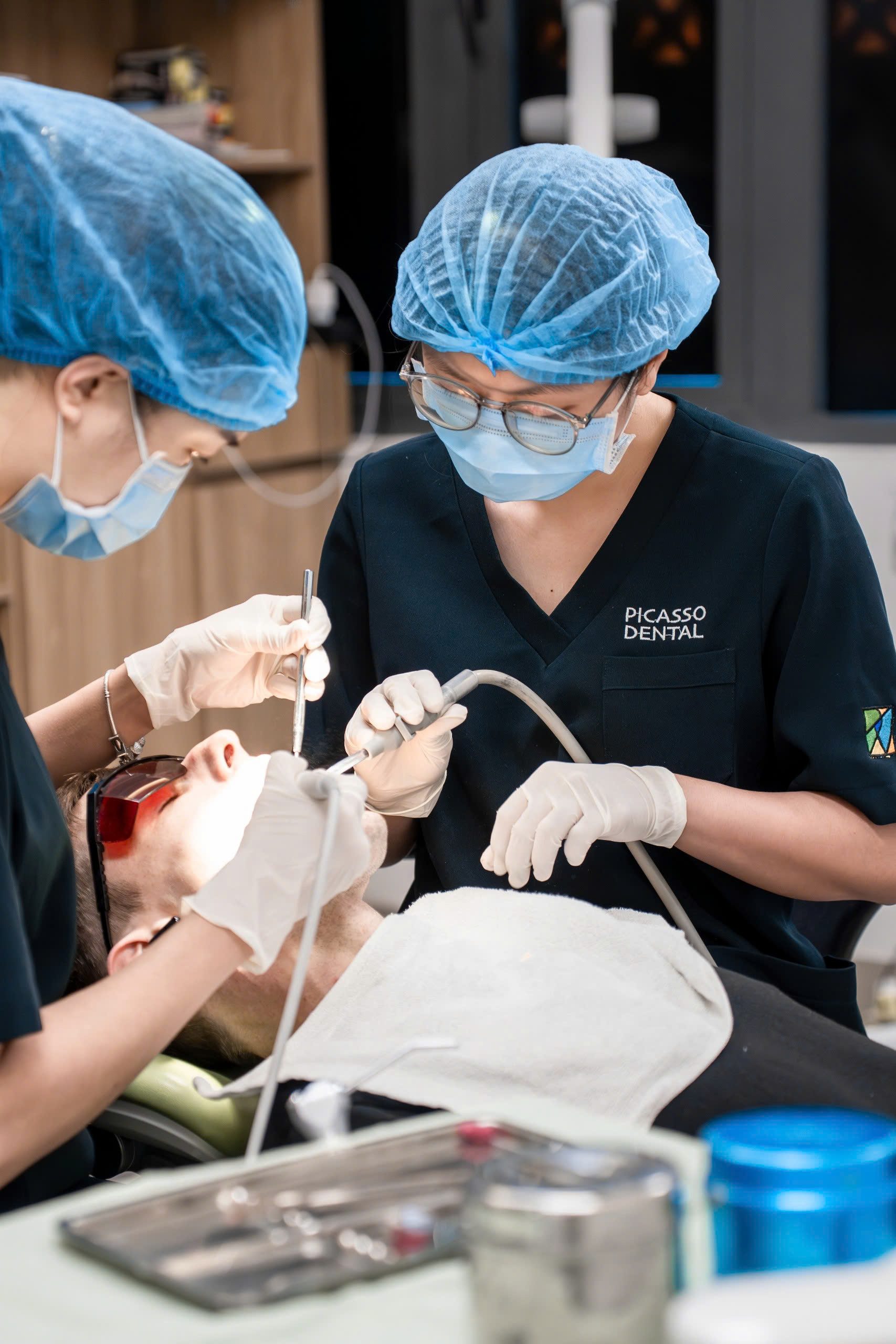
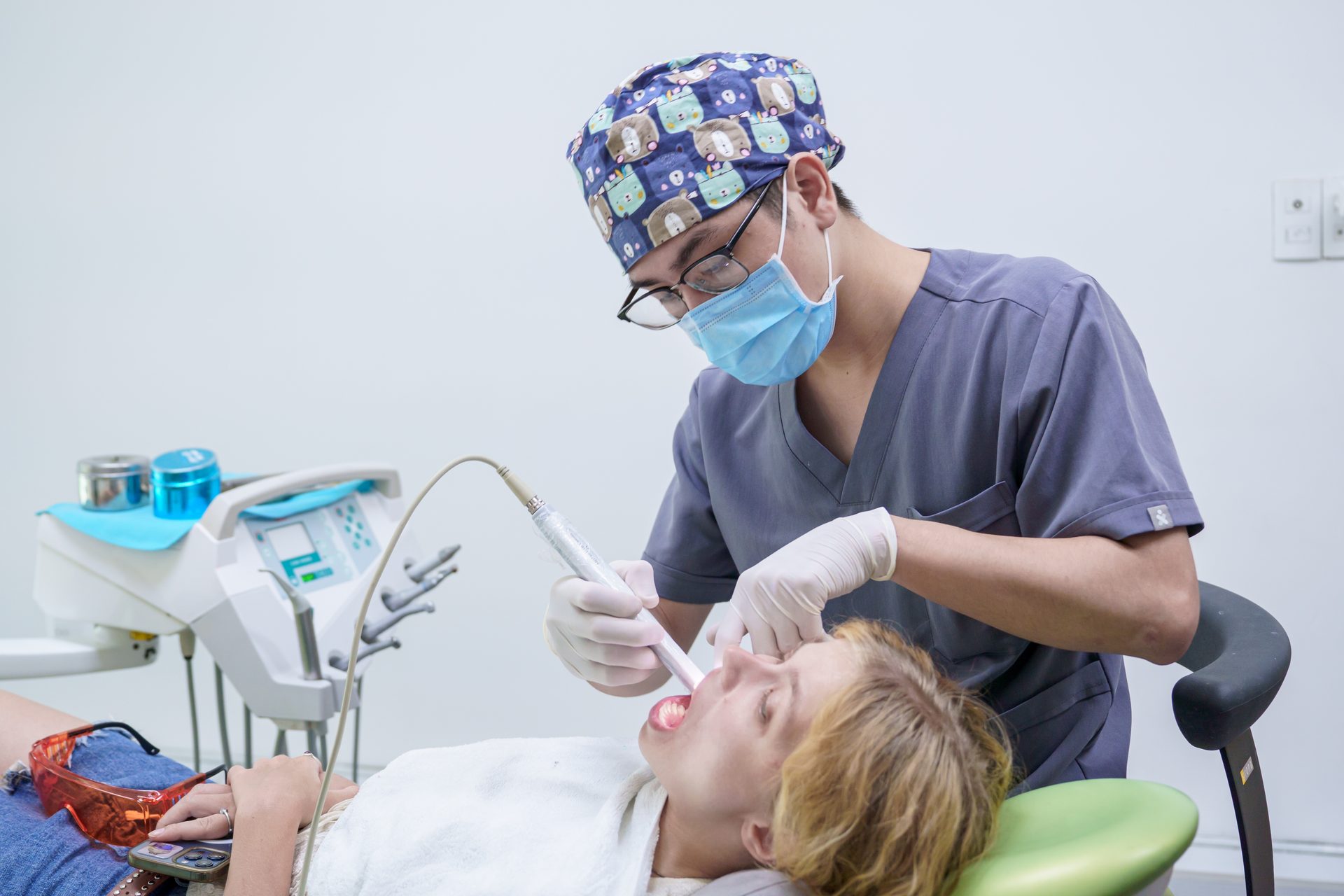
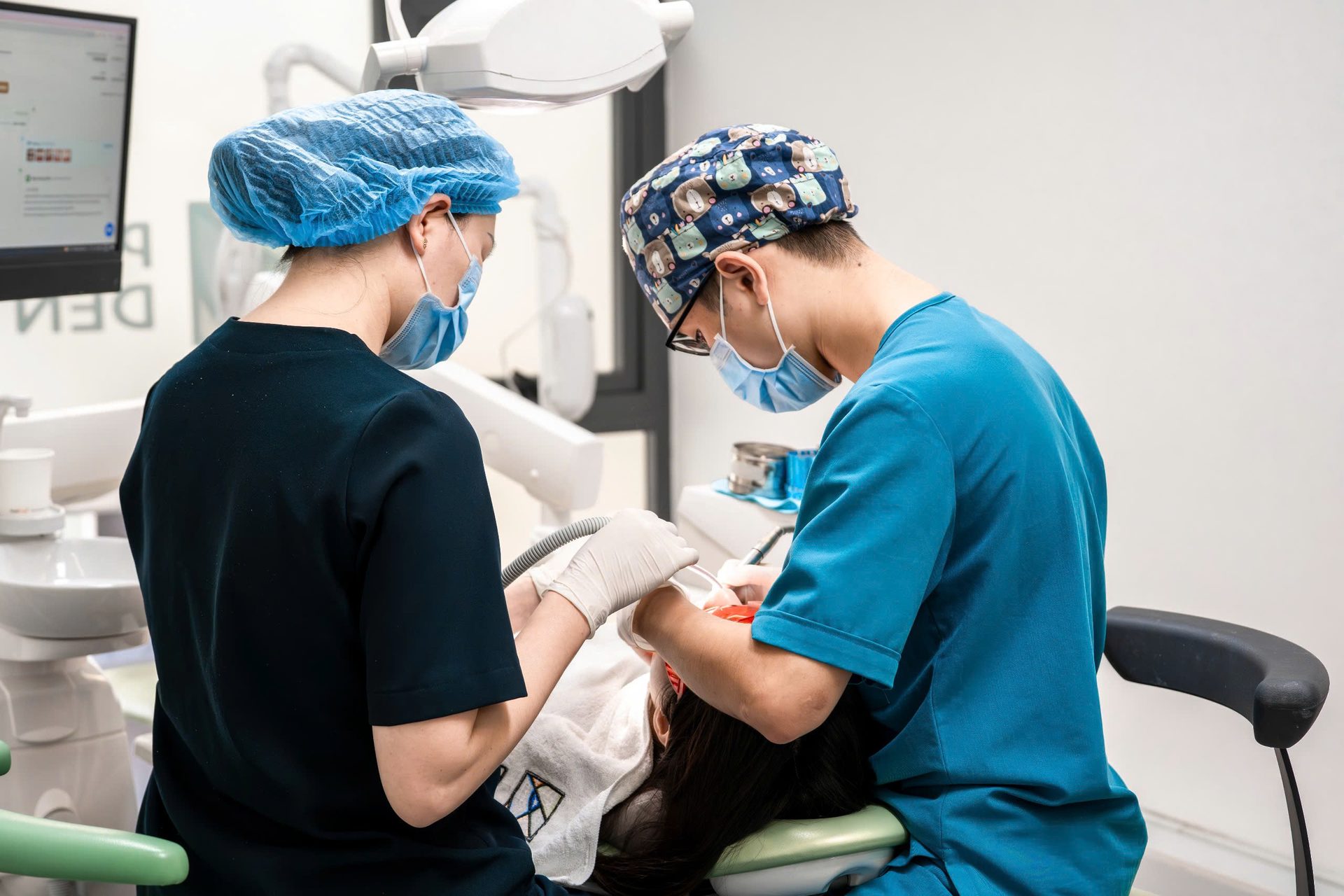
A porcelain veneer is a thin shell of ceramic, typically 0.3 to 0.7 mm thick, bonded to the front surface of a tooth. The preparation involves removing a corresponding thin layer of enamel to create space for the veneer without making the tooth look bulky. The ceramic is shade-matched, shaped, and surface-textured in a dental laboratory before being bonded at the second appointment.
The reason patients consider veneers is that they offer something no other single treatment can: a complete cosmetic change to colour, shape, size, and apparent alignment in two visits. Whitening addresses only colour. Bonding addresses only small chips or gaps. Orthodontics addresses only position. Veneers address all of these at once, which is both their biggest appeal and a reason to think carefully about whether you actually need all of those changes.
The major advantages
The cosmetic result achievable with veneers is genuinely transformative. A patient at our Hanoi clinic recently came to us with teeth severely stained from long-term medication. No amount of professional whitening would have touched those stains. Two visits and eight veneers later, she had a bright, natural-looking smile. The transformation was real and immediate.
Durability is a meaningful advantage. Quality porcelain veneers, properly bonded on healthy teeth, last 10 to 15 years or longer with proper care. Patients at Picasso Dental who had veneers placed a decade ago are still presenting with intact restorations at regular check-ups. Composite bonding, by comparison, typically requires replacement every three to seven years and stains more easily.
Advantages
- Addresses colour, shape, size, and alignment simultaneously
- Completed in two visits over 7 to 10 days
- Lasts 10 to 15 years or longer with proper care
- Resists staining better than natural teeth
- Natural-looking translucency when matched correctly
- Strong: comparable fracture resistance to natural enamel
- Manageable for international patients in a single trip
Disadvantages
- Irreversible: enamel removal cannot be undone
- Cost: more than whitening or bonding
- Can chip or fracture under heavy bite forces
- Some patients experience lasting temperature sensitivity
- Require replacement after 10 to 15 years
- Night guard required for patients who grind teeth
- Not suitable if active dental disease is present
The disadvantages you need to understand before deciding
The most important disadvantage is irreversibility. I tell every patient considering veneers that the enamel we remove during preparation is gone. Your teeth will always need some form of coverage after that. This is not a reason not to proceed, but it is a reason to be certain that veneers are the right treatment for your specific situation before anything is prepared. Patients who proceed understanding this are satisfied with their decision. Patients who did not fully grasp it sometimes wish they had considered alternatives more carefully.
Cost is a real consideration. Most patients need six to ten veneers for a full smile transformation. While Picasso Dental's pricing is substantially lower than equivalent treatment in Australia, the US, or the UK, it is still a meaningful investment compared to teeth whitening or composite bonding. The question to ask is whether the improvement you want requires veneers, or whether a less permanent and less expensive option could address it adequately.
Veneers can chip or break. Porcelain is strong but not indestructible. Patients who grind teeth at night, bite directly into hard foods, or play contact sports without a mouthguard put veneers at risk. I have replaced veneers for patients who fractured them eating hard candy, biting ice, or taking a direct impact to the face. A custom night guard is not optional for patients with bruxism. It is part of the treatment.
"My Aussie dentist and the endodontist both commented on the quality of Dr Emily's work, equal to anything they had seen by local specialists."
Lawrie Smith, Hanoi Old Quarter, Google review
Who benefits most from veneers
Veneers work best for patients with specific concerns that other treatments cannot adequately address. If your teeth are severely stained from medication or fluorosis and professional whitening has failed or is unlikely to work, veneers are probably the right answer. If multiple teeth have chips, cracks, or wear across their surfaces, veneers address all of those issues at once. If you want a cosmetic result within weeks rather than months and are willing to commit to a permanent change, veneers suit that priority.
Patients who want immediate results also favour veneers. Orthodontics takes 12 to 18 months to straighten teeth. Veneers achieve a comparable visual result in two to three weeks. For patients planning weddings, major events, or who simply want the result now, this timeline matters.
Who should consider alternatives instead
Veneers are not ideal for everyone. Active dental problems, including cavities, gum disease, and infections, must be fully resolved before any cosmetic treatment is planned. Patients with severe bruxism who refuse to wear a night guard are likely to fracture veneers. Patients whose primary concern is alignment, rather than colour or shape, often achieve better long-term results with clear aligners, which move teeth into the correct position without removing enamel.
Young people whose teeth are still developing should generally wait. Patients looking for the cheapest option for cosmetic improvement should consider composite bonding, which is reversible and substantially lower in cost, though less durable and more prone to staining.
Not sure if veneers are right for you? Describe your current smile concerns and a licensed dentist at Picasso Dental replies within 24 hours with an honest assessment and options.
Contact us →Alternatives worth considering first
Before recommending veneers, I always discuss alternatives. Professional teeth whitening costs a fraction of veneer treatment and produces dramatic results for patients whose main concern is colour. If your teeth are structurally sound, well-shaped, and simply darker than you would like, whitening is the right starting point.
Composite bonding uses tooth-coloured resin to repair chips, close small gaps, or improve the shape of individual teeth. It requires minimal or no tooth preparation, is reversible, and costs significantly less than porcelain. The downsides: it lasts three to seven years rather than ten to fifteen, and it stains more easily. For patients who want an improvement without a permanent commitment, bonding is the sensible first step.
Clear aligner orthodontics can straighten teeth without removing enamel. If misalignment is your primary concern and colour and shape are acceptable, orthodontics achieves the correction you want without the irreversibility of veneers. Some patients benefit from a combination: clear aligners to position teeth correctly, then veneers or bonding to refine the final appearance.
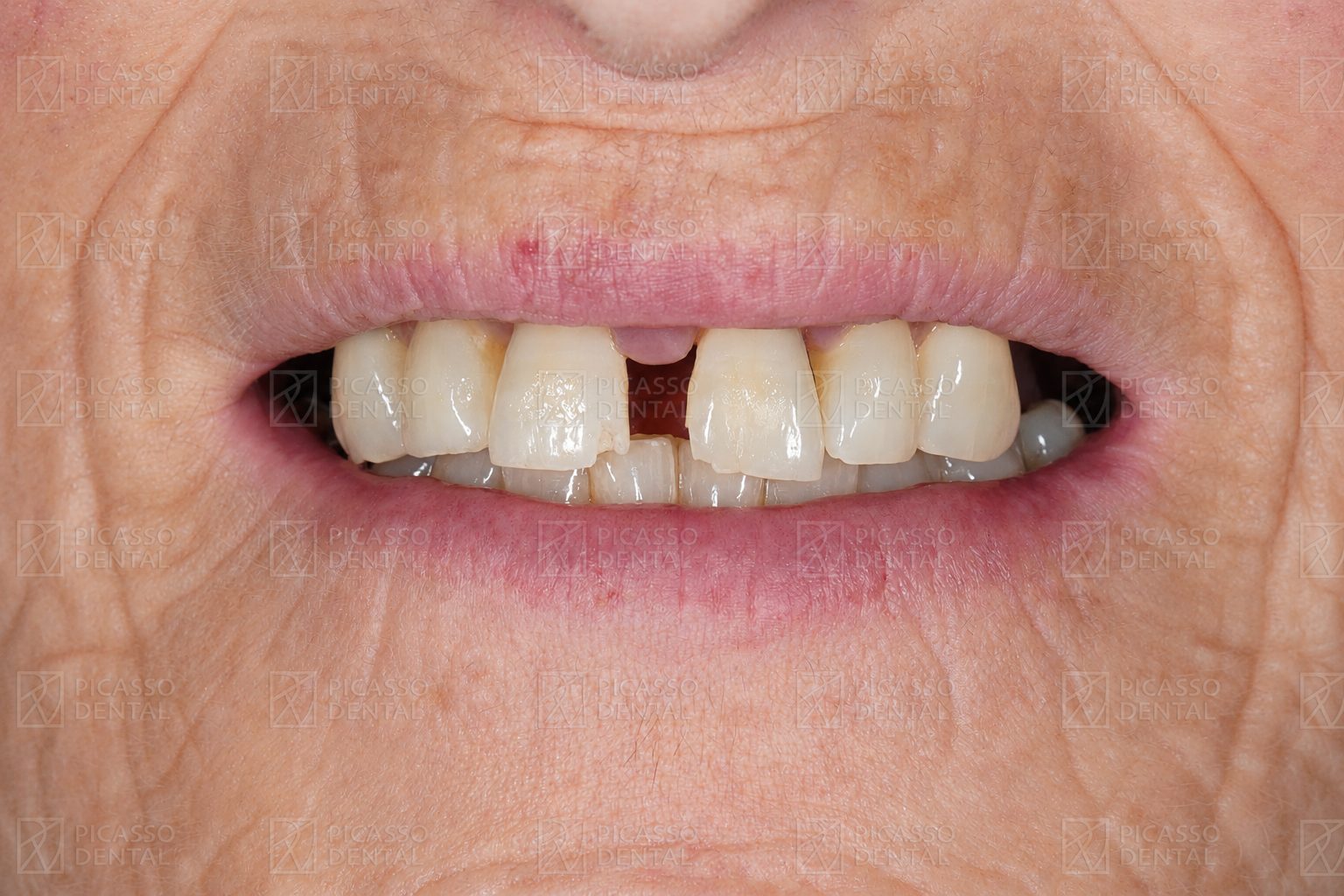 Before
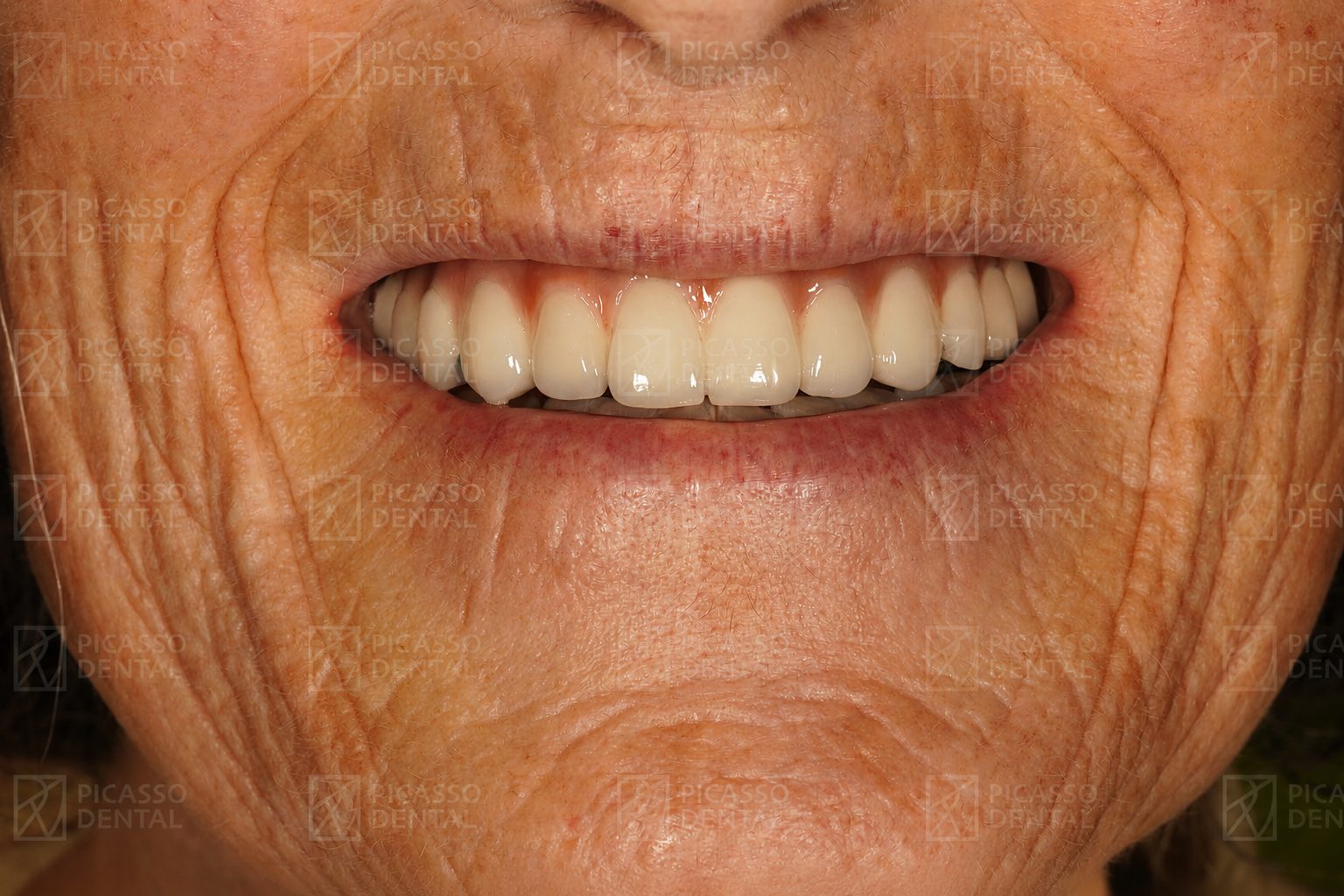 After
AfterFull rehabilitation, Hanoi Old Quarter
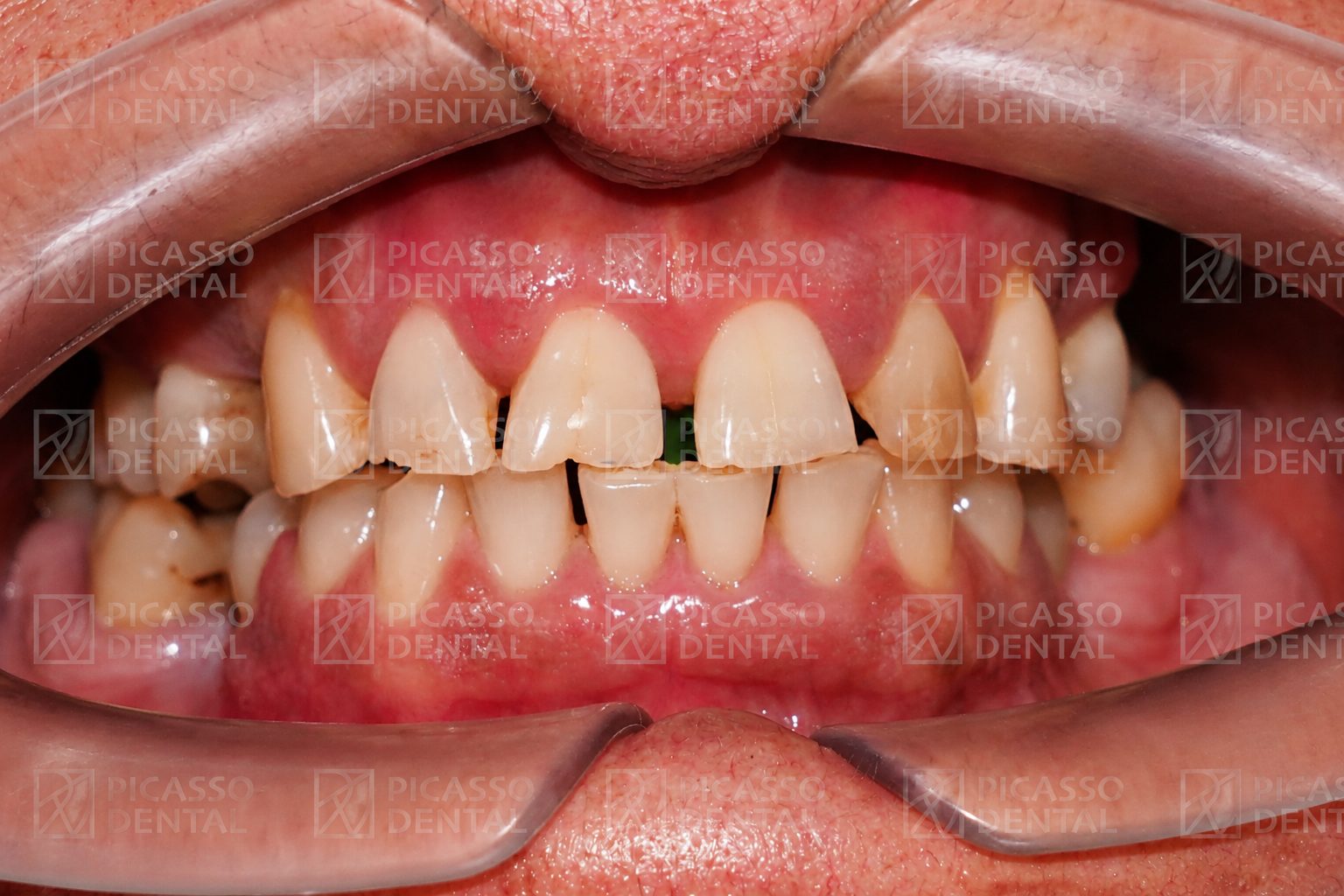 Before
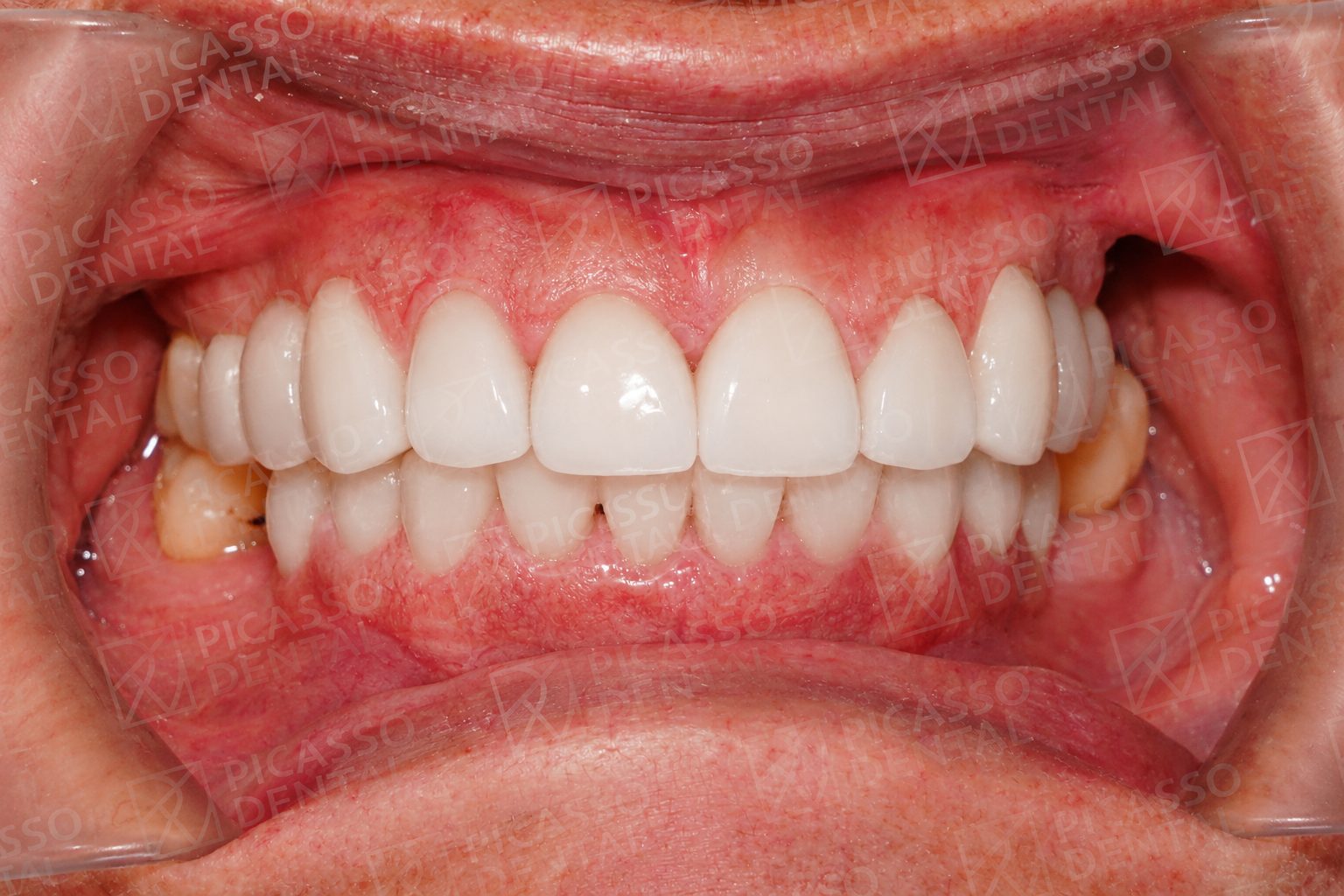 After
AfterPorcelain crowns, Da Nang
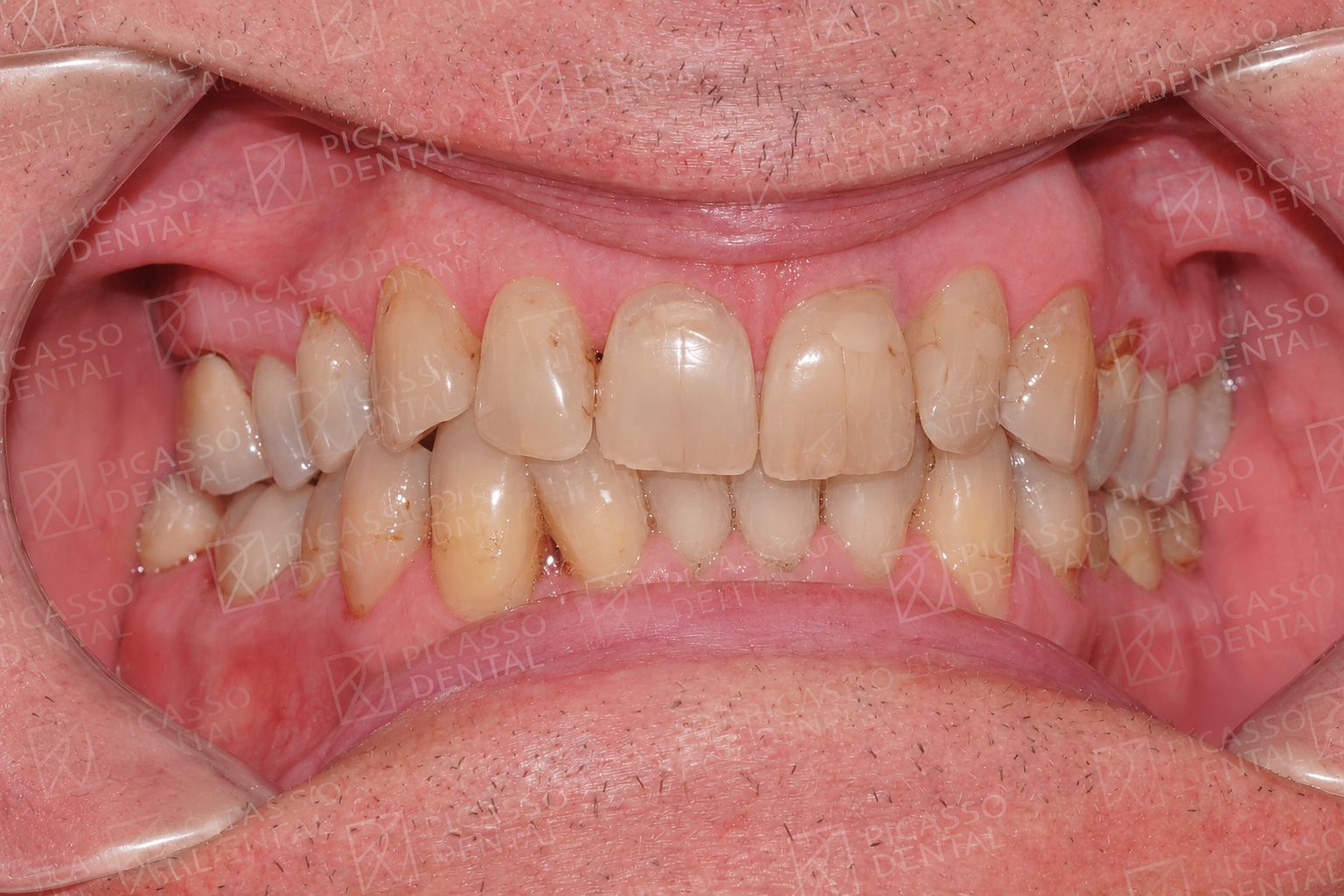 Before
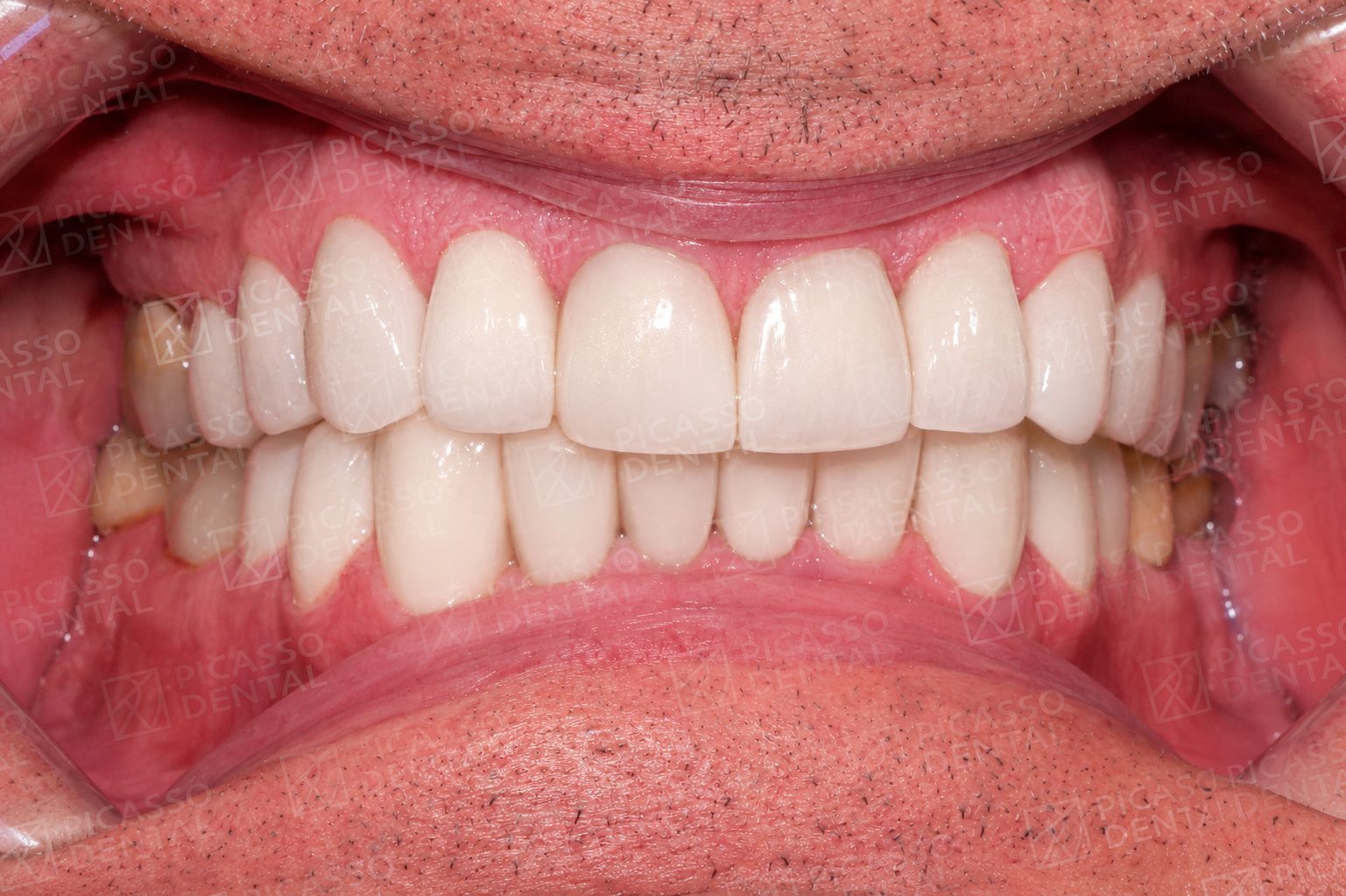 After
AfterCrown and implant, HCMC Thao Dien
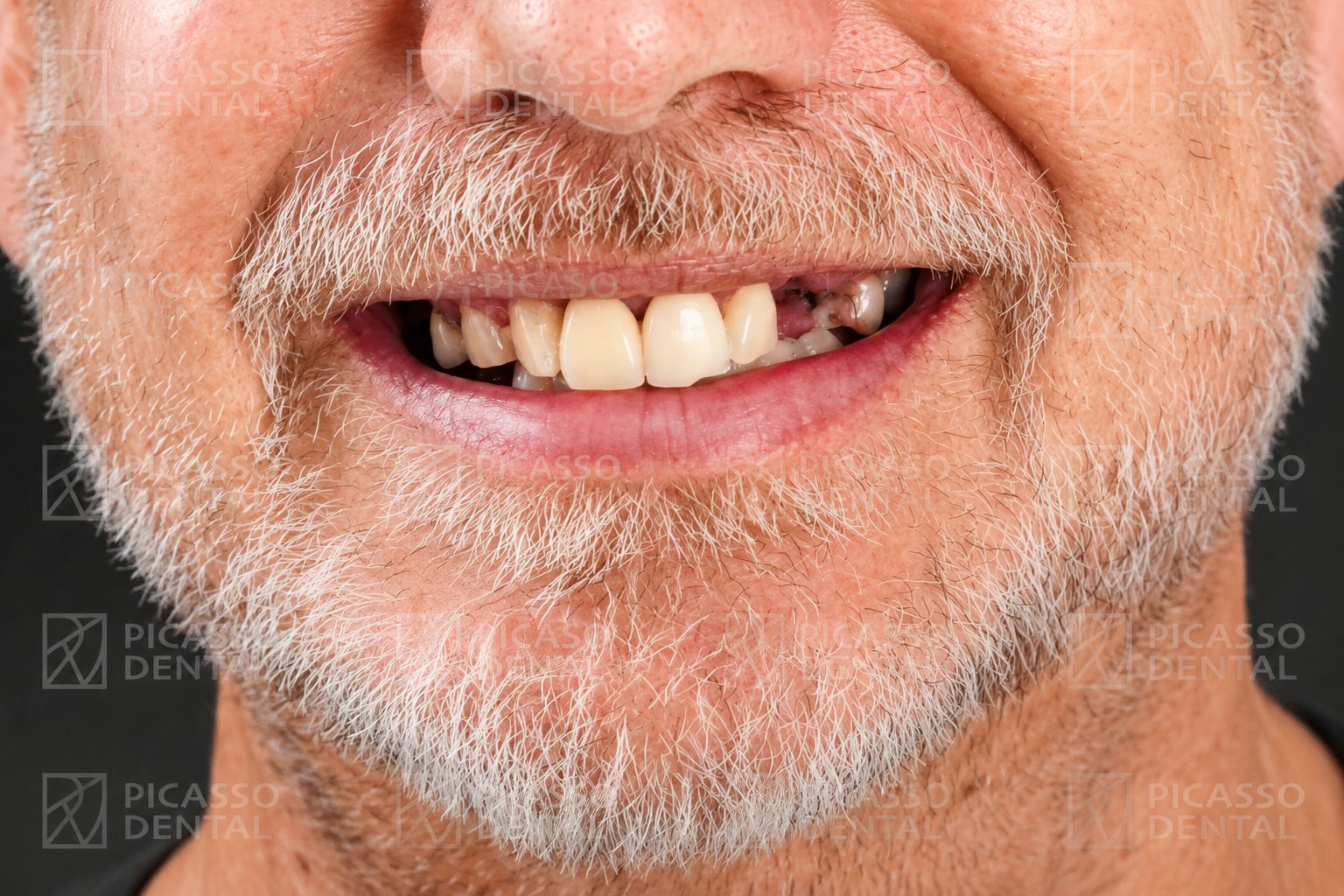 Before
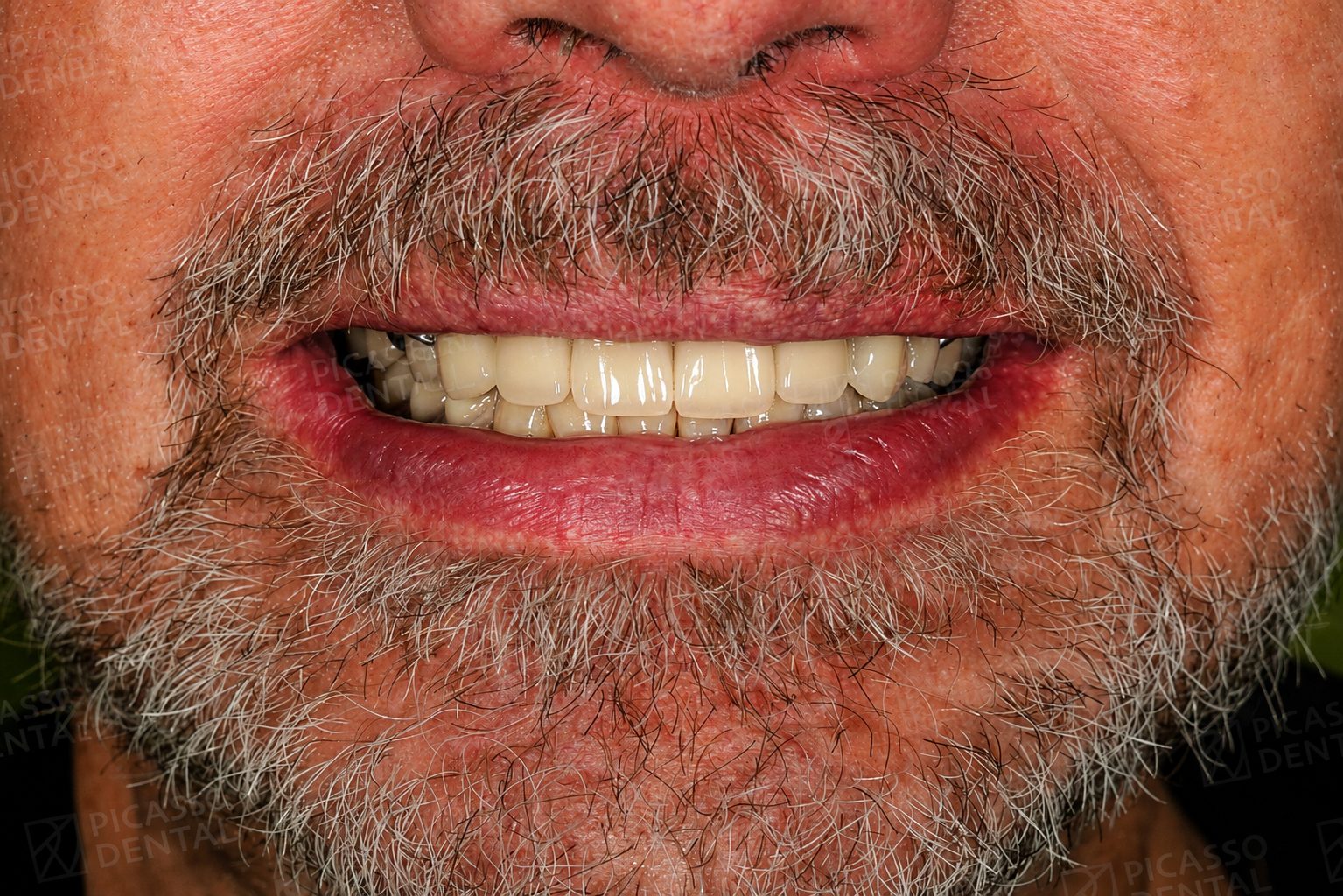 After
AfterCrown restoration, Hanoi Westlake
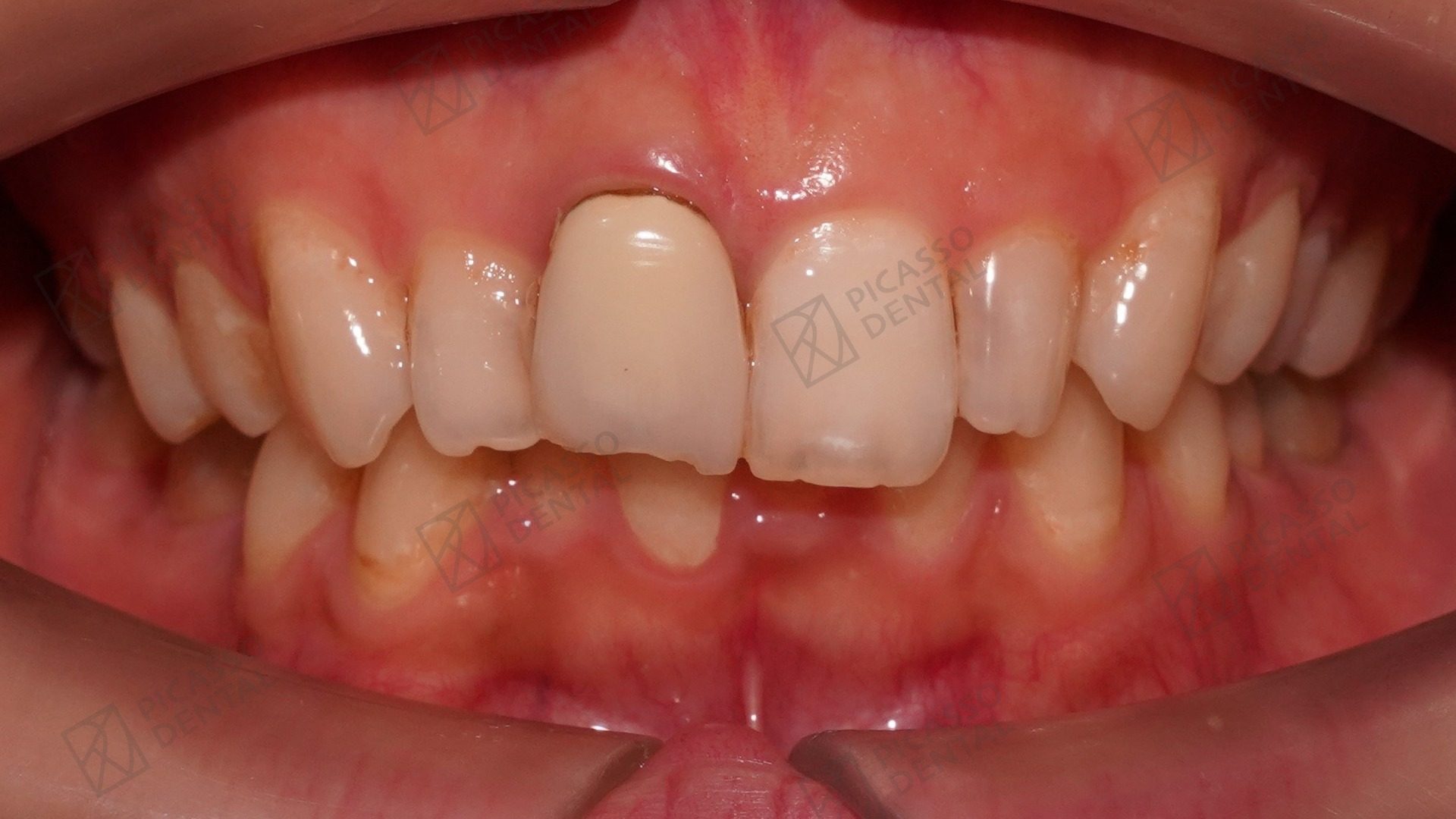 Before
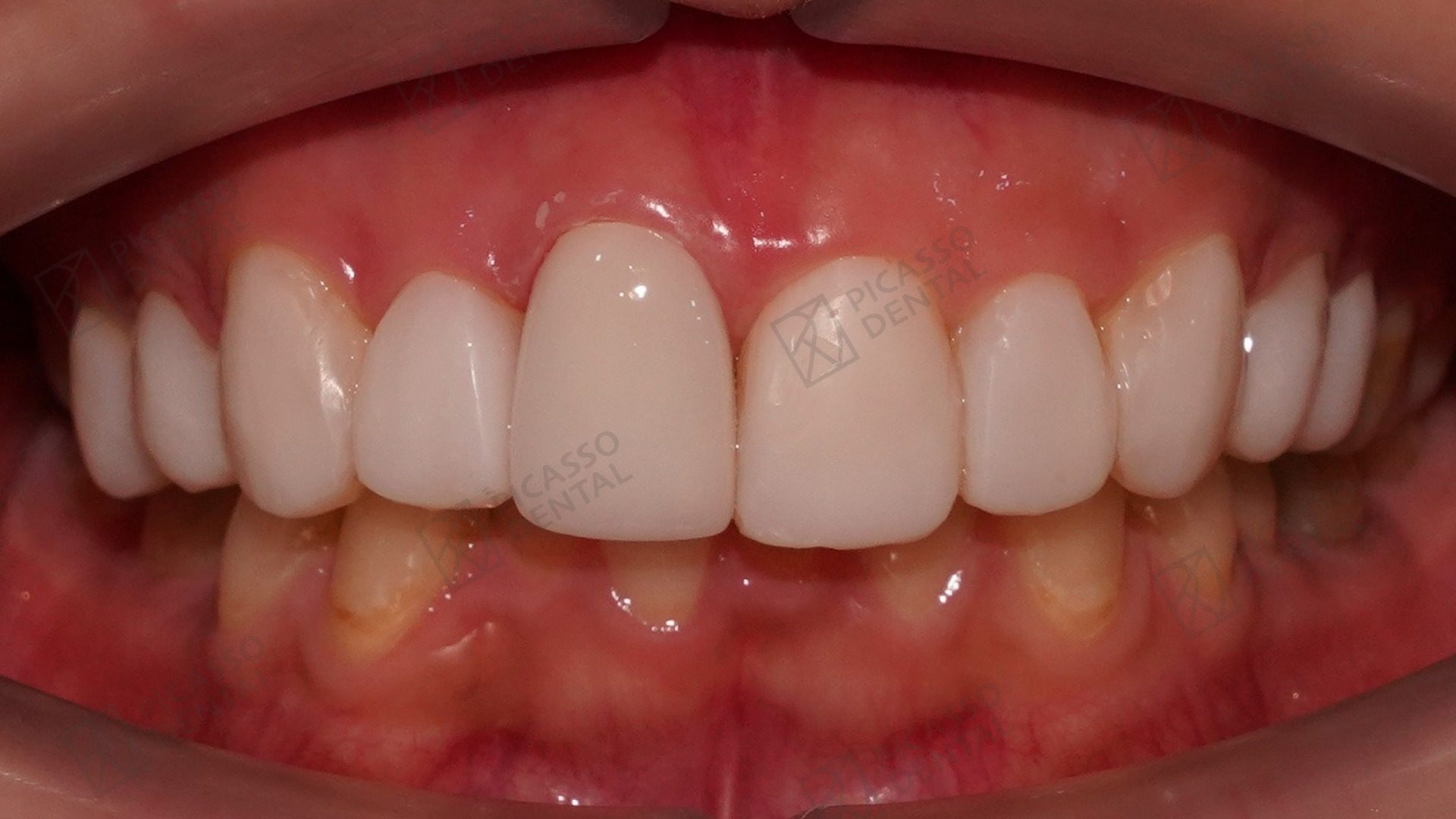 After
AfterSmile restoration, Da Nang Flagship
Frequently asked questions
What are the main advantages of porcelain veneers?
The four main advantages are: a complete cosmetic transformation in two visits that simultaneously addresses colour, shape, size, and apparent alignment; durability of 10 to 15 years or longer with proper care; stain resistance superior to natural teeth and composite bonding; and a natural appearance when matched correctly for translucency, surface texture, and colour gradation.
What are the main disadvantages of porcelain veneers?
The four main disadvantages are: irreversibility, because a thin layer of enamel must be removed and cannot be restored; cost, since six to ten veneers represent a significant investment compared to whitening or bonding; chipping or fracture risk if you grind teeth, bite hard objects, or sustain facial trauma; and temporary or ongoing sensitivity after preparation that persists in a small proportion of patients.
Are porcelain veneers permanent?
The enamel removal required to place veneers is permanent: that enamel does not grow back. Your teeth will always need some form of coverage after veneer preparation. The veneers themselves are not permanent in the sense that they will need replacement after 10 to 15 years or if they chip or fracture. This is the most important factor to understand and discuss with your dentist before committing to treatment.
How long do porcelain veneers last?
Quality porcelain veneers last 10 to 15 years or longer with proper care. The main factors affecting longevity are night grinding (which requires a night guard), habits such as biting ice or hard objects, and the quality of the ceramic and adhesive used. At Picasso Dental, we use Ivoclar and 3M ceramic systems. Patients with well-maintained veneers placed over a decade ago at Picasso Dental continue to present with intact restorations at regular check-ups.
Who benefits most from porcelain veneers?
Patients benefit most when they have specific cosmetic concerns that other treatments cannot adequately address: severe staining unresponsive to whitening, teeth worn or chipped across multiple surfaces, irregular shapes, or mild spacing and alignment irregularities. Veneers also suit patients who want cosmetic results in weeks rather than the 12 to 18 months orthodontics requires, and who are willing to commit to a permanent change.
What are the alternatives to porcelain veneers?
The main alternatives are: professional teeth whitening for patients whose concern is primarily colour; composite bonding for minor chips, gaps, or shape issues (reversible and lower cost, but less durable); clear aligner orthodontics for alignment and spacing that veneers cannot properly correct; and doing nothing if the cosmetic concerns are minor and oral health is good. The right alternative depends on your specific concerns and the result you want to achieve.
Do veneers cause tooth sensitivity?
Some patients experience increased temperature sensitivity after veneer preparation, during the period before the permanent veneer is bonded. For most patients this diminishes within a few weeks. A small proportion of patients retain ongoing sensitivity. At Picasso Dental, desensitising agents are applied during preparation to minimise this risk, and patients are informed of what to expect before any preparation begins.
Can I get veneers in Vietnam in one trip?
Yes. Veneer treatment at Picasso Dental is completed across two clinical appointments separated by approximately 7 to 10 days for laboratory fabrication. Most patients complete the full process, including consultation, preparation, temporary veneers, final bonding, and follow-up, within a 10 to 12 day visit to Vietnam. This makes veneers one of the more practical treatments for international patients.
Patient Video Testimonial

Start Here
Start with a brief.
Tell us what you want to change about your smile and a licensed dentist replies with an honest assessment of whether veneers are right for your situation, with alternatives where relevant. No obligation.