
Oral Surgery
Abscess After Wisdom
Tooth Removal
What to Do and How Fast
Abscess affects 2 to 5 percent of wisdom tooth extractions. The key sign is pain that worsens after day 3 rather than improving, alongside increasing swelling and visible pus. Treatment is antibiotics plus in-clinic drainage. Cost: 2 to 4 million VND.

The short version
- Abscess occurs in 2 to 5 percent of wisdom tooth extractions. It is a real but manageable complication rate.
- Symptoms typically appear day 3 to 7 post-procedure, not in the first 24 to 48 hours when normal pain peaks.
- The critical signal: pain and swelling getting worse each day after the initial peak, not better.
- Treatment is antibiotic (amoxicillin or clindamycin) plus in-clinic drainage and irrigation. Total cost: 2 to 4 million VND.
- International patients should plan 3 to 5 extra days if an abscess develops during a dental tourism trip.
- Do not fly within 48 hours of starting antibiotics. A written fitness-to-fly assessment is provided at follow-up.
Normal healing versus abscess: how to tell the difference
Normal post-extraction pain peaks at 24 to 48 hours then steadily improves day by day. Abscess pain does the opposite: it appears or worsens after day 3, alongside increasing swelling and often a foul taste or visible pus discharge from the socket. If your symptoms are improving each day, that is normal healing. If they are worsening or appearing fresh after the initial peak, it is likely an abscess and warrants a clinic visit.
The 2 to 5 percent abscess rate is distinct from dry socket, which peaks in pain at days 3 to 5 but produces no pus and no fever. Dry socket is also treated at the clinic, with a medicated dressing rather than drainage and antibiotics. If you have severe pain and a bad taste but can see an empty socket without visible pus, dry socket is the more likely diagnosis. Either way, a clinic visit is the right response.

Normal healing vs abscess: the key indicators
Normal healing
- Pain peaks at 24 to 48 hours, decreases each day after
- Swelling peaks day 2 to 3, decreases from day 4
- Mild blood ooze for the first few hours
- Light pinkish saliva for up to 24 hours
- Mild fever under 38 degrees for the first 24 to 48 hours
- Bruising on the cheek or jaw, normal appearance
- Jaw stiffness that improves day by day
- Pain responds to ibuprofen and paracetamol
Abscess pattern (contact us)
- Pain worsens after day 3 instead of improving
- Swelling increases or new swelling appears after day 3
- Visible pus (white, yellow, or greenish) from the site
- Foul taste or odour that does not clear with rinsing
- Fever above 38 degrees developing after day 2
- Bad breath that did not exist before the procedure
- Difficulty opening the mouth that is worsening
- Pain that does not respond to standard painkillers
The urgency matrix: how fast do you need to be seen
Match your current symptom profile to the descriptions below. The first column describes what you are experiencing. The second tells you what to do and how fast.
Treatment protocol: what happens at the visit
Standard approach for an established post-extraction abscess. Total visit time is typically 30 to 45 minutes.
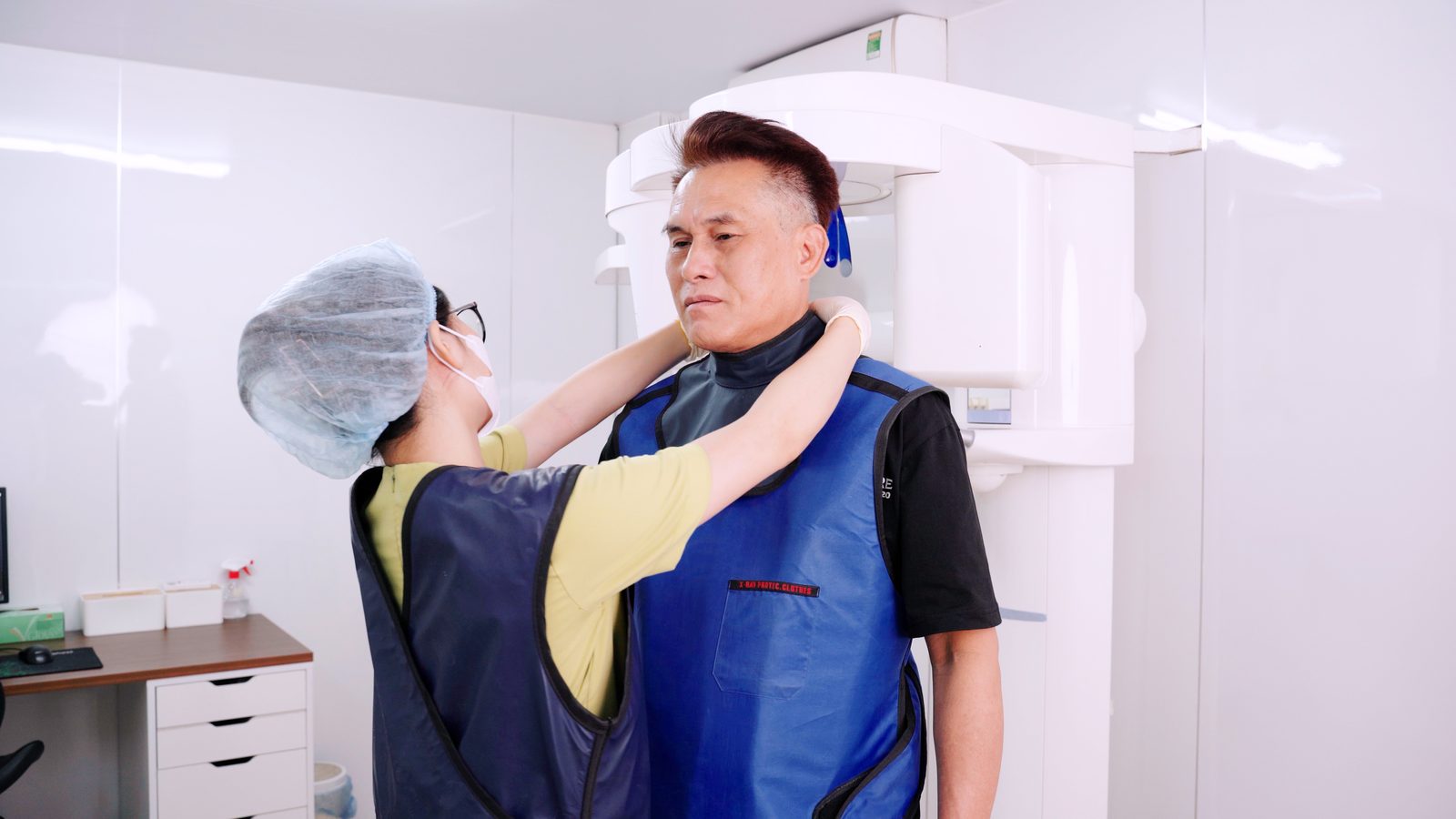
- Assessment and imaging (10 minutes) Clinical examination of the extraction site, X-ray to check for retained root fragments or bone involvement, vital signs check including temperature and swelling assessment. A written treatment plan with cost is provided before any work begins.
- Drainage and irrigation (15 to 25 minutes) Local anaesthetic to the area. Small incision into the abscess pocket if needed, though pus often drains spontaneously once pressure is relieved. Antiseptic irrigation of the extraction site to flush infected debris. Gentle debridement of any necrotic tissue. Most patients feel immediate relief from the pressure release.
- Antibiotic prescription and post-op plan (5 to 10 minutes) Prescription for amoxicillin 500 mg three times daily for 5 to 7 days, or clindamycin 300 mg four times daily for penicillin-allergic patients. Pain management plan. Salt-water rinse protocol. Follow-up scheduled for day 3 to 5 to confirm resolution. International patients receive a written fitness-to-fly assessment at the follow-up appointment.
Concerned about symptoms after wisdom tooth removal? Describe what you are experiencing and a licensed dentist replies within hours with an urgency assessment and next step.
Contact us →Tourism time-loss: what an abscess adds to your trip
For international patients on a dental tourism trip, an abscess typically adds 3 to 5 days to the itinerary. The treatment window works as follows: day 0 of symptom onset is a same-day clinic visit with antibiotics started. Days 1 to 3 show improvement on antibiotics but flying is not advisable. Days 4 to 5 are generally fit for short-haul flights. Days 5 to 7 are fit for long-haul.
If your return flight is within 48 hours of starting treatment, postponing the flight is usually safer than flying with an active infection. Travel insurance often covers flight change fees with documented medical reasons. Picasso Dental provides written clinical notes and itemised invoices in English suitable for insurance claims and airline medical desks.
For risk planning: build a 2 to 3 day buffer into any dental tourism trip involving surgical extraction work. If no complication develops, the buffer becomes leisure time in Vietnam. If a complication does develop, the buffer absorbs most of the additional time.
"During my total 4 to 5 hours of treatment on the 2 days of visit, I feel completely relaxed and do not feel any slightest pain during the treatment whosoever."
Wilfred Koh, HCMC Thao Dien, Google review
Six prevention habits that halve the risk
The 2 to 5 percent abscess rate applies to all patients after wisdom tooth extraction. Strict adherence to the following six habits roughly halves that background rate.
- Salt-water rinse 2 to 3 times daily starting day 2 Half a teaspoon of salt in warm (not hot) water. Swish gently for 30 seconds then spit. Reduces bacterial load at the extraction site without dislodging the clot. Do not rinse vigorously or use alcohol-containing mouthwash.
- No smoking for 72 hours minimum, ideally 7 days Smoking is the single biggest modifiable risk factor for abscess and dry socket. Nicotine constricts blood vessels supplying the healing tissue and the suction motion of inhaling can dislodge the protective blood clot. Smokers have roughly three times the complication rate of non-smokers after extraction.
- No alcohol for 48 to 72 hours Alcohol slows healing, can interact with prescribed pain medication, and is dehydrating. Even after 72 hours, keep consumption moderate until the site has visibly closed, usually day 7 to 10.
- Soft food on the opposite side for 5 to 7 days Hard food on the extraction side risks disturbing the clot or driving food particles into the socket. Foods that work well: yoghurt, eggs, soup, mashed vegetables, fish, pasta, rice, and smoothies. Avoid nuts, raw vegetables, chips, popcorn, and seeds.
- Take the prescribed antibiotic course in full If a pre-emptive antibiotic was prescribed for a difficult extraction or pre-existing infection, take the full course even if you feel fine by day 3. Stopping early selects for resistant bacteria and increases the risk of late abscess.
- No straws, no spitting, no vigorous activity for 48 hours Anything that creates suction or pressure can dislodge the blood clot. Drink directly from a glass. Let saliva drain rather than spitting. Avoid heavy exercise and bending forward for 48 hours. Light walking is fine from day 1.
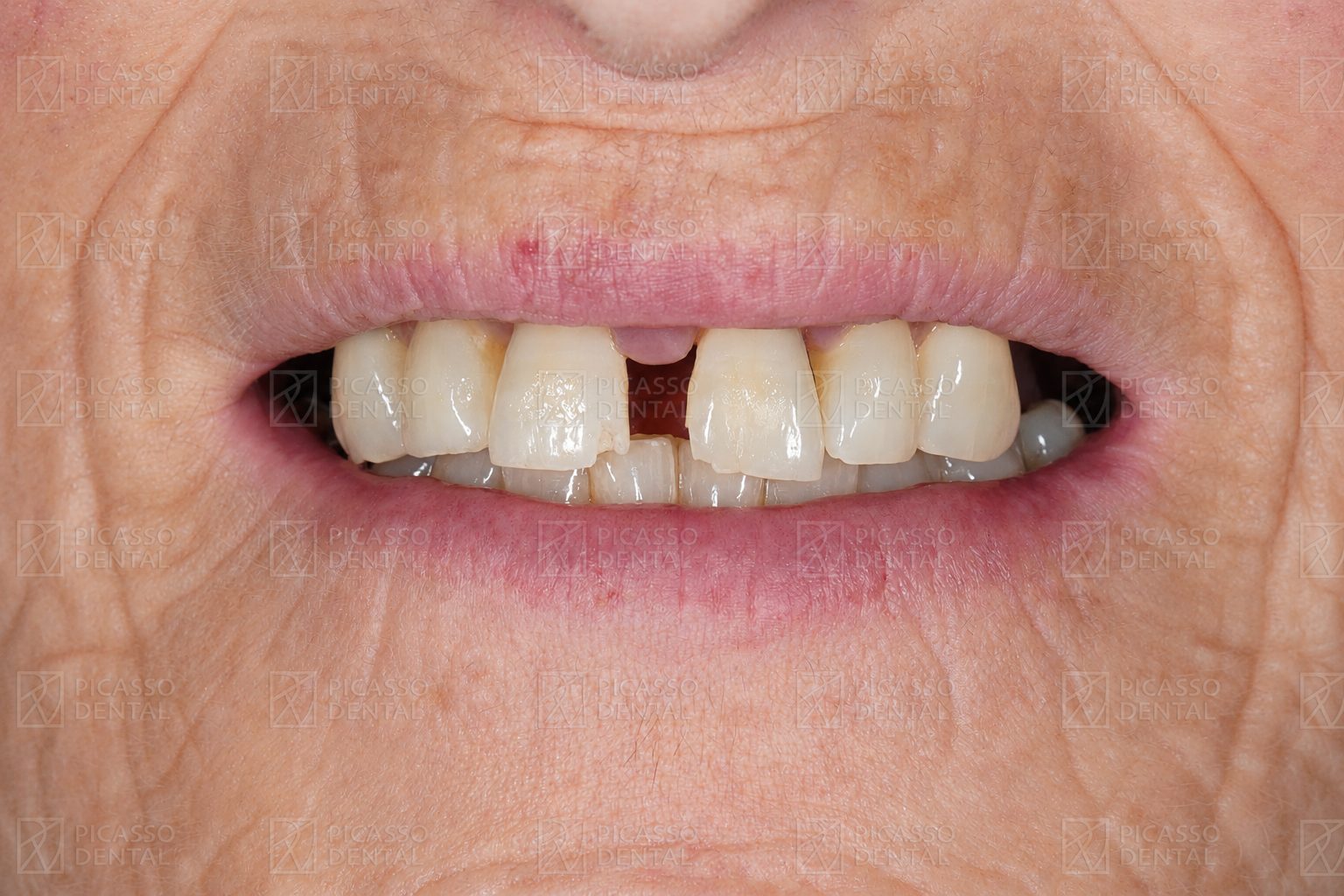 Before
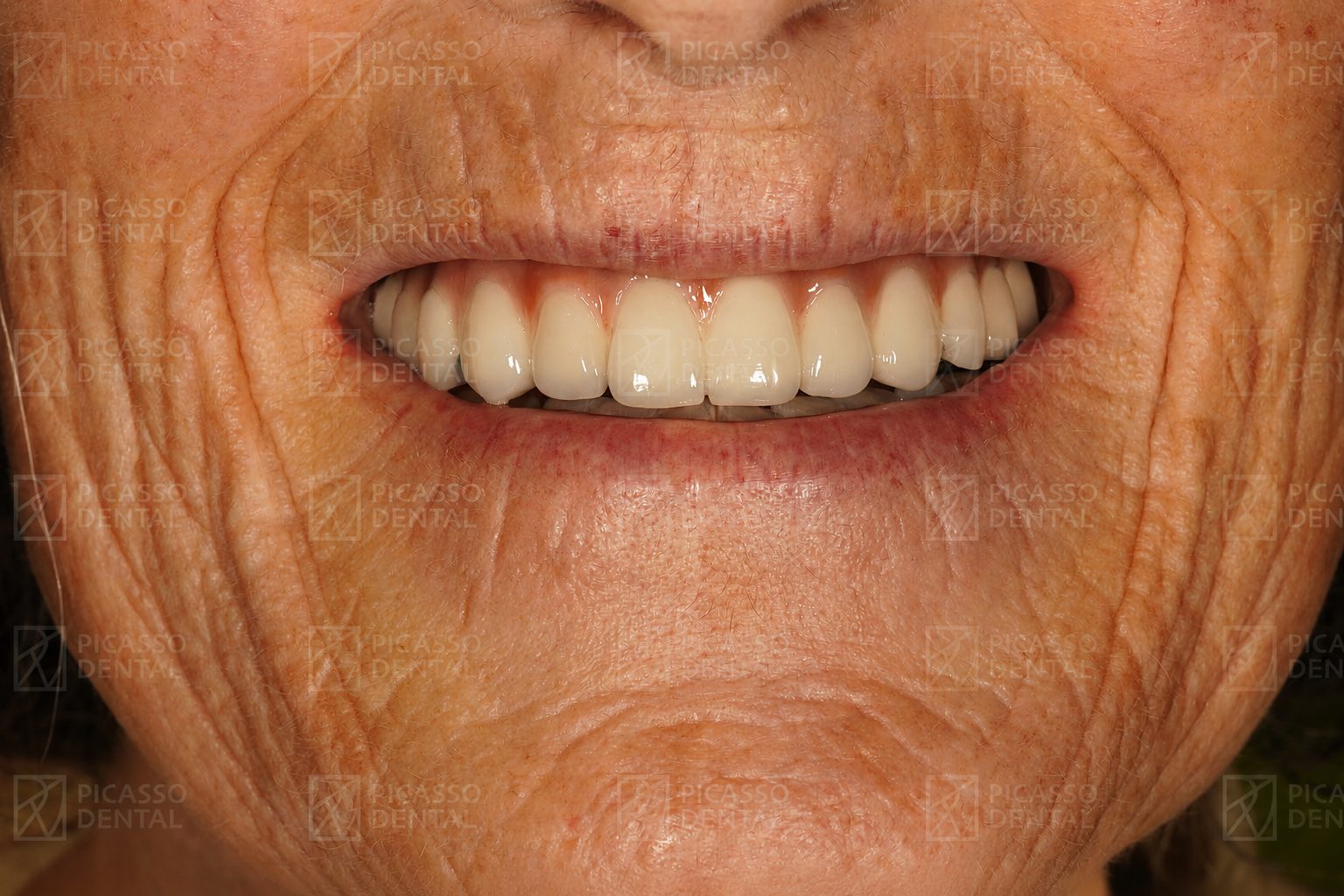 After
AfterFull rehabilitation, Hanoi Old Quarter
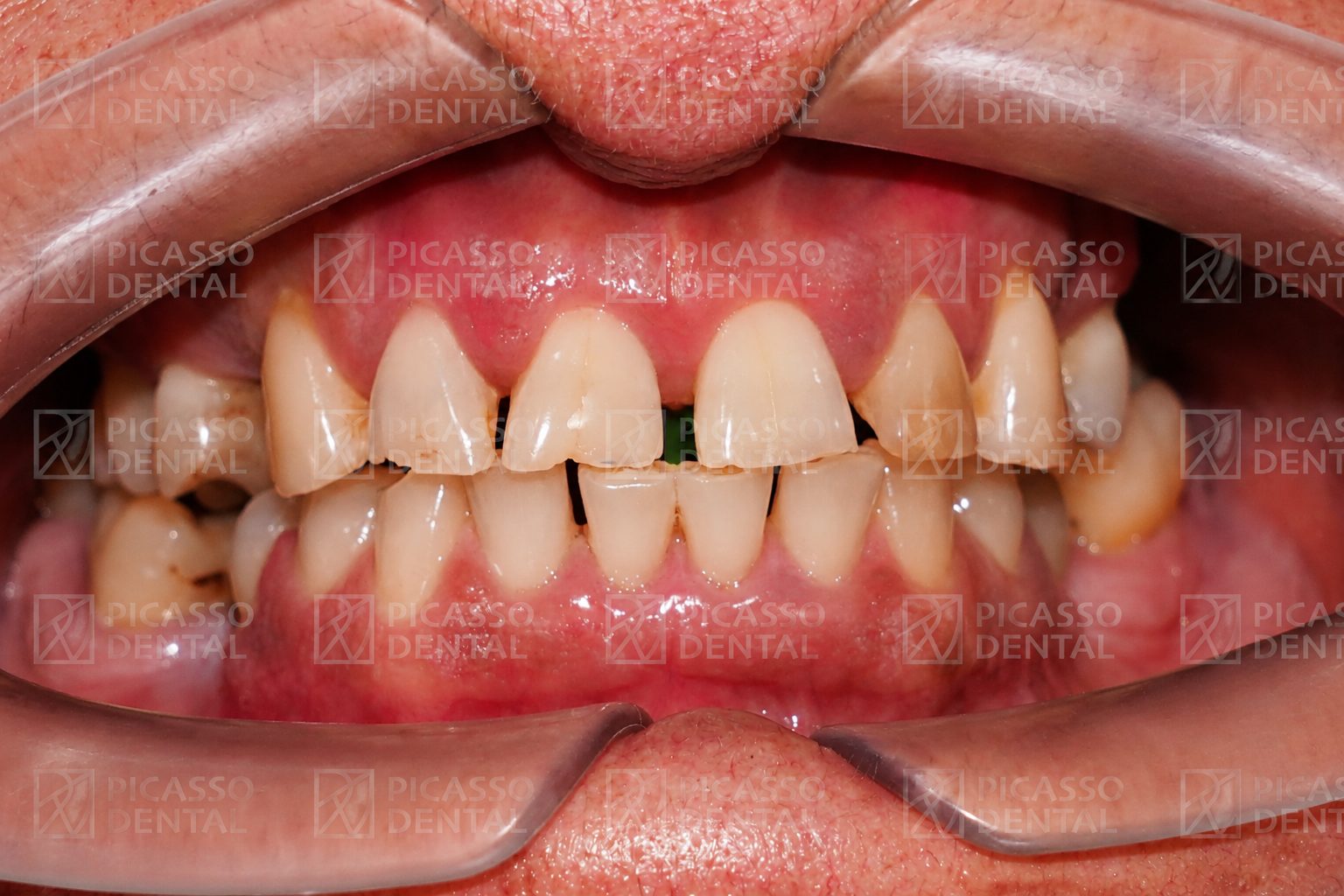 Before
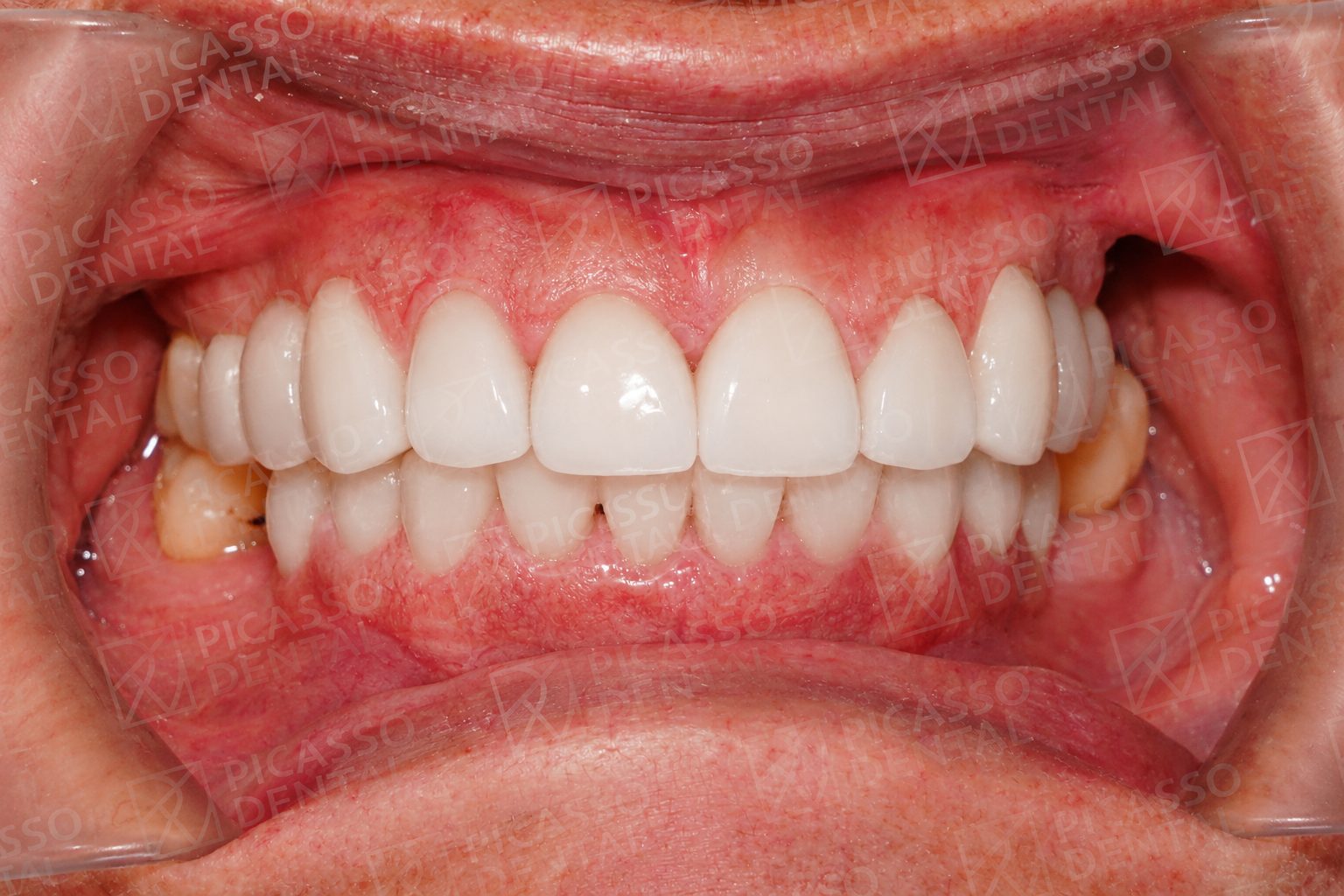 After
AfterPorcelain crowns, Da Nang
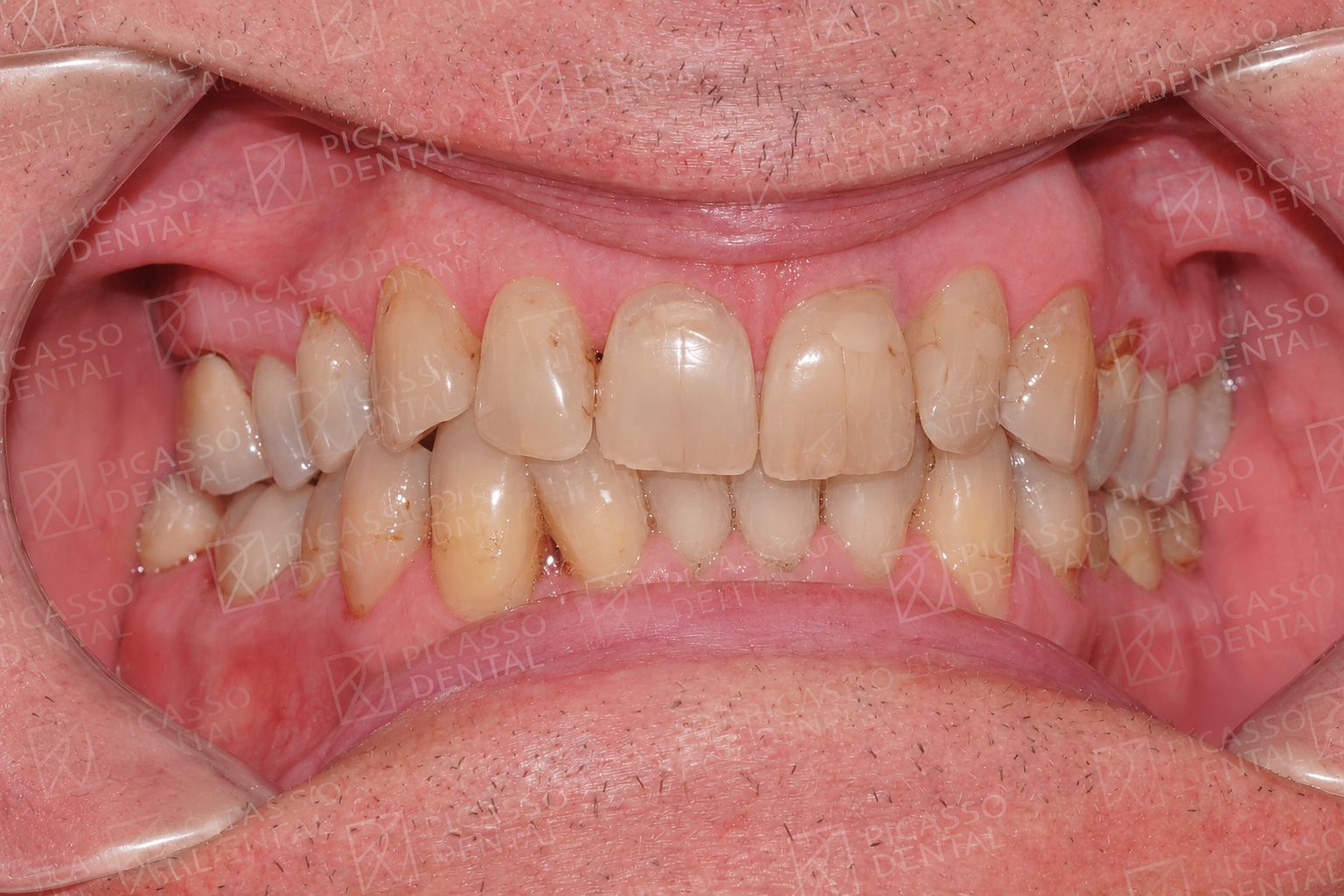 Before
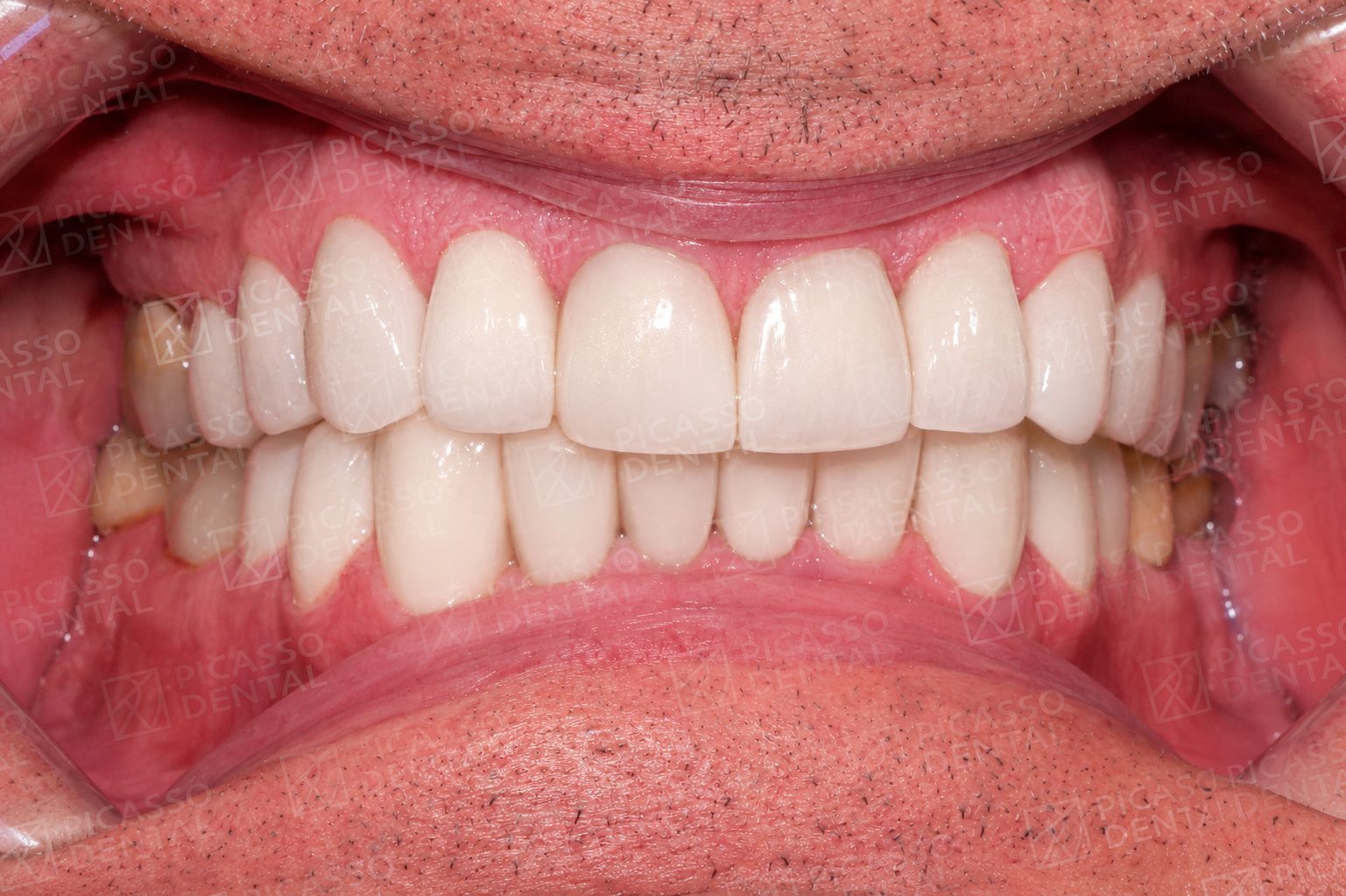 After
AfterCrown and implant, HCMC Thao Dien
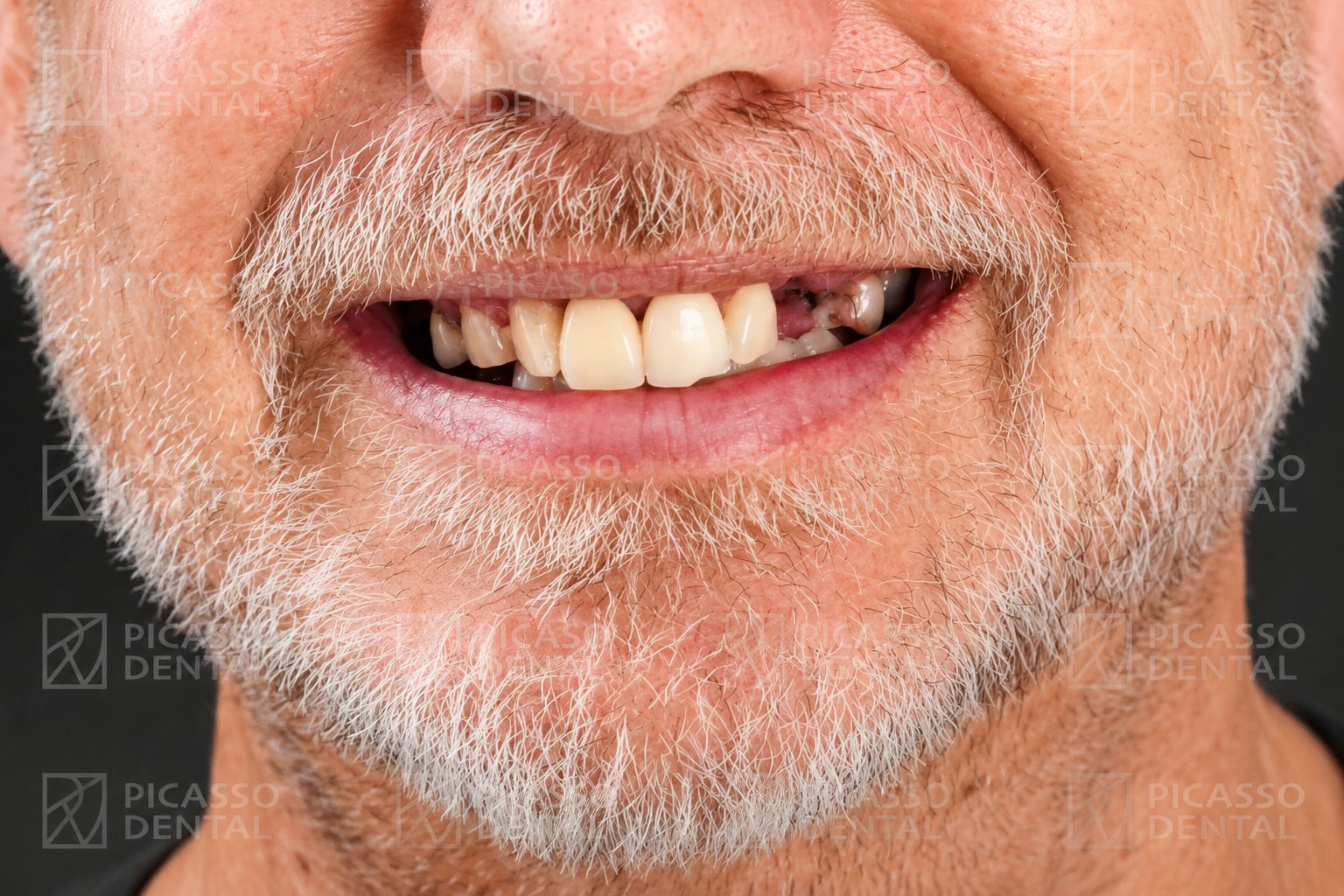 Before
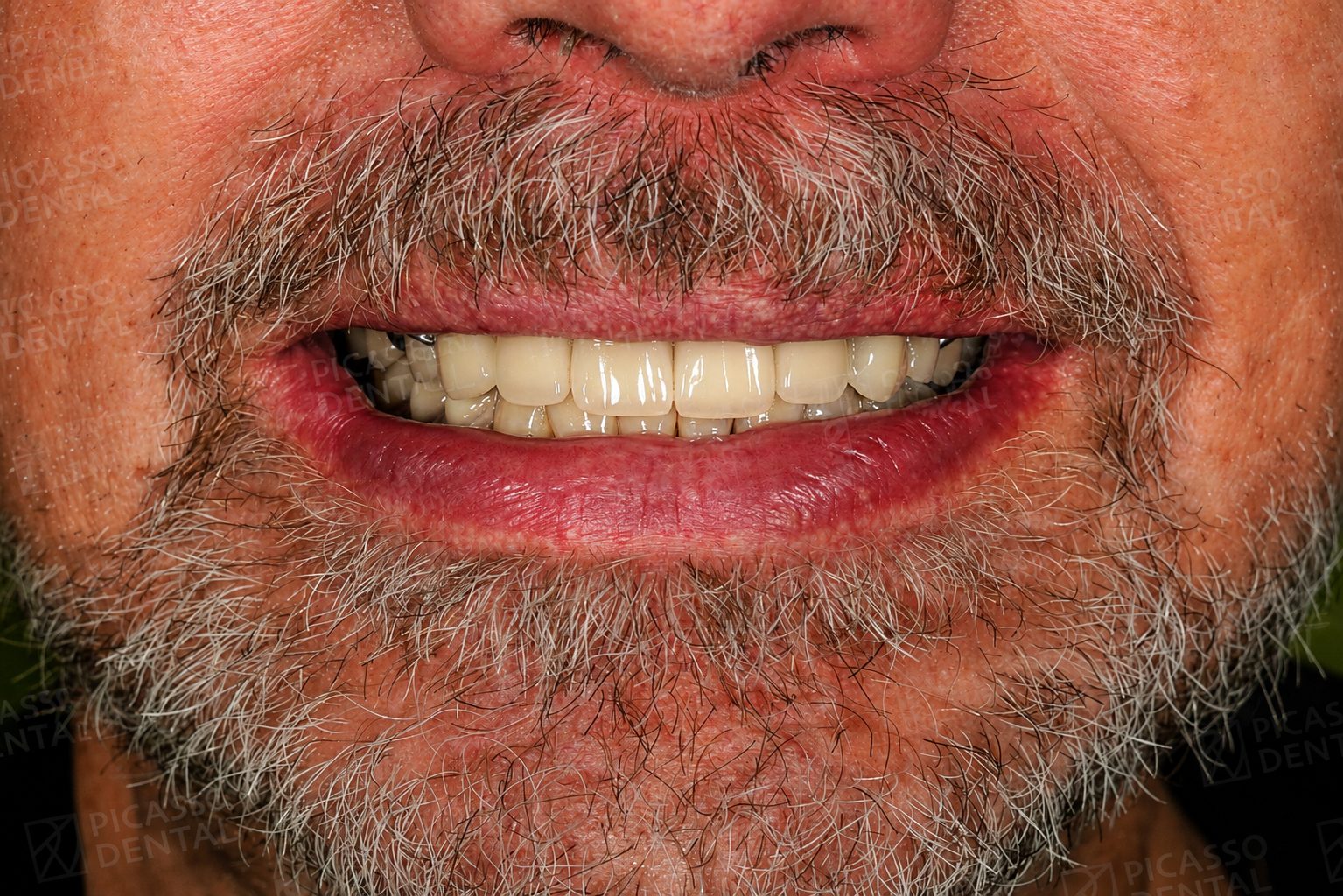 After
AfterCrown restoration, Hanoi Westlake
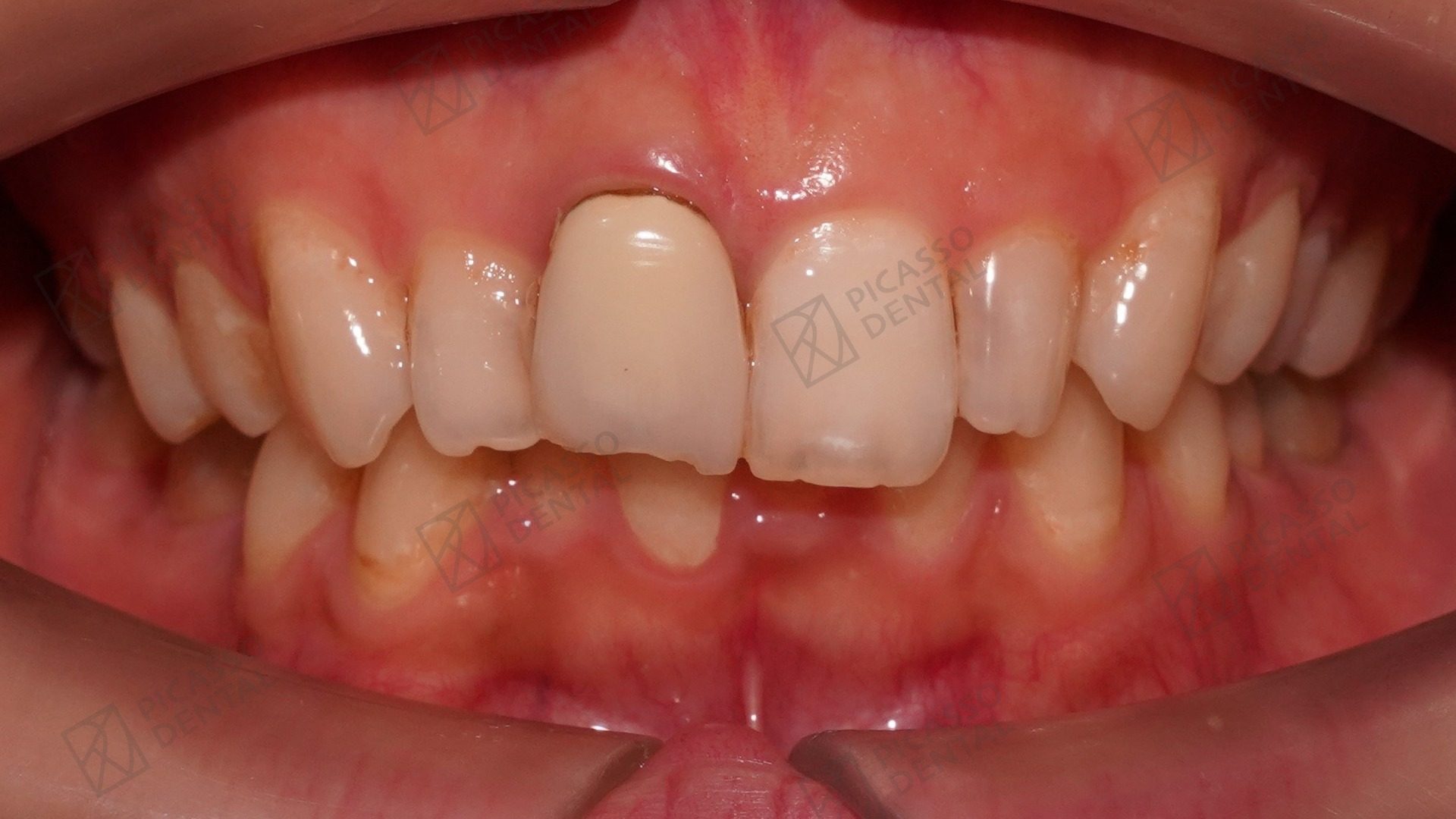 Before
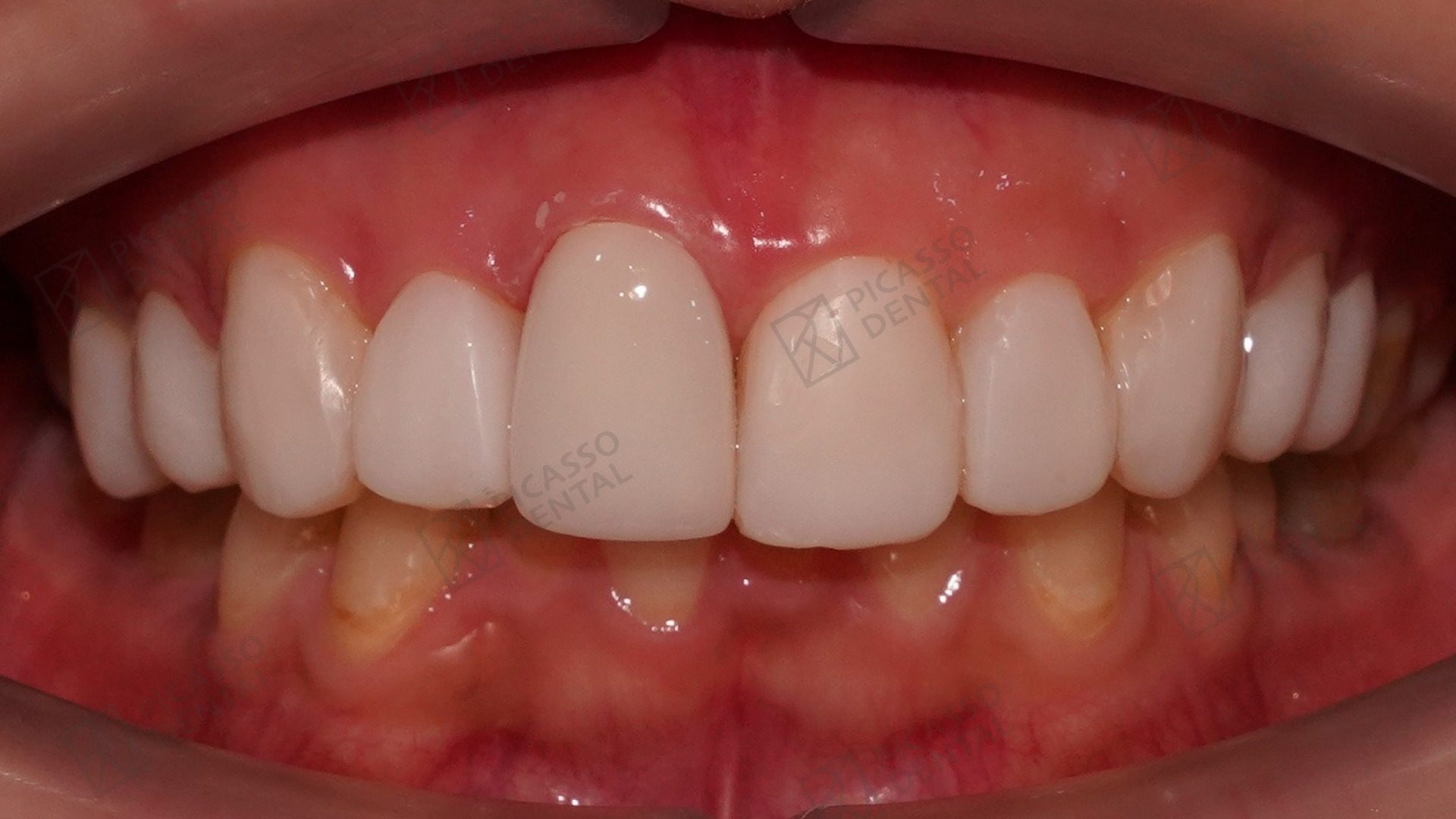 After
AfterSmile restoration, Da Nang Flagship
Frequently asked questions
What is an abscess after wisdom tooth removal?
An abscess after wisdom tooth removal is a pocket of pus that forms when bacteria infect the extraction site. It affects 2 to 5 percent of wisdom tooth extractions. Symptoms typically appear day 3 to 7 after the procedure: pain that worsens rather than improves, swelling that increases, foul taste, visible pus discharge, and sometimes fever. Treatment is antibiotics plus drainage at the clinic, with a total cost of 2 to 4 million VND at Picasso Dental.
How do I know if I have an abscess versus normal post-extraction pain?
Normal post-extraction pain peaks at 24 to 48 hours then steadily improves day by day. Abscess pain worsens after day 3 or appears for the first time after day 3. Normal swelling peaks day 2 to 3 then decreases. Abscess swelling increases when it should be decreasing. Normal healing has no pus, just clear fluid or light blood. Abscess has visible white, yellow, or greenish discharge. If symptoms are improving each day, that is normal healing. If they are worsening or reappearing, contact the clinic.
How urgent is an abscess after wisdom tooth removal?
Urgency depends on your symptoms. Fever above 38 degrees Celsius, facial swelling that spreads, difficulty swallowing or breathing, or inability to fully open the mouth requires immediate ER attendance. Worsening pain plus visible pus without fever or spreading swelling requires a clinic visit within 24 hours. Foul taste only with mild local swelling and no fever can be seen within 1 to 3 days. Contact us via the contact form and describe your symptoms for a direct assessment of the appropriate urgency level.
How much does abscess treatment cost at Picasso Dental?
Treatment typically costs 2,000,000 to 4,000,000 VND (approximately 80 to 160 USD) in total. This includes consultation, examination, antibiotic prescription, in-clinic drainage and irrigation, pain management, and follow-up review. In rare severe cases requiring additional surgical intervention, cost may extend to 5 to 6 million VND. Most travel insurance covers emergency dental treatment for post-extraction complications. Picasso provides itemised invoices in English for insurance claims. Payment is accepted in VND, USD, and by major credit card.
How long does abscess treatment take to work?
Antibiotics begin working within 24 to 48 hours with noticeable symptom improvement by day 2 to 3 of the course. Pain reduces significantly after in-clinic drainage, often immediately as pressure is released. Visible swelling resolves over 3 to 5 days. Full healing of the abscess and extraction site together takes 2 to 3 weeks. Most patients can resume normal activities within 5 to 7 days of starting treatment.
How much does an abscess add to a dental tourism trip?
For international patients on a 10 to 14 day trip, an abscess typically adds 3 to 5 extra days. Day 0 of symptoms: same-day clinic visit and start of antibiotics. Days 1 to 3: symptoms improving on antibiotics, no flying yet. Days 4 to 5: fit for short-haul flights. Days 5 to 7: fit for long-haul. Travel insurance often covers flight change fees with documented medical reasons. Picasso provides written documentation for insurance claims and airline medical desks.
Can I fly home with an abscess?
Not advisable if the infection is active and worsening. Cabin pressure changes can intensify pain at an infected site and an untreated infection can progress during a long flight. Picasso Dental provides a written fitness-to-fly assessment at the follow-up appointment, typically 3 to 5 days into the antibiotic course when the active infection is clearly under control. Flying with an abscess that is being treated and visibly improving is generally safe. Flying with an actively worsening abscess is not recommended.
How can I prevent an abscess after wisdom tooth extraction?
Six prevention habits that roughly halve the background 2 to 5 percent abscess rate: gentle salt-water rinse 2 to 3 times daily starting day 2; no smoking for at least 72 hours, ideally 7 days; no alcohol for 48 to 72 hours; soft food on the opposite side for 5 to 7 days; take the prescribed antibiotic course in full if one was prescribed; no straws, spitting, or vigorous physical activity for 48 hours after extraction.
Start Here
Start with a brief.
Describe your post-extraction symptoms and a licensed dentist replies with an urgency assessment and next step within twenty-four hours. No obligation.