Dental Tourism Guide
6 Common Myths of Getting
Dental Work in Vietnam
Honest Answers from the Clinic Floor
Patients arrive at Picasso Dental with concerns planted by well-meaning dentists and friends back home. Most of those concerns are based on outdated assumptions. Here is what the reality actually looks like after treating 70,000 patients from 65 nationalities.

The short version
- The materials used at reputable Vietnamese clinics are identical to those used in Australia, the US, and the UK. The price difference is not from cheaper inputs.
- Technology at international-patient clinics includes CBCT 3D imaging, digital scanners, and CAD/CAM digital workflows. This is not 1980s dentistry.
- Communication is not a barrier. English is the working language for international patients at Picasso Dental, with written plans and consent forms provided in English.
- Infection control follows CDC and WHO standards. Instruments are sterilized in sealed pouches opened in front of patients.
- Recourse exists. Written warranties cover crowns, veneers, and implants. Treatment records are kept and shared for follow-up care at home.
- Vietnamese dentists complete six-year dental programs and many hold international specialty certifications.
Why these myths persist
A software engineer from San Francisco sat across from me at our Hanoi clinic and said, "My dentist back home warned me not to do it. He said I would regret it." His California dentist had quoted eighteen thousand US dollars for the work he needed: four crowns, two implants, and several fillings. He had researched Picasso Dental, felt confident, and still carried that warning in the back of his mind.
I hear this story regularly. Patients arrive excited about savings but carrying concerns planted by people who have never visited Vietnam, never researched a modern Vietnamese dental clinic, and are working from assumptions formed twenty years ago. Some of those concerns are valid and worth discussing. Others are myths based on outdated information that no longer reflects what dental care in Vietnam actually looks like.

After co-founding Picasso Dental in 2013 and overseeing the treatment of more than 70,000 patients from 65 countries, I have encountered every myth imaginable. Here are the six that come up most often, and what the reality actually is.
Myth 1: Vietnamese clinics use inferior materials
This myth is both common and completely disprovable with verifiable facts. Reputable dental clinics in Vietnam source materials from the exact same manufacturers as clinics in Australia, the United States, or Europe.
At Picasso Dental, we use dental materials from globally recognised brands: 3M, Ivoclar Vivadent, Dentsply Sirona, Nobel Biocare, and Straumann. These are not Vietnamese alternatives. They are identical products ordered through official distribution channels. Our implants come from Nobel Biocare and Straumann. Our composite filling materials are 3M and Ivoclar products. Our crown and veneer porcelain comes from the same sources that supply cosmetic dentists in London and Sydney.
The reason is straightforward. When you treat patients from 65 countries who have access to dental care at home, you cannot cut corners on materials. They know quality, they research specifications, and they ask detailed questions. The price difference in Vietnam comes from lower overhead costs: rent, staff wages, and operating expenses. A clinic in central Sydney pays exponentially more for space than we do in Hanoi. Those savings pass to patients, not to lower-grade consumables.
Myth 2: The technology is outdated
Some patients arrive expecting dental offices that look like something from the 1980s. The reality frequently surprises them.
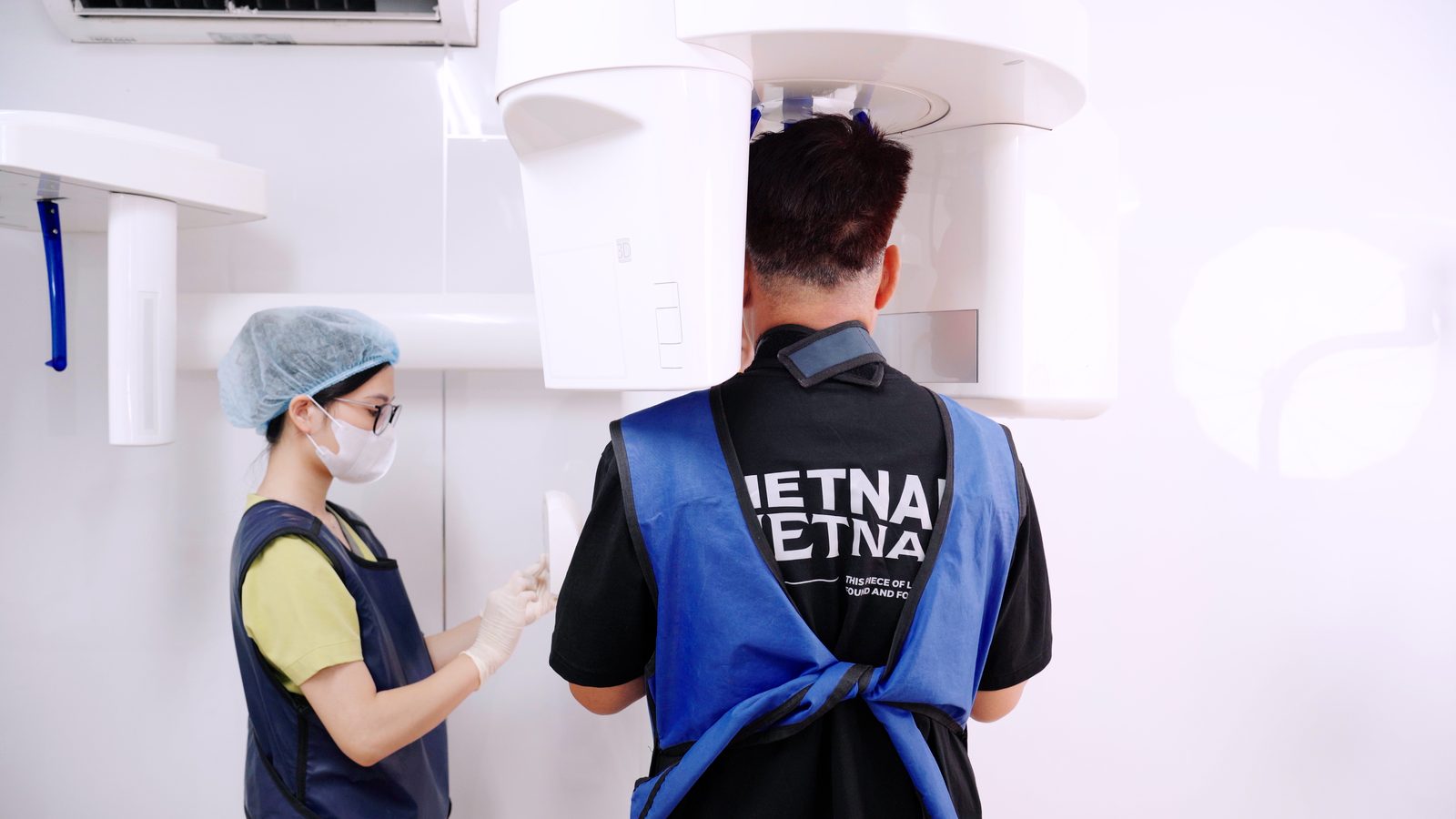
Modern Vietnamese dental clinics serving international patients have invested heavily in current equipment. Picasso Dental uses CBCT cone beam computed tomography for 3D imaging when planning implant cases and complex root canals. This provides far more detail than traditional 2D X-rays and allows precise pre-surgical planning. We use digital impression scanners that eliminate uncomfortable traditional impressions and produce more accurate models. Our sterilisation equipment includes hospital-grade autoclaves. Digital X-ray systems across all branches reduce radiation exposure by up to 90 percent compared to traditional film.
Vietnam's dental tourism industry grew precisely because clinics recognised that meeting or exceeding Western technology standards was required to compete. The investment followed the market.
Myth 3: Communication will be a problem
Language barriers are a legitimate concern that international-patient clinics have addressed as a basic operational requirement, not an afterthought.
At Picasso Dental, English is the working language for international patients. All dentists speak English fluently, having either trained internationally or completed English-language medical programs. Support staff, from receptionists to dental assistants, communicate effectively in English. Written treatment plans, cost estimates, and post-treatment care instructions are provided in English. Consent forms are available in English. We also have staff members who speak Mandarin, Korean, and Japanese. Complex treatment options can be explained clearly, risks and benefits discussed, and detailed questions answered without language creating barriers.
"Making the decision to go to Hanoi and have the dental treatment done by Picasso was of the best decisions I have taken for a long time. I not only received top class dental care, it was so cost effective in comparison to having all this work undertaken at an Australian dental practice."
Gerald Mair, Hanoi Old Quarter, Google review
Myth 4: Infection control standards are lower
This myth suggests that Vietnamese dental professionals do not care about patient safety or do not understand sterilisation protocols. It is inaccurate for any clinic that has built a reputation with international patients.
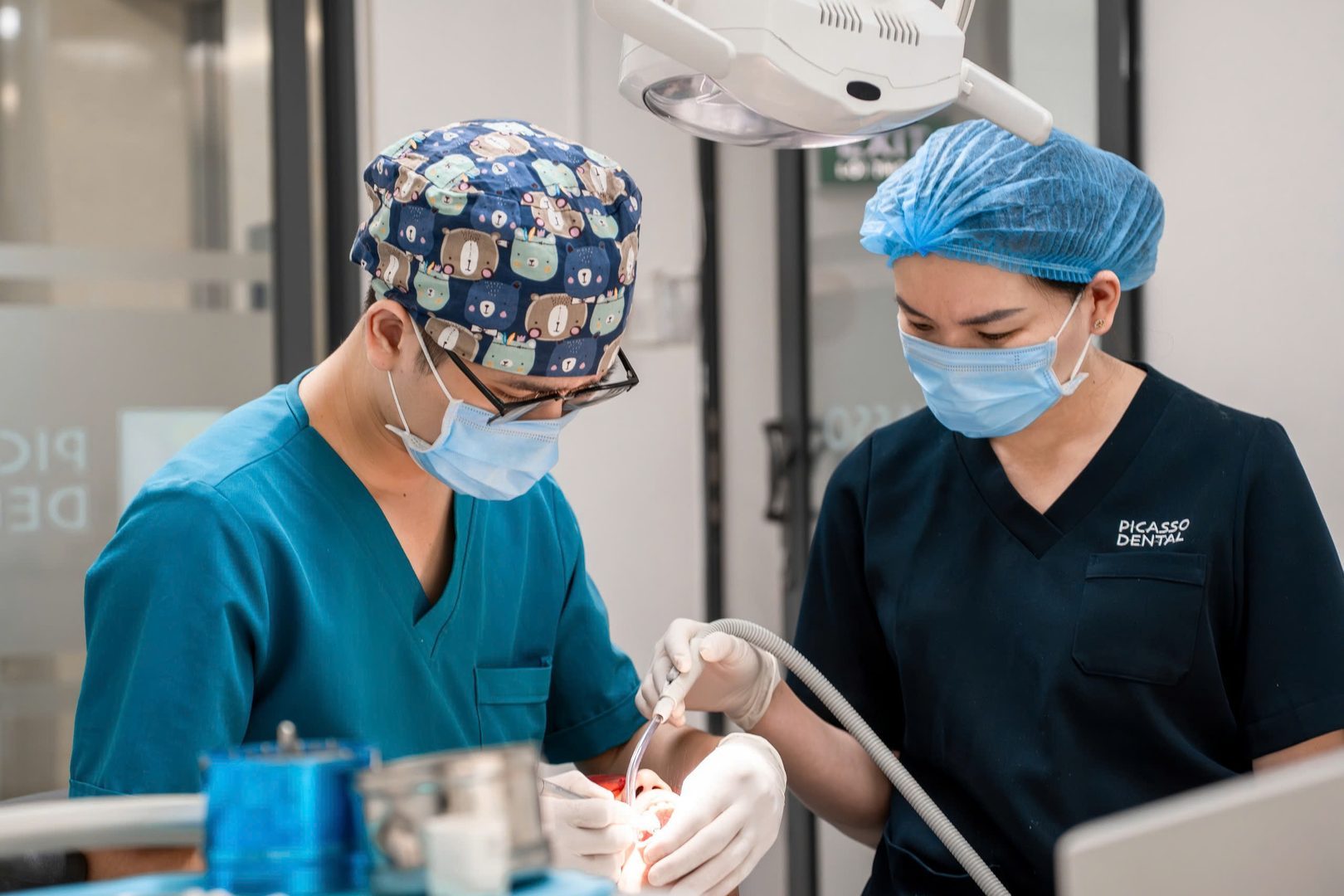
Reputable dental clinics in Vietnam follow the same infection control guidelines as clinics worldwide, based on CDC and WHO recommendations. At Picasso Dental, every instrument that enters a patient's mouth is either single-use and disposable, or thoroughly sterilised between patients using autoclaves. Instruments are packaged in individual sterilisation pouches that remain sealed until opened in front of the patient. Indicator strips verify sterilisation effectiveness with every cycle. Treatment rooms are disinfected between patients using hospital-grade disinfectants. International patients are welcome to tour our sterilisation area before committing to treatment. Many do.
Myth 5: If something goes wrong, you have no recourse
The assumption here is that once you leave Vietnam, any problems become impossible to address. This is not how Picasso Dental operates.
We provide written warranties on all major work. Crowns and veneers carry two to five-year warranties covering defects in materials or workmanship. Implants often carry lifetime warranties on the fixture itself, with documented coverage on the crown. If problems arise after you return home, we maintain complete records including X-rays, photos, and technical specifications of every material used. This documentation helps your home-country dentist address issues. We are available via email and video consultation to discuss concerns. Patients have contacted us months and years after treatment. We have never dismissed a post-treatment inquiry.
Have questions before you book? Describe your situation and a licensed dentist at Picasso Dental replies within 24 hours with an honest assessment and written plan.
Contact us →Myth 6: Vietnamese dentists lack proper training
Vietnamese dental school requires six years of study after secondary school, including classroom education, laboratory work, and clinical rotations. The qualification is rigorous and comprehensive.
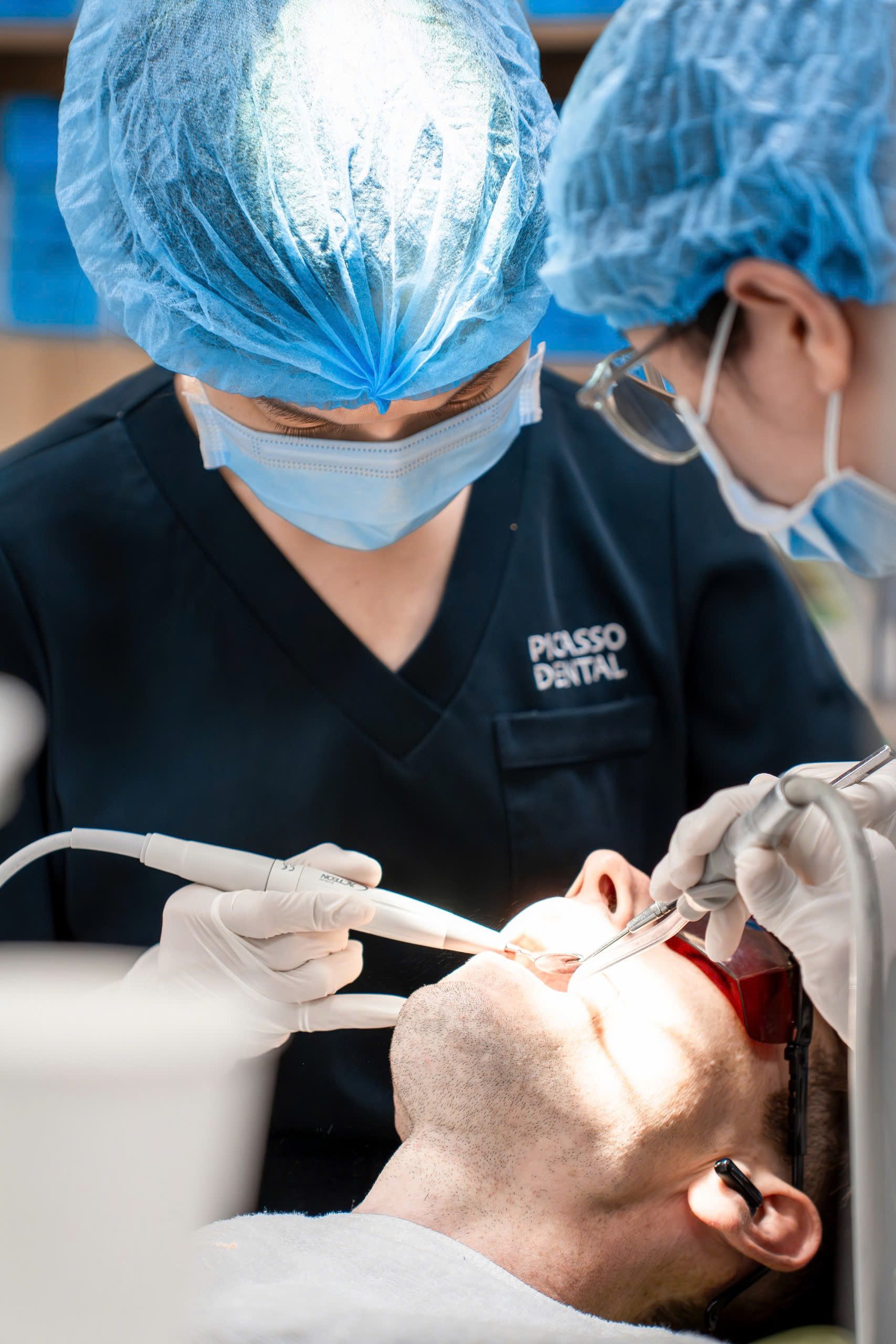
Many dentists at Picasso Dental have completed additional training internationally or hold specialty certifications. Several have attended continuing education programs in Australia, Thailand, Singapore, and the United States. Our clinical team attends international dental conferences annually. What international patients often do not realise is that dentists treating international patients face a higher standard of scrutiny than those serving only local populations. Our work is compared directly to dental care in developed countries by patients who have experienced both. This pushes clinical standards up, not down.
The questions you should actually ask
Rather than starting from the myths above, international patients benefit from asking the right questions when researching Vietnamese clinics.
- What is the clinic's experience with international patients? How many international patients do they treat annually? Can they provide references from patients in your country? A clinic with documented experience treating patients from your home country has already navigated the practical issues that matter to you.
- What specific material brands will be used? Reputable clinics name the implant system, crown material, and filling product by brand without hesitation. If a clinic is vague about materials or defensive when asked, that is a real warning sign. The brand and model should appear in writing in your treatment plan.
- What does the written warranty cover? Get warranty terms in writing before treatment begins. This should specify what is covered, for how long, and what process applies if you need follow-up care after returning home.
- What training and experience does the dentist have with your specific procedure? Years in practice, number of that procedure performed, and any relevant specialty training. For complex work like implants or full-arch rehabilitations, ask for the number of similar cases completed per year.
A clinic that answers all of these questions openly, in writing, before you commit to anything is one where you can proceed with confidence. A clinic that resists, deflects, or provides vague answers is one to avoid regardless of its location.
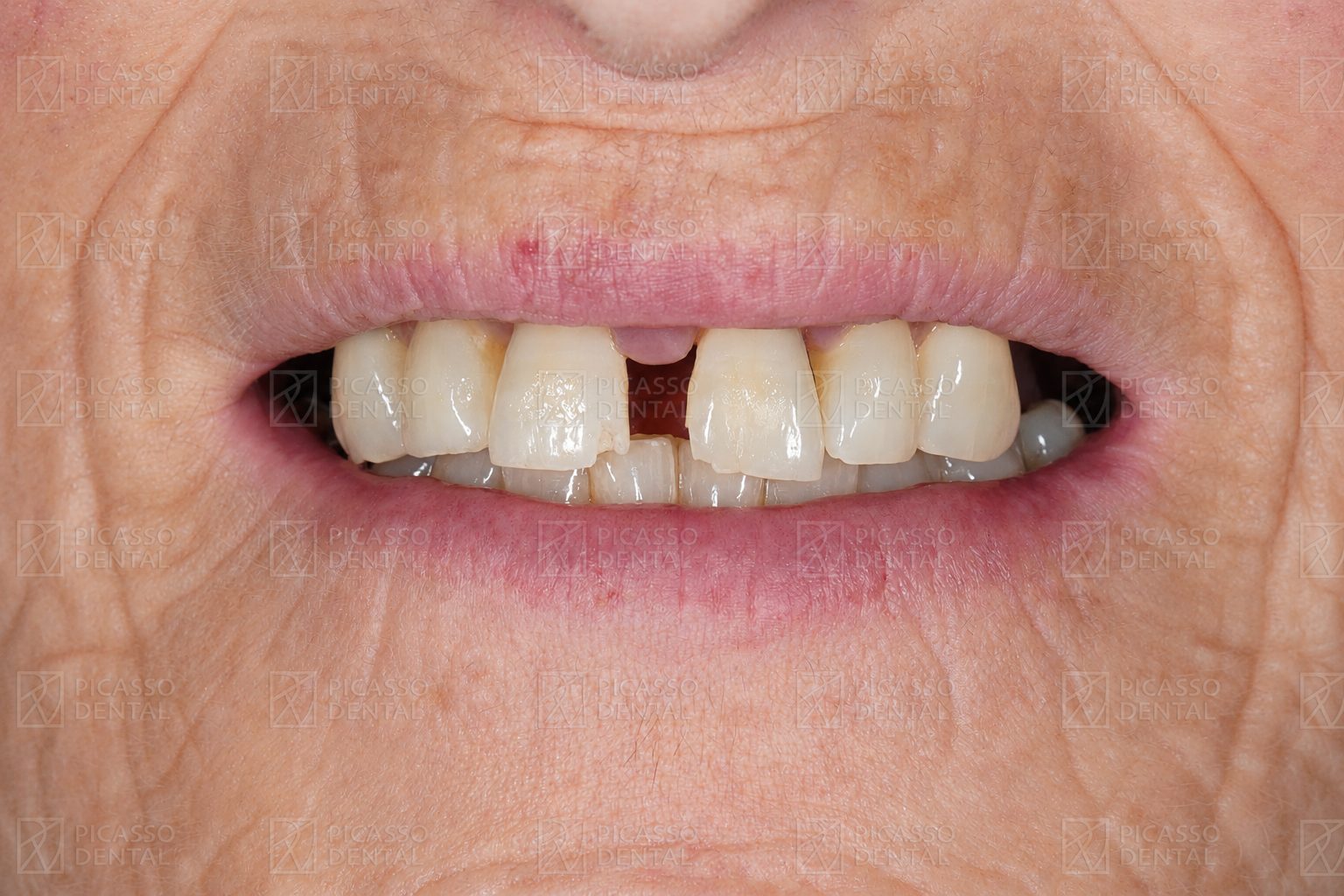 Before
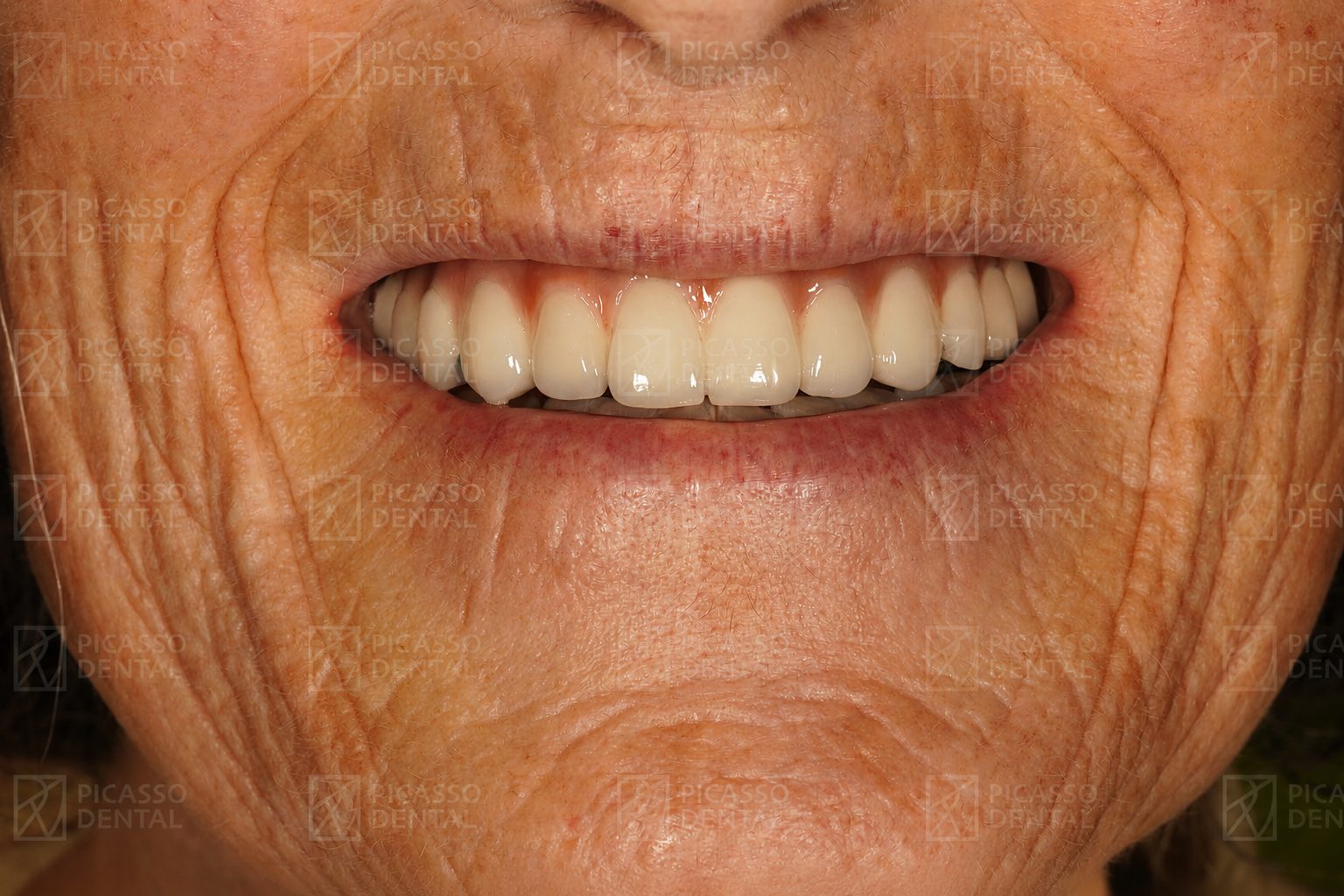 After
AfterFull rehabilitation, Hanoi Old Quarter
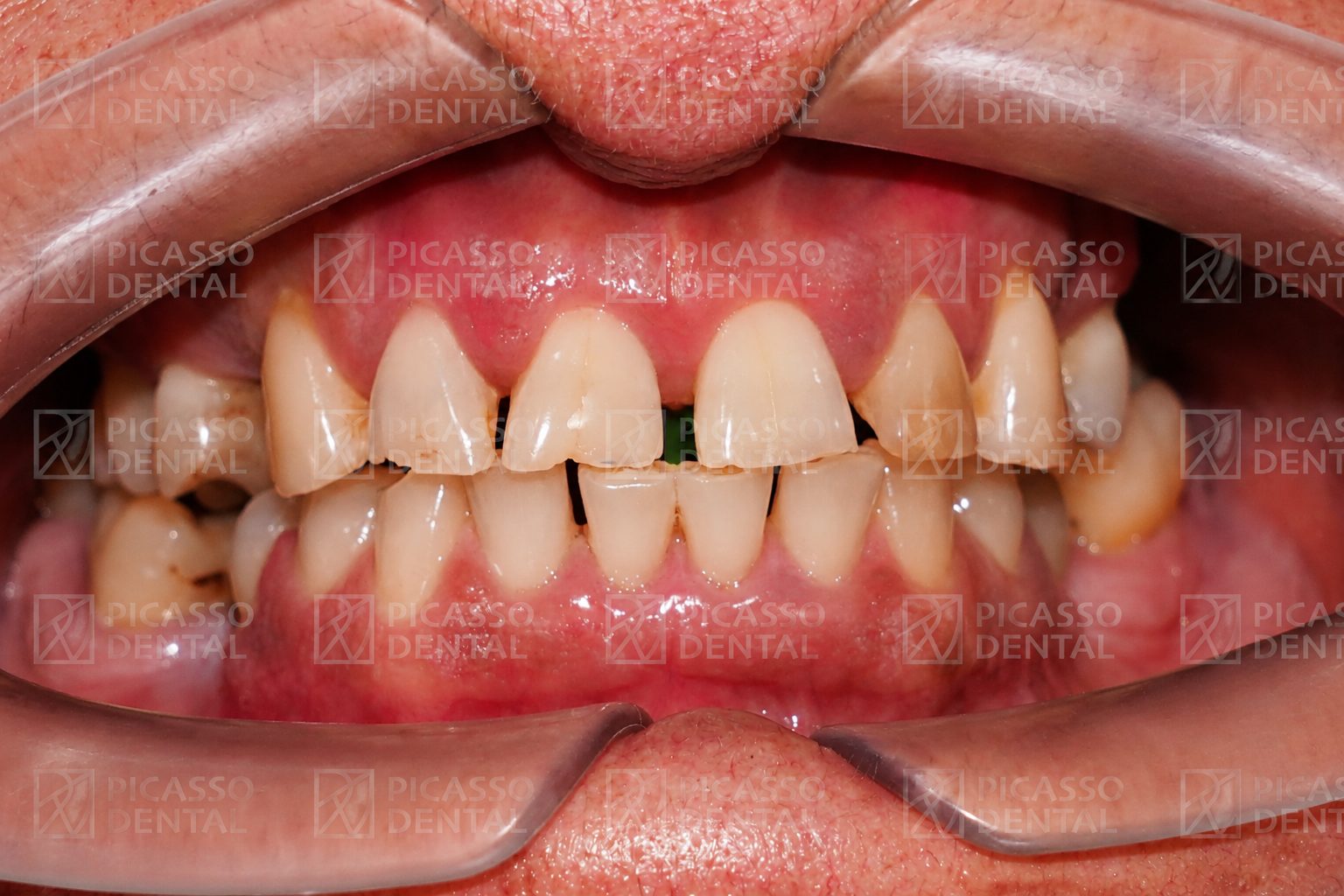 Before
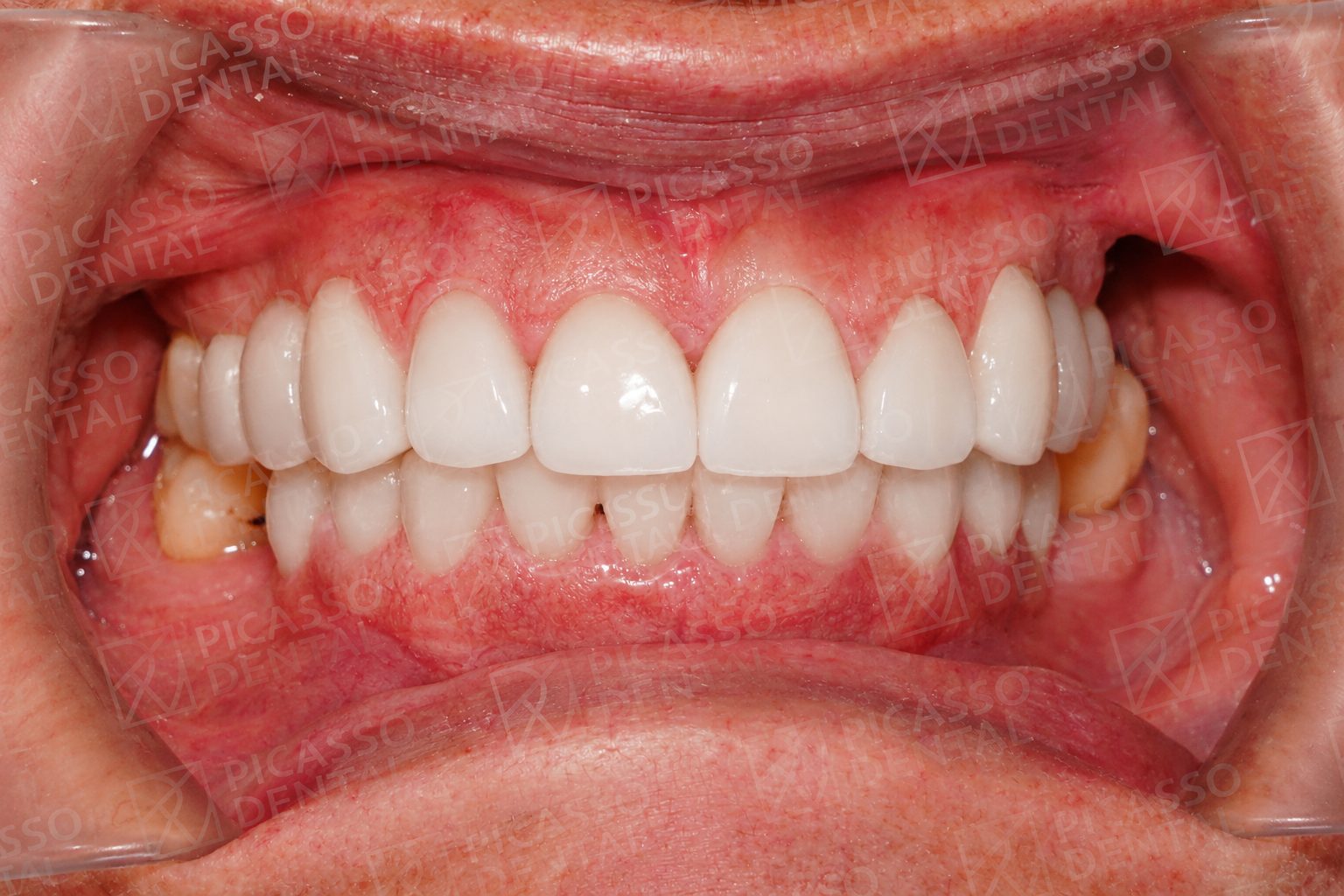 After
AfterPorcelain crowns, Da Nang
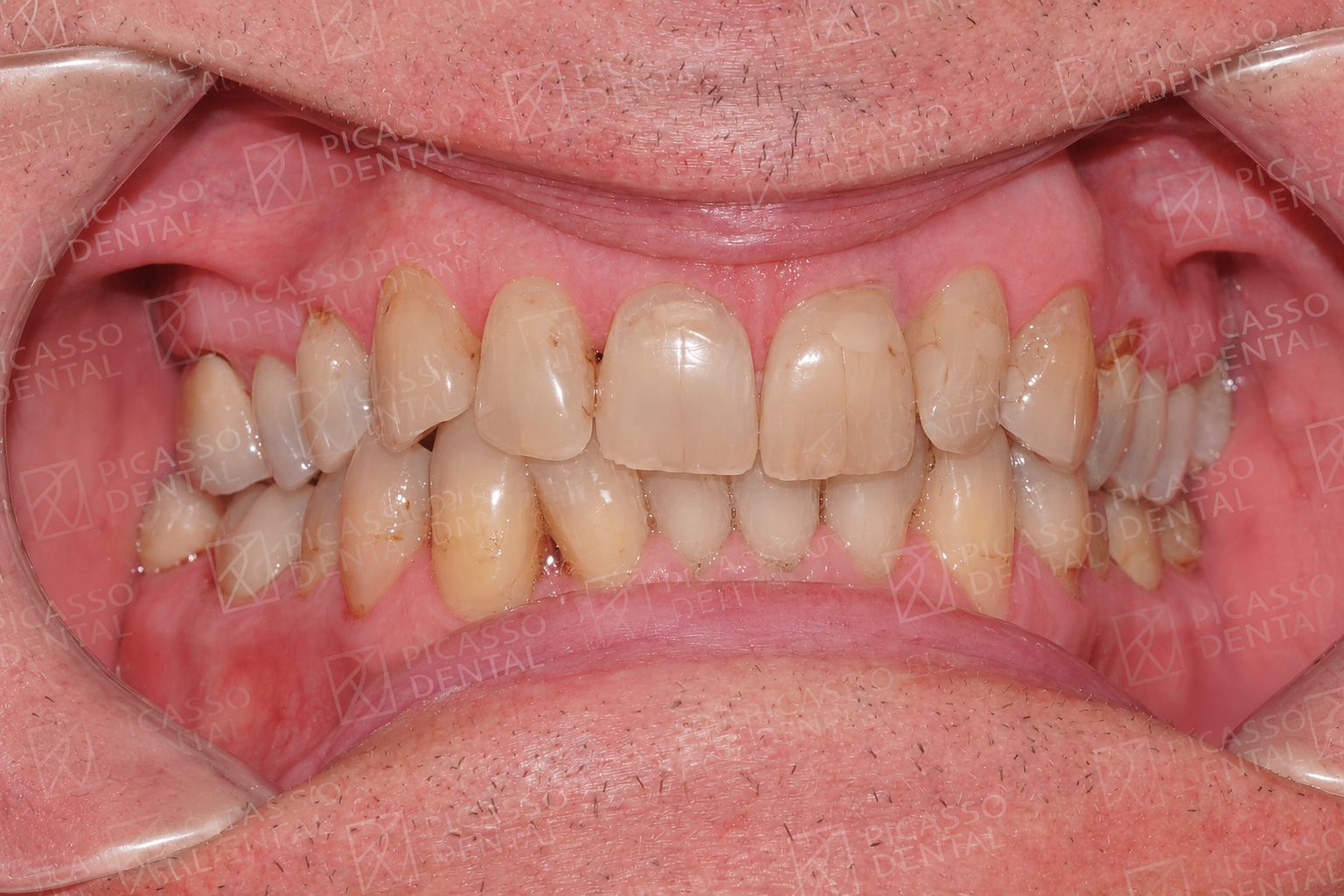 Before
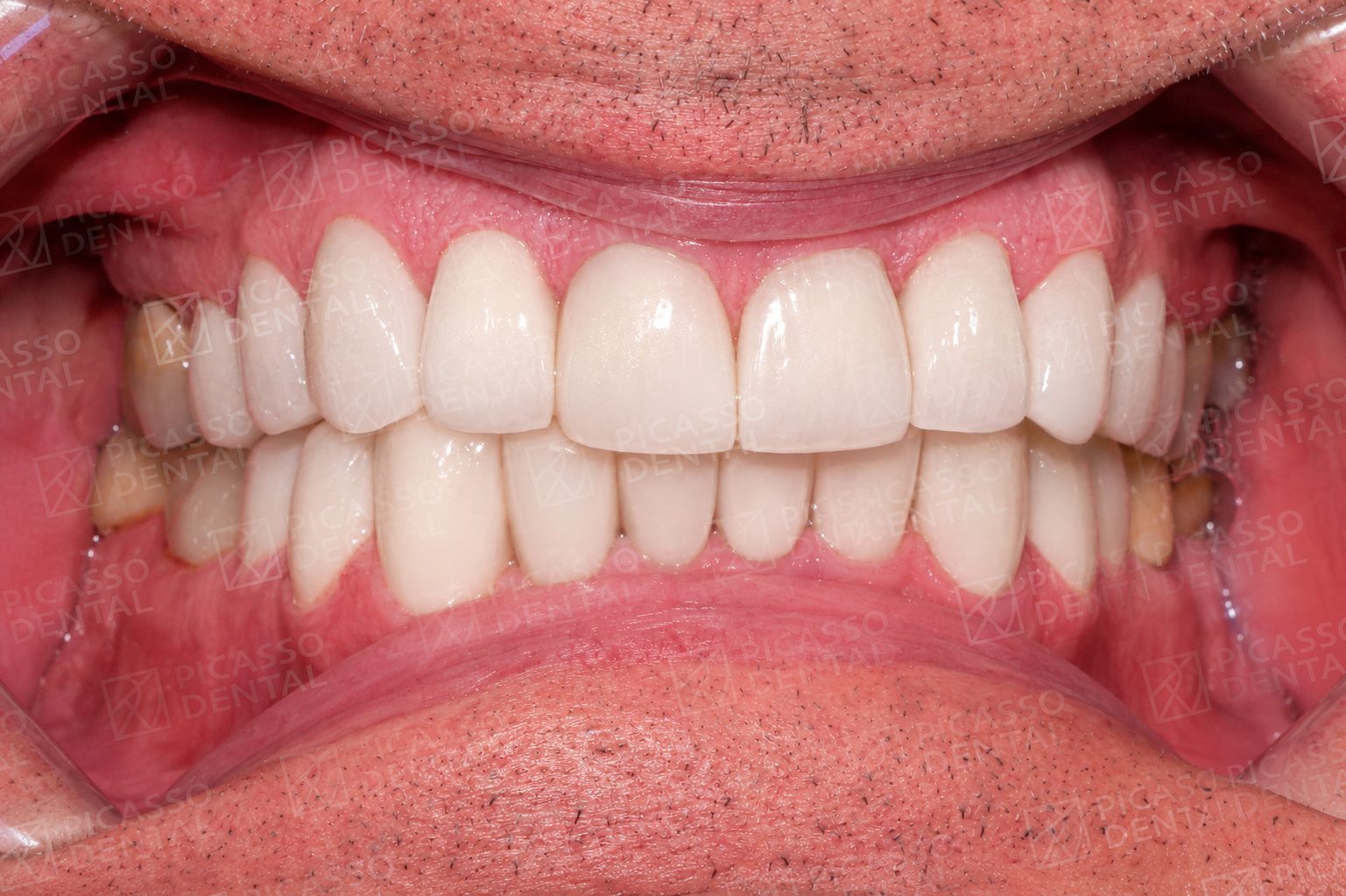 After
AfterCrown and implant, HCMC Thao Dien
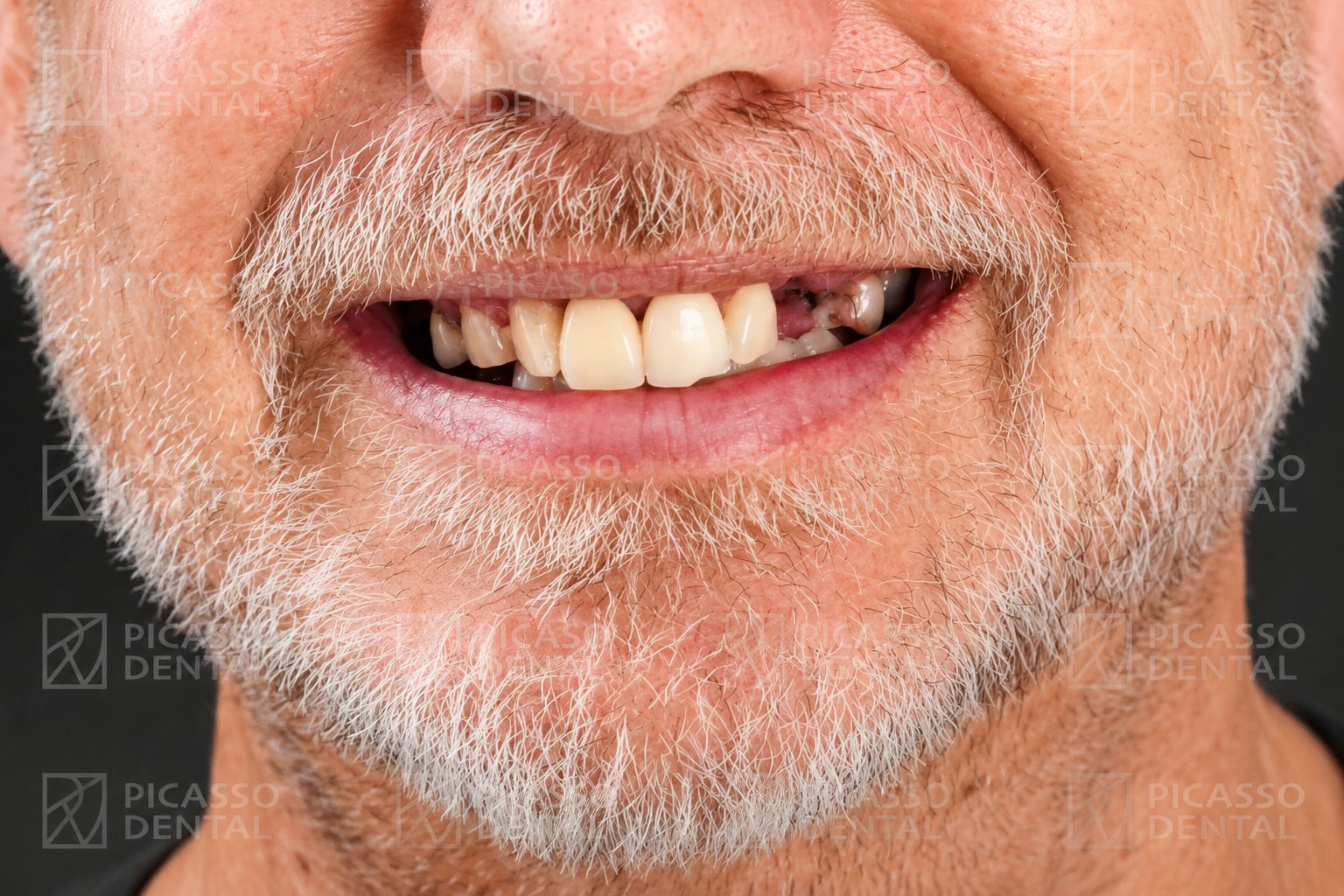 Before
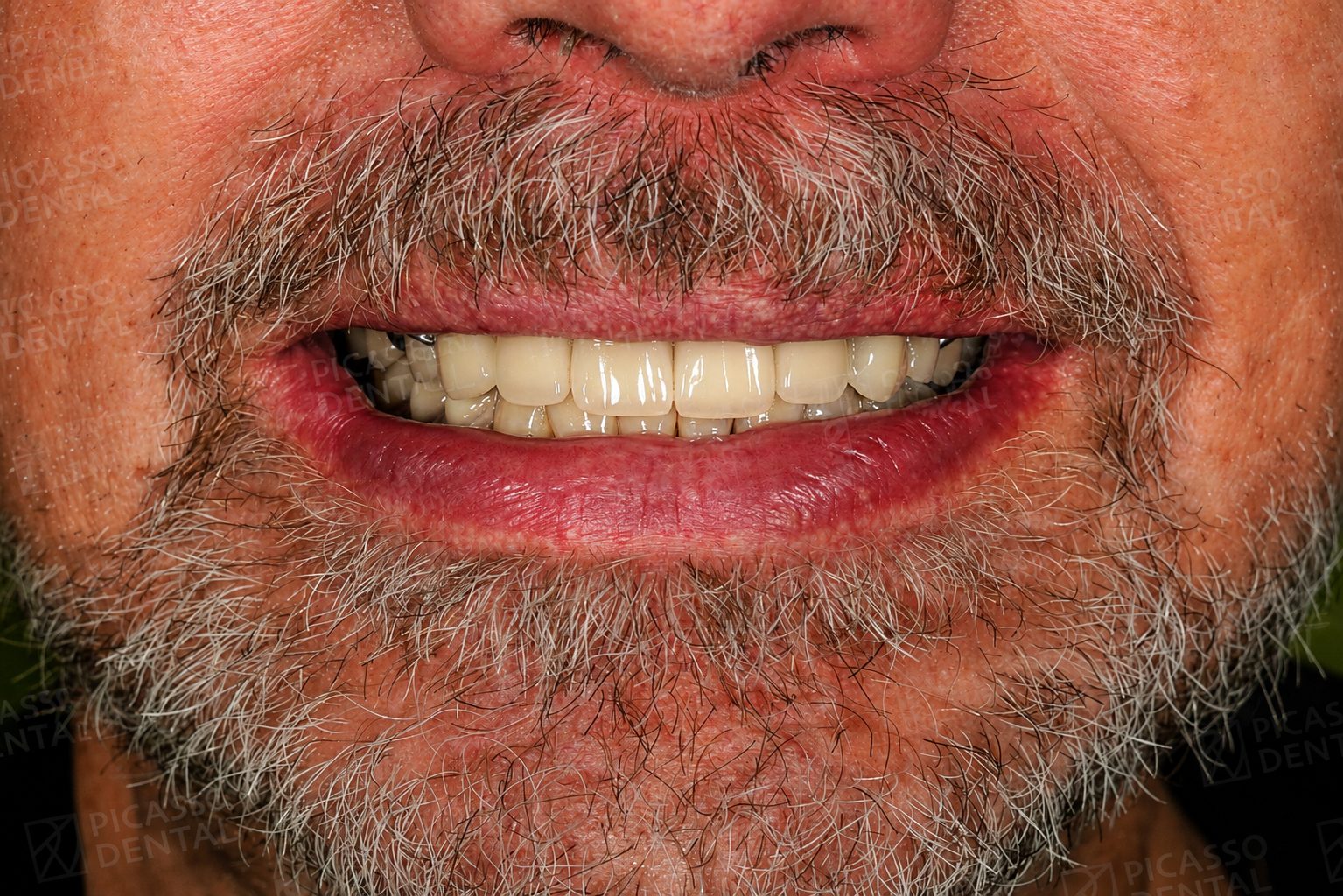 After
AfterCrown restoration, Hanoi Westlake
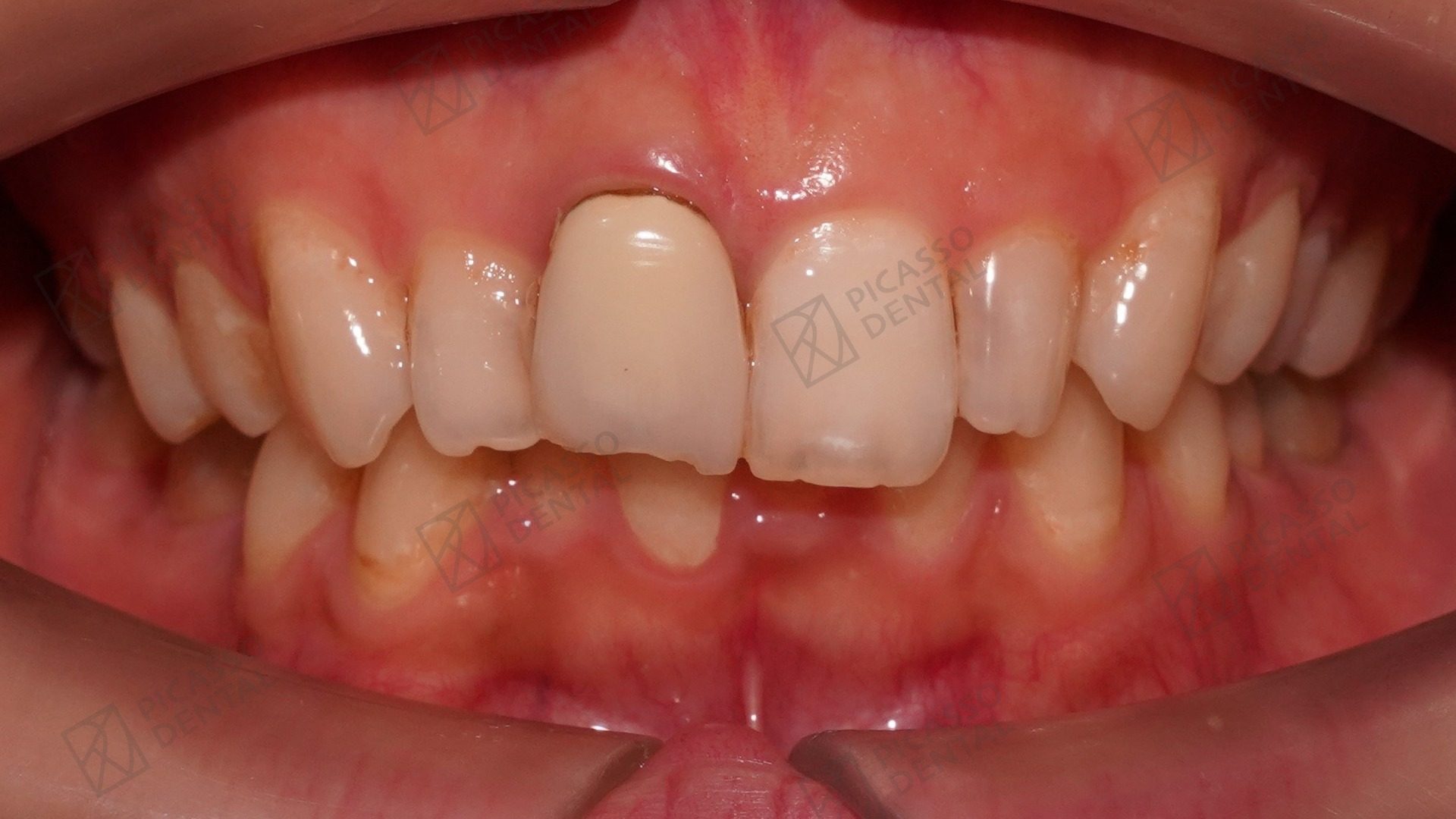 Before
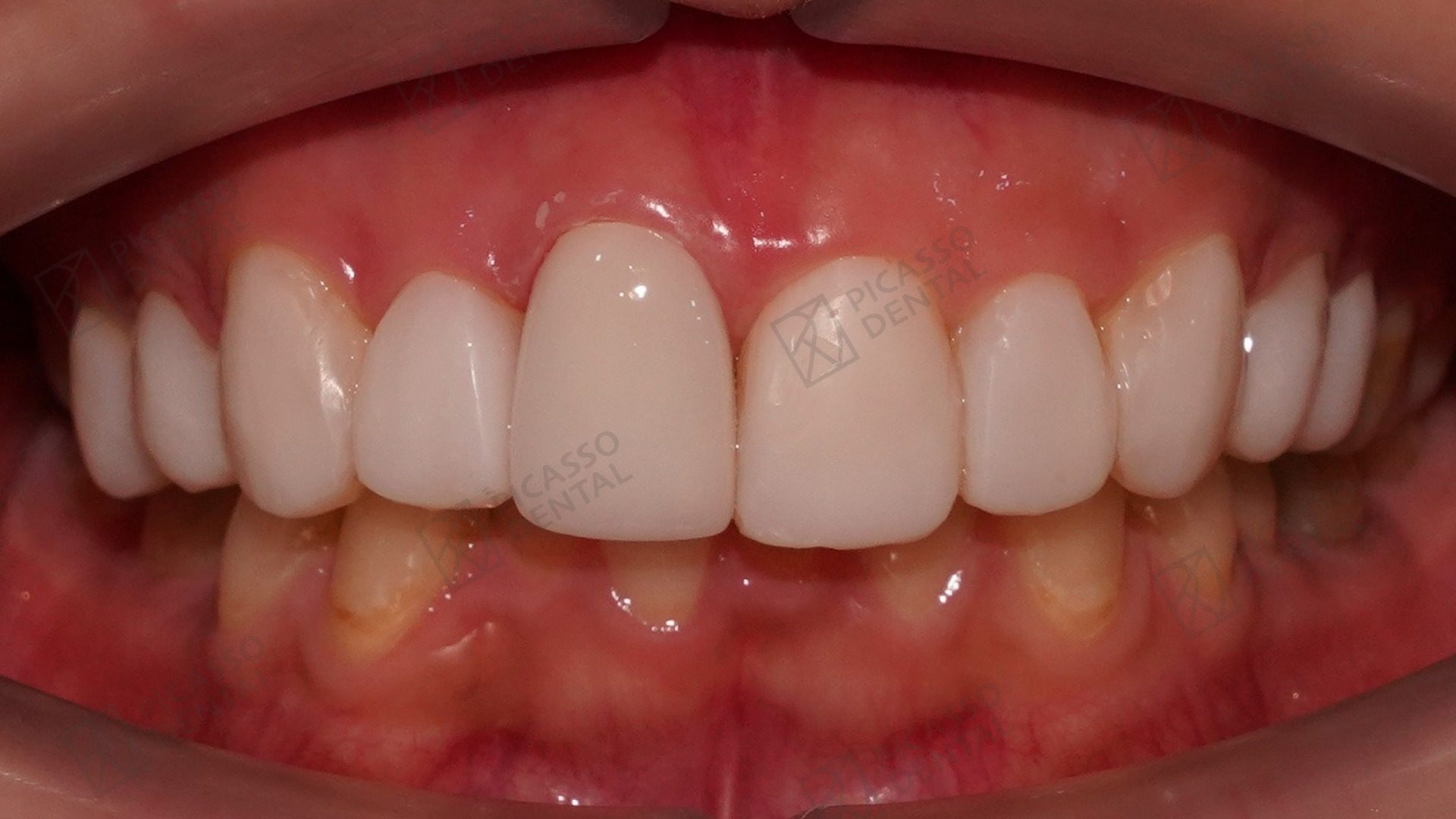 After
AfterSmile restoration, Da Nang Flagship
Frequently asked questions
Do Vietnamese dental clinics use inferior materials?
No. Reputable dental clinics in Vietnam source materials from the same global manufacturers as clinics in Australia, the United States, or Europe. Picasso Dental uses 3M, Ivoclar Vivadent, Nobel Biocare, and Straumann products ordered through official distribution channels. The price difference reflects lower operating costs in Vietnam, not cheaper materials. Ask any clinic to name the specific brand of every material they plan to use; a reputable clinic provides this in writing.
Is dental technology in Vietnam outdated?
Not at clinics that serve international patients. Picasso Dental uses CBCT 3D imaging for implant and root canal planning, digital impression scanners, rotary endodontic systems, and digital X-ray across all branches. Vietnam's dental tourism industry grew because clinics invested in matching or exceeding Western technology standards. Patients arriving with expectations set by their home-country experience routinely comment that the equipment is comparable to or better than what they have seen at home.
Will communication be a problem at a Vietnamese dental clinic?
Not at clinics designed to serve international patients. At Picasso Dental, all dentists speak English fluently. Written treatment plans, cost estimates, and post-care instructions are provided in English. We also have staff who speak Mandarin, Korean, and Japanese. Every consultation, consent, and post-treatment instruction happens in English without relying on a translator.
Are infection control standards lower in Vietnam?
Reputable Vietnamese clinics follow the same CDC and WHO infection control guidelines as clinics worldwide. At Picasso Dental, every instrument is either single-use or autoclaved in sealed pouches opened in front of patients. Treatment rooms are disinfected between patients using hospital-grade disinfectants. International patients are welcome to tour the sterilisation area before any treatment begins.
Do I have any recourse if something goes wrong after I return home?
Yes. Picasso Dental provides written warranties on crowns, veneers, and implants. We maintain complete treatment records including X-rays, photos, and material specifications that help your home-country dentist act on any issue. Patients can contact us via email and video consultation after returning home. We have answered post-treatment questions from patients years after their original visit.
Are Vietnamese dentists properly trained?
Yes. Vietnamese dental school requires six years of study. Many dentists at Picasso Dental hold additional international specialty certifications and attend global conferences annually. Dentists treating international patients face direct comparison to Western standards every day, which drives clinical quality upward. Several Picasso dentists have completed continuing education in Australia, the United States, and Singapore.
How much can I save on dental work in Vietnam?
Savings of 60 to 80 percent compared to Australia, the US, or the UK are typical for major procedures at Picasso Dental. Crowns, implants, and veneers that cost thousands of dollars at home cost a fraction of that in Vietnam using identical materials. Most international patients save enough to cover flights and accommodation several times over, even after accounting for travel costs on both visits required for implant work.
What questions should I ask a Vietnamese dental clinic before booking?
Ask which specific brands of materials will be used, what the written warranty covers and for how long, what training the treating dentist has for your specific procedure, and what happens if you need follow-up care after returning home. A reputable clinic answers all of these clearly and provides the answers in writing before you commit to anything. If a clinic is vague about materials or defensive when asked for credentials, treat that as a warning sign regardless of how good the price looks.
Start Here
Start with a brief.
Tell us what dental work you need and a licensed dentist replies with a written plan, material specifications, and an itemised quote within twenty-four hours. No obligation.