
Root Canal Treatment
5 Signs You Might Need
a Root Canal
Act Before It Gets Worse
Most patients who need a root canal wait longer than they should. Recognising these five warning signs early is the difference between saving a tooth in one appointment and losing it entirely.

The short version
- Persistent throbbing pain that does not resolve on its own is the most reliable sign the nerve inside your tooth is infected or dying.
- Temperature sensitivity lasting 30 seconds or more after the stimulus is removed indicates nerve compromise, especially if heat triggers the pain.
- A small bump or pus near the gum line means the infection has spread beyond the root into the surrounding bone.
- A single tooth turning gray or brownish shows the nerve has died and the breakdown products are staining it from the inside out.
- Sharp pain when biting or touching a specific tooth means the infection has reached the ligament and bone around the root tip.
Why root canal fear is misplaced
Root canal treatment has a reputation for being painful that is decades out of date. The pain patients fear is the toothache that precedes treatment, not the procedure itself. A tooth with an infected or dying nerve causes the kind of deep, throbbing pain that disrupts sleep and makes eating difficult. The root canal removes that source of pain. The procedure itself, under modern local anaesthetic and with rotary endodontic instruments, is comparable to having a filling placed.
What I tell every anxious patient at Picasso Dental is this: ignoring the signs is the choice that leads to real problems. Dental infections do not resolve on their own. They spread to surrounding bone and soft tissue, and a tooth that could have been saved with a one-hour appointment becomes one that requires extraction and a much longer, more expensive replacement process.
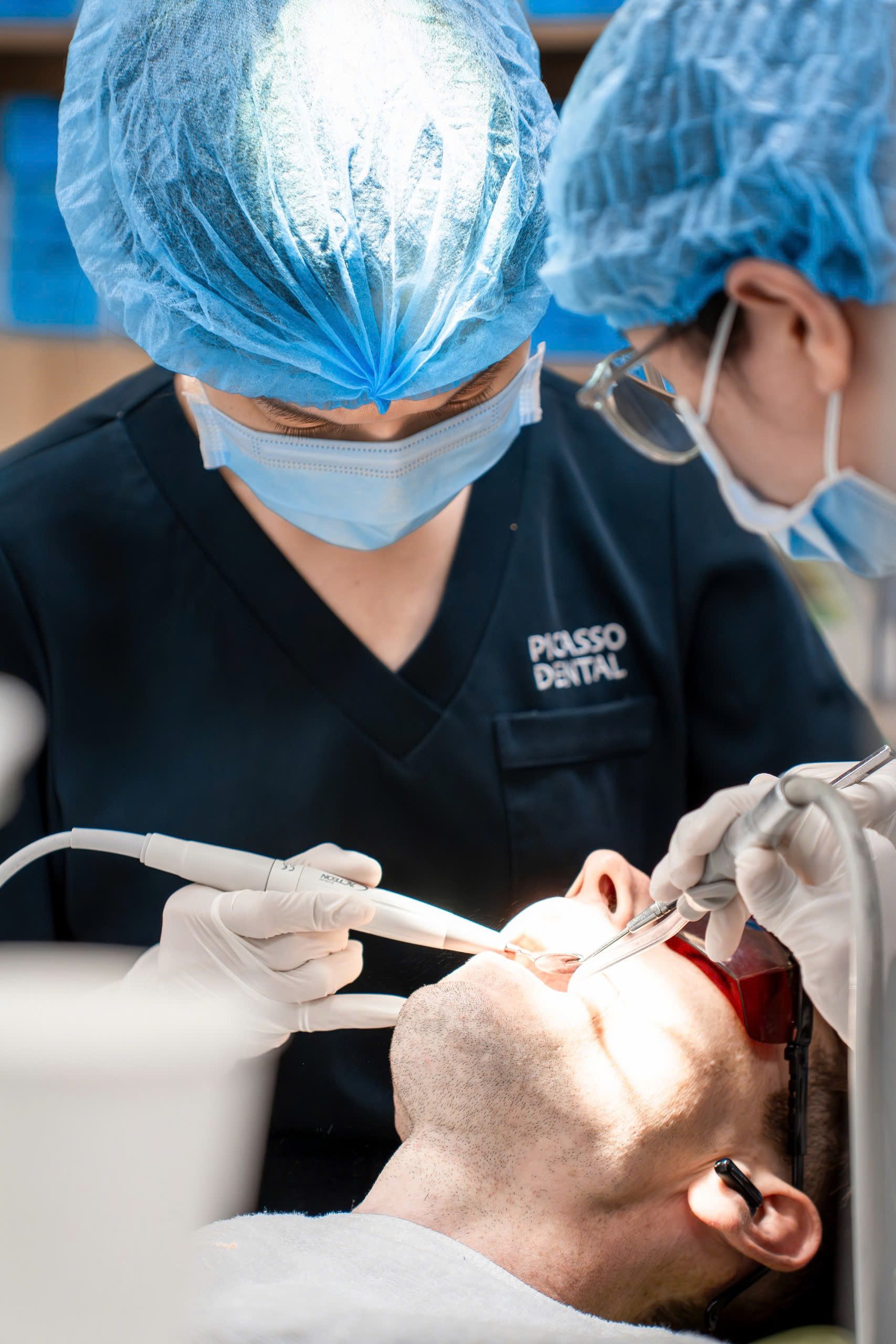
Recognising the five signs below early gives you options. Waiting until the pain becomes unbearable, or until the tooth has fractured, removes them.
The five warning signs
- Persistent, throbbing tooth pain The most reliable sign. A healthy tooth should never hurt spontaneously. If you are taking painkillers multiple times a day, waking at night from tooth pain, or noticing pain that intensifies when you lie down or bend forward, the nerve inside the tooth is likely infected or dying. Pain that radiates to the jaw, ear, or temple and seems to move around is common, and often makes it hard to identify which tooth is the culprit. In-clinic percussion and thermal tests isolate the source precisely.
- Prolonged temperature sensitivity Brief sensitivity to cold is common and usually responds to desensitizing toothpaste. Root canal sensitivity is different in both intensity and duration. It focuses on one tooth, feels like a sharp, lingering ache, and persists for 30 seconds or more after the cold or heat source is removed. Sensitivity to heat is particularly significant: it often means the nerve is dying and generating gas inside the tooth that expands with warmth. Many patients stop drinking coffee, eat only on one side of the mouth, or avoid cold drinks entirely, a pattern of avoidance that clearly signals something is wrong.
- Gum swelling, tenderness, or a drainage bump When infection spreads from the root tip into surrounding bone and gum tissue, the gum near the affected tooth becomes puffy and tender. A small raised bump, called a fistula or sinus tract, sometimes appears. This bump may release pus, temporarily reducing pressure and pain. Patients often assume the problem has resolved when this happens. It has not: the infection is simply draining. In severe cases, swelling extends to the face or neck. Facial swelling with fever is a dental emergency requiring same-day attention.
- Tooth discoloration A tooth turning gray, dark yellow, or brownish is showing visible evidence of nerve death. The dying nerve tissue and residual blood break down inside the tooth and stain it from the inside out. External stains from coffee or tea can be polished off at a cleaning. Internal discoloration from nerve death cannot. When a single tooth is noticeably darker than its neighbours, the nerve has usually been dead for some time. This sign is especially visible on front teeth but occurs on any tooth.
- Pain when biting down or touching the tooth This sign often appears after the others and indicates the infection has moved beyond the nerve inside the tooth into the periodontal ligament and bone surrounding the root tip. Sharp pain on biting or even light touch, or a tooth that feels raised and loose in the socket, confirms the infection has progressed. The longer this is left, the more bone is lost around the root, which directly affects the long-term prognosis even after successful root canal treatment.

"I had four crowns, two cavities, and a root canal and it was as gentle and pain free as it could possibly be. More so than any dentist back in the states in my sixty years of seeing the dentist."
Kevin McCarthy, Hanoi Old Quarter, Google review
When it is an emergency versus when you have a day or two
Not every set of symptoms requires you to present to a clinic that same afternoon. The table below helps distinguish situations that can wait a day or two from those that need immediate attention.
Can wait 1 to 2 days
- Dull, persistent ache that is manageable with paracetamol
- Cold sensitivity on one tooth, no lingering heat pain
- Mild gum tenderness without visible swelling
- Single tooth darker than neighbours, no pain
- Minor discomfort when biting, no swelling
Seek same-day attention
- Pain that cannot be controlled with standard painkillers
- Visible swelling of the face, jaw, or neck
- Fever alongside tooth pain or facial swelling
- Pus draining from the gum near a tooth
- Tooth that feels loose or raised in the socket
- Difficulty swallowing or opening the mouth
Not sure if your symptoms need urgent attention? Describe what you are experiencing and a licensed dentist at Picasso Dental will respond within 24 hours.
Contact us →What root canal treatment actually involves
Understanding the procedure removes most of the fear around it. A root canal is an endodontic procedure: it addresses what is happening inside the tooth, specifically the removal of infected or dead pulp tissue from the canals inside the root.

The procedure at Picasso Dental follows this sequence: first, a digital X-ray and examination to confirm the diagnosis and assess root anatomy. Local anaesthetic is then administered to the surrounding tissue. Once the area is numb, a small opening is made in the crown of the tooth to access the pulp chamber. Rotary endodontic files are used to clean and shape each canal, removing infected tissue and bacteria. The canals are then irrigated, dried, and filled with a biocompatible material called gutta-percha that seals the space permanently. A temporary or permanent filling closes the access opening.
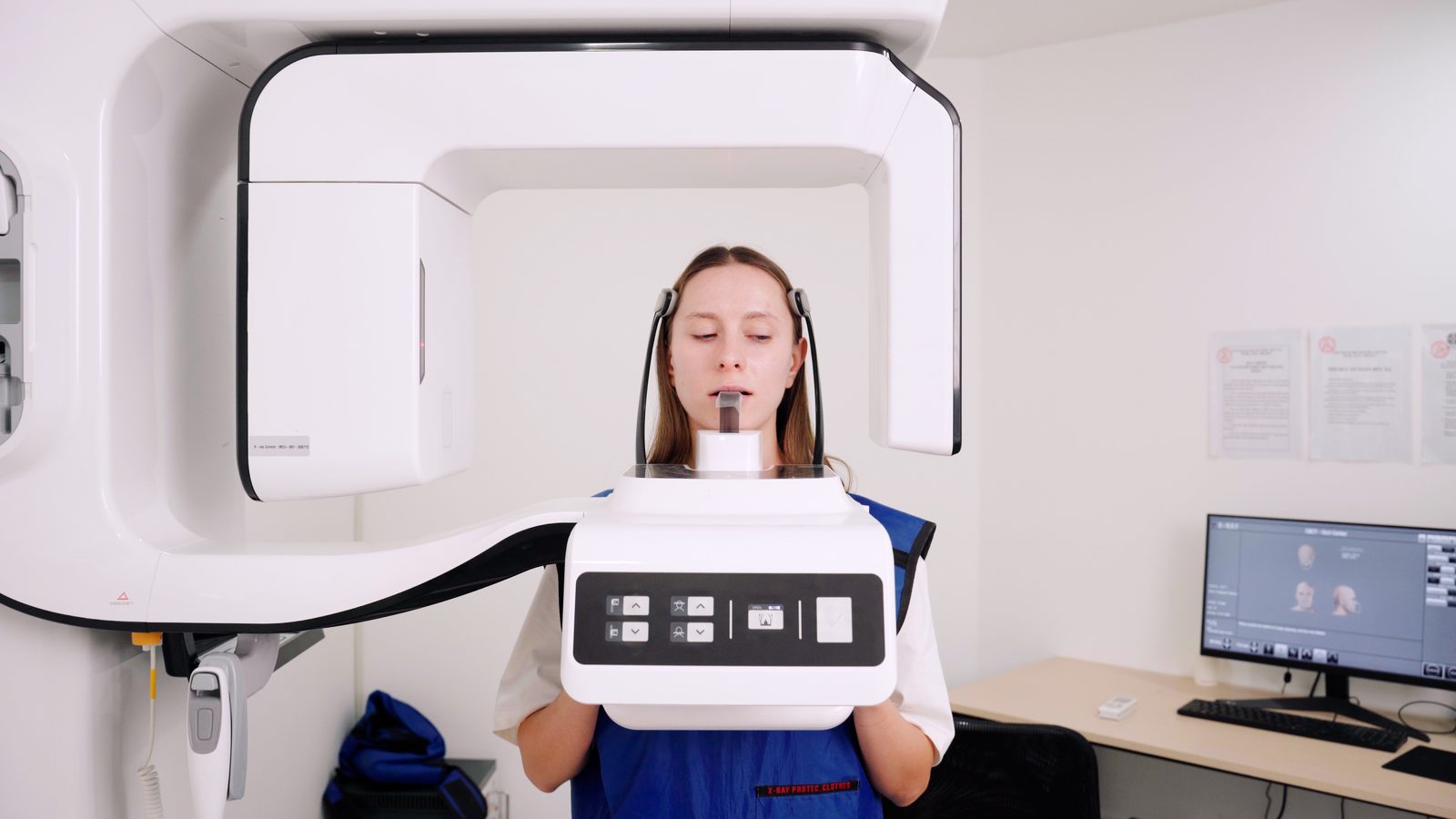
For most front teeth, the procedure takes a single appointment of 60 to 90 minutes. Molars, which have three or four canals and more complex anatomy, may require two appointments of 90 minutes each if the infection is significant. A crown is placed over the treated tooth after healing, usually two to four weeks later. The crown protects the now non-vital tooth from fracture and restores full chewing function.
The crown after a root canal is not optional
A tooth after root canal treatment is more brittle than a vital tooth because it no longer has the moisture and nutrients the pulp provided. Without a crown, the tooth is at significant risk of fracturing under normal chewing forces. We see this with patients who delay or decline the crown: the tooth survives the root canal and then fractures months later, at which point extraction becomes the only option. The crown is what makes the long-term success rate exceed 85 percent at ten years.
What happens if you ignore these signs
A dental infection does not reach a stable plateau and hold there. It progresses. The most common sequence: the nerve dies, the infection spreads to the bone at the root tip, an abscess forms, the surrounding bone is destroyed, the tooth loosens, and extraction becomes the only option.
Patients who present at that stage face a longer and more expensive path to a functional tooth. Extraction plus implant placement costs three to five times more than a root canal and crown on the same tooth, takes four to six months to complete, and requires adequate bone volume that the infection may have already compromised. If bone has been lost, a bone graft adds cost and time before the implant can even be placed.

I have treated patients who delayed for years, hoping the symptoms would resolve or the pain would become manageable. In every case the tooth was harder to save, the infection was more extensive, and the treatment was more involved than it would have been at the point the first symptoms appeared. The five signs above are the window in which the tooth can still be saved cleanly, in one or two appointments, and restored to full function.
"During my total 4 to 5 hours of treatment on the 2 days of visit, I feel completely relaxed and do not feel any slightest pain during the treatment whosoever."
Wilfred Koh, HCMC Thao Dien, Google review
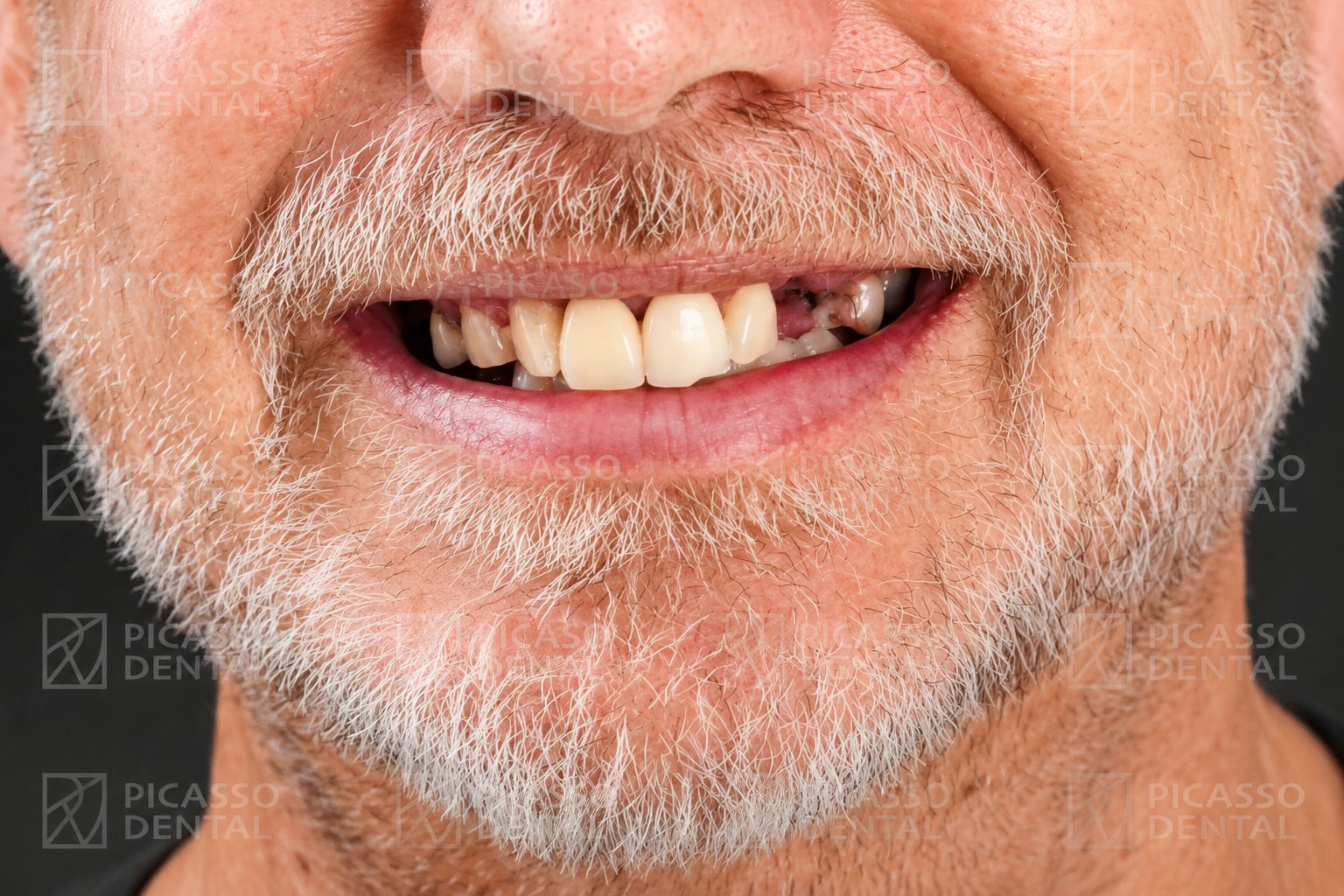
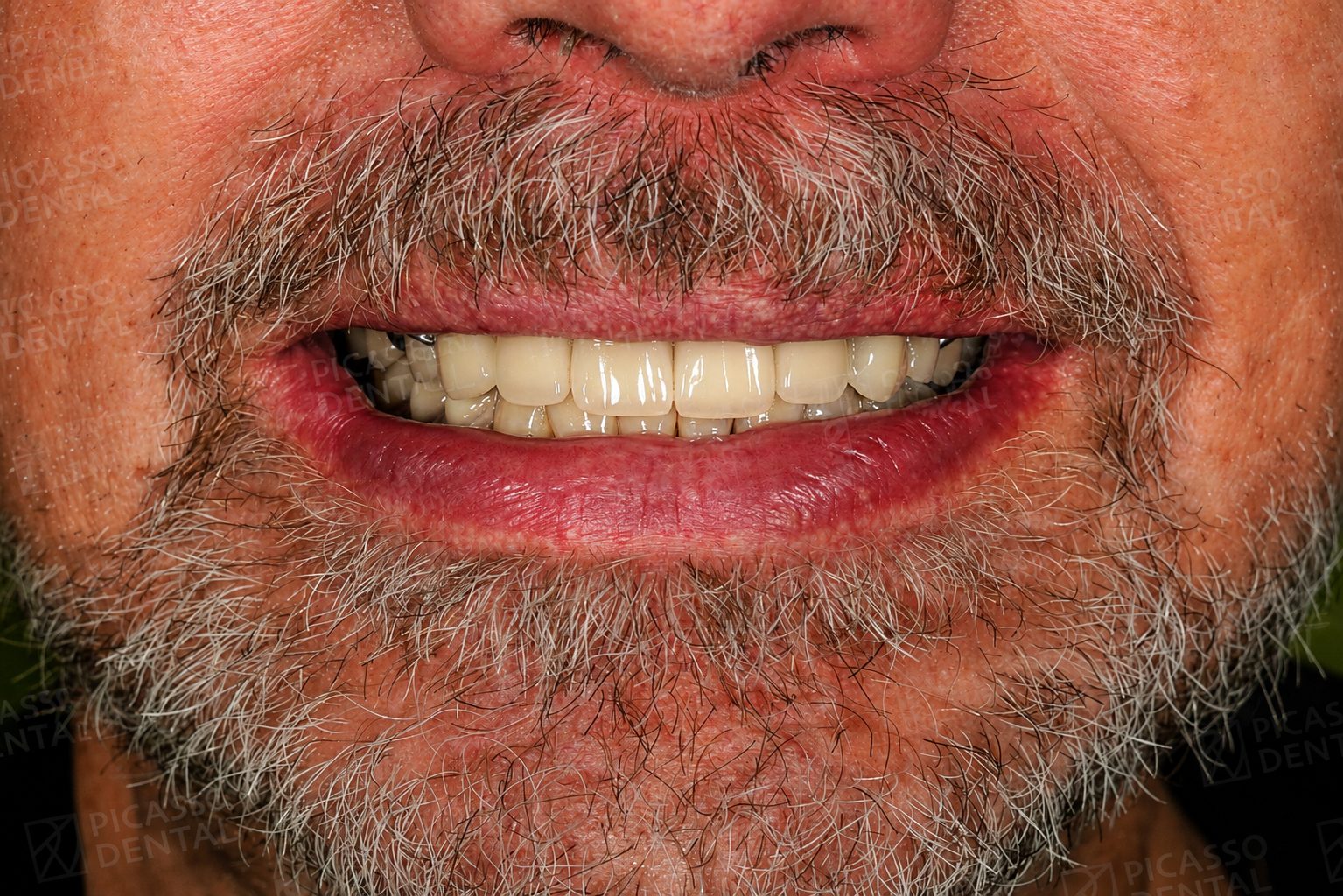
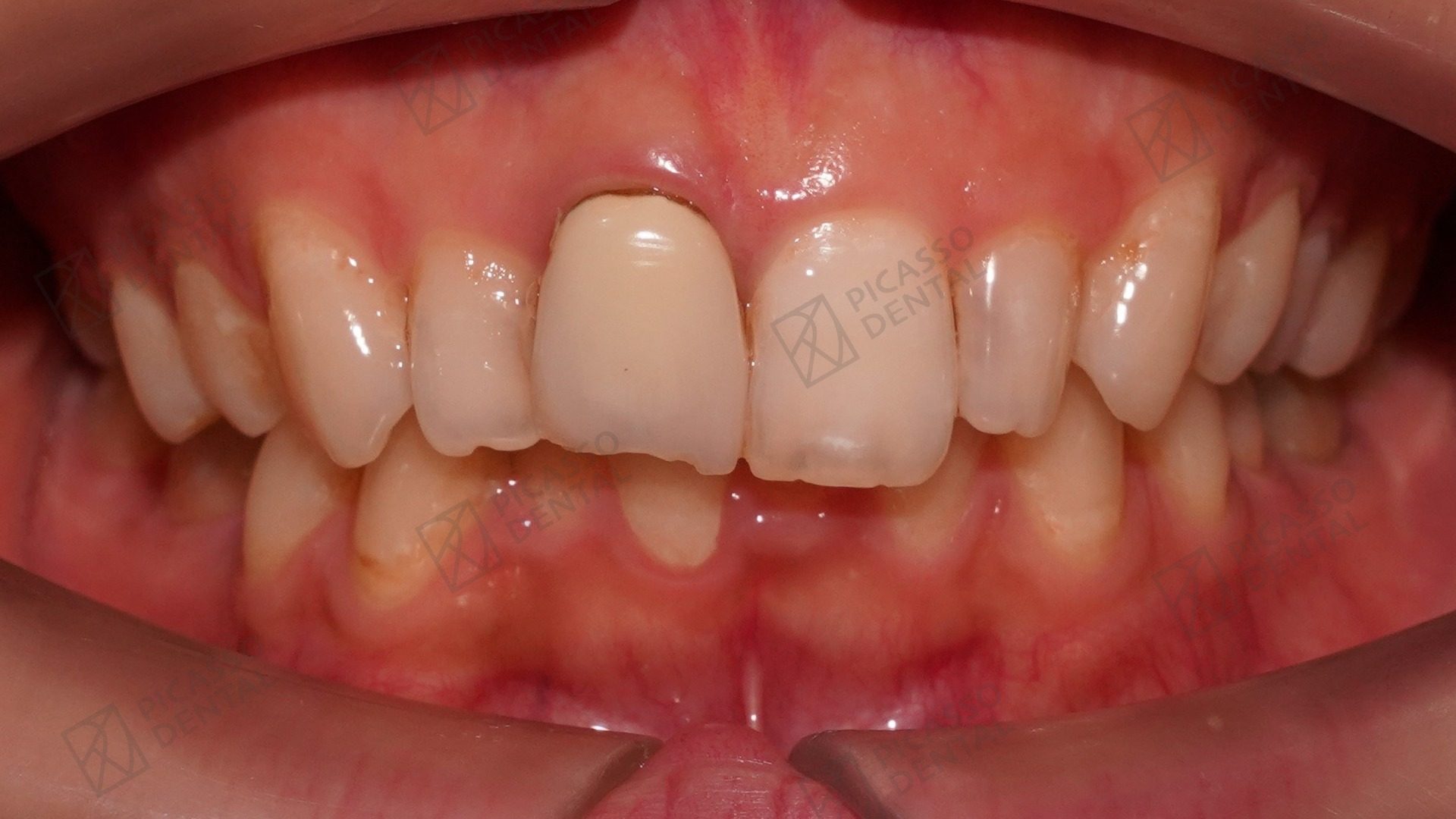
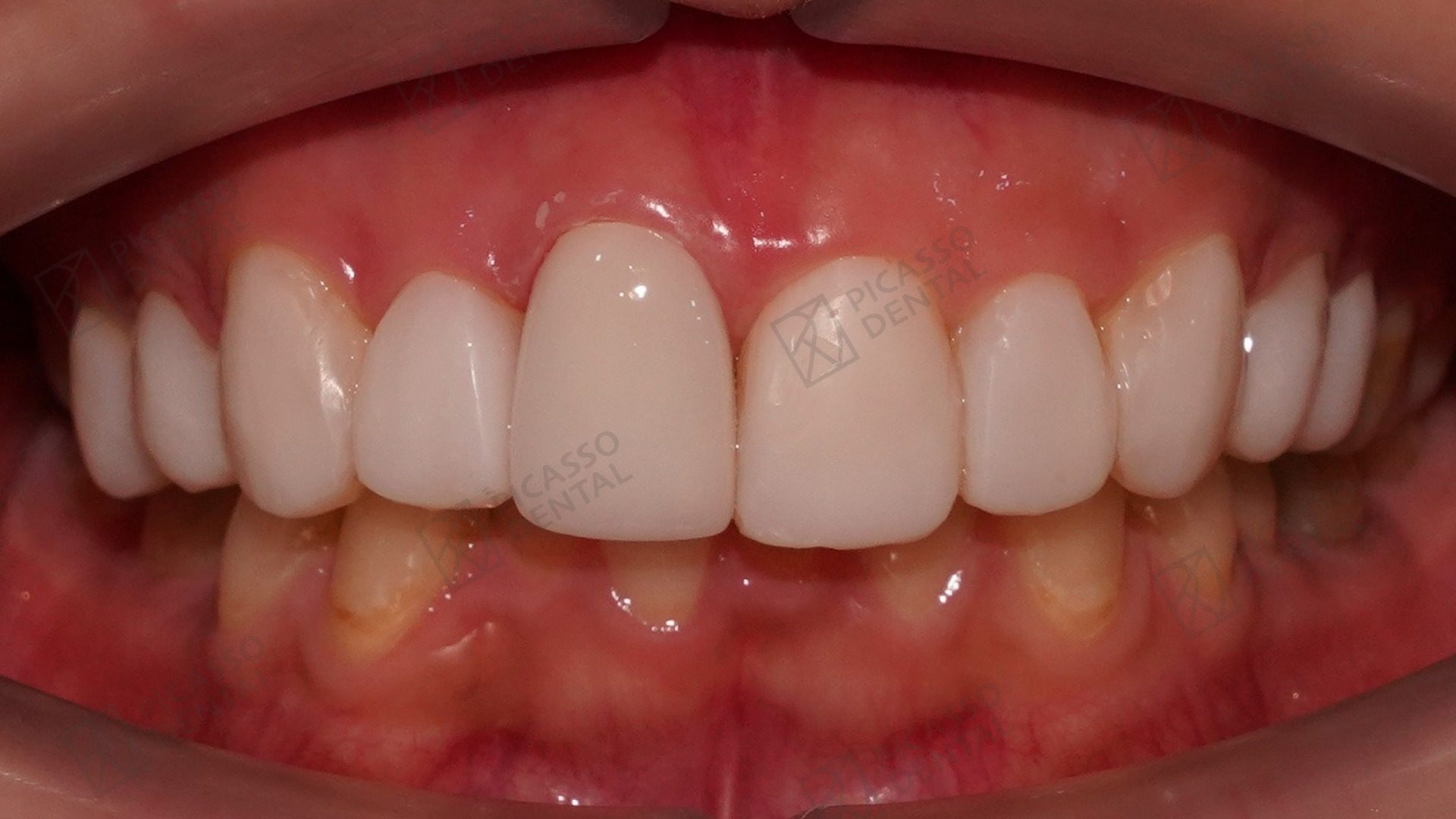
Before and after: patient cases at Picasso Dental
Results from patients treated across Hanoi, Da Nang, and Ho Chi Minh City, including crown restorations, full smile rehabilitations, and implant-supported restorations.
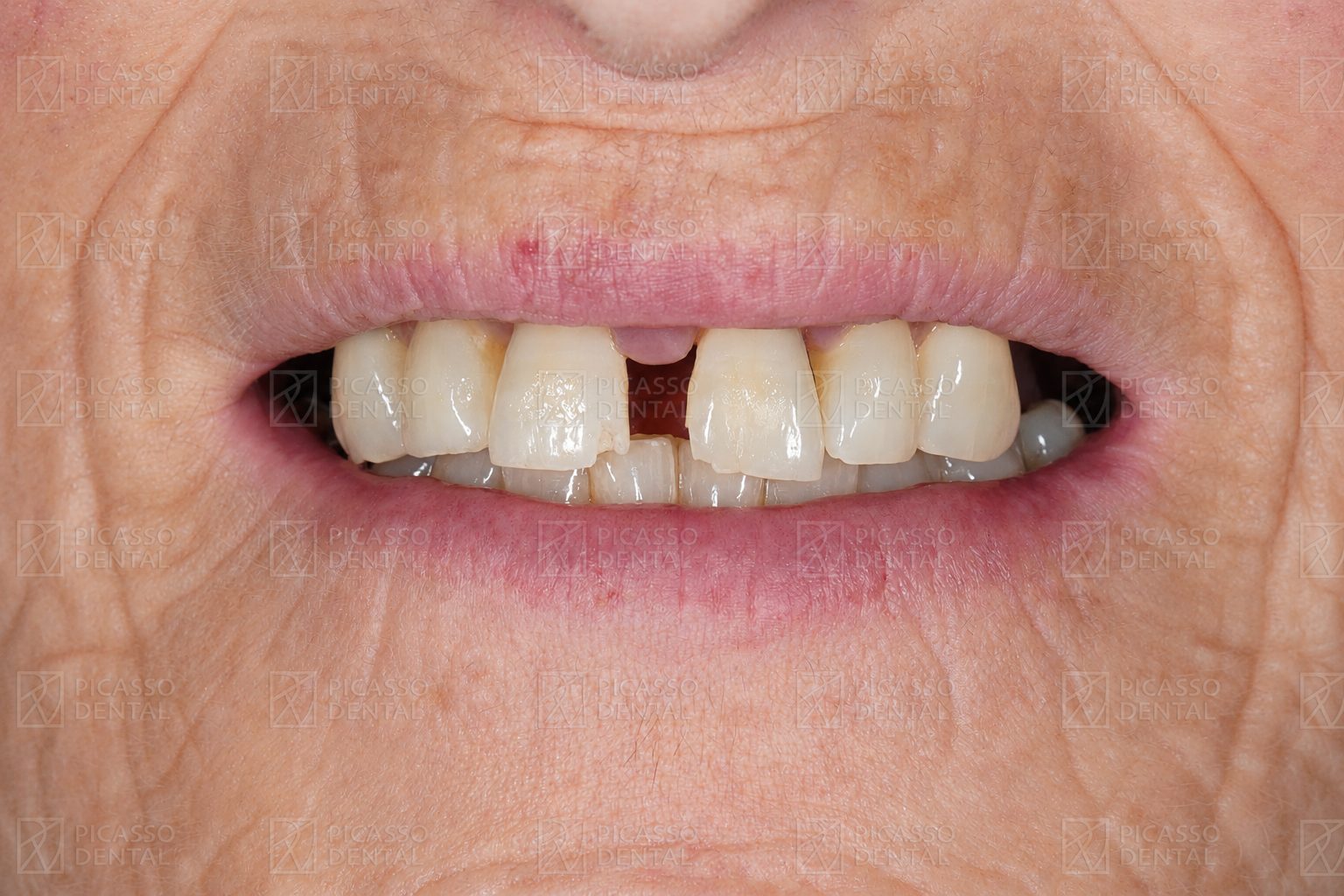 Before
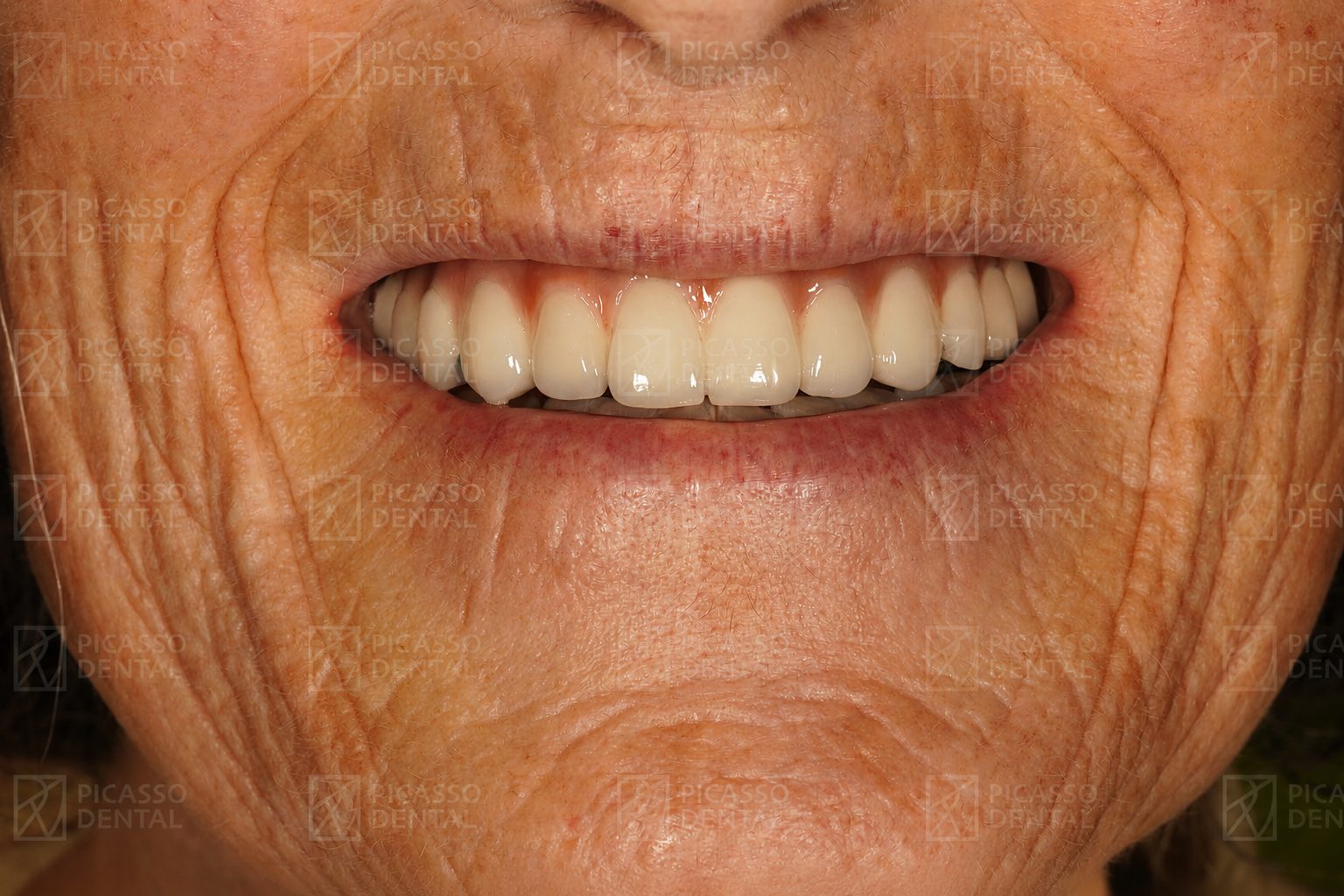 After
AfterFull rehabilitation, Hanoi Old Quarter
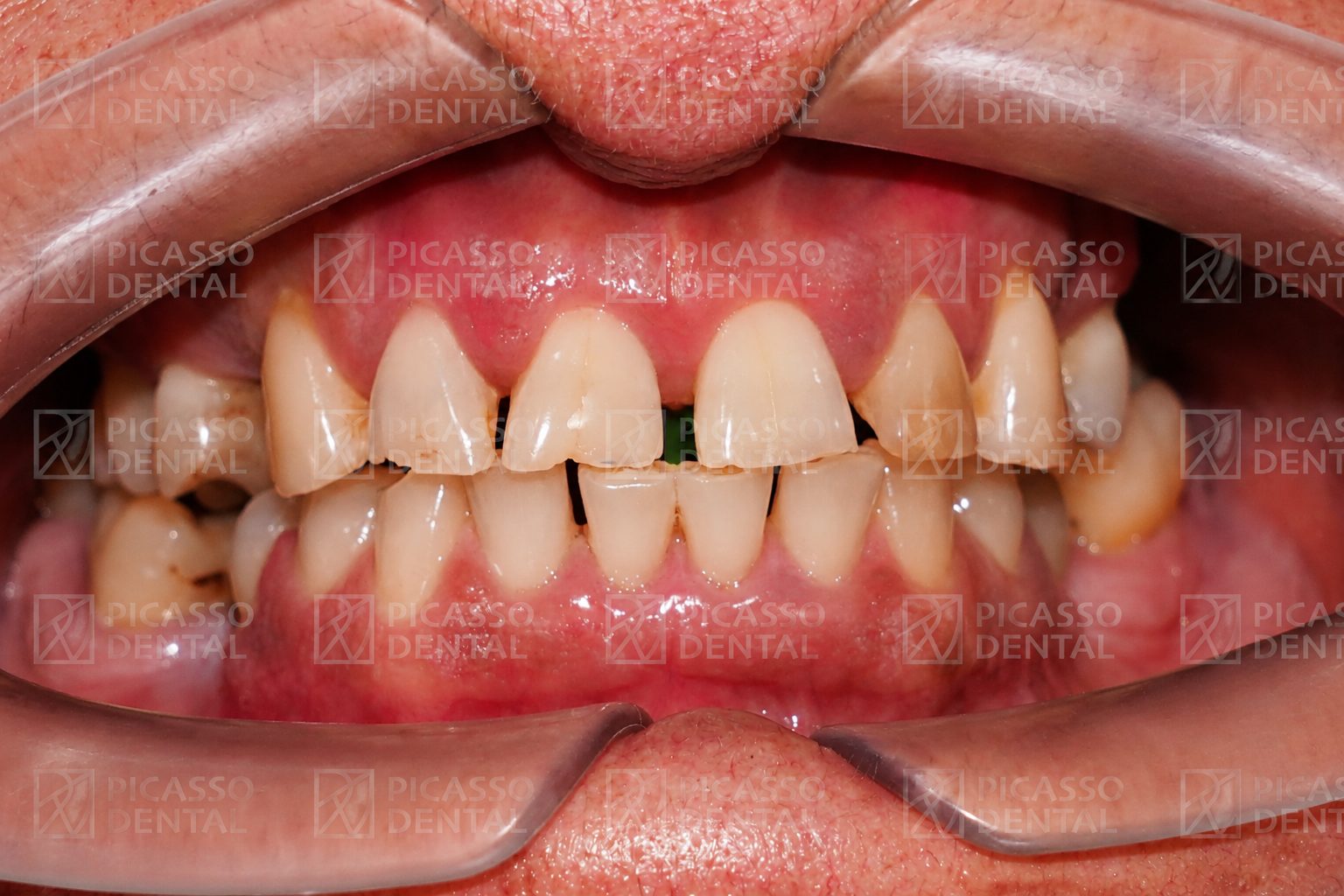 Before
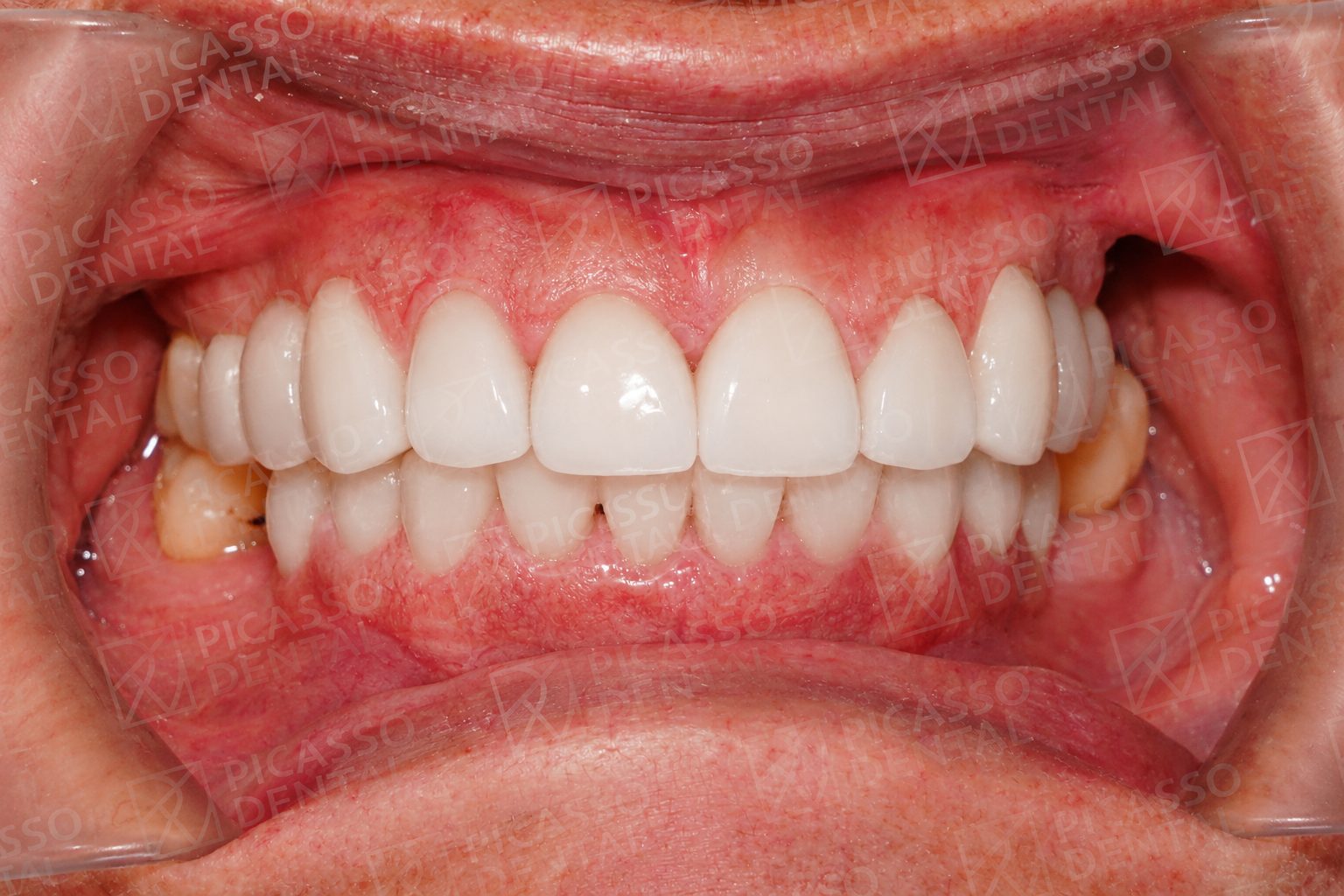 After
AfterPorcelain crowns, Da Nang
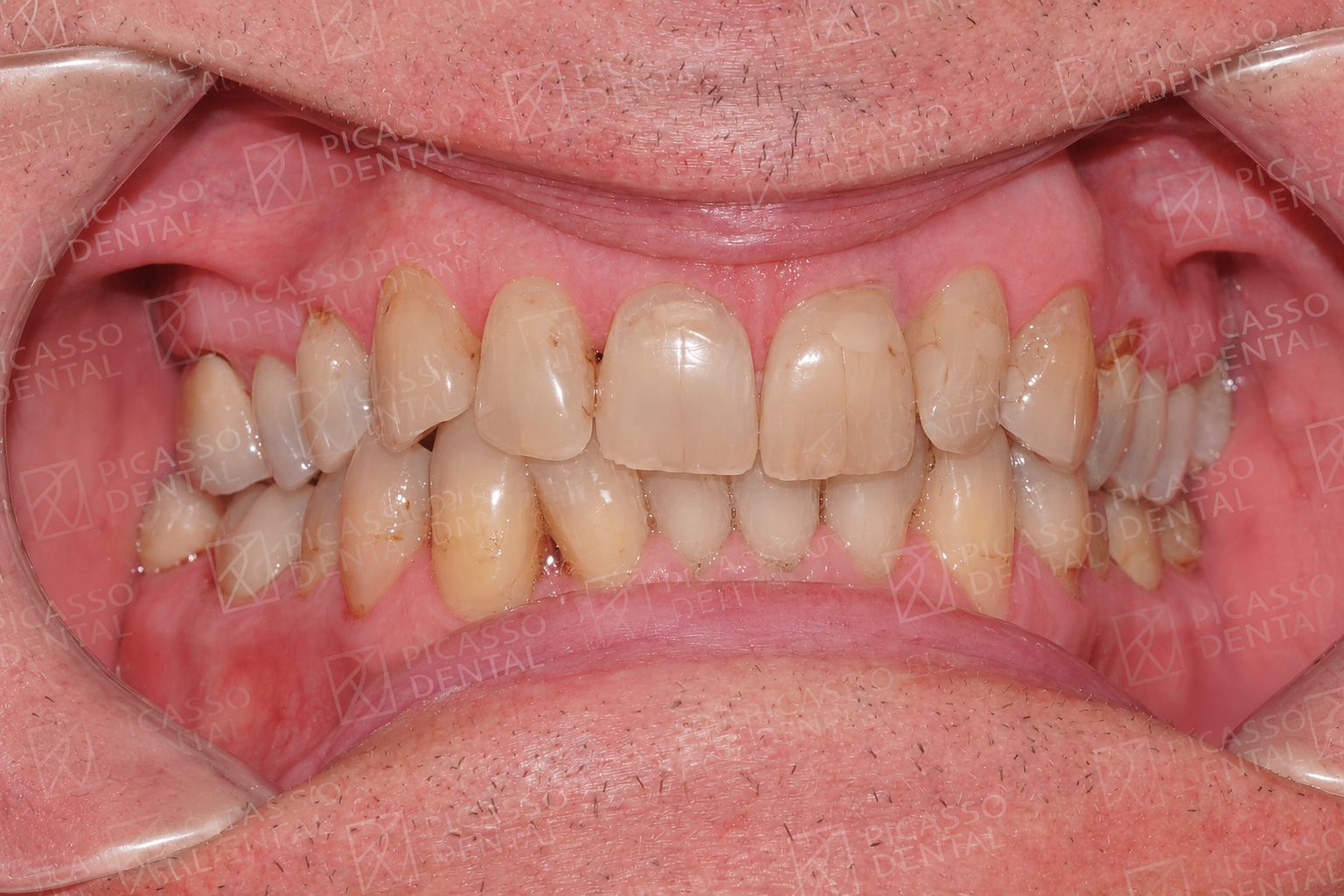 Before
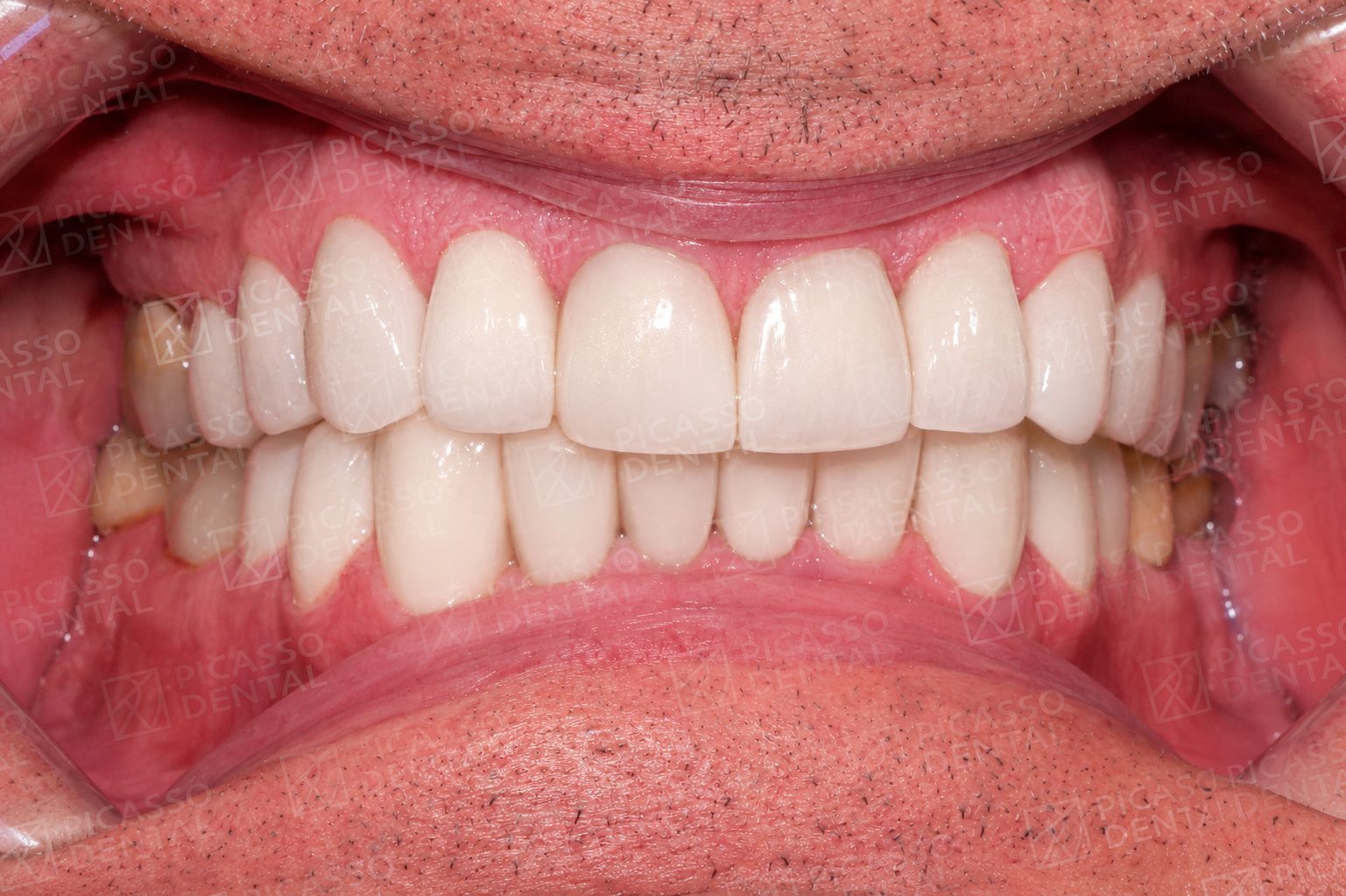 After
AfterCrown and implant, HCMC Thao Dien
 Before
 After
AfterCrown restoration, Hanoi Westlake
 Before
 After
AfterSmile restoration, Da Nang Flagship
Frequently asked questions
What are the five signs you might need a root canal?
The five clearest warning signs are: persistent throbbing tooth pain that does not resolve on its own; prolonged temperature sensitivity lasting 30 seconds or more after the cold or heat source is removed; gum swelling, tenderness, or a small drainage bump near the affected tooth; visible tooth discoloration turning gray, dark yellow, or brownish; and sharp pain when biting down or touching the tooth. Any one of these signs warrants a dental examination. Multiple signs together almost always indicate an infected or dying nerve requiring root canal treatment.
Does root canal treatment hurt?
Root canal treatment is performed under local anaesthetic and is no more uncomfortable than having a filling placed. The pain patients fear is the toothache before treatment, not the procedure itself. Modern anaesthetic techniques and rotary endodontic instruments allow most root canals to be completed comfortably. Some mild soreness around the treated tooth for two to three days after the appointment is normal and resolves with standard over-the-counter pain relief.
How long does root canal treatment take?
A single-rooted front tooth typically takes one appointment of 60 to 90 minutes. A molar with three or four canals may require two appointments of 90 minutes each if the infection is significant. At Picasso Dental, rotary endodontic instruments and digital X-ray reduce procedure time and improve accuracy across all six branches in Hanoi, Da Nang, and Ho Chi Minh City.
What happens if you delay root canal treatment?
Dental infections do not resolve on their own. An untreated infected tooth spreads bacteria to surrounding bone and soft tissue. A dental abscess can form, requiring surgical drainage. In severe cases the infection extends to the jaw, sinuses, or neck. The tooth becomes progressively harder to save: what could have been a straightforward root canal and crown may eventually require extraction and implant placement, which costs significantly more and takes longer to complete.
Can a root canal be avoided if caught early?
If nerve inflammation is caught very early, a pulp cap procedure can sometimes preserve nerve vitality. However, once the nerve is irreversibly inflamed or already dead, root canal treatment is the only option that saves the natural tooth. The best way to avoid root canals is regular examinations every six months, treating cavities before they reach the pulp, and wearing a nightguard if you grind teeth at night.
How long does a root canal last?
A root canal followed by a proper crown can last decades and in many cases the remainder of a patient's life. The ten-year success rate exceeds 85 percent for teeth crowned promptly after treatment. The most common reason root canals fail is reinfection through a failing crown or a new crack. At Picasso Dental, Ivoclar and 3M ceramic crowns provide a reliable seal and natural aesthetics that protect the treated tooth long-term.
How much does root canal treatment cost in Vietnam?
At Picasso Dental, root canal treatment on a molar including a porcelain crown costs USD 200 to 360, compared to AUD 3,000 to 5,000 for equivalent work in Australia. The saving reflects lower operating costs in Vietnam, not lower clinical standards. Picasso uses the same rotary endodontic systems and internationally recognised ceramic materials used by equivalent practices in Australia, the UK, and the US. A written itemised quote is provided before any treatment begins.
What should I expect after a root canal?
Mild soreness around the treated tooth for two to five days is normal. The tooth may feel slightly different when biting as the periodontal ligament recovers. Avoid biting hard foods on the treated side until the permanent crown is placed. Take prescribed pain relief as needed rather than waiting for discomfort to build. If you experience significant swelling, spreading pain, or fever in the days after treatment, contact the clinic immediately as these can indicate the infection has not fully resolved.
Think You Might Need a Root Canal? Find Out Now.
Describe your symptoms and a licensed dentist responds within 24 hours with an honest assessment.
No obligation · Since 2013