Gum Disease Guide
What is the best toothpaste for periodontal disease?
The honest answer involves understanding what toothpaste can and cannot do, which ingredients actually work, and why the brand matters far less than the technique behind it.

Key Takeaways
- No toothpaste can cure periodontal disease. Professional scaling and root planing is the only evidence-based treatment for the disease itself.
- Stannous fluoride is the most clinically supported active ingredient for gum health, providing both antibacterial action and root-surface cavity protection.
- Parodontax and Crest Gum Detoxify are both good stannous fluoride options. Sensodyne Gum Care suits patients with concurrent sensitivity. Colgate Total is a solid baseline choice.
- Highly abrasive whitening and charcoal toothpastes are harmful for periodontal patients because exposed root surfaces wear easily.
- Brushing technique and interdental cleaning produce more improvement than switching brands.
- Periodontal treatment in Vietnam costs a fraction of equivalent care in Australia, the UK, or the United States.
Why this question matters more than people think
I am Dr. Emily Nguyen, Founding Clinical Director of Picasso Dental Clinic. Since 2013 I have treated more than 70,000 patients from 65 nationalities across our six branches in Hanoi, Da Nang, Ho Chi Minh City, and Da Lat. Periodontal disease is one of the most common conditions I see, and the toothpaste question comes up in almost every initial consultation.
It matters because the answer reveals something about how a patient understands their condition. Patients who ask the question are already engaged in their care. The risk is that the question sometimes implies a belief that the right toothpaste alone can manage the disease. It cannot. But chosen well, toothpaste is a meaningful part of a complete treatment plan.
This article gives you my clinical view, grounded in evidence, on which ingredients help, which products are worth using, what to avoid, and how cost compares between Vietnam and other countries for those considering professional periodontal treatment at one of our clinics. If your gums are healthy and you simply want to keep them that way, the companion guide on the best toothpaste for gum health is the better starting point.
What toothpaste can and cannot do
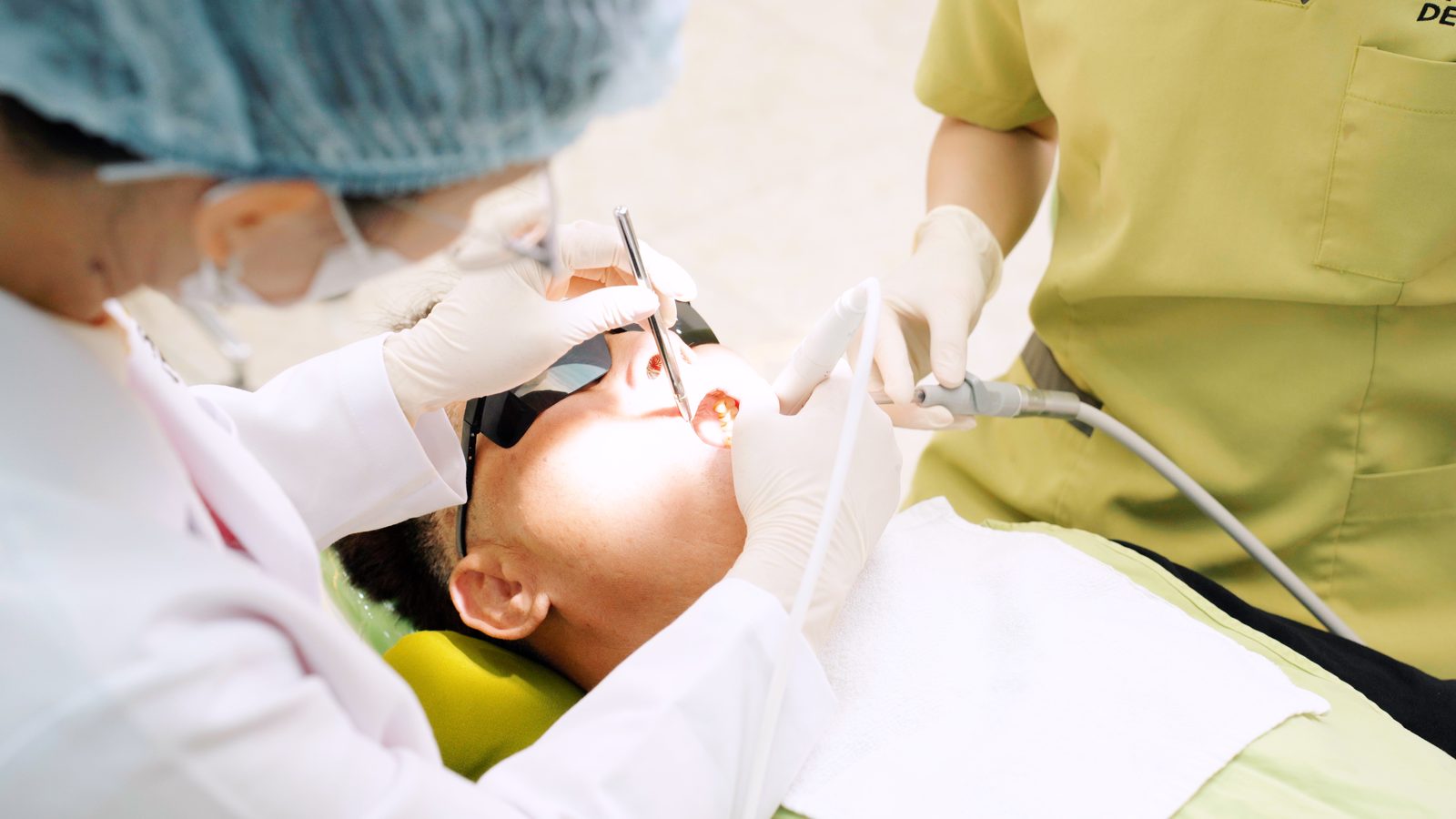
Periodontal disease is a bacterial infection of the tissues that support your teeth. In its moderate to advanced stages, bacteria have colonised pockets between the teeth and gums that are several millimetres deep. Toothbrush bristles and toothpaste reach the surface of those pockets and slightly below the gum margin, but they cannot access the depth where the destructive infection is progressing.
That depth requires professional instrumentation. Scaling and root planing, performed by a dentist or hygienist, physically removes bacterial biofilm and calcified deposits from root surfaces below the gum line. This is the foundational treatment. Toothpaste cannot replicate it.
I have seen patients spend months trying various specialised toothpastes while their disease quietly progressed because they believed the products were managing the problem. They were not. If you have been diagnosed with periodontal disease or suspect you might have it, please do not delay professional evaluation in favour of a toothpaste trial.
"I've waited 2 years before writing a review. Everything has turned out perfectly. I can now eat without pain, no more bleeding gums, no more bad breath, and of course I can smile with confidence."
Lawrie Smith, Melbourne, Hanoi Old Quarter, Google review
The ingredients that actually work
Stannous fluoride
Stannous fluoride is the ingredient with the strongest clinical evidence behind it for gum disease. It differs from sodium fluoride, the standard fluoride compound in most toothpastes, in one important way: stannous fluoride has direct antibacterial activity. It disrupts the metabolism of the bacteria that cause periodontal disease and inhibits their ability to adhere to tooth and root surfaces.
Multiple randomised controlled trials have shown that stannous fluoride toothpastes reduce gingival bleeding and inflammation compared to sodium fluoride toothpastes with the same brushing protocol. For periodontal patients, this matters because bleeding on probing is both a sign of active disease and a marker clinicians use to track progress.
Stannous fluoride also protects exposed root surfaces from cavities, which is a secondary but important benefit. Periodontal patients with recession are at higher risk of root caries, and a toothpaste that addresses both risks simultaneously is clinically efficient.
Zinc citrate
Zinc compounds, particularly zinc citrate, provide antibacterial benefits and help control the volatile sulphur compounds responsible for the bad breath that often accompanies periodontal disease. Zinc is not as powerful as stannous fluoride, but it contributes meaningfully to bacterial control, especially in formulations that combine it with other active ingredients. Patients with gum disease frequently report that zinc-containing toothpastes improve breath freshness alongside observable gum health changes.
Triclosan (historical context)
Triclosan was for many years a well-evidenced antibacterial agent in periodontal toothpastes. Concerns about antibiotic resistance and environmental persistence led to its removal from most consumer products in recent years. It is now uncommon in over-the-counter formulations. Stannous fluoride has largely filled the evidence gap it left.
Four brands worth using
Parodontax
Parodontax is my most frequent first recommendation for patients newly diagnosed with periodontal disease. It contains stannous fluoride in a formulation specifically designed to reduce gum bleeding. The texture is slightly gritty and the taste is mildly salty, which some patients find unusual at first. Most adapt within a week. Clinical improvement in bleeding and inflammation is often noticeable within two to four weeks of consistent use.
Crest Gum Detoxify
Crest Gum Detoxify uses the same stannous fluoride technology as Parodontax but in a more conventional toothpaste format with a standard mint flavour. The formula is designed to activate into a foam that helps it reach around the gum line. For patients who find the Parodontax texture off-putting, this is an equally valid alternative with comparable clinical benefits.
Sensodyne Gum Care
Periodontal patients with gum recession frequently develop sensitivity on exposed root surfaces. Sensodyne Gum Care addresses both sensitivity and gum health simultaneously, which makes it practical for this subset of patients. It contains potassium nitrate or stannous fluoride depending on the regional formulation, alongside ingredients targeted at gum margin health.
Colgate Total
Colgate Total provides broad-spectrum antibacterial protection and is widely available across Vietnam and internationally. Its current formulation no longer contains triclosan in most markets, but it remains a solid baseline toothpaste for gum health. For patients who cannot access Parodontax or Crest Gum Detoxify locally, Colgate Total is a practical, affordable alternative that is better than a standard cavity-protection toothpaste.
Ingredients and product types to avoid
Use these
- Stannous fluoride
- Zinc citrate
- Sodium fluoride (baseline protection)
- Low-abrasion formulas (RDA below 70)
- Potassium nitrate (for sensitivity)
Avoid these
- Highly abrasive whitening formulas
- Charcoal toothpastes
- Fluoride-free "natural" toothpastes
- Baking soda as a sole abrasive (if used aggressively)
- Any toothpaste with unsubstantiated "gum repair" claims
The abrasivity concern deserves emphasis. Periodontal disease causes gum recession, and recession exposes the root surface of the tooth. Unlike the crown of the tooth, root surfaces are not covered by enamel. They are covered by cementum, a much softer tissue that wears under abrasive toothpaste far more readily. Aggressive whitening toothpastes and charcoal products can cause irreversible surface loss on these exposed roots, leading to sensitivity and structural damage over time.
Fluoride-free toothpastes, regardless of their other merits, fail to protect exposed root surfaces from decay. Root caries is a significant risk in periodontal patients, and fluoride is the most effective topical protection against it. This is not a situation where fluoride is optional.
Ready to address your gum health properly? Our periodontal team provides comprehensive assessments across six branches in Vietnam, with a written cost estimate before any treatment begins.
Book a periodontal assessment →Technique matters more than brand
I tell every periodontal patient the same thing: you will get more improvement from correcting your brushing technique than from switching to a specialist toothpaste. The toothpaste is only effective on the areas the bristles reach. If technique is poor, the best toothpaste in the world will not compensate.
The modified Bass technique
Place a soft-bristled brush at a 45-degree angle toward the gum line so the bristle tips rest partly on the gum margin and partly on the tooth surface. Use small circular or vibrating strokes rather than long horizontal scrubbing. Move systematically through all four quadrants, spending approximately 30 seconds per quadrant for a total of two minutes. Apply light pressure. The bristles should flex slightly but not be forced flat against the tooth.
Hard scrubbing is one of the most common errors I see in patients with periodontal disease. It does not clean better. It traumatises gum tissue, accelerates recession, and abrades root surfaces. The pressure required to remove plaque is minimal. Plaque is soft. What removes it is contact and mechanical disruption, not force.
Electric toothbrushes
Oscillating-rotating electric toothbrushes (Oral-B) and sonic toothbrushes (Philips Sonicare) consistently outperform manual brushing for plaque removal and gum health in clinical studies. Models with pressure sensors are particularly useful for periodontal patients who tend to brush too hard. The sensor stops the brush or alerts you when pressure exceeds a safe threshold, preventing the damage that otherwise accumulates over months and years.
Interdental cleaning
Periodontal disease most often progresses first in the spaces between teeth, where toothpaste and brush bristles cannot reach. Daily interdental cleaning is therefore non-negotiable in a periodontal management plan. Use whichever device you will actually use consistently: traditional floss, interdental brushes sized to fit your gaps, or a water flosser. Water flossers are particularly effective at flushing bacteria from deeper pockets and are easier to use around fixed restorations.
Complementary products that support gum health
Beyond toothpaste, two product categories make a measurable difference in periodontal management.
Chlorhexidine mouth rinse, available in prescription strength in Vietnam, is the gold standard antimicrobial rinse for short-term use after periodontal treatment. It reduces bacterial load significantly during the healing phase following professional cleaning. Long-term daily use is not recommended because of staining and taste alteration side effects, but a two-week course after deep cleaning or surgery provides real benefit.
Fluoride mouth rinse (0.05% sodium fluoride, over the counter) supplements toothpaste fluoride for patients with significant recession and high root caries risk. Using it after brushing extends fluoride contact time with the tooth surface without adding another brushing step. It is a simple addition to the routine for high-risk patients.
The role of professional treatment
Toothpaste and home care are maintenance tools. They preserve the results of professional treatment and slow disease progression, but they do not treat the disease itself.
Scaling and root planing removes calcified bacterial deposits from root surfaces below the gum line, physically disrupts the biofilm that sustains the infection, and creates a clean root surface against which the gum tissue can reattach. This procedure addresses the disease at its structural source. It is typically performed in two to four sessions, each covering one or two quadrants of the mouth, using local anaesthesia for comfort.
After active treatment, periodontal maintenance visits every three to four months prevent bacterial recolonisation of treated pockets. At our clinics, patients who maintain this schedule consistently keep their disease stable for years. Those who return only for annual check-ups often see gradual deterioration between visits, even with good home care. Where the disease has already destroyed too much bone to save a tooth, the long-term solution is usually a dental implant, which we plan only after the surrounding gum disease is brought under control.
"The practice is spotlessly clean and hygiene practices at the highest level. The costs are upfront and more than satisfactory compared to Australia."
Michael Vandekamp, Australia, full jaw implants and periodontal care, Google review
Cost of periodontal treatment: Vietnam versus international
A significant proportion of patients who seek periodontal treatment at our clinics are international visitors or expatriates who have delayed treatment in their home country because of cost. The price difference is substantial.
| Treatment | Vietnam (Picasso Dental) | Australia | United Kingdom | United States |
|---|---|---|---|---|
| Initial periodontal assessment | USD 20 to 40 | AUD 80 to 200 | GBP 50 to 120 | USD 75 to 200 |
| Full-mouth scaling and root planing (all 4 quadrants) | USD 80 to 200 | AUD 800 to 2,000 | GBP 400 to 900 | USD 1,000 to 3,000 |
| Periodontal maintenance visit (3-month recall) | USD 25 to 60 | AUD 150 to 350 | GBP 60 to 150 | USD 100 to 300 |
| Periodontal surgical consultation | USD 30 to 60 | AUD 200 to 500 | GBP 120 to 300 | USD 150 to 400 |
All figures are approximate and reflect current typical ranges. Picasso Dental prices will vary by severity and number of teeth involved. We provide written cost estimates before any treatment begins.
Putting it all together
The best toothpaste for periodontal disease contains stannous fluoride, is low-abrasion, and is used twice daily with correct technique. Parodontax and Crest Gum Detoxify are my primary recommendations. Sensodyne Gum Care is appropriate when sensitivity is also a concern. Colgate Total is a practical baseline. Charcoal and highly abrasive whitening toothpastes should be avoided.
More important than brand selection: use a soft-bristled brush with the modified Bass technique, clean interdentally every day, and maintain your professional treatment schedule. Toothpaste is one layer of a system. It works best when the other layers are in place.
If you are managing periodontal disease and want a structured assessment of your home care routine alongside professional treatment, our clinics across Vietnam offer comprehensive periodontal care at a cost that makes regular maintenance accessible.
Frequently asked questions
Can toothpaste cure periodontal disease?
No. Toothpaste cannot cure periodontal disease. It plays a supporting role by reducing surface bacteria, decreasing gum inflammation, and protecting exposed root surfaces from cavities. The deep bacterial infection and bone loss that define periodontal disease require professional treatment, specifically scaling and root planing performed by a dentist.
What ingredient is most important in toothpaste for gum disease?
Stannous fluoride is the most clinically supported ingredient for gum disease. Unlike standard sodium fluoride, stannous fluoride has direct antibacterial activity against the bacteria that cause periodontal disease, while also protecting exposed root surfaces from cavities. Multiple clinical trials show it reduces gum bleeding and inflammation more effectively than plain fluoride toothpastes.
Is Parodontax the best toothpaste for gum disease?
Parodontax is among the most evidence-supported options because it contains stannous fluoride in a formulation specifically designed for gum health. Many patients notice reduced bleeding gums within two to four weeks. Crest Gum Detoxify is an equally valid alternative using the same stannous fluoride technology. The best choice depends on personal tolerance and local availability.
Should I avoid whitening toothpastes if I have periodontal disease?
Yes, highly abrasive whitening toothpastes are not recommended for periodontal patients. Periodontal disease and gum recession expose root surfaces, which lack the protective enamel that covers tooth crowns. Abrasive whitening formulas wear away this softer root structure over time, causing sensitivity and long-term structural damage. Choose a non-abrasive toothpaste with therapeutic antibacterial ingredients instead.
How much does periodontal treatment cost in Vietnam compared to Australia or the UK?
Periodontal treatment at Picasso Dental Clinic in Vietnam typically costs between USD 80 and USD 200 for a full-mouth scaling and root planing session, depending on severity. The equivalent treatment in Australia ranges from AUD 800 to AUD 2,000, in the UK from GBP 400 to GBP 900, and in the United States from USD 1,000 to USD 3,000. Many international patients combine periodontal care with travel to Vietnam specifically because of this cost difference.
How often should I use therapeutic toothpaste for gum disease?
Use therapeutic toothpaste twice daily as part of your regular brushing routine, ideally morning and before bed. Brush for a full two minutes each time at a 45-degree angle toward the gum line. The active ingredients need adequate contact time to be effective, so do not rinse your mouth immediately after brushing. Spitting out the excess is sufficient.
Is charcoal toothpaste good for periodontal disease?
No. Charcoal toothpastes have no proven benefit for periodontal disease and are generally too abrasive for compromised gum tissue and exposed root surfaces. The marketing claims for charcoal products are not supported by clinical evidence. Periodontal patients should choose a low-abrasion toothpaste with stannous fluoride or zinc citrate, not charcoal.
Ready to address your gum health properly?
Our periodontal team provides comprehensive assessments across six branches in Vietnam. Written cost estimate before any treatment begins.
No obligation · Since 2013